De Fleury, RBiblio.com

3 731 résultats
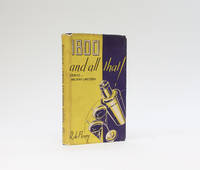
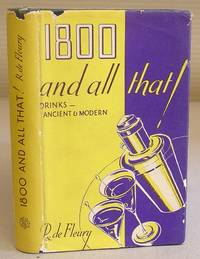
193411111112222233441The First UK printing published by William Heinemann Ltd London In 1934. The BOOK is in Very Good or better condition. Slight splaying of the boards. The gilt titling remains very bright. Light offsetting to the end papers. Mild toning to the text-block and page edges. Free from inscriptions. Light crease to the upper corner of the first 30 pages. The WRAPPER is complete and is in Very Good condition. A little edge wear with some small closed tears and light rubbing in places. A small chip to the lower front cover edge. Light fading of colouring to the spine. Mild age related markings to the flaps and covers. The wrapper is protected in a removable Brodart archival cover. A very scarce British cocktail guide in which the front flap states: 'The largest collection of formulae ever included in one book. 1262 Sweet Cocktails 287 Dry Cocktails'. De Fleury would go on to publish only one other guide in which he added 100 cocktails to this collection. A very attractive copy of a title which rarely turns up in collectible condition. Ashton Rare Books welcomes direct contact. William Heinemann Ltd, London hardcover
13652London: The St. Catherine Press. 1937. First edition first printing. First edition first printing. Publisher's dark green leather with gilt titles to the spine in dustwrapper. An excellent near fine copy the binding square firm and unworn. The contents are entirely complete and without previous owner's inscriptions or stamps. There is a little spotting to the endpapers and some darkening to the top edge of the text block otherwise the pages are clean and bright throughout. Complete with the rubbed nicked and darkened original dustwrapper which has a couple of short closed tears to the extremities. Price-clipped to the front flap. Scarce in the original dustwrapper. The second of the author's classic cocktail books containing over 2000 different drinks recipes. Further details and images for any of the items listed are available on request. Lucius Books welcomes direct contact with our customers. London: The St. Catherine Press. 1937 hardcover
1891044409Lancaster: Eaton & Bulfield 1891. 1st Edition. Hardcover. Very Good. Clean With No Remarks Or Highlights Inside. Hardcover With No Dust Jacket. Original Copy Not A Reprint This Is An 1891 Book. Inscription From 1910 At The Verso Of The Front Cover. Pages Are Yellow From The Age.- Specializing in academic collectible and historically significant providing the utmost quality and customer service satisfaction. For any questions feel free to email us. Eaton & Bulfield hardcover
15673-0-94Paris, Andreas Wechel, 1567. 8°, 1(w), 4 Bll., 795(1) S., 16 Bll., 2 (w), flex. Pgmt. d. Zt. mit hs. Rückentitel
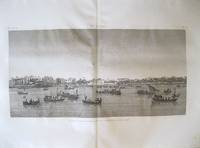
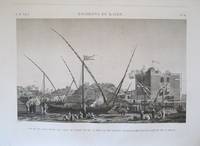
1968Middle East: Paris Impremerie de C.L.F.Pancoucke 1820-1829. Large double page copper engraved view of the area of Ezbekyeh North West Cairo from the first volume of the "Etat Modene "of the "Description de l'Egypte" 2nd Edition; 1822; black & white; verso blank. Blind stamp of the publisher Panckoucke to margin. The view shows the area of Ezbekieh in Cairo as seen from the Nile with many boats in the foreground. Ezbekieh is part of modern Cairo close to the gardens of the same name and popular with foreign visitors. Good dark impression; foxing to sky and blank margins. "Description de l'Egypte ou Recueil des observations et des recherches qui ont été faites en Egypte pendant l'expédition de l'armée française." When Napoleon Bonaparte invaded Egypt in 1798 he brought with him an entourage of more than 160 scholars and scientists. Known as the French Commission on the Sciences and Arts of Egypt these experts undertook an extensive survey of the country's archeology topography and natural history. . For four years more than 150 artists engineers linguists and scientists traveled throughout the country examining almost every aspect of ancient and contemporary Egypt. They recorded and measured in meticulous detail Egypt's topography flora and fauna and its ancient and contemporary architecture. A soldier who was part of the expedition found the famous Rosetta Stone which the French linguist and scholar Jean-François Champollion 1790-1832 later used to unlock many of the mysteries that long had surrounded the language of ancient Egypt. The Egyptian expedition ended with a total military failure. The French left Egypt in 1801 with the honors of war but defeated; yet military failure remains a significant event in the history of knowledge because it is the first time a military expedition was accompanied by a scientific expedition. In 1802 Napoleon authorized the publication of the commission's findings in a monumental multi-volume work that included plates maps scholarly essays and a detailed index. Publication of the original Imperial edition began in 1809 and continued to 1822 sold by subscription. It proved so popular that a second edition was published under the post-Napoleonic Bourbon Restoration. The "Royal edition" published in Paris by C.L.F. Panckoucke from 1820-1830. The Second edition consists of 11 or 12 volumes of plates in folio and 24 of text bound as 26 8vo. Brunet:II 617; Blackmer/Navari: 476 1st edition Middle East Egypt Cairo Ezbekieh Paris Impremerie de C.L.F.Pancoucke 1820-1829 unknown
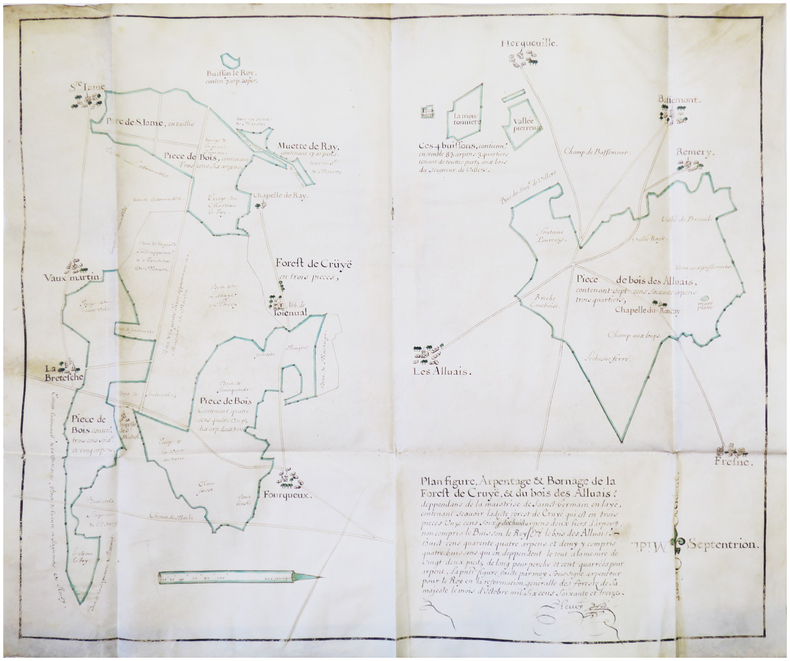
1673LBW-7442Octobre 1673. 55 x 67,5 cm, sur peau de vélin.
1780RO80157822BEAUME Pierre. 1778 - 1780. In-12. Relié demi-cuir. A restaurer, Couv. défraîchie, Dos abîmé, Quelques rousseurs. De 600 à 700 par volumes. Quelques bandeaux, lettrines et culs-de-lampe illustrées en noir et blanc. Titre, roulettes et tomaisons dorés sur les dos en veau marron. Pièces de titre noires. Tranches mouchetées rouges. Dos craquelés et brunis. Coins et coupes des plats, frottés. Manques importants de cuir sur certains dos, ou totalement absent sur les Tomes 1, 3, 5, 6, 8, 10, 13 à 16, 18 et 23. Quelques mouillures dans certains volumes.. . . . Classification Dewey : 270-Histoire et géographie de l'Eglise
193750409St Catharine Press 1937. 1st edition. Hardback. Green Calf dj VG/VG. xii336pp dustjacket a little tanned to the spine & slightly chipped along the edges internally fine small chip to the leather at the head of the spine a nice near fine copy. The second of De Fleury's cocktail books containing 2094 drink recipes from the 18th century onwards. St Catharine Press hardcover
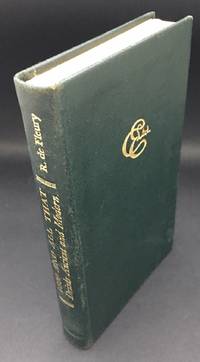
1937biblio352<p>First UK Printing published by The St. Catherine Press London in 1937. The BOOK is in Very Good condition. It would be near fine apart from the fact that there are some penned notes written on one page at the rear in the allotted blank notes section. The black Leather binding is in very good condition and the gilt titling is very bright. Light toning to text block and the page edges. Two small stains to the lower text block which do not encroach onto the pages. Presentation copy with the company details of Edwards and Cleave Ltd. to the verso of the blank front end paper. There is also the Company's gilt motif to the front book cover. Lacking the very scarce dustjacket. The book is protected in a loose mylar cover. The follow up to R de Fleury's 1934 book titled '1700 Cocktails for the Man behind the Bar' in which he attempted to compile recipes for every known cocktail to date. Very Scarce. Ashtonrarebooks welcomes direct contact. </p> St. Catherine Press, London hardcover
1975Middle East: Paris Impremerie de C.L.F.Pancoucke 1820-1829. Copper engraved view of the painted interior of the temple of Mnemnon Thebes from the third volume of the "Antiquities "of the "Description de l'Egypte" 2nd Edition; black & white; verso blank. Blind stamp of the publisher Panckoucke to margin. The view shows the highly decorated interior of the palace and temple of Remeses II. erroneously called the Memnonium. Good dark impression; some light foxing mainly to margins. "Description de l'Egypte ou Recueil des observations et des recherches qui ont été faites en Egypte pendant l'expédition de l'armée française." When Napoleon Bonaparte invaded Egypt in 1798 he brought with him an entourage of more than 160 scholars and scientists. Known as the French Commission on the Sciences and Arts of Egypt these experts undertook an extensive survey of the country's archeology topography and natural history. . For four years more than 150 artists engineers linguists and scientists traveled throughout the country examining almost every aspect of ancient and contemporary Egypt. They recorded and measured in meticulous detail Egypt's topography flora and fauna and its ancient and contemporary architecture. A soldier who was part of the expedition found the famous Rosetta Stone which the French linguist and scholar Jean-François Champollion 1790-1832 later used to unlock many of the mysteries that long had surrounded the language of ancient Egypt. The Egyptian expedition ended with a total military failure. The French left Egypt in 1801 with the honors of war but defeated; yet military failure remains a significant event in the history of knowledge because it is the first time a military expedition was accompanied by a scientific expedition. In 1802 Napoleon authorized the publication of the commission's findings in a monumental multi-volume work that included plates maps scholarly essays and a detailed index. Publication of the original Imperial edition began in 1809 and continued to 1822 sold by subscription. It proved so popular that a second edition was published under the post-Napoleonic Bourbon Restoration. The "Royal edition" published in Paris by C.L.F. Panckoucke from 1820-1830. The Second edition consists of 11 or 12 volumes of plates in folio and 24 of text bound as 26 8vo. Brunet:II 617; Blackmer/Navari: 476 1st edition Middle East Egypt Memnonium. Thebes Paris Impremerie de C.L.F.Pancoucke 1820-1829 unknown
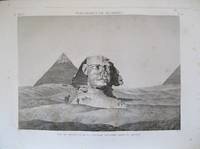
1978Middle East: Paris Impremerie de C.L.F.Pancoucke 1820-1829. Copper engraved view of the Great Sphinx between the Pyramids of Giza from the fifth volume of the "Antiquities "of the "Description de l'Egypte" 2nd Edition; black & white; verso blank. Blind stamp of the publisher Panckoucke to margin. The view shows the Sphinx full face emerging from the sand with the Pyramid of Khafre behind. Good dark impression; some spotting mainly to margins a few to image. "Description de l'Egypte ou Recueil des observations et des recherches qui ont été faites en Egypte pendant l'expédition de l'armée française." When Napoleon Bonaparte invaded Egypt in 1798 he brought with him an entourage of more than 160 scholars and scientists. Known as the French Commission on the Sciences and Arts of Egypt these experts undertook an extensive survey of the country's archeology topography and natural history. . For four years more than 150 artists engineers linguists and scientists traveled throughout the country examining almost every aspect of ancient and contemporary Egypt. They recorded and measured in meticulous detail Egypt's topography flora and fauna and its ancient and contemporary architecture. A soldier who was part of the expedition found the famous Rosetta Stone which the French linguist and scholar Jean-François Champollion 1790-1832 later used to unlock many of the mysteries that long had surrounded the language of ancient Egypt. The Egyptian expedition ended with a total military failure. The French left Egypt in 1801 with the honors of war but defeated; yet military failure remains a significant event in the history of knowledge because it is the first time a military expedition was accompanied by a scientific expedition. In 1802 Napoleon authorized the publication of the commission's findings in a monumental multi-volume work that included plates maps scholarly essays and a detailed index. Publication of the original Imperial edition began in 1809 and continued to 1822 sold by subscription. It proved so popular that a second edition was published under the post-Napoleonic Bourbon Restoration. The "Royal edition" published in Paris by C.L.F. Panckoucke from 1820-1830. The Second edition consists of 11 or 12 volumes of plates in folio and 24 of text bound as 26 8vo. Brunet:II 617; Blackmer/Navari: 476 1st edition Middle East Egypt Sphinx Pyramids of Giza Memphis Paris Impremerie de C.L.F.Pancoucke 1820-1829 unknown
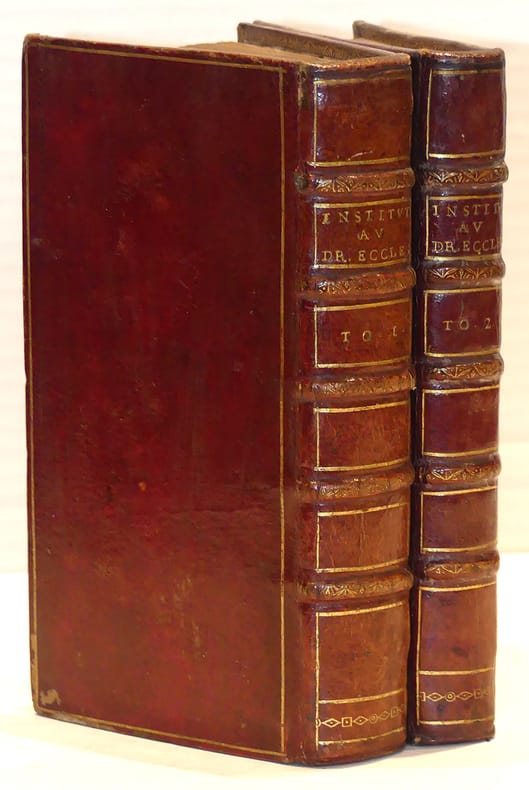
16886531Paris, Pierre Auboin, Pierre Emery et Charles Clousier, 1688. 2 volumes in-12 (158 x 82 mm), 3 ff. n. ch., 452 pp.; 1 f. n ch., 262 pp., 9 ff. Maroquin rouge, filet doré en encadrement sur les plats, dos à nerfs, encadrements de filets dorés, roulette sur les coupes et les chasses, tranches dorées, dos légèrement pâlis, petits frottements et manques de couleur sur les plats, coins légèrement émoussés (reliure de l’époque).
17085004Villemarie: July 31 1708. Good/The judge rules on a claim on four parcels of beaver that were consigned at Michilmackinac by Robert Réaume to Jacques Charles de Couagne but that never arrived in Montreal. Couagne protested that he never received the packages in the first place but Réaume produced a signed receipt. Based on the evidence Deschambault ordered de Couagne's estate to pay for the beaver at the 1704 rate plus interest and costs. 21 x 32 cm; 2 pages signed by Deschambault as Royal Judge at Montreal and by Royal Notary Adhémar. Portion cut from lower left not affecting text and expertly repaired. Preserved in archival portfolio. July 31 unknown books
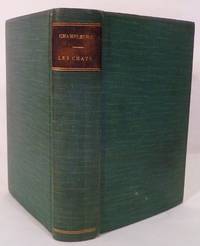
187020455Paris: J. Rothschild 1870. Fourth edition. Hardcover. Green cloth with beveled edges leather spine label printed in gilt. Very good. 332 pages. 18 x 12 cm. Inscribed and signed by Chamfleury on half title. Extra illustrated with 28 additional engravings etchings and woodcuts: some in color. Original wrappers bound-in. Interior contents fresh and clean small book label The author was an art critic and novelist a prominent supporter of the Realist movement in painting and fiction. CARTERET III 142. VICAIRE II 200. J. Rothschild hardcover books
1781333691781, chez G.Le Roy à Caen, in-8 demi-cuir, couverture marbrée, préface de 19 pages dans le 1er tome, pages de garde marbrées, titrages dorés. « Nouvelle édition, corrigée, comprenant en 24 volumes les 36 de l'édition de Paris; à laquelle on a ajouté la table générale de tout l'ouvrage, en forme de Dictionnaire, faisant le 25ème volume. », frais de port offerts | Etat : Etat d'usage, coins, champs et coiffes usées, dos souvent très frottés, mors fendus, rousseurs, frais de port offert (Ref.: G3837)
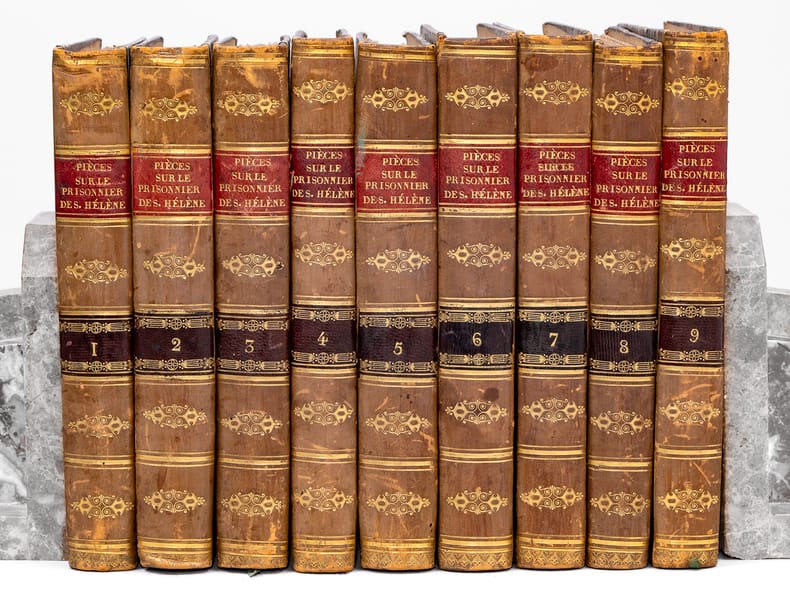
1821680899 vol. in-8 reliure de l'époque demi-veau brun, dos lisse orné, Chez Alexandre Corréard, Paris, 1820-1822 : Tome 1 : 2 ff., 443 pp. avec deux planches hors texte (portrait en couleurs de Napoléon et Plan de Longwood) ; Tome 2 : 2 ff., 496 pp. avec deux planches hors texte (portraits de Las Cases avec son fils et de Gourgaud) ; Tome 3 : 2 ff., 459 pp. avec une planche hors texte, une carte dépliante et deux tableaux dépliants ; Tome 4 : 2 ff., 432 pp. avec 2 planches hors texte (portrait de Bertrand et Montholon) ; Tome 5 : 2 ff., 522 pp. ; Tomes 6 et 7 : Les Cent Jours. Mémoires pour servir à l'histoire de la Vie Privée du retour et du Règne de Napoléon en 1815, De l'Imprimerie de C. Roworth, A Londres, 1820, 2 ff., XVI-416 pp. ; 2 ff., 400 pp. ; Tomes 8 et 9 : 2 ff., 467 ; 2 ff., 432 pp. Rappel du titre complet : Titre complet : Recueil de pièces authentiques sur le Captif de Sainte-Hélène ; de Mémoires et Documens écrits ou dictés par l'empereur Napoléon ; suivis de Lettres de MM. le Grand-Maréchal comte Bertrand, le comte Las Cases, le général baron Gourgaud, le général comte Montholon, les docteurs Warden, O'Meara et Autommarchi, et plusieurs personnages de haute distinction.
1740LFA-12673493136 volumes de 598, 658, 624, 756, 656, 648, 636, 632, 576, 576, 648, 632, 671, 732, 624, 718, 696, 634, 608, 604, 532, 688, 694, 659, 766, 640, 648, 600, 752, 730, 674, 694, 668, 742, 706, 646 pages, format 100 x 170 mm, reliures plein cuir, dos à nerfs ornés (pièces de titre manquantes), tranches marbrées, publiés entre 1740 et 1753, A Paris, Chez Pierre-Jean Marriette, bon état
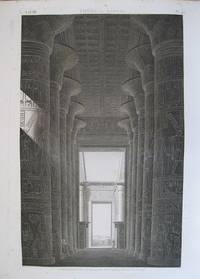
1974Middle East: Paris Impremerie de C.L.F.Pancoucke 1820-1829. Copper engraved view view of the great hypostyle hall in the Precinct of Amun Re Karnak Thebes from the third volume of the "Antiquities "of the "Description de l'Egypte" 2nd Edition; black & white; verso blank. Blind stamp of the publisher Panckoucke to margin. The view shows the great hypostyle hall in the Precinct of Amun Re with the massive carved columns. Good dark impression; some light foxing. "Description de l'Egypte ou Recueil des observations et des recherches qui ont été faites en Egypte pendant l'expédition de l'armée française." When Napoleon Bonaparte invaded Egypt in 1798 he brought with him an entourage of more than 160 scholars and scientists. Known as the French Commission on the Sciences and Arts of Egypt these experts undertook an extensive survey of the country's archeology topography and natural history. . For four years more than 150 artists engineers linguists and scientists traveled throughout the country examining almost every aspect of ancient and contemporary Egypt. They recorded and measured in meticulous detail Egypt's topography flora and fauna and its ancient and contemporary architecture. A soldier who was part of the expedition found the famous Rosetta Stone which the French linguist and scholar Jean-François Champollion 1790-1832 later used to unlock many of the mysteries that long had surrounded the language of ancient Egypt. The Egyptian expedition ended with a total military failure. The French left Egypt in 1801 with the honors of war but defeated; yet military failure remains a significant event in the history of knowledge because it is the first time a military expedition was accompanied by a scientific expedition. In 1802 Napoleon authorized the publication of the commission's findings in a monumental multi-volume work that included plates maps scholarly essays and a detailed index. Publication of the original Imperial edition began in 1809 and continued to 1822 sold by subscription. It proved so popular that a second edition was published under the post-Napoleonic Bourbon Restoration. The "Royal edition" published in Paris by C.L.F. Panckoucke from 1820-1830. The Second edition consists of 11 or 12 volumes of plates in folio and 24 of text bound as 26 8vo. Brunet:II 617; Blackmer/Navari: 476 1st edition Middle East Egypt Karnak Thebes Paris Impremerie de C.L.F.Pancoucke 1820-1829 unknown
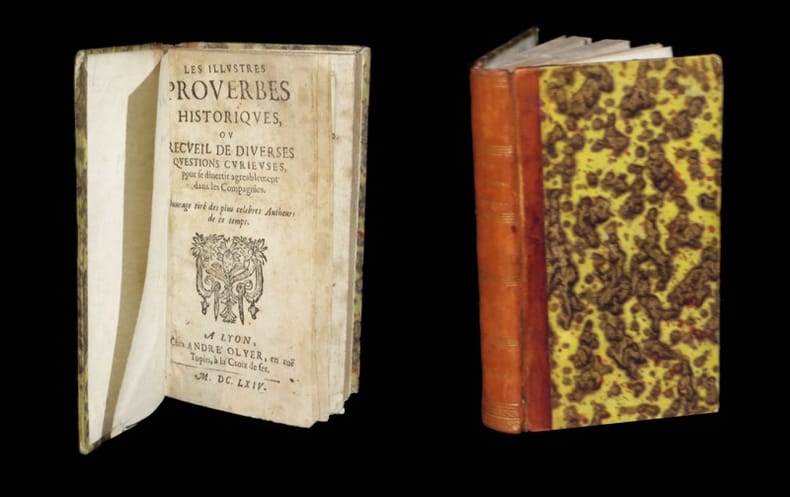
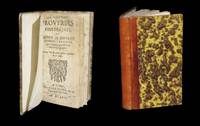
166430453A Lyon, chez André Olyer, 1664. Un vol. au format gd in-16 étroit (138 x 78 mm) de 3 ff. n.fol., 228 pp. et 5 ff. n.fol. Reliure XIXème de demi-basane glacé fauve, dos lisse orné de quadruples filets dorés, titre doré, palette et date dorées en queue, tranches mouchetées/
1664304531664. A Lyon chez AndrÂŽ Olyer 1664. Un vol. au format gd in-16 ÂŽtroit 138 x 78 mm de 3 ff. n.fol. 228 pp. et 5 ff. n.fol. Reliure XIXÂme de demi-basane glacÂŽ fauve dos lisse ornÂŽ de quadruples filets dorÂŽs titre dorÂŽ palette et date dorÂŽes en queue tranches mouchetÂŽes/ Edition en partie originale ''qui doit Âtre terminÂŽe par un Ballet des proverbes dansÂŽ par Louis XIV en 1654''. in Barbier. Ce qui est ici le cas. L'exemplaire n'est en revanche ici par pourvu de sa planche gravÂŽe. ''Ce joli exemplaire est ornÂŽ d'une grande planche pliÂŽe que je n'ai jamais vue dans aucun autre et qui reprÂŽsente une vingtaine de proverbes en action assez joliment gravÂŽs''. Nodier. 'Il se trouve dans cette premiÂre publication de Bellingen quelques explications graveleuses que l'auteur n'a pas admises dans la seconde''. in Brunet. Barbier II Dictionnaire des ouvrages anonymes 892-d - Brunet III Manuel du libraire et de l'amateur de livres 408 pour des ÂŽditions millÂŽsimÂŽes 1665 chez PÂŽpinguÂŽ ou Guignard ou P. David - Nodier MÂŽlanges tirÂŽs d'une petite bibliothÂque p. 128 - Absent de Rochambeau Bibliographie des Oeuvres de La Fontaine. Dos passÂŽ. Petit manque angulaire affectant quatre feuillets. Un autre prÂŽsente quelques t‰ches. Papier oxydÂŽ. Rousseurs et t‰ches claires dans le corps d'ouvrage. Quelques feuillets rognÂŽs un peu court. Du reste bonne condition. b42961 unknown
1971Middle East: Paris Impremerie de C.L.F.Pancoucke 1820-1829. Copper engraved view of Festival of the Nile flood and the opening of Khaleej dike Cairo from the first volume of the "Etat Modene "of the "Description de l'Egypte" 2nd Edition; 1822; black & white; verso blank. Blind stamp of the publisher Panckoucke to margin. The view shows the festival celebrated at the opening of the Khaleej dike so that the flood waters of the Nile can enter the canal. Since ancient times the Nile has played a vital role in Egypt to the point that it is the river that the Egyptians attributed the birth and existence of their country. As the waters of the Nile rose the Egyptians prepared to let them through for irrigation etc thus a most important moment each year to be celebrated. the sultan would proceed to the Misr point to open the dike. Called the cavalcade of the opening of the Khaleej. it was was one of the most important festivals of the year. Good dark impression; some light foxing; glue and remains of tissue guard to upper margin. "Description de l'Egypte ou Recueil des observations et des recherches qui ont été faites en Egypte pendant l'expédition de l'armée française." When Napoleon Bonaparte invaded Egypt in 1798 he brought with him an entourage of more than 160 scholars and scientists. Known as the French Commission on the Sciences and Arts of Egypt these experts undertook an extensive survey of the country's archeology topography and natural history. . For four years more than 150 artists engineers linguists and scientists traveled throughout the country examining almost every aspect of ancient and contemporary Egypt. They recorded and measured in meticulous detail Egypt's topography flora and fauna and its ancient and contemporary architecture. A soldier who was part of the expedition found the famous Rosetta Stone which the French linguist and scholar Jean-François Champollion 1790-1832 later used to unlock many of the mysteries that long had surrounded the language of ancient Egypt. The Egyptian expedition ended with a total military failure. The French left Egypt in 1801 with the honors of war but defeated; yet military failure remains a significant event in the history of knowledge because it is the first time a military expedition was accompanied by a scientific expedition. In 1802 Napoleon authorized the publication of the commission's findings in a monumental multi-volume work that included plates maps scholarly essays and a detailed index. Publication of the original Imperial edition began in 1809 and continued to 1822 sold by subscription. It proved so popular that a second edition was published under the post-Napoleonic Bourbon Restoration. The "Royal edition" published in Paris by C.L.F. Panckoucke from 1820-1830. The Second edition consists of 11 or 12 volumes of plates in folio and 24 of text bound as 26 8vo. Brunet:II 617; Blackmer/Navari: 476 1st edition Middle East Egypt Cairo Festival of the Khaleej Paris Impremerie de C.L.F.Pancoucke 1820-1829 unknown
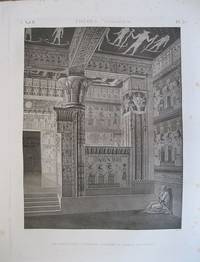
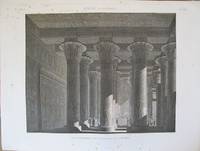
1980Middle East: Paris Impremerie de C.L.F.Pancoucke 1820-1829. Copper engraved view of the interior of the temple of Esna from the first volume of the "Antiquities "of the "Description de l'Egypte" 2nd Edition; black & white; verso blank. Blind stamp of the publisher Panckoucke to margin. The view shows the highly decorated columns and ceiling of the entrance to the temple with a procession moving through to the main temple The tutelary deities of Latopolis seem to have been the triad – Khnum and Neith and Heka their offspring. The temple of Esna dedicated to this triad was remarkable for the beauty of its site and the magnificence of its architecture. It was built of red sandstone and its portico consisted of six rows of four columns each with lotus-leaf capitals all of which however differ from each other Good dark impression; spotting mainly to margins. "Description de l'Egypte ou Recueil des observations et des recherches qui ont été faites en Egypte pendant l'expédition de l'armée française." When Napoleon Bonaparte invaded Egypt in 1798 he brought with him an entourage of more than 160 scholars and scientists. Known as the French Commission on the Sciences and Arts of Egypt these experts undertook an extensive survey of the country's archeology topography and natural history. . For four years more than 150 artists engineers linguists and scientists traveled throughout the country examining almost every aspect of ancient and contemporary Egypt. They recorded and measured in meticulous detail Egypt's topography flora and fauna and its ancient and contemporary architecture. A soldier who was part of the expedition found the famous Rosetta Stone which the French linguist and scholar Jean-François Champollion 1790-1832 later used to unlock many of the mysteries that long had surrounded the language of ancient Egypt. The Egyptian expedition ended with a total military failure. The French left Egypt in 1801 with the honors of war but defeated; yet military failure remains a significant event in the history of knowledge because it is the first time a military expedition was accompanied by a scientific expedition. In 1802 Napoleon authorized the publication of the commission's findings in a monumental multi-volume work that included plates maps scholarly essays and a detailed index. Publication of the original Imperial edition began in 1809 and continued to 1822 sold by subscription. It proved so popular that a second edition was published under the post-Napoleonic Bourbon Restoration. The "Royal edition" published in Paris by C.L.F. Panckoucke from 1820-1830. The Second edition consists of 11 or 12 volumes of plates in folio and 24 of text bound as 26 8vo. Brunet:II 617; Blackmer/Navari: 476 1st edition Middle East Egypt Esne Esna Latopolis Paris Impremerie de C.L.F.Pancoucke 1820-1829 unknown
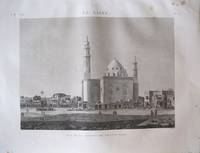
1966Middle East: Paris Impremerie de C.L.F.Pancoucke 1820-1829. Copper engraved view of the mosque of Sultan Hasan Cairo from the first volume of the "Etat Modene "of the "Description de l'Egypte" 2nd Edition; 1822; black & white; verso blank. Blind stamp of the publisher Panckoucke to margin. The view shows the mosque towering over the nearby buildings with small shops and workshops in and around the Square. Good dark impression; some foxing to platemainly to blank margins. "Description de l'Egypte ou Recueil des observations et des recherches qui ont été faites en Egypte pendant l'expédition de l'armée française." When Napoleon Bonaparte invaded Egypt in 1798 he brought with him an entourage of more than 160 scholars and scientists. Known as the French Commission on the Sciences and Arts of Egypt these experts undertook an extensive survey of the country's archeology topography and natural history. . For four years more than 150 artists engineers linguists and scientists traveled throughout the country examining almost every aspect of ancient and contemporary Egypt. They recorded and measured in meticulous detail Egypt's topography flora and fauna and its ancient and contemporary architecture. A soldier who was part of the expedition found the famous Rosetta Stone which the French linguist and scholar Jean-François Champollion 1790-1832 later used to unlock many of the mysteries that long had surrounded the language of ancient Egypt. The Egyptian expedition ended with a total military failure. The French left Egypt in 1801 with the honors of war but defeated; yet military failure remains a significant event in the history of knowledge because it is the first time a military expedition was accompanied by a scientific expedition. In 1802 Napoleon authorized the publication of the commission's findings in a monumental multi-volume work that included plates maps scholarly essays and a detailed index. Publication of the original Imperial edition began in 1809 and continued to 1822 sold by subscription. It proved so popular that a second edition was published under the post-Napoleonic Bourbon Restoration. The "Royal edition" published in Paris by C.L.F. Panckoucke from 1820-1830. The Second edition consists of 11 or 12 volumes of plates in folio and 24 of text bound as 26 8vo. Brunet:II 617; Blackmer/Navari: 476 1st edition Middle East Egypt Cairo Sultan Hasan Mosque Paris Impremerie de C.L.F.Pancoucke 1820-1829 unknown
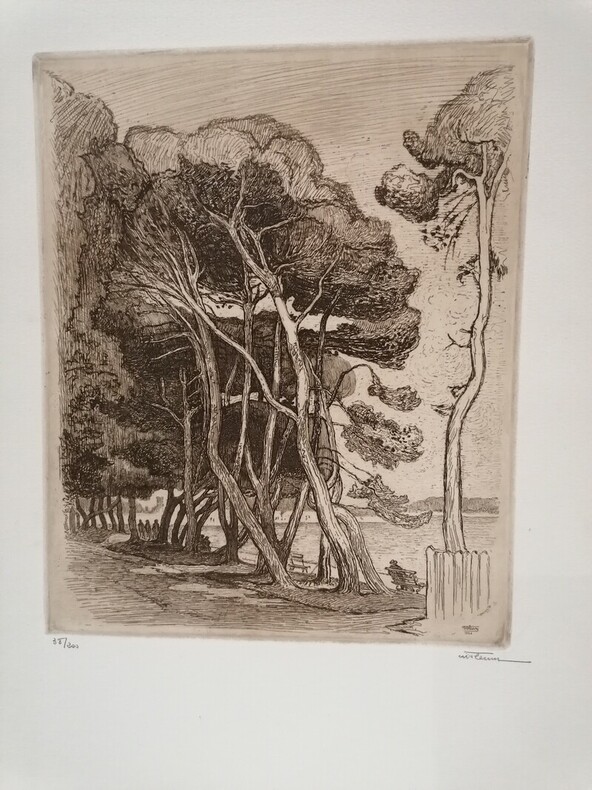
50787Marcel Fleury.1924-1926.Recueil In-folio de 40 eaux-fortes originales.Préface par André Hallays.Porte-folio vert avec figure et caractères dorés sur le 1er.plat,avec lacets.Eaux-fortes sous serpentes,numérotées et signées par L'Artiste. Exemplaire intéressant n°38/200.
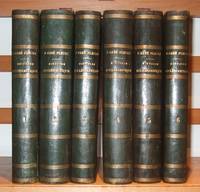
1836099928Paris: Au Bureau Du Moniteur Des Villes et Des Campagnes 1836. Books measure 26x18cm. 740pp921pp668pp816pp740pp648pp. Bound in period quarter calf marble boards flat gilt bands gilt title lettering. Bindings lightly rubbed occasional minor nick or abrasion mark tail of one spine chipped with loss one hinge joint split but board firmly attached. Generally all bindings in good clean firm condition. Internally a couple of pages working loose light tanning or foxing. Pages in good clean condition. A nice set in attrcative period bindings. . Quarter Calf. Very Good. Large 8 Vo. Au Bureau Du Moniteur Des Villes et Des Campagnes Hardcover