1 284 résultats
1966F101332Leicester, Leicester University Press 1966 342pp., 23cm., publisher's hardcover in red cloth, dustwrapper with some traces of use, text clean and bright, good condition, F101332
342pp., 23cm., publisher's hardcover in red cloth, dustwrapper with some traces of use, text clean and bright, good condition, F101332
276 p. Damp stain. Foxed. Manuscript ownership of Abraham Myer, 1831 on first fly leaf. 12mo. 180 mm. Original rubbed full leather binding. Original leather spine label. Potter's second edition. Very good. S&S/AI 43385. Hardbound. AI BX 2
Book is fine. DJ has a few tears and chipping. DJ spine sunned. ; A translation and commentary of Demetrius of Phalerum's treatise on style and linguistics; The Phoenix, Supplementary Vol. IV; 171 pages
Light Foxing to textblock. Scholar's bookplate to inner cover (G. P. Goold). Minor shelfwear. DJ spine sunned. ; A translation and commentary of Demetrius of Phalerum's treatise on style and linguistics; The Phoenix, Supplementary Vol. IV; 171 pages
Minor shelfwear. Foxing to top of textblock. ; 350 pages; Explores rhetorical theory and practice from the fifth to first centuries B. C. Begins with the practical, creative rhetoric of the pre-Socratic era, progresses through the time of Aristotle and the Attic orators, and concludes with the ossification of rhetoric into a sterile, pedantic discipline during the Hellenistic period.
Very light shelfwear to book else fine. Scholar's name to ffep (R. E. Fantham). Very light edgewear to DJ else fine. ; 0.88 x 9.48 x 6.38 Inches; 224 pages; By its very nature, the art of oratory involves character. Verbal persuasion entails the presentation of a persona by the speaker that affects an audience for good or ill. In this book, James May explores the role and extent of Cicero's use of ethos and demonstrates its persuasive effect. May discusses the importance of ethos, not just in classical rhetorical theory but also in the social, political, and judicial milieu of ancient Rome, and then applies his insights to the oratory of Cicero. Ciceronian ethos was a complex blend of Roman tradition, Cicero's own personality, and selected features of Greek and Roman oratory. More than any other ancient literary genre, oratory dealt with constantly changing circumstances, with a wide variety of rhetorical challenges. An orator's success or failure, as well as the artistic quality of his orations, was largely the direct result of his responses to these circumstances and challenges. Acutely aware of his audience and its cultural heritage and steeped in the rhetorical traditions of his predecessors, Cicero employed rhetorical ethos with uncanny success. May analyzes individual speeches from four different periods of Cicero's career, tracing changes in the way Cicero depicted character, both his own and others', as a source of persuasion, changes intimately connected with the vicissitudes of Cicero's career and personal life. He shows that ethos played a major role in almost every Ciceronian speech, that Cicero's audiences were conditioned by common beliefs about character, and finally, that Cicero's rhetorical ethos became a major source for persuasion in his oratory.
Very light bump to 1 corner. Else book is fine. Sticker residue to front panel of DJ. ; 0.88 x 9.48 x 6.38 Inches; 224 pages; By its very nature, the art of oratory involves character. Verbal persuasion entails the presentation of a persona by the speaker that affects an audience for good or ill. In this book, James May explores the role and extent of Cicero's use of ethos and demonstrates its persuasive effect. May discusses the importance of ethos, not just in classical rhetorical theory but also in the social, political, and judicial milieu of ancient Rome, and then applies his insights to the oratory of Cicero. Ciceronian ethos was a complex blend of Roman tradition, Cicero's own personality, and selected features of Greek and Roman oratory. More than any other ancient literary genre, oratory dealt with constantly changing circumstances, with a wide variety of rhetorical challenges. An orator's success or failure, as well as the artistic quality of his orations, was largely the direct result of his responses to these circumstances and challenges. Acutely aware of his audience and its cultural heritage and steeped in the rhetorical traditions of his predecessors, Cicero employed rhetorical ethos with uncanny success. May analyzes individual speeches from four different periods of Cicero's career, tracing changes in the way Cicero depicted character, both his own and others', as a source of persuasion, changes intimately connected with the vicissitudes of Cicero's career and personal life. He shows that ethos played a major role in almost every Ciceronian speech, that Cicero's audiences were conditioned by common beliefs about character, and finally, that Cicero's rhetorical ethos became a major source for persuasion in his oratory.
Scratch to front panel of DJ. Minor rubbing to DJ else NF. ; 0.88 x 9.48 x 6.38 Inches; 224 pages; By its very nature, the art of oratory involves character. Verbal persuasion entails the presentation of a persona by the speaker that affects an audience for good or ill. In this book, James May explores the role and extent of Cicero's use of ethos and demonstrates its persuasive effect. May discusses the importance of ethos, not just in classical rhetorical theory but also in the social, political, and judicial milieu of ancient Rome, and then applies his insights to the oratory of Cicero. Ciceronian ethos was a complex blend of Roman tradition, Cicero's own personality, and selected features of Greek and Roman oratory. More than any other ancient literary genre, oratory dealt with constantly changing circumstances, with a wide variety of rhetorical challenges. An orator's success or failure, as well as the artistic quality of his orations, was largely the direct result of his responses to these circumstances and challenges. Acutely aware of his audience and its cultural heritage and steeped in the rhetorical traditions of his predecessors, Cicero employed rhetorical ethos with uncanny success. May analyzes individual speeches from four different periods of Cicero's career, tracing changes in the way Cicero depicted character, both his own and others', as a source of persuasion, changes intimately connected with the vicissitudes of Cicero's career and personal life. He shows that ethos played a major role in almost every Ciceronian speech, that Cicero's audiences were conditioned by common beliefs about character, and finally, that Cicero's rhetorical ethos became a major source for persuasion in his oratory.
Inner hinges cracked and were repaired with tape at one point. Tape stains to inner hinges. Fraying and chipping to spine ends. Corners edgeworn. Scholar's bookplate to inner cover (G. P. Goold). Foxing to endpapers. ; English and Greek Text. ; 539 pages
Lower corners a bit bumped. 1 corner of front wrap a bit creased. ; Inaugural - Dissertation; 213 pages
95035Gothae et Erfordiae, Sumptibus Guil. Hennings 1829, 1834, 200x120mm, XXXII - 296 + 226pages, reliure demi-basane. Pièce de titre et d’auteur dorés au dos. Plats papier marbré. Tache brune sur le milieu des bords des pages.
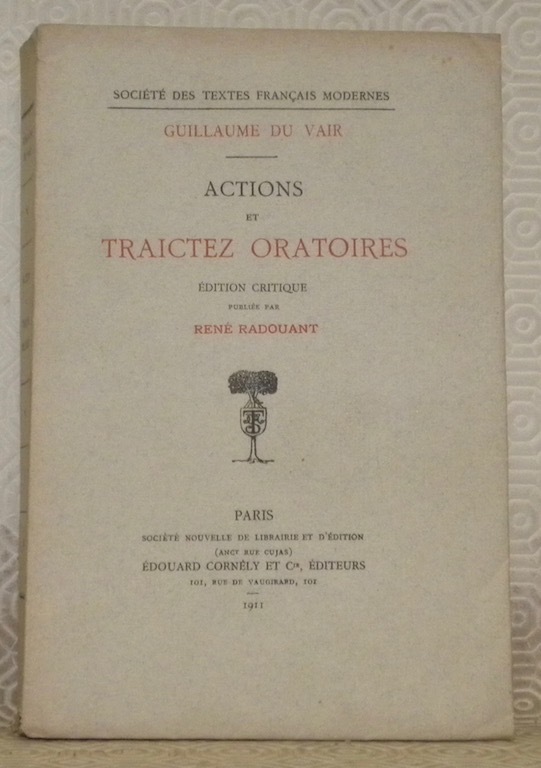
77698Paris, Edouard Cronèly et Cie. 1911, 195x130mm, XXVII - 280pages, broché. Couverture rempliée. Pages non coupées, non rognées. Exemplaire sur papier Van Gelder, numéroté n.° 14 / 60. Très petite déchirure sur le bas du dos, autrement très bel exemplaire
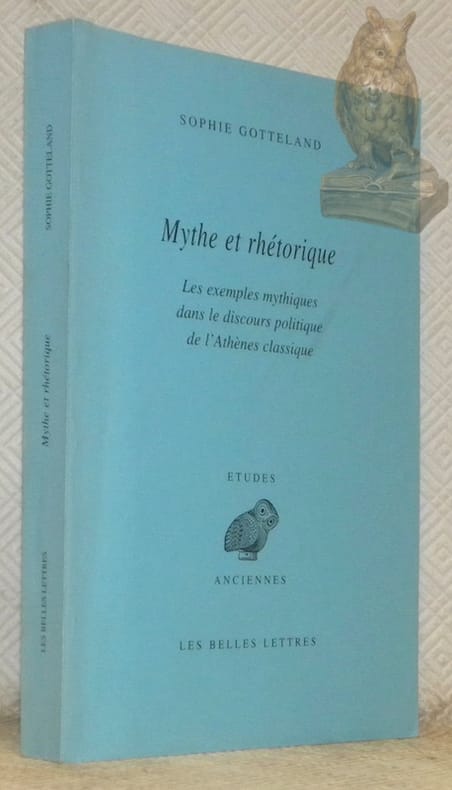
115027Paris, Les Belles Lettres 2001, 240x160mm, 392pages, broché. Exemplaire à l'état de neuf.
57980Sylvae-Ducis, Verhoeven Fratres 1855, 215x130mm, X- 414pages, reliure demi-basane. Plats papier marbré. Titre au dos. Charnières frottées. Coin supérieur de la page de garde et coin inférieur de la page de titre, découpés. Le feuillet de la page 265-268 se détache. Intérieur propre.
Spine is sunned. Light shelfwear. 1 corner bumped. ; Parallel text in French and Latin. 281 pp ; Collection Des Universités De France. Association Guillaume Budé; Vol. 2; 281 pages
UN po' sciolto.Costola parzialmente mancante
0259446718.Gpaperback. Good. Access codes and supplements are not guaranteed with used items. May be an ex-library book. paperback
1330570553.Gpaperback. Good. Access codes and supplements are not guaranteed with used items. May be an ex-library book. paperback
In-8 (cm. 20.70), legatura in tela, titoli in oro al dorso, pp. 207, (1). Deutscher text. In ottimo stato (nice copy).
036664582X.Gpaperback. Good. Access codes and supplements are not guaranteed with used items. May be an ex-library book. paperback
2016 pages. Designed for courses in literature and composition that emphasize critical thinking. Minimal markings. Light wear. Nice copy of this large, weighty tome. Book
624 pages. A composition reader that explores issues of language and culture, domestic cultural diversity, and global cultural diversity with an unprecedented range of readings, authors, and viewpoints. Unmarked. Light wear. Small 'thank-you' rubber stamp upon fore-edge of text. Nice copy. Book
139 pages. Hook surfer's attention. Write informative persuasive web text. Create dynamic personal and corporate web pages. Several light pencil markings. Very light wear. Clean. Excellent copy in attractive glossy covers. Book
1365 pages. Somewhat above-average wear. Unmarked. A sound working copy. Book