445 résultats
8vo, br. ed. 264pp. Roma nel periodo delle leggi razziali. Come è possibile che Giulio Limentani, commediografo di successo, si trovi a seguire un proprio lavoro di scena in un teatro, nascosto in incognito in un angolo del loggione? E come riusciranno a vivere il loro amore i due quindicenni Colomba e Ferruccio, lei ebrea e lui figlio di un gerarca fascista? Infine un tragico dilemma: la classe dirigente ebraica di quegli anni è forse colpevole di aver sottovalutato il pericolo? E se è un figlio ad accusare di questa inadeguatezza il proprio padre?... Tre vicende diverse se pur collegate in cui Storia e Destino intrecciano il loro enigmatico gioco.
1990LFA-126739838N° 64 (Février 1990) 66 pages, format 205 x 285 mm, illustré, broché couverture couleurs, bon état
16mo, br. ed. 167pp. La violenza inaudita della Shoah, le sfide poste dal dopoguerra e il conflitto in Medio Oriente costringono gli ebrei a fare i conti con un'identità in divenire, combattuti fra il rispetto letterale della tradizione e il desiderio di un rinnovamento spirituale e culturale. Perciò, oggi più che mai, occorre chiedersi: cosa significa essere ebrei? Riccardo Calimani racconta, attraverso i suoi occhi e la sua esperienza, il mondo ebraico rivolgendosi a chi ne sa poco o nulla, declinandolo in tutte le sue sfaccettature: dalla cucina kasher alle feste religiose, dal Bar Mitzvah alla storia delle persecuzioni, dal pensiero geniale di Einstein e Freud al proverbiale umorismo ebraico. Questo libro, serio e dissacrante al tempo stesso, insegna che essere ebrei significa forse essere controcorrente, inquieti, allenarsi ad opporre leggerezza e ironia a pregiudizi, diffidenza e contraddizioni.
br, ed. pp.270. Il libro presenta, dopo due importanti saggi introduttivi di tipo filosofico e storico di Jacob Golomb e Andrea Orsucci, un'ampia selezione di passi tratti dalle principali opere, dai frammenti postumi e dalle lettere di Nietzsche sugli ebrei suoi contemporanei, gli antichi ebrei e gli antisemiti, e brani sull'ebraismo tratti dalle conversazioni di Nietzsche col medico viennese Joseph Paneth, amico di Freud. Viene così affrontata nel modo più diretto una questione cruciale, tuttora molto dibattuta e al centro di accese discussioni all'interno della ricerca internazionale su Nietzsche. Per quanto gli studiosi siano sostanzialmente d'accordo sul fatto che Nietzsche sia anti-antisemita, tuttavia la sua valutazione degli ebrei e dell'ebraismo appare molto controversa. In questa raccolta si è cercato di far parlare i testi stessi che molte volte hanno una forza e un'evidenza incontestabile, ma si è cercato anche di bilanciare per quanto possibile i giudizi più elogiativi con quelli più critici. I brani proposti sono accompagnati da introduzioni alle varie fasi e da una rete di note per ricostruirne il contesto; in particolare quelli più problematici (come quelli della "Genealogia della morale" e dell'"Anticristo") vengono ricondotti alle numerose letture di Nietzsche sui rapporti tra ebraismo e cristianesimo.
8vo, br. ed. pp.129. "La vicinanza a Dio appartiene alle condizioni della natura dell'individuo; questa è perfetta una volta che egli ha trovato il suo archetipo e la sua quiete più alta, la fine di ogni movimento. Tutto ciò che è concreto raggiunge così, in Dio, nella sua perfezione, la quiete. Ogni essere ha la sua linea verso la realizzazione: ma Dio è il punto dove tutte le linee di perfezione si incontrano". La dissertazione dottorale di Martin Buber, dedicata a due grandi figure della mistica e del pensiero rinascimentale come Niccolò Cusano e Jakob Böhme.Il Nuovo Melangolo (24 gennaio 2013)
New English Paperback. Pbo. Demy 8vo. (21 x 13,5 cm). In English. 136 p. This study focuses on the pardons of the Hamidian era by using the petitions which were written by the convicts, accused people or their relatives to the Sublime Porte. Beside the lives, prison conditions and accusations of the convicts, the pardon petitions constitute a useful source to see the nature of the relationship between state and the ordinary people. This study argues that although requesting a pardon seems to have been a kind of obedience to the authority, the relationship established on pardons was established through bargains and negotiations. The process of granting pardons was an interactive one in which the actors negotiated on the conditions according to the position of supplicant. Also, the petitions allow us to see the debated characteristics of the Hamidian era from the eyes of the ordinary people. This study claims that the pardon was a state policy and it was especially applied during the Armenian Events of the 1890s, the banditry problem and tribal conflicts. Moreover, to gain the loyalties of the outlaws, to use them as informers and collaborate with them in the critical areas of the Empire, pardons were a step in allowing the state to make alliances without losing its prestige. Through the discretionary power of forgiveness, the Sultan tried to restore the monarchical ideology, namely the merciful image of Sultanic rule, which was a distinctive element of monarchical power. While granting pardons, the Abdülhamid regime expected from the convict less loyalty or regret than certain services, and active collaboration on particular issues - a tension which constituted the dynamics of the pardon negotiations.
280. pp cloth in dj as new
8vo, br. ed., pp286. La médecine juive, partie intégrante de la médecine universelle, est l'expression d'une spécificité et d'une sensibilité enregistrées depuis les périodes bibliques et talmudiques. Ses fondements sont d'ordre éthique et hygiénique. On découvre ainsi au fil de cet ouvrage, les pratiques médicales et les illustres médecins juifs de la période allant du Xe au XVIIe siècle, tels Maïmaonide, Isaac Israéli, Donnolo, Amatus Lusitanus, Elie de Montalto, Garcia da Orta
8vo. xii + 208pp., b/w pls., A Renowned historian tells of his youth as an assimilated antireligious Jew in Nazi Germany.
16mo br. ed. Couverture souple. Traduit de l'Allemand par Laure Bernadi avec le concours du Centre National du Livre
264p. Profusely illustrated, some in color. Pictorial end papers. Last page slightly foxed. Small 4to. Original full red cloth binding decorated and lettered in gold. Original priced dust jacket worn at extremities. Hardbound. Very good+. RELIGION BOX 6
1970113976Buchet/Chastel 1970 Exemplaire disponible de 1970 et 1971 suivant disponibilité. In-8 broché 24 cm sur 16,7. 374 pages. avec 65 illustrations. Ex-dono sur la page de titre. Bon état d’occasion.
in-16°, pp. 391-(4) con 3 cartine n.t. e 11 tav. f.t.Leg. edit. con sovrac. ill. Dopo i "Miti Greci", ecco questo volume con cui l'autore confronta i miti che si trovano nella Genesi e quelli dell'area mediterranea. Imperdibile anche per la passione con cui è scritto
br. come nuovo
8vo. br.cop.fig.a col.con bandelle. Traduz.di D.Leoni. cm.14,5x20, pp.XVIII,172, Coll.di Narrativa,24.
8vo, br ed. 338pp. aws against Holocaust denial are perhaps the best-known manifestation of the present-day politics of historical memory. In Memory Laws, Memory Wars, Nikolay Koposov examines the phenomenon of memory laws in Western and Eastern Europe, Ukraine, and Russia and exposes their very different purposes in the East and West. In Western Europe, he shows how memory laws were designed to create a common European memory centred on the memory of the Holocaust as a means of integrating Europe, combating racism, and averting national and ethnic conflicts. In Russia and Eastern Europe, by contrast, legislation on the issues of the past is often used to give the force of law to narratives which serve the narrower interests of nation states and protect the memory of perpetrators rather than victims. This will be essential reading for all those interested in ongoing conflicts over the legacy of the Second World War, Nazism, and communism.
New English Paperback. Pbo. Demy 8vo. (21 x 13,5 cm). In French. 424 p. Ce livre est à la fois une autobiographie et une mémoire d'un Juif qui a immigré de la Bessarabie à Constantinople au début du XXème siècle. L'auteur Albert Kant était un fermier dans une des fermes établie par sa famille et leur associés à Bandirma, ville sur la côte Egéenne de la Turquie. Tout au long de son récit l'auteur nous raconte comment ils ont pu faire face aux diverses difficultés survenues pendant la Guerre d'Indépendence menée par les Forces Kémalistes contre l'Armée Grecque ainsi que les difficultés rencontrées sous la jeune République Turque. Ce mémoire constitue une lecture indispensable aux lecteurs et chercheurs interessés par l'histoire des Juifs sous l'Empire Ottoman et la République Turque.
2 tomes. 15.5x24cm. 558 et 542pp.
16mo, br. ed. 206pp. Le "Melodìe ebraiche", scritte da Heinrich Heine (1797-1856) quando era ormai prostrato dalla malattia, concludono il "Romanzero", la sua ultima raccolta poetica, e rappresentano per certi versi il suo testamento spirituale nonché l'omaggio alla religione dei padri. In quest'opera il poeta cerca di far rivivere il mondo, che tanto lo affascinava, degli ebrei spagnoli nell'epoca aurea della cultura ebraica entro la sfera intellettuale araba. Le "Melodie ebraiche" rappresentano pertanto una sorta di approdo spirituale dopo i tentativi di sganciarsi, attraverso la conversione, dal mondo ebraico, sentito come ostacolo alla piena integrazione nella società e nella cultura tedesca. Cantando i poeti ebrei di Spagna Heine riesce a ridare voce a una tradizione millenaria. Sarà dunque proprio il linguaggio della poesia il luogo privilegiato in cui l'ebraismo di Heine troverà una "patria" e un rifugio. Il saggio introduttivo di Liliana Giacoponi si sofferma in particolare su un'identità scissa tra ebraismo e germanesimo, mostrando come il rapporto complesso con l'ebraismo, a partire dall'opera giovanile "Almansor" del 1820 e dal "Rabbi di Bacharach" (già iniziato negli anni fra il 1824 e il 1826 ma pubblicato solo nel 1840), caratterizzi comunque l'opera di Heine. La traduzione di Giorgio Calabresi qui utilizzata è accompagnata da un apparato di note che permette di ricostruire, in maniera meticolosa, il contesto in cui si muove l'autore.
8vo, cloth in dj. excellent copy, no marks. 247pp. Original dust jacket with gold lettering on spine over blue cloth. An authoritative work discussing diseases, organs, ethics & prayers for the Jewish physician, famous physicians in the talmud, as well as answers to miscellaneous questions such as artificial respiration in biblical times and dolphins in the talmud
8vo, cloth in dj, pp.265. Two thousand years ago, 967 Jewish men, women, and children?the last holdouts of the revolt against Rome following the fall of Jerusalem and the destruction of the Second Temple?reportedly took their own lives rather than surrender to the Roman army. This dramatic event, which took place on top of Masada, a barren and windswept mountain overlooking the Dead Sea, spawned a powerful story of Jewish resistance that came to symbolize the embattled modern State of Israel. The first extensive archaeological excavations of Masada began in the 1960s, and today the site draws visitors from around the world. And yet, because the mass suicide was recorded by only one ancient author?the Jewish historian Josephus?some scholars question if the event ever took place. Jodi Magness, an archaeologist who has excavated at Masada, explains what happened there, how we know it, and how recent developments might change understandings of the story. Incorporating the latest findings, she integrates literary and historical sources to show what life was like for Jews under Roman rule during an era that witnessed the reign of Herod and Jesus?s ministry and death. Featuring numerous illustrations, this is an engaging exploration of an ancient story that continues to grip the imagination today.
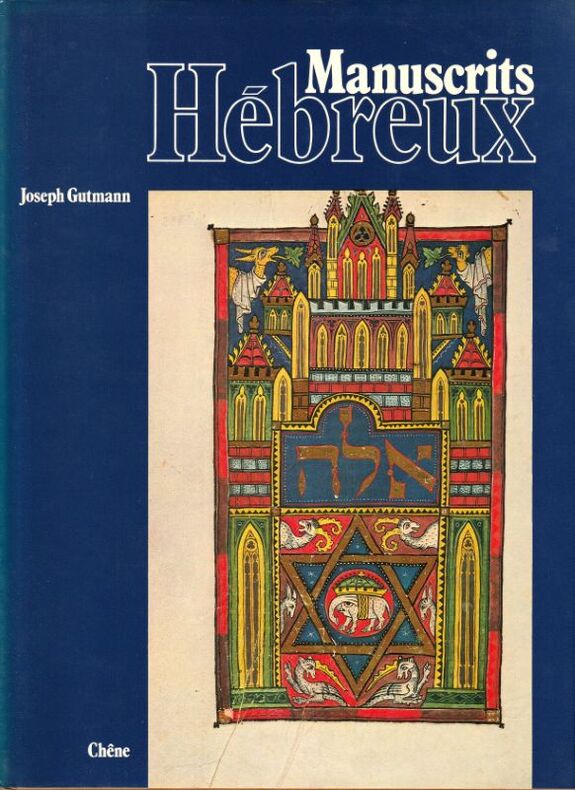
17145Chêne, 1978 - Reliure cartonnage éditeur au format 210 x 280mm, sous jaquette illustrée, 40 Planches à pleine page sur couché expliquées en regard, 119 pages, très bel exemplaire sous tous rapports.
Pages: 456, relationship of fathers and daughters and of older men and younger women in history, life, art, and culture, starting from the biblical text. sex and bible.
8vo, br. ed. pp.125. esaurito fuori catalogo