BOWERS, G.Livre Rare Book
300 résultats
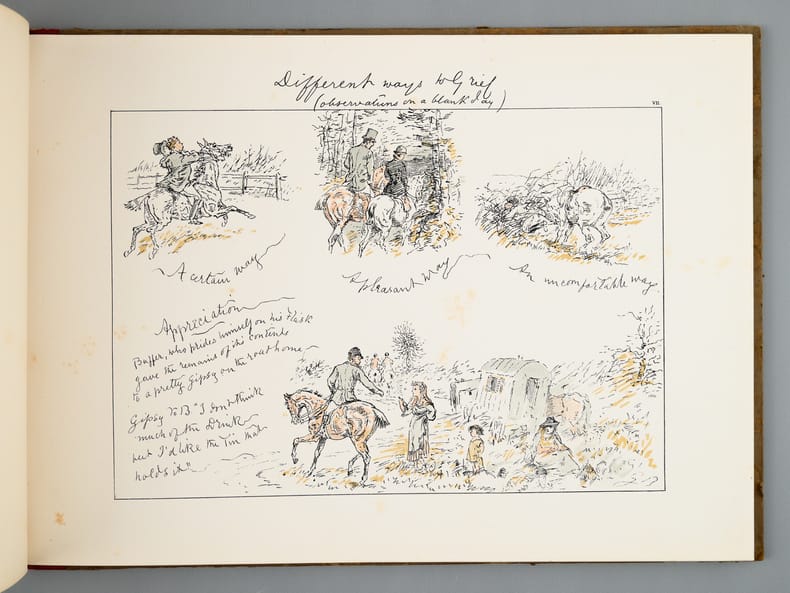
1880671161 vol. in-4 à l'italienne, Chatto & Windus, London, 1880, XX full page plates with titles and descriptions.
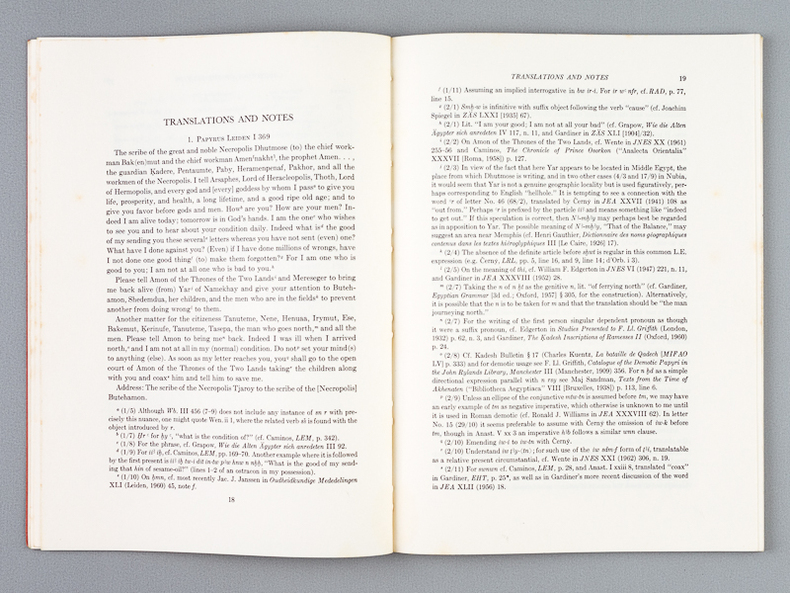
1966596028vo, The Oriental Institute if the University of Chicago, Studies in Ancient Oriental Civilization, n°33, The University of Chicago Press, Chicago, Illinois, 1966, 85 pp.
2007351491 brochure in-8, Out of sorts Pres & Letter Foundery, 2007, 25 pp.
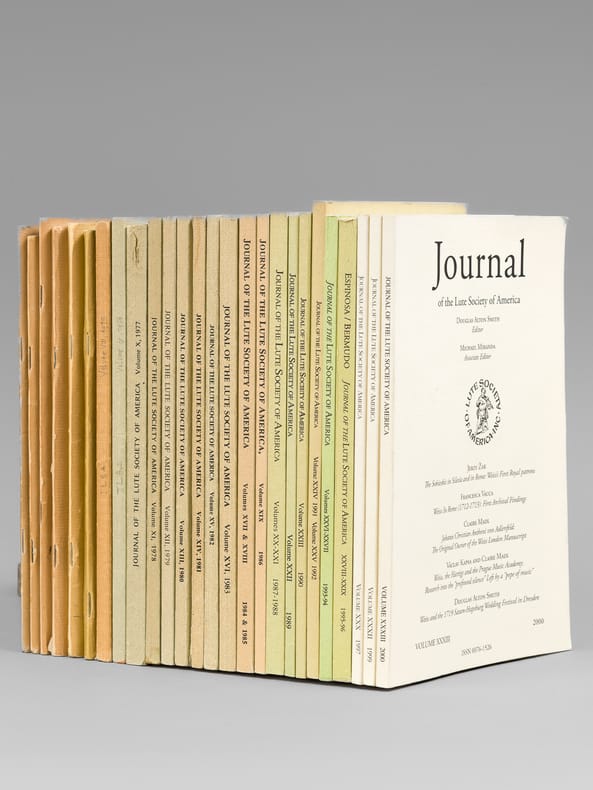
19696912526 vol. 8vo, paperback, The the Lute Society of America, 1969-2000
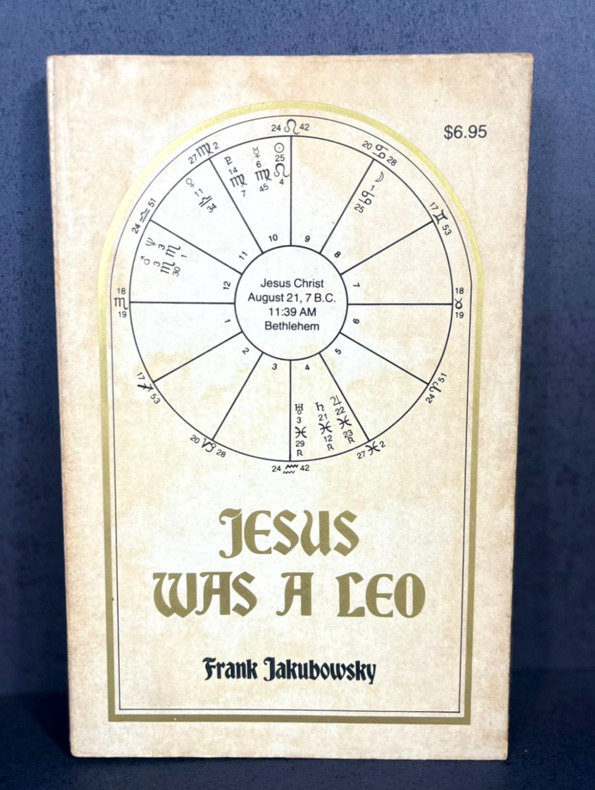
1979537Oakland, self-edited, 1979. Softcover, 151 pp., octavo. Gold stamped on the front cover around Jesus' astrological chart, title stamped in gold above the author's name. In this audacious book the author pretends to demonstrate Jesus Christ was born not on Xmas before year one but on August 21, 7 before common era. He maps Christ's astrological destiny and shows how the Leo sign shaped His life and journey. In 9 chapters replete with data and analysis. A thought-provoking essay which has become incredibly tough to find.
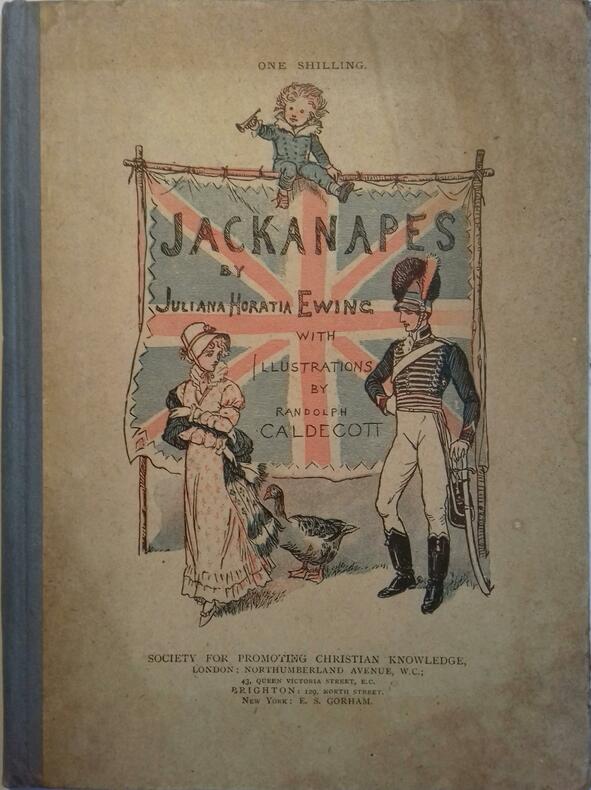
190026597Couverture rigide. Cartonnage de l'éditeur. 47 pages.
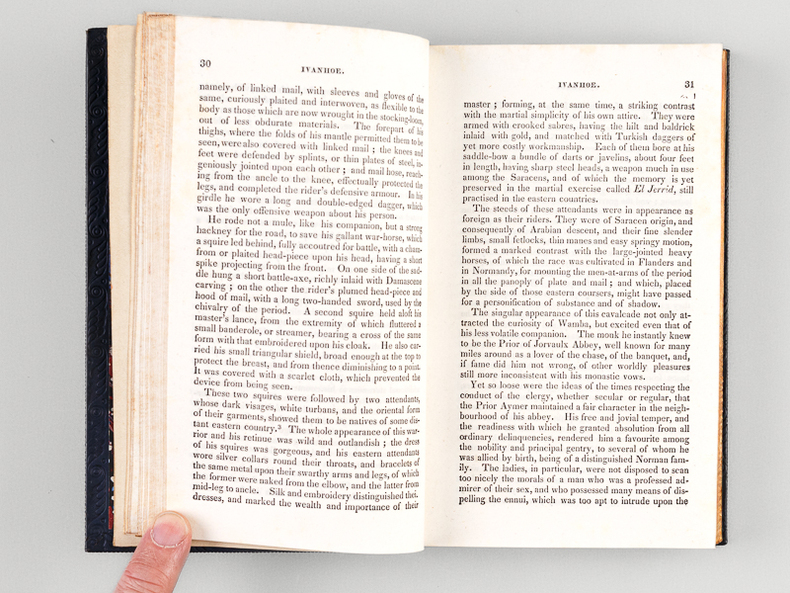
183461007Parker's Edition, revised and corrected with a general preface, an introduction to each novel, and notes historical and illustrative bu the Author, 2 vol. in-12 reliure plein veau bleu, dos à 5 nerfs dorés orné, toutes tranches dorées, Waverley Novels, Volumes 15 & 16, Samuel H. Parker, Boston, 1834, XIV-263 ; 287 pp.
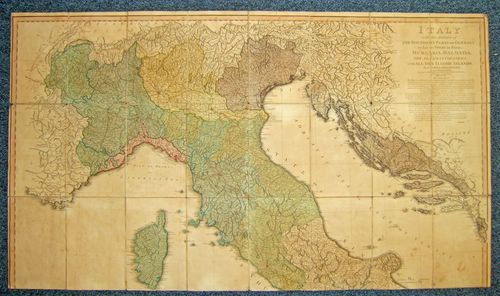
180226460Carte dépliante en couleurs entoilée, au format 1120 x 635 mm, Published by Will. Faden, London, 2d edition, Jany 1st 1802
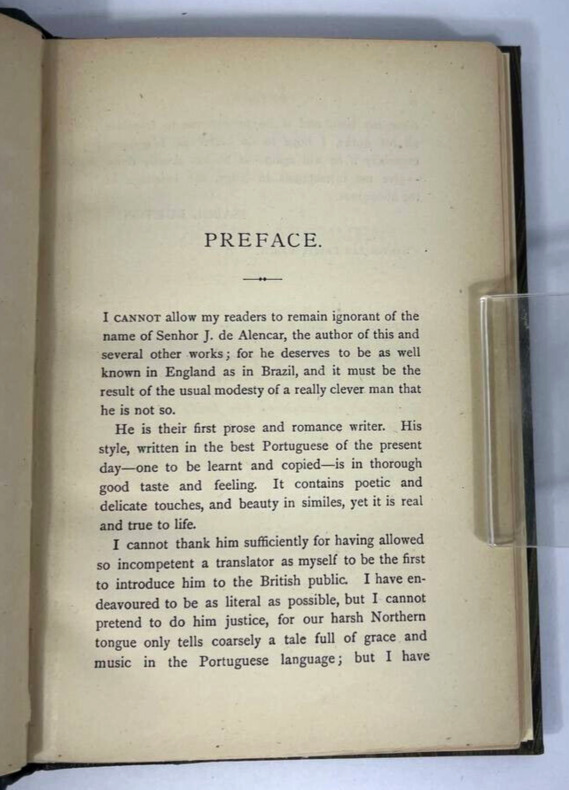
188601002London: Bickers & Son, 1886. First English edition of this acclaimed Brazilian romance. Translated by Isabel Burton. Slim in-12 volume. 179 x 125 mm, (vii) 101 pp. Bound in half algae green morocco, two raised bands, five gilded bands, name printed vertically in gilt print letters, date on the bottom. Marbled papers with a touch of bright copper on covers, multiple white pages on both ends. White and green headbands. Title page, Translator's preface, Historical argument by the author. Each chapter is merely "Chapter XX", no table of contents. "I cannot allow my readers to remain ignorant of the name of Senhor J. de Alencar, the author of this and several other works; for he deserves to be as well known in England as in Brazil, and it must be the result of the usual modesty of a really clever man that he is not so. He is their first prose and romance writer." (Translator's preface) "In 1603, Pero Coelho, a gentleman of Parahyba, then already belonging to the Portuguese, arrived at the mouth of the river Jaguaribe in Ceará, with a command of 80 colonists and 800 Indians. He there founded the first settlement in Ceará, and called it Nova Lisboa. He was abandoned by his comrades when a certain João Soromenho was sent to him with reinforcements... He did not respect even the Indians of the Jaguaribe river, who were friendly to the Portuguese. This proved the downfall of the growing settlement: the natives resented such tyranny. Pero Coelho, with his wife and young children, was compelled to fly by land to his own province." (Alencar's Historical argument)
1928421381 vol. in-8 br., Imprimerie Chaix, Paris, 1928, 236 pp., contient : International housing and Town planning congress. Paris 1928 Part III Report / Congrès International de l'Habitation et de l'Aménagement des Villes Paris 1928 IIIe Partie Compte-rendu / International Wohnungs und Städtebaukongress Band III Bericht
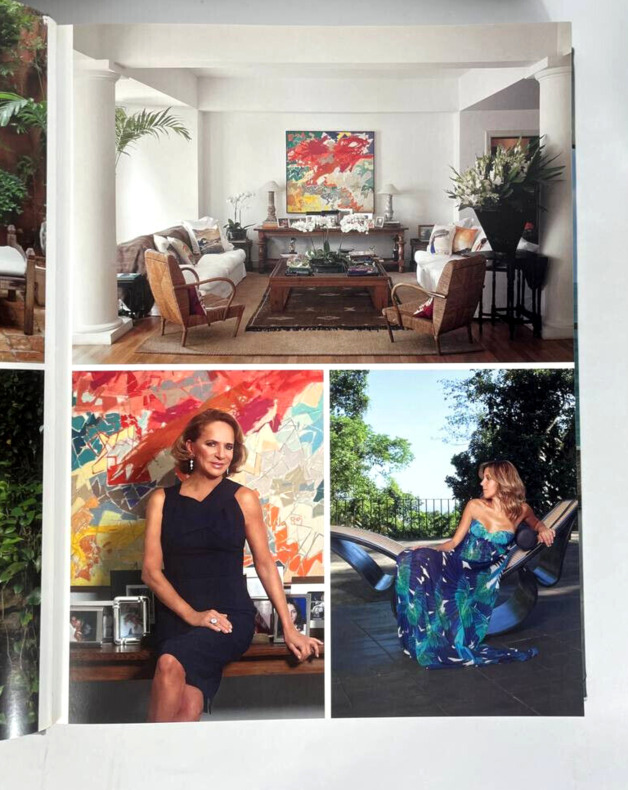
20120149Paris, Flammarion, 2012. In-folio de 356 x 273 mm pour 352 pp. Édition originale. En anglais, richement illustré. Relié avec jaquette imprimée colorée, pleine toile grise éditeur embossée, gardes jaunes. Texte de Maurilla Castello Branco. Doublement préfacé par Sérgio Cabral et Eduardo Paes, respectivement gouverneur de l'État de Rio de Janeiro et maire de la ville de Rio de Janeiro. Résumé, traduit, figurant sur le rabat de la jaquette de couverture : "Rio de Janeiro est une ville emblématique aux contrastes vibrants : énergie juvénile et grandes traditions, végétation luxuriante et architecture innovante. Son style de vie unique est diversifié et riche culturellement, et la ville abrite de remarquables maisons modernistes et contemporaines aux côtés de joyaux coloniaux historiques. Les auteurs ouvrent les portes d'un Rio de Janeiro d'initiés à travers une visite de plus de vingt-cinq maisons privées, dont dix-neuf sont présentées ici pour la première fois. Elles comprennent un manoir de l'époque coloniale dans le quartier artistique de Rio entouré de jardins luxuriants ; un appartement privé avec une vue imprenable et une fabuleuse collection d'art moderne ; des maisons contemporaines épurées qui brouillent les frontières entre intérieur et extérieur - avec un design chaleureux à base de bois, des murs en verre du sol au plafond, des piscines ombragées et des meubles de designers modernistes brésiliens tels qu'Oscar Niemeyer et Sérgio Rodrigues. Des domaines traditionnels et des fazendas en dehors de la ville sont également présentés, aménagés avec des bois tropicaux, des rideaux de soie et des volets filtrant la lumière du soleil." Très nombreuses photos et explications sur les appartements de luxe, les jardins, les maisons de plage, les fazendas, la gastronomie, l'architecture contemporaine, etc. de la cité carioca. De quoi voyager ou rêver... que l'on vive à 5000 km de distance ou dans un immeuble miteux juste à côté de ceux du livre !
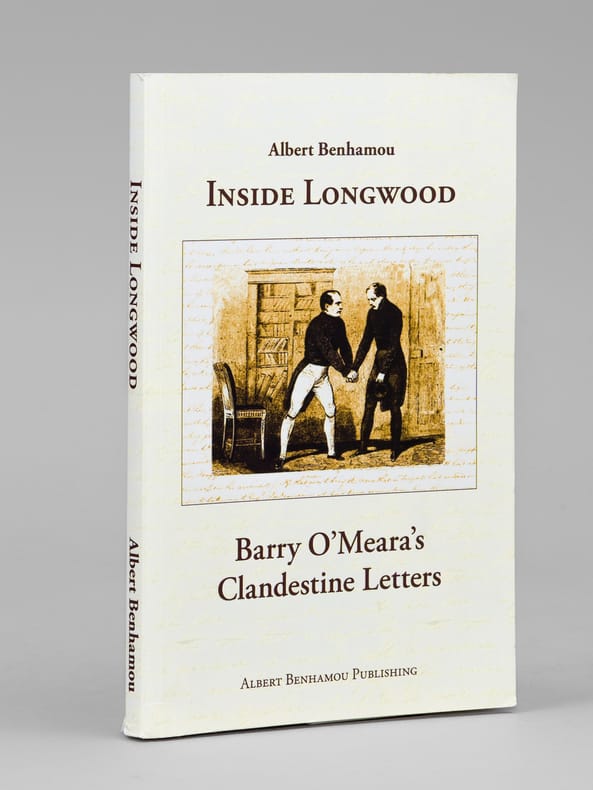
2012684741 vo. 8vo. softcover, Albert Benhamou Publishing, 2012, 229 pp.
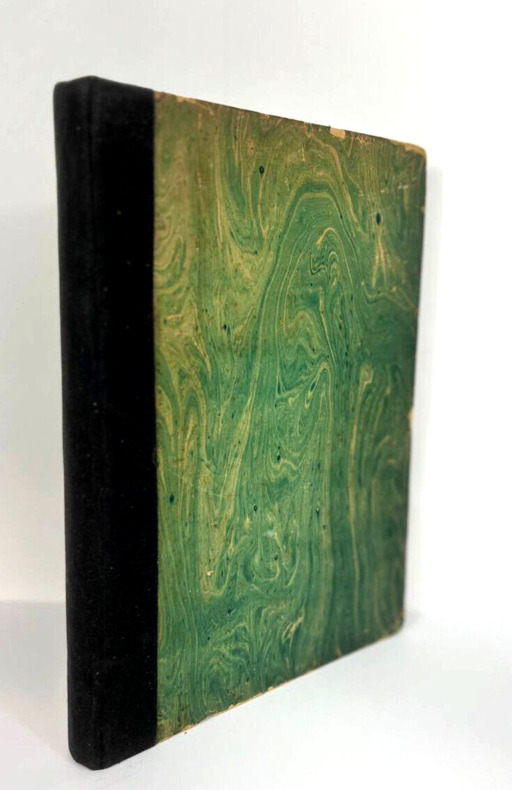
19520144La Haye, International Committee of jurists, 1952. Rapport extrêmement rare, unique édition. Un grand in-4 de 30 x 21,5 cm pour (ff) 249 pp. En anglais. Relié, dos muet, demi-tissu velours noir, plats en papier marbré vert, gardes colorées. Avec un mot de Jacob Kaiser, Ministre fédéral des Affaires étrangères de la RFA, et du Dr Theo Friedenau, directeur du Comité d'investigation des juristes en faveur de la liberté dans la zone soviétique. Premiers feuillets non paginés. Ensemble de rapports et de documents relatifs à la zone d'occupation soviétique en Allemagne après la Seconde Guerre mondiale. Témoignage de la guerre froide entre l'Occident et l'Union soviétique, le livre cherche à prouver le non-respect du droit international et des droits de l'homme en Allemagne de l'Est en 1952. "Pendant des décennies, les Soviétiques ont magistralement réussi à empêcher le monde libre de jeter un œil derrière le « rideau de fer ». Cependant, les méthodes sataniques de leur despotisme et leurs plans de révolution mondiale ont fini par être révélés. Les rapports d'anciens prisonniers de guerre, de fonctionnaires devenus renégats et évadés, de personnes ayant vécu dans les États satellites d'Europe de l'Est et dans la zone soviétique de l'Allemagne parlent un langage émouvant qui leur est propre. Et les documents réunis dans ce recueil sont encore plus révélateurs que ces rapports." Issu de la bibliothèque du cabinet d'avocats José Thomaz Nabuco de Araújo, l'un des principaux spécialistes brésiliens du droit international. *** The Hague, International Committee of Jurists, 1952. Extremely rare report, unique edition. Large 4to, 30 x 21.5 cm for (ff) 249 pp. In English. Hardbound, blank spine, half black velvet cloth binding, green marbled paper boards, coloured endpapers. With a word from Jacob Kaiser, Federal Minister of Foreign Affairs of the FRG, and Dr. Theo Friedenau, director of the Investigation Committee of Jurists for Freedom in the Soviet Zone. First pages are unpaginated. This is a collection of reports and documents relating to the Soviet occupation zone in Germany after the Second World War. A testimony to the Cold War between the West and the Soviet Union, it seeks to prove the non-respect of international law and human rights in East Germany in 1952. "For many decades the Soviets have succeeded in a masterly manner to prevent the free world from casting a look behind the 'Iron Curtain'. Yet the satanic methods of their despotism and their plans for world revolution have finally become known. Reports by former prisoners of war, by functionaries who turned renegade and escaped, and by people who lived in the East-European satellite states and the Soviet zone of Germany speak a moving language of their own. The documents, however, which are contained in this collection, are even more revealing than these reports." From the library of the law firm of José Thomaz Nabuco de Araújo, one of Brazil's leading specialists in international law.
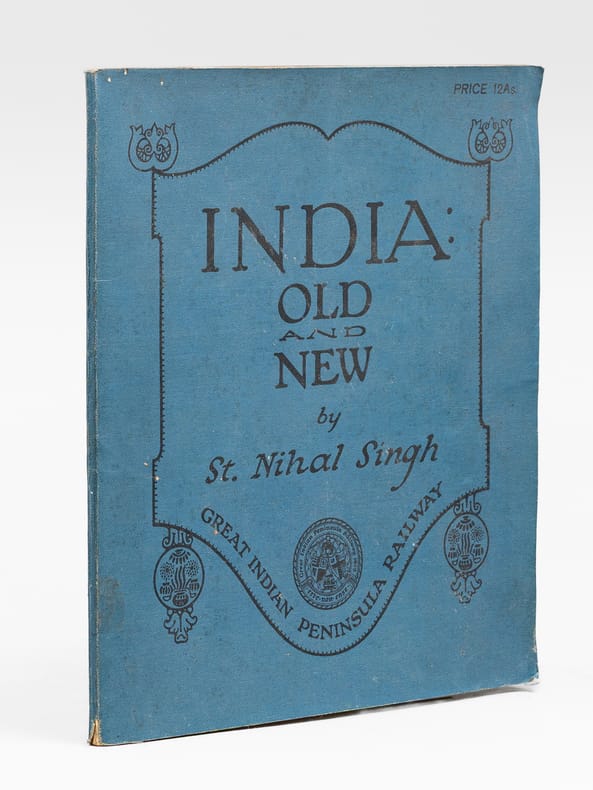
1928715551 vol. in-8 br., Great Indian Peninsula Railway, Price 12 As., s.d. [ circa 1928], 80 pp.
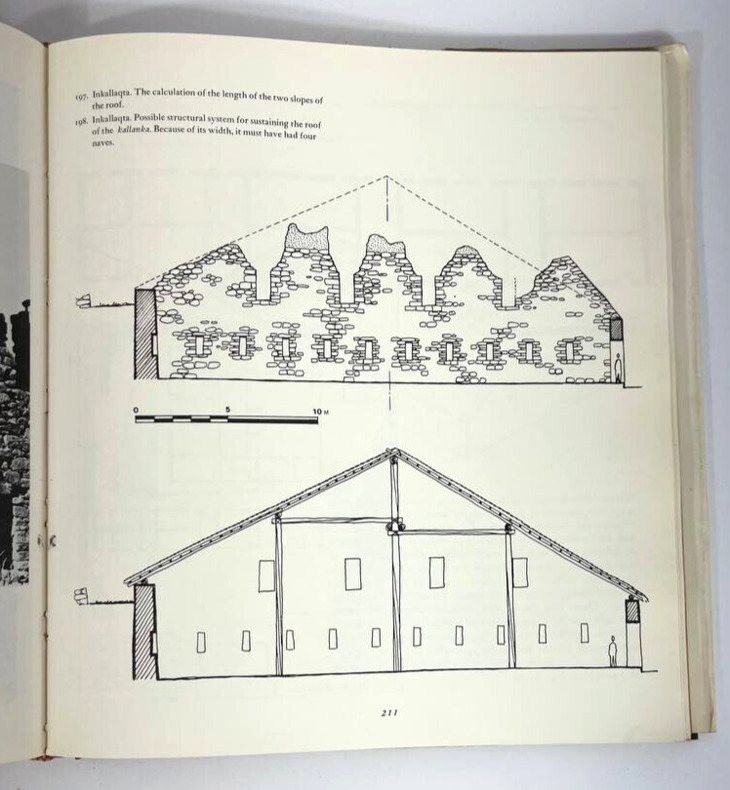
19800227Indiana University Press, 1980. First edition. Translated to English by Patricia J. Lyon, foreword by John Murra. A huge in-4 hardcover book. Brown and red boards in dust jacket. Widely illustrated. With a map as a frontispice, presentation text and author's presentation in flaps. Discrete stamp of a Brazilian bookshop on a free endpaper. "Separate chapters are devoted to technical and formal antecedents, urban settlements, domestic structures (generally ignored in architectural analyses), the architecture of power (constructions built for collective, administrative, military, and religious purposes), and technical and aesthetic problems.In addition to such well-known sites as Cuzco and Machu Picchu, Gasparini and MArgolies highlight other important but less famous settlements: Pikillaqta, Ollantayatambo, Huanuco Pampa, Willka Waman, and Tambo Colorado."
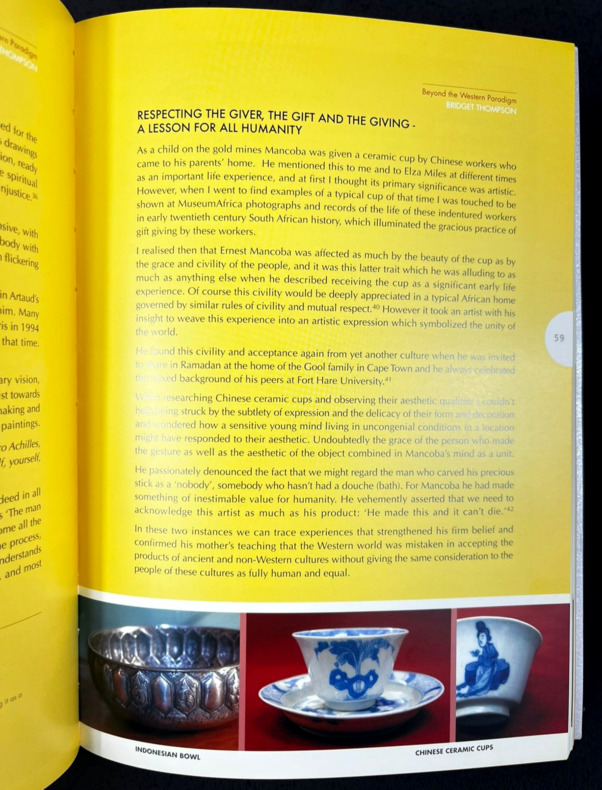
2006520Johannesburg, Art and Ubuntu Trust, 2006. In-8 booklet, 17 x 24 cm, 126 pp. Softcover with rigid silver metal-like covers. Handwritten mention "NEW AFRICAN ARTISTS - ERNEST MANCOBA" on the spine. Book is SIGNED by curator Bridget Thompson on the back of the front cover: "Dear Milton, With great appreciation for our work together and [illegible] for images, with love, Bridget". Printed on coated glossy paper, numerous artworks by Ernest Mancoba showcased, texts by various authors including the Ambassador of Denmark Torben Brylle and the "Funeral Oration" said in honor of the artist on November 2, 2022. "In the Name of All Humanity: The African Spiritual Expression of E. Mancoba" was a landmark 2006–2007 exhibition and catalogue curated by Bridget Thompson, highlighting South African artist Ernest Mancoba's synthesis of African spirituality, humanity, and Western modernism. It showcased his life's work as a vision of global unity rooted in the proverb “umuntu ngumuntu ngabanye abantu” (a person is a person because of other people).
190146302Fourteenth edition, 1 vol. in-8 cartonnage pleine toile verte éditeur, The Century Co, New York, 1901-1902, 920 et 56 pp.
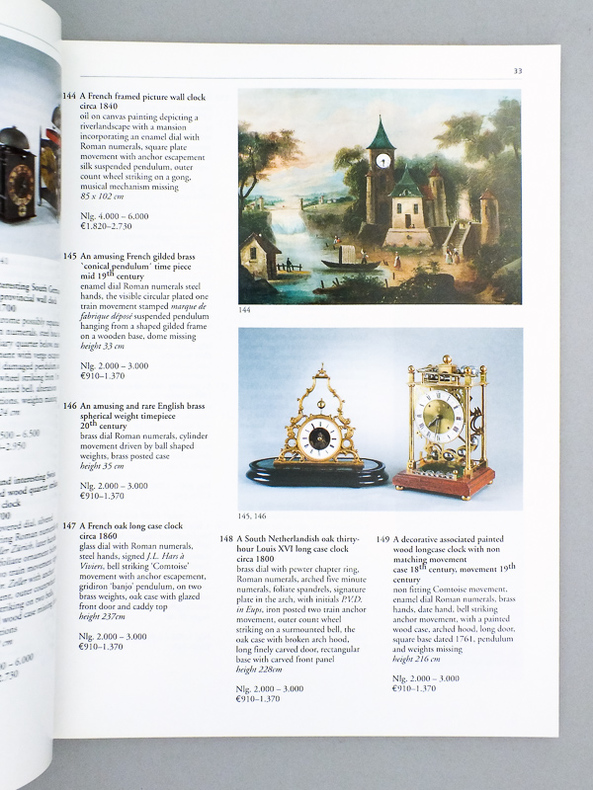
2001509801 vol. 4to. softcover, col. photogr., Sotheby's, Amsterdam, 2001, 174 pp. 730 items with estimates
1983595721 vol. in-folio br., Bibliothèque d'Etude, Tome XL, Publications de l'Institut Français d'Archéologie Orientale, Le Caire, 1983, XX-210 pp. et 27 planches hors texte
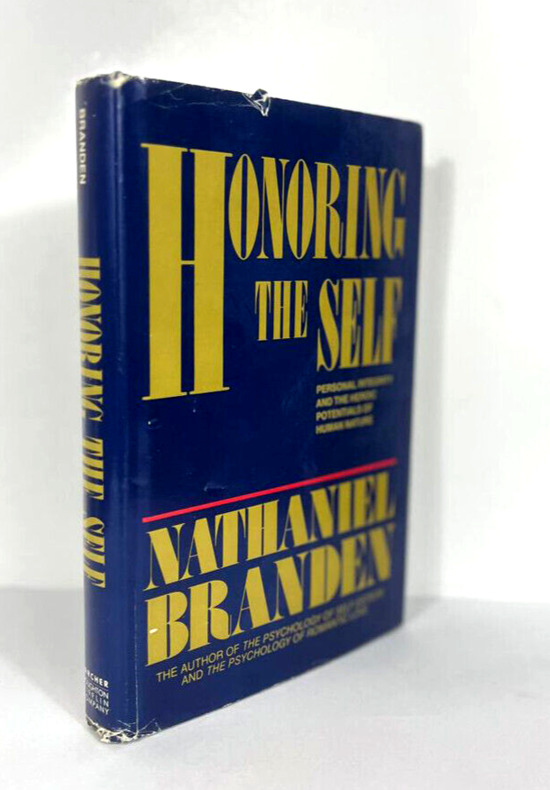
19830119Los Angeles, Jeremy P. Tarcher / Houghton Miffin, 1983. First edition, second printing. Boldly signed by Nathaniel Branden on the first free endpaper (not a tip-in). In-4, 23 x 27 cm, 271 pp. Original dust jacket with flaps. Table of contents at the beginning. A small defect at the top of the DJ and at the bottom of the spine, otherwise VG. Pages are crisp and clear. Nathaniel Branden's Honoring the Self is a cornerstone of self-esteem psychology. The author was a long friend of Ayn Rand before launching his own, close yet unmistakably his, brand of worldview and knowledge of the human mind. "Tell me how a person judges his or her self-esteem," says pioneering psychologist Nathaniel Branden, "and I will tell you how that person operates at work, in love, in sex, in parenting, in every important aspect of existence--and how high he or she is likely to rise. The reputation you have with yourself--your self-esteem--is the single most important factor for a fulfilling life." (Inside flap)
1981540Neville Spearman, Sudbury, UK, 1981. First edition. Hardcover, dust jacket with flaps. 8vo, 182pp. plus two sections of black and white photographic plates. Black cloth-covered boards, gilt titles on spine. Discrete stamp of the former owner on the first white endpaper. Yellowed paper, though all the plate pages are crisp and clear. DJ slightly soiled. In good condition, complete, spine is solid. A rare find of continuing interest on a topic (Nazi occultism) which remains both fascinating and controversial.
1877676718vo, hardcover, green cloth with gilt embossing, Journal Printing House, Newburg N.Y., 1877, 460 pp. with folded plate
18414047710 vol in-8 reliure demi-basane verte, Baudry's European Library, Stassin et Xavier, Paris, 1841-1842
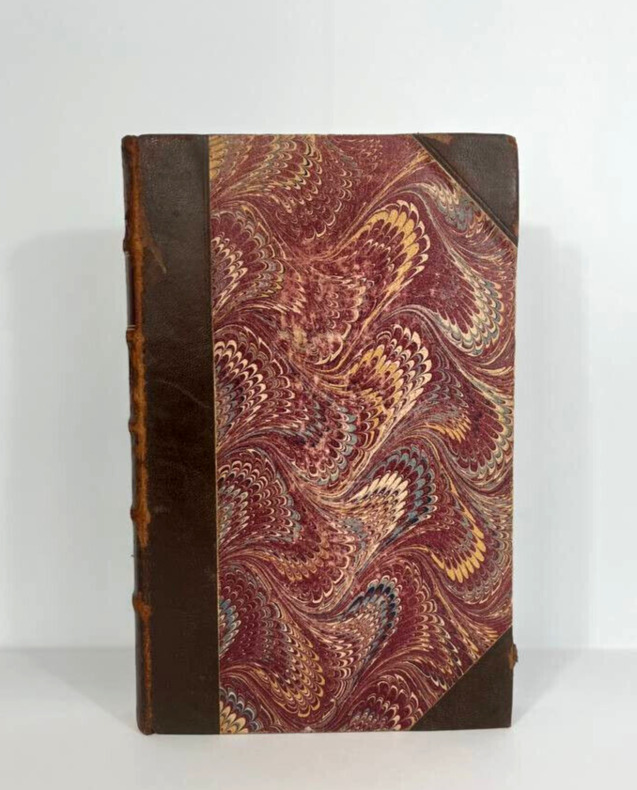
18090036London, B. Clarke for Henry Colburn, 1809. First edition. Octavo, 210 x 130 mm, (6) 304 pp. Bound in original quarter brown morocco with corners, spine with 5 raised bands, wine-colored title piece with author's name and title in gold as well as a double gilt fillet on the higher and lower extremities of the piece, year on the bottom of spine. Purple marbled dishes with tons of yellow and bluish waves. Headband. Title page, dedication to the "merchants of Great Britain", Advertisement and table of contents at the beginning of the book. Twelve chapters followed by two appendices (and not just one as indicated in the table) with "Medical advice for Europeans who emigrate to Brazil" and indications on the coins, change and commodity prices. "As the recent political changes in Europe have naturally attracted the general attention towards the New World, no apology, it is presumed, can be deemed necessary for presenting to the public the following succinct account of one of the most interesting colonies in that quarter of the globe. The jealous and illiberal policy which at all times characterized the [Portuguese] government of Brazil in its intercourse with foreigners rendered it difficult to obtain accurate information respecting the productions, reade and commerce of this colony. The author therefore trusts that the information contained herein cannot fail to prove acceptable to the general reader and highly interesting to anyone engaged in commercial speculations." (Advertisement) ********************************* Londres, B. Clarke for Henry Colburn, 1809. Édition originale. Un volume in-8 de 210 x 130 mm pour (6) 304 pp. Relié demi-maroquin tabac à coins d'époque, dos à 5 nerfs, pièce de titre lie-de-vin avec nom d'auteur et titre en doré ainsi qu'un double filet doré en coiffe et queue de la pièce, année en queue. Plats jaspés mauves aux tons de vagues jaunes et bleutés. Tranchefile. Page de titre, dédicace aux "marchands de Grande-Bretagne", avertissement et table des matières en début d'ouvrage. XII chapitres suivis de deux annexes (et non une seule comme indiqué dans le sommaire) avec des "Conseils médicaux aux Européens qui émigrent au Brésil" et des indications sur le change et la valeur des marchandises. "Étant donné que les récents changements politiques survenus en Europe ont naturellement attiré l'attention sur le Nouveau Monde, aucune excuse, semble-t-il, ne saurait s'avérer nécessaires pour présenter au public l'explication ci-après de l'une des colonies les plus intéressantes à cet endroit du globe. La politique jalouse et illibérale qui a toujours caractérisé le gouvernement [portugais] du Brésil dans ses relations avec les étrangers a rendu difficile l'obtention d'informations exactes concernant les productions, les échanges et le commerce de cette colonie. L'auteur estime que les informations contenues ici seront acceptables au lecteur du grand public et extrêmement intéressantes pour quiconque s'est engagé dans le commerce." (Avertissement, traduit)
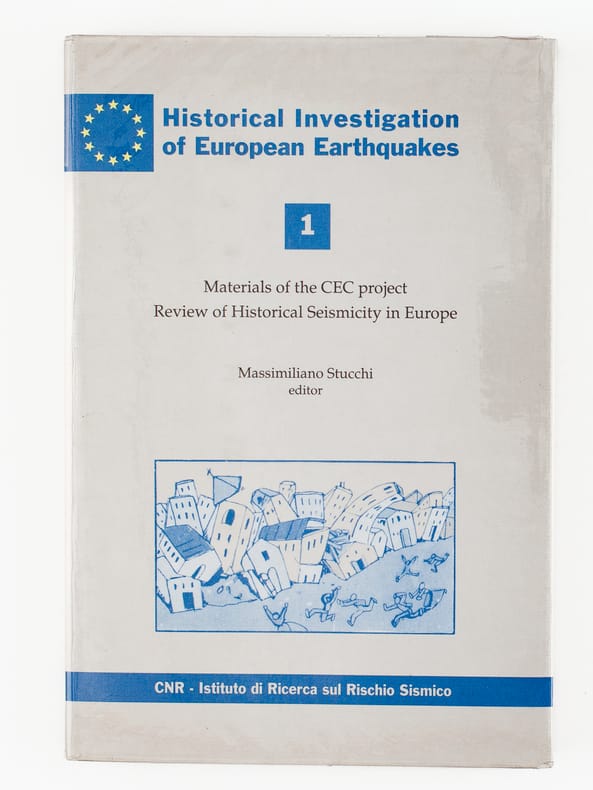
1993652511 vol. in-8 br., CNR, Istituto di Ricerca sul Rischio Sismico, 1993, 258 pp.