34 268 résultats
Garff, Jan edIn Pristine Condition. unknown
18612786np: np 1861. First edition. Original leather covers. Good. A REMARKABLY EXTENSIVE ARCHIVE OF A UNION SOLIDER INCLUDING DIARIES FROM 1861-1865 SPANNING HIS ENTIRE CIVIL WAR CAREER.<br /> <br /> THE SOLDIER CHARLES E. SMITH PARTICIPATED IN SOME OF THE MOST CRITICAL CAMPAIGNS OF THE WAR INCLUDING THE SEIGE OF VICKSBURG THE FALL OF ATLANTA AND SHERMAN'S MARCH TO THE SEA. Background:<br /> <br /> Charles E. Smith 1836-1905 was born in Berlin Township Ohio. He worked as a farmer and country schoolteacher in Alum Creek Delaware County Ohio. He enlisted in the 32nd Ohio Volunteer Infantry at the age of 25 on September 3 1861 and mustered in September 7 1861. He was promoted to the rank of corporal in Company I of the regiment on January 30 1864. He was slightly wounded on July 29 1864 during the Atlanta Campaign. He mustered out of the service on July 20 1865 at Louisville Kentucky.<br /> <br /> The 32nd Ohio Infantry was organized at Mansfield Ohio on August 20-September 7 1861 and mustered in for three years' service under the command of Colonel Thomas H. Ford. The regiment was involved in several important engagements and operations during the Civil War including the Battle of Greenbrier River the Battle of McDowell the Battle of Harpers Ferry the Battle of Champion Hill the Siege of Vicksburg the Atlanta Campaign the Battle of Jonesborough Sherman's March to the Sea the Carolinas Campaign and the Battle of Bentonville. The 32nd Ohio Infantry mustered out of service at Louisville Kentucky on July 20 1865.<br /> <br /> The Collection:<br /> <br /> The collection consists of 26 dairies dating from 1859 to 1866. Except for four volumes covering a period from 1856 to April 1861 and one covering the period September 18 1865 to December 5 1866 the remaining dairies 21 volumes span his entire Civil War career in the 32nd Ohio Volunteer Infantry covering the period September 3 1861 the date of his enlistment to the date of his mustering out of the service on July 20 1865. The diaries of various sizes average approximately 100 pages with few blank pages.<br /> <br /> His daily entries in his Civil War diaries many of which are detailed consist of descriptions of the weather diet geographical locations his devotion to the Union camp activities military news and description of engagements. He also included several drawings in the diaries some in color. He described his day of enlistment of September 3:<br /> <br /> "Enlisted at Lewis Center between 8 and 9 oclock in Captain Dyre's company of 3 years volunteers. I bid good bye to all my folks and started having resolved to assist in sustaining the Government. But the feelings which came over me when I left home friends and all that seemed dear to me I cannot describe."<br /> <br /> The new enlistees moved to Camp Dennison and Smith records the daily activities in camp as his company prepared for their first movement. From Camp Dennison the 32nd Ohio was ordered to western Virginia present-day West Virginia to assist in driving Confederate forces out of the region. On October 3 1861 the 32nd Ohio participated in the inconclusive Battle of Greenbrier River. Smith records in his diary beginning on September 29 through October 3:<br /> <br /> "In the evening we received orders to march to make an attack on Greenbrier about 12 miles distant. Our company numbered 86 men. Our regiment probably numbered 900 men present and able to perform duty. The 32nd. Went in advance and cleared out the road and took one prisoner. Our regiment stopped at the cross roads within four miles of Greenbrier and stopped. We expected there that the battle commenced. but they Confederate troops did not come and we. crept into the thick laurel bushes to lay till morning. When I awoke it was daylight and other regiments were passing. The artillery was hurrying along as fast as possible each gun was drawn by six horses and about nine oclock the canons began to roar. It was kept up till two oclock on both sides when our communication failed and our men withdrew from the field without losing any guns. The canons roared very loud and the sound rolled over the Mountains and valleys and made everything ring once more. Our loss was including those that were killed on the field and those that died of wounds after the battle about 12 men. We took 13 prisoners." <br /> <br /> Smith describes an engagement with Confederate forces around Beverly Virginia on December 18 1861:<br /> <br /> "The rebels came out and met our forces and a bloody fight ensued. The 32nd fought bravely and drove the enemy back. The 25th were in the advance and were cut up dreadfully. They fell back and the 32nd stood their ground and fought them like tigers. Our men made two or three gallant charges and drove them out of their entrenchments and were forced out themselves. Our boys could not drive them out again and after a desperate and bloody struggle our troops retreated. having lost about one hundred men."<br /> <br /> After spending the winter in Beverly Virginia the 32nd Ohio participated in the Shenandoah Campaign of 1862 where they engaged Stonewall Jackson's Confederate force at the Battle of McDowell Virginia on May 8 and were defeated. On that day Smith recorded the following:<br /> <br /> "We formed into line and gave three cheers to the cavalry and were waiting to welcome the infantry when a dispatch came for us to report immediately at headquarters armed and equipped. We went forthwith and formed into line of battle on an open field. The rebels came down on the hills & tried to pick a spot to plant a gun and our boys threw shell amongst and drove them out. The rebels gathered on a mountain at the right of town about 4000 men. Our boys did not find out what they were at or where they were till late in the afternoon. Two regiments went up the mountain and the ball was opened. The battle lasted till after 8 oclock at night when our boys withdrew bringing the wounded and mostly all the dead from the field. The fight lasted about 4 hours."<br /> <br /> The 32nd Ohio retreated to Franklin Virginia where they joined General John C. Fremont's command. Fremont followed the Confederates into the valley and engaged a Confederate force at Cross Keys Virginia on June 8 1862 but Smith's company did not participate in the action. The 32nd Ohio move on to Winchester Virginia where they performed garrison duty for the remainder of the summer.<br /> <br /> In September 1862 the 32nd Ohio was dispatched to Harper's Ferry. The regiment again faced Stonewall Jackson participating in the Battle of Harper's Ferry September 12-15 1862. In this engagement Jackson captured the town and nearly twelve thousand Union soldiers including the 32nd Ohio subsequently paroling them after confiscating their supplies. In his entry for September 15 Smith describes the last day of the battle:<br /> <br /> "At sunrise the ball opened with a heavy cannonade from both sides. Our men were nearly out of ammunition for artillery and the enemy was mowing down our ranks. The shells and shot came down like hail all around and amongst us and many of our officers and soldiers were mortally wounded. Our artillerists run out of ammunition and there was no other way for us to do than surrender or be slaughtered on the field. At about 8 oclock the stripes and stars were hauled down and the white flag waved as a signal for surrender. The rebel cavalry and officers were soon riding through our camp. They hoisted the bars and stars where an hour before our glorious old star spangled banner floated proudly in the breeze. O how my heart beat and my bosom heaved to see that corrupt flag raised in defiance over us."<br /> <br /> The surrender of the 32nd Ohio resulted in a revolt in the ranks of the enlisted men against the regiment's officers which Smith later discusses in a January 15 1863 entry in his diary stating: "we were obliged to surrender 11500 men to the Rebels General A.P. Hill. It was the opinion of nearly all of our men that Colonel Miles of Baltimore betrayed us into the hands of the Rebels. It was said that he got 15 cents per head for us. Our Col Thomas H. Ford was examined by a committee and dismissed from the service for blame that was unjustly laid against him for the evacuation of the Maryland Heights. Since we were paroled a hard feeling was created between the officers of the regiment." Smith and his regiment eventually rejoined General Ulysses Grant's Army of the Tennessee in Memphis on January 25 1863. The regiment was involved in Grant's Siege of Vicksburg beginning in April 1863.<br /> <br /> A pivotal engagement in Grant's Vicksburg Campaign was the Battle of Champion Hill which occurred on May 16 resulting in a Union victory. Smith's entry for that day records the fighting:<br /> <br /> "A battle had begun on the left the firing seemed to be from large guns and the line seemed to be several miles long. We halted to await orders. Soon they came & we went forward & laid behind a ridge where we could see the fighting. The scene was grand but terrible. The heavy fighting was on the left & center at first. Our brigade charged on a rebel battery and took it & hauled it off. The 32nd did a noble part charging on the hills & ravines and out the battery driving the enemy before them killing a large number."<br /> <br /> The siege of Vicksburg ended on July 4 1863 when the Confederate forces surrendered and the Union troops under Grant including the 32nd Ohio entered the city. Smith recorded the events of July 3 and 4 in his diary. On July 3 he wrote: "This is the 46th day of the Siege. The rebels have sustained at this place and nobly and bravely have they defended it but General Grant has been too much for them." The next day's entry detailed the surrender. "At nine oclock it was announced that Vicksburg was surrendered. What a thrill of joy ran through every heart. The boys all seem lively and jubilant over the success which has crowned our arms. At half past ten oclock the rebels march out of their forts and rifle pits. and form in line outside their works and stuck arms."<br /> <br /> After Vicksburg the 32nd Ohio joined an expedition to Monroe Louisiana and then participated in General James McPherson's expedition to Brownsville Mississippi. In addition to his daily entries Smith also drew a number of pencil and ink sketches that reflected what he described in on a particular day such as sketching images that depicted the sleeping arrangements in the soldiers' tents maps of terrains and a two-page spread showing the capture of a Confederate battery in Mississippi. He also wrote down poems whether written by him or others. For example on January 31 1864 he added a six-stanza poem possibly written by him entitled "Evening Thoughts" to that day's entry. A partial transcription reads: "I'm weary and I'm lonely//As I'm sitting in my tent//And I'll take my leaden pencil//And give you my feelings sent// O would this war be over//And these bloody strivings cease//And our country now distracted//Return with lasting peace."<br /> <br /> In February 3 to March 6 1864 the 32nd Ohio was involved in General William T. Sherman's Meridian Expedition which resulted in the capture of Meridian Mississippi. On March 3 Smith recorded a diary entry that detailed the destruction rendered by the campaign:<br /> <br /> "I cannot fully give the amount of damage done to the Southern Confederacy while on this Expedition but the result foots up about as follows. About 200 miles of railroad running east & west was destroyed. About 60 miles of the Mobile and Ohio railroad was destroyed and about 40 miles of the Central Mississippi road destroyed. There were about 25 Locomotives and a considerable number of cars together with Confederate railroad houses machine shops and foundries manufacturing establishments of arms ammunition. A large amount of cotton was burned."<br /> <br /> On June 10 1864 the 32nd Ohio joined Sherman's Atlanta Campaign. In the campaign the 32nd fought in the Battles of Kennesaw Mountain Atlanta Ezra Church and Jonesborough. The campaign ended on September 2 1864 when Union forces occupied Atlanta. Smith's diary entry for June 27 mentions the engagement at Kennesaw Mountain:<br /> <br /> "We were aroused at early dawn. and then ordered to pile our knapsacks and be ready to move. A battery had been brought up and was shelling the Rebels lively for a while. Our division having formed a line of battle came to a right shoulder shift arms and then we advanced in line through the woods toward the enemy. The skirmishers engaged the enemy who replied by volleys of musketry which whizzed overhead and sounded hideous. The rebels brought several batteries down and opened upon us. Moved up a little higher and laid down again and the rebels opened with shot and shell which came whizzing overhead. Some of them sung like an old spinning wheel under the control of a northern farmer's wife. Our loss in this engagement was considerable. We fell back learning that the rebels were massing their force to right and formed a new line of battle in front of our new breastworks and behind the skirmishers. Skirmishing was kept up lively along the lines and many had hair breadth escapes. We made our demonstration to draw as much rebel force away from the right as possible."<br /> <br /> His diary entry for September 3 1864 reported the good news concerning the fall of Atlanta:<br /> <br /> "Atlanta was evacuated yesterday morning at daylight the rebels having blown up large magazines of ammunition destroyed government stores and eighty carloads of ammunition. The Twentieth Corps under General Slocum marched into and took possession of the city of Atlanta an eleven oclock. We have last caused the rebels to evacuate what they called the 'Gate City' or 'Key' to the southern Confederacy and that without a very general battle. The rebels have made many boasting speeches and declared that they would fight for Atlanta till the last man woman and child was sacrificed before they would give it up. Where is their vain boasting where are their prophesies"<br /> <br /> The capture of Atlanta had a major impact on the presidential election of 1864 and helped President Lincoln's chances for reelection enormously. On election day November 8 the 32nd Ohio voted in the field. Smith's diary entry for the day reads "This being election day the polls were opened and we voted for President. Abe Lincoln carried the day."<br /> <br /> In mid-November 1864 the 32nd Ohio participated in General Sherman's "March to the Sea." The command engaged in no noteworthy battles or skirmishes until reaching Savannah Georgia. On December 10 1864 the regiment was among the lead Northern units that drove the Confederate garrison into the confines of city. Upon the Union Army's capture of Savannah on December 21 1864 the 32nd entered and encamped in the city.<br /> <br /> Within a week of the fall of Richmond the capital city of the Confederacy the news of President Lincoln's assassination and death on April 15 spread slowly to the soldiers in the south including the 32nd Ohio. On Monday April 17 Smith recorded in his diary:<br /> <br /> "An order said to have come from Secretary Stanton to General Howard was announced to the soldiers. That President Lincoln Secretary Seward and son were assassinated and that the President was killed. Whether this be true or not it caused sadness in many hearts and was believed to be reliable."<br /> <br /> The next day's entry was in response to the confirmation that Lincoln was dead:<br /> <br /> "News of the death of our President Abraham Lincoln causes a gloom over our minds. We feel that in losing him we have lost one of the best men our nation ever produced. In losing him we lose a wise and intelligent statesman a great and good counsellor a lover of freedom and humanity and the deliverer of our nation from the curse of slavery."<br /> <br /> In addition to the dairies there are several documents and papers relating to Smith and his family including the following: 1 An autograph manuscript entitled "The Vicksburg Campaign from Millikens Bend Louisiana. From March to July 4th 1863" 81 pages one side only in a bound copy book cover missing 8.5" x 11.5" n.p.; n.d.<br /> <br /> 2 An autograph manuscript entitled "The Siege of Vicksburg Continued" 34 pages one side only in a bound copybook 6.75" x 8.25 n.p.; n.d.<br /> <br /> 3 Autograph manuscript signed entitled "Diary of Events Transpiring between the United States and Spain over Cuban affairs." 117 pages in bound copy book 5.75" x 9" n.p.; circa 1901.<br /> <br /> 4 Autograph manuscript signed entitled "Closing Scenes of the Rebellion. An Original Poem" Six pages one side only in bound copybook 8" x 10" n.p.; May 30 1895. Poem was recited on Decoration Day at Cheshire Ohio on May 30 1895.<br /> <br /> 5 An autograph manuscript entitled "The Great Three Days Battle of Gettysburg Fought July 1 2d & 3d 1863. The Greatest and Most Decisive Conflict of the Great Struggle for American Independence" 28 pages one side only in bound copy book missing front cover 8" x 10" n.p.' n.d.<br /> <br /> 6 Autograph manuscript part 2 of number 4 above 27 pages one side only in bound copy book 8" x 10" n.p.; n.d.<br /> <br /> 7 Autograph manuscript entitled "Original Poem Written for the 49th anniversary of the birth of Mrs. Louisa Rolson Smith" Five pages one side only 8" x 10" n.p.; June 22 1895.<br /> <br /> 8 Autograph manuscript signed entitled "Incidents in the war of the rebellion from 1861 to 1865. Poetical Effusions from the pen of Charles E. Smith late of Co. F. 32d Ohio veteran volunteer Infantry" 68 pages one side only in bound copybook missing front and back cover 8.5" x 11.75" n.p.; n.d.<br /> <br /> 9 Photograph of Charles E. Smith 3.5" x 4.75 oval albumin print mounted on board n.p; circa 1894. <br /> <br /> 10 CDV of George Smith brother of Charles E. Smith 2.5' x 4" T.Beach photographer Delaware Ohio; circa 1860s. <br /> <br /> 11 Medal with badge for 32nd National Encampment GAR Cincinnati 1898.<br /> <br /> 12 Photograph of residence of Charles E. Smith West Berlin Ohio an 9.25" x 7.5 albumen print on a 10.25" x 8.5" mount Acme View Company McAlisterville Pennsylvania; 1894. <br /> <br /> 13 A Confederate envelope "captured on the battle field of Raymond Miss. May 12 1863 by C. E. Smith. <br /> <br /> 14 Discharge of Charles E. Smith from the service one page 6" x 8.5" Columbus Ohio; July 28 1865.<br /> <br /> 15 Two pencil sketches by Smith of "A residence near camp of 20th Ohio sketched by C. E. Smith Dec 3d 1863" on front and "A scene in co. D. 20th O.V.I. Thursday evening Nov 26th 1863. A Thanksgiving oyster supper. Sketch by C. E. Smith Nov 27th 1863." <br /> <br /> 16 A pencil sketch of the "View of The Court House at Vicksburg. Drawn by C.E. Smith Nov 4th 1863."<br /> <br /> 17 Pencil sketch of the Rock House inside the Confederate fortifications at Vicksburg "Sketched by C.E. Smith Nov 2d 1863." On verso is sketch by Smith of the city vault in Vicksburg November 2 1863.<br /> <br /> 18 Photocopy of will of Charles E. Smith Two pages West Berlin Ohio; December 18 1901. <br /> <br /> Condition: The 26 diaries all have leather covers over boards which in most cases are worn but intact. The front cover of volume #9 has separated. Most have flaps. Overall the dairies are in good condition. The other items in the collection are overall good; numbers #1 and #7 manuscripts are brittle and fragile. Foxing and toning to letters along with creasing and light tearing at edges. Wear and staining to the exterior of diaries.<br /> <br /> Note: The text of the collection has been published as "A View From the Ranks: The Civil War Diaries of Corporal Charles Smith" in a very limited printing by the Delaware County Historical Society 1999. A copy of the book is included with the collection. <br /> <br /> A REMARKABLE UNBROKEN RUN OF DIARIES OFFERING A HIGHLY LITERATE FIRST-HAND ACCOUNT OF THE CIVIL WAR EXPERIENCE THROUGH THE EYES OF A UNION SOLDIER. np unknown
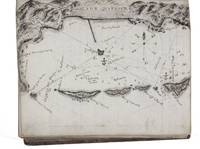
1831F72I8N01U79Omostly on board the barque Sarah of London 1831. Contemporary sheepskin parchment sewn on 2 tapes. 4to 19.5 x 16.5 cm. The journal with an engraved view as frontispiece "Island of Saint Helena" engraved by Everingham in London 15 full-page 1 nearly full-page and 1 smaller manuscript maps and coastal profiles plus a small engraved view "Tomb of Napoleon" mounted on 1 page. The lecture notes with a matching pair of engravings of a scull one signed "A. East del" on and facing the title-page and 27 pencil and/or ink anatomical drawings including 2 full-page some also with red. Most are drawn on the album leaves a few on separate slips mounted on the leaves. Both the lecture notes and the journal are written in brown ink with occasional additions in pencil. Including: MANUSCRIPT - ANATOMICAL. MORSE Edward George.Lecture Book notes on anatomical lectures by Joseph Constantine Carpue.London November-December 1828. A manuscript ship's journal kept by Edward George Morse Bromyard 1805-Deal post 1850 who no doubt served among other functions as the ship's surgeon. Morse made his earliest dated entries in April 1831 at the island Mauritius in the Indian Ocean and others at Madagascar and its surrounding islands from May to August 1831. Morse provides extensive notes on the natural history topography and people of the Seychelles Madagascar and the neighbouring islands and provides detailed maps of many of the islands and coastal areas along with a few coastal profiles. The two manuscripts are written in a single album of laid paper. Morse used it 1828 to take notes when he attended the London lectures on anatomy and blood circulation by the innovative surgeon Joseph Constantine Carpue who had pioneered facial reconstructive surgery by introducing ancient Indian techniques. He was famous for illustrating his lectures with chalk drawings which no doubt served as the models for the anatomical illustrations in Morse's notes. A few clippings and hand-written notes have been inserted. unknown
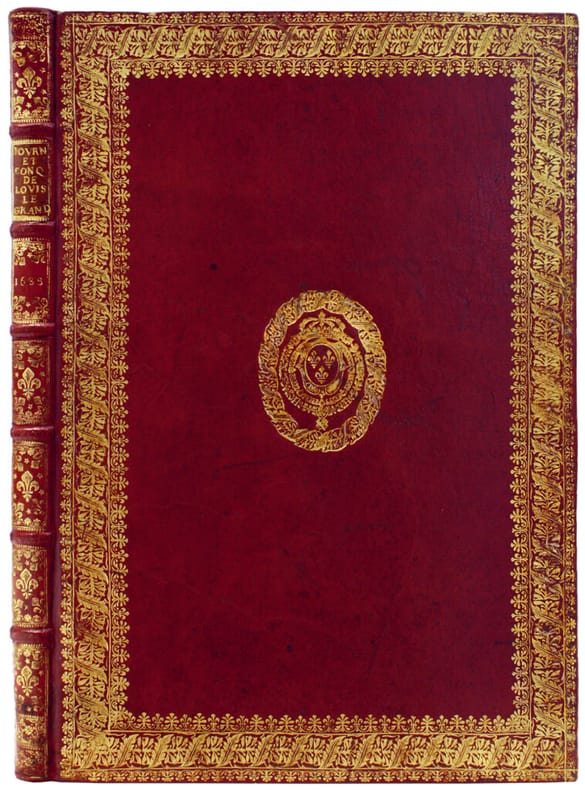
LCS-18301Le journal manuscrit des évènements politiques et militaires, de l’année 1688. S. l. n. d. [Paris, vers 1715]. In-folio de (46) ff., 9 double-page aquarellées. Plein maroquin rouge, dentelle du Louvre encadrant les plats, armes royales frappées or au centre, dos à nerfs richement orné de fleurs-de-lys et étoiles dorées, roulette dorée sur les coupes, roulettes intérieure dorée, tranches dorées. Epidermures. Reliure de l’époque. 445 x 307 mm.
Edizione originale. Collezione estremamente rara di tutto il pubblicato (1918-1931) della rivista olandese d’architettura e di arti «Wendingen». Tutti i 116 fascicoli della collezione sono in ottimo stato di conservazione, singolarmente protetti in buste trasparenti. Comprende i sette numeri speciali dedicati a Frank Lloyd Wright rilegati in unico volume con illustrazione di H. Th. Wijdeveld s pagina 1 (versione rilegata del 1926 riservata agli abbonati alla rivista). Rarissima collezione di tutto il pubblicato dell’iconica rivista olandese «Wendingen». Creata nel 1918 grazie a Hendricus Theodorus Wijdeveld e al sostegno di altri importanti architetti-artisti del panorama olandese come Jan Frederik Staal, Karel Petrus Cornelis de Bazel, Johannes Ludovicus Mattheus Lauweriks, Pieter Lodewijk Kramer, Johan Melchior van der Mey, Michel de Klerk, la rivista «Wendingen» apparve da subito come elemento di rottura e rinnovamento e, del resto, “Wendingen” significa “rivolgimenti”, “cambiamenti” destinato a iniziare un nuovo corso nella storia delle riviste di settore, per almeno due ragioni. --- La prima – quella immediatamente visibile riguarda l’aspetto della rivista stessa: con il suo grande formato quadrato (33x33 cm), la stampa solo recto dei fogli 33x66 ripiegati, l’elegante rilegatura alla giapponese con rafia e le particolari e innovative scelte tipografiche, «Wendingen» si presentava come un oggetto decisamente nuovo, bizzarro e, per alcuni detrattori, intollerabilmente lontano dai canoni estetici tradizionali. Ma l’attenzione era ancor più catturata dalle copertine, non semplici presentazioni dei contenuti ma “cappotti” come amava definirle Wijdeveld che dovevano avvolgere e rappresentare lo stile del periodico, esattamente come un abito ricercato avvolge e in qualche modo rappresenta l’identità di chi lo indossa. Ecco allora le bellissime composizioni di forme e colori appositamente commissionate ad artisti e architetti (quando non erano realizzate dallo stesso Wijdeveld) generalmente stampate con metodo litografico o xilografico, tutte lì a dichiarare che, benché l’architettura rappresentasse il terreno di partenza di questa avventura editoriale, l’orizzonte voleva includere tutte le arti. --- Impossibile non ricordare in questo senso almeno la celeberrima copertina firmata nel 1921 dal maestro dell’Avanguardia russa El Lissitzky per il monografico dedicato a Frank Llyod Wright, con l’architetto americano di nuovo protagonista – tra il 1925 e il 1926 di sette numeri speciali. Documento ancora oggi fondamentale e straordinario sui lavori realizzati tra il 1911 e il 1923 dal massimo rappresentante del Movimento Moderno, questi fascicoli vennero pubblicati in lingua inglese per volontà dell’editore Mees con il titolo «The Life-Work Of The American Architect Frank Lloyd Wright» e raccolti già nel 1926 in un unico volume rilegato. Il notissimo architetto partecipò attivamente alla realizzazione del progetto che fu fortemente voluto da Wijdeveld, suo grande estimatore e qui autore non soltanto della prefazione ma anche della copertina.
Collezione di 174 fascicoli pubblicati. Eccellenti esemplari. Straordinaria collezione che raccoglie circa l’ottanta per cento del pubblicato di questa longeva rivista: su 17 annate intere (1900-1917) il presente insieme ne conta 9 complete e 8 con lacune contenute, oltre a una buona campionatura dei fascoli 1895–1900; in ottime condizioni di conservazione, fascicoli completi delle numerose veline fuori testo e delle carte sciolte allegate. Compresi nella raccolta il raro numero d’esordio e il rarissimo numero finale, monografico sui Trucioli di Sbarbaro. Nella Riviera ligure, accanto ai numerosi contributi in edizione originale, è ancora oggi possibile trovare numerosi inediti di alcuni dei più grandi autori della letteratura italiana. --- Il 15 giugno 1895 nasce a Oneglia (Imperia) uno dei primi esperimenti di mecenatismo aziendale. Si chiama La Riviera ligure di Ponente, ed è il foglio pubblicitario dell’azienda Sasso e Figli, che produce olio d’oliva, diffuso con una tiratura dichiarata dapprima in 50.000 copie ma presto alzate a 80/100.000. Il periodico veniva inserito, piegato a metà sul lato corto, nelle confezioni di olio inviate ai clienti. Ne è direttore Angiolo Silvio Novaro, figlio del titolare Agostino (l’azienda era intestata alla madre, Paola Sasso), scrittore. --- Della Riviera Ligure di Ponente, di questa bellissima fra le riviere, si ode spesso a parlare. Coloro che senza appartenerle per nascita le appartengono per vicende di casi, non se ne sanno più distaccare; quando vi parlano dell’azzurro del suo mare o del verde de’ suoi pini o del grigio de’ suoi olivi, si accendono come un ragazzo nel sorriso dell’innamorata. --- Si apre così il primo numero de La Riviera ligure di Ponente — parole che tracciano con chiarezza il taglio della pubblicazione: la rivista, nei suoi primi anni di vita, tratterà infatti della Liguria, anzi dell’ovest della regione, e affronterà temi legati al territorio e alla coltivazione dell’olio d’oliva, affiancando ricette culinarie e brevi racconti umoristici oltre che, naturalmente, la pubblicità dell’Olio Sasso. Una pubblicazione leggera, elegante e curata nella grafica, fortemente innovativa nel marketing aziendale del tempo, ma di certo priva di intenzioni artistico-letterarie. --- Tutto però cambia nel 1899, quando assume la direzione del periodico Mario Novaro, fratello di Angiolo Silvio. Laureatosi in filosofia a Berlino con una tesi su Malebranche (pubblicata nel 1893 presso Mayer & Müller; un estratto della tesi, La teoria della casualità in Malebranche, venne letta lo stesso anno all’Accademia di Lincei, e pubblicata nei Rendiconti dell’Accademia), insegnò in Germania, per poi rientrare in Italia, a Oneglia, a lavorare per l’azienda del padre; nel frattempo, non mancò di pubblicare altri saggi di carattere politico-filosofico, e s’iscrisse al partito socialista, nelle fila del quale venne eletto assessore comunale di Oneglia. In qualità di direttore de La Riviera ligure, impresse al periodico una svolta decisiva, dando vita ad una delle più importanti e influenti riviste letterarie del primo Novecento. --- Le modalità di distribuzione rimasero le medesime, così come la presenza degli elementi più marcatamente pubblicitari: il prezzario, la descrizione e le reclames degli olii Sasso, le illustrazione ad esso dedicate. Per il resto, però, tutto cambiò: innanzitutto il titolo, ridotto al semplice La Riviera ligure; poi, la tiratura, innalzata alla cifra, assai importante per l’epoca, di 120.000 copie. Ma soprattutto, Novaro ebbe l’intuizione di abbandonare il carattere prettamente localistico e gli articoli d’occasione, in favore di un progetto segnato da un’impronta marcatamente letteraria. Verranno coinvolti dunque i più importanti nomi della letteratura italiana, pubblicati in edizione originale. --- Pirandello inizierà la collaborazione nel 1901, con la poesia Pianto del Tevere: «Egregi Sig.ri P. Sasso e Figli, con tutto il cuore accetto l’invito di collaborare nella loro simpatica e geniale Riviera ligure. Ecco i versi. Grazie e devoti ossequi. Aff.mo Luigi Pirandello». --- Collaboratori della prima ora furono anche Ceccardo Roccatagliata Ceccardi, fin dal 1899, con Nell’infinito, Giuseppe Lipparini l’anno successivo, con La fata bianca; e ancora Giovanni Pascoli e Grazia Deledda, entrambi nel 1901, il primo con La Messa, La tessitrice, la seconda con La montagnola. E così, negli anni successivi furono numerosissimi i nomi prestigiosi che si unirono alla rivista, quasi a creare un’antologia a puntate della letteratura italiana: Capuana, Bontempelli, Papini, Soffici, Saba, Sbarbaro, Palazzeschi, Slataper, Jahier, Boine, Campana, Govoni, Gozzano, Marino Moretti, Onofri, Rebora, Alvaro, Savinio, Borgese... Accanto agli inediti, la rivista pubblicava anche recensioni, all’interno di una rubrica, stampata su elegante carta velina, curata prima da Lipparini, e poi affidata a Boine. --- A osservare la lunghissima durata della Riviera ligure, quello che balza all’occhio — al di là di minime differenze di carattere naturalmente evolutivo — è il nucleo assolutamente omogeneo per formato, grafica e contenuti che va dal 1901 (nn. 27ss. della «nuova [ma: seconda] serie») fino al termine, con il famoso fascicolo monografico dedicato ai Trucioli di Sbarbaro (n. 14 della quinta serie, giugno 1919). --- I fascicoli usciti nei cinque anni di fine ’800 hanno un’impianto grafico più semplice, che li avvicina al dépliant pubblicitario: autocopertinato con stampa a due colori (verde/rosso, rosso/marrone, rosso/nero), disegno di testata figurativo, seppur con svolazzi liberty, incentrato sul soggetto della riviera ligure di ponente. La brossura viene introdotta nel 1901, assieme alla normalizzazione della grafica. Piuttosto austero l’aspetto dei fascicoli del 1901, senza disegni in copertina, appena ravvivata dal colore azzurro introdotto con il numero 29 (assieme alla tipografia Fratelli Treves di Milano). --- A partire dal numero 33 Giorgio Kienerk disegna la bella grafica di testata in stile liberty, e il colore ‘verde-Sasso’ per la brossura arriva con il numero 36 (febbraio 1902): disegno e colore rimarranno gli stessi per tantissimo tempo — invariati anche nel passaggio dal tipografo Treves ad Alberto Marchi di Lucca (dicembre 1904) — fino al numero 56 della quarta serie (agosto 1916). Quindici anni e oltre 150 fascicoli dopo (!) si torna al puro disegno tipografico per la copertina, impresso in rosso su fondo verde, poi su fondo grigio chiaro dal numero 58 sino alla fine. --- Novaro era pienamente conscio dell’importanza e della novità dell’operazione culturale che stava conducendo, ma anche del ruolo di mecenate che la Sasso e Figli ricopriva nella vicenda (fatto non banale, gli scrittori venivano pagati), rendendo possibile un inedito e virtuoso intersecarsi di impresa, letteratura e arte; lo esplicitò nei numeri della Riviera ligure del 1902, al piede della copertina, proponendo la vendita in blocco di dieci fascicoli: Dieci fascicoli della Riviera Ligure formano il più bell’Albo della Poesia e Prosa italiana, e costano sole Tre Lire. La felice base su cui la Riviera Ligure poggia [cioè a dire, l’azienda Sasso e Figli] rende possibile un prezzo così tenue, mentre questa sua singolarissima condizione la fa sicura di una vita e diffusione quale nessuna altra rivista possiede né facilmente potrà possedere in Italia. --- In assenza di espliciti programmi, è possibile seguire gli sviluppi della rivista osservando le successive iscrizioni al piede della copertina: nel 1903, Novaro fa apporre la dicitura: La Riviera ligure, pubblicazione mensile di poesie, prose, e disegni originali inediti (esce ogni mese, Agosto Settembre eccettuati), à collaboratori i più e meglio noti letterati e artisti d’Italia esplicitando così il ruolo centrale che il periodico veniva ad assumere, nel panorama letterario innanzitutto, ma anche in quello delle arti figurative: la rivista era caratterizzata da una grafica fortemente innovatrice e vi collaborarono, fino al 1904, artisti del calibro di Giorgio Kienerk, Plinio Nomellini, Edoardo De Albertis, Felice Carena, Franz Laskoff, Giovanni Battista Crema, illustrando poesie e racconti, e disegnando le grafiche, improntate alle massime espressioni del liberty italiano. Dal 1905, il piede della copertina muta nuovamente: La Riviera Ligure, esce ogni mese; pubblica poesie e prose originali inedite dei più valorosi e meglio noti letterati d’Italia. Spariscono i disegni e spariscono gli artisti: si ha insomma la definitiva rinuncia, forse per motivi economici, alle illustrazioni, e il periodico uscirà, da qui in avanti, privo di apparato iconografico, dando massimo risalto agli aspetti letterari. --- Lo studio della Riviera ligure lascia aperti ampi spazi alla ricerca: l’assenza della collezione completa dalle biblioteche italiane ha infatti in parte ostacolato una sua piena valorizzazione, non consentendo, del resto, nemmeno un’individuazione completa degli inediti, numerosi e importanti; solo di recente la Fondazione Novaro di Genova, in collaborazione con il Ministero per i Beni Culturali, ha realizzato una digitalizzazione della raccolta nella sua completezza, avvalendosi della collaborazione di altre biblioteche per colmare le lacune presenti nella propria collezione. In questo quadro, quella qui presentata risulta una delle raccolte più complete ad oggi disponibili, tanto presso gli enti pubblici quanto presso i possessori privati. --- Provenienza: Conte Ludovico Lanza, Milano. «Il conte Lodovico Lanza […] è stato forse il più grande collezionista italiano di libri del Novecento»: così comincia la parte dedicata al Lanza collezionista ne In una città atta ad eroi e suicidi di Giampiero Mughini (Milano 2011, pp. 121-125). Sulla figura di Lanza collezionista e bibliofilo — che meriterebbe approfondimenti di ben altro respiro — si possono leggere cenni anche nei libri di Alberto Vigevani (es. Milano ancora ieri: «[...] bibliofilo di tradizione familiare, discendente del conte Pertusati — la cui biblioteca, acquistata da Maria Teresa, divenne il fondo iniziale della Braidense — e di Gaetano Melzi, il celebre collezionista di romanzi cavallereschi»). Mario Novaro, Indice della «Riviera ligure» (1899-1919) (in Giovanni Boine, Plausi e botte, a c. di M. Novaro, Modena: Guanda, 1939iii); Franco Vegliani, Nonni e nipoti: storia degli industriali italiani (Milano: Successo, 1972); Pino Boero, ‘La Riviera ligure’ tra industria e letteratura (Firenze: Vallecchi, 1984); Rossana Bossaglia, ‘La Riviera ligure’: un modello di grafica liberty, con un saggio di Edoardo Sanguineti (Genova: Costa & Nolan, 1985); La letteratura ligure del Novecento, Guido Bertone et al., 1 (Genova: Costa & Nolan, 1992, part. pp. 35ss.)
20202081502111906507Hoo shubbansha 2020. Soft Cover. Fine. The book is in fine condition. Hoo shubbansha paperback
231217Wilson and Mackinnon Melbourne 1873 - 1884. The Australasian Sketcher from # 1 April - 1873 to # 186 Nov. 1884 contained in 5 uniform very good half-morocco volumes and two other cloth volume vol. 11. With wood-engraved illustrations throughout some folding or double-page wood-engraved or lithographed plates This set lacks many of the supplements as is often the case however a few are present. the final volume does have 8 of the coloured supplements and the earlier volumes have 2. Issues 168- 174 are duplicated./ All items in very good sound & clean condition. This gorgeous item is a virtual window into the rich and burgeoning times in Australia rolling on from the wealth of the goldfields. Bursting with 1000's of engravings many full page and double-page views the collection defines this maturing period of our history from every aspect imaginable - including the Kelly saga Sport Racing Cricket and Football the Exhibitions the City the Country Disasters Flood Fire & Shipwrecks Architecture Theatre Social & Community Events - even the Pacific and New Guinea - a window into the past not matched elsewhere in breadth depth or sheer visual impact. This gathering comprises the most important part of the Sketcher's run went to issue 252 Dec. 1889. In its later issues it turned to Victorian serial romance for much of its content and also many of these later issues were plagued with unsatisfactory acid paper. Wilson and Mackinnon, Melbourne, 1873 - 1884 hardcover
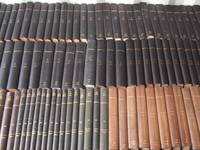
1866010620London: Office for Advertisments and Publications 1866. A near complete run from 1866 to 1994. 231 volumes. Lacking July-Decenber 1948 & January-June 1949. Books measure 36x26.5 last 31 volumes measure 30x21.5. Illustrated throughout. Most volume bound in modern black cloth with gilt lettering others bound in quarter calf. The calf volumes are faded on spines. Generally all bindings in very good clean firm condition. Internally very occasional library mark stamp. Pages and illustrations in very good clean condition. . Cloth. Very Good. Small Folio. Office for Advertisments and Publications Hardcover
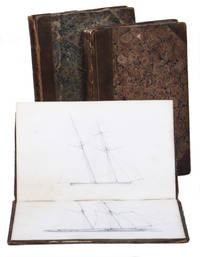
1822ABC_49460Aboard the Winchelsea written and drawn at sea 1822. Contemporary half gold-tooled brown calf marbled paper sides each volume with a different marbled paper the journal volume with marbled endpapers. 8vo. The two sketchbooks contain a total of ca. 100 pages of sketches of ships done in pencil including 1 page containing signal flags in colour. 3 volumes. With: Two sketchbooks with pencil drawings of ships. A neatly-written and illustrated sea journal kept by James Dudman the second mate on board the East India Company's ship Winchelsea during a 1822-23 voyage to India. Launched in 1803 the Winchelsea was already a veteran East Indiaman this being her ninth voyage - she made a total of eleven voyages for the EIC before she was broken up in 1834. On the present voyage commanded by Captain William Adamson she carried 592 people including the 17th and 44th Regiments of Foot and detachments of the King's and EIC's soldiers and a number of women and children. The sea journal volume is accompanied by two additional volumes by Dudman containing pencil sketches of unidentified masted sailing vessels.The Winchelsea's journey from its departure at Blackwall Dock on April 24 1822 to its arrival in Bengal and eventual return to England via St. Helena and The Downs on May 24 1823 reflects the extensive maritime routes integral to British imperial dominance. The ship's role in transporting personnel and cargo exemplifies the strength of the EIC's logistical network sustaining Britain's colonial and economic interests in India. The journal with its careful record-keeping offers an intimate glimpse into the daily operations experiences and extraordinary events encountered by the second mate aboard an East Indiaman during Britain's height of imperial expansion.The journal written in Dudman's beautiful scribe-like handwriting opens with an entry dated 24 April 1822 at Blackwall Dock where the voyage started "bound for Bengal." The next few pages contain a detailed listing of the people on board beginning with the ship's company of 122 men with names followed by the troops on board: "List of a detachment of His Majesty's Troops belonging to the 44th Regt. of Foot on board the Honable. Company's Ship Wincelsea for Bengal" comprising name and rank of 367 men followed by the names of 42 women on board as well as the name and age of 57 children on board including 3 who died at sea plus 4 additional passengers.At Saugur meaning Sagar Island they took on board further passengers duly noted in an additional "List of H.M. 17th Regiment of Foot with the Women and Children accompanying them. Embarked on board the Honble. Company's ship Winchelsea at Saugur New Anchorage for England."Beyond the usual records of position winds weather and other ships Dudman includes interesting notes on unusual occurrences. Perhaps the most fascinating event was recorded on February 10 1823: a major earthquake off the coast of India experienced by the Winchelsea: "At 10 minutes past 1 PM every one on board was greatly alarmed at the singular feel of the ship which was in a violent trembling motion as if the ship was grazing over a rocky shoal and a loud rumbling noise similar to the roll.g! of a Bull quickly along the deck this very singular seuration lasted certainly not less than a minute those below ran on deck to enquire the cause and those below the poop below to ask the same question. I was in the round house at the time when it comen'd. The noise appeared to me as coming along the quarter deck and instantly over the poop the sea was smooth and the day clear. I looked out at the stern windows but saw no appearance of any shoal which I certainly would have done had such existed. The water being very clear and the ship not going more than 2 knots I cannot account for this very singular phenomenon in any other way than its being the shock of an Earthquake".The voyage journal of the Winchelsea during its 1822-23 journey to Bengal provides valuable insight into the maritime operations of the EIC its commercial and colonial reach and the strategic importance of British trade with India in the early 19th century. As a veteran East Indiaman the Winchelsea was part of the vast trading network that connected Britain with the Indian subcontinent transporting soldiers goods and passengers under the auspices of the EIC which functioned as both a commercial enterprise and a colonial governing force.The journal volume contains the typographic book plate of Mr. Jas. Dudman on the front pastedown and a manuscript inscription in ink on the first flyleaf by Lumsden Dudman who was married to Mary Anne Shirreff "Joseph H. Shirreff from L.S. Dudman Xmas 1892" one of the sketchbooks contains a manuscript inventory list in Greek of goods for sale on the first flyleaf and one of the sketchbooks with ownership signature "L: Dudman / Sept. 27 1836" likely Rev. Lumsden S. Dudman perhaps a brother of James Dudman. Some general wear to the leather spines and corners of the boards of the volumes occasionally foxed but overall internally clean. Overall in good condition. unknown
20202081502111906754Hoo shubbansha 2020. Soft Cover. Fine. The book is in fine condition. Hoo shubbansha paperback
20192081502111906862Hoo shubbansha 2019. Soft Cover. Fine. The book is in fine condition. Hoo shubbansha paperback
LCS-A31Chacun des 6 volumes est frappé du Timbre royal rouge. 1817-1825. 6 in-8. Demi-basane époque.
181319270Paris: L’Imprimerie de la Republique 1813. FIRST EDITIONS. Woodcut vignettes head- and tailpieces many with folding engraved plates. All volumes in original bindings uncut some unopened completely unsophisticated. Other than 2 volumes in the original calf-backed marbled boards all are bound in original plain or printed wrappers and preserved in half-calf slipcases with morocco spine labels. First editions of the Journal de l'Ecole Polytechnique one of the oldest scientific journals. It contains sections in mathematics physics chemistry geology astronomy and mechanics design and architecture. Here you find original contributions by the top French scientists of the time. A listing of each of the issues is set forth below with a sampling of the contributors. We offer Numbers 1-16 missing only Numbers 2 9 10.<br /> <br /> No. 1. viii 189 pp. Folding engraved plate. No binding.1 leaf of contemporary manuscript describing the plate laid in. Contributions from Monge Prony Barruel Hassenfratz Fourcroy Chaptal Berthollet Guyton etc.<br /> <br /> No. 3. iv xvi ii 209-444 pp. Original marbled wrappers. Contributions from Prony Guyton Berthollet Observations on the eudiometric properties of phosphorus.<br /> <br /> No. 4. ii xxviii 445-743 3 pp. including errata. With 9 folding engraved plates. Contemporary calf-backed marbled boards. Not in a folding case. Contributions from Fourcroy et Vauquelin Hassenfratz.<br /> <br /> Tom II No. 5. iv 208 iv pp. Original printed wrappers. Contributions from Fourcroy Lagrange Laplace Guyton Prony.<br /> <br /> Tom II No. 6. iv 209-456 pp. Original printed wrappers. Contributions from Fourcroy Lagrange Hassenfratz Laplace Monge.<br /> <br /> Tom III Nos. 7 and 8. iv vii I 477 2 pp. Original marbled paper-covered boards. Contribution from Prony Philosophical mechanics or reasoned analysis of the various parts of the science of balance and movement.<br /> <br /> <br /> <br /> Tome IV No. 11. ii 395 pp. With 9 folding engraved plates. Contemporary calf-backed marbled boards. Not in a folding case. Contributions from Monge Prony Hachette Poisson Biot Hassenfratz Buyton Berthollet Gauss a short report on his Disquisitiones arithmeticae<br /> <br /> Tom V No. 12. iv 324 pp. Original wrappers. Contribution from Lagrange Lecons sur le calcul des fonctions.<br /> <br /> Tom VI No. 13. ii 378 1 pp. Original wrappers. Contributions from Monge Poisson Ampere Biot Fourcroy et Thenard chemistry Hassenfratz chemistry.<br /> <br /> Tom VII No. 14. iv 400 4; ii 90 pp. Supplement. With 3 full-page engraved plates. Original wrappers. Contemporary signature on title. The Supplement is Lagrange Supplement aux lecons sur le calcul des fonctions. Also a contribution from Montgolfier On the possibility of substituting the hydraulic ram for the old Marly machine.<br /> <br /> Tom VIII No. 15. ii 358 pp. Original wrappers uncut and partially unopened. Contributions from Poisson Memoir on the secular inequalities of the means of movement of the planets <br /> Lagrange Clarification of a singular difficulty which is encountered in the calculation of the attraction of spheroids very little different from a sphere Monge Essay on the application of analysis to some questions of elementary geometry another from Monge Construction of the vibrating string equation a number of articles from Poisson Laplace Dissertation on various points of analysis.<br /> <br /> Tom IX No. 16. iv 354 2 pp. Original boards. Contributions from Cauchy Poisson.<br /> <br /> École Polytechnique was created in 1794 a politically and economically troubled time but also the culmination of the Enlightenment. The Journal commenced publication the following year and has since then maintained the highest reputation of published research. L’Imprimerie de la Republique unknown
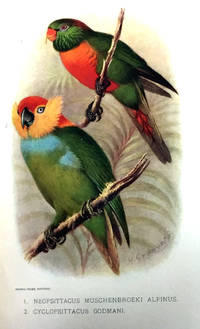
16386London: John van Voorst 1883-1886; Gurney and Jackson 1887-1903; R.H. Porter 1904-1913; British Ornithologists’ Union 1914-1932. FIRST EDITIONS. Hundreds of exquisite full-page lithographed plates many hand-colored after J.G. Keulemans J. Wolf J. Jennens H. Gronvold and others text illustrations distribution maps and tables. The first group of volumes also contain a list of members of the Union and the date of their election. The first six volumes bound in contemporary half-calf over marbled boards spine in compartments with the remaining volumes in library cloth and most have the original printed wrappers bound in where the journal was issued quarterly; interior excellent. Bookplate withdrawn of Trinity College Library on the paste-downs; a wonderful set. First printings of this famous journal of ornithology. <br /> <br /> Included are:<br /> <br /> Fifth series Volumes 1 1883 - 6 1888<br /> Sixth series Volumes 1 1889 - 6 1894<br /> Seventh series Volumes 1 1895 - 2 1896<br /> Eighth series Volumes 2 1902 - 6 1906<br /> Ninth series Volumes 1 1907 - 6 1912<br /> Tenth series Volumes 1 1913 - 6 1918<br /> Eleventh series Volumes 1 1919 - 6 1924<br /> Twelfth series Volumes 1 1925 - 6 1930<br /> Thirteenth series Volumes 1 1931 - 2 1932<br /> <br /> Authors include G.E. Shelley Sclater John Henry Gurney Edward Hargitt William C. Tait Henry Seebohm Osbert Salvin O. Finsch W. L. Buller R. Bowdler Sharpe Scott B. Wilson; literally all of the great ornithologists throughout the publishing history of this journal. Sclater 1829-1913 a co-founder and editor of Ibis was a well-known and highly productive over 1400 publications ornithologist by trade. He is also remembered for his 1858 paper setting out the faunal regions classification of zoogeography later adopted by Alfred Russel Wallace. He was also secretary of the Zoological Society of London a member of more than forty professional societies at home and abroad and a council member of the Royal Society of London. Assisting him as co-editor of some of the issues was Howard Saunders or A.H. Evans until 1931 when C.B. Ticehurst took over as editor.<br /> Now subtitled the International Journal of Avian Science it is in its present form a peer-reviewed scientific journal which covers ecology conservation behavior palaeontology and taxonomy of birds. For it’s first nearly one hundred years however the journal focused on a more popularistic type of article often introducing species and images to the public for the first time.<br /> <br /> A group of friends mostly wealthy collectors of bird specimens founded the British Ornithologists' Union in 1858 with the primary intent of starting an ornithological journal. The first volume of the journal The Ibis appeared in 1859. Lists of species observed by traveling ornithologists and long catalogues of specimens obtained on expeditions filled the journal. “This random fact gathering on distribution persisted unchanged from 1859 to the 1940s.†In her article entitled “The Ibis: Transformations in a Twentieth Century British Natural History Journal†in Journal of the History of Biology October 2004 Volume 37 No. 3 pp. 515–555 Kristin Johnson points out in a much more complete and professional manner the difference between “popular†ornithology and “scientific†ornithology study of the living bird in its natural environment more on a biological aspect the transition of which occurred post-1940. Meanwhile the articles appearing in the Ibis were geared more toward the popularization of the science and the spread of knowledge of geographic distribution and the habits and patterns of the various bird species. John van Voorst (1883-1886); Gurney and Jackson (1887-1903); R.H. Porter (1904-1913); British Ornithologists’ Union (1914-1932 unknown
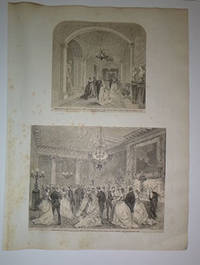
16-6233New York: Frank Leslie's Illustrated Newspaper 1870. Two Original wood-engravings mounted on a support sheet.25 x 35.5cm. Ambassador John Lothrop Motley April 15 1814 – May 29 1877 was an American author and diplomat. As a popular historian he is best known for his works on the Netherlands the three volume work The Rise of the Dutch Republic and four volume History of the United Netherlands. As United States Minister to Austria in the service of the Abraham Lincoln administration Motley helped to prevent European intervention on the side of the Confederates in the American Civil War. He later served as Minister to the United Kingdom Court of St. James during the Ulysses S. Grant administration.Provenance: Lt.-Col. Herbert Alexander St. John-Mildmay was born on 20 July 1836.He was the son of Captain George William St. John-Mildmay and Mary Baillie. He married Susan Margaret Stackpole Motley daughter of the American writere and diplomat the Hon. John Lothrop Motley 1814 -1877 on 7 May 1884.1 He died on 21 October 1922 at age 86. He gained the rank of Lieutenant-Colonel in the Rifle Brigade. He was appointed Member Royal Victorian Order M.V.O. [New York: Frank Leslie's Illustrated Newspaper, 1870] unknown
Collection of 120 complete years of this rare and highly important academic Armenian periodical published since 1887 (making it the second oldest Armenian journal still in print) and mainly related to Armenian philology and history, most texts are in Armenian (though some of them are in English, French, German and Italian), together ca. 35.000 pp., 30cm., The volumes up till 1989 are bound in modern hardcovers in full red cloth in very good condition (most of the 44 physical volumes contain two years each), volumes 1990-2013 are in original softcovers, some of the older illustrated frontcovers are preserved and bound in, text and interior are clean and bright, very good set, weight: 90kg., [This is a list of the "physical" volumes contained in this set: 1890, 1891-1892, 1893-1894, 1895-1896, 1897-1898, 1899-1900, 1901-1902, 1903-1904, 1905-1906, 1907-1908, 1909-1910, 1911-1912, 1913-1914, 1915-1916-1917-1918-1919-1920, 1921-1922, 1923-1924, 1925-1926, 1927, 1928-1929, 1930-1931, 1932-1933, 1934-1935, 1936-1937-1938, 1939-1940-1941-1942-1943-1944-1945, 1946-1947-1948, 1949-1950, 1951-1952, 1953-1954, 1955-1956, 1957-58, 1959-1960, 1961, 1962-1963, 1964-1965, 1966-1967, 1968-1969, 1972-1973, 1974-1975, 1976-1977-1978, 1979-1980-1981, 1982-1983-1984, 1985-1986, 1987, 1988-1989, 1990, 1991, 1992, 1993, 1994, 1995, 1996, 1997, 1998, 1999, 2000, 2001, 2002, 2003, 2004, 2005, 2006, 2007, 2008, 2009, 2010, 2011, 2012 and 2013], X111626
1890X111626Wien (Vienna), Mechitharisten-Kongregation (-Buchdruckerei) 1890-2013 Collection of 120 complete years of this rare and highly important academic Armenian periodical published since 1887 (making it the second oldest Armenian journal still in print) and mainly related to Armenian philology and history, most texts are in Armenian (though some of them are in English, French, German and Italian), together ca. 35.000 pp., 30cm., The volumes up till 1989 are bound in modern hardcovers in full red cloth in very good condition (most of the 44 physical volumes contain two years each), volumes 1990-2013 are in original softcovers, some of the older illustrated frontcovers are preserved and bound in, text and interior are clean and bright, very good set, weight: 90kg., [This is a list of the "physical" volumes contained in this set: 1890, 1891-1892, 1893-1894, 1895-1896, 1897-1898, 1899-1900, 1901-1902, 1903-1904, 1905-1906, 1907-1908, 1909-1910, 1911-1912, 1913-1914, 1915-1916-1917-1918-1919-1920, 1921-1922, 1923-1924, 1925-1926, 1927, 1928-1929, 1930-1931, 1932-1933, 1934-1935, 1936-1937-1938, 1939-1940-1941-1942-1943-1944-1945, 1946-1947-1948, 1949-1950, 1951-1952, 1953-1954, 1955-1956, 1957-58, 1959-1960, 1961, 1962-1963, 1964-1965, 1966-1967, 1968-1969, 1972-1973, 1974-1975, 1976-1977-1978, 1979-1980-1981, 1982-1983-1984, 1985-1986, 1987, 1988-1989, 1990, 1991, 1992, 1993, 1994, 1995, 1996, 1997, 1998, 1999, 2000, 2001, 2002, 2003, 2004, 2005, 2006, 2007, 2008, 2009, 2010, 2011, 2012 and 2013], X111626
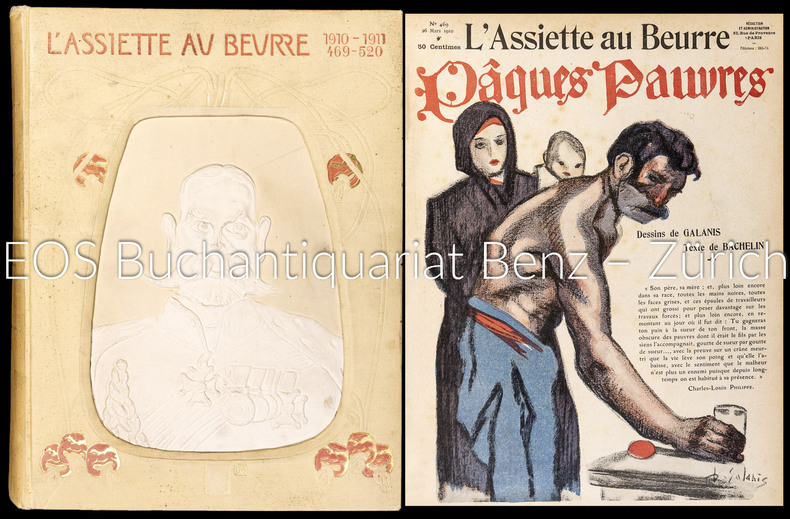
190131051ABParis, Schwarz, S., 1901-1912. 4° (33,5 x 25 cm). Mit über 9600 meist farbigen, teils ganzseitigen oder doppelblattgrossen Lithographien von Steinlen, Vallotton, F. Kupka, K. van Dongen, Gris, Cheret, Redon, Jossot Willette und vielen anderen Künstlern. Inkl. die Almanche für die Jahre 1907, 1908 sowie 3 Sonderhefte "Les Masques de l'Assiette au Beurre" und alle Nummern "hors série". Orginal Jugendstil-Verlegereinbanddecken mit verschiedenen reliefartig blindgeprägten Pappintarsien von V. Preissig. + Wichtig: Für unsere Kunden in der EU erfolgt der Versand alle 14 Tage verzollt ab Deutschland / Postbank-Konto in Deutschland vorhanden +, A 11 Bände, 3 Sonderhefte.
Collezione completa. Qualche fioritura, nel complesso un ottimo esemplare, a margini quasi pieni (375 x 255 mm), in legatura coeva (restauri con rinforzi in pelle alla cerniera superiore; la cerniera inferiore risulta parzialmente fessurata). Timbretto di antica provenienza «Raccolta Levino Robecchi» alla seconda carta. -- Allegato al volume il rarissimo bifoglio che annunciava la prossima uscita del periodico: stampato su carta bianca l’1 luglio 1818, conteneva il «Programma» e i «Patti dell’associazione». Il «Programma» qui non è firmato, ma nella ristampa approntata su carta azzurra in occasione dell’uscita del primo numero (con il differente titolo di «Introduzione») compare in fine la sigla P. B. (Pietro Borsieri). I «Patti dell’Associazione», invece, recano la firma di Vincenzo Ferrario, e risultano di grandissimo interesse, esplicitando, con oltre due mesi di anticipo rispetto all’uscita del primo numero, quale sarebbe stato l’aspetto assunto dal giornale: «I. Il primo numero del Conciliatore comparirà il giorno 3 di settembre prossimo venturo. Questo foglio uscirà due volte per settimana, ne’ giorni di Giovedì e Domenica precisamente a mezzodì. II. Esso sarà composto di quattro pagine di due colonne ciascuna, nella forma e nel carattere di questo Programma [...]. III. La carta sarà della dimensione e qualità della presente, ma di colore alquanto ceruleo [...]». Rarissima raccolta completa in 118 fascicoli compresi gli ultimi due, mai distribuiti. Il «Foglio azzurro», così detto dall’inconfondibile colore della carta utilizzata per la stampa, si pubblicò due volte la settimana dal 3 settembre 1818 al 17 ottobre 1819, per cura della Società del Conciliatore, un organismo che vedeva Luigi Porro Lambertenghi e Federico Confalonieri in qualità di soci finanziatori, Ludovico Di Breme, compilatore, Pietro Borsieri «sottocompilatore», Giovanni Berchet «sottocompilatore», Silvio Pellico, compilatore e Vincenzo Ferrario, tipografo stampatore. Tra gli altri collaboratori, Giovanni Arrivabene, Giovan Battista De Cristoforis, Giannantonio Llorente, Giuseppe Longhi, Giuseppe Montani, Fabrizio Mossotti, Giuseppe Nicolini, Giuseppe Pecchio, Giovanni Rasori, Adeodato Ressi, Gian Domenico Romagnosi, Pellegrino Rossi, Sismonde de Sismondi, Rodolfo Vantini, Ermes Visconti. Tutti firmavano con le sole iniziali. Fino al fascicolo 112 (pp. 1-454), il foglio mantenne la medesima testata, estremamente spoglia, caratterizzata dal titolo centrale in corpo grosso, sormontato in piccolo da numero (in arabi) e data, e seguito sempre in piccolo dal famoso motto «... Rerum concordia discors»; a partire dal numero 113 e fino alla fine, nella maggioranza degli esemplari il titolo viene sostituito da una piccola incisione centrata, raffigurante un albero piegato dalla tempesta, cui segue semplicemente, in corpo grosso maiuscolo, l’indicazione del numero in romani. -- Sulla falsariga del «Caffè» di Verri e Beccaria, il Foglio azzurro si occupò di moltissimi argomenti, dalle lettere alle scienze, passando per l’economia, il diritto, la filosofia morale, le questioni politico-amministrative: «Silvio Pellico si incaricava della preparazione dei singoli numeri e si preoccupava, nonostante le sue opinioni allora politicamente molto avanzate, di contrastare gli atteggiamenti anticristiani del Rasori, designato fin dall'inizio fra i collaboratori del Conciliatore. [Al periodico] collaborarono fin dal principio i giuristi Romagnosi e Ressi, mentre l’abate di Breme, Pietro Borsieri, Giovanni Berchet ed Ermes Visconti vi sostenevano con cultura e con brio la lotta contro i classicisti. Il Pecchio si occupò soprattutto di materie economiche, per le quali furono corrispondenti da Ginevra il Sismondi e Pellegrino Rossi» (Treccani 1931, s.v.). -- Del «Conciliatore» sono noti i momenti di polemica letteraria e politica, che videro i romantici, di idee liberali, attaccare a viso aperto i classicisti, vicini alla Restaurazione austriaca. Più recentemente, si è posta attenzione anche all’importante dibattito economico sviluppato nel foglio: «due sono i filoni principali d’intervento: il dibattito sull’industrializzazione e quello sulla forma di proprietà più adatta ad un corretto ed equilibrato sviluppo economico. In relazione al primo punto, la discussione sullo sviluppo industriale si amplia e arricchisce il dibattito in favore o contro il protezionismo doganale. Accanto ad autori come Pellico, convinti assertori di uno sviluppo agricolo e commerciale fondato soprattutto sulla capacità degli aristocratici illuminati della Lombardia di promuovere il benessere e l’incivilimento regionale […], Giuseppe Pecchio si dichiara a favore di una politica di diretto intervento governativo, con il compito di promuovere lo sviluppo e di garantire, mediando gli interventi delle varie classi. Esemplari in questo senso sono gli articoli tratti dall’opera di Jean Antoine Chaptal sull’industria francese […]. Pecchio allarga poi la sua analisi allo sviluppo dell’economia lombarda del periodo, esaminando i riflessi e l’importanza avuta per il Lombardo-Veneto dal blocco continentale, e dalla formazione di un più vasto mercato in seguito alla creazione di un grande stato dell’Italia settentrionale. […]. Pellico […] mostra la sua netta predilezione per il modello inglese della concentrazione terriera e nel presentare la seconda edizione dell’Inquiry di James Maitland Lauderdale scrive che benché in Gran Bretagna vi siano “parecchie enormi fortune sembra che per esse non diminuisca essenzialmente il bene della maggior parte. I contadini proprietarj, i massaj e i manifattori, se si paragonano a quello del continente, si distinguono in Inghilterra per l’agio e persino l’opulenza in cui vivono” (2 maggio 1819, p. 284) […]» (Bibliografia dei periodici economici lombardi). -- Dopo un primo periodo di relativa tranquillità, «Il Conciliatore» divenne bersaglio della censura austriaca, complici le posizioni sempre più moderne che andava abbracciando: in un crescendo di malsopportazione e ammonimenti, il foglio fu costretto a chiudere. Vittore Branca scrive che col n. 116 terminava la parte del Conciliatore distribuita agli associati; anzi lo stesso n. 116 ebbe pochissima diffusione («… come si rileva dalle numerose raccolte in cui manca») causa il sequestro quasi immediato. I numeri 117 e 118 non vennero neppure distribuiti, anche se già pronti per la stampa; le poche copie che ebbero modo di circolare furono soltanto quelle destinate ai redattori. Branca, rist. anast. del Conciliatore (3 voll. Firenze, 1953-54); Clerici, Il Conciliatore (Pisa 1903); Bibliografia dei periodici economici lombardi (Milano 2005), s.v.
190131051AB11 Bände, 3 Sonderhefte. Paris, Schwarz, S. 1901-1912 4° (33,5 x 25 cm). Mit über 9600 meist farbigen, teils ganzseitigen oder doppelblattgrossen Lithographien von Steinlen, Vallotton, F. Kupka, K. van Dongen, Gris, Cheret, Redon, Jossot Willette und vielen anderen Künstlern. Inkl. die Almanche für die Jahre 1907, 1908 sowie 3 Sonderhefte "Les Masques de l'Assiette au Beurre" und alle Nummern "hors série". Orginal Jugendstil-Verlegereinbanddecken mit verschiedenen reliefartig blindgeprägten Pappintarsien von V. Preissig.
Edizione originale. Tutto il pubblicato dal 1908 al 1916 compresi i fascicoli di «La Voce Politica» in ottimo stato di conservazione. Fascicoli sciolti conservati in scatole in tela per ogni anno con tasselli ai dorsi con titoli oro. Fondamentale rivista fondata nel 1908 a Firenze da Giuseppe Prezzolini e Giovanni Papini e diretta quasi ininterrottamente dallo stesso Prezzolini (fatta eccezione per l’aprile-ottobre del 1912 in cui la direzione fu presa da Papini e per l’ultimo biennio di attività 1914 - 1916 retto da Giuseppe De Robertis). Estremamente attenta anche a problemi di ordine politico e sociale – manifestando particolare sensibilità per l’alfabetizzazione, lo stato della scuola e per la questione meridionale - «La Voce» fu per 8 anni una fucina di elaborazione e divulgazione letteraria, artistica e culturale in senso ampio che ospitò contributi da alcuni tra i nomi più importanti e autorevoli del panorama italiano del tempo: dagli interventi di Croce, Amendola, Salvemini, Einaudi alle parole di Slataper, Michelstaedter, Boine, Stuparich, Sbarbaro, Rebora, Campana, Ungaretti. Sorretta – come testimonia la presenza di Benedetto Croce – da una forte vocazione antipositivista e filoidealista, la rivista – che avrebbe dato vita anche a storici progetti editoriali, come le “Edizioni della Voce”, i “Quaderni della Voce” e la “Libreria della Voce” – non mancò di essere attraversata da tensioni e infine da divisioni insanabili che avrebbero ancor prima della chiusura nel 1916 condotto all’allontanamento di due figure fin lì centrali, ovvero il co-fondatore Giovanni Papini e Ardengo Soffici. Nel 1913 infatti, in aperta polemica con l’impostazione estetica nonché valoriale vociana improntata sull’impegno anche sociale della cultura e dei suoi protagonisti (benché più ferocemente critica nei confronti della politica attuale che ideologicamente chiara fosse la posizione di Prezzolini), i due avrebbero dato vita al quindicinale «Lacerba».
Collezione completa. Eccezionale insieme a fascicoli sciolti con le copertine originali (quando previste); in condizioni più che buone quando non ottime; completo di una serie di allegati molto rari (dettagli nella descrizione). Fondata a Bologna il 14 gennaio 1926 da Leo Longanesi, quindicinale, dal luglio 1926 con sottotitolo: Foglio quindicinale della rivoluzione fascista, diventa mensile dal marzo 1931; dal 1932 esce con il sottotitolo: Periodico della rivoluzione fascista. Dal n. 25-26 del 1934 la sede viene trasferita a Roma. Cessa le pubblicazione nel 1942. -- Con le illustrazioni di Morandi, Soffici, Cappiello, Lautrec, Mezio, Grandville, Savinio, Groz, Roidin, e altri troviamo testi di: Baldini Antonio, Barilli, Bartolini Luigi, Benedetti Arrigo, Brancati, Buzzati, , Cardarelli, Cecchi, Comisso, De Benedetti, De Chirico Giorgio, Furst H., Groz, Moravia, Praz Mario, Raimondi, Savinio Alberto, Soffici, Soldat, Tobino, Ungaretti, ed altri. Le prime quattro annate (38 fascicoli) sono in formato folio, poi in 4° (11 fascicoli) e i fascicoli dal n 1 del marzo 31 al n 70 del novembre-dicembre 1942, per un totale di 55, sono in 8°. -- Si aggiunge «Lunario del Fascista Campagnolo coi Baffi ovvero il Gran Longanesi Volante per l’anno bisestile 1928», foglio volante di cm 36x50, curato dallo stesso Longanesi dove si legge: «Il pianeta dominante di quest’anno, secondo l’astrologia, trovo esser Mussolini con il segno del Fascio nella Casa del vecchio Giolitti. La natura del dominante pianeta sarà assai giovevole alla gente che di giorno lavora e di notte dorme o rende felice la moglie. Avremo abbondanza dei prodotti della terra nei campi di quei padroni che rispettano i contratti di lavoro e carestia in quelli dei latifondisti ingordi e strozzini [...] Marte, che si quadra a Saturno, minaccia guerre [...] Quanto io vi dico, o abitanti delle campagne, può anche non esser vero, ma quis enim hominum poterit scire consilium dei? aut quis poterit cogitare quid velit Mussolini?». Si aggiungono: foglio (500 x 350 mm) pubblicitario della rivista; Supplemento al N 14/15 dell’Anno I; Lunario del fascista Campagnolo coi Baffi ovvero Il Gran Longanesi Volante, Foglio di 500 x 350 mm con il calendario per l’Anno bisestile 1928.
19356911935 - reliure - Sanjian Shuwu 三閒書屋 - Yinyu ji 引玉集 (« Recueil pour attirer le jade ») 木刻五十九幅 - Deuxième tirage, avril 1935 - In-8 (19,5 × 15,5 cm) reliure cartonnée de l'éditeur, dos noir, pièce de titre contrecollée sur le premier plat - 68 pages - 59 reproductions de gravures sur bois soviétiques imprimées au procédé collotype (珂羅版) d'après les tirages originaux fournis par les artistes - Comprend un texte de Chen Jie (陳節), traduction abrégée d'un essai de A. D. Chegodaev consacré à la gravure soviétique contemporaine - Tirage limité à 215 exemplaires, dont 15 exemplaires hors commerce - Diffusion assurée par la librairie Uchiyama (內山書店), Shanghai - Ouvrage en chinois - Avec des œuvres de Dmitri Isidorovich Mitrokhin, A. Kravchenko, N. Piskarev, Vladimir Andreevich Favorsky, P. Pavlinov, A. Goncharov, M. Pikov, Sergei Mikhalovich Mocharov, L. Khizhinsky, Nikolai Vasilievich Alekseev et Sergei Mikhailovich Pozharsky - A PROPOS : Rare anthologie consacrée à la gravure soviétique moderne, publiée à Shanghai par 三閒書屋 et diffusée par la librairie Uchiyama (內山書店). L'ouvrage réunit cinquante-neuf reproductions en collotype de gravures sur bois réalisées par plusieurs figures majeures de l'école russe et soviétique de la gravure des années 1920-1930, parmi lesquelles Vladimir Favorsky, Dmitri Mitrokhin, Alexei Kravchenko et Pavel Pavlinov. Accompagné d'une traduction abrégée par Chen Jie d'un essai de l'historien de l'art soviétique A. D. Chegodaev, ainsi que d'une préface, d'un catalogue des planches et d'une postface, le volume fut conçu comme une introduction à l'estampe contemporaine soviétique pour le public chinois. Témoignage remarquable des échanges artistiques sino-soviétiques dans le Shanghai républicain des années 1930, il s'inscrit dans le contexte du mouvement de la Nouvelle Gravure (新興木刻運動), alors en plein essor sous l'influence des milieux intellectuels de gauche et des réseaux culturels gravitant autour de la librairie Uchiyama et de la figure de Lu Xun. Les reproductions furent réunies à partir de documents et publications soviétiques découverts au début des années 1930, notamment par l'intermédiaire de la revue Graphika. /// ENGLISH: Sanjian Shuwu (三閒書屋) - Yinyu ji (引玉集, “Collection to Draw Forth Jade”): Fifty-Nine Woodcuts (木刻五十九幅) - Second printing, April 1935 - Octavo (19.5 × 15.5 cm), publisher's boards with black spine and mounted title label on upper cover - 68 pages - 59 collotype (珂羅版) reproductions of Soviet woodcuts printed from original impressions supplied by the artists - Includes a text by Chen Jie (陳節), an abridged translation of an essay by A. D. Chegodaev on contemporary Soviet printmaking - Limited edition of 215 copies, including 15 non-commercial presentation copies - Distributed by Uchiyama Bookstore (內山書店), Shanghai - Text in Chinese - Featuring works by Dmitri Isidorovich Mitrokhin, Alexei Kravchenko, Nikolai Piskarev, Vladimir Andreevich Favorsky, Pavel Pavlinov, Aleksandr Goncharov, Mikhail Pikov, Sergei Mikhailovich Mocharov, Leonid Khizhinsky, Nikolai Vasilievich Alekseev and Sergei Mikhailovich Pozharsky. ABOUT: Rare anthology devoted to modern Soviet wood engraving and printmaking, published in Shanghai by Sanjian Shuwu and distributed through Uchiyama Bookstore (內山書店). The volume gathers fifty-nine collotype reproductions of woodcuts by several leading figures of the Russian and Soviet printmaking revival of the 1920s and 1930s, including Vladimir Favorsky, Dmitri Mitrokhin, Alexei Kravchenko and Pavel Pavlinov. Accompanied by Chen Jie's abridged translation of an essay by Soviet art historian A. D. Chegodaev, as well as a preface, plate catalogue and postface, the work was conceived as an introduction to contemporary Soviet printmaking for Chinese readers. A remarkable testimony to Sino-Soviet artistic exchanges in Republican-era Shanghai, it belongs to the context of the New Woodcut Movement (新興木刻運動), then flourishing under the influence of left-wing intellectual circles and cultural networks associated with Uchiyama Bookstore and the figure of Lu Xun. The reproductions were assembled from Soviet books, periodicals and documentary sources discovered in the early 1930s, notably through the journal Graphika. /// 中文:三閒書屋出版 — 《引玉集:木刻五十九幅》 — 1935年4月再版 — 32開(19.5 × 15.5厘米)精裝本,黑色書脊,封面貼書名籤 — 68頁 — 收錄蘇聯木刻作品59幅,以珂羅版工藝依據藝術家提供之原拓本複製印製 — 附陳節摘譯 A. D. Chegodaev(契戈達耶夫)論蘇聯現代版畫藝術之文章 — 限印215部,其中15部為非賣贈送本 — 上海內山書店代售 — 中文版 — 收錄 Dmitri Isidorovich Mitrokhin、Alexei Kravchenko、Nikolai Piskarev、Vladimir Andreevich Favorsky、Pavel Pavlinov、Aleksandr Goncharov、Mikhail Pikov、Sergei Mikhailovich Mocharov、Leonid Khizhinsky、Nikolai Vasilievich Alekseev 及 Sergei Mikhailovich Pozharsky 等藝術家作品。關於本書:本書為三閒書屋於上海出版、由內山書店代售之珍稀蘇聯現代木刻版畫選集。全書收錄59幅以珂羅版精印之蘇聯木刻作品,作者均為1920至1930年代俄羅斯及蘇聯版畫復興運動的重要藝術家,其中包括弗拉基米爾·法沃爾斯基(Vladimir Favorsky)、德米特里·米特羅欣(Dmitri Mitrokhin)、阿列克謝·克拉夫琴科(Alexei Kravchenko)及帕維爾·帕夫利諾夫(Pavel Pavlinov)等人。書中除收錄陳節摘譯之蘇聯藝術史家 A. D. Chegodaev 論文外,尚附序言、圖版目錄及後記,旨在向中國讀者介紹蘇聯當代版畫藝術。本書不僅是研究俄蘇版畫的重要文獻,亦是1930年代上海中蘇藝術交流的珍貴見證。其出版背景與中國新興木刻運動(新興木刻運動)密切相關,反映了左翼知識界、內山書店文化網絡以及魯迅所倡導之版畫思想的深遠影響。書中圖版主要彙集自1930年代初傳入中國之蘇聯書籍、期刊及藝術資料,其中包括《Graphika》等重要出版物。
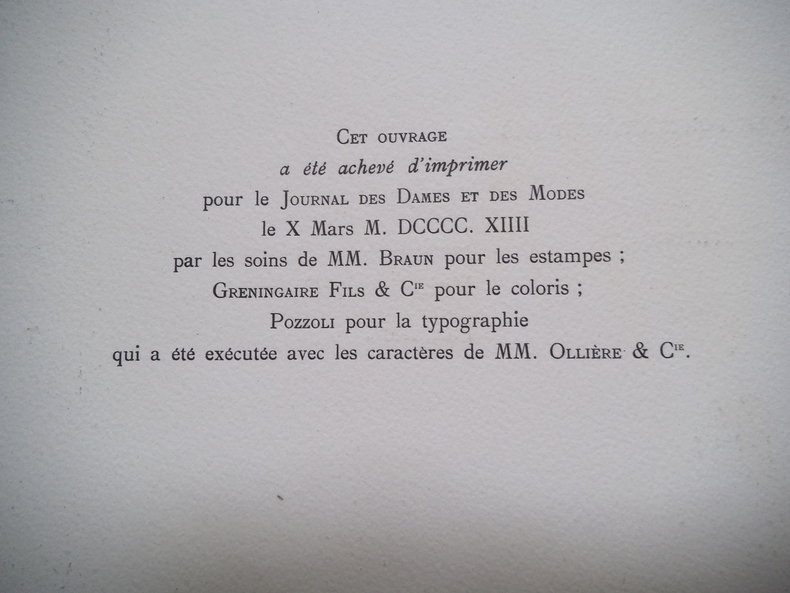
13765BRUNELLESCHI Les masques et les personnages de la Comédie Italienne. Expliqués par GERARD D’ HOUVILLE et interprêtés par BRUNELLESCHI en douze estampes coloriées. A Paris aux bureaux du journal DES DAMES ET DES MODES éditeur 1914. Edition numérotée :Un des Exemplaire sur vélin d'Arches, numéroté à la plume à la plume. Faux titre en rouge, au verso justification du tirage, titre 5 pages, dont 4 d’introduction par GERARD D’ HOUVILLE « celles dont le portait n’est pas là » et Suite de douze estampes superbement coloriées au pochoir d’après BRUNELLESCHI gravées par REIDEL. 1) Arlequin 2) le docteur Balanzone 3) Brighella 4) Coralline 5) Florindo 6) Giacometta 7) Mezzetin et colombine 8) Pantalon 9) Rosauro10) Scaramouche 11) Tartaglia 12) Trivellino. Chemise avec titre imprimé- portefeuille cartonné à rabats, l’ensemble dans un étui cartonné pièce de titre imprimée en long contrecollée. Fermoirs à rubans absents. 510x380mm fermé- 105x380 ouvert. Quelques traces d’usures à l’étui. Cet ouvrage a été chevé d’imprimer pour le Journal des Dames et des Modes le 10 mars 1914, par les soins de MM. BRAUN pour les estampes GRENIN Gaine Fils & Cie pour les coloris POZZOLI pour la typographies qui a été exécutée avec les caractères M OLDIER & Cie. Chef d’œuvre emblématique de BRUNELLESCHI.