Hokusai KatsushikaBiblio.com
2 720 résultats
B9781166630553New. unknown
1019290048.Ghardcover. Good. Access codes and supplements are not guaranteed with used items. May be an ex-library book. hardcover
1166630552.Ghardcover. Good. Access codes and supplements are not guaranteed with used items. May be an ex-library book. hardcover
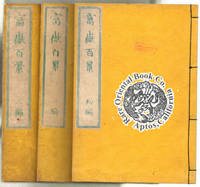
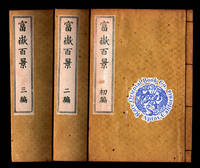
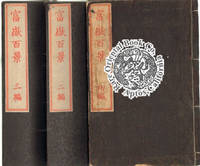
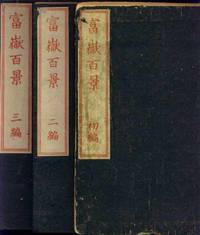
1875912491875. EHON Katsushika HOKUSAI. FUGAKU HYAKKEI. 100 Views of Fuji. Meiji 8 1875. Aichi Katano Toshiro. 3 vols. Yellow covers. 15.7 x 22.6 cm. Paper labels. This Meiji reprint of Hokusai's classic is in very good condition with original yellow covers and title labels. The impressions are fair to good and preserve the remarkable aesthetic sense of the master. The original blocks cut some 40 years earlier are here used by skilled printers to produce a fair example of the original work. unknown
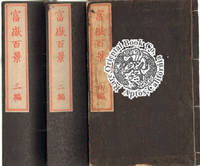
84211709Tokyo 1877 Hayashi. Black stitched stiff wrs.vol.3 only woodblock printed very good clean covers firmly boundvery excellent registry very good impression colors:Sumi black & grey 16.1 x 24 cm. Meiji 10th. year =1877. . . . . FUGAKU HYAKKEI: 100 VIEWS OF MT. FUJI . . . HOKUSAI'S MOST FAMOUS BOOK ON JAPAN'S SACRED SYMBOL . . . COLOR WOODBLOCK-PRINTED ON HAND-MAID WASHI PAPER . . . HIS GREATEST CLASSIC ! . THE ARTIST: KATSUSHIKA Hokusai 1760-1849: Hokusai's most famous work in book form illustrating a profusion of views of Mt. Fuji from all perspectives. . Hokusai was Japan's most famous Edo period illustrator of Japanese genre landscape scenery and of the daily lives and occupations of the commoners. His works are full of cheerfulness humor optimism and he had a knack of capturing the true nature of his time people and life style. He was affectionately called the "MAD MAN ON DRAWING" by the Japanese. His works continue to fascinate the world over ! . This book was also the prototype for his great color woodblock print series of multiple views of Mt. Fuji. . A delightful and impressive work considered a classic for nearly 200 years. . This monograph is devoted to Japan's most sacred Mt. Fuji in all its glory portrayed in various seasons and as seen by common folk as they go about their daily lives and daily occupations and along the Tokaido highway. . THE INTRODUCTION: The introduction was written by Hokusai on the first two pages of each volume. . THE COMPLETE SET OF 3 VOLUMES: The collation is: 252525 double folded leaves or 150 pages in all with illustrations of Mt. Fuji on 144 pages 6 pages of Japanese text. . The history of the various editions and volume count are complex the work was originally issued complete in two volumes which included all pages found in the 3 volume set. The set of 3 volumes is no different than those bound in 2 volumes it is simply a matter of combining pages into two or three bindings. The binding format was a choice made by publishers & their binders. The usual format is 3 volumes numbered 1 2 & 3. There are 3 volumes bound into a single binding and other variants contents by and large is the same. . THE SUBJECT: MT. FUJI JAPAN'S MOST SACRED SYMBOL: . The work is marvelous it shows Mt. Fuji portrayed in the daily life of the common people. . In the spring time how ordinary Japanese sat outdoors and viewed the cherry blossoms with Mt. Fuji in the background. Mt. Fuji was always present in daily life as a background. . The composition artistry and skill of Hokusai is without parallel. The book illustrates his unique talent and drawing skills. His artistry pictured Mt. Fuji in myriad scenes early morning evening rain and cloudy days. The mystical quality of Mt. Fuji demonstrates the great respect Hokusai felt showing the great grandeur of the sacred mountain. . Hokusai used acute visual composition concepts insight and visionary-like "Avant-garde" talent to impress viewers to identify with the splendor of Mt. Fuji. . Hokusai is still hailed as Japan's greatest artist of the 19th century. His woodblock printed books and printed command solid prices. . THE EDITIONS: There were two main editions: the FIRST EDITION published in 1834-5 was bound in pink stiff stitched covers commonly called "FALCON FEATHERS." All later editions are reprints with various dates bound in yellow blue purple green black and several other variants. Contents remains the same it would be a matter of quality of impression. The later editions do not always have a colophon or date. Some editions do show publisher's information and date. Other copies may have been rebound omitting the colophon. . There is no 'standard' relationship between date and color of binding however we have had many editions and copies information below reflects this history: . In 1875 Meiji 8th year reprint bound in either yellow covers with green printed title slips or blue covers with red printed title slips. . In 1877 Meiji 10th year reprint in black covers with red printed title slips. . A late final reprint in 1940 with yellow covers. . All of the above were woodblock printed editions on Washi hand-made paper. The contents is identical regardless of edition. The volume size varied by a few centimeters mostly a difference of the top or bottom margins. . The quality of the reprints are determined by the freshness of the impression and registry. As the original woodblocks wore down and warped they were replaced with new blocks. Some later editions were printed from very worn poor quality original blocks others from a mixed variety of old and new blocks quality varies in each copy. . Please visit our website to see the editions currently in stock. Photos posted to our website may not reflect the exact copies in stock but are 'generic' examples of the contents. . NOTE: Not all copies are identical contents each have specific and unique condition and different cover colors all about the same size. . SIZE: Depending on edition the First Edition was typically bound 15.5 x 22.5 cm. The Meiji editions were about 15.3 x 24.2 cm. with a very minor difference in size dependent on which publisher printed & bound their copies. There are minor size differences by edition the images remain the same size it was strictly a matter of larger margins in later editions. . For the most part this set was uniformly bound each with title slips. The Meiji title slips were red Kanji on a red bordered white Washi paper. . THE ENGLISH TRANSLATION OF FUGAKU HYAKKEI: There was a complete English translation of the 3 volume set and each of its pages. Please visit our website and search for F.V. Dickins 1960 edition which may be in stock. See below for more details. . CONDITION NOTE: General: Unless otherwise stated bound in the original publisher's stitched stiff yellow or other color covers with green or red printed title slip. . The registry and impressions are excellent most likely early pulls off the woodblocks. . We may have different dated editions each copy has been described not all are in the same condition dates also vary. Please inquire about any particular copy for more details. Photos posted to our site are 'generic' and represent general examples of the contents & illustrations. Please review photos posted to our website. . The 1877 edition has a small mend at the last page the colophon in vol. 3 else very clean nice. . Color photos of a generic example are posted to our website copies vary please read the individual copy notes for subtle differences. . SPECIFIC COPY DETAILS: . Copy 6. This is an early edition with soft Washi paper and excellent registry and imression clearly an early pull off the woodblocks. . Bound in the publisher's variant orange color with the green printed title slip. The covers have the typical soil common for a famous book by a Hokusai a famous artist which is nearly 200 years old. The covers have the usual vertical minor wrinkles & bends. The pages show the usual touch of lower right corner 'thumbing.' . Some old minor and bit of tiny worming in top margin & top text from beginning to page 15; a similar small hole in the upper plates beginning from the front through to page 16; a similar small hole in the heel below the lower margin from page 7-13 of no impact to the image other two also of little impact to the image. Else the book is solidly bound without issues. Cover title in green ink. . There is a boksellers advertisement inside the front and back covers. Copy 7: Exceptionally bright & clean example a tiny bit of dustiness to the covers else excellent. Cover title slip in green ind.Contents are pristine. Cover . Copoy 8: Similar to above but with English written on the front covers:"Peole In Landscape" & Mabel D. Ely." Else the front & back covers have some minor dustiness typical signs of wear and feint marks contents remains pristine. Dated Meiji 8th year 1875. Copy 9: Excellent black covers very clean & solid with red ink printed title slip. Contents prestine. Dated Meiji 10th. year 1877. . REFERENCES: . DICKINS TRANSLATION: TWO EDITIONS: WITH ENGLISH TRANSLATION & ILLUSTRATIONS: a. F.V. Dickins.: FUGAKU HIYAKU-KEI: sic OR A HUNDRED VIEWS OF FUJISAMA FUJI BY HOKUSAI. London in 1880. This book contained 3 original woodblock illustrated volumes of Hokusai's book FUGAKU HYAKKEI. . b. A 1960 reprint of the above. H. Kerlen: CATALOGUE OF PRE-MEIJI JAPANESE BOOKS & MAPS . for more bibliographic details item #396 pp.163-166. BROWN Louise N.: BLOCK PRINTING AND BOOK ILLUSTRATION IN JAPAN p.183 she cites two entries. Henry Smith II: HOKUSAI ONE HUNDRED VIEWS OF MT. FUJI pp.21-22 outline of the editions. K. Toda: THE RYERSON COLLECTION OF JAPANESE AND CHINESE . ILLUSTRATED BOOKS p.263. L. Dawes: CATALOGUE OF JAPANESE ILLUSTRATED BOOKS p.47. FORRER Matthi. comp. et al.: HOKUSAI AND HIS SCHOOL: Paintings Drawings And Illustrated Books. See item 110 and associated photos. RIJKSMUSEUM: HOKUSAI AND HIS SCHOOL: Japanese Prints c. 1800-1840. see pp. 58-59 #87 & photos. Jack Hillier: no. 241 p.278. --. : HOKUSAI: no. 110 --. : THE ART OF JAPANESE BOOK ILLUSTRATION p.213-225 . plates 195-208 Kraft: VOL.3 NO. 185-=195; VOL. 4 NO.36 R. Keyes: EHON: The Artist and the Book in Japan: pp.218-223 i.e. exhibit #54 color plates: figures 54.1-54.5. KSM: Kaiga 7-18-1 Forrer: 170-177 . !! NOT LISTED IN: C. Mitchell: THE ILLUSTRATED BOOKS OF THE NANGA MARUYAMA SHIJO AND OTHER RELATED SCHOOLS OF JAPAN. . . unknown
44008501Tokyo 1948 Oshima. Yellow stitched stiff wrs. 3 vol. set woodblock printed on hand-made paper very goodcleanbright set contents very clean white clear impressions in tones of grey Sumi black stiff buff paper Chitsu case. R A R E . . . AN IDENTICAL TO THE FIRST EDITION 1948 REPRINT . . . FUGAKU HYAKKEI: 100 VIEWS OF MT. FUJI . . . HOKUSAI'S MOST FAMOUS BOOK ON JAPAN'S SACRED SYMBOL . . . COLOR WOODBLOCK-PRINTED ON HAND-MAID WASHI PAPER . . . HIS GREATEST CLASSIC ! . THE ARTIST: KATSUSHIKA Hokusai 1760-1849: Hokusai's most famous work in book form illustrating a profusion of views of Mt. Fuji from all perspectives. . Hokusai was Japan's most famous Edo period illustrator of Japanese genre landscape scenery and of the daily lives and occupations of the commoners. His works are full of cheerfulness humor optimism and he had a knack of capturing the true nature of his time people and life style. He was affectionately called the "MAD MAN ON DRAWING" by the Japanese. His works continue to fascinate the world over ! . This book was also the prototype for his great color woodblock print series of multiple views of Mt. Fuji. . A delightful and impressive work considered a classic for nearly 200 years. . This monograph is devoted to Japan's most sacred Mt. Fuji in all its glory portrayed in various seasons and as seen by common folk as they go about their daily lives and daily occupations and along the Tokaido highway. . THE INTRODUCTION: The introduction was written by Hokusai on the first two pages of each volume. . THE COMPLETE SET OF 3 VOLUMES: The collation is: 252525 double folded leaves or 150 pages in all with illustrations of Mt. Fuji on 144 pages 6 pages of Japanese text. . The history of the various editions and volume count are complex the work was originally issued complete in two volumes which included all pages found in the 3 volume set. The set of 3 volumes is no different than those bound in 2 volumes it is simply a matter of combining pages into two or three bindings. The binding format was a choice made by publishers & their binders. The usual format is 3 volumes numbered 1 2 & 3. There are 3 volumes bound into a single binding and other variants contents by and large is the same. . THE SUBJECT: MT. FUJI JAPAN'S MOST SACRED SYMBOL: . The work is marvelous it shows Mt. Fuji portrayed in the daily life of the common people. . In the spring time how ordinary Japanese sat outdoors and viewed the cherry blossoms with Mt. Fuji in the background. Mt. Fuji was always present in daily life as a background. . The composition artistry and skill of Hokusai is without parallel. The book illustrates his unique talent and drawing skills. His artistry pictured Mt. Fuji in myriad scenes early morning evening rain and cloudy days. The mystical quality of Mt. Fuji demonstrates the great respect Hokusai felt showing the great grandeur of the sacred mountain. . Hokusai used acute visual composition concepts insight and visionary-like "Avant-garde" talent to impress viewers to identify with the splendor of Mt. Fuji. . Hokusai is still hailed as Japan's greatest artist of the 19th century. His woodblock printed books and printed command solid prices. . THIS IS THE 1948 EXACT REPRINT OF THE 1830'S FIRST EDITION: . This is an exact reprint of the First Edition complete with matching yellow covers green printed title slips and brown thread string bindings. . What differs is that in volume 3 where the usual illustrations end begins a section of 19 double-folded leaves of text by the xxxxxxx Ohshima Torimizu and the recent colophon indicating the publishing details. . This the latest final exact reprint edition matching the First Edition in all ways. . The work was woodblock printed on Washi hand-made paper. The registry & impression are excellent. The volume size varied by a few centimeters mostly a difference of the top or bottom margins. . Color photos are posted to our website. . CONDITION: This is an excellent copy fresh no bends to the cover hinges contents pristine immaculate so near the original that without the recent colophon and Oshim's comments one less versed in these things could easily think of this set being the original edition! . The set comes in a stiff paper folding Chitsu case printed in red & black on the front cover and black titles on the spine witih a string tie. . This five-part-folding Chitsu has been restored & mended from the inside to strengthen the folding hinge areas. The paper is 'toned' as usual for n immediate post-World War Two example. . REFERENCES: . There are no references to this edition in the traditional resources below which focus on 19th century editions or machine reprints. . DICKINS TRANSLATION: TWO EDITIONS: WITH ENGLISH TRANSLATION & ILLUSTRATIONS: a. F.V. Dickins.: FUGAKU HIYAKU-KEI: sic OR A HUNDRED VIEWS OF FUJISAMA FUJI BY HOKUSAI. London in 1880. This book contained 3 original woodblock illustrated volumes of Hokusai's book FUGAKU HYAKKEI. . b. A 1960 reprint of the above photo lithographed edition. H. Kerlen: CATALOGUE OF PRE-MEIJI JAPANESE BOOKS & MAPS . for more bibliographic details item #396 pp.163-166. BROWN Louise N.: BLOCK PRINTING AND BOOK ILLUSTRATION IN JAPAN p.183 she cites two entries. Henry Smith II: HOKUSAI ONE HUNDRED VIEWS OF MT. FUJI pp.21-22 outline of the editions. K. Toda: THE RYERSON COLLECTION OF JAPANESE AND CHINESE . ILLUSTRATED BOOKS p.263. L. Dawes: CATALOGUE OF JAPANESE ILLUSTRATED BOOKS p.47. FORRER Matthi. comp. et al.: HOKUSAI AND HIS SCHOOL: Paintings Drawings And Illustrated Books. See item 110 and associated photos and pp.170-177. RIJKSMUSEUM: HOKUSAI AND HIS SCHOOL: Japanese Prints c. 1800-1840. see pp. 58-59 #87 & photos. Jack Hillier: no. 241 p.278. --. : HOKUSAI: no. 110 --. : THE ART OF JAPANESE BOOK ILLUSTRATION p.213-225 . plates 195-208 Kraft: VOL.3 NO. 185-=195; VOL. 4 NO.36 R. Keyes: EHON: The Artist and the Book in Japan: pp.218-223 i.e. exhibit #54 color plates: figures 54.1-54.5. KSM: Kaiga 7-18-1 . !! NOT LISTED IN: C. Mitchell: THE ILLUSTRATED BOOKS OF THE NANGA MARUYAMA SHIJO AND OTHER RELATED SCHOOLS OF JAPAN. . . unknown
84211707Edo 1875 Suharaya. Yellow stitched wrappersvol.3 only title slip very bright & clean copy woodblock printed the contents excellent impressions & registry colors grey Sumi & black exceptionally cleanfirm and solid example. RARE . . . . FUGAKU HYAKKEI: 100 VIEWS OF MT. FUJI . . . HOKUSAI'S MOST FAMOUS BOOK ON JAPAN'S SACRED SYMBOL . . . COLOR WOODBLOCK-PRINTED ON HAND-MAID WASHI PAPER . . . HIS GREATEST CLASSIC ! . THE ARTIST: KATSUSHIKA Hokusai 1760-1849: Hokusai's most famous work in book form illustrating a profusion of views of Mt. Fuji from all perspectives. . Hokusai was Japan's most famous Edo period illustrator of Japanese genre landscape scenery and of the daily lives and occupations of the commoners. His works are full of cheerfulness humor optimism and he had a knack of capturing the true nature of his time people and life style. He was affectionately called the "MAD MAN ON DRAWING" by the Japanese. His works continue to fascinate the world over ! . This book was also the prototype for his great color woodblock print series of multiple views of Mt. Fuji. . A delightful and impressive work considered a classic for nearly 200 years. . This monograph is devoted to Japan's most sacred Mt. Fuji in all its glory portrayed in various seasons and as seen by common folk as they go about their daily lives and daily occupations and along the Tokaido highway. . THE INTRODUCTION: The introduction was written by Hokusai on the first two pages of each volume. . THE COMPLETE SET OF 3 VOLUMES: The collation is: 252525 double folded leaves or 150 pages in all with illustrations of Mt. Fuji on 144 pages 6 pages of Japanese text. . The history of the various editions and volume count are complex the work was originally issued complete in two volumes which included all pages found in the 3 volume set. The set of 3 volumes is no different than those bound in 2 volumes it is simply a matter of combining pages into two or three bindings. The binding format was a choice made by publishers & their binders. The usual format is 3 volumes numbered 1 2 & 3. There are 3 volumes bound into a single binding and other variants contents by and large is the same. . THE SUBJECT: MT. FUJI JAPAN'S MOST SACRED SYMBOL: . The work is marvelous it shows Mt. Fuji portrayed in the daily life of the common people. . In the spring time how ordinary Japanese sat outdoors and viewed the cherry blossoms with Mt. Fuji in the background. Mt. Fuji was always present in daily life as a background. . The composition artistry and skill of Hokusai is without parallel. The book illustrates his unique talent and drawing skills. His artistry pictured Mt. Fuji in myriad scenes early morning evening rain and cloudy days. The mystical quality of Mt. Fuji demonstrates the great respect Hokusai felt showing the great grandeur of the sacred mountain. . Hokusai used acute visual composition concepts insight and visionary-like "Avant-garde" talent to impress viewers to identify with the splendor of Mt. Fuji. . Hokusai is still hailed as Japan's greatest artist of the 19th century. His woodblock printed books and printed command solid prices. . THE EDITIONS: There were two main editions: the FIRST EDITION published in 1834-5 was bound in pink stiff stitched covers commonly called "FALCON FEATHERS." All later editions are reprints with various dates bound in yellow blue purple green black and several other variants. Contents remains the same it would be a matter of quality of impression. The later editions do not always have a colophon or date. Some editions do show publisher's information and date. Other copies may have been rebound omitting the colophon. . There is no 'standard' relationship between date and color of binding however we have had many editions and copies information below reflects this history: . In 1875 Meiji 8th year reprint bound in either yellow covers with green printed title slips or blue covers with red printed title slips. . In 1877 Meiji 10th year reprint in black covers with red printed title slips. . A late final reprint in 1940 with yellow covers. . All of the above were woodblock printed editions on Washi hand-made paper. The contents is identical regardless of edition. The volume size varied by a few centimeters mostly a difference of the top or bottom margins. . The quality of the reprints are determined by the freshness of the impression and registry. As the original woodblocks wore down and warped they were replaced with new blocks. Some later editions were printed from very worn poor quality original blocks others from a mixed variety of old and new blocks quality varies in each copy. . Please visit our website to see the editions currently in stock. Photos posted to our website may not reflect the exact copies in stock but are 'generic' examples of the contents. . NOTE: Not all copies are identical contents each have specific and unique condition and different cover colors all about the same size. . SIZE: Depending on edition the First Edition was typically bound 15.5 x 22.5 cm. The Meiji editions were about 15.3 x 24.2 cm. with a very minor difference in size dependent on which publisher printed & bound their copies. There are minor size differences by edition the images remain the same size it was strictly a matter of larger margins in later editions. . For the most part this set was uniformly bound each with title slips. The Meiji title slips were red Kanji on a red bordered white Washi paper. . THE ENGLISH TRANSLATION OF FUGAKU HYAKKEI: There was a complete English translation of the 3 volume set and each of its pages. Please visit our website and search for F.V. Dickins 1960 edition which may be in stock. See below for more details. . CONDITION NOTE: General: Unless otherwise stated bound in the original publisher's stitched stiff yellow or other color covers with green or red printed title slip. . The registry and impressions are excellent most likely early pulls off the woodblocks. . We may have different dated editions each copy has been described not all are in the same condition dates also vary. Please inquire about any particular copy for more details. Photos posted to our site are 'generic' and represent general examples of the contents & illustrations. Please review photos posted to our website. . The 1877 edition has a small mend at the last page the colophon in vol. 3 else very clean nice. . Color photos of a generic example are posted to our website copies vary please read the individual copy notes for subtle differences. . SPECIFIC COPY DETAILS: . Copy 6. This is an early edition with soft Washi paper and excellent registry and imression clearly an early pull off the woodblocks. . Bound in the publisher's variant orange color with the green printed title slip. The covers have the typical soil common for a famous book by a Hokusai a famous artist which is nearly 200 years old. The covers have the usual vertical minor wrinkles & bends. The pages show the usual touch of lower right corner 'thumbing.' . Some old minor and bit of tiny worming in top margin & top text from beginning to page 15; a similar small hole in the upper plates beginning from the front through to page 16; a similar small hole in the heel below the lower margin from page 7-13 of no impact to the image other two also of little impact to the image. Else the book is solidly bound without issues. Cover title in green ink. . There is a boksellers advertisement inside the front and back covers. Copy 7: Exceptionally bright & clean example a tiny bit of dustiness to the covers else excellent. Cover title slip in green ind.Contents are pristine. Cover . Copoy 8: Similar to above but with English written on the front covers:"Peole In Landscape" & Mabel D. Ely." Else the front & back covers have some minor dustiness typical signs of wear and feint marks contents remains pristine. Dated Meiji 8th year 1875. Copy 9: Excellent black covers very clean & solid with red ink printed title slip. Contents prestine. Dated Meiji 10th. year 1877. . REFERENCES: . DICKINS TRANSLATION: TWO EDITIONS: WITH ENGLISH TRANSLATION & ILLUSTRATIONS: a. F.V. Dickins.: FUGAKU HIYAKU-KEI: sic OR A HUNDRED VIEWS OF FUJISAMA FUJI BY HOKUSAI. London in 1880. This book contained 3 original woodblock illustrated volumes of Hokusai's book FUGAKU HYAKKEI. . b. A 1960 reprint of the above. H. Kerlen: CATALOGUE OF PRE-MEIJI JAPANESE BOOKS & MAPS . for more bibliographic details item #396 pp.163-166. BROWN Louise N.: BLOCK PRINTING AND BOOK ILLUSTRATION IN JAPAN p.183 she cites two entries. Henry Smith II: HOKUSAI ONE HUNDRED VIEWS OF MT. FUJI pp.21-22 outline of the editions. K. Toda: THE RYERSON COLLECTION OF JAPANESE AND CHINESE . ILLUSTRATED BOOKS p.263. L. Dawes: CATALOGUE OF JAPANESE ILLUSTRATED BOOKS p.47. FORRER Matthi. comp. et al.: HOKUSAI AND HIS SCHOOL: Paintings Drawings And Illustrated Books. See item 110 and associated photos. RIJKSMUSEUM: HOKUSAI AND HIS SCHOOL: Japanese Prints c. 1800-1840. see pp. 58-59 #87 & photos. Jack Hillier: no. 241 p.278. --. : HOKUSAI: no. 110 --. : THE ART OF JAPANESE BOOK ILLUSTRATION p.213-225 . plates 195-208 Kraft: VOL.3 NO. 185-=195; VOL. 4 NO.36 R. Keyes: EHON: The Artist and the Book in Japan: pp.218-223 i.e. exhibit #54 color plates: figures 54.1-54.5. KSM: Kaiga 7-18-1 Forrer: 170-177 . !! NOT LISTED IN: C. Mitchell: THE ILLUSTRATED BOOKS OF THE NANGA MARUYAMA SHIJO AND OTHER RELATED SCHOOLS OF JAPAN. . . unknown
84211708Nagoya 1875 Katano. Yellow stitched wrappers vol.3 only title slip covers slightly dusty/former owner's name else contents excellent impressions & registrycolors grey Sumi & black bright firm and solid example. RARE . . . . FUGAKU HYAKKEI: 100 VIEWS OF MT. FUJI . . . HOKUSAI'S MOST FAMOUS BOOK ON JAPAN'S SACRED SYMBOL . . . COLOR WOODBLOCK-PRINTED ON HAND-MAID WASHI PAPER . . . HIS GREATEST CLASSIC ! . THE ARTIST: KATSUSHIKA Hokusai 1760-1849: Hokusai's most famous work in book form illustrating a profusion of views of Mt. Fuji from all perspectives. . Hokusai was Japan's most famous Edo period illustrator of Japanese genre landscape scenery and of the daily lives and occupations of the commoners. His works are full of cheerfulness humor optimism and he had a knack of capturing the true nature of his time people and life style. He was affectionately called the "MAD MAN ON DRAWING" by the Japanese. His works continue to fascinate the world over ! . This book was also the prototype for his great color woodblock print series of multiple views of Mt. Fuji. . A delightful and impressive work considered a classic for nearly 200 years. . This monograph is devoted to Japan's most sacred Mt. Fuji in all its glory portrayed in various seasons and as seen by common folk as they go about their daily lives and daily occupations and along the Tokaido highway. . THE INTRODUCTION: The introduction was written by Hokusai on the first two pages of each volume. . THE COMPLETE SET OF 3 VOLUMES: The collation is: 252525 double folded leaves or 150 pages in all with illustrations of Mt. Fuji on 144 pages 6 pages of Japanese text. . The history of the various editions and volume count are complex the work was originally issued complete in two volumes which included all pages found in the 3 volume set. The set of 3 volumes is no different than those bound in 2 volumes it is simply a matter of combining pages into two or three bindings. The binding format was a choice made by publishers & their binders. The usual format is 3 volumes numbered 1 2 & 3. There are 3 volumes bound into a single binding and other variants contents by and large is the same. . THE SUBJECT: MT. FUJI JAPAN'S MOST SACRED SYMBOL: . The work is marvelous it shows Mt. Fuji portrayed in the daily life of the common people. . In the spring time how ordinary Japanese sat outdoors and viewed the cherry blossoms with Mt. Fuji in the background. Mt. Fuji was always present in daily life as a background. . The composition artistry and skill of Hokusai is without parallel. The book illustrates his unique talent and drawing skills. His artistry pictured Mt. Fuji in myriad scenes early morning evening rain and cloudy days. The mystical quality of Mt. Fuji demonstrates the great respect Hokusai felt showing the great grandeur of the sacred mountain. . Hokusai used acute visual composition concepts insight and visionary-like "Avant-garde" talent to impress viewers to identify with the splendor of Mt. Fuji. . Hokusai is still hailed as Japan's greatest artist of the 19th century. His woodblock printed books and printed command solid prices. . THE EDITIONS: There were two main editions: the FIRST EDITION published in 1834-5 was bound in pink stiff stitched covers commonly called "FALCON FEATHERS." All later editions are reprints with various dates bound in yellow blue purple green black and several other variants. Contents remains the same it would be a matter of quality of impression. The later editions do not always have a colophon or date. Some editions do show publisher's information and date. Other copies may have been rebound omitting the colophon. . There is no 'standard' relationship between date and color of binding however we have had many editions and copies information below reflects this history: . In 1875 Meiji 8th year reprint bound in either yellow covers with green printed title slips or blue covers with red printed title slips. . In 1877 Meiji 10th year reprint in black covers with red printed title slips. . A late final reprint in 1940 with yellow covers. . All of the above were woodblock printed editions on Washi hand-made paper. The contents is identical regardless of edition. The volume size varied by a few centimeters mostly a difference of the top or bottom margins. . The quality of the reprints are determined by the freshness of the impression and registry. As the original woodblocks wore down and warped they were replaced with new blocks. Some later editions were printed from very worn poor quality original blocks others from a mixed variety of old and new blocks quality varies in each copy. . Please visit our website to see the editions currently in stock. Photos posted to our website may not reflect the exact copies in stock but are 'generic' examples of the contents. . NOTE: Not all copies are identical contents each have specific and unique condition and different cover colors all about the same size. . SIZE: Depending on edition the First Edition was typically bound 15.5 x 22.5 cm. The Meiji editions were about 15.3 x 24.2 cm. with a very minor difference in size dependent on which publisher printed & bound their copies. There are minor size differences by edition the images remain the same size it was strictly a matter of larger margins in later editions. . For the most part this set was uniformly bound each with title slips. The Meiji title slips were red Kanji on a red bordered white Washi paper. . THE ENGLISH TRANSLATION OF FUGAKU HYAKKEI: There was a complete English translation of the 3 volume set and each of its pages. Please visit our website and search for F.V. Dickins 1960 edition which may be in stock. See below for more details. . CONDITION NOTE: General: Unless otherwise stated bound in the original publisher's stitched stiff yellow or other color covers with green or red printed title slip. . The registry and impressions are excellent most likely early pulls off the woodblocks. . We may have different dated editions each copy has been described not all are in the same condition dates also vary. Please inquire about any particular copy for more details. Photos posted to our site are 'generic' and represent general examples of the contents & illustrations. Please review photos posted to our website. . The 1877 edition has a small mend at the last page the colophon in vol. 3 else very clean nice. . Color photos of a generic example are posted to our website copies vary please read the individual copy notes for subtle differences. . SPECIFIC COPY DETAILS: . Copy 6. This is an early edition with soft Washi paper and excellent registry and imression clearly an early pull off the woodblocks. . Bound in the publisher's variant orange color with the green printed title slip. The covers have the typical soil common for a famous book by a Hokusai a famous artist which is nearly 200 years old. The covers have the usual vertical minor wrinkles & bends. The pages show the usual touch of lower right corner 'thumbing.' . Some old minor and bit of tiny worming in top margin & top text from beginning to page 15; a similar small hole in the upper plates beginning from the front through to page 16; a similar small hole in the heel below the lower margin from page 7-13 of no impact to the image other two also of little impact to the image. Else the book is solidly bound without issues. Cover title in green ink. . There is a boksellers advertisement inside the front and back covers. Copy 7: Exceptionally bright & clean example a tiny bit of dustiness to the covers else excellent. Cover title slip in green ind.Contents are pristine. Cover . Copoy 8: Similar to above but with English written on the front covers:"Peole In Landscape" & Mabel D. Ely." Else the front & back covers have some minor dustiness typical signs of wear and feint marks contents remains pristine. Dated Meiji 8th year 1875. Copy 9: Excellent black covers very clean & solid with red ink printed title slip. Contents prestine. Dated Meiji 10th. year 1877. . REFERENCES: . DICKINS TRANSLATION: TWO EDITIONS: WITH ENGLISH TRANSLATION & ILLUSTRATIONS: a. F.V. Dickins.: FUGAKU HIYAKU-KEI: sic OR A HUNDRED VIEWS OF FUJISAMA FUJI BY HOKUSAI. London in 1880. This book contained 3 original woodblock illustrated volumes of Hokusai's book FUGAKU HYAKKEI. . b. A 1960 reprint of the above. H. Kerlen: CATALOGUE OF PRE-MEIJI JAPANESE BOOKS & MAPS . for more bibliographic details item #396 pp.163-166. BROWN Louise N.: BLOCK PRINTING AND BOOK ILLUSTRATION IN JAPAN p.183 she cites two entries. Henry Smith II: HOKUSAI ONE HUNDRED VIEWS OF MT. FUJI pp.21-22 outline of the editions. K. Toda: THE RYERSON COLLECTION OF JAPANESE AND CHINESE . ILLUSTRATED BOOKS p.263. L. Dawes: CATALOGUE OF JAPANESE ILLUSTRATED BOOKS p.47. FORRER Matthi. comp. et al.: HOKUSAI AND HIS SCHOOL: Paintings Drawings And Illustrated Books. See item 110 and associated photos. RIJKSMUSEUM: HOKUSAI AND HIS SCHOOL: Japanese Prints c. 1800-1840. see pp. 58-59 #87 & photos. Jack Hillier: no. 241 p.278. --. : HOKUSAI: no. 110 --. : THE ART OF JAPANESE BOOK ILLUSTRATION p.213-225 . plates 195-208 Kraft: VOL.3 NO. 185-=195; VOL. 4 NO.36 R. Keyes: EHON: The Artist and the Book in Japan: pp.218-223 i.e. exhibit #54 color plates: figures 54.1-54.5. KSM: Kaiga 7-18-1 Forrer: 170-177 . !! NOT LISTED IN: C. Mitchell: THE ILLUSTRATED BOOKS OF THE NANGA MARUYAMA SHIJO AND OTHER RELATED SCHOOLS OF JAPAN. . . unknown
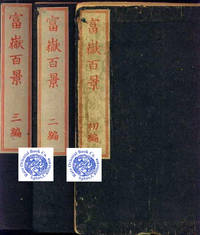
84211701Nagoya 1875 Katano. Yellow stitched wrs.3 vol. settitle slips vol.1: covers very clean red stamp; vols. 2 3 a bit dusty all contents very cleanexcellent registry/impression bright examples firm in Chitsu board folding box. RARE ! . . . . FUGAKU HYAKKEI: 100 VIEWS OF MT. FUJI . . . HOKUSAI'S MOST FAMOUS BOOK ON JAPAN'S SACRED SYMBOL . . . COLOR WOODBLOCK-PRINTED ON HAND-MAID WASHI PAPER . . . HIS GREATEST CLASSIC ! . THE ARTIST: KATSUSHIKA Hokusai 1760-1849: Hokusai's most famous work in book form illustrating a profusion of views of Mt. Fuji from all perspectives. . Hokusai was Japan's most famous Edo period illustrator of Japanese genre landscape scenery and of the daily lives and occupations of the commoners. His works are full of cheerfulness humor optimism and he had a knack of capturing the true nature of his time people and life style. He was affectionately called the "MAD MAN ON DRAWING" by the Japanese. His works continue to fascinate the world over ! . This book was also the prototype for his great color woodblock print series of multiple views of Mt. Fuji. . A delightful and impressive work considered a classic for nearly 200 years. . This monograph is devoted to Japan's most sacred Mt. Fuji in all its glory portrayed in various seasons and as seen by common folk as they go about their daily lives and daily occupations and along the Tokaido highway. . THE INTRODUCTION: The introduction was written by Hokusai on the first two pages of each volume. . THE COMPLETE SET OF 3 VOLUMES: The collation is: 252525 double folded leaves or 150 pages in all with illustrations of Mt. Fuji on 144 pages 6 pages of Japanese text. . The history of the various editions and volume count are complex the work was originally issued complete in two volumes which included all pages found in the 3 volume set. The set of 3 volumes is no different than those bound in 2 volumes it is simply a matter of combining pages into two or three bindings. The binding format was a choice made by publishers & their binders. The usual format is 3 volumes numbered 1 2 & 3. There are 3 volumes bound into a single binding and other variants contents by and large is the same. . THE SUBJECT: MT. FUJI JAPAN'S MOST SACRED SYMBOL: . The work is marvelous it shows Mt. Fuji portrayed in the daily life of the common people. . In the spring time how ordinary Japanese sat outdoors and viewed the cherry blossoms with Mt. Fuji in the background. Mt. Fuji was always present in daily life as a background. . The composition artistry and skill of Hokusai is without parallel. The book illustrates his unique talent and drawing skills. His artistry pictured Mt. Fuji in myriad scenes early morning evening rain and cloudy days. The mystical quality of Mt. Fuji demonstrates the great respect Hokusai felt showing the great grandeur of the sacred mountain. . Hokusai used acute visual composition concepts insight and visionary-like "Avant-garde" talent to impress viewers to identify with the splendor of Mt. Fuji. . Hokusai is still hailed as Japan's greatest artist of the 19th century. His woodblock printed books and printed command solid prices. . THE EDITIONS: There were two main editions: the FIRST EDITION published in 1834-5 was bound in pink stiff stitched covers commonly called "FALCON FEATHERS." All later editions are reprints with various dates bound in yellow blue purple green black and several other variants. Contents remains the same it would be a matter of quality of impression. The later editions do not always have a colophon or date. Some editions do show publisher's information and date. Other copies may have been rebound omitting the colophon. . There is no 'standard' relationship between date and color of binding however we have had many editions and copies information below reflects this history: . In 1875 Meiji 8th year reprint bound in either yellow covers with green printed title slips or blue covers with red printed title slips. . In 1877 Meiji 10th year reprint in black covers with red printed title slips. . A late final reprint in 1940 with yellow covers. . All of the above were woodblock printed editions on Washi hand-made paper. The contents is identical regardless of edition. The volume size varied by a few centimeters mostly a difference of the top or bottom margins. . The quality of the reprints are determined by the freshness of the impression and registry. As the original woodblocks wore down and warped they were replaced with new blocks. Some later editions were printed from very worn poor quality original blocks others from a mixed variety of old and new blocks quality varies in each copy. . Please visit our website to see the editions currently in stock. Photos posted to our website may not reflect the exact copies in stock but are 'generic' examples of the contents. . NOTE: Not all copies are identical contents each have specific and unique condition and different cover colors all about the same size. . SIZE: Depending on edition the First Edition was typically bound 15.5 x 22.5 cm. The Meiji editions were about 15.3 x 24.2 cm. with a very minor difference in size dependent on which publisher printed & bound their copies. There are minor size differences by edition the images remain the same size it was strictly a matter of larger margins in later editions. . For the most part this set was uniformly bound each with title slips. The Meiji title slips were red Kanji on a red bordered white Washi paper. . THE ENGLISH TRANSLATION OF FUGAKU HYAKKEI: There was a complete English translation of the 3 volume set and each of its pages. Please visit our website and search for F.V. Dickins 1960 edition which may be in stock. See below for more details. . CONDITION NOTE: General: Unless otherwise stated bound in the original publisher's stitched stiff yellow or other color covers with green or red printed title slip. . The registry and impressions are excellent most likely early pulls off the woodblocks. . We may have different dated editions each copy has been described not all are in the same condition dates also vary. Please inquire about any particular copy for more details. Photos posted to our site are 'generic' and represent general examples of the contents & illustrations. Please review photos posted to our website. . The 1877 edition has a small mend at the last page the colophon in vol. 3 else very clean nice. . Color photos of a generic example are posted to our website copies vary please read the individual copy notes for subtle differences. . SPECIFIC COPY DETAILS: . Copy 6. This is an early edition with soft Washi paper and excellent registry and imression clearly an early pull off the woodblocks. . Bound in the publisher's variant orange color with the green printed title slip. The covers have the typical soil common for a famous book by a Hokusai a famous artist which is nearly 200 years old. The covers have the usual vertical minor wrinkles & bends. The pages show the usual touch of lower right corner 'thumbing.' . Some old minor and bit of tiny worming in top margin & top text from beginning to page 15; a similar small hole in the upper plates beginning from the front through to page 16; a similar small hole in the heel below the lower margin from page 7-13 of no impact to the image other two also of little impact to the image. Else the book is solidly bound without issues. Cover title in green ink. . There is a boksellers advertisement inside the front and back covers. Copy 7: Exceptionally bright & clean example a tiny bit of dustiness to the covers else excellent. Cover title slip in green ind.Contents are pristine. Cover . Copoy 8: Similar to above but with English written on the front covers:"Peole In Landscape" & Mabel D. Ely." Else the front & back covers have some minor dustiness typical signs of wear and feint marks contents remains pristine. Dated Meiji 8th year 1875. Copy 9: Excellent black covers very clean & solid with red ink printed title slip. Contents prestine. Dated Meiji 10th. year 1877. . REFERENCES: . DICKINS TRANSLATION: TWO EDITIONS: WITH ENGLISH TRANSLATION & ILLUSTRATIONS: a. F.V. Dickins.: FUGAKU HIYAKU-KEI: sic OR A HUNDRED VIEWS OF FUJISAMA FUJI BY HOKUSAI. London in 1880. This book contained 3 original woodblock illustrated volumes of Hokusai's book FUGAKU HYAKKEI. . b. A 1960 reprint of the above. H. Kerlen: CATALOGUE OF PRE-MEIJI JAPANESE BOOKS & MAPS . for more bibliographic details item #396 pp.163-166. BROWN Louise N.: BLOCK PRINTING AND BOOK ILLUSTRATION IN JAPAN p.183 she cites two entries. Henry Smith II: HOKUSAI ONE HUNDRED VIEWS OF MT. FUJI pp.21-22 outline of the editions. K. Toda: THE RYERSON COLLECTION OF JAPANESE AND CHINESE . ILLUSTRATED BOOKS p.263. L. Dawes: CATALOGUE OF JAPANESE ILLUSTRATED BOOKS p.47. FORRER Matthi. comp. et al.: HOKUSAI AND HIS SCHOOL: Paintings Drawings And Illustrated Books. See item 110 and associated photos. RIJKSMUSEUM: HOKUSAI AND HIS SCHOOL: Japanese Prints c. 1800-1840. see pp. 58-59 #87 & photos. Jack Hillier: no. 241 p.278. --. : HOKUSAI: no. 110 --. : THE ART OF JAPANESE BOOK ILLUSTRATION p.213-225 . plates 195-208 Kraft: VOL.3 NO. 185-=195; VOL. 4 NO.36 R. Keyes: EHON: The Artist and the Book in Japan: pp.218-223 i.e. exhibit #54 color plates: figures 54.1-54.5. KSM: Kaiga 7-18-1 Forrer: 170-177 . !! NOT LISTED IN: C. Mitchell: THE ILLUSTRATED BOOKS OF THE NANGA MARUYAMA SHIJO AND OTHER RELATED SCHOOLS OF JAPAN. . . unknown
84211706Tokyo 1836-7 Eirakuya. Orange stitched stiff wrs.vol. 3 only woodblock printed very goodcover edges & corners bit scuffed contents clean excellent impressions and registry colors: grey Sumi blackfirm solidly bound16.5 x 2.8 cm. . . . . FUGAKU HYAKKEI: 100 VIEWS OF MT. FUJI . . . HOKUSAI'S MOST FAMOUS BOOK ON JAPAN'S SACRED SYMBOL . . . COLOR WOODBLOCK-PRINTED ON HAND-MAID WASHI PAPER . . . HIS GREATEST CLASSIC ! . THE ARTIST: KATSUSHIKA Hokusai 1760-1849: Hokusai's most famous work in book form illustrating a profusion of views of Mt. Fuji from all perspectives. . Hokusai was Japan's most famous Edo period illustrator of Japanese genre landscape scenery and of the daily lives and occupations of the commoners. His works are full of cheerfulness humor optimism and he had a knack of capturing the true nature of his time people and life style. He was affectionately called the "MAD MAN ON DRAWING" by the Japanese. His works continue to fascinate the world over ! . This book was also the prototype for his great color woodblock print series of multiple views of Mt. Fuji. . A delightful and impressive work considered a classic for nearly 200 years. . This monograph is devoted to Japan's most sacred Mt. Fuji in all its glory portrayed in various seasons and as seen by common folk as they go about their daily lives and daily occupations and along the Tokaido highway. . THE INTRODUCTION: The introduction was written by Hokusai on the first two pages of each volume. . THE COMPLETE SET OF 3 VOLUMES: The collation is: 252525 double folded leaves or 150 pages in all with illustrations of Mt. Fuji on 144 pages 6 pages of Japanese text. . The history of the various editions and volume count are complex the work was originally issued complete in two volumes which included all pages found in the 3 volume set. The set of 3 volumes is no different than those bound in 2 volumes it is simply a matter of combining pages into two or three bindings. The binding format was a choice made by publishers & their binders. The usual format is 3 volumes numbered 1 2 & 3. There are 3 volumes bound into a single binding and other variants contents by and large is the same. . THE SUBJECT: MT. FUJI JAPAN'S MOST SACRED SYMBOL: . The work is marvelous it shows Mt. Fuji portrayed in the daily life of the common people. . In the spring time how ordinary Japanese sat outdoors and viewed the cherry blossoms with Mt. Fuji in the background. Mt. Fuji was always present in daily life as a background. . The composition artistry and skill of Hokusai is without parallel. The book illustrates his unique talent and drawing skills. His artistry pictured Mt. Fuji in myriad scenes early morning evening rain and cloudy days. The mystical quality of Mt. Fuji demonstrates the great respect Hokusai felt showing the great grandeur of the sacred mountain. . Hokusai used acute visual composition concepts insight and visionary-like "Avant-garde" talent to impress viewers to identify with the splendor of Mt. Fuji. . Hokusai is still hailed as Japan's greatest artist of the 19th century. His woodblock printed books and printed command solid prices. . THE EDITIONS: There were two main editions: the FIRST EDITION published in 1834-5 was bound in pink stiff stitched covers commonly called "FALCON FEATHERS." All later editions are reprints with various dates bound in yellow blue purple green black and several other variants. Contents remains the same it would be a matter of quality of impression. The later editions do not always have a colophon or date. Some editions do show publisher's information and date. Other copies may have been rebound omitting the colophon. . There is no 'standard' relationship between date and color of binding however we have had many editions and copies information below reflects this history: . In 1875 Meiji 8th year reprint bound in either yellow covers with green printed title slips or blue covers with red printed title slips. . In 1877 Meiji 10th year reprint in black covers with red printed title slips. . A late final reprint in 1940 with yellow covers. . All of the above were woodblock printed editions on Washi hand-made paper. The contents is identical regardless of edition. The volume size varied by a few centimeters mostly a difference of the top or bottom margins. . The quality of the reprints are determined by the freshness of the impression and registry. As the original woodblocks wore down and warped they were replaced with new blocks. Some later editions were printed from very worn poor quality original blocks others from a mixed variety of old and new blocks quality varies in each copy. . Please visit our website to see the editions currently in stock. Photos posted to our website may not reflect the exact copies in stock but are 'generic' examples of the contents. . NOTE: Not all copies are identical contents each have specific and unique condition and different cover colors all about the same size. . SIZE: Depending on edition the First Edition was typically bound 15.5 x 22.5 cm. The Meiji editions were about 15.3 x 24.2 cm. with a very minor difference in size dependent on which publisher printed & bound their copies. There are minor size differences by edition the images remain the same size it was strictly a matter of larger margins in later editions. . For the most part this set was uniformly bound each with title slips. The Meiji title slips were red Kanji on a red bordered white Washi paper. . THE ENGLISH TRANSLATION OF FUGAKU HYAKKEI: There was a complete English translation of the 3 volume set and each of its pages. Please visit our website and search for F.V. Dickins 1960 edition which may be in stock. See below for more details. . CONDITION NOTE: General: Unless otherwise stated bound in the original publisher's stitched stiff yellow or other color covers with green or red printed title slip. . The registry and impressions are excellent most likely early pulls off the woodblocks. . We may have different dated editions each copy has been described not all are in the same condition dates also vary. Please inquire about any particular copy for more details. Photos posted to our site are 'generic' and represent general examples of the contents & illustrations. Please review photos posted to our website. . The 1877 edition has a small mend at the last page the colophon in vol. 3 else very clean nice. . Color photos of a generic example are posted to our website copies vary please read the individual copy notes for subtle differences. . SPECIFIC COPY DETAILS: . Copy 6. This is an early edition with soft Washi paper and excellent registry and imression clearly an early pull off the woodblocks. . Bound in the publisher's variant orange color with the green printed title slip. The covers have the typical soil common for a famous book by a Hokusai a famous artist which is nearly 200 years old. The covers have the usual vertical minor wrinkles & bends. The pages show the usual touch of lower right corner 'thumbing.' . Some old minor and bit of tiny worming in top margin & top text from beginning to page 15; a similar small hole in the upper plates beginning from the front through to page 16; a similar small hole in the heel below the lower margin from page 7-13 of no impact to the image other two also of little impact to the image. Else the book is solidly bound without issues. Cover title in green ink. . There is a boksellers advertisement inside the front and back covers. Copy 7: Exceptionally bright & clean example a tiny bit of dustiness to the covers else excellent. Cover title slip in green ind.Contents are pristine. Cover . Copoy 8: Similar to above but with English written on the front covers:"Peole In Landscape" & Mabel D. Ely." Else the front & back covers have some minor dustiness typical signs of wear and feint marks contents remains pristine. Dated Meiji 8th year 1875. Copy 9: Excellent black covers very clean & solid with red ink printed title slip. Contents prestine. Dated Meiji 10th. year 1877. . REFERENCES: . DICKINS TRANSLATION: TWO EDITIONS: WITH ENGLISH TRANSLATION & ILLUSTRATIONS: a. F.V. Dickins.: FUGAKU HIYAKU-KEI: sic OR A HUNDRED VIEWS OF FUJISAMA FUJI BY HOKUSAI. London in 1880. This book contained 3 original woodblock illustrated volumes of Hokusai's book FUGAKU HYAKKEI. . b. A 1960 reprint of the above. H. Kerlen: CATALOGUE OF PRE-MEIJI JAPANESE BOOKS & MAPS . for more bibliographic details item #396 pp.163-166. BROWN Louise N.: BLOCK PRINTING AND BOOK ILLUSTRATION IN JAPAN p.183 she cites two entries. Henry Smith II: HOKUSAI ONE HUNDRED VIEWS OF MT. FUJI pp.21-22 outline of the editions. K. Toda: THE RYERSON COLLECTION OF JAPANESE AND CHINESE . ILLUSTRATED BOOKS p.263. L. Dawes: CATALOGUE OF JAPANESE ILLUSTRATED BOOKS p.47. FORRER Matthi. comp. et al.: HOKUSAI AND HIS SCHOOL: Paintings Drawings And Illustrated Books. See item 110 and associated photos. RIJKSMUSEUM: HOKUSAI AND HIS SCHOOL: Japanese Prints c. 1800-1840. see pp. 58-59 #87 & photos. Jack Hillier: no. 241 p.278. --. : HOKUSAI: no. 110 --. : THE ART OF JAPANESE BOOK ILLUSTRATION p.213-225 . plates 195-208 Kraft: VOL.3 NO. 185-=195; VOL. 4 NO.36 R. Keyes: EHON: The Artist and the Book in Japan: pp.218-223 i.e. exhibit #54 color plates: figures 54.1-54.5. KSM: Kaiga 7-18-1 Forrer: 170-177 . !! NOT LISTED IN: C. Mitchell: THE ILLUSTRATED BOOKS OF THE NANGA MARUYAMA SHIJO AND OTHER RELATED SCHOOLS OF JAPAN. . . unknown
1975mon0003426164Tokyo: Shueisha 1975. Hardcover. Very Good. . Japanese language text. Profusely illustrated including large full-color plates. Tokyo: Shueisha hardcover
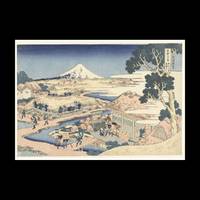
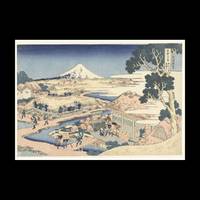
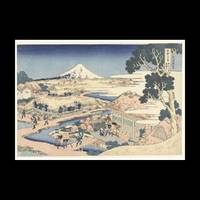
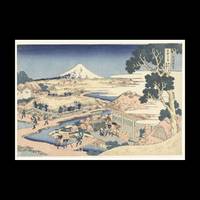
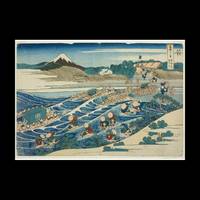
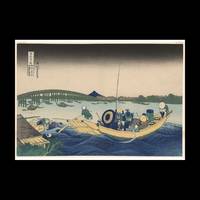
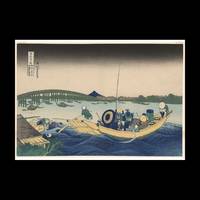
1937377Contentum Ltd. Loose sheet. New. High-quality art print based on an original work from the Rijksmuseum. Created in the 19th century 1831. Professionally printed on premium fine-art paper Photo Matt Fibre in size A2. The artwork is printed with a white border museum-style presentation. Contentum Ltd. unknown
1937378Contentum Ltd. Loose sheet. New. High-quality art print based on an original work from the Rijksmuseum. Created in the 19th century 1831. Professionally printed on premium fine-art paper Photo Rag Bright White premium quality in size A2. The artwork is printed with a white border museum-style presentation. Contentum Ltd. unknown
1937376Contentum Ltd. Loose sheet. New. High-quality art print based on an original work from the Rijksmuseum. Created in the 19th century 1831. Professionally printed on premium fine-art paper Museum Etching museum quality in size A3. The artwork is printed with a white border museum-style presentation. Contentum Ltd. unknown
1937379Contentum Ltd. Loose sheet. New. High-quality art print based on an original work from the Rijksmuseum. Created in the 19th century 1831. Professionally printed on premium fine-art paper Museum Etching museum quality in size A2. The artwork is printed with a white border museum-style presentation. Contentum Ltd. unknown
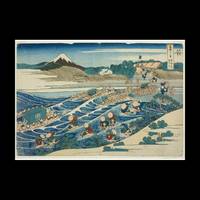
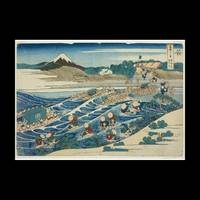
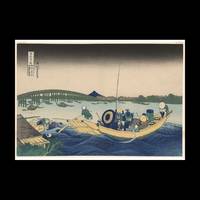
33903Contentum Ltd. Loose sheet. New. High-quality art print based on an original work from the Artic. Created in the 19th century c. 1830/32. Professionally printed on premium fine-art paper Photo Rag Bright White premium quality in size A2. The artwork is printed with a white border museum-style presentation. Contentum Ltd. unknown
33901Contentum Ltd. Loose sheet. New. High-quality art print based on an original work from the Artic. Created in the 19th century c. 1830/32. Professionally printed on premium fine-art paper Museum Etching museum quality in size A3. The artwork is printed with a white border museum-style presentation. Contentum Ltd. unknown
33904Contentum Ltd. Loose sheet. New. High-quality art print based on an original work from the Artic. Created in the 19th century c. 1830/32. Professionally printed on premium fine-art paper Museum Etching museum quality in size A2. The artwork is printed with a white border museum-style presentation. Contentum Ltd. unknown
35847Contentum Ltd. Loose sheet. New. High-quality art print based on an original work from the Artic. Created in the 19th century c. 1830/33. Professionally printed on premium fine-art paper Photo Rag Bright White premium quality in size A2. The artwork is printed with a white border museum-style presentation. Contentum Ltd. unknown
35845Contentum Ltd. Loose sheet. New. High-quality art print based on an original work from the Artic. Created in the 19th century c. 1830/33. Professionally printed on premium fine-art paper Museum Etching museum quality in size A3. The artwork is printed with a white border museum-style presentation. Contentum Ltd. unknown
33902Contentum Ltd. Loose sheet. New. High-quality art print based on an original work from the Artic. Created in the 19th century c. 1830/32. Professionally printed on premium fine-art paper Photo Matt Fibre in size A2. The artwork is printed with a white border museum-style presentation. Contentum Ltd. unknown
35848Contentum Ltd. Loose sheet. New. High-quality art print based on an original work from the Artic. Created in the 19th century c. 1830/33. Professionally printed on premium fine-art paper Museum Etching museum quality in size A2. The artwork is printed with a white border museum-style presentation. Contentum Ltd. unknown
35846Contentum Ltd. Loose sheet. New. High-quality art print based on an original work from the Artic. Created in the 19th century c. 1830/33. Professionally printed on premium fine-art paper Photo Matt Fibre in size A2. The artwork is printed with a white border museum-style presentation. Contentum Ltd. unknown
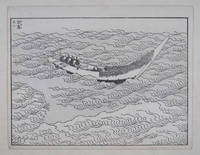
44864ca. 19th century. Later printing. Loose leaf. near fine. Oblong chuban yoko-e-format. B/w woodblock print. 8 x 10.5". The print originates from the 2nd volume of the 3-volume set "One Hundred Views of Mount Fuji" originally published 1834-1835 and considered to be among the artist's greatest achievements. The image depicts the oarsmen of an 'oshiokuri-bune' row boat on a turbulent sea. As implied by the title of the print the faint distorted reflection of Mt. Fuji can be seen in the swell to the bottom left side of the boat. Unlike the the format of the image as it appears in the book as a 2-part diptych this print is in one part and thus appears to be a later printing. Many scholars consider this image to be the sequel or companion piece to the world-famous masterpiece "The Great Wave off Kanagawa" which the artist created not long before. It has been commented that if turned upside down the print can be seen as an alternate version of the "Great Wave" where the wave the sea and the mountain have merged. Text in Japanese printed in the upper left corner of the print.<br /> <br /> The print is in near fine condition and housed in modern protective mylar. Reference: National gallery of victoria Austrailia. unknown
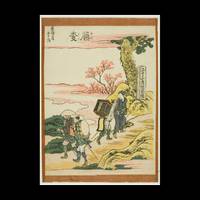
1633Contentum Ltd. Loose sheet. New. High-quality art print based on an original work from the Artic. Created in the 19th century c. 1806. Professionally printed on premium fine-art paper Museum Etching museum quality in size A2. The artwork is printed with a white border museum-style presentation. Contentum Ltd. unknown