3 880 résultats
1696206066Amsterdam: Alexis-Hubert Jaillot 1696. unbound. very good. Map. Engraving with hand outline. Image measures 23" x 35".<br/><br/> Stunning map showing the vast extent of the German Empire including parts of Poland Bohemia Hungary Austria Croatia Italy France and the Netherlands. Exquisite and subtle coloring beautifully detailed. Based on a plate by Nicolas Sanson reworked and published in "Atlas Nouveau" by Jaillot. Severe toning due to early acid backing chipping to edges and corners and some tears. Priced as is. Alexis-Hubert Jaillot 1632--1712 was a French sculptor engraver publisher and cartographer. He served as official geographer to King Louis XIV and worked with other prominent mapmakers of the period such as Nicolas Sanson He is best known for his Atlas Nouveau of 1674.<br/><br/> Alexis-Hubert Jaillot unknown books
1696206066Amsterdam: Alexis-Hubert Jaillot 1696. unbound. very good. Map. Engraving with hand outline. Image measures 23" x 35".<br/> <br/> Stunning map showing the vast extent of the German Empire including parts of Poland Bohemia Hungary Austria Croatia Italy France and the Netherlands. Exquisite and subtle coloring beautifully detailed. Based on a plate by Nicolas Sanson reworked and published in "Atlas Nouveau" by Jaillot. Severe toning due to early acid backing chipping to edges and corners and some tears. Priced as is. Alexis-Hubert Jaillot 1632--1712 was a French sculptor engraver publisher and cartographer. He served as official geographer to King Louis XIV and worked with other prominent mapmakers of the period such as Nicolas Sanson He is best known for his Atlas Nouveau of 1674.<br/> <br/> Alexis-Hubert Jaillot unknown
184514130Paris 1845. Pen ink and watercolour. Very good condition apart from some overall light soiling and minor foxing. Upper left and right corners of sheet trimmed diagonally. A rare example of an original watercolour design for porcelain by the Samson factory of Paris.<br/> <br/> This finished design was intended as a reference source from which the porcelain painters could work using the design as a guide for the colours and image to be transformed from paper into fine porcelain. The French porcelain manufactory of Samson & Cie. was established by "Edmé Samson b. Paris 1810; d. Paris 1891 at 7 Rue Vendôme later Rue Béranger in Paris. The intention of the firm was to reproduce ceramics from museums and private collections and it claimed that all such reproductions would be distinctly marked to avoid confusion with the originals. In 1864 the factory was moved to Montreuil by Samson's son Emile Samson 1837-1913. The range of wares included copies of 18th-century porcelain from such factories as Sèvres Chelsea Meissen and Derby Chinese export-wares especially armorial wares decorated with famille rose colours and mugs decorated with the Fitzhugh pattern Delftware Iznikware maiolica and faience." Grove Dictionary of Art. unknown
18458602Paris 1845. Pen ink and watercolour. Very good condition apart from some overall light soiling. A rare example of an original watercolour design for porcelain by the Samson factory of Paris.<br/> <br/>This finished design was intended as a reference source from which the porcelain painters could work using the design as a guide for the colours and image to be transformed from paper into fine porcelain. The French porcelain manufactory of Samson & Cie. was established by "Edmé Samson b. Paris 1810; d. Paris 1891 at 7 Rue Vendôme later Rue Béranger in Paris. The intention of the firm was to reproduce ceramics from museums and private collections and it claimed that all such reproductions would be distinctly marked to avoid confusion with the originals. In 1864 the factory was moved to Montreuil by Samson's son Emile Samson 1837-1913. The range of wares included copies of 18th-century porcelain from such factories as Sèvres Chelsea Meissen and Derby Chinese export-wares especially armorial wares decorated with famille rose colours and mugs decorated with the Fitzhugh pattern Delftware Iznikware maiolica and faience." Grove Dictionary of Art. unknown books
18458610Paris 1845. Pen ink and watercolour. Good condition apart from some overall light soiling minor foxing. A rare example of an original watercolour design for porcelain by the Samson factory of Paris.<br/> <br/>This finished design was intended as a reference source from which the porcelain painters could work using the design as a guide for the colours and image to be transformed from paper into fine porcelain. The French porcelain manufactory of Samson & Cie. was established by "Edmé Samson b. Paris 1810; d. Paris 1891 at 7 Rue Vendôme later Rue Béranger in Paris. The intention of the firm was to reproduce ceramics from museums and private collections and it claimed that all such reproductions would be distinctly marked to avoid confusion with the originals. In 1864 the factory was moved to Montreuil by Samson's son Emile Samson 1837-1913. The range of wares included copies of 18th-century porcelain from such factories as Sèvres Chelsea Meissen and Derby Chinese export-wares especially armorial wares decorated with famille rose colours and mugs decorated with the Fitzhugh pattern Delftware Iznikware maiolica and faience." Grove Dictionary of Art. unknown books
184514122Paris 1845. Pen ink and watercolour. Good condition apart from some overall light soiling minor foxing a few brownish stains at the top of the image and a skillfully repaired small tear in the top left margin. A rare example of an original watercolour design for porcelain by the Samson factory of Paris.<br/> <br/>This finished design was intended as a reference source from which the porcelain painters could work using the design as a guide for the colours and image to be transformed from paper into fine porcelain. The French porcelain manufactory of Samson & Cie. was established by "Edmé Samson b. Paris 1810; d. Paris 1891 at 7 Rue Vendôme later Rue Béranger in Paris. The intention of the firm was to reproduce ceramics from museums and private collections and it claimed that all such reproductions would be distinctly marked to avoid confusion with the originals. In 1864 the factory was moved to Montreuil by Samson's son Emile Samson 1837-1913. The range of wares included copies of 18th-century porcelain from such factories as Sèvres Chelsea Meissen and Derby Chinese export-wares especially armorial wares decorated with famille rose colours and mugs decorated with the Fitzhugh pattern Delftware Iznikware maiolica and faience." Grove Dictionary of Art. unknown books
184524377Paris 1845. Pen ink and watercolour. Very good condition. A rare example of an original watercolour design for porcelain by the Samson factory of Paris.<br/> <br/>This finished design was intended as a reference source from which the porcelain painters could work using the design as a guide for the colours and image to be transformed from paper into fine porcelain. The French porcelain manufactory of Samson & Cie. was established by "Edmé Samson b. Paris 1810; d. Paris 1891 at 7 Rue Vendôme later Rue Béranger in Paris. The intention of the firm was to reproduce ceramics from museums and private collections and it claimed that all such reproductions would be distinctly marked to avoid confusion with the originals. In 1864 the factory was moved to Montreuil by Samson's son Emile Samson 1837-1913. The range of wares included copies of 18th-century porcelain from such factories as Sèvres Chelsea Meissen and Derby Chinese export-wares especially armorial wares decorated with famille rose colours and mugs decorated with the Fitzhugh pattern Delftware Iznikware maiolica and faience." Grove Dictionary of Art. unknown books
184524381Paris 1845. Pen ink and watercolour. Very good condition. A rare example of an original watercolour design for porcelain by the Samson factory of Paris.<br/> <br/>This finished design was intended as a reference source from which the porcelain painters could work using the design as a guide for the colours and image to be transformed from paper into fine porcelain. The French porcelain manufactory of Samson & Cie. was established by "Edmé Samson b. Paris 1810; d. Paris 1891 at 7 Rue Vendôme later Rue Béranger in Paris. The intention of the firm was to reproduce ceramics from museums and private collections and it claimed that all such reproductions would be distinctly marked to avoid confusion with the originals. In 1864 the factory was moved to Montreuil by Samson's son Emile Samson 1837-1913. The range of wares included copies of 18th-century porcelain from such factories as Sèvres Chelsea Meissen and Derby Chinese export-wares especially armorial wares decorated with famille rose colours and mugs decorated with the Fitzhugh pattern Delftware Iznikware maiolica and faience." Grove Dictionary of Art. unknown books
184524382Paris 1845. Pen ink and watercolour. Very good condition. A rare example of an original watercolour design for porcelain by the Samson factory of Paris.<br/> <br/>This finished design was intended as a reference source from which the porcelain painters could work using the design as a guide for the colours and image to be transformed from paper into fine porcelain. The French porcelain manufactory of Samson & Cie. was established by "Edmé Samson b. Paris 1810; d. Paris 1891 at 7 Rue Vendôme later Rue Béranger in Paris. The intention of the firm was to reproduce ceramics from museums and private collections and it claimed that all such reproductions would be distinctly marked to avoid confusion with the originals. In 1864 the factory was moved to Montreuil by Samson's son Emile Samson 1837-1913. The range of wares included copies of 18th-century porcelain from such factories as Sèvres Chelsea Meissen and Derby Chinese export-wares especially armorial wares decorated with famille rose colours and mugs decorated with the Fitzhugh pattern Delftware Iznikware maiolica and faience." Grove Dictionary of Art. unknown books
18458626Paris 1845. Pen ink and watercolour. Good condition apart from some minor foxing overall light soiling and creasing. Possibly a design for a porcelain lidded box this work which includes detailed instructions for the artist regarding the specific details of the piece is a rare example of an original watercolour design by the Samson factory of Paris. The abbreviated written directions in the center of the image instruct the artist to include the signature 'VP' and to paint a bird motif on the front of the box the whole of which is to be painted in Marseille colors.<br/> <br/>This finished design was intended as a reference source from which the porcelain painters could work using the design as a guide for the colours and image to be transformed from paper into fine porcelain. The French porcelain manufactory of Samson & Cie. was established by "Edmé Samson b. Paris 1810; d. Paris 1891 at 7 Rue Vendôme later Rue Béranger in Paris. The intention of the firm was to reproduce ceramics from museums and private collections and it claimed that all such reproductions would be distinctly marked to avoid confusion with the originals. In 1864 the factory was moved to Montreuil by Samson's son Emile Samson 1837-1913. The range of wares included copies of 18th-century porcelain from such factories as Sèvres Chelsea Meissen and Derby Chinese export-wares especially armorial wares decorated with famille rose colours and mugs decorated with the Fitzhugh pattern Delftware Iznikware maiolica and faience." Grove Dictionary of Art. unknown books
184514072Paris 1845. Pen ink and watercolour. Very good condition apart from some overall light soiling minor foxing and two small water stains in the top margin. Slight discolouration of the paper due to age. A rare example of an original watercolour design for porcelain by the Samson factory of Paris.<br/> <br/>This finished design was intended as a reference source from which the porcelain painters could work using the design as a guide for the colours and image to be transformed from paper into fine porcelain. The French porcelain manufactory of Samson & Cie. was established by "Edmé Samson b. Paris 1810; d. Paris 1891 at 7 Rue Vendôme later Rue Béranger in Paris. The intention of the firm was to reproduce ceramics from museums and private collections and it claimed that all such reproductions would be distinctly marked to avoid confusion with the originals. In 1864 the factory was moved to Montreuil by Samson's son Emile Samson 1837-1913. The range of wares included copies of 18th-century porcelain from such factories as Sèvres Chelsea Meissen and Derby Chinese export-wares especially armorial wares decorated with famille rose colours and mugs decorated with the Fitzhugh pattern Delftware Iznikware maiolica and faience." Grove Dictionary of Art. unknown books
184514130Paris 1845. Pen ink and watercolour. Very good condition apart from some overall light soiling and minor foxing. Upper left and right corners of sheet trimmed diagonally. A rare example of an original watercolour design for porcelain by the Samson factory of Paris.<br/> <br/>This finished design was intended as a reference source from which the porcelain painters could work using the design as a guide for the colours and image to be transformed from paper into fine porcelain. The French porcelain manufactory of Samson & Cie. was established by "Edmé Samson b. Paris 1810; d. Paris 1891 at 7 Rue Vendôme later Rue Béranger in Paris. The intention of the firm was to reproduce ceramics from museums and private collections and it claimed that all such reproductions would be distinctly marked to avoid confusion with the originals. In 1864 the factory was moved to Montreuil by Samson's son Emile Samson 1837-1913. The range of wares included copies of 18th-century porcelain from such factories as Sèvres Chelsea Meissen and Derby Chinese export-wares especially armorial wares decorated with famille rose colours and mugs decorated with the Fitzhugh pattern Delftware Iznikware maiolica and faience." Grove Dictionary of Art. unknown books
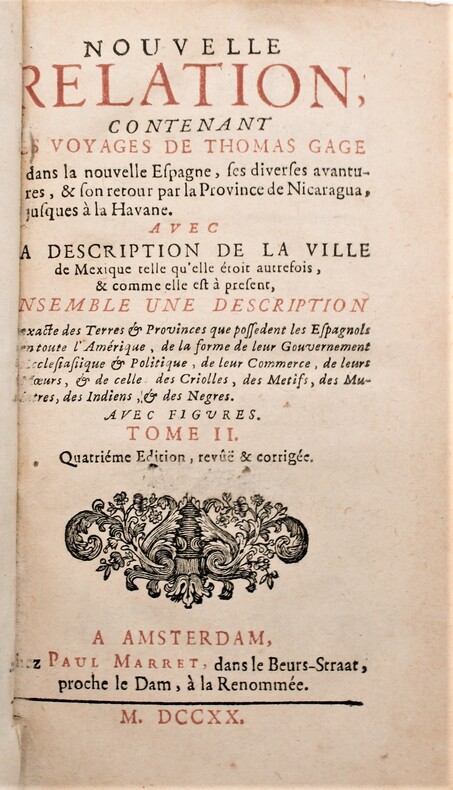
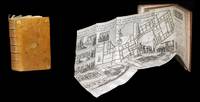
1720P2-7B-8Amsterdam, Paul Marret, 1720. 2 volumes in-12,, (13) ff , 431 pp , (5) ff , 360 pp. , relié plein veau époque , dos à nerfs ornés avec pièces de titre et tomaison rouge. Tranches rouges, charnière fendue tome1,léger manque à la coiffe du tome 2 , ex-libris de A. t’Sterstevens , écrivain belge avec ses notes. Quatrième édition, revue et corrigée, de la traduction de M. de Beaulieu.
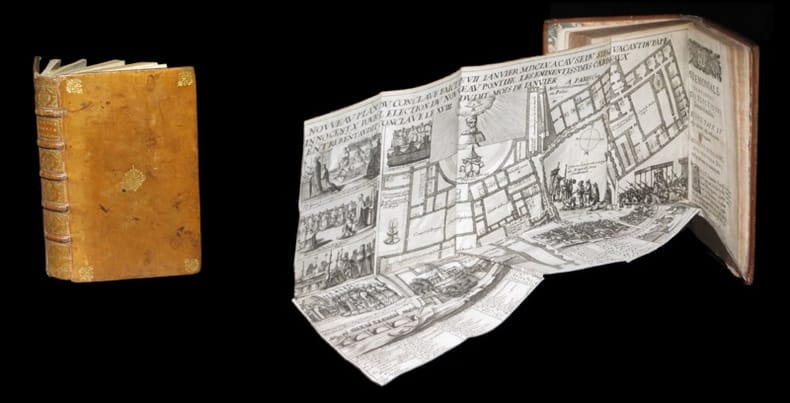
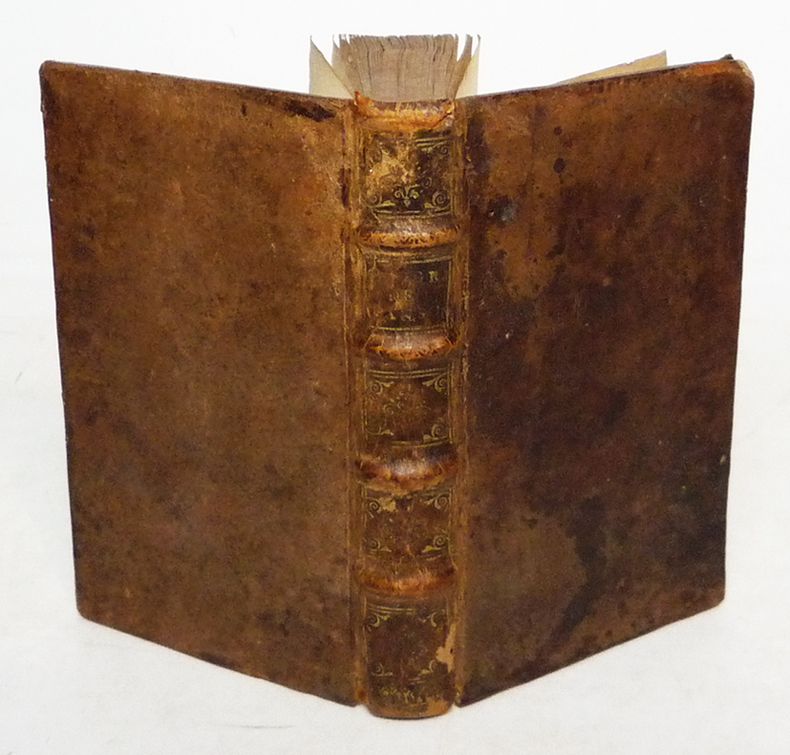
1643309321643. S.l. chez l'Autheur sic 1643 - A Paris de l'Imprimerie de Robert Mansion 1636 - A Paris chez Antoine de Sommaville 1655 - A Paris s.ÂŽ. 1604 pour le troisiÂme texte ; divisÂŽ en trois parties ˆ pagination sÂŽparÂŽe. 3 ouvrages le dernier composÂŽ de 3 parties reliÂŽs en un fort vol. au format in-12 173 x 112 mm de 1 f. bl. 3 ff. n.fol. et 106 pp. ; 1 f. bl. ; 4 ff. n.fol. et 111 pp. ; 3 ff. n.fol. et 50 pp. ; 3 ff. n.fol. et 63 pp. ; 72 pp. et 2 ff. n.fol. de PrivilÂge in fine. Reliure de l'ÂŽpoque de plein veau glacÂŽ blond larges fleurons angulaires et fleuron central dorÂŽs portÂŽs sur chacun des plats dos ˆ nerfs ornÂŽ de filets gras ˆ froid roulette dorÂŽe sur les nerfs caissons d'encadrement dorÂŽs filets verticaux dorÂŽs filets en pointillÂŽs dorÂŽs larges fleurons dorÂŽs semis de pointillÂŽs dorÂŽs piÂce de titre de maroquin fauve titre dorÂŽ palette dorÂŽe en tÂte et queue roulette dorÂŽe sur les coupes tranches mouchetÂŽes. Le prÂŽsent exemplaire renferme trois textes ; reliÂŽs en un volume. Le CÂŽrÂŽmonial de l'ÂŽlection des Papes closant le prÂŽsent volume est ici bien complet de ses 3 parties ainsi que de ses deux grandes planches dÂŽpliantes gravÂŽes. Les deux premiers ouvrages sont l'oeuvre de Nicolas Sanson d'Abbeville cÂŽlÂbre cartographe s'il en est. Coiffe infÂŽrieure arasÂŽe. Quelques t‰ches brunes sur les plats. Contre-gardes absentes. Quelques feuillets lÂŽgÂrement oxydÂŽs et rousseurs dans les corps d'ouvrages. Restauration ancienne au revers de chacun des planches. Du reste belle condition. Rare. b42961 unknown
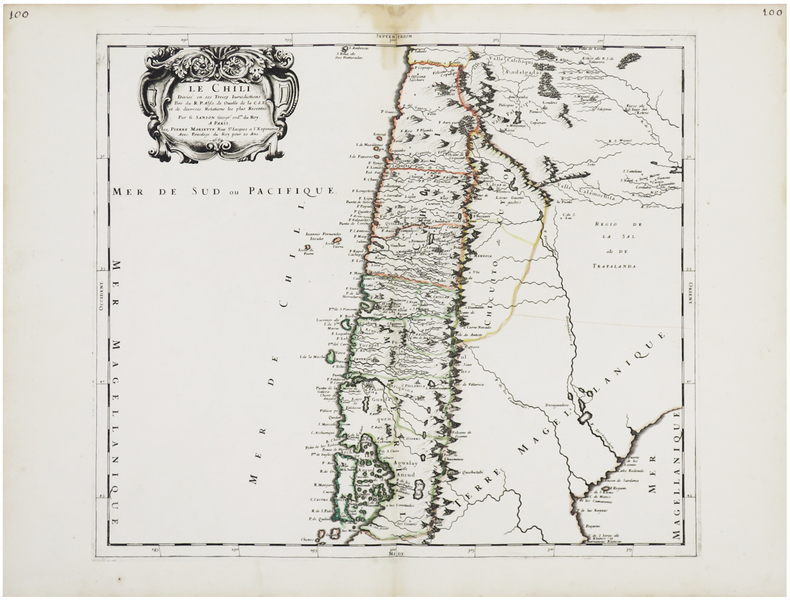
1669LBW-6487Paris, Pierre Mariette, 1669. 395 x 446 mm.
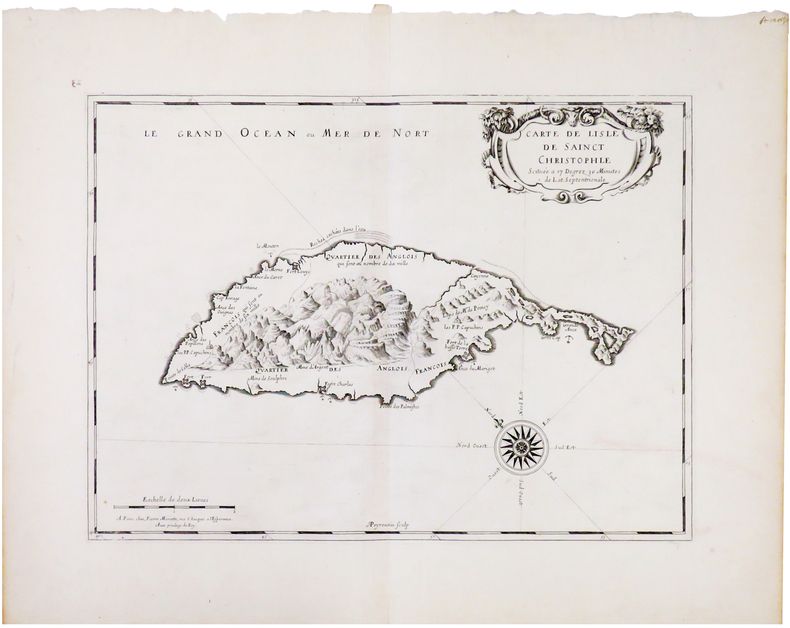
1670LBW-606Paris, Pierre Mariette, [1670]. 308 x 424 mm.
164330932S.l., chez l'Autheur [sic], 1643 - A Paris, de l'Imprimerie de Robert Mansion, 1636 - A Paris, chez Antoine de Sommaville, 1655 - A Paris, s.é., 1604 (pour le troisième texte ; divisé en trois parties à pagination séparée). 3 ouvrages (le dernier composé de 3 parties) reliés en un fort vol. au format in-12 (173 x 112 mm) de 1 f. bl., 3 ff. n.fol. et 106 pp. ; 1 f. bl., ; 4 ff. n.fol. et 111 pp. ; 3 ff. n.fol. et 50 pp. ; 3 ff. n.fol. et 63 pp. ; 72 pp. et 2 ff. n.fol. de Privilège in fine. Reliure de l'époque de plein veau glacé blond, larges fleurons angulaires et fleuron central dorés portés sur chacun des plats, dos à nerfs orné de filets gras à froid, roulette dorée sur les nerfs, caissons d'encadrement dorés, filets verticaux dorés, filets en pointillés dorés, larges fleurons dorés, semis de pointillés dorés, pièce de titre de maroquin fauve, titre doré, palette dorée en tête et queue, roulette dorée sur les coupes, tranches mouchetées.
1682za2213A Paris, chez l'Auteur, aux Galleries du Louvre, vis à vis l'Eglise de St Nicolas Relié 1682 "In-12 (9,8 x 16 cm), reliure plein veau, dos à 4 nerfs orné de caissons dorés, liseré doré sur les coupes, tranches mouchetées, titre comple : ""Introduction à la géographie, première partie. Où sont 1. Indiquées les Sciences dont la Géographie emprunte plusieurs Principes. 2. La Description des differentes Manieres dont cette Science est Représentée. 3. L'Explication des Termes de toutes les Parties de la Geographie. 4. Une Instruction de toutes les Parties de la Geographie. 4. Une Instruction de l'Usage des Cartes."", pagination comme suit : page de titre, préface (6 pp. non numérotées), avis au lecteur (2 pp. non numérotées), table des chapitres (9 pp. non numérotées, fautes à corriger, extrait du Privilege du Roy, 292 pp., table alphabetique (13 pp. non numérotées), avertissement (5 pp. non numérotées). Le plan de cet ouvrage de 320 pages est composé de trois parties. Dans la première, l'auteur place la géographie dans la cosmoraphie, puis il distingue entre globes et cartes, avant de décrire, comme l'avait fait Lubin, le vocabulaire de la géographie. Guillaume Sanson conclut cette partie par un chapitre sur l'usage des cartes. La deuxième partie s'intéresse aux relations entre l'astronomie et la géographie, décrivant le globe soit par par zones, soit par la grille des latitudes et longitudes. Enfin, la troisième partie, dite de géographie naturelle, rassemble pêle-mêle la liste des découpages du globe, selon les grilles évoquées dans la deuxième partie, puis en fonction des continents et des mers, voire selon d'autres critères comme les géographies historique, politique et sacrée, ou linguistique. La description de l'ensemble des Etats du monde y occupe 20 pages (et semble avoir été inspirée par l'Atlas du monde publié par Nicolas Sanson en 1665). Il s'agit donc d'abord d'une géographie assez théorique qui viserait à faire connaître le vocabulaire ainsi que les catégories de la géographie. Pourquoi cette introduction n'offre-t-elle pas plus de description de la géographie du monde ? Parce que la géographie --comme Guillaume Sanson l'écrit dans la préface-- ""est présentement à la Portée de tout le Monde, puisqu'avec cette méthode il ne faut que des yeux et des cartes"" (Sanson 1682). Deux hypothèses en découlent. La première fait de ce livre avant tout un prospectus pour les cartes des Sanson. La seconde y voit une tentative, par la famille Sanson, de captation de la géographie par la cartographie. De plus, on trouve dans l'édition de 1682 un avertissement passionnant de la main de Sanson, situé après la table alphabétique des matières. Il y critique la ""Méthode pour apprendre facilement la géographie"" de Jacques Robbe (1678), ainsi que la ""Description de Univers contenant les différents systèmes du monde"" à paraître (1683) de Manesson-Mallet, le traitant sans retenue de plagiaire. Plus loin, ayant mis en garde des acheteurs de cartes que les copistes étaient foison, Sanson note qu'il fait encore partie des vivants : ""Quelques uns nous effacent hardiment du nombre des Vivans, d'autres ont voulu persuader que nous estions retournez en Province, & qu'il y en avoit qui avoient eu assez d'effronterie pour prendre notre Nom ; de sorte que nous avons fait mettre à la Teste de cette Introduction Que nous demeurons aux Galleries du Louvre, pour desabuser le Public, & faciliter par là de Dessein de ceux qui voudront nous faire l'honneur de venir chez nous pour s'éclaircir de quelques difficultez, ou pour prendre avis touchant nos Ouvrages qu'ils voudront avoir."" ; quelques épidermures au dos, coiffe supérieure et coins du premier plat un peu usés, par ailleurs intérieur frais, bon état général. Livraison a domicile (La Poste) ou en Mondial Relay sur simple demande."
188617248Chicago: Donohue & Henneberry. Good. 1886. First Edition. Hardcover. Very scarce early text on this profession in brown publishers cloth with faded gilt title. Decorative endpapers. 6 full-page mostly tissue guarded chromolihographic plates including frontispiece and many b/w drawings. 575pp . Interior of text is tight clean & intact. Rubbed spine ends and front corners. Front hinge has small paper tears. Mortician Embalming Medical. ; color & b/w illustrations; 8vo; 575 pages . Donohue & Henneberry hardcover
1696M10189Amsterdam: Covens & Mortier c.1696. Very Good. Size : 420x540 mm 16.54x21.26 Inches Coloring: Hand Colored Category: Maps Mediterranean Islands; Covens & Mortier unknown
1692001000Paris: Chez H. Jaillot 1692. First edition thus. Map. Good/No jacket as issued. Large double page copper engraved map 23" x 34 1/2". Contains wide margins and a decorative cartouche. Hand-colored boundaries and cartouche. General age-toning with minor browning. Nicely framed in modern rope effected matte gold frame 32" x 42" with gilt bordered white mat and acrylic glaze. A good copy of this scarce map. All text in French Printed just 9 years after the Ottomans besieged Vienna. Extra shipping may apply for foreign orders. Chez H. Jaillot unknown
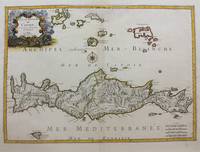
1658M9417Paris: Nicolas Sanson c.1658. Very Good upper fold area expertly repaired. Notes: A fine map of Crete from the mid 17th century. <br>The map also shows nearby islands such as Santorini Stampalia and Milo. The map has a decorative cartouche and details cities borders and geographical features. Size : 394x553 mm 15.51x21.77 Inches Coloring: Hand Colored Category: Maps Europe Greece Macedonia; Nicolas Sanson unknown
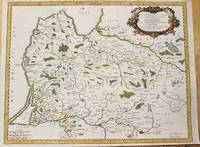
1659M4916Paris 1659. Very Good. Notes: Map of Baltic region of Estonia Latvia including Riga to Vilnius Wilna and parts of Lithuania. <br><br>Nicolas Sanson 1600–1667 was a renowned French cartographer termed by some as the "father of French cartography." His works are known for their incorporation of the most up to date information of the time and their clean modern style. Size : 410x535 mm 16.125x21 Inches Coloring: Original Outline Coloring Reference: Category: Maps Europe Estonia Latvia unknown
184515917Paris 1845. Pen ink and watercolour. Very good condition apart from some overall light soiling and mild staining. A rare example of an original watercolour design for porcelain by the Samson factory of Paris.<br/> <br/> This drawing sets out the decoration for a single tall covered vase. At the top are small studies of the cover; below the main portion of the sheet opens the vessel into a sequence of flattened panels representing each side of the body and neck. The pattern in ink and blue wash reflects Chinese blue-and-white porcelain with large floral rosettes and leafy sprays interspersed with small birds framed by simple borders at rim and foot. The French porcelain manufactory Samson & Co. was founded in 1845 by Edmé Samson 1810-1891 a Paris-born painter on ceramics who began by making replacement pieces for damaged services before turning to high-quality reproductions of historic wares. Working first at 7 rue Vendôme later rue Béranger in Paris and later from a factory at Montreuil run by his son Emile Samson 1837-1913 the firm drew on a large study collection of original pieces to copy or adapt designs from Sèvres Meissen Chelsea Derby and Worcester as well as Chinese export porcelain Japanese Islamic Delft faience and maiolica. Samson always maintained that its reproductions were distinctly marked to avoid confusion with the originals though later removal or alteration of marks has often led the firms work to be mistaken for earlier pieces. Production continued into the twentieth century finally ceasing in 1969 and the manufactory is now recognised as one of the most inventive nineteenth-century interpreters of historic ceramic styles. Surviving design drawings such as the present work offer rare insight into the way the Samson workshop translated museum models and historic patterns into working colour copies for its painters and modellers. unknown
184515916Paris 1845. Pen ink and watercolour. Very good condition apart from some overall light soiling and mild foxing. The sheet has an original central crease. A rare example of an original watercolour design for porcelain by the Samson factory of Paris.<br/> <br/> This finished design was intended as a reference source from which the porcelain painters could work using the design as a guide for the colours and image to be transformed from paper into fine porcelain. The French porcelain manufactory of Samson & Cie. was established by "Edmé Samson b. Paris 1810; d. Paris 1891 at 7 Rue Vendôme later Rue Béranger in Paris. The intention of the firm was to reproduce ceramics from museums and private collections and it claimed that all such reproductions would be distinctly marked to avoid confusion with the originals. In 1864 the factory was moved to Montreuil by Samson's son Emile Samson 1837-1913. The range of wares included copies of 18th-century porcelain from such factories as Sèvres Chelsea Meissen and Derby Chinese export-wares especially armorial wares decorated with famille rose colours and mugs decorated with the Fitzhugh pattern Delftware Iznikware maiolica and faience." Grove Dictionary of Art. unknown