SAAVEDRA FAJARDO, Diego deAntiquariat.de

187 résultats
1659ALDR0606Amstelodami, Apud. Ioh. Ianßonium Iuniorem (Amsterdam, Jan Jansson) 1659. 12°. Gest. Titelbl., 11 nn. Bll., 831 S., 2 nn. Bll., mit 104 gestochenen Illustrationen. Pergamentband d. Zeit, mit Rückenbeschriftung von alter Hand, verfärbt und braunfleckig, Pergament entlang des hinteren Gelenkes aufgeplatzt, vorderer Innendeckel mit frischem Blatt, hinterer mit letztem bedruckten Blatt überklebt. Seiten nur wenig gebräunt, teilw. wasserrandig, einzelne tintenfleckig oder randrissig, mit etwas Wurmfraß in den Schlussblättern. Mit einem Siegelabdruck und Resten von Siegellack am Titelblatt, sowie e. Besitzvermerk von alter Hand (Jos. Sandor) auf der Rückseite des Titelblatts. Graesse 6,200. Vgl. Praz 483ff. Jöcher/Adelung 4,3 - lateinische Fassung des ursprünglich in spanischer Sprache verfassten, 1640 erstmals erschienenen 'emblematischen Fürstenspiegels' des spanischen Autors und Diplomaten Diego de Saavedra-Fajardo (1584-1648). Das über Jahrhunderte immer wieder neu aufgelegte, vielfach übersetzte Emblembuch - "Im thematischen Bereich der politischen Emblematik ist der Fürstenspiegel des spanischen Diplomaten Diego de Saavedra Fajardo ? keineswegs das erste, aber wohl doch das erfolgreichste Werk." - enthält 101 Text-Bild Kombinationen, welche die moralischen und politischen Ansprüche, die aus christlicher Sicht an einen idealtypischen Prinzen gestellt werden, veranschaulichen. Auch in dieser Ausgabe findet sich Saavedras mit 'Wien, 10 Juli ? 1640' datiertes, an den spanischen Prinzen gerichtetes, Vorwort zu seinem, nach eigenen Angaben in Intervallen auf seinen diplomatischen Reisen durch Deutschland, verfasstem Werk. (Vgl. auch Peil. Emblematische Fürstenspiegel im 17. u. 18. Jahrhundert. In: Frühmittelalterliche Studien. Jg. 20,55f.) [2 Warenabbildungen]
A clean, unmarked book with a tight binding. Slight fading to full red/brown cloth boards with silver and black design. Tears and small pieces missing from dust jacket edges. 228 pages. 5 5/8"w x 8 1/4"h. Illustrated by Ludwig Heinrich Jungickel. A book about Perri and Porro, two forest squirrels, by the author of Bambi.
I Millenni 53 - Prefazione - XXXI racconti - Ultimo lavoro dell'A. 1 21x13 cm., legatura in piena tela rossa al dorso e bianca ai piatti, cofanetto in tela con applicate pagine manoscritte, pp. XVI, 515 (2), prima edizione italiana, buone condizioni, solo piccoli segni d'uso e tempo al cofanetto. Allegata scheda editoriale.
Decorativa allegoria pubblicata nell'opera di Heinrich Scherer Atlas Novus exhibens orbem terraguem per naturae opera, historiae navae acveterus monumenta, artistique geographicae leges et praecepta edita in 8 parti, stampate tra il 1702 e il 1710 a Monaco di Baviera. Heinrich Scherer, professore di matematica a Monaco di Baviera, era un gesuita devoto la cui opera sottolineava la gerarchia cattolica e la diffusione delle missioni gesuite in tutto il mondo. Il suo Atlas Novus contiene mappe di tutte le altre parti che mostravano la diffusione del cattolicesimo e delle missioni gesuite. Le 180 mappe incluse in questo lavoro sono state preparate tra il 1699 e il 1700 e sono state incise da Leonard Hecknaeur, Joseph Montelegre e Matthus Wolfgang; ogni volume è introdotto da splendidi frontespizi allegorici dagli stessi incisori. Incisione su rame, in ottimo stato di conservazione. Decorative allegoric title page by Heinrich Scherer for his Atlas Novus exhibens orbem terraguem per naturae opera, historiae navae acveterus monumenta, artistique geographicae leges et praecepta...published in eight volumes from 1702-1710 in Munich. Scherer, a devout Jesuit, produced this geographical compendium to depict the Catholic hierarchy and the spread of Jesuit missions throughout the world. The 180 maps included in this work were prepared between 1699 and 1700 and were engraved by Leonard Hecknaeur, Joseph Montelegre or Matthus Wolfgang with each volume introduced by fine allegorical frontispieces by the same engravers. Copper engraving, in very good condition. Interesting and original engraving; devoted allegorical attention to sea-going nations at a time when much of the world had been discovered and Europeans were swarming out like bees to learn details of hitherto unknown continents, taking possessions and bringing back whatever was new to them as well as not only taking blessings to the people they met on their adventures.
Decorativa allegoria pubblicata nell'opera di Heinrich Scherer Atlas Novus exhibens orbem terraguem per naturae opera, historiae navae acveterus monumenta, artistique geographicae leges et praecepta edita in 8 parti, stampate tra il 1702 e il 1710 a Monaco di Baviera. Heinrich Scherer, professore di matematica a Monaco di Baviera, era un gesuita devoto la cui opera sottolineava la gerarchia cattolica e la diffusione delle missioni gesuite in tutto il mondo. Il suo Atlas Novus contiene mappe di tutte le altre parti che mostravano la diffusione del cattolicesimo e delle missioni gesuite. Le 180 mappe incluse in questo lavoro sono state preparate tra il 1699 e il 1700 e sono state incise da Leonard Hecknaeur, Joseph Montelegre e Matthus Wolfgang; ogni volume è introdotto da splendidi frontespizi allegorici dagli stessi incisori. Incisione su rame, in ottimo stato di conservazione. Decorative allegoric title page by Heinrich Scherer for his Atlas Novus exhibens orbem terraguem per naturae opera, historiae navae acveterus monumenta, artistique geographicae leges et praecepta...published in eight volumes from 1702-1710 in Munich. Scherer, a devout Jesuit, produced this geographical compendium to depict the Catholic hierarchy and the spread of Jesuit missions throughout the world. The 180 maps included in this work were prepared between 1699 and 1700 and were engraved by Leonard Hecknaeur, Joseph Montelegre or Matthus Wolfgang with each volume introduced by fine allegorical frontispieces by the same engravers. Copper engraving, in very good condition.
1920200082Um 1920. Signiert "Walter-Cl. Schmidt". Im Stock monogrammiert "W.C / SCH". Druck auf breitrandigem faserigem Japan. 14,5 x 7,2 cm. Papier: 20,8 x 15,7 cm.
1918698051918. Blattmaß: 16,2 x 9,3 cm, Bildmaß: 14,8 x 8,1 cm.
033-Lo.J. Kreidelithographie 1806, auf cremefarbenem Velin. 35:25 cm. Nicht ganz frisch. Literatur: Nagler 15, 12; Dussler 9; Winkler 706 (!). 7 und Abb. 17.- Aus lithographische Kunstproducte, Lieferung 9, Blatt 2.
032-Lo.J. Kreidelithographie 1806, auf cremefarbenem Velin. 35:25 cm. Mit Flecken im Oberrand. Literatur: Nagler 15, 11; Aufseesser 275 (als Schiesel, Sommer und Herbst); Dussler 8; Winkler 706 (!). 6 und Abb. 16.- Aus lithographische Kunstproducte, Lieferung 9, Blatt 1.
0809-Bo.J. Kupferstich, von Julius Theater (1804-1870), auf aufgewalztem China. 22:22,7 cm. Sehr guter Abdruck mit vollem Rand an drei Seiten, oben auf die Plattenkante geschnitten (es handelt sich um die untere Hälfte einer Seite, auf der sich zwei Kupferstiche befanden). Das Gemälde von L. Seidler war 1831 vom Sächsischen Kunstverein angekauft worden (vgl. Boetticher Bd. II, Tl. II (Seidler), I, 13).
20091108991Berlin : Duncker & Humblot, 2009. 296 S. ; 24 cm kart.
Frontespizio della serie Les stations de Rome. “Les stations de Rome, suite de 10 pièces numérotées, non compris le titre. Les inscriptions de cette suite sont en français (caractères italiques) et en latin (caractères romains). Le titre de chaque pièce qui sépare l'inscription latine de l'inscription française est en italien et en gros caractères. On n'a mis ici que le titre italien et l'inscription française. Ces pièces sont de la plus belle manière de Silvestre” (cfr. Faucheux, Catalogue raisonné de toutes les estampes qui forment l'oeuvre d'Israel Silvestre). Il Silvestre, incisore e disegnatore, nasce a Nancy nel 1621. Come era consuetudine all'epoca, fece diversi viaggi in Italia per copiare i vecchi maestri e per migliorare le sue abilità con i più grandi maestri. Faucheux fissa le date di questi viaggi, il primo prima del 1640 (Israel non aveva ancora 20 anni), il secondo dal 1643 al 1644 e l'ultimo intorno al 1653. Israel portò con sé molte vedute dell'Italia, quasi tutte incise. Fino al 1659, fece altri viaggi in Francia e in Lorena, da cui trasse molti disegni e incisioni. Il suo stile fu, all'inizio, piuttosto sciolto, ma dal 1643 in poi divenne più raffinato e delicato, acquisendo accuratezza e precisione senza essere asciutto, risultando a volte simile a quello di Jacques Callot o di Stefano della Bella, con i quali ebbe rapporti di amicizia attraverso il suo zio materno e mentore, l’editore Israël Henriet. Accanto alle testimonianze per la Roma antica mostrò ben presto un grandissimo interesse per la città "moderna", divenendo uno dei precursori del vedutismo - non solo nel campo incisorio - anticipando artisti come Lievin Cruyl e Gaspar van Wittel. È praticamente impossibile fare un inventario completo delle opere di Israël Silvestre, tanto era prolifico l'artista. Ha lasciato numerosi disegni e più di mille incisioni. Tra le sue opere più belle, possiamo tuttavia menzionare le numerose e complesse “piccole” suite (composte da poche tavole) sulle piazze, le chiese e le antichità di Roma. Acquaforte, in ottimo stato di conservazione. Bibliografia L. E. Faucheux, Catalogue raisonné de toutes les estampes qui forment l'oeuvre d'Israel Silvestre: précédé d'une notice sur sa vie (1857), n. 2.0; F. Baré, Israël Silvestre et sa famille, suivi du catalogue de son oeuvre (1885), n. 806. Title page from the series Les stations de Rome. Les stations de Rome, suite of 10 numbered pieces, not including the title. The inscriptions of this suite are in French (italic characters) and in Latin (Roman characters). The title of each piece which separates the Latin inscription from the French inscription is in Italian and in large characters. Silvestre, engraver and draftsman, was born in Nancy in 1621. As was customary at the time, he made several trips to Italy to copy the old masters and to improve his skills with the greatest masters. Faucheux fixes the dates of these trips, the first before 1640 (Israel was not yet 20 years old), the second from 1643 to 1644 and the last around 1653. Israel brought with him many views of Italy, almost all of them engraved. Until 1659, he made other trips to France and Lorraine, from which he took many drawings and engravings. His style was, at the beginning, rather loose, but from 1643 onwards became more refined and delicate, acquiring accuracy and precision without being dry, resulting sometimes similar to that of Jacques Callot or Stefano della Bella, with whom he had friendly relations through his maternal uncle and mentor, the publisher Israël Henriet. Alongside the testimonies to ancient Rome, he soon showed great interest in the "modern" city, becoming one of the precursors of vedutism - not only in the field of engraving - anticipating artists such as Lievin Cruyl and Gaspar van Wittel. It is quite impossible here to make a complete inventory of Israël Silvestre's works, so prolific was the artist. He left numerous drawings and more than a thousand engravings. However, among his most beautiful works, we can mention the many complex "small" suites (composed of a few plates) on the squares, churches and antiquities of Rome. Etching, in excellent condition. Bibliografia L. E. Faucheux, Catalogue raisonné de toutes les estampes qui forment l'oeuvre d'Israel Silvestre: précédé d'une notice sur sa vie (1857), n. 2.0; F. Baré, Israël Silvestre et sa famille, suivi du catalogue de son oeuvre (1885), n. 806.
27969Köln ; Weimar ; Wien : Böhlau Verlag 2017. 335, 65 Seiten : 65 s/w- und 44 farb. Abb. ; 27 cm Festeinband, gebundene Ausgabe, Hardcover/Pappeinband
199993344Frankfurt a. M., Lang 1999. 312 Seiten. Softcover/Paperback
18408153Berlin, Eigenverlag, (ca. 1840). 4to. 33 S. OBrosch. m. lithogr. Deckelillustration. Goldschnitt.
Mm 240x310 Catalogo delle mostra della Galleria nazionale del Grand Palais di Parigi e della mostra del Museo d'Arte di Philadelphia. Volume cartonato rigido di 406 pagine, sovracoperta editoriale illustrata, ricco apparato iconografico in bianco e nero e a colori. Esemplare in ottimo stato. Testo in francese - french text. SPEDIZIONE IN 24 ORE DALLA CONFERMA DELL'ORDINE.
139-Do.J. Feder und Pinsel in Grau, grau laviert, über Skizze in schwarzer Kreide, auf Bütten mit Fragment des Wasserzeichens: großes bekröntes Lilienwappen; mit mehreren Beschriftungen innerhalb der Darstellung. 34,2 x 21,5 cm. Die Aufschriften in holländischer Sprache bedeuten: ?Een karans van moerbije..? = Ein Maulbeerkranz, ?Olijf krans? = Olivenkranz; ?Plutus beelt? = Plutus Statue. Die Allegorie bedeutet: Frieden bringt Wohlfahrt. Die Frauenfigur links trägt einen phrygischen Hut, Symbol der Freiheit. Der Caduceus in ihrer rechten Hand bedeutet Frieden. Die Frau mit dem Olivenkranz (auch ein Friedenssymbol) entzündet Waffen neben einer Figur mit einem Blasebalg und einer Flamme. In der Korngarbe befindet sich eine Skulptur des Plutus, Gott des Reichtums. Für den Hinweis auf den Künstler und die Bestimmung des Bildmotivs danken wir Dr.E.P. Löffler, Rijksbureau voor kunsthist. Documentatie, Den Haag (Brief vom 14.09.2004). Vergleichsliteratur: Ausst. Katalog: ?Götter und Helden für Berlin. Gemälde und Zeichnungen von Augustin und Matthäus Terwesten. Zwei niederländische Künstler am Hofe Friedrichs I. und Sophie Charlottes. Berlin-Brandenburg, Stiftung Preuss. Schlösser und Gärten, 1995, Nr. 7.1 f.). Wohl Entwurf für eine Dekorationsmalerei.
1645130667Ca. 1645. In der Platte signiert und bezeichnet. Ausgezeichneter Druck vor der Löschung der Widmung an Garbesi. Auf Bütten mit Wasserzeichen "Kreis mit Anker und Kleeblatt". Unregelmäßig bis auf die Einfassungslinie geschnitten. 39,2 x 49,3 cm. Papier: 39,6 x 50,1 cm.
Mm 255x285 Volume rilegato in tela, sovraccoperta, custodia editoriale, 259 pagine con 167 illustrazioni a colori. Ottima copia, spedizione in 24 ore dalla conferma dell'ordine.
In-8 (cm. 24.40), brossura (tracce d’uso), pp. XXX, (2b.), 114, (2b.). In buono stato di conservazione (good copy).
Frontespizio del celebre Itinerario, voyage ofte schipvaert van J.H. van Linschoten naar Oost ofte Portugaels Indien. L’opera fu pubblicata nel 1596 al ritorno in Olanda dopo anni spesi nelle Indie, in particolare nella colonia portoghese di Goa, dove tra il 1583 ed il 1589 fu al servizio dell’Arcivescovo del Portogallo. Le carte del Linschoten sono basate su accurati portolani portoghesi del XVI secolo, e oltre a fornire le rotte più semplici e vantaggiose per il raggiungimento delle Indie. Incisione in rame, in ottimo stato di conservazione. Title page of the famous Itinerario, voyage ofte schipvaert van J.H. van Linschoten naar Oost ofte Portugaels Indien. St Helena was an important early re-supply point for the Portuguese from the late 1400s, particularly on their return voyages from Asia. This plate appeared in Linschoten's book in 1596, once he came back from the Indies. The engraver for this plate was Baptista van Doetechum. Schilder, Gunter, Monumenta Cartographica Neerlandica, vol VII.
17792200231779. In der Platte bezeichnet: "Vangelisti Inv. et Sculp. 1780". Druck auf festem Bütten. Darstellung: 21,2 x 27,2 cm. Blatt:29,4 x 30,8 cm.
Mm 225x290 Volume rilegato in tela con sovraccoperta originale, 225 pagine in gran parte illustrate con tavole in nero e a colori fuori testo. Volume in ottime condizioni. Spedizione in 24 ore dalla conferma dell'ordine.
14226, Erftstadt, Lukassen Verlag, 1984, Gebunden, Deckeltitelvergoldung, Ruckentitelvergoldung, Original-Schutzumschlag illustriert koloriert, 31x22cm, 314pp, illustriert s/w. ISBN 3923769040.
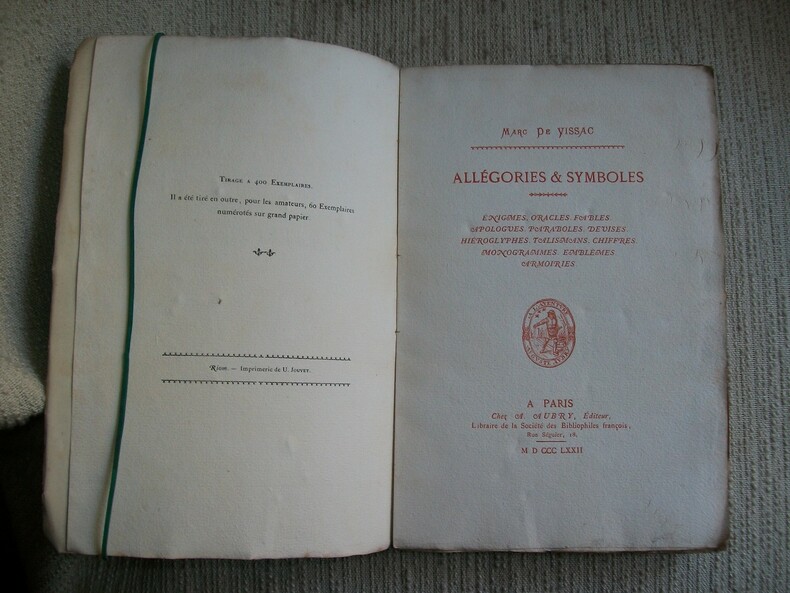
1872GITj552A paris chez Aubry 1872. In-8 broché VIII 247pp 1 feuillet non chiffré table. Tiré à 400 exemplaires, celui-ci 1 des 340 non justifiés imprimés sur beau papier. Couverture poussiéreuse avec manques de papier sur le dos, intérieur en bon état et complet. Caillet 11240.