19th Century ArtistBiblio.com
8 059 résultats
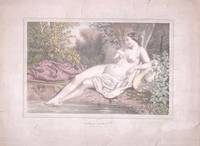
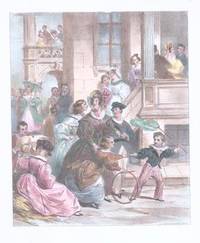
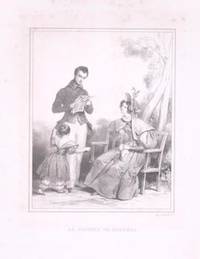
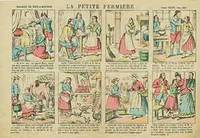
71-9761Paris: French Publisher circa 1835. Hand-colored lithograph. 21 x 29 cm sheet. Good light specks of foxing in the margins minor surface soiling and staining. [Paris: French Publisher, circa 1835]. unknown
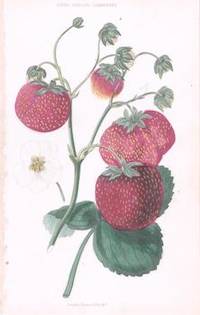
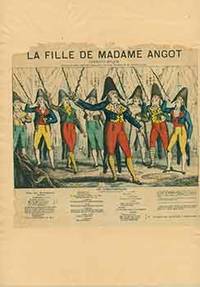
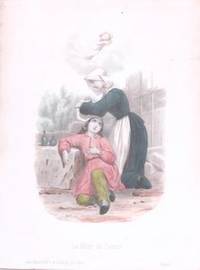
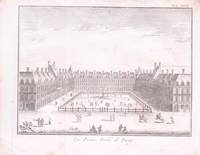
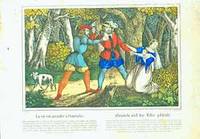
76-0926Paris: Masson circa 1856. Hand-colored lithograph. 29.5 x 39 cm sheet. Good light specks of foxing throughout tears in the margin areas with some paper losses Paris: Masson, circa 1856. unknown
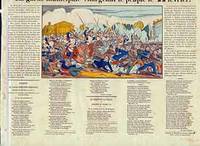
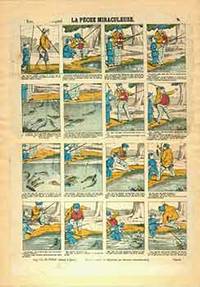
17-6647Germany: M & L circa 1856. Chromolithograph on wove paper. No. 2019. 40 x 51 cm sheet. Very Good. Soiling and light foxing. Some tears loses and creases along sheet edges. Germany: M & L, circa 1856. unknown
71-5726London: Thomas Kelly & Co. 1829. Original hand-colored engraving. 22 x 13.5 cm sheet. Very Good light staining along left sheet edge. London: Thomas Kelly & Co., 1829. unknown
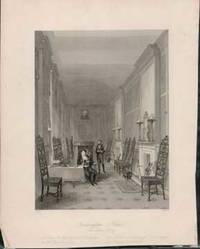
73-4043London: 19th Century British Publisher circa 1800s. 25x20 cm. Black and white engraving. Very Good. In plastic.Provenance: From the collection of the late Frederick G. Ruffner Jr. founder of Gale Research Detroit. [London?: 19th Century British Publisher, circa 1800s] unknown
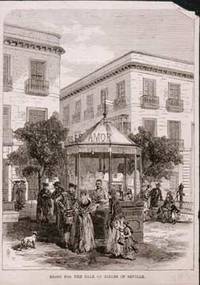
73-4427London: 19th Century British Publisher 1869. 16x24 cm. Black and white engraving. Very Good. In plastic sleeve. Small fold on upper right corner. [London?: 19th Century British Publisher], 1869 unknown
63-11021854. Lithograph. 18.5 x 12.5 cm. Oblong. Good with marginal tears staining. Text in German. 1854. unknown
73-4059Paris: 19th Century French Publisher circa 1800s. 28x21 cm. Black and white engraving. Very Good. In plastic. Text in French English and German.Provenance: From the collection of the late Frederick G. Ruffner Jr. founder of Gale Research Detroit. [Paris?: 19th Century French Publisher, circa 1800s] unknown
18-2330Epinal France: Ch. Pellerin 1870s. Large format hand-colored broadside lithograph 16.5†x 12â€. Very Good. Some tears repaired with tape on verso. Printed in France.Originally conceived in 1796 by Jean-Charles Pellerin in his native village of Épinal Vosges the images d'Épinal were inexpensive woodcuts and lithographs of religious and historical content intended for the commonconsumer. During the Napoleonic wars these images became extremely popular as Pellerin's printing house Imagerie d'Épinal cornered the market on commemorative historical prints. During the Great War the traditional style of these prints appealed to French artists looking to show their patriotism as in the eyes of an increasingly anti-German public the image d'Épinal came to represent a distinctly French product unmarred by foreign influence. The prints had a further appeal in that their minimalist form allowed many artists to stay true to the modernist ideals of their time. Epinal, France: Ch. Pellerin, [1870s]. unknown
71-3297Paris: 19th Century French Publisher circa 1870. Print. 17.3 x 15 cm. sheet. Very Good minor surface wear light foxing. Paris: 19th Century French Publisher, circa 1870. unknown
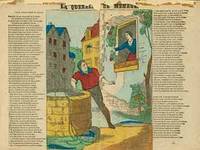
71-6766Paris: French Publisher circa 1860. Hand-colored lithograph. 41.5 x 29 cm sheet. Very Good foxing in the margins short tear at right sheet edge.Provenance: ancienne galerie Vandevoorde 22 rue Vignon Paris. Paris: French Publisher, circa 1860. unknown
18-2259Paris France: Le Bailly 1870-1890. Large format color broadside 11†x 11â€. Good. Some toning. Minor losses along three edges. Mounted on paper. Printed in France.Originally conceived in 1796 by Jean-Charles Pellerin in his native village of Épinal Vosges the images d'Épinal were inexpensive woodcuts and lithographs of religious and historical content intended for the commonconsumer. During the Napoleonic wars these images became extremely popular as Pellerin's printing house Imagerie d'Épinal cornered the market on commemorative historical prints. During the Great War the traditional style of these prints appealed to French artists looking to show their patriotism as in the eyes of an increasingly anti-German public the image d'Épinal came to represent a distinctly French product unmarred by foreign influence. The prints had a further appeal in that their minimalist form allowed many artists to stay true to the modernist ideals of their time. Paris, France: Le Bailly, [1870-1890?]. unknown
17-1498Epinal France: Pellerin 1870-1871. Large format color broadside 16†x 13â€. Very Good. Minor wear along edges. Minor toning and very light spots of foxing. Ragged left edge. Printed in France. Originally conceived in 1796 by Jean-Charles Pellerin in his native village of Épinal Vosges the images d'Épinal were inexpensive woodcuts and lithographs of religious and historical content intended for the commonconsumer. During the Napoleonic wars these images became extremely popular as Pellerin's printing house Imagerie d'Épinal cornered the market on commemorative historical prints. During the Great War the traditional style of these prints appealed to French artists looking to show their patriotism as in the eyes of an increasingly anti-German public the image d'Épinal came to represent a distinctly French product unmarred by foreign influence. The prints had a further appeal in that their minimalist form allowed many artists to stay true to the modernist ideals of their time. Epinal, France: [Pellerin?], [1870-1871]. unknown
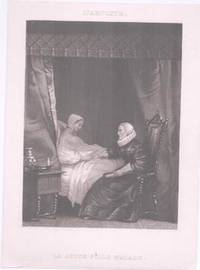
71-9688Paris: l’Artiste circa 1850. Mezzotint. 17 x 12 cm sheet. Text in French. Very Good print affixed to another support sheet. Paris: l’Artiste, circa 1850. unknown
71-6739Paris: French Publisher circa 1837. Lithograph. 30 x 24.5 cm sheet. Good foxing in the margins.Provenance: ancienne galerie Vandevoorde 22 rue Vignon Paris. Paris: French Publisher, circa 1837. unknown
71-6751Paris: Dopter circa 1840. Hand-colored lithograph with gum arabic. 26 x 19.5 cm sheet. Very Good light specks of foxing toning along sheet edges.Provenance: ancienne galerie Vandevoorde 22 rue Vignon Paris. Paris: Dopter, circa 1840. unknown
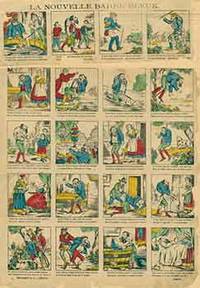
18-2328Epinal France: Ch. Pellerin 1870s. Large format hand-colored broadside lithograph 15.5†x 11.5â€. Very Good. Minor losses on edges not affecting image. Top row of images separated from rest of page with some loss to text. Mounted on paper. Printed in France.Originally conceived in 1796 by Jean-Charles Pellerin in his native village of Épinal Vosges the images d'Épinal were inexpensive woodcuts and lithographs of religious and historical content intended for the commonconsumer. During the Napoleonic wars these images became extremely popular as Pellerin's printing house Imagerie d'Épinal cornered the market on commemorative historical prints. During the Great War the traditional style of these prints appealed to French artists looking to show their patriotism as in the eyes of an increasingly anti-German public the image d'Épinal came to represent a distinctly French product unmarred by foreign influence. The prints had a further appeal in that their minimalist form allowed many artists to stay true to the modernist ideals of their time. Epinal, France: Ch. Pellerin, [1870s]. unknown
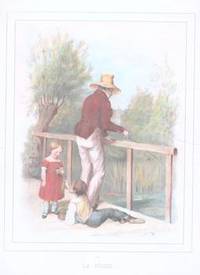
71-6771Paris: French Publisher circa 1860. Color lithograph. 33.5 x 25 cm sheet. Very Good tear along right sheet edge.Provenance: ancienne galerie Vandevoorde 22 rue Vignon Paris. Paris: French Publisher, circa 1860. unknown
18-2390Pont-à -Mousson: Haguenthal 1870-1900. Color broadside Bilderbogen 8.5†x 11.5â€. Very Good. Text in French.Originally conceived in 1796 by Jean-Charles Pellerin in his native village of Épinal Vosges the images d'Épinal were inexpensive woodcuts and lithographs of religious and historical content intended for the commonconsumer. During the Napoleonic wars these images became extremely popular as Pellerin's printing house Imagerie d'Épinal cornered the market on commemorative historical prints. During the Great War the traditional style of these prints appealed to French artists looking to show their patriotism as in the eyes of an increasingly anti-German public the image d'Épinal came to represent a distinctly French product unmarred by foreign influence. The prints had a further appeal in that their minimalist form allowed many artists to stay true to the modernist ideals of their time. Pont-à-Mousson: Haguenthal, [1870-1900]. unknown
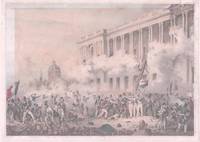
71-6316Paris: French Publisher circa 1875. Engraving. 18.5 x 23.5 cm sheet. Very Good light specks of foxing in margins two vertical fold creases. [Paris: French Publisher, circa 1875]. unknown
18-2236Epinal France: Pinot & Sagaire 1870s. Large format color broadside 17†x 12â€. Good. Top half of images is separated from the bottom half of the page. Some losses along margins and text under image on middle left. Mounted on paper. Printed in France. Originally conceived in 1796 by Jean-Charles Pellerin in his native village of Épinal Vosges the images d'Épinal were inexpensive woodcuts and lithographs of religious and historical content intended for the commonconsumer. During the Napoleonic wars these images became extremely popular as Pellerin's printing house Imagerie d'Épinal cornered the market on commemorative historical prints. During the Great War the traditional style of these prints appealed to French artists looking to show their patriotism as in the eyes of an increasingly anti-German public the image d'Épinal came to represent a distinctly French product unmarred by foreign influence. The prints had a further appeal in that their minimalist form allowed many artists to stay true to the modernist ideals of their time. Epinal, France: Pinot & Sagaire, [1870s]. unknown
18-2261Paris France: Gaittet et Cie 1870-1890. Large format color broadside 16†x 12â€. Good. Letterpress printed text in two columns along sides. Some losses on top and minor loss on bottom edge. Repaired with tape on verso. Printed in France. Originally conceived in 1796 by Jean-Charles Pellerin in his native village of Épinal Vosges the images d'Épinal were inexpensive woodcuts and lithographs of religious and historical content intended for the commonconsumer. During the Napoleonic wars these images became extremely popular as Pellerin's printing house Imagerie d'Épinal cornered the market on commemorative historical prints. During the Great War the traditional style of these prints appealed to French artists looking to show their patriotism as in the eyes of an increasingly anti-German public the image d'Épinal came to represent a distinctly French product unmarred by foreign influence. The prints had a further appeal in that their minimalist form allowed many artists to stay true to the modernist ideals of their time. Paris, France: Gaittet et Cie, [1870-1890]. unknown
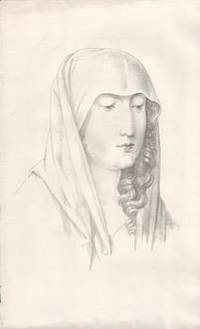
71-0995Paris: 19th Century European Publisher circa 1823. . Lithograph. 43.2x 26.2 cm. sheet. Very Good. Deckle on two sides of sheet. Some light foxing and soiling very light crease printing crease across the bridge of her nose. [Paris: 19th Century European Publisher, circa 1823]. unknown
18-2375Weissenburg Wissembourg France: Charles-Frédéric Wentzel 1870s. Large format color broadside Bilderbogen 15†x 10â€. Good. Some losses on edges repaired with tape on verso. Minor staining in margins not affecting image. Text in German and French.Originally conceived in 1796 by Jean-Charles Pellerin in his native village of Épinal Vosges the images d'Épinal were inexpensive woodcuts and lithographs of religious and historical content intended for the commonconsumer. During the Napoleonic wars these images became extremely popular as Pellerin's printing house Imagerie d'Épinal cornered the market on commemorative historical prints. During the Great War the traditional style of these prints appealed to French artists looking to show their patriotism as in the eyes of an increasingly anti-German public the image d'Épinal came to represent a distinctly French product unmarred by foreign influence. The prints had a further appeal in that their minimalist form allowed many artists to stay true to the modernist ideals of their time. Weissenburg (Wissembourg), France: Charles-Frédéric Wentzel, [1870s]. unknown
71-6098Paris: Le Journal Illustre circa 1878. Hand-colored wood engraving. 10.5 x 27 cm sheet. Text in French on verso. Very Good a short tear in lower right margin not extending into image. [Paris: Le Journal Illustre, circa 1878]. unknown