13 807 résultats
Very Good Turkish, Ottoman (1500-1928) Paperback. 8vo. (18 x 12 cm). In Ottoman script (Old Turkish with Arabic letters). 80 p. Probably taken from a volume. Minor wear on spine. Light fading on pages. Otherwise a very good copy. This interesting, very rare, and also pseudo-historical first book penned specifically on the Yezîdî people by an Ottoman statesman, initially prepared as a report and then published in 1912, before WWI in Ottoman Cairo. One of only three written Eastern sources about this interesting community that has been subject to extremely controversial approaches throughout history. The first is the travel corpus of Evliya Çelebi, the second is 'Abede-i Iblis', and the third is "Al-Yazidiyya Kadîmen wa Hadisen", which was published in Arabic in Beirut in 1934. Yezîdîs, a member of a Kurdish religious minority found primarily in northern Iraq, southeastern Turkey, northern Syria, the Caucasus region and parts of Iran. The Yezîdî religion includes elements of ancient Iranian religions as well as elements of Judaism, Nestorian Christianity and Islam. Although scattered and probably numbering merely between 200,000 and 1,000,000, the Yezîdîs have a well-organized society, with a chief sheikh as the supreme religious head and an emir, or prince, as the secular head. The origins of the Yezîdî faith can be traced to areas of the Kurdish mountains of northern Iraq where pockets of devotion to the fallen Umayyad dynasty persisted long after the death of the last Umayyad caliph, the half-Kurdish Marwan II, in 750. Some descendants of the dynasty settled in the area, further encouraging the development of mystical traditions in which the Umayyad lineage was prominently figured. In the early 12th century, Sheikh 'Adî ibn Musâfir, a Sufi and a descendant of the Umayyads, settled in Lâlish, north of Mosul, and began a Sufi order known as the Adwiyyah. Although his own teachings were strictly orthodox, the beliefs of his followers soon blended with local traditions. A distinct Yezîdî community living in the environs of Mosul appears in historical sources as early as the middle of the 12th century. This book includes descriptions of the Yezîdîs , albeit all the prejudices within it, on their geography, origins, mythology, religions, cosmogony, etc. The book has a long chapter on Yezîdîs' chief divine Malak ?âûs [or, Tavus] ("Peacock Angel"). Malak Taus has often been identified by outsiders with the Judeo-Christian figure of Satan, causing the Yezîdîs to be inaccurately described as "Devil worshippers", as seen in this pseudo-historical book as well. Özege 24.; OCLC 83228795.
Fine Turkish, Ottoman (1500-1928) Paperback. Foolscap 8vo. (18 x 12 cm). Text in Ottoman script entirely, with bilingual title in French and Ottoman Turkish on the cover. 60 p. Ignác Kúnos was a Hungarian linguist, turkologist, folklorist, a correspondent member of the Hungarian Academy of Sciences. At his time he was one of the most recognized scholars of Turkish folk literature and Turkish dialectology. Grandfather of George Kunos (1942) American-Hungarian neuroendocrinologist, pharmacologist. He attended the Reformed College in Debrecen, then studied linguistics at the Budapest University between 1879 and 1882. With the financial support of the Hungarian Academy of Sciences and the Budapest Jewish community, he spent five years in Constantinople studying the Turkish language and culture. In 1890 he was appointed at the Budapest University as professor of Turkish philology. Between 1899-1919 he was the director of the newly organized Oriental College of Commerce in Budapest. From 1919 until 1922 he held the same post at the Oriental Institute integrated into the Budapest University of Economics, and then from 1922, he taught Turkish linguistic at the university. In the summer of 1925 and 1926, invited by the Turkish government, he was a professor at the Ankara and Istanbul Universities, besides this in 1925 he organized the Department of Folkloristics at the Istanbul University. He died during the Soviet siege of Budapest. At the beginning of his career, he mainly focused on the dialectology, phonological and morphological matters of the Hungarian language as well as the ones of the Mordvinic languages. Being a pupil of Ármin Vámbéry, his interest was directed towards the Turkish language and philology. From 1885 until 1890, during his stay in Constantinople, he traveled to Rumelia, Anatolia, Syria, Palestine, and Egypt. During his trip, he observed and studied the characteristics of the Turkish dialects, ethnography, folk poetry, and folk customs of Turkish and other local peoples. The most significant merit of him was that he collected an impressing amount of folk tales and anecdotes that were published in Hungarian as well as many other European languages. As a recognition of his scientific results, he was elected a correspondent member of the Hungarian Academy of Sciences, but he also was a vice-president of the International Society for the Investigation of Central and Eastern Asia. (Wikipedia). This is one of the earliest compilations of Turkish lullabies. Scarce. Özege 6720. First and Only Edition.
20132110502151111104Shimonita Town Board of Education 2013. Soft Cover. Fine. Number of books: 1 Shimonita Town Board of Education paperback
20052083002115712565Hihyosha 2005. Soft Cover. Fine. Number of pages: 222p Size: 21cm Number of books: 1 Hihyosha paperback
19922090202118204701Onomichi Folklore Legend Study Group in Onomichi City Library 1992. Soft Cover. Fine. The book is in fine condition. Onomichi Folklore Legend Study Group in Onomichi City Library paperback
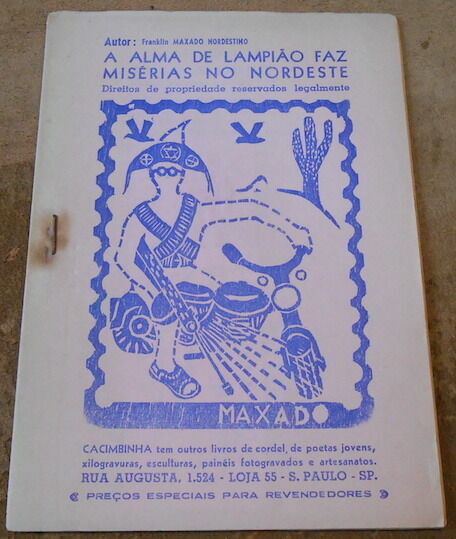
1976181681976. Sao Paulo Cacimbinha 1976 - Agrafé 11 cm x 16 cm 8 pages - Texte en portugais (Brésil)) de Franklin Maxado Nordestino - Une tache de rouille sinon bon état ; littérature de cordel
2002RO80172147LOUBATIERES. 2002. In-8. Broché. Bon état, Couv. convenable, Dos satisfaisant, Intérieur frais. 271 pages augmentées de nombreuses illustrations en noir et blanc dans le texte.. . . . Classification Dewey : 398-Folklore
Pagine: 62 . Illustrazioni: Incisioni fuori testo in bianco e nero . Formato: 8° . Rilegatura: Brossura originale . Stato: Buono . Caratteristiche: Anastatica del volume edito nel 1932 in dialetto di Ventimiglia e dintorni. Altre 3 copie .
Martino Martinotti (Martin), A Belfior Trittico in dialetto mantovano Mè, Nò,no (1852) Al mè, Maè,star (1902) A Belfior (1952) Tipografia La Rapida, Mantova, 1953, 24,9x17 cm, pp. 16, br. ed. ill. Condizioni di conservazione Esemplare con leggeri segni d'uso e del tempo. Brossura con qualche traccia di sporco e di brunitura, angolo inf. della copertina ant. con minima mancanza, copertina post. con un prezzo a matita nell'angolo sup., metà, sup. del dorso con alcuni piccoli strappetti, metà, inf. del dorso mancante, cuffia sup. del dorso con piccola mancanza. Interni in buono stato, con qualche minima pieghetta agli angoli sup. Tre liriche del poeta dialettale mantovano Martino Martinotti, in arte Martin, offerte a esempio dello svolgersi della sua opera nell'arco di tutto un secolo. OPEB.2272 blu
1939002196Helsinki Finland: Suomalainen Tiedeakatemia 1939. Book. Near Fine. Printed Wrappers. First Edition. Near Fine couple of small chips at edge of rear wrapper. Pages are uncut and contents are As New. Suomalainen Tiedeakatemia Paperback
8vo., First Edition; cloth blocked in gilt and blind, gilt back, a fine copy. Publications of the Folk-Lore Society, CXXI.
1939002196Helsinki Finland: Suomalainen Tiedeakatemia 1939. Near Fine couple of small chips at edge of rear wrapper. Pages are uncut and contents are As New. . First Edition. Printed Wrappers. Near Fine/No Jacket As Issued. Suomalainen Tiedeakatemia Paperback books
Sm. folio, First Edition, on laid paper, with a coloured frontispiece, 15 fine coloured plates, numerous monochrome line illustrations in the text and pictorial endpapers, small neat contemporary signature on front free endpaper, endpapers and title mildly browned; original brown suede, upper board and backstrip blocked and lettered in gilt, brown top, uncut, covers mildly age-soiled and faded as usual else a very good, bright copy. Uncommon with the fragile publisher's binding in this condition. Kelly, p.169.
4 vols., 8vo., First Editions, with 4 frontispieces, very numerous plates and illustrations in the text, and endpaper maps; cloth, gilt backs, a very good, clean set in the dustwrapper (one price-clipped). Wymer's delightful sequence, covering virtually the whole of England, is neither a gazetteer nor the usual rural eulogy. Rather, he sets out to compare and contrast traditional variations between one county and another, emphasising industries, customs, superstitions, legends, folklore and, above all, people. It is an unusual approach, based on a charming prose style and enhanced by evocative illustrations both photographic and line. A lovely set, and uncommon in this condition
111p. 8vo. Original paper covered boards. Interesting collection of superstitions pecular to America. Ferm was the head of the Department of Philosophy at the College of Wooster. OCCULT; MYSTICISM; PHILOSOPHY; ESOTERIC; ARCANE; TRANSCENDENTAL; SUPERSTITIONS; FOLKLORE; AMERICAN; DICTIONARY OCC 10
ill., br. Questo volume nasce dalla collaborazione fra due persone molto diverse, un magistrato in prima linea nel lavoro quotidiano e un'artista-giardiniere, che vive in campagna nella sua casa-atelier. A unire i due autori è la Liguria, l'amore fortissimo, ma non cieco, e per questo più autentico, per la propria terra. Dal loro incontro nasce un lavoro che è un garbato invito, in tempi di massificazione, a non perdere le radici di una cultura popolare, ricca di saggezza, pervasa di ironia, di umorismo talvolta caustico ed irriverente. La saggezza ligure trova espressione originale proprio nei proverbi e nei modi di dire, prevalentemente riconducibili ai contesti contadino e marinaro. Recuperati con pazienza e passione da Fiorenza Giorgi nel suo lavoro di "memoria" e illustrati con garbo e ironia da Dino Gambetta i proverbi testimoniano una saggezza popolare, ricca e stuzzicante, che offre mille spunti di riflessione e di piacevole divertimento. Fiera di appartenere ad una terra aspra e vulnerabile, di meravigliosa ma fragile bellezza, Fiorenza Giorgi si fa paladina della sua cultura popolare con leggerezza ed intelligenza, con amore e gratitudine.
1975030544Cambridge 1975 D. S. Brewer Hardcover Very Good 1st Edition
2004181692004. Fortaleza Centro Cultural dos Cordelistas do Nordeste octobre 2004 - Agrafé 11 cm x 16 cm 8 pages - Texte en portugais (Brésil) de Jotabê biographie et photo de l'auteur en 4ème de couv. - Très bon état ; littérature de cordel
br. A Carnevale ogni scherzo vale! Chi non conosce questo motto, e quanti altri ne esistono sulla festa più colorata e mattacchiona d'Italia? Abbiamo cercato per voi le filastrocche della tradizione, scoprendo un tesoro di rime, giochi, scherzi e colori che insieme compongono un ricco mosaico del nostro Paese, che rivive attraverso le maschere di Arlecchino, Colombina, Gianduja, Pulcinella, Pantalone, e tanti altri ancora. Venite a conoscerli con noi!
1982Q-0394520955Pantheon Books 1982-06-01. Hardcover. New. New. In shrink wrap. Looks like an interesting title! Pantheon Books hardcover
Edizione: Prima edizione . Pagine: 182 . Illustrazioni: Disegni di Pietro Ramella . Formato: 16° . Rilegatura: Brossura originale . Caratteristiche: Timbro d'appartenenza. Bruniture . Collana: Tradizioni liguri .
About The Book : This book provides a sample of Santal folk-tales taken from the oral literature of the people and prepared for the author in written form in (Santali). The present received this first introduction to folk-tales through an old nurse. When the author came to Mohulpahari, he got some more tales from an elderly guru, named Phagu from village of Dhaka, near Mohulpahari, the same man who has furnished the songs printed in the book. Who also dictated to me a much more circumstantial version to the traditions than that found in the book. About The Author : Paul Olaf Bodding (1865 – 1938) was a Norwegian missionary, linguist and folklorist. In 1890, he arrived in Santalistan (Santal Parganas) as a missionary priest. When Skrefsrud died in 1909, Bodding took over as the leader of the Norwegian missionary organization Santaline Mission (Den norske Santalmisjon). He served in India for 44 years (1889–1933), and operated mainly from the town Dumka in the Santhal Parganas-district. Bodding created the first alphabet and wrote the first grammar for the Santali-speaking native people in eastern India. In 1914 he also completed the translation of the Bible into the Santali language. He was also a celebrated scientist, and he is still well known among the santals living in the states of Jharkhand, Bihar and Assam as well as in Bangladesh and the Scandinavian countries. After returning from India in 1934, Bodding settled with his Danish-born wife Christine Larsen (1883–1940) in Odense, Denmark, where he died during 1938. The Title 'A Chapter of Santal folklore written/authored/edited by P. O. Bodding', published in the year 2022. The ISBN 9788121267595 is assigned to the Paperback version of this title. This book has total of pp. 85 (Pages). The publisher of this title is Gyan Publishing House. This Book is in English. The subject of this book is folklore. Size of the book is 21.59 x 27.94 cms Vol:-
About The Book : This book provides a sample of Santal folk-tales taken from the oral literature of the people and prepared for the author in written form in (Santali). The present received this first introduction to folk-tales through an old nurse. When the author came to Mohulpahari, he got some more tales from an elderly guru, named Phagu from village of Dhaka, near Mohulpahari, the same man who has furnished the songs printed in the book. Who also dictated to me a much more circumstantial version to the traditions than that found in the book. About The Author : Paul Olaf Bodding (1865 – 1938) was a Norwegian missionary, linguist and folklorist. In 1890, he arrived in Santalistan (Santal Parganas) as a missionary priest. When Skrefsrud died in 1909, Bodding took over as the leader of the Norwegian missionary organization Santaline Mission (Den norske Santalmisjon). He served in India for 44 years (1889–1933), and operated mainly from the town Dumka in the Santhal Parganas-district. Bodding created the first alphabet and wrote the first grammar for the Santali-speaking native people in eastern India. In 1914 he also completed the translation of the Bible into the Santali language. He was also a celebrated scientist, and he is still well known among the santals living in the states of Jharkhand, Bihar and Assam as well as in Bangladesh and the Scandinavian countries. After returning from India in 1934, Bodding settled with his Danish-born wife Christine Larsen (1883–1940) in Odense, Denmark, where he died during 1938. The Title 'A Chapter of Santal folklore written/authored/edited by P. O. Bodding', published in the year 2022. The ISBN 9788121267601 is assigned to the Hardcover version of this title. This book has total of pp. 85 (Pages). The publisher of this title is Gyan Publishing House. This Book is in English. The subject of this book is folklore. Size of the book is 22.59 x 28.94 cms Vol:-
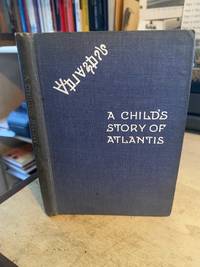
190857670Theosophical Publishing Society London 1908. First Edition. Hardcover. Good Condition/No Dust Jacket. Size: 12mo <7 3/4". 84 pp. Binding firm spine cocked and faded. Endpapers browned slightly text block clean. Edges foxed and browned. Corners slightly bumped. Quantity Available: 1. Shipped Weight: Under 250 grams. Category: Myths Legends & Folklore; Magic Paranormal & Occult. Pictures of this item not already displayed here available upon request. Inventory No: 57670. . Theosophical Publishing Society hardcover