129 résultats
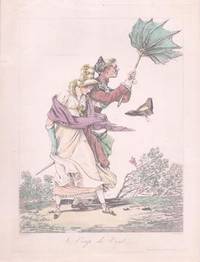
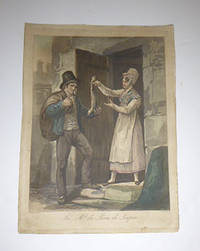
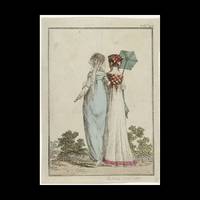
71-6693Paris: Charles Bance 1828. Hand-colored aquatint. 39 x 29 cm sheet. Very Good sheet toned in the margins.Provenance: ancienne galerie Vandevoorde 22 rue Vignon Paris. Paris: Charles Bance, 1828. unknown
182787629chez l'éditeur, boulevard Montmartre, no 1 Vassal et EsslingImprimeurs | Paris [1801-1827] ; 1827 (pour le texte) | 41.20 x 27.80 cm | relié
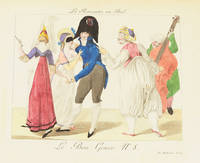
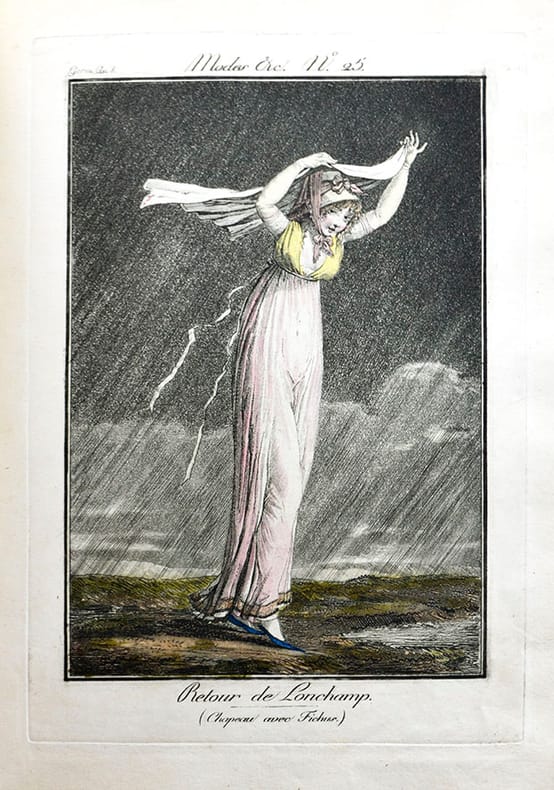
182787629Paris: chez l'éditeur boulevard Montmartre no 1Vassalet EsslingImprimeurs 1827. Fine. Princess Murat's copy chez l'éditeur boulevard Montmartre no 1 Vassal et EsslingImprimeurs Paris 1801-1827 ; 1827 pour le texte 41.20 x 27.80 cm relié Complete set of 115 copper-engraved plates with an additional plate 116 plates all printed on either laid or wove paper all hand-colored with watercolor. Two entirely different plates 39 follow each other in first issue: ""Les Titus et les cache-folies"" was published in the 1817 and 1822 sets and the other ""La Politicomanie"" appeared in 1827. This is the most complete series which also includes the 11 new plates published from 1818 to 1822 numbered 105 to 115. According to Vicaire the plates were probably all printed between 1801 and 1822 and only the text preceding the plates was reprinted in 1827. 3/4 long-grained cherry half-morocco smooth spine elaborately framed in gilt lentghwise gilt tooled center of spine gilt lettered title at head of spine framed in gilt marbled boards marbled paper endpapers and flyleaves. Minor brown spots are mainly confined to the 24 pp. of text with very few on the plates mainly on the margins and versos. A rare and famous collection of costumes genre and entertainment scenes from the French First Empire and Restoration eras with very wide margins and magnificently hand-colored at the time. A veritable encyclopedia of thrills pleasures and pageantry published by Pierre de la Mésangère leading fashion editor at the turn of the century. This copy includes two versions of plate 39 both of which are extremely scarce. These magnificent copper-engraved prints by Georges Jacques Gatine Schenker and others were based on drawings by the greatest painters of Parisian fashion: Carle Vernet Philippe-Louis Debucourt Jean-Baptiste Isabey Louis-Marie Lanté Dutailly. They were initially sold as a supplement to the successful magazine Le Journal des Modes before being published as a collection. Some plates bear the engraver's name and several the draftsmen's. This gallery of figures is singularly representative of a period of upheaval in French history in terms material but also moral and intellectual values - depicting a frivolous and daring part of feminine society eager to please and well-versed in the games of love. The ensemble perfectly combines social satire with the refinement expected of fashion engravings. It includes the famous portraits of the extravagantly dressed Directoire women called ""Merveilleuses"" and ""Incroyables"" - representations that have henceforth served as a reference. From beautiful silhouettes reclining on Greek-style beds to provocative and undressed courtesans everything is designed to illustrate the finery of these pretty coquettes often followed by a host of suitors and servants. Dresses hats and furs rub shoulders with elegant male figures in frock coats and even a few transvestites Trois grâces parisiennes no. 16. Many of the scenes have a clear erotic connotation especially the salon games featuring suggestive embraces and positions. Dancing takes pride of place: no fewer than twenty plates feature fashionable ballroom dances ""Danse du Schall"" named after the popular scarf quadrille figures such as ""La Poule"" ""La Trénis"" or more daring ones like ""La Sauteuse"" ballets or even the famous tightrope dancers Ravel and Forioso. The movement of the characters is reflected in the drapery of the large Empire muslin gowns and hair flowing in the wind. Among the dozens of hand-colored plates a great many are devoted to leisure and entertainment activities available at the beginning of the 19th century. Gastronomy games of skill sports acrobatics circus tricks music and even real sensational attractions: several plates depict the very first Parisian roller coaster installed in Belleville then at the Odeon for the 1817 Carnival. Clowns pierrots and masked figures are seen dancing in front of the structures and hurtling down steep slopes on small carriages. Anothe chez l'éditeur, boulevard Montmartre, no 1Vassalet EsslingImprimeurs hardcover
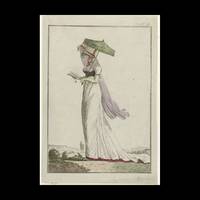
71-6691Paris: Charles Bance 1816. Hand-colored aquatint. 38.5 x 28.5 cm sheet. Very Good short tear in left sheet edge.Provenance: ancienne galerie Vandevoorde 22 rue Vignon Paris. Paris: Charles Bance, 1816. unknown
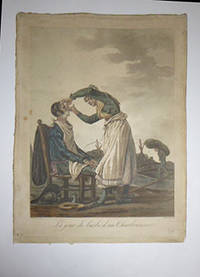
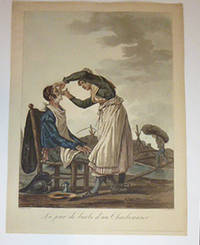
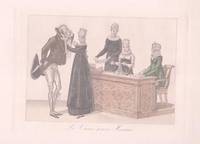
51-4814Paris: Charles Bance Bance jeune 1818. Handcolored aquatint on laid paper 37.5 x 28.3 cm. sheet size. Subdued colors. Small stains in left marge and slightly défraîchi. Series: Series: Collection de costumes dessinés d'après nature.Charbonnier se faisant raser la barbe.Description from the British Museum:Coalman seated on a chair and woman standing before him and shaving him.Bibliographic referencesFenaille 1899 / L'Oeuvre gravé de P.L. Debucourt 1755-1832 377IFF / Inventaire du Fonds Français: Bibliothèque Nationale Département des Estampes 67Dayot 1925 / Carle Vernet étude sur l'artiste suivie d'un catalogue de l'oeuvre gravé et lithographié et du catalogue de l'exposition rétrospective de 1925 81.1 [Paris: Charles Bance (Bance jeune), 1818] unknown
51-4813Paris: Charles Bance Bance jeune 1818. Handcolored aquatint on laid paper. 36.6 x 27.3 cm. sheet size. Bright colors. Series: Series: Collection de costumes dessinés d'après nature.Charbonnier se faisant raser la barbe.Description from the British Museum:Coalman seated on a chair and woman standing before him and shaving him.Bibliographic referencesFenaille 1899 / L'Oeuvre gravé de P.L. Debucourt 1755-1832 377IFF / Inventaire du Fonds Français: Bibliothèque Nationale Département des Estampes 67Dayot 1925 / Carle Vernet étude sur l'artiste suivie d'un catalogue de l'oeuvre gravé et lithographié et du catalogue de l'exposition rétrospective de 1925 81.1 [Paris: Charles Bance (Bance jeune), 1818] unknown
51-4816Paris: Charles Bance Bance jeune 1818. Handcolored aquatint on laid paper 38 x 27.5 cm. sheet size. Subdued colors. Small tear in lower margin. Series: Series: Collection de costumes dessinés d'après nature.Bibliographic referencesFenaille 1899 / L'Oeuvre gravé de P.L. Debucourt 1755-1832 377IFF / Inventaire du Fonds Français: Bibliothèque Nationale Département des Estampes 67Dayot 1925 / Carle Vernet étude sur l'artiste suivie d'un catalogue de l'oeuvre gravé et lithographié et du catalogue de l'exposition rétrospective de 1925 81.1; Fenaille 381; Beraldi XII.288 [Paris: Charles Bance (Bance jeune), 1818] unknown
71-5002Paris: Gazette des Beaux Arts circa 1889. . Heliogravure by Dujardin. 19 x 28 cm. sheet. Very Good. [Paris: Gazette des Beaux Arts, circa 1889]. unknown
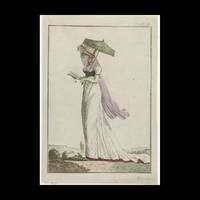
2113791Contentum Ltd. Loose sheet. New. High-quality art print based on an original work from the Rijksmuseum. Created in the 18th century 1799. Professionally printed on premium fine-art paper Photo Matt Fibre in size A2. The artwork is printed with a white border museum-style presentation. Contentum Ltd. unknown
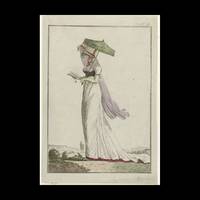
2113792Contentum Ltd. Loose sheet. New. High-quality art print based on an original work from the Rijksmuseum. Created in the 18th century 1799. Professionally printed on premium fine-art paper Photo Rag Bright White premium quality in size A2. The artwork is printed with a white border museum-style presentation. Contentum Ltd. unknown
2113804Contentum Ltd. Loose sheet. New. High-quality art print based on an original work from the Rijksmuseum. Created in the 18th century 1799. Professionally printed on premium fine-art paper Photo Matt Fibre in size A2. The artwork is printed with a white border museum-style presentation. Contentum Ltd. unknown
2113805Contentum Ltd. Loose sheet. New. High-quality art print based on an original work from the Rijksmuseum. Created in the 18th century 1799. Professionally printed on premium fine-art paper Photo Rag Bright White premium quality in size A2. The artwork is printed with a white border museum-style presentation. Contentum Ltd. unknown
2113790Contentum Ltd. Loose sheet. New. High-quality art print based on an original work from the Rijksmuseum. Created in the 18th century 1799. Professionally printed on premium fine-art paper Museum Etching museum quality in size A3. The artwork is printed with a white border museum-style presentation. Contentum Ltd. unknown
2113806Contentum Ltd. Loose sheet. New. High-quality art print based on an original work from the Rijksmuseum. Created in the 18th century 1799. Professionally printed on premium fine-art paper Museum Etching museum quality in size A2. The artwork is printed with a white border museum-style presentation. Contentum Ltd. unknown
2113803Contentum Ltd. Loose sheet. New. High-quality art print based on an original work from the Rijksmuseum. Created in the 18th century 1799. Professionally printed on premium fine-art paper Museum Etching museum quality in size A3. The artwork is printed with a white border museum-style presentation. Contentum Ltd. unknown
2113793Contentum Ltd. Loose sheet. New. High-quality art print based on an original work from the Rijksmuseum. Created in the 18th century 1799. Professionally printed on premium fine-art paper Museum Etching museum quality in size A2. The artwork is printed with a white border museum-style presentation. Contentum Ltd. unknown
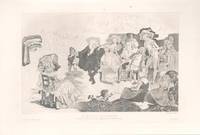
71-6692Paris: French Publisher circa 1815. Hand-colored etching. 30 x 40.5 cm sheet. Very Good minor surface soiling in the margins.Provenance: ancienne galerie Vandevoorde 22 rue Vignon Paris. Paris: French Publisher, circa 1815. unknown
17985449Retirage par Goupil à la fin du XIXè de cette fameuse planche. Elle est coloriée aux pochoirs. (Fenaille ) Cadre moderne et passe-partout. 520 x 385 1798
1820015887Paris Circa 1820 1820. Early Printing . Single Sheet. Near Fine. Color Engraving. Nineteenth Century Engraving 25 5/8" X 19 3/4" On Laid Paper Watermarked Mbm Produced In Color. Complete With Full Margins As Issued With Title In French Below The Image Which Is Approximately 39.5 X 30 Cm. The Engraver's Name Is Also Present At Lower Right. Philibert-Louis Debucourt 1755 - 1832 Was A French Painter And Engraver. Debucourt Was Born In Paris In 1755 And Became A Pupil Of Vien. He Executed A Few Plates In Mezzotint Such As The Heureuse Famille The Benediction De La Mariée And The Cruche Cassée After His Own Designs. Most Of His Work Was However In Aquatint. He Became The Leading Maker Of Multi-Plate Colour Prints Combining Washes Of Aquatint With Line-Engraving.2 He Used A Number Of Different Techniques But Most Involved Three Colour Plates And A Fourth Key Plate Outlining The Design In Black. Debucourt's Father-In-Law Was The Sculptor Louis-Philippe Mouchy. In The Marriage Contract Mouchy Generously Offered To Provide A Three-Room Apartment At The Louvre Where Debucourt Lived For Twelve And A Half Years. The Address Of This Apartment Is Often Given On His Prints. Some Of His Work Was Satirical Such As La Promenade Publique An Aquatint Of 1792 Showing A Crowd In The Gardens The Palais-Royal. As Well As Work From His Own Designs He Made Aquatints After Carle Vernet Including The Horse Frightened By A Lion The Horse Frightened By Lightning And The Strayed Huntsman. Debucourt Was Assisted For Some Years By His Pupil And Nephew Jean-Pierre-Marie Jazet. <br/> <br/> unknown
1805015891Paris: Louis-Philibert Debucourt 1805. Early Printing . Single Sheet. Very Good . 22 3/4" x 15. Color Engraving. A Fine Engraving By Debucourt. Laid Paper. Complete With Full Margins As Issued With Lettering Below "Desine Et Grave Par P. L. D. B.Rt / Les Courses Du Matin / Ou / La Porte Dun Riche / Depose A La Bib.Que Nat.Ale Ventose An 13 1805. " Image Is Approximately 18" X 11". Philibert-Louis Debucourt 1755 - 1832 Was A French Painter And Engraver. Debucourt Was Born In Paris In 1755 And Became A Pupil Of Vien. He Executed A Few Plates In Mezzotint Such As The Heureuse Famille The Benediction De La Mariée And The Cruche Cassée After His Own Designs. Most Of His Work Was However In Aquatint. He Became The Leading Maker Of Multi-Plate Colour Prints Combining Washes Of Aquatint With Line-Engraving.2 He Used A Number Of Different Techniques But Most Involved Three Colour Plates And A Fourth Key Plate Outlining The Design In Black. Debucourt's Father-In-Law Was The Sculptor Louis-Philippe Mouchy. In The Marriage Contract Mouchy Generously Offered To Provide A Three-Room Apartment At The Louvre Where Debucourt Lived For Twelve And A Half Years. The Address Of This Apartment Is Often Given On His Prints. Some Of His Work Was Satirical Such As La Promenade Publique An Aquatint Of 1792 Showing A Crowd In The Gardens The Palais-Royal. As Well As Work From His Own Designs He Made Aquatints After Carle Vernet Including The Horse Frightened By A Lion The Horse Frightened By Lightning And The Strayed Huntsman. Debucourt Was Assisted For Some Years By His Pupil And Nephew Jean-Pierre-Marie Jazet. <br/> <br/> Louis-Philibert Debucourt unknown
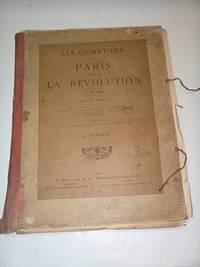
16-4572Paris: E. Bernard et Cie 1896. Folio. 53 x 41cm. Original boards worn. Title page with loss; most pages with marginal tears. Sheets loose as issued. 94 plates are called for and they are out of order in this copy; likely not complete and priced accordingly. Sold as a collection of prints.Grand in-folio en feuilles portefeuille de l'éditeur. Première édition de cet album de 94 planches reproduisant des dessins et des plans inédits du Paris révolutionnaire. Mareuse n° 719.- Barroux n° 177. Paris: E. Bernard et Cie, 1896 hardcover
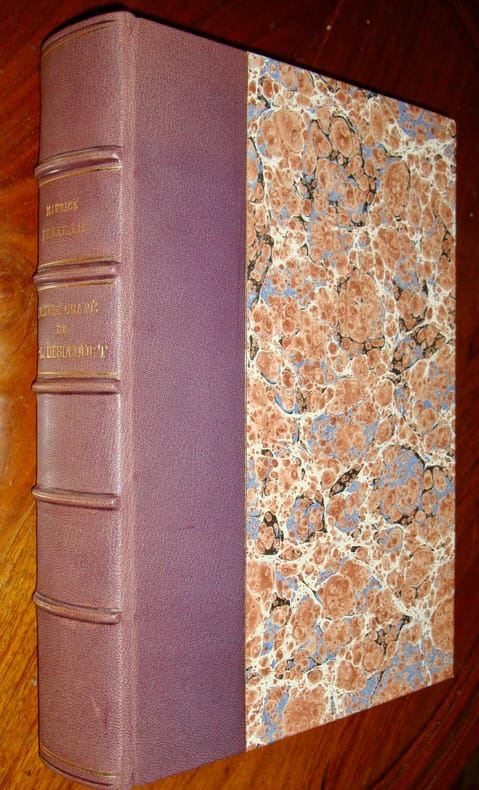
18994519Tirage à 315 exemplaires : un des 300 sur papier vélin à la forme. Superbe ouvrage. 1/2 chagrin violet, dos à nerfs orné, filets dorés sur les mors, covertures conservées. Reliure Seigneur Paris Morgand 1899 1 volume grand in-4°
180012765Paris: Charles Bance & Aumont 1800. Aquatint engraving printed in colour à la poupée on wove paper. Very good condition apart from some overall light soiling minor foxing and a skillfully repaired small loss in the left margin. Trimmed close to plate mark on all sides. A striking beautifully coloured engraving after the renowned 17th-century Flemish painter Peter Paul Rubens. A representation of Rubens' sister-in-law Susanna Lunden this plate is part of a series of three aquatints Debucourt completed after paintings by Tintoretto Rubens and Raphael.<br/> <br/> Susan Lunden was the daughter of the Antwerp silk merchant Daniel Fourment and the sister of Rubens' second wife Helena. Originally titled 'Le Chapeau de Paille' The Straw Hat the painting after which this plate is engraved dates from around 1622-25 and may have been a marriage portrait intended for Lunden's second husband Arnold. This print is a stunning example of the single plate colour printing technique used in France beginning in the 18th century. The effect is achieved by inking a single plate with several different colours by using a rag stump a process known as à la poupée. The outcome achieved by this laborious method of inking has a wonderful painterly effect and creates a delicacy of image which is charming to behold. Although a painter by training Philibert-Louis Debucourt is primarily renowned as one of the most innovative colour printmakers of the eighteenth century. Born in 1781 he studied with Joseph Marie Vien at the French Academy. After several years of exhibiting his paintings at the Salon he turned to printmaking in 1781. During the mid 1780s he began experimenting with the complicated multiple-plate colour printing process a technique that was refined and revolutionized by Jean-François Janinet. Debucourt found success with his colour intaglio prints of Parisian high society and he quickly earned a reputation as a skilled and prolific engraver. The bulk of his prints however were based on paintings by other artists and completed after the turn of the century. Despite his intense focus on printmaking he continued to exhibit his paintings alongside his engravings at the Salon throughout his life.<br/> <br/> Cf. Benezit Dictionnaire des Peintres Sculpteurs Dessinateurs et Graveurs vol. 4 p. 323; cf. Regency to Empire: French Printmaking 1715-1814 p. 346; Fenaille L'oeuvre gravé de P.-L. Debucourt 1755-1832 pp. 257-8. Charles Bance & Aumont unknown
180012765Paris: Charles Bance & Aumont 1800. Aquatint engraving printed in colour à la poupée on wove paper. Very good condition apart from some overall light soiling minor foxing and a skillfully repaired small loss in the left margin. Trimmed close to plate mark on all sides. A striking beautifully coloured engraving after the renowned 17th-century Flemish painter Peter Paul Rubens. A representation of Rubens' sister-in-law Susanna Lunden this plate is part of a series of three aquatints Debucourt completed after paintings by Tintoretto Rubens and Raphael.<br/> <br/>Susan Lunden was the daughter of the Antwerp silk merchant Daniel Fourment and the sister of Rubens' second wife Helena. Originally titled 'Le Chapeau de Paille' The Straw Hat the painting after which this plate is engraved dates from around 1622-25 and may have been a marriage portrait intended for Lunden's second husband Arnold. This print is a stunning example of the single plate colour printing technique used in France beginning in the 18th century. The effect is achieved by inking a single plate with several different colours by using a rag stump a process known as à la poupée. The outcome achieved by this laborious method of inking has a wonderful painterly effect and creates a delicacy of image which is charming to behold. Although a painter by training Philibert-Louis Debucourt is primarily renowned as one of the most innovative colour printmakers of the eighteenth century. Born in 1781 he studied with Joseph Marie Vien at the French Academy. After several years of exhibiting his paintings at the Salon he turned to printmaking in 1781. During the mid 1780s he began experimenting with the complicated multiple-plate colour printing process a technique that was refined and revolutionized by Jean-François Janinet. Debucourt found success with his colour intaglio prints of Parisian high society and he quickly earned a reputation as a skilled and prolific engraver. The bulk of his prints however were based on paintings by other artists and completed after the turn of the century. Despite his intense focus on printmaking he continued to exhibit his paintings alongside his engravings at the Salon throughout his life.<br/> <br/>Cf. Benezit Dictionnaire des Peintres Sculpteurs Dessinateurs et Graveurs vol. 4 p. 323; cf. Regency to Empire: French Printmaking 1715-1814 p. 346; Fenaille L'oeuvre gravé de P.-L. Debucourt 1755-1832 pp. 257-8. Charles Bance & Aumont unknown books
11856Paris, au Bureau du journal des dames, 1798 s. d. (1798 - 1808). 1 vol. in-8. Cartonnage brun d’époque, pièce de titre de maroquin rouge.