The Writers of Wise BreadBiblio.com
184 823 résultats
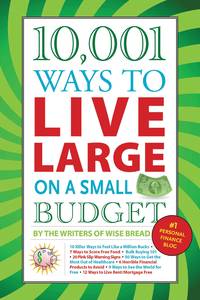
2009Q-160239704XSkyhorse Publishing 2009-05-12. Paperback. New. New. In shrink wrap. Looks like an interesting title! Skyhorse Publishing paperback
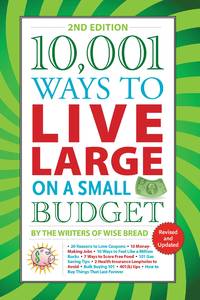
DADAX1510752811Skyhorse 2019-11-19. 2nd Edition Revised. paperback. New. 6.00x0.81x9.00. Buy with confidence. Excellent Customer Service & Return policy. Skyhorse paperback
66 pages. Features: Rod Noise; The Van Man Cometh; Chocolatetown Swap Meet; Pick-Ups Ltd Swap meet and Marching Society; Rod Product News; Building a '25 Vega Hi-Boy -Part 1; '23 T from A to Z - Part III; Hopping the Thermo-Quad; Using Wood; Keeping your engine cool; and more. Moderate wear. Unmarked. A quality vintage copy. Magazine
66 pages. Features: Super Street Machines!; The Shop Scene; Choose a Street Exhaust; Mount Rear Axles; Install Steering; and much more. Average wear. A sound copy. Magazine
1435122682.Ghardcover. Good. Access codes and supplements are not guaranteed with used items. May be an ex-library book. hardcover
200905G05018F00104UMetro Books New York 2009. hardcover. Like New. 7x6x2. No highlighting. Very minimal wear. Metro Books New York hardcover
200905G04021F00088UMetro Books New York 2009. hardcover. Very Good. 7x6x2. Item is gently used and does not show any significant wear. Metro Books New York hardcover
200905G02021F00042UMetro Books New York 2009. hardcover. Good. 7x6x2. Normal wear from daily use. May include markings or highlighting. Metro Books New York hardcover
2006Q-1844833615Duncan Baird Pub 2006-01-01. Hardcover. New. New. In shrink wrap. Looks like an interesting title! Duncan Baird Pub hardcover
1987141117021Hamlyn Publishing Group Limited 1987-01-01. Hardcover. Like New. Hamlyn Publishing Group Limited hardcover
Benjamin Øllgaard. IllusJacket a little shelf-worn. unknown
2013Q-0307946312Princeton Review 2013-06-11. Paperback. New. New. In shrink wrap. Looks like an interesting title! Princeton Review paperback
19312082702114607541Heritage honor society 1931. Soft Cover. Fine. Number of books: 1 Heritage honor society paperback
19662082702114608642Asahishinbunsha 1966. Soft Cover. Fine. Number of books: 1 Asahishinbunsha paperback
19882080302106802572Asahi Shimbun Tokyo Headquarters Planning Section 1 1988. Soft Cover. Fine. Number of books: one Asahi Shimbun Tokyo Headquarters Planning Section 1 paperback
19872090202120401014Not Available 1987. Soft Cover. Fine. Number of books: 1 Not Available paperback
19662090602128803213Asahishinbunsha 1966. Soft Cover. Fine. Number of books: 1 book Asahishinbunsha paperback
2015mon0004006920Order of the Arrow 2015T. hardcover. Good. . Order of the Arrow hardcover
19792082702114603636West Japan Newspaper Company 1979. Soft Cover. Fine. Number of books: 1 West Japan Newspaper Company paperback
19712110502150907483Not Available 1971. Soft Cover. Fine. Volume: 1 Not Available paperback
19802083002116204961The magazine's president's office 1980. Soft Cover. Fine. The book is in fine condition. The magazine's president's office paperback
19972092902139000524Mainichishinbunsha 1997. Soft Cover. Fine. Number of books: 1 Mainichishinbunsha paperback
19992092902139000220Nihon Keizai Shimbun 1999. Soft Cover. Fine. Number of books: 1 Nihon Keizai Shimbun paperback
New English Paperback. Pbo. Oblong 4to. (27 x 28 cm). In English and Turkish. 219 p., ills. The Ottoman Empire, which, for centuries, had successfully ruled nations and communities of diverse ethnic origins and religious denominations under the same administrative system, was entering an irrevocable process of disintegration at the turn of the 20th century. Struggling to take precautionary steps against the pressures of the "New Nation States" that originated from the Balkans, which were openly supported by Russia, England, Austria and Greece, Sultan Abdulhamid II announced -out of despair and the fait accomplihe faced- the proclamation of the Second Constitution on 24 July 1908 to protect his throne, for he justifiably believed this to be the only solution to prevent, or at least delay the complete disintegration of the Empire. Sultan Abdulhamid II, who by then was nearing the 32nd year of his reign, was convinced that this was the sole measure to be taken to keep under control the power "Young Turk" movement, which increasingly evolved into a stronger force under the auspices of the "Committee of Union and Progress", had over the large masses. It was, on the other hand, impossible for the restoration of the 1876 Constitution and the implementation of a Constitutional regime based on a newly established parliament by way of elections, to provide viable solutions to the grander problems of the Empire. The upheaval instigated by the Islamic faction waging war against the Committee of Union and Progress and the counter- revolution attempt, which has come to be known as the "31 March Incident", ended when the Third Army stationed in Salonica arrived in Istanbul and seized control of the govemment. The deposition of Sultan Abdulhamid II on 27 April 1909 and the subsequent enthronement of the 65-year-old Sultan Mehmed Resad V meant, evidently, that the government of the Empire was now in the hands of the leaders of the Committee of Union and Progress. In the ensuing years, the rigours of the Balkan War and World War I compelled the Committee members, who adopted "Liberty - Justice - Fraternity and Equality" ideals as their slogan, to relinquish their pluralistic and democratic stance and pursue a nationalistic discourse, which, in turn, accelerated the run towards the inevitable end. The purpose of the catalogue and the exhibition we designed in commemoration of "The 400th Anniversary of the Restoration ofthe Constitution" is to draw attention to a tumultuous period that had significant repercussions on the Republic years. It is rather intriguing how, from books and posters to memorabilia, and even quotidian objects, masses of diverse religions and races expressed their yearning for and expectations from a more democratic regime. I would like to extend my sincere thanks to Sinan Kuneralp, Prof. Edhem Eldem, Dr. Sacit Kutlu, David Barchard, Paul Bessemer and Sukru Ilicak, who all contributed to the exhibition catalogue with their valuable articles; to Mehmet Akgul, Atom Damali, Oktar Kubat, Ugur Yegin, Ugur Goktasli, Orlando Kalumeno, Roni Margulies and Ekrem Gocay, who made it possible for the works in their private archives and collections to be published in the catalogue and displayed in the exhibition; to Sadberk Hamin Museum Director Hulya Bilgi and her team; and to project coordinator Bahattin Oztuncay, with whom we collaborated on the selection of items included in the exhibition and the catalogue.
New English Paperback. Pbo. Oblong 4to. (27 x 28 cm). In English and Turkish. 219 p., ills. The Ottoman Empire, which, for centuries, had successfully ruled nations and communities of diverse ethnic origins and religious denominations under the same administrative system, was entering an irrevocable process of disintegration at the turn of the 20th century. Struggling to take precautionary steps against the pressures of the "New Nation States" that originated from the Balkans, which were openly supported by Russia, England, Austria and Greece, Sultan Abdulhamid II announced -out of despair and the fait accomplihe faced- the proclamation of the Second Constitution on 24 July 1908 to protect his throne, for he justifiably believed this to be the only solution to prevent, or at least delay the complete disintegration of the Empire. Sultan Abdulhamid II, who by then was nearing the 32nd year of his reign, was convinced that this was the sole measure to be taken to keep under control the power "Young Turk" movement, which increasingly evolved into a stronger force under the auspices of the "Committee of Union and Progress", had over the large masses. It was, on the other hand, impossible for the restoration of the 1876 Constitution and the implementation of a Constitutional regime based on a newly established parliament by way of elections, to provide viable solutions to the grander problems of the Empire. The upheaval instigated by the Islamic faction waging war against the Committee of Union and Progress and the counter- revolution attempt, which has come to be known as the "31 March Incident", ended when the Third Army stationed in Salonica arrived in Istanbul and seized control of the govemment. The deposition of Sultan Abdulhamid II on 27 April 1909 and the subsequent enthronement of the 65-year-old Sultan Mehmed Resad V meant, evidently, that the government of the Empire was now in the hands of the leaders of the Committee of Union and Progress. In the ensuing years, the rigours of the Balkan War and World War I compelled the Committee members, who adopted "Liberty - Justice - Fraternity and Equality" ideals as their slogan, to relinquish their pluralistic and democratic stance and pursue a nationalistic discourse, which, in turn, accelerated the run towards the inevitable end. The purpose of the catalogue and the exhibition we designed in commemoration of "The 400th Anniversary of the Restoration ofthe Constitution" is to draw attention to a tumultuous period that had significant repercussions on the Republic years. It is rather intriguing how, from books and posters to memorabilia, and even quotidian objects, masses of diverse religions and races expressed their yearning for and expectations from a more democratic regime. I would like to extend my sincere thanks to Sinan Kuneralp, Prof. Edhem Eldem, Dr. Sacit Kutlu, David Barchard, Paul Bessemer and Sukru Ilicak, who all contributed to the exhibition catalogue with their valuable articles; to Mehmet Akgul, Atom Damali, Oktar Kubat, Ugur Yegin, Ugur Goktasli, Orlando Kalumeno, Roni Margulies and Ekrem Gocay, who made it possible for the works in their private archives and collections to be published in the catalogue and displayed in the exhibition; to Sadberk Hamin Museum Director Hulya Bilgi and her team; and to project coordinator Bahattin Oztuncay, with whom we collaborated on the selection of items included in the exhibition and the catalogue.