[Klimt, Gustav]. - Lukian von SamosataAntiquariat.de
KLIMT, GustavBiblio.com
Eine Nachlese.
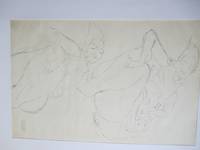
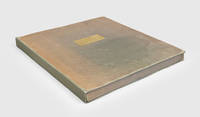
1931190931Vienna: Osterreichischen Staatsdruckerei 1931. A spectacular portfolio First edition number 124 of 200 copies printed in German. This spectacular portfolio reproduces six of Klimt's paintings that were destroyed at the end of the Second World War. The total edition comprised 500 numbered copies issued in French German and English. Of these 200 copies were printed in German of which 30 copies were bound as a book in a deluxe binding; 150 copies in French under the title "Dernière gerbe" of which 20 were bound as a book in a deluxe binding; and 150 copies in English under the title "An Aftermath" of which 20 were bound as a book in a deluxe binding. The six works destroyed in the war perished on 8 May 1945. Sixteen of Klimt's paintings were in storage in the Schloss Immendorf a 16th-century castle in Lower Austria which was set on fire by a retreating tank division of the German army. The six include two from Klimt's Faculty Paintings originally created for the ceiling of the Great Hall of the University of Vienna "Medizin" printed here in colour and heightened in gold and "Jurisprudenz" and four from the famous Lederer collection: "Die Freundinnen" "Malcesine am Gardasee" "Bauerngarten mit Hühnern" each printed here in colour and "Gastein". The publisher of this portfolio Max Eisler 1881-1937 was an art historian at Vienna University who published the first Klimt monograph in 1920. He intended this portfolio to compliment the only folio set produced in Klimt's lifetime Das Werk which had featured Klimt's works and was overseen by him up to 1913. Fragile collotype plates cannot be reused. As such this necessitates the completion of a run on the first go and also dictates a limited production number. Printed by hand the collotypes required deft handling by the printer Osterreichische Staatsdruckerei. A complicated and lengthy process involving gelatin colloids mixed with dichromates the creation of 16 colour separation thin glass filters to achieve the light-sensitive internegative images that could faithfully capture all of the painting's tonal gradations and colours exposure to actinic light and delicate chine colle papers that allow for greater colour saturation. Folio. With 30 full-page collotype plates after Klimt printed on chine colle paper laid down on heavy cream wove paper with untrimmed deckled edges of which 15 are in colour 2 heightened in metallic gold and silver ink and 1 heightened in gold ink and 15 in monochrome. Sheet sizes: 48 x 45.5 cm. Together with 18 pages. Collotypes and pages loose in original green silk clamshell box artist's name in gilt to front cover. Box lid split to corners four prints with pin holes to extreme corners not affecting the images a couple with light marks to the margins not affecting the images otherwise all bright impressions. unknown
Peter Harrington · Royaume-Uni37 500,00 £GB≈ 42 817,50 €