132 résultats
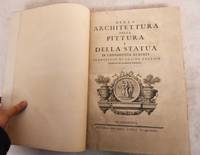
1782189785Bologna: In the Institute os Science 1782. Hardcover. Very Good Cover has general wear Leather peeling corner/edge damage. Spine has damage to top/bottom. Bookblock has age toning. Interior pages have age toning and foxing. Brown cloth boards with gilt highlights Black leather corners and spine. Gilt lettering and design elements on 5 raised band spine. xiii 3 341 pages 69 leaves of plates some folded : illustrations plans. Title vignette tail-pieces and plates engraved by Pio Panfili. In the Institute os Science hardcover
17868168London: Published by J. R. Smith No. 83 Oxford Street 1786. Coloured mezzotint. In good condition with the exception of some faint soiling in upper margin. Bottom margin outside platemark is coated with white paint. Water stains on verso of sheet not noticeable on front of sheet. Image size: 14 3/4 x 17 inches. Plate size: 17 7/8 x 19 5/8 inches. Sheet size: 19 5/8 x 20 inches. A wonderful mezzotint after Rev. Matthew William Peters by one of the finest eighteenth century engravers.<br/> <br/>This charming print is engraved after a painting by Rev. Matthew William Peters and is a fascinating example of this period in British printmaking. Matthew Peters was trained in London under the portraitist Thomas Hudson. He quickly became a prominent member of the Society of Artists exhibiting portraits in oil and pastel and attracting a number of prominent aristocratic patrons including the Duke of Manchester the Marquess of Granby and Lord Grosvenor for whom he painted some of his most controversial pictures. Urged by his patrons Peters painted a series of quasi-erotic character studies of courtesans which at that time were quite unusual in Britain. These controversial pictures were eagerly reproduced by industrious printmaker/publishers such as Smith and caused a flurry of curious customers to hurry to London print-shops. Following his ordination in 1781 Peters quickly denounced his early erotic pictures as immoral. Upon being appointed Honorary Chaplain to the Royal Academy Peters expressed a profound regret "that he ever devoted his talents to such subjects". With this in mind this picture becomes extremely interesting. In this work Peters continues to observe and appreciate charming subjects in fancy costumes but eliminates the erotic overtones present in his earlier works. Instead he has chosen to depict an age-old moral subject fortune-telling an institution in western art since the Renaissance. This print which is expertly engraved by one of the finest eighteenth century printmakers is a fascinating view into a turbulent period in Peters' life when he struggled to produce images that would appeal to his viewers while remaining true to his moral beliefs.<br/> <br/>D'Oench Copper into Gold: Prints by John Raphael Smith 1751-1812 p. 224 No. 274; Smith Catalogue No. 135 & 136; Ackermann 1802 p. 9 described as companion prints; Chaloner Smith British Mezzotinto Portraits Ward 97 Smith 186; Frankau An 18th Century Artist and Engraver: John Raphael Smith 146. Published by J. R. Smith, No. 83 Oxford Street unknown books
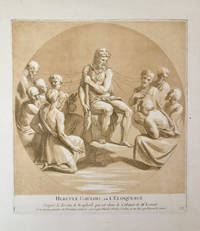
17296061729. Chiaroscuro woodcut printed from two blocks in beige and olive with etching and aquatint on cream laid paper 11 1/8 x 10 inches 281 x 252 mm plate full margins with the text printing clearly below in olive ink. In very good condition with no visible defects other than one pinpoint sized spot of foxing on the verso left sheet center. Charles Nicolas Cochin père did the etching Vincent Le Sueur did the chiaroscuro woodcut. After a Drawing by Raffaello Sanzio. The supposed Raphael drawing on which the print is based is now identified as "school of" but the print remains as beautiful despite the re-attribution. The Cabinet Crozat was a collection of prints after drawings in the collection of Pierre Crozat then known as one of the finest collections in the world. Many of the prints which were by various hands were made in the unusual combination of etching with chiaroscuro woodcut superimposed upon it. In this case Cochin did the etching and Le Sueur the chiaroscuro woodcut. Registration must have been a problem but here at least the plate and the blocks are almost perfectly aligned. unknown
177420164Rome 1774. Copper engraving by Ottaviani after drawings by Savorelli and Camporesi printed in light brown coloured ink with contemporary hand-colouring. Neat marginal restoration. A stunning plate from "Logge di Rafaele nel Vaticano": with contemporary colouring of the highest quality from the golden age of the hand-coloured print. The scene in the main panel shows the three angels that appeared to Abraham and told him that he and his wife Sarah will have a son.<br/> <br/>A very fine image from the second part of a work titled "Loggie di Rafaele nel Vaticano" depicting the decorative work executed by Raphael and his assistants between 1518-1519 in the Vatican. They were drawn by Gaetano Savorelli a Roman painter and draughtsman best known for his Raphael drawings and Pietro Camporesi a Roman architect who worked for Pope Clemens XIII and Pius VI on rooms for the Vatican Museum. The first to illustrate the famous frescoes these beautiful plates were probably planned as early as 1760 but were not executed until 1772 to 1776. The plate is remarkable not only as the first important visual record of Raphael's work but also for the quality of the hand-colouring - the work on this image is in our opinion some of the greatest to be produced in Europe during the whole of the eighteenth century: the golden age of the hand-coloured print. They were remarkable not just for their size and magnificent colouring but also because of the influence they had on contemporary taste. The decision was made to "borrow" elements from Raphael's Vatican tapestries and insert them where the original frescoes were in too poor a state to be legible. The finished plates therefore represented an amalgam of design elements presented with a crisp freshness of colour that held enormous appeal and did much to stimulate the taste for the "grotesque" in the Neo-classical period. A year after the death of his principal patron Julius II Raphael succeeded Donato Bramante in 1514 as the official Vatican architect. Having previously adorned the "Stanze" or chambers of Julius on the second floor of the papal apartments in the Vatican palace he was commissioned by Leo X in 1517 to decorate the adjacent Logge. He designed an elaborate cycle of ornamental frescoes for the room's ceiling vaults doors and auxiliary pillars which were executed by his assistants Giulio Romano and Giovanni da Udine. Twelve of the quadrilateral ceiling vaults were adorned with murals of familiar Old Testament scenes and one with a scene from the New Testament while the more decorative frescoes painted on the pilasters by Udine were covered with imaginative compositions of 'grotesque' motifs like foliage fruit and chimerical beasts.<br/> <br/>Cf. Brunet IV 1110 & 1111; cf. Berlin "Kat". 4068 & 4066; "Raphael Invenit: Stampe da Rafaello" 1985 Ottaviano 22; cf. "Raphael: Reproduktions-graphik aus vier Jahrhunderten" Coburg 1984 104 & no. 245. unknown books
177020166Rome 1770. Copper engraving on two joined sheets by Ottaviani after drawings by Savorelli and Camporesi printed in light brown coloured ink with contemporary hand-colouring. Neat marginal restoration. A stunning plate from "Logge di Rafaele nel Vaticano": with contemporary colouring of the highest quality from the golden age of the hand-coloured print. The main panel shows Jacob at Luza having a vision of the angels ascending and descending by a ladder which reached from earth to heaven.<br/> <br/>A very fine image from the second part of a work titled "Loggie di Rafaele nel Vaticano" depicting the decorative work executed by Raphael and his assistants between 1518-1519 in the Vatican. They were drawn by Gaetano Savorelli a Roman painter and draughtsman best known for his Raphael drawings and Pietro Camporesi a Roman architect who worked for Pope Clemens XIII and Pius VI on rooms for the Vatican Museum. The first to illustrate the famous frescoes these beautiful plates were probably planned as early as 1760 but were not executed until 1772 to 1776. The plate is remarkable not only as the first important visual record of Raphael's work but also for the quality of the hand-colouring - the work on this image is in our opinion some of the greatest to be produced in Europe during the whole of the eighteenth century: the golden age of the hand-coloured print. They were remarkable not just for their size and magnificent colouring but also because of the influence they had on contemporary taste. The decision was made to "borrow" elements from Raphael's Vatican tapestries and insert them where the original frescoes were in too poor a state to be legible. The finished plates therefore represented an amalgam of design elements presented with a crisp freshness of colour that held enormous appeal and did much to stimulate the taste for the "grotesque" in the Neo-classical period. A year after the death of his principal patron Julius II Raphael succeeded Donato Bramante in 1514 as the official Vatican architect. Having previously adorned the "Stanze" or chambers of Julius on the second floor of the papal apartments in the Vatican palace he was commissioned by Leo X in 1517 to decorate the adjacent Logge. He designed an elaborate cycle of ornamental frescoes for the room's ceiling vaults doors and auxiliary pillars which were executed by his assistants Giulio Romano and Giovanni da Udine. Twelve of the quadrilateral ceiling vaults were adorned with murals of familiar Old Testament scenes and one with a scene from the New Testament while the more decorative frescoes painted on the pilasters by Udine were covered with imaginative compositions of 'grotesque' motifs like foliage fruit and chimerical beasts.<br/> <br/>Cf. Brunet IV 1110 & 1111; cf. Berlin "Kat". 4068 & 4066; "Raphael Invenit: Stampe da Rafaello" 1985 Ottaviano 22; cf. "Raphael: Reproduktions-graphik aus vier Jahrhunderten" Coburg 1984 104 & no. 245. unknown books
177420167Rome 1774. Copper engraving on two joined sheets by Ottaviani after drawings by Savorelli and Camporesi printed in light brown coloured ink with contemporary hand-colouring. Neat marginal restoration. A stunning plate from "Logge di Rafaele nel Vaticano": with contemporary colouring of the highest quality from the golden age of the hand-coloured print. The main panel shows Joseph telling his brothers of his prophetic dreams "Hear my dream which I dreamed. I thought we were binding sheaves in the field: and my sheaf arose as it were and stood and your sheaves standing about bowed down before my sheaf . I saw in . another dream as it were the sun and the moon and eleven stars worshipping me."<br/> <br/>A very fine image from the second part of a work titled "Loggie di Rafaele nel Vaticano" depicting the decorative work executed by Raphael and his assistants between 1518-1519 in the Vatican. They were drawn by Gaetano Savorelli a Roman painter and draughtsman best known for his Raphael drawings and Pietro Camporesi a Roman architect who worked for Pope Clemens XIII and Pius VI on rooms for the Vatican Museum. The first to illustrate the famous frescoes these beautiful plates were probably planned as early as 1760 but were not executed until 1772 to 1776. The plate is remarkable not only as the first important visual record of Raphael's work but also for the quality of the hand-colouring - the work on this image is in our opinion some of the greatest to be produced in Europe during the whole of the eighteenth century: the golden age of the hand-coloured print. They were remarkable not just for their size and magnificent colouring but also because of the influence they had on contemporary taste. The decision was made to "borrow" elements from Raphael's Vatican tapestries and insert them where the original frescoes were in too poor a state to be legible. The finished plates therefore represented an amalgam of design elements presented with a crisp freshness of colour that held enormous appeal and did much to stimulate the taste for the "grotesque" in the Neo-classical period. A year after the death of his principal patron Julius II Raphael succeeded Donato Bramante in 1514 as the official Vatican architect. Having previously adorned the "Stanze" or chambers of Julius on the second floor of the papal apartments in the Vatican palace he was commissioned by Leo X in 1517 to decorate the adjacent Logge. He designed an elaborate cycle of ornamental frescoes for the room's ceiling vaults doors and auxiliary pillars which were executed by his assistants Giulio Romano and Giovanni da Udine. Twelve of the quadrilateral ceiling vaults were adorned with murals of familiar Old Testament scenes and one with a scene from the New Testament while the more decorative frescoes painted on the pilasters by Udine were covered with imaginative compositions of 'grotesque' motifs like foliage fruit and chimerical beasts.<br/> <br/>Cf. Brunet IV 1110 & 1111; cf. Berlin "Kat". 4068 & 4066; "Raphael Invenit: Stampe da Rafaello" 1985 Ottaviano 22; cf. "Raphael: Reproduktions-graphik aus vier Jahrhunderten" Coburg 1984 104 & no. 245. unknown books
177420169Rome 1774. Copper engraving on two joined sheets by Ottaviani after drawings by Savorelli and Camporesi printed in light brown coloured ink with contemporary hand-colouring. Neat marginal restoration. A stunning plate from "Logge di Rafaele nel Vaticano": with contemporary colouring of the highest quality from the golden age of the hand-coloured print. The main panel shows King David having subdued Syria returning to Jersusalem with armour made of gold.<br/> <br/>A very fine image from the second part of a work titled "Loggie di Rafaele nel Vaticano" depicting the decorative work executed by Raphael and his assistants between 1518-1519 in the Vatican. They were drawn by Gaetano Savorelli a Roman painter and draughtsman best known for his Raphael drawings and Pietro Camporesi a Roman architect who worked for Pope Clemens XIII and Pius VI on rooms for the Vatican Museum. The first to illustrate the famous frescoes these beautiful plates were probably planned as early as 1760 but were not executed until 1772 to 1776. The plate is remarkable not only as the first important visual record of Raphael's work but also for the quality of the hand-colouring - the work on this image is in our opinion some of the greatest to be produced in Europe during the whole of the eighteenth century: the golden age of the hand-coloured print. They were remarkable not just for their size and magnificent colouring but also because of the influence they had on contemporary taste. The decision was made to "borrow" elements from Raphael's Vatican tapestries and insert them where the original frescoes were in too poor a state to be legible. The finished plates therefore represented an amalgam of design elements presented with a crisp freshness of colour that held enormous appeal and did much to stimulate the taste for the "grotesque" in the Neo-classical period. A year after the death of his principal patron Julius II Raphael succeeded Donato Bramante in 1514 as the official Vatican architect. Having previously adorned the "Stanze" or chambers of Julius on the second floor of the papal apartments in the Vatican palace he was commissioned by Leo X in 1517 to decorate the adjacent Logge. He designed an elaborate cycle of ornamental frescoes for the room's ceiling vaults doors and auxiliary pillars which were executed by his assistants Giulio Romano and Giovanni da Udine. Twelve of the quadrilateral ceiling vaults were adorned with murals of familiar Old Testament scenes and one with a scene from the New Testament while the more decorative frescoes painted on the pilasters by Udine were covered with imaginative compositions of 'grotesque' motifs like foliage fruit and chimerical beasts.<br/> <br/>Cf. Brunet IV 1110 & 1111; cf. Berlin "Kat". 4068 & 4066; "Raphael Invenit: Stampe da Rafaello" 1985 Ottaviano 22; cf. "Raphael: Reproduktions-graphik aus vier Jahrhunderten" Coburg 1984 104 & no. 245. unknown books
177420170Rome 1774. Copper engraving on two joined sheets by Ottaviani after drawings by Savorelli and Camporesi printed in light brown coloured ink with contemporary hand-colouring. Neat marginal restoration. A stunning plate from "Logge di Rafaele nel Vaticano": with contemporary colouring of the highest quality from the golden age of the hand-coloured print. The main panel shows the moment during the Last Supper when Jesus announces that one of the twelve disciples will betray him.<br/> <br/>A very fine image from the second part of a work titled "Loggie di Rafaele nel Vaticano" depicting the decorative work executed by Raphael and his assistants between 1518-1519 in the Vatican. They were drawn by Gaetano Savorelli a Roman painter and draughtsman best known for his Raphael drawings and Pietro Camporesi a Roman architect who worked for Pope Clemens XIII and Pius VI on rooms for the Vatican Museum. The first to illustrate the famous frescoes these beautiful plates were probably planned as early as 1760 but were not executed until 1772 to 1776. The plate is remarkable not only as the first important visual record of Raphael's work but also for the quality of the hand-colouring - the work on this image is in our opinion some of the greatest to be produced in Europe during the whole of the eighteenth century: the golden age of the hand-coloured print. They were remarkable not just for their size and magnificent colouring but also because of the influence they had on contemporary taste. The decision was made to "borrow" elements from Raphael's Vatican tapestries and insert them where the original frescoes were in too poor a state to be legible. The finished plates therefore represented an amalgam of design elements presented with a crisp freshness of colour that held enormous appeal and did much to stimulate the taste for the "grotesque" in the Neo-classical period. A year after the death of his principal patron Julius II Raphael succeeded Donato Bramante in 1514 as the official Vatican architect. Having previously adorned the "Stanze" or chambers of Julius on the second floor of the papal apartments in the Vatican palace he was commissioned by Leo X in 1517 to decorate the adjacent Logge. He designed an elaborate cycle of ornamental frescoes for the room's ceiling vaults doors and auxiliary pillars which were executed by his assistants Giulio Romano and Giovanni da Udine. Twelve of the quadrilateral ceiling vaults were adorned with murals of familiar Old Testament scenes and one with a scene from the New Testament while the more decorative frescoes painted on the pilasters by Udine were covered with imaginative compositions of 'grotesque' motifs like foliage fruit and chimerical beasts.<br/> <br/>Cf. Brunet IV 1110 & 1111; cf. Berlin "Kat". 4068 & 4066; "Raphael Invenit: Stampe da Rafaello" 1985 Ottaviano 22; cf. "Raphael: Reproduktions-graphik aus vier Jahrhunderten" Coburg 1984 104 & no. 245. unknown books
177420168Rome 1774. Copper engraving on two joined sheets by Ottaviani after drawings by Savorelli and Camporesi printed in light brown coloured ink with contemporary hand-colouring. Neat marginal restoration. A stunning plate from "Logge di Rafaele nel Vaticano": with contemporary colouring of the highest quality from the golden age of the hand-coloured print. The main panel shows Moses coming down from Mount Sinai holding the tablets bearing the ten words of the Covenant his face "horned from the conversation of the Lord". Aaron and the children of Israel seeing the face of Moses "horned" are afraid to come near.<br/> <br/>A very fine image from the second part of a work titled "Loggie di Rafaele nel Vaticano" depicting the decorative work executed by Raphael and his assistants between 1518-1519 in the Vatican. They were drawn by Gaetano Savorelli a Roman painter and draughtsman best known for his Raphael drawings and Pietro Camporesi a Roman architect who worked for Pope Clemens XIII and Pius VI on rooms for the Vatican Museum. The first to illustrate the famous frescoes these beautiful plates were probably planned as early as 1760 but were not executed until 1772 to 1776. The plate is remarkable not only as the first important visual record of Raphael's work but also for the quality of the hand-colouring - the work on this image is in our opinion some of the greatest to be produced in Europe during the whole of the eighteenth century: the golden age of the hand-coloured print. They were remarkable not just for their size and magnificent colouring but also because of the influence they had on contemporary taste. The decision was made to "borrow" elements from Raphael's Vatican tapestries and insert them where the original frescoes were in too poor a state to be legible. The finished plates therefore represented an amalgam of design elements presented with a crisp freshness of colour that held enormous appeal and did much to stimulate the taste for the "grotesque" in the Neo-classical period. A year after the death of his principal patron Julius II Raphael succeeded Donato Bramante in 1514 as the official Vatican architect. Having previously adorned the "Stanze" or chambers of Julius on the second floor of the papal apartments in the Vatican palace he was commissioned by Leo X in 1517 to decorate the adjacent Logge. He designed an elaborate cycle of ornamental frescoes for the room's ceiling vaults doors and auxiliary pillars which were executed by his assistants Giulio Romano and Giovanni da Udine. Twelve of the quadrilateral ceiling vaults were adorned with murals of familiar Old Testament scenes and one with a scene from the New Testament while the more decorative frescoes painted on the pilasters by Udine were covered with imaginative compositions of 'grotesque' motifs like foliage fruit and chimerical beasts.<br/> <br/>Cf. Brunet IV 1110 & 1111; cf. Berlin "Kat". 4068 & 4066; "Raphael Invenit: Stampe da Rafaello" 1985 Ottaviano 22; cf. "Raphael: Reproduktions-graphik aus vier Jahrhunderten" Coburg 1984 104 & no. 245. unknown books
177420165Rome 1774. Copper engraving on two joined sheets by Ottaviani after drawings by Savorelli and Camporesi printed in light brown coloured ink with contemporary hand-colouring. Neat marginal restoration. A stunning plate from "Logge di Rafaele nel Vaticano": with contemporary colouring of the highest quality from the golden age of the hand-coloured print. In the main panel the Lord appears to Isaac and tells him not to go down into Egypt but to stay in Gerara.<br/> <br/>A very fine image from the second part of a work titled "Loggie di Rafaele nel Vaticano" depicting the decorative work executed by Raphael and his assistants between 1518-1519 in the Vatican. They were drawn by Gaetano Savorelli a Roman painter and draughtsman best known for his Raphael drawings and Pietro Camporesi a Roman architect who worked for Pope Clemens XIII and Pius VI on rooms for the Vatican Museum. The first to illustrate the famous frescoes these beautiful plates were probably planned as early as 1760 but were not executed until 1772 to 1776. The plate is remarkable not only as the first important visual record of Raphael's work but also for the quality of the hand-colouring - the work on this image is in our opinion some of the greatest to be produced in Europe during the whole of the eighteenth century: the golden age of the hand-coloured print. They were remarkable not just for their size and magnificent colouring but also because of the influence they had on contemporary taste. The decision was made to "borrow" elements from Raphael's Vatican tapestries and insert them where the original frescoes were in too poor a state to be legible. The finished plates therefore represented an amalgam of design elements presented with a crisp freshness of colour that held enormous appeal and did much to stimulate the taste for the "grotesque" in the Neo-classical period. A year after the death of his principal patron Julius II Raphael succeeded Donato Bramante in 1514 as the official Vatican architect. Having previously adorned the "Stanze" or chambers of Julius on the second floor of the papal apartments in the Vatican palace he was commissioned by Leo X in 1517 to decorate the adjacent Logge. He designed an elaborate cycle of ornamental frescoes for the room's ceiling vaults doors and auxiliary pillars which were executed by his assistants Giulio Romano and Giovanni da Udine. Twelve of the quadrilateral ceiling vaults were adorned with murals of familiar Old Testament scenes and one with a scene from the New Testament while the more decorative frescoes painted on the pilasters by Udine were covered with imaginative compositions of 'grotesque' motifs like foliage fruit and chimerical beasts.<br/> <br/>Cf. Brunet IV 1110 & 1111; cf. Berlin "Kat". 4068 & 4066; "Raphael Invenit: Stampe da Rafaello" 1985 Ottaviano 22; cf. "Raphael: Reproduktions-graphik aus vier Jahrhunderten" Coburg 1984 104 & no. 245. unknown books
177217002Rome 1772. Copper engraving by Ottaviani after drawings by Savorelli and Camporesi printed in light brown coloured ink with contemporary hand-colouring. Good condition. Trimmed to just within plate mark along lower margin expert repairs to left margin not affecting image area. A highly decorative print from the famous "Loggie di Rafaele nel Vaticano" series with contemporary colouring of the highest quality from the golden age of the hand-coloured print.<br/> <br/> A very fine image from the first part of a work titled "Loggie di Rafaele nel Vaticano" depicting the decorative work executed by Raphael and his assistants between 1518-1519 in the Vatican. This remarkable print one of the first to be published of the decoration of the Logge on the main storey of the Vatican apartments was probably planned as early as 1760 but was not executed until between 1772 and 1776. The project as a whole was carried out by the painter Gaetano Savorelli the draughtsman Ludovico Teseo the architect Pietro Camporesi and the engravers Giovanni Ottaviani and Giovanni Volpato. The plate is remarkable not only as the first important visual record of Raphael's work but also for the quality of the hand-colouring - the work on this image is in our opinion some of the greatest to be produced in Europe during the whole of the eighteenth century: the golden age of the hand-coloured print. The whole series was of importance not just for the size and magnificent colouring of the prints but also because of the influence they had on contemporary taste. The decision was made to "borrow" elements from Raphael's Vatican tapestries and insert them where the original frescoes were in too poor a state to be legible. The finished plates therefore represented an amalgam of design elements presented with a crisp freshness of colour that held enormous appeal and stimulated the taste for the "grotesque" in the neo-classical period.<br/> <br/> Cf. Brunet IV 1110; cf. Berlin Katalog 4068; cf. Lambert Pattern and Design V. & A.: 1983 p. 26; "Raphael Invenit: Stampe da Rafaello" 1985 Ottaviano 4; Raphael: Reproduktions-graphik aus vier Jahrhunderten Coburg: 1984 p. 104. unknown
177217009Rome 1772. Copper engraving by Ottaviani after drawings by Savorelli and Camporesi printed in light brown coloured ink with contemporary hand-colouring. Good condition. Trimmed to just within plate mark along lower margin expert repair to upper left corner just affecting image area small repairs to right blank margin. A highly decorative print from the famous "Loggie di Rafaele nel Vaticano" series with contemporary colouring of the highest quality from the golden age of the hand-coloured print.<br/> <br/> A very fine image from the first part of a work titled "Loggie di Rafaele nel Vaticano" depicting the decorative work executed by Raphael and his assistants between 1518-1519 in the Vatican. This remarkable print one of the first to be published of the decoration of the Logge on the main storey of the Vatican apartments was probably planned as early as 1760 but was not executed until between 1772 and 1776. The project as a whole was carried out by the painter Gaetano Savorelli the draughtsman Ludovico Teseo the architect Pietro Camporesi and the engravers Giovanni Ottaviani and Giovanni Volpato. The plate is remarkable not only as the first important visual record of Raphael's work but also for the quality of the hand-colouring - the work on this image is in our opinion some of the greatest to be produced in Europe during the whole of the eighteenth century: the golden age of the hand-coloured print. The whole series was of importance not just for the size and magnificent colouring of the prints but also because of the influence they had on contemporary taste. The decision was made to "borrow" elements from Raphael's Vatican tapestries and insert them where the original frescoes were in too poor a state to be legible. The finished plates therefore represented an amalgam of design elements presented with a crisp freshness of colour that held enormous appeal and stimulated the taste for the "grotesque" in the neo-classical period.<br/> <br/> Cf. Brunet IV 1110; cf. Berlin Katalog 4068; cf. Lambert Pattern and Design V. & A.: 1983 p. 26; "Raphael Invenit: Stampe da Rafaello" 1985 Ottaviano 5; Raphael: Reproduktions-graphik aus vier Jahrhunderten Coburg: 1984 p. 104. unknown
177217002Rome 1772. Copper engraving by Ottaviani after drawings by Savorelli and Camporesi printed in light brown coloured ink with contemporary hand-colouring. Good condition. Trimmed to just within plate mark along lower margin expert repairs to left margin not affecting image area. A highly decorative print from the famous "Loggie di Rafaele nel Vaticano" series with contemporary colouring of the highest quality from the golden age of the hand-coloured print.<br/> <br/>A very fine image from the first part of a work titled "Loggie di Rafaele nel Vaticano" depicting the decorative work executed by Raphael and his assistants between 1518-1519 in the Vatican. This remarkable print one of the first to be published of the decoration of the Logge on the main storey of the Vatican apartments was probably planned as early as 1760 but was not executed until between 1772 and 1776. The project as a whole was carried out by the painter Gaetano Savorelli the draughtsman Ludovico Teseo the architect Pietro Camporesi and the engravers Giovanni Ottaviani and Giovanni Volpato. The plate is remarkable not only as the first important visual record of Raphael's work but also for the quality of the hand-colouring - the work on this image is in our opinion some of the greatest to be produced in Europe during the whole of the eighteenth century: the golden age of the hand-coloured print. The whole series was of importance not just for the size and magnificent colouring of the prints but also because of the influence they had on contemporary taste. The decision was made to "borrow" elements from Raphael's Vatican tapestries and insert them where the original frescoes were in too poor a state to be legible. The finished plates therefore represented an amalgam of design elements presented with a crisp freshness of colour that held enormous appeal and stimulated the taste for the "grotesque" in the neo-classical period.<br/> <br/>Cf. Brunet IV 1110; cf. Berlin Kat. 4068; cf. Lambert Pattern and Design V. & A.: 1983 p. 26; "Raphael Invenit: Stampe da Rafaello" 1985 Ottaviano 4; Raphael: Reproduktions-graphik aus vier Jahrhunderten Coburg: 1984 p. 104. unknown books
177217009Rome 1772. Copper engraving by Ottaviani after drawings by Savorelli and Camporesi printed in light brown coloured ink with contemporary hand-colouring. Good condition. Trimmed to just within plate mark along lower margin expert repair to upper left corner just affecting image area small repairs to right blank margin. A highly decorative print from the famous "Loggie di Rafaele nel Vaticano" series with contemporary colouring of the highest quality from the golden age of the hand-coloured print.<br/> <br/>A very fine image from the first part of a work titled "Loggie di Rafaele nel Vaticano" depicting the decorative work executed by Raphael and his assistants between 1518-1519 in the Vatican. This remarkable print one of the first to be published of the decoration of the Logge on the main storey of the Vatican apartments was probably planned as early as 1760 but was not executed until between 1772 and 1776. The project as a whole was carried out by the painter Gaetano Savorelli the draughtsman Ludovico Teseo the architect Pietro Camporesi and the engravers Giovanni Ottaviani and Giovanni Volpato. The plate is remarkable not only as the first important visual record of Raphael's work but also for the quality of the hand-colouring - the work on this image is in our opinion some of the greatest to be produced in Europe during the whole of the eighteenth century: the golden age of the hand-coloured print. The whole series was of importance not just for the size and magnificent colouring of the prints but also because of the influence they had on contemporary taste. The decision was made to "borrow" elements from Raphael's Vatican tapestries and insert them where the original frescoes were in too poor a state to be legible. The finished plates therefore represented an amalgam of design elements presented with a crisp freshness of colour that held enormous appeal and stimulated the taste for the "grotesque" in the neo-classical period.<br/> <br/>Cf. Brunet IV 1110; cf. Berlin Kat. 4068; cf. Lambert Pattern and Design V. & A.: 1983 p. 26; "Raphael Invenit: Stampe da Rafaello" 1985 Ottaviano 5; Raphael: Reproduktions-graphik aus vier Jahrhunderten Coburg: 1984 p. 104. unknown books
177417011Rome 1774. Copper engraving by Ottaviani after drawings by Savorelli and Camporesi printed in light brown coloured ink with contemporary hand-colouring. Good condition. Shaved within plate mark expert neat repairs to left margin one just affecting the image area. A stunning plate from "Logge di Rafaele nel Vaticano": with contemporary colouring of the highest quality from the golden age of the hand-coloured print.<br/> <br/>A very fine image from the second part of a work titled "Loggie di Rafaele nel Vaticano" depicting the decorative work executed by Raphael and his assistants between 1518-1519 in the Vatican. They were drawn by Gaetano Savorelli a Roman painter and draughtsman best known for his Raphael drawings and Pietro Camporesi a Roman architect who worked for Pope Clemens XIII and Pius VI on rooms for the Vatican Museum. The first to illustrate the famous frescoes these beautiful plates were probably planned as early as 1760 but were not executed until 1772 to 1776. The plate is remarkable not only as the first important visual record of Raphael's work but also for the quality of the hand-colouring - the work on this image is in our opinion some of the greatest to be produced in Europe during the whole of the eighteenth century: the golden age of the hand-coloured print. They were remarkable not just for their size and magnificent colouring but also because of the influence they had on contemporary taste. The decision was made to "borrow" elements from Raphael's Vatican tapestries and insert them where the original frescoes were in too poor a state to be legible. The finished plates therefore represented an amalgam of design elements presented with a crisp freshness of colour that held enormous appeal and did much to stimulate the taste for the "grotesque" in the Neo-classical period. A year after the death of his principal patron Julius II Raphael succeeded Donato Bramante in 1514 as the official Vatican architect. Having previously adorned the "Stanze" or chambers of Julius on the second floor of the papal apartments in the Vatican palace he was commissioned by Leo X in 1517 to decorate the adjacent Logge. He designed an elaborate cycle of ornamental frescoes for the room's ceiling vaults doors and auxiliary pillars which were executed by his assistants Giulio Romano and Giovanni da Udine. Twelve of the quadrilateral ceiling vaults were adorned with murals of familiar Old Testament scenes and one with a scene from the New Testament while the more decorative frescoes painted on the pilasters by Udine were covered with imaginative compositions of 'grotesque' motifs like foliage fruit and chimerical beasts. The biblical scene depicted shows the infant brothers Cain and Abel vying for their mother's attention. Adam is sowing nearby.<br/> <br/>Cf. Brunet IV 1110 & 1111; cf. Berlin "Kat". 4068 & 4066; "Raphael Invenit: Stampe da Rafaello" 1985 Ottaviano 22; cf. "Raphael: Reproduktions-graphik aus vier Jahrhunderten" Coburg 1984 104 & no. 245. unknown books
177214588Rome 1772. Copper engraving by Ottaviani after drawings by Ludovico Teseo printed in black with stunning later professional hand-colouring. Very good condition. A highly decorative print from the famous "Loggie di Rafaele nel Vaticano" series with later professional hand-colouring.<br/> <br/> A very fine image from the first part of a work titled "Loggie di Rafaele nel Vaticano" depicting the decorative work and executed by Raphael and his assistants between 1518-1519 in the Vatican. This remarkable print one of the first to be published of the decoration of the Logge on the main storey of the Vatican apartments was probably planned as early as 1760 but was not executed until between 1772 and 1776. The project as a whole was carried out by the painter Gaetano Savorelli the draughtsman Ludovico Teseo the architect Pietro Camporesi and the engravers Giovanni Ottaviani and Giovanni Volpato. The whole series was remarkable not just for the size and magnificent colouring of the prints but also because of the influence they had on contemporary taste. The decision was made to "borrow" elements from Raphael's Vatican tapestries and insert them where the original frescoes were in too poor a state to be legible. The finished plates therefore represented an amalgam of design elements presented with a crisp freshness of colour that held enormous appeal and stimulated the taste for the "grotesque" in the neo-classical period.<br/> <br/> Cf. Brunet IV 1110; cf. Berlin Katalog 4068; cf. Lambert Pattern and Design V. & A.: 1983 p. 26; "Raphael Invenit: Stampe da Rafaello" 1985 Ottaviano 2; Raphael: Reproduktions-graphik aus vier Jahrhunderten Coburg: 1984 p. 104. unknown
177217013Rome 1772. Copper engraving by Ottaviani after drawings by Savorelli and Camporesi printed in light brown coloured ink with contemporary hand-colouring. Good condition. Three repaired tears to the left blank margin. Sight size: 31 1/8 x 18 1/4 inches. A highly decorative print from the famous "Loggie di Rafaele nel Vaticano" series with contemporary colouring of the highest quality from the golden age of the hand-coloured print.<br/> <br/> A very fine image from the first part of a work titled "Loggie di Rafaele nel Vaticano" depicting the decorative work executed by Raphael and his assistants between 1518-1519 in the Vatican. This remarkable print one of the first to be published of the decoration of the Logge on the main storey of the Vatican apartments was probably planned as early as 1760 but was not executed until between 1772 and 1776. The project as a whole was carried out by the painter Gaetano Savorelli the draughtsman Ludovico Teseo the architect Pietro Camporesi and the engravers Giovanni Ottaviani and Giovanni Volpato. The plate is remarkable not only as the first important visual record of Raphael's work but also for the quality of the hand-colouring - the work on this image is in our opinion some of the greatest to be produced in Europe during the whole of the eighteenth century: the golden age of the hand-coloured print. The whole series was of importance not just for the size and magnificent colouring of the prints but also because of the influence they had on contemporary taste. The decision was made to "borrow" elements from Raphael's Vatican tapestries and insert them where the original frescoes were in too poor a state to be legible. The finished plates therefore represented an amalgam of design elements presented with a crisp freshness of colour that held enormous appeal and stimulated the taste for the "grotesque" in the neo-classical period.<br/> <br/> Cf. Brunet IV 1110; cf. Berlin Katalog 4068; cf. Lambert Pattern and Design V. & A.: 1983 p. 26; "Raphael Invenit: Stampe da Rafaello" 1985 Ottaviano 17; Raphael: Reproduktions-graphik aus vier Jahrhunderten Coburg: 1984 p. 104. unknown
177214588Rome 1772. Copper engraving by Ottaviani after drawings by Ludovico Teseo printed in black with stunning later professional hand-colouring. Very good condition. A highly decorative print from the famous "Loggie di Rafaele nel Vaticano" series with later professional hand-colouring.<br/> <br/>A very fine image from the first part of a work titled "Loggie di Rafaele nel Vaticano" depicting the decorative work and executed by Raphael and his assistants between 1518-1519 in the Vatican. This remarkable print one of the first to be published of the decoration of the Logge on the main storey of the Vatican apartments was probably planned as early as 1760 but was not executed until between 1772 and 1776. The project as a whole was carried out by the painter Gaetano Savorelli the draughtsman Ludovico Teseo the architect Pietro Camporesi and the engravers Giovanni Ottaviani and Giovanni Volpato. The whole series was remarkable not just for the size and magnificent colouring of the prints but also because of the influence they had on contemporary taste. The decision was made to "borrow" elements from Raphael's Vatican tapestries and insert them where the original frescoes were in too poor a state to be legible. The finished plates therefore represented an amalgam of design elements presented with a crisp freshness of colour that held enormous appeal and stimulated the taste for the "grotesque" in the neo-classical period.<br/> <br/>Cf. Brunet IV 1110; cf. Berlin Kat. 4068; cf. Lambert Pattern and Design V. & A.: 1983 p. 26; "Raphael Invenit: Stampe da Rafaello" 1985 Ottaviano 2; Raphael: Reproduktions-graphik aus vier Jahrhunderten Coburg: 1984 p. 104. unknown books
177217013Rome 1772. Copper engraving by Ottaviani after drawings by Savorelli and Camporesi printed in light brown coloured ink with contemporary hand-colouring. Good condition. Three repaired tears to the left blank margin. Sight size: 31 1/8 x 18 1/4 inches. A highly decorative print from the famous "Loggie di Rafaele nel Vaticano" series with contemporary colouring of the highest quality from the golden age of the hand-coloured print.<br/> <br/>A very fine image from the first part of a work titled "Loggie di Rafaele nel Vaticano" depicting the decorative work executed by Raphael and his assistants between 1518-1519 in the Vatican. This remarkable print one of the first to be published of the decoration of the Logge on the main storey of the Vatican apartments was probably planned as early as 1760 but was not executed until between 1772 and 1776. The project as a whole was carried out by the painter Gaetano Savorelli the draughtsman Ludovico Teseo the architect Pietro Camporesi and the engravers Giovanni Ottaviani and Giovanni Volpato. The plate is remarkable not only as the first important visual record of Raphael's work but also for the quality of the hand-colouring - the work on this image is in our opinion some of the greatest to be produced in Europe during the whole of the eighteenth century: the golden age of the hand-coloured print. The whole series was of importance not just for the size and magnificent colouring of the prints but also because of the influence they had on contemporary taste. The decision was made to "borrow" elements from Raphael's Vatican tapestries and insert them where the original frescoes were in too poor a state to be legible. The finished plates therefore represented an amalgam of design elements presented with a crisp freshness of colour that held enormous appeal and stimulated the taste for the "grotesque" in the neo-classical period.<br/> <br/>Cf. Brunet IV 1110; cf. Berlin Kat. 4068; cf. Lambert Pattern and Design V. & A.: 1983 p. 26; "Raphael Invenit: Stampe da Rafaello" 1985 Ottaviano 17; Raphael: Reproduktions-graphik aus vier Jahrhunderten Coburg: 1984 p. 104. unknown books
177221936Rome 1772. Copper engraving by Ottaviani after drawings by Savorelli and Camporesi printed in light brown coloured ink with contemporary hand-colouring. Trimmed to platemark left margin. Good condition. A highly decorative print from the famous "Loggie di Rafaele nel Vaticano" series with contemporary colouring of the highest quality from the golden age of the hand-coloured print.<br/> <br/> A very fine image from the first part of a work titled "Loggie di Rafaele nel Vaticano" depicting the decorative work executed by Raphael and his assistants between 1518-1519 in the Vatican. This remarkable print one of the first to be published of the decoration of the Logge on the main storey of the Vatican apartments was probably planned as early as 1760 but was not executed until between 1772 and 1776. The project as a whole was carried out by the painter Gaetano Savorelli the draughtsman Ludovico Teseo the architect Pietro Camporesi and the engravers Giovanni Ottaviani and Giovanni Volpato. The plate is remarkable not only as the first important visual record of Raphael's work but also for the quality of the hand-colouring - the work on this image is in our opinion some of the greatest to be produced in Europe during the whole of the eighteenth century: the golden age of the hand-coloured print. The whole series was of importance not just for the size and magnificent colouring of the prints but also because of the influence they had on contemporary taste. The decision was made to "borrow" elements from Raphael's Vatican tapestries and insert them where the original frescoes were in too poor a state to be legible. The finished plates therefore represented an amalgam of design elements presented with a crisp freshness of colour that held enormous appeal and stimulated the taste for the "grotesque" in the neo-classical period.<br/> <br/> Cf. Brunet IV 1110; cf. Berlin Katalog 4068; cf. Lambert Pattern and Design V. & A.: 1983 p. 26; "Raphael Invenit: Stampe da Rafaello" 1985 Ottaviano 11; Raphael: Reproduktions-graphik aus vier Jahrhunderten Coburg: 1984 p. 104. unknown
177217014Rome 1772. Copper engraving by Ottaviani after drawings by Savorelli and Camporesi printed in light brown coloured ink with contemporary hand-colouring. Good condition. Sight size: 43 x 17 1/4 inches. A highly decorative print from the famous "Loggie di Rafaele nel Vaticano" series with contemporary colouring of the highest quality from the golden age of the hand-coloured print.<br/> <br/> A very fine image from the first part of a work titled "Loggie di Rafaele nel Vaticano" depicting the decorative work executed by Raphael and his assistants between 1518-1519 in the Vatican. This remarkable print one of the first to be published of the decoration of the Logge on the main storey of the Vatican apartments was probably planned as early as 1760 but was not executed until between 1772 and 1776. The project as a whole was carried out by the painter Gaetano Savorelli the draughtsman Ludovico Teseo the architect Pietro Camporesi and the engravers Giovanni Ottaviani and Giovanni Volpato. The plate is remarkable not only as the first important visual record of Raphael's work but also for the quality of the hand-colouring - the work on this image is in our opinion some of the greatest to be produced in Europe during the whole of the eighteenth century: the golden age of the hand-coloured print. The whole series was of importance not just for the size and magnificent colouring of the prints but also because of the influence they had on contemporary taste. The decision was made to "borrow" elements from Raphael's Vatican tapestries and insert them where the original frescoes were in too poor a state to be legible. The finished plates therefore represented an amalgam of design elements presented with a crisp freshness of colour that held enormous appeal and stimulated the taste for the "grotesque" in the neo-classical period.<br/> <br/> Cf. Brunet IV 1110; cf. Berlin Katalog 4068; cf. Lambert Pattern and Design V. & A.: 1983 p. 26; "Raphael Invenit: Stampe da Rafaello" 1985 Ottaviano 13;Raphael: Reproduktions-graphik aus vier Jahrhunderten Coburg: 1984 p. 104. unknown
177217012Rome 1772. Copper engraving by Ottaviani after drawings by Savorelli and Camporesi printed in light brown coloured ink with contemporary hand-colouring. Good condition. Sight size: 43 x 17 inches. A highly decorative print from the famous "Loggie di Rafaele nel Vaticano" series with contemporary colouring of the highest quality from the golden age of the hand-coloured print.<br/> <br/> A very fine image from the first part of a work titled "Loggie di Rafaele nel Vaticano" depicting the decorative work executed by Raphael and his assistants between 1518-1519 in the Vatican. This remarkable print one of the first to be published of the decoration of the Logge on the main storey of the Vatican apartments was probably planned as early as 1760 but was not executed until between 1772 and 1776. The project as a whole was carried out by the painter Gaetano Savorelli the draughtsman Ludovico Teseo the architect Pietro Camporesi and the engravers Giovanni Ottaviani and Giovanni Volpato. The plate is remarkable not only as the first important visual record of Raphael's work but also for the quality of the hand-colouring - the work on this image is in our opinion some of the greatest to be produced in Europe during the whole of the eighteenth century: the golden age of the hand-coloured print. The whole series was of importance not just for the size and magnificent colouring of the prints but also because of the influence they had on contemporary taste. The decision was made to "borrow" elements from Raphael's Vatican tapestries and insert them where the original frescoes were in too poor a state to be legible. The finished plates therefore represented an amalgam of design elements presented with a crisp freshness of colour that held enormous appeal and stimulated the taste for the "grotesque" in the neo-classical period.<br/> <br/> Cf. Brunet IV 1110; cf. Berlin Katalog 4068; cf. Lambert Pattern and Design V. & A.: 1983 p. 26; "Raphael Invenit: Stampe da Rafaello" 1985 Ottaviano 11; Raphael: Reproduktions-graphik aus vier Jahrhunderten Coburg: 1984 p. 104. unknown
177221936Rome 1772. Copper engraving by Ottaviani after drawings by Savorelli and Camporesi printed in light brown coloured ink with contemporary hand-colouring. Trimmed to platemark left margin. Good condition. A highly decorative print from the famous "Loggie di Rafaele nel Vaticano" series with contemporary colouring of the highest quality from the golden age of the hand-coloured print.<br/> <br/>A very fine image from the first part of a work titled "Loggie di Rafaele nel Vaticano" depicting the decorative work executed by Raphael and his assistants between 1518-1519 in the Vatican. This remarkable print one of the first to be published of the decoration of the Logge on the main storey of the Vatican apartments was probably planned as early as 1760 but was not executed until between 1772 and 1776. The project as a whole was carried out by the painter Gaetano Savorelli the draughtsman Ludovico Teseo the architect Pietro Camporesi and the engravers Giovanni Ottaviani and Giovanni Volpato. The plate is remarkable not only as the first important visual record of Raphael's work but also for the quality of the hand-colouring - the work on this image is in our opinion some of the greatest to be produced in Europe during the whole of the eighteenth century: the golden age of the hand-coloured print. The whole series was of importance not just for the size and magnificent colouring of the prints but also because of the influence they had on contemporary taste. The decision was made to "borrow" elements from Raphael's Vatican tapestries and insert them where the original frescoes were in too poor a state to be legible. The finished plates therefore represented an amalgam of design elements presented with a crisp freshness of colour that held enormous appeal and stimulated the taste for the "grotesque" in the neo-classical period.<br/> <br/>Cf. Brunet IV 1110; cf. Berlin Kat. 4068; cf. Lambert Pattern and Design V. & A.: 1983 p. 26; "Raphael Invenit: Stampe da Rafaello" 1985 Ottaviano 11; Raphael: Reproduktions-graphik aus vier Jahrhunderten Coburg: 1984 p. 104. unknown books
177217012Rome 1772. Copper engraving by Ottaviani after drawings by Savorelli and Camporesi printed in light brown coloured ink with contemporary hand-colouring. Good condition. Sight size: 43 x 17 inches. A highly decorative print from the famous "Loggie di Rafaele nel Vaticano" series with contemporary colouring of the highest quality from the golden age of the hand-coloured print.<br/> <br/>A very fine image from the first part of a work titled "Loggie di Rafaele nel Vaticano" depicting the decorative work executed by Raphael and his assistants between 1518-1519 in the Vatican. This remarkable print one of the first to be published of the decoration of the Logge on the main storey of the Vatican apartments was probably planned as early as 1760 but was not executed until between 1772 and 1776. The project as a whole was carried out by the painter Gaetano Savorelli the draughtsman Ludovico Teseo the architect Pietro Camporesi and the engravers Giovanni Ottaviani and Giovanni Volpato. The plate is remarkable not only as the first important visual record of Raphael's work but also for the quality of the hand-colouring - the work on this image is in our opinion some of the greatest to be produced in Europe during the whole of the eighteenth century: the golden age of the hand-coloured print. The whole series was of importance not just for the size and magnificent colouring of the prints but also because of the influence they had on contemporary taste. The decision was made to "borrow" elements from Raphael's Vatican tapestries and insert them where the original frescoes were in too poor a state to be legible. The finished plates therefore represented an amalgam of design elements presented with a crisp freshness of colour that held enormous appeal and stimulated the taste for the "grotesque" in the neo-classical period.<br/> <br/>Cf. Brunet IV 1110; cf. Berlin Kat. 4068; cf. Lambert Pattern and Design V. & A.: 1983 p. 26; "Raphael Invenit: Stampe da Rafaello" 1985 Ottaviano 11; Raphael: Reproduktions-graphik aus vier Jahrhunderten Coburg: 1984 p. 104. unknown books
177217014Rome 1772. Copper engraving by Ottaviani after drawings by Savorelli and Camporesi printed in light brown coloured ink with contemporary hand-colouring. Good condition. Sight size: 43 x 17 1/4 inches. A highly decorative print from the famous "Loggie di Rafaele nel Vaticano" series with contemporary colouring of the highest quality from the golden age of the hand-coloured print.<br/> <br/>A very fine image from the first part of a work titled "Loggie di Rafaele nel Vaticano" depicting the decorative work executed by Raphael and his assistants between 1518-1519 in the Vatican. This remarkable print one of the first to be published of the decoration of the Logge on the main storey of the Vatican apartments was probably planned as early as 1760 but was not executed until between 1772 and 1776. The project as a whole was carried out by the painter Gaetano Savorelli the draughtsman Ludovico Teseo the architect Pietro Camporesi and the engravers Giovanni Ottaviani and Giovanni Volpato. The plate is remarkable not only as the first important visual record of Raphael's work but also for the quality of the hand-colouring - the work on this image is in our opinion some of the greatest to be produced in Europe during the whole of the eighteenth century: the golden age of the hand-coloured print. The whole series was of importance not just for the size and magnificent colouring of the prints but also because of the influence they had on contemporary taste. The decision was made to "borrow" elements from Raphael's Vatican tapestries and insert them where the original frescoes were in too poor a state to be legible. The finished plates therefore represented an amalgam of design elements presented with a crisp freshness of colour that held enormous appeal and stimulated the taste for the "grotesque" in the neo-classical period.<br/> <br/>Cf. Brunet IV 1110; cf. Berlin Kat. 4068; cf. Lambert Pattern and Design V. & A.: 1983 p. 26; "Raphael Invenit: Stampe da Rafaello" 1985 Ottaviano 13;Raphael: Reproduktions-graphik aus vier Jahrhunderten Coburg: 1984 p. 104. unknown books