Krcelic [hier Kercselich], Baltazar AdamAntiquariat.de

383 résultats
177017983Zagreb, Jander, o. J. (1770). 29 Bll., 522 S., 1 Bl. 4°. Mod. Pp. [4 Warenabbildungen]
1730640741730. Disp. chir. 4/143. - Hrsg. v. Albrecht v. Haller. - Lausannae Sumptibus Marci-Michael Bousquet & Socior 1755 4° pp.275-294 Rückenbroschur. Johann Adam Kulmus "wurde geboren am 18. März 1689 zu Breslau. Er besuchte das Gymnasium in seiner Vaterstadt später in Danzig und studirte von 1711-1715 in Halle Leipzig Straßburg und Basel Medicin und Naturwissenschaften. Nachdem er sein Examen bestanden hatte hielt er sich zunächst einige Zeit in Holland auf und ließ sich nach seiner Rückkehr als praktischer Arzt in Danzig nieder. Im Jahre 1725 wurde er zum Professor der Medicin und der Naturwissenschaften an dem dortigen Gymnasium ernannt. Kulmus war Mitglied der Leopoldinischen Akademie und der Berliner Gesellschaft der Wissenschaften. Er starb am 29. Mai 1745 zu Danzig. Außer zahlreichen medicinischen Schriften schrieb er: "Elementa philosophiae naturalis" Gedani 1722 sowie verschiedene kleine naturwissenschaftliche Abhandlungen wie: "Dis. de lapidibus" Gedani 1727; "Exercitatio de Insectis" Gedani 1729 u. a. m." Wilhem Heß ADB XVII 1883 p.364 Kulmus Johann Adam Präses Knapio Johannes Jacobo Resp. unknown
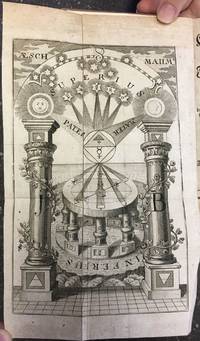
17821334227Berlin: Friedrich Maurer 1782. Second Edition. Hardcover. Octavo 16 429 1; VG; bound in brown library cloth gilt titling to spine; ex-library label removed from spine pencil erased from recto of title page; 2 vignettes folding frontispiece plate symbolic content some tape repair to rear wear and separation at folds; very mild foxing; faint orange underlining to three words on title page scattered pencil to title page;<br /> <br><br /> <br><br /> Scarce; AG consignment; shelved case 3. Rare and early freemasonry work by the German Adam Michael Birkholz. The First Masonic Grand Lodge was founded in England in 1717 spreading to the continent in the decades following. This history was first published in 1779 and republished in 1782.;<br /> <br><br /> <br><br /> "Birkholz was a Rosicrucian writer.Der Compass der Weisen.is a well known work though not trustworthy as to history. He wrote under the name of Adamah Booy" Adolph Frederick Alexander Woodford;<br /> <br><br /> <br><br /> "Birkholz maintained that he was one of the "members of the inner Constitution of the genuine and right Freemasonry" and with this book he intended "to present clearly and faithfully the history of this illustrious Order from the beginning of its founding." Florian Ebeling;<br /> <br><br /> <br><br /> "The history of the Order was described in detail in the book The Compass of Wisemen which was extremely popular in the masonic milieu" Konstantin Burmistrov Maria Endel;. 1334227. Shelved Dupont Bookstore. Friedrich Maurer hardcover books
1784113205Frankfurt, Hanau und Leipzig - Berlin und Leipzig, 1784. 20,5 x 12 cm ; Halbleder
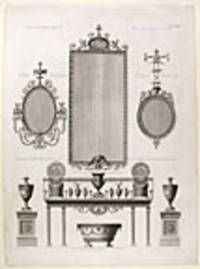
177517110London 1775. Engraving by P. Begbie. In excellent condition with the exception of two tears on right margin. A fine architectural engraving of ornate mirrors and tables from Robert Adam's seminal work on British architecture.<br/> <br/> Robert and his brother James Adam forever changed the face of British architecture by introducing innovative Classical design ideas. From 1754-57 Robert lived in Italy where he had a long productive friendship with Piranesi which was inspirational for both men. Adam's first book on Diocletian's palace in Dalmatia is clearly very like the archaeological investigations Piranesi was making at the same time of similar ruins. Piranesi's friendship and passion for Roman Classicism were seminal influences on Adam and the greatest single factor other than his own talent in the work Adam produced on his return to England. Upon his return the brothers launched their career by building the Adelphi from the Thames to the Strand in London which although not a commercial success at the time included one of London's most cherished buildings the Adlephi Theatre. Together the Adam brothers designed and built some of the most famous buildings in England including such bastions of English architecture as Kenwood House Keddlestone Manor and Syon House. To the interiors of their English country houses the Adams brought wonderful ornamental elements in niches lunettes festoons and reliefs. Their classically designed buildings were so numerous in London that they changed the prevailing feel of the city and established their brand of neo-Classicism as the model of elegance and importance. It is asserted that the brothers originated the concept of the uniform facade attached to the typical English row house an architectural device that distinguishes London buildings. This monumental contribution is evidenced in the Adams' designs for Portland Place and Fitzroy Square and these were used as architectural models for the whole city. The brothers brought their talents into other areas by designing furniture to complement their beautiful interiors and by creating and publishing a treatise of design entitled 'Works in Architecture'. The work was published in three volumes over an extended span of time beginning in 1773 with the final volume being published posthumously in 1822.<br/> <br/> Cf. Brunet I.47; cf. Lowndes I p.8; DNB; Wilton-Ely The Mind and Art of Giovanni Battista Piranesi. unknown
177517573London 1775. Engraving by P. Begbie. In excellent condition with the exception of two tears on right margin. A fine architectural engraving of ornate mirrors and tables from Robert Adam's seminal work on British architecture.<br/> <br/> Robert and his brother James Adam forever changed the face of British architecture by introducing innovative Classical design ideas. From 1754-57 Robert lived in Italy where he had a long productive friendship with Piranesi which was inspirational for both men. Adam's first book on Diocletian's palace in Dalmatia is clearly very like the archaeological investigations Piranesi was making at the same time of similar ruins. Piranesi's friendship and passion for Roman Classicism were seminal influences on Adam and the greatest single factor other than his own talent in the work Adam produced on his return to England. Upon his return the brothers launched their career by building the Adelphi from the Thames to the Strand in London which although not a commercial success at the time included one of London's most cherished buildings the Adlephi Theatre. Together the Adam brothers designed and built some of the most famous buildings in England including such bastions of English architecture as Kenwood House Keddlestone Manor and Syon House. To the interiors of their English country houses the Adams brought wonderful ornamental elements in niches lunettes festoons and reliefs. Their classically designed buildings were so numerous in London that they changed the prevailing feel of the city and established their brand of neo-Classicism as the model of elegance and importance. It is asserted that the brothers originated the concept of the uniform facade attached to the typical English row house an architectural device that distinguishes London buildings. This monumental contribution is evidenced in the Adams' designs for Portland Place and Fitzroy Square and these were used as architectural models for the whole city. The brothers brought their talents into other areas by designing furniture to complement their beautiful interiors and by creating and publishing a treatise of design entitled 'Works in Architecture'. The work was published in three volumes over an extended span of time beginning in 1773 with the final volume being published posthumously in 1822.<br/> <br/> Cf. Brunet I.47; cf. Lowndes I p.8; DNB; Wilton-Ely The Mind and Art of Giovanni Battista Piranesi. unknown
177517573London 1775. Engraving by P. Begbie. In excellent condition with the exception of two tears on right margin. A fine architectural engraving of ornate mirrors and tables from Robert Adam's seminal work on British architecture.<br/> <br/>Robert and his brother James Adam forever changed the face of British architecture by introducing innovative Classical design ideas. From 1754-57 Robert lived in Italy where he had a long productive friendship with Piranesi which was inspirational for both men. Adam's first book on Diocletian's palace in Dalmatia is clearly very like the archaeological investigations Piranesi was making at the same time of similar ruins. Piranesi's friendship and passion for Roman Classicism were seminal influences on Adam and the greatest single factor other than his own talent in the work Adam produced on his return to England. Upon his return the brothers launched their career by building the Adelphi from the Thames to the Strand in London which although not a commercial success at the time included one of London's most cherished buildings the Adlephi Theatre. Together the Adam brothers designed and built some of the most famous buildings in England including such bastions of English architecture as Kenwood House Keddlestone Manor and Syon House. To the interiors of their English country houses the Adams brought wonderful ornamental elements in niches lunettes festoons and reliefs. Their classically designed buildings were so numerous in London that they changed the prevailing feel of the city and established their brand of neo-Classicism as the model of elegance and importance. It is asserted that the brothers originated the concept of the uniform facade attached to the typical English row house an architectural device that distinguishes London buildings. This monumental contribution is evidenced in the Adams' designs for Portland Place and Fitzroy Square and these were used as architectural models for the whole city. The brothers brought their talents into other areas by designing furniture to complement their beautiful interiors and by creating and publishing a treatise of design entitled 'Works in Architecture'. The work was published in three volumes over an extended span of time beginning in 1773 with the final volume being published posthumously in 1822.<br/> <br/>Cf. Brunet I.47; cf. Lowndes I p.8; DNB; Wilton-Ely The Mind and Art of Giovanni Battista Piranesi. unknown books
177731054London 1777. Copper engraving. Engraved by B. Pastorini. In excellent condition. An elegant engraving depicting the beautiful ceiling design in the countess of Derby's dressing room in her celebrated house in Grosvenor Square London.<br/> <br/> Robert and his brother James Adam forever changed the face of British architecture by introducing innovative Classical design ideas. From 1754-57 Robert lived in Italy where he had a long productive friendship with Piranesi which was inspirational for both men. Adam's first book on Diocletian's palace in Dalmatia is clearly very like the archaeological investigations Piranesi was making at the same time of similar ruins. Piranesi's friendship and passion for Roman Classicism were seminal influences on Adam and the greatest single factor other than his own talent in the work Adam produced on his return to England. Upon his return the brothers launched their career by building the Adelphi from the Thames to the Strand in London which although not a commercial success at the time included one of London's most cherished buildings the Adlephi Theatre. Together the Adam brothers designed and built some of the most famous buildings in England including such bastions of English architecture as Kenwood House Keddlestone Manor and Syon House. To the interiors of their English country houses the Adams brought wonderful ornamental elements in niches lunettes festoons and reliefs. Their classically designed buildings were so numerous in London that they changed the prevailing feel of the city and established their brand of neo-Classicism as the model of elegance and importance. It is asserted that the brothers originated the concept of the uniform facade attached to the typical English row house an architectural device that distinguishes London buildings. This monumental contribution is evidenced in the Adams' designs for Portland Place and Fitzroy Square and these were used as architectural models for the whole city. The brothers brought their talents into other areas by designing furniture to complement their beautiful interiors and by creating and publishing a treatise of design entitled 'Works in Architecture'. The work was published in three volumes over an extended span of time beginning in 1773 with the final volume being published posthumously in 1822.<br/> <br/> Cf. Brunet I.47; cf. Lowndes I p.8; DNB; Wilton-Ely The Mind and Art of Giovanni Battista Piranesi. unknown
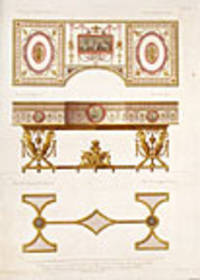
177434076London 1774. Engraving coloured by hand by B. Pastorini old dampstain to upper left margin. A fine engraving with contemporary hand colouring of a painted plaster and stucco ceiling from the interior at Kenwood House in Hampstead London re-modelled in 1761-1773 and now home to the Iveagh Bequest picture collection.<br/> <br/> Robert and his brother James Adam forever changed the face of British architecture by introducing innovative Classical design ideas. From 1754-57 Robert lived in Italy where he had a long productive friendship with Piranesi which was inspirational for both men. Adam's first book on Diocletian's palace in Dalmatia is clearly very like the archaeological investigations Piranesi was making at the same time of similar ruins. Piranesi's friendship and passion for Roman Classicism were seminal influences on Adam and the greatest single factor other than his own talent in the work Adam produced on his return to England. Upon his return the brothers launched their career by building the Adelphi from the Thames to the Strand in London which although not a commercial success at the time included one of London's most cherished buildings the Adlephi Theatre. Together the Adam brothers designed and built some of the most famous buildings in England including such bastions of English architecture as Kenwood House Keddlestone Manor and Syon House. To the interiors of their English country houses the Adams brought wonderful ornamental elements in niches lunettes festoons and reliefs. Their classically designed buildings were so numerous in London that they changed the prevailing feel of the city and established their brand of neo-Classicism as the model of elegance and importance. It is asserted that the brothers originated the concept of the uniform facade attached to the typical English row house an architectural device that distinguishes London buildings. This monumental contribution is evidenced in the Adams' designs for Portland Place and Fitzroy Square and these were used as architectural models for the whole city. The brothers brought their talents into other areas by designing furniture to complement their beautiful interiors and by creating and publishing a treatise of design entitled 'Works in Architecture'. The work was published in three volumes over an extended span of time beginning in 1773 with the final volume being published posthumously in 1822.<br/> <br/> Cf. Brunet I.47; cf. Lowndes I p.8; DNB; Wilton-Ely The Mind and Art of Giovanni Battista Piranesi. unknown
177517101London 1775. Copper engraving with original hand colouring. Engraving by P. Begbie. A fine engraving of an ornate harpsichord designed for the Empress of Russia.<br/> <br/> Robert and his brother James Adam forever changed the face of British architecture by introducing innovative Classical design ideas. From 1754-57 Robert lived in Italy where he had a long productive friendship with Piranesi which was inspirational for both men. Adam's first book on Diocletian's palace in Dalmatia is clearly very like the archaeological investigations Piranesi was making at the same time of similar ruins. Piranesi's friendship and passion for Roman Classicism were seminal influences on Adam and the greatest single factor other than his own talent in the work Adam produced on his return to England. Upon his return the brothers launched their career by building the Adelphi from the Thames to the Strand in London which although not a commercial success at the time included one of London's most cherished buildings the Adelphi Theatre. Together the Adam brothers designed and built some of the most famous buildings in England including such bastions of English architecture as Kenwood House Keddlestone Manor and Syon House. To the interiors of their English country houses the Adams brought wonderful ornamental elements in niches lunettes festoons and reliefs. Their classically designed buildings were so numerous in London that they changed the prevailing feel of the city and established their brand of neo-Classicism as the model of elegance and importance. It is asserted that the brothers originated the concept of the uniform facade attached to the typical English row house an architectural device that distinguishes London buildings. This monumental contribution is evidenced in the Adams' designs for Portland Place and Fitzroy Square and these were used as architectural models for the whole city. The brothers brought their talents into other areas by designing furniture to complement their beautiful interiors and by creating and publishing a treatise of design entitled 'Works in Architecture'. The work was published in three volumes over an extended span of time beginning in 1773 with the final volume being published posthumously in 1822.<br/> <br/> Cf. Brunet I.47; cf. Lowndes I p.8; DNB; Wilton-Ely The Mind and Art of Giovanni Battista Piranesi. unknown
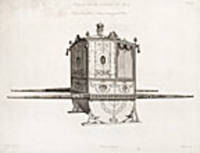
177517100London 1775. Engraving by P. Begbie. In excellent condition with the exception of some paper discolouration on the upper margin. A fine engraving of the sedan chair designed for Queen Charlotte.<br/> <br/> Robert and his brother James Adam forever changed the face of British architecture by introducing innovative Classical design ideas. From 1754-57 Robert lived in Italy where he had a long productive friendship with Piranesi which was inspirational for both men. Adam's first book on Diocletian's palace in Dalmatia is clearly very like the archaeological investigations Piranesi was making at the same time of similar ruins. Piranesi's friendship and passion for Roman Classicism were seminal influences on Adam and the greatest single factor other than his own talent in the work Adam produced on his return to England. Upon his return the brothers launched their career by building the Adelphi from the Thames to the Strand in London which although not a commercial success at the time included one of London's most cherished buildings the Adlephi Theatre. Together the Adam brothers designed and built some of the most famous buildings in England including such bastions of English architecture as Kenwood House Keddlestone Manor and Syon House. To the interiors of their English country houses the Adams brought wonderful ornamental elements in niches lunettes festoons and reliefs. Their classically designed buildings were so numerous in London that they changed the prevailing feel of the city and established their brand of neo-Classicism as the model of elegance and importance. It is asserted that the brothers originated the concept of the uniform facade attached to the typical English row house an architectural device that distinguishes London buildings. This monumental contribution is evidenced in the Adams' designs for Portland Place and Fitzroy Square and these were used as architectural models for the whole city. The brothers brought their talents into other areas by designing furniture to complement their beautiful interiors and by creating and publishing a treatise of design entitled 'Works in Architecture'. The work was published in three volumes over an extended span of time beginning in 1773 with the final volume being published posthumously in 1822.<br/> <br/> Cf. Brunet I.47; cf. Lowndes I p.8; DNB; Wilton-Ely The Mind and Art of Giovanni Battista Piranesi. unknown
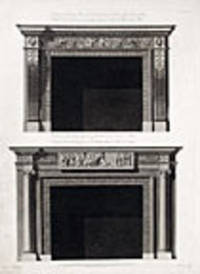
177517099London 1775. Engraving by D. Cunego. In excellent condition with the exception of being trimmed just outside the platemark on left margin. Some paper discolouration on left margin and 1" loss lower left corner. A fine engraving of the fireplaces at St. James's Palace and the Queen's House in London.<br/> <br/> Robert and his brother James Adam forever changed the face of British architecture by introducing innovative Classical design ideas. From 1754-57 Robert lived in Italy where he had a long productive friendship with Piranesi which was inspirational for both men. Adam's first book on Diocletian's palace in Dalmatia is clearly very like the archaeological investigations Piranesi was making at the same time of similar ruins. Piranesi's friendship and passion for Roman Classicism were seminal influences on Adam and the greatest single factor other than his own talent in the work Adam produced on his return to England. Upon his return the brothers launched their career by building the Adelphi from the Thames to the Strand in London which although not a commercial success at the time included one of London's most cherished buildings the Adlephi Theatre. Together the Adam brothers designed and built some of the most famous buildings in England including such bastions of English architecture as Kenwood House Keddlestone Manor and Syon House. To the interiors of their English country houses the Adams brought wonderful ornamental elements in niches lunettes festoons and reliefs. Their classically designed buildings were so numerous in London that they changed the prevailing feel of the city and established their brand of neo-Classicism as the model of elegance and importance. It is asserted that the brothers originated the concept of the uniform facade attached to the typical English row house an architectural device that distinguishes London buildings. This monumental contribution is evidenced in the Adams' designs for Portland Place and Fitzroy Square and these were used as architectural models for the whole city. The brothers brought their talents into other areas by designing furniture to complement their beautiful interiors and by creating and publishing a treatise of design entitled 'Works in Architecture'. The work was published in three volumes over an extended span of time beginning in 1773 with the final volume being published posthumously in 1822.<br/> <br/> Cf. Brunet I.47; cf. Lowndes I p.8; DNB; Wilton-Ely The Mind and Art of Giovanni Battista Piranesi. unknown
177517099London 1775. Engraving by D. Cunego. In excellent condition with the exception of being trimmed just outside the platemark on left margin. Some paper discolouration on left margin and 1" loss lower left corner. A fine engraving of the fireplaces at St. James's Palace and the Queen's House in London.<br/> <br/>Robert and his brother James Adam forever changed the face of British architecture by introducing innovative Classical design ideas. From 1754-57 Robert lived in Italy where he had a long productive friendship with Piranesi which was inspirational for both men. Adam's first book on Diocletian's palace in Dalmatia is clearly very like the archaeological investigations Piranesi was making at the same time of similar ruins. Piranesi's friendship and passion for Roman Classicism were seminal influences on Adam and the greatest single factor other than his own talent in the work Adam produced on his return to England. Upon his return the brothers launched their career by building the Adelphi from the Thames to the Strand in London which although not a commercial success at the time included one of London's most cherished buildings the Adlephi Theatre. Together the Adam brothers designed and built some of the most famous buildings in England including such bastions of English architecture as Kenwood House Keddlestone Manor and Syon House. To the interiors of their English country houses the Adams brought wonderful ornamental elements in niches lunettes festoons and reliefs. Their classically designed buildings were so numerous in London that they changed the prevailing feel of the city and established their brand of neo-Classicism as the model of elegance and importance. It is asserted that the brothers originated the concept of the uniform facade attached to the typical English row house an architectural device that distinguishes London buildings. This monumental contribution is evidenced in the Adams' designs for Portland Place and Fitzroy Square and these were used as architectural models for the whole city. The brothers brought their talents into other areas by designing furniture to complement their beautiful interiors and by creating and publishing a treatise of design entitled 'Works in Architecture'. The work was published in three volumes over an extended span of time beginning in 1773 with the final volume being published posthumously in 1822.<br/> <br/>Cf. Brunet I.47; cf. Lowndes I p.8; DNB; Wilton-Ely The Mind and Art of Giovanni Battista Piranesi. unknown books
177517101London 1775. Copper engraving with hand colour. Engraving by P. Begbie. In excellent condition with the exception of being trimmed just on the platemark on the left margin. Mild soiling mostly marginal. A fine engraving of an ornate harpsichord designed for the Empress of Russia.<br/> <br/>Robert and his brother James Adam forever changed the face of British architecture by introducing innovative Classical design ideas. From 1754-57 Robert lived in Italy where he had a long productive friendship with Piranesi which was inspirational for both men. Adam's first book on Diocletian's palace in Dalmatia is clearly very like the archaeological investigations Piranesi was making at the same time of similar ruins. Piranesi's friendship and passion for Roman Classicism were seminal influences on Adam and the greatest single factor other than his own talent in the work Adam produced on his return to England. Upon his return the brothers launched their career by building the Adelphi from the Thames to the Strand in London which although not a commercial success at the time included one of London's most cherished buildings the Adlephi Theatre. Together the Adam brothers designed and built some of the most famous buildings in England including such bastions of English architecture as Kenwood House Keddlestone Manor and Syon House. To the interiors of their English country houses the Adams brought wonderful ornamental elements in niches lunettes festoons and reliefs. Their classically designed buildings were so numerous in London that they changed the prevailing feel of the city and established their brand of neo-Classicism as the model of elegance and importance. It is asserted that the brothers originated the concept of the uniform facade attached to the typical English row house an architectural device that distinguishes London buildings. This monumental contribution is evidenced in the Adams' designs for Portland Place and Fitzroy Square and these were used as architectural models for the whole city. The brothers brought their talents into other areas by designing furniture to complement their beautiful interiors and by creating and publishing a treatise of design entitled 'Works in Architecture'. The work was published in three volumes over an extended span of time beginning in 1773 with the final volume being published posthumously in 1822.<br/> <br/>Cf. Brunet I.47; cf. Lowndes I p.8; DNB; Wilton-Ely The Mind and Art of Giovanni Battista Piranesi. unknown books
177517100London 1775. Engraving by P. Begbie. In excellent condition with the exception of some paper discolouration on the upper margin. A fine engraving of the sedan chair designed for Queen Charlotte.<br/> <br/>Robert and his brother James Adam forever changed the face of British architecture by introducing innovative Classical design ideas. From 1754-57 Robert lived in Italy where he had a long productive friendship with Piranesi which was inspirational for both men. Adam's first book on Diocletian's palace in Dalmatia is clearly very like the archaeological investigations Piranesi was making at the same time of similar ruins. Piranesi's friendship and passion for Roman Classicism were seminal influences on Adam and the greatest single factor other than his own talent in the work Adam produced on his return to England. Upon his return the brothers launched their career by building the Adelphi from the Thames to the Strand in London which although not a commercial success at the time included one of London's most cherished buildings the Adlephi Theatre. Together the Adam brothers designed and built some of the most famous buildings in England including such bastions of English architecture as Kenwood House Keddlestone Manor and Syon House. To the interiors of their English country houses the Adams brought wonderful ornamental elements in niches lunettes festoons and reliefs. Their classically designed buildings were so numerous in London that they changed the prevailing feel of the city and established their brand of neo-Classicism as the model of elegance and importance. It is asserted that the brothers originated the concept of the uniform facade attached to the typical English row house an architectural device that distinguishes London buildings. This monumental contribution is evidenced in the Adams' designs for Portland Place and Fitzroy Square and these were used as architectural models for the whole city. The brothers brought their talents into other areas by designing furniture to complement their beautiful interiors and by creating and publishing a treatise of design entitled 'Works in Architecture'. The work was published in three volumes over an extended span of time beginning in 1773 with the final volume being published posthumously in 1822.<br/> <br/>Cf. Brunet I.47; cf. Lowndes I p.8; DNB; Wilton-Ely The Mind and Art of Giovanni Battista Piranesi. unknown books
177431062London 1774. Engraving by B. Pastorini. A fine engraving of a painted plaster and stucco ceiling from the interior at Kenwood House in Hampstead London re-modelled in 1761-1773 and now home to the Iveagh Bequest picture collection.<br/> <br/>Robert and his brother James Adam forever changed the face of British architecture by introducing innovative Classical design ideas. From 1754-57 Robert lived in Italy where he had a long productive friendship with Piranesi which was inspirational for both men. Adam's first book on Diocletian's palace in Dalmatia is clearly very like the archaeological investigations Piranesi was making at the same time of similar ruins. Piranesi's friendship and passion for Roman Classicism were seminal influences on Adam and the greatest single factor other than his own talent in the work Adam produced on his return to England. Upon his return the brothers launched their career by building the Adelphi from the Thames to the Strand in London which although not a commercial success at the time included one of London's most cherished buildings the Adlephi Theatre. Together the Adam brothers designed and built some of the most famous buildings in England including such bastions of English architecture as Kenwood House Keddlestone Manor and Syon House. To the interiors of their English country houses the Adams brought wonderful ornamental elements in niches lunettes festoons and reliefs. Their classically designed buildings were so numerous in London that they changed the prevailing feel of the city and established their brand of neo-Classicism as the model of elegance and importance. It is asserted that the brothers originated the concept of the uniform facade attached to the typical English row house an architectural device that distinguishes London buildings. This monumental contribution is evidenced in the Adams' designs for Portland Place and Fitzroy Square and these were used as architectural models for the whole city. The brothers brought their talents into other areas by designing furniture to complement their beautiful interiors and by creating and publishing a treatise of design entitled 'Works in Architecture'. The work was published in three volumes over an extended span of time beginning in 1773 with the final volume being published posthumously in 1822.<br/> <br/>Cf. Brunet I.47; cf. Lowndes I p.8; DNB; Wilton-Ely The Mind and Art of Giovanni Battista Piranesi. unknown books
177434076London 1774. Engraving coloured by hand by B. Pastorini old dampstain to upper left margin. A fine engraving with contemporary hand colouring of a painted plaster and stucco ceiling from the interior at Kenwood House in Hampstead London re-modelled in 1761-1773 and now home to the Iveagh Bequest picture collection.<br/> <br/>Robert and his brother James Adam forever changed the face of British architecture by introducing innovative Classical design ideas. From 1754-57 Robert lived in Italy where he had a long productive friendship with Piranesi which was inspirational for both men. Adam's first book on Diocletian's palace in Dalmatia is clearly very like the archaeological investigations Piranesi was making at the same time of similar ruins. Piranesi's friendship and passion for Roman Classicism were seminal influences on Adam and the greatest single factor other than his own talent in the work Adam produced on his return to England. Upon his return the brothers launched their career by building the Adelphi from the Thames to the Strand in London which although not a commercial success at the time included one of London's most cherished buildings the Adlephi Theatre. Together the Adam brothers designed and built some of the most famous buildings in England including such bastions of English architecture as Kenwood House Keddlestone Manor and Syon House. To the interiors of their English country houses the Adams brought wonderful ornamental elements in niches lunettes festoons and reliefs. Their classically designed buildings were so numerous in London that they changed the prevailing feel of the city and established their brand of neo-Classicism as the model of elegance and importance. It is asserted that the brothers originated the concept of the uniform facade attached to the typical English row house an architectural device that distinguishes London buildings. This monumental contribution is evidenced in the Adams' designs for Portland Place and Fitzroy Square and these were used as architectural models for the whole city. The brothers brought their talents into other areas by designing furniture to complement their beautiful interiors and by creating and publishing a treatise of design entitled 'Works in Architecture'. The work was published in three volumes over an extended span of time beginning in 1773 with the final volume being published posthumously in 1822.<br/> <br/>Cf. Brunet I.47; cf. Lowndes I p.8; DNB; Wilton-Ely The Mind and Art of Giovanni Battista Piranesi. unknown books
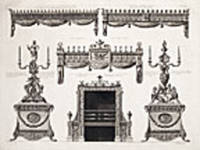
177517116London 1775. Engraving by B. Pastorini. In excellent condition. An elegant engraving showing the decorations of the chimney piece and curtain cornices at Sutton Park House in North Yorkshire.<br/> <br/> Robert and his brother James Adam forever changed the face of British architecture by introducing innovative Classical design ideas. From 1754-57 Robert lived in Italy where he had a long productive friendship with Piranesi which was inspirational for both men. Adam's first book on Diocletian's palace in Dalmatia is clearly very like the archaeological investigations Piranesi was making at the same time of similar ruins. Piranesi's friendship and passion for Roman Classicism were seminal influences on Adam and the greatest single factor other than his own talent in the work Adam produced on his return to England. Upon his return the brothers launched their career by building the Adelphi from the Thames to the Strand in London which although not a commercial success at the time included one of London's most cherished buildings the Adlephi Theatre. Together the Adam brothers designed and built some of the most famous buildings in England including such bastions of English architecture as Kenwood House Keddlestone Manor and Syon House. To the interiors of their English country houses the Adams brought wonderful ornamental elements in niches lunettes festoons and reliefs. Their classically designed buildings were so numerous in London that they changed the prevailing feel of the city and established their brand of neo-Classicism as the model of elegance and importance. It is asserted that the brothers originated the concept of the uniform facade attached to the typical English row house an architectural device that distinguishes London buildings. This monumental contribution is evidenced in the Adams' designs for Portland Place and Fitzroy Square and these were used as architectural models for the whole city. The brothers brought their talents into other areas by designing furniture to complement their beautiful interiors and by creating and publishing a treatise of design entitled 'Works in Architecture'. The work was published in three volumes over an extended span of time beginning in 1773 with the final volume being published posthumously in 1822.<br/> <br/> Cf. Brunet I.47; cf. Lowndes I p.8; DNB; Wilton-Ely The Mind and Art of Giovanni Battista Piranesi. unknown
177517116London 1775. Engraving by B. Pastorini. In excellent condition. An elegant engraving showing the decorations of the chimney piece and curtain cornices at Sutton Park House in North Yorkshire.<br/> <br/>Robert and his brother James Adam forever changed the face of British architecture by introducing innovative Classical design ideas. From 1754-57 Robert lived in Italy where he had a long productive friendship with Piranesi which was inspirational for both men. Adam's first book on Diocletian's palace in Dalmatia is clearly very like the archaeological investigations Piranesi was making at the same time of similar ruins. Piranesi's friendship and passion for Roman Classicism were seminal influences on Adam and the greatest single factor other than his own talent in the work Adam produced on his return to England. Upon his return the brothers launched their career by building the Adelphi from the Thames to the Strand in London which although not a commercial success at the time included one of London's most cherished buildings the Adlephi Theatre. Together the Adam brothers designed and built some of the most famous buildings in England including such bastions of English architecture as Kenwood House Keddlestone Manor and Syon House. To the interiors of their English country houses the Adams brought wonderful ornamental elements in niches lunettes festoons and reliefs. Their classically designed buildings were so numerous in London that they changed the prevailing feel of the city and established their brand of neo-Classicism as the model of elegance and importance. It is asserted that the brothers originated the concept of the uniform facade attached to the typical English row house an architectural device that distinguishes London buildings. This monumental contribution is evidenced in the Adams' designs for Portland Place and Fitzroy Square and these were used as architectural models for the whole city. The brothers brought their talents into other areas by designing furniture to complement their beautiful interiors and by creating and publishing a treatise of design entitled 'Works in Architecture'. The work was published in three volumes over an extended span of time beginning in 1773 with the final volume being published posthumously in 1822.<br/> <br/>Cf. Brunet I.47; cf. Lowndes I p.8; DNB; Wilton-Ely The Mind and Art of Giovanni Battista Piranesi. unknown books
1706019498Johann Maximilian von Sand. 1706. 3rd Edition . Hardcover. Very Good. Contemporary sprinkled calf spine gilt red morocco label half-title title in red & black with engraved vignette. Spine ends rubbed corners bumped. Edge wear to the cover. Pages heavily toned. Complete in one volume. Library label dated 1860 to the back of the front cover. <br/> <br/> Johann Maximilian von Sand. hardcover
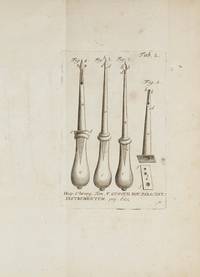
1723582731723. Disp. chir. 5/160. - Hrsg. v. Albrecht v. Haller. - Lausannae Sumptibus Marci-Michael Bousquet & Socior 1756 4° pp.611-622 1 Kupferstichtafel Rückenbroschur. Zweitabdruck "Observationum Domesticarum Specimen Offerens Novum Paracenteseos Instrumentum Einen zur Abzapffung der Wassersüchtigen bequämen Troiscart . : Dissertationis Inauguralis Pro Gradu Doctoris publicae . submitti / Michael Adamus Gusovius . Ad Diem XV. Octobris MDCCXXIII". unknown
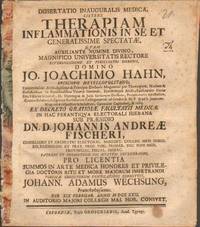
172221374Erfurt: Druck bei Grosch 1722. perfect. Gut. 24 Seiten 1 Blatt. Orig.-Broschur. Oktav 197 x 16 cm ohne Einband gering wellig und gebräunt recht frisch. Dissertation über die Behandlung von Entzündungen. Angebunden ein Blatt mit einem Huldigungsgedicht von J. F. de Pre an Wechsung. Wechsung stammte aus Frankenhausen Schwarzburg-Rudolstadt. - Weitere Bilder auf Anfrage oder auf unserer Homepage. Wegen Urlaub kann Ihre Bestellung / Anfrage erst nach dem 21.06.2026 bearbeitet werden. - Because of holidays your order / question can be handled only after 06/21/2026. Druck bei Grosch unknown
1798EBS100467Paris: Chez Théophile Barrois 1798. 1st Edition. Hardcover. Very Good/No Jacket. Weikard wrote the earliest reference to attention deficit hyperactivity disorder ADHD. He was progressive for his time believing that diseases have physical causes and not the result of moral wrongs or spiritual influences. A rare work. By the late 18th century Brown's Elementa Medicinae 1780 had sparked intense controversy across Europe. His system proposed that all diseases stemmed from either excessive or insufficient excitability in the body a radical departure from humoral and mechanical theories. Weikard an influential German physician sought to explain Brown s ideas in more accessible terms addressing both supporters and skeptics. BOOK DETAILS. 8vo 2 vols in one leather worn int. VG. Has internally pressed flower pieces. Interesting. Paris: Chez Théophile Barrois hardcover
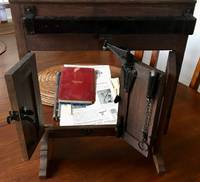
171956262Cedar Falls IA & Tigard OR: Wagner Manufacturing Co.; Orlo R.W. Hossack Architect & Salesman for H.F. Bonesteele 1917-1927. 1st - 4to. Approx. 150 pp sections separately paginated inserts. w/ four linen-backed silver gelatin photos sized 6.5 x 7 in. up to 8 x 10 in. 3 mounted on white linen hinges w/ whole punches at gutter margin colour inserts mimeographed price lists & order forms over 100 text illustrations & diagrams blue printed softcovers all preserved in limp leather 3-ring binder gilt lettering stamped on front cover minor shelfwear rubbing; 2nd - 4to. 15 1 pp. With text illustrations photos self-printed colour softcovers cover art of garage door being opened minor shelfwear; 3rd - 4to. 32 pp unpaginated. colour-printed title numerous text illustrations Gray-green illustrated softcovers split-pin binding yapp edges minor rubbing edgewear creasing to couple corners; 5th -- 2 copies. 16mo. 8 pp unpaginated. printed leporello accordion-style format illustrated & printed in red & black minor shelfwear; 6th - Folio. 9 x 16 in. 4 pieces. 2 pp unpaginated. broadsides text illustrations photos fold creases still VG; 7th -- 8vo. Approx. 100 leaves mostly carbon copies of orders all written in manuscript most located dated and signed at lower right corner by Hossack salesman limp red leatherette covers silk moire endpapers gilt stamping front cover some chipping edgewear rubbing; together with 8th -- Salesman Sample Case containing garage door sliding Model No. 58 from quarter-sawn oak featuring full-sized hardware sized 18.5 x 18 in. two Wagner rolling garage door & elevator door sets steel brackets all preserved in hardshell sample case sized 20 x 30.25 x 5 in. fitted w/ nickel-plated corners bosses on bottom handle and clasps khaki-coloured cloth lining and pockets scuffing edgewear still VG exemplar originally owned and used by Orlo Ray William Hossack 1891-1937 a Portland architect real estate developer and salesman for Bonesteele to his clients. First editions thus of these catalogues and exceedingly rare complete salesman sample kit for the Wagner Manufacturing garage door hardware in the 1920s. After World War I the explosion and popularity of automobile ownership in the United States created a desperate need to house these often cantankerous and essential machines for homes businesses and commercial fleets. By quickly adapting their hardware sets for elevator doors first introduced before World War I Wagner was able to quickly capitalize on the market growth and need for door hardware to retrofit existing garages as well as new construction. Often coupled with doors produced by Johnson Fimbel Hartford Barber-Colman Overhead and Crawford the Wagner hardware sets proved durable and popular. In addition this sample kit features the specialized steel stud brackets developed by Wagner to help brace garages and sheds adapted for garage doors to hold automobiles as the weight of the doors could damage existing construction as Americans were interested in rolling doors and sectional garage doors rather than traditional swing-out barn-type doors. Wagner 1871-1937 originally founded his company in Cedar Falls IA in 1904 to manufacture children’s sleds coaster wagons and hay rack fixtures with a variety of door hardware. They merge with Star Elevator Doors before World War I and later with Boardman Elevator Control of Chicago with primary customers as Otis Elevator and Westinghouse. In 1934 Wagner began producing the iconic Wagner Overhead Garage Door and by the 1950s had become one of the largest garage door manufacturers in the country. Worldcat locates 1 copy of No. 25 Harvard; and 1 of Wagner-Star Elevator Door Cat Univ. of Kansas; no copies of the other catalogues or examples of the Salesman Sample Model in case. Wagner Manufacturing Co.; Orlo R.W. Hossack, Architect & Salesman for H.F. Bonesteele, paperback
1785318437London 1785. The Sixth Edition. First published in 1678 as 'Linguæ Latinæ liber dictionarius quadripartitus'. With 2 maps one of Italy coloured and the other of Rome. 1430pp. Thick 4to. Bound in modern three quarters mottled tan calf and marbleds boards. Fine minor worming in small part of margin. The Sixth Edition. First published in 1678 as 'Linguæ Latinæ liber dictionarius quadripartitus'. With 2 maps one of Italy coloured and the other of Rome. 1430pp. Thick 4to. ESTC T84402 unknown