Bertola Pierre-Alain:Livre Rare Book
10 681 résultats
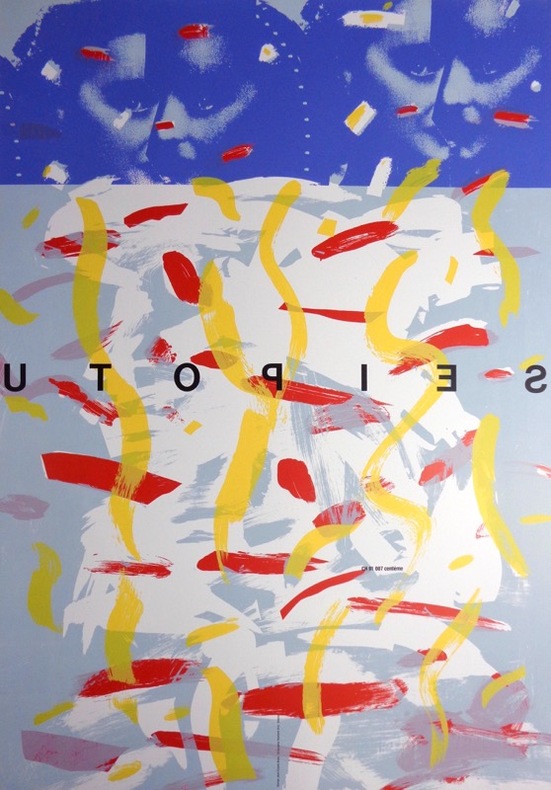
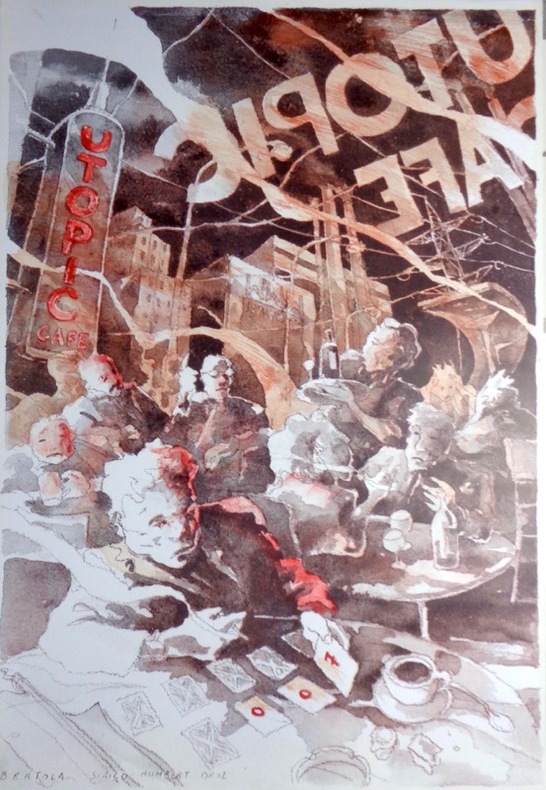
19913195Sérigraphie Humbert-Droz, 1991. Affiche sérigraphiée grand format, faisant partie d'une série réalisée par des dessinateurs du cru (toutes au format d'environ 70 x 100 cm.) célébrant à leur manière le 700e anniversaire de la Confédération suisse (1991, vous en souvient-il?).
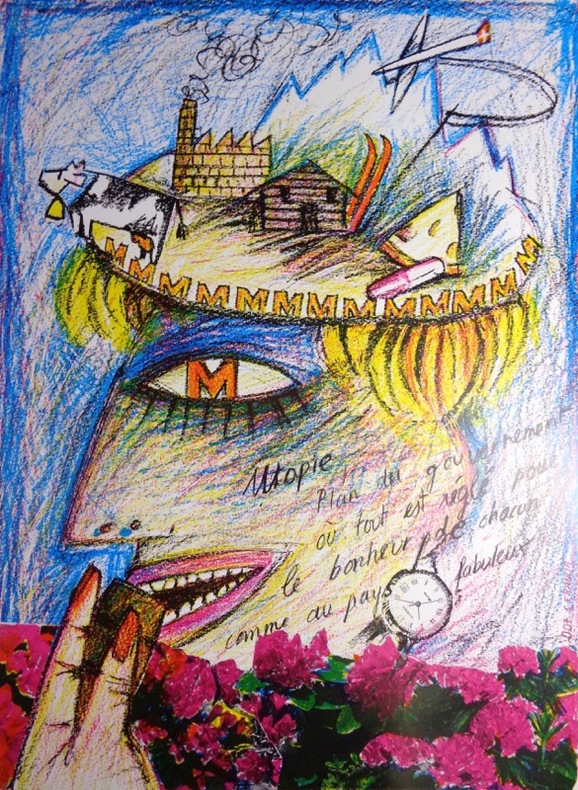
19913212Sérigraphie Humbert-Droz, 1991. Affiche sérigraphiée grand format, faisant partie d'une série réalisée par des dessinateurs du cru (toutes au format d'environ 70 x 100 cm.) célébrant à leur manière le 700e anniversaire de la Confédération suisse (1991, vous en souvient-il?).
19913211Sérigraphie Humbert-Droz, 1991. Affiche sérigraphiée grand format, faisant partie d'une série réalisée par des dessinateurs du cru (toutes au format d'environ 70 x 100 cm.) célébrant à leur manière le 700e anniversaire de la Confédération suisse (1991, vous en souvient-il?).
19913196Sérigraphie Humbert-Droz, 1991. Affiche sérigraphiée grand format, faisant partie d'une série réalisée par des dessinateurs du cru (toutes au format d'environ 70 x 100 cm.) célébrant à leur manière le 700e anniversaire de la Confédération suisse (1991, vous en souvient-il?).
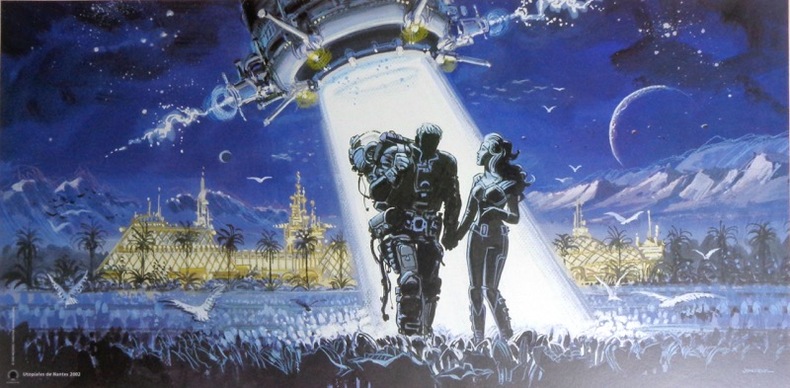
2861Christian Desbois. Affiche au format 50 x 25 cm., à l'état de neuf.
français Affiche originale du film. 83x57 cm. Pliée. Petits accrocs sur le bord supérieur.
3485Affiche au format 50 x 70 cm., à l'état de neuf.
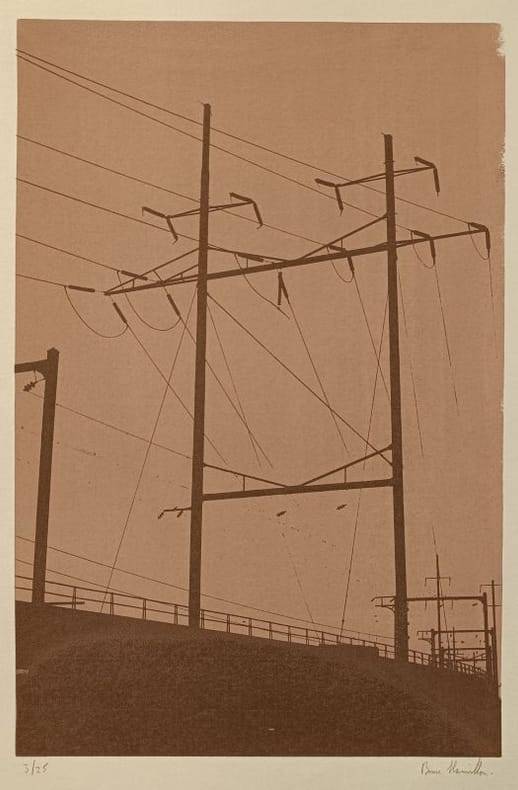
4319Sérigraphie originale imprimée sur papier vergé, frangé. Sans date. Dim: 610 x 490 mm. Tirée à 25 exemplaires.
4319Sérigraphie originale imprimée sur papier vergé, frangé. Sans date. Dim: 610 x 490 mm. Tirée à 25 exemplaires.
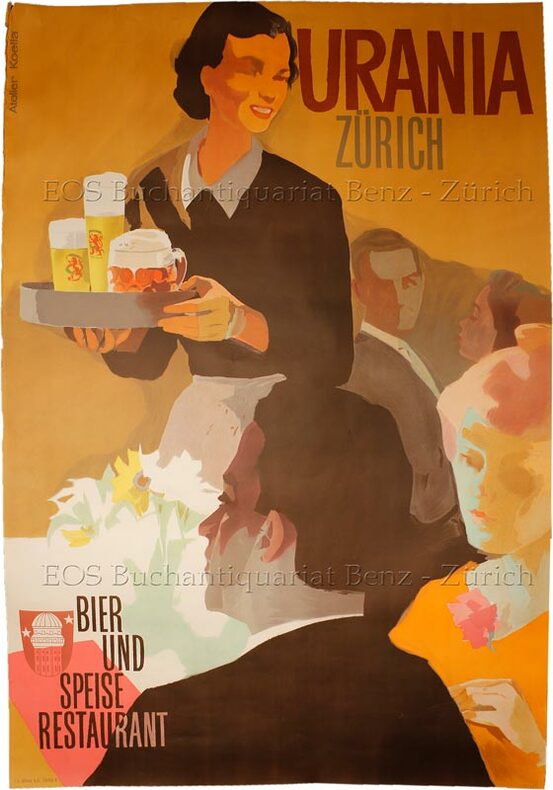
1951586DGZürich, J.C. Müller, 1951. Fabrlithographie auf Papier. Bildgrösse: 127 x 92 cm. + Wichtig: Für unsere Kunden in der EU erfolgt der Versand alle 14 Tage verzollt ab Deutschland / Postbank-Konto in Deutschland vorhanden +, bild
1951586DGZürich, J.C. Müller, 1951. Fabrlithographie auf Papier. Bildgrösse: 127 x 92 cm.
66091CBo.J. [2 Warenabbildungen] (Meinhard von Gerkan, geb. 03.01.1935 in Riga, gest. 30.11.2022 in Hamburg, deutscher Architekt. Entwürfe für die Flughä
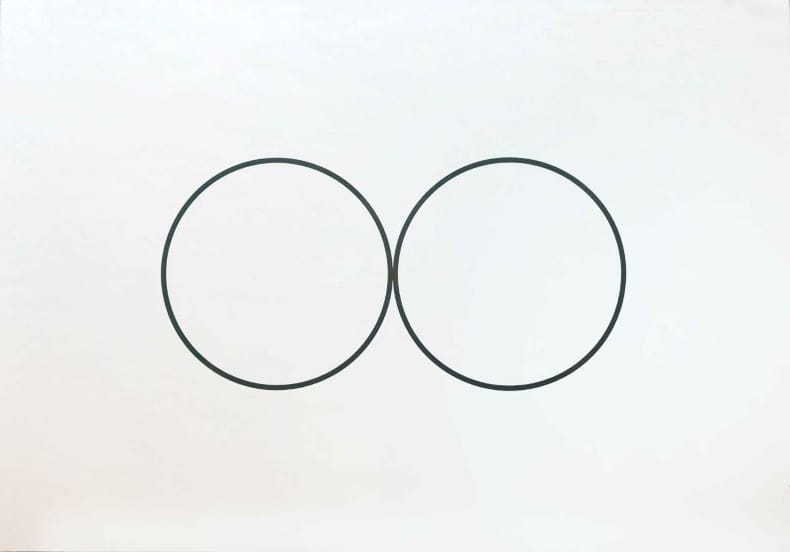
19911029331991 affiche Buffalo, Albright-Knox Art Gallery, 1991, feuille 695x985mm, double cercle imprimé en doré sur papier blanc en lithographie, provenant d’une pile de feuilles identiques présentée dans la galerie, chaque visiteur étant invité à emporter un exemplaire.(102933)
200463235ABHannover., Kestner Gesellschaft., 2004. 84 x 59 cm., 63235AB Papier im unteren Drittel etwas gewellt und leicht knitterspurig. Gutes Exemplar.
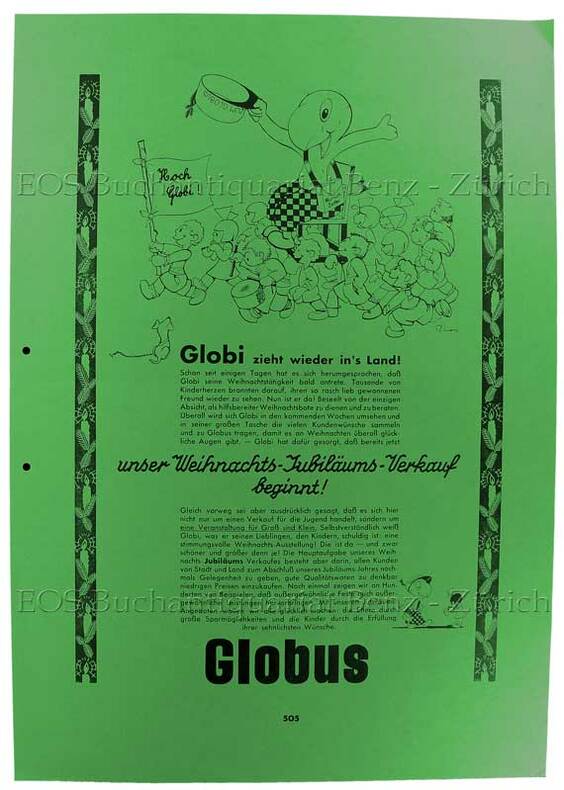
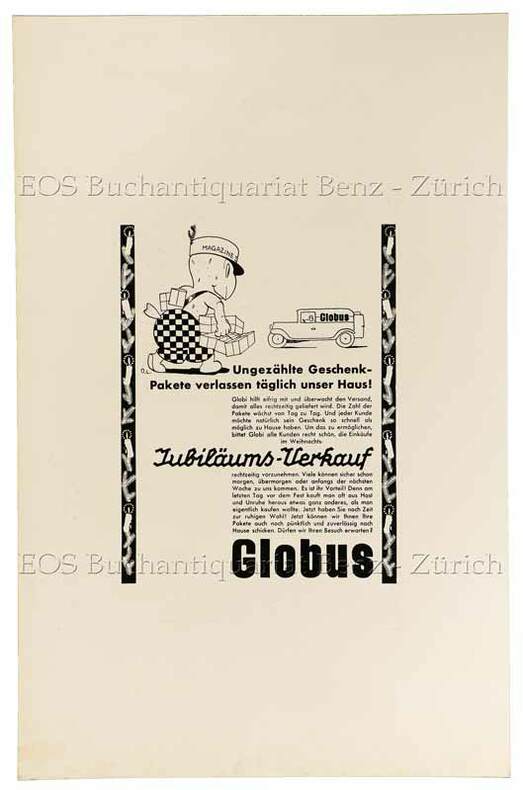
1932403BGZürich, Globus, um 1932. Blattgrösse: 54 x 38 cm. + Wichtig: Für unsere Kunden in der EU erfolgt der Versand alle 14 Tage verzollt ab Deutschland / Postbank-Konto in Deutschland vorhanden +, Nr. 505
1932403BGZürich, Globus, um 1932. Blattgrösse: 54 x 38 cm.
- 1941, 24,5x33cm, 82 feuilles., relié. - Recueil constitué par l'artiste de 82 lithographies réalisées entre 1939 et 1940 d'après ses dessins. Toutes sont des portraits du personnel enseignant de l'université de Genève, au crayon noir ou gras, et comportent en légende le nom du modèle et la signature de l'auteur, ainsi qu'une date. On distinguera le portrait de Jean Piaget, qui fut amplement utilisé comme image du psychologue. Le papier habituellement utilisé est celui usité pour le dessin, et les qualités de la lithographie laissent penser qu'il s'agit de dessins originaux ; on pense que l'auteur possédait sa propre presse et réalisait ses lithographies. Reliure en pleine basane citron marbré d'époque. Dos lisse, titre argenté. Sur le plat , en lettres d'argent : Université de Genève, avec les armes au-dessous, et en bas à droite : Oscar Lazar, 1941. Frottements et quelques épidermures. L'artiste fera relié semblablement ses recueils de dessins originaux, cette reliure agissant comme une reliure personnalisée pour les oeuvres de Lazar. Envoi : Dédié à Monsieur Albert Lagier. Chêne-Bougerie, le 20.IV. 1942. Lazar. Albert Lagier était alors recteur de l'Académie de Genève. Dessinateur et portraitiste d'origine hongroise, Oscar Lazar s'est installé à Genève en 1924. Il publie plusieurs ouvrages sur des personnalités genevoises, suisses et internationales d'après ses dessins (Rotary, Saint-Moritz, Zurich, Société des Nations). La bibliothèque de Genève possède des dessins originaux. [ENGLISH DESCRIPTION ON DEMAND]
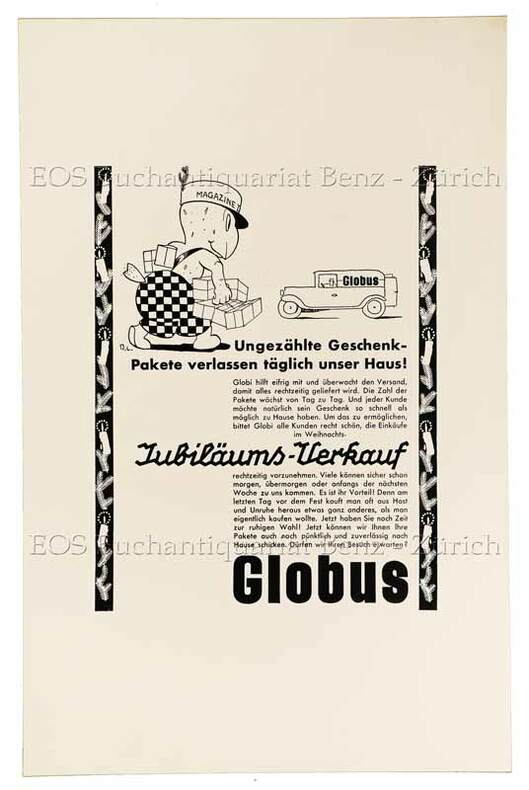
1933469BGZürich, Globus, um 1933. Blattgrösse: 38.5 x 25 cm. + Wichtig: Für unsere Kunden in der EU erfolgt der Versand alle 14 Tage verzollt ab Deutschland / Postbank-Konto in Deutschland vorhanden +, bild
1933467BGZürich, Globus, um 1933. Blattgrösse: 38.5 x 25 cm. + Wichtig: Für unsere Kunden in der EU erfolgt der Versand alle 14 Tage verzollt ab Deutschland / Postbank-Konto in Deutschland vorhanden +, bild
1933467BGZürich, Globus, um 1933. Blattgrösse: 38.5 x 25 cm.
1933469BGZürich, Globus, um 1933. Blattgrösse: 38.5 x 25 cm.
- L'Estampe originale, Paris 1893, 31,5x43cm, en feuilles. - Original print by Henri de Toulouse, from the series Le Café-Concert published by the Publications de l'Estampe Originale. Very rare and beautiful lithography is one of the 500 original proofs drawn on vellum by Edouard Ancourt's printing press. [FRENCH VERSION FOLLOWS] Estampe originale d'Henri de Toulouse-Lautrec, de la série Le Café-Concert éditée par les Publications de l'Estampe Originale. Très rare et belle lithographie faisant partie des 500 épreuves originales tirées sur vélin par l'imprimerie d'Edouard Ancourt. Véritable ode au café-concert, cette série réalisée par Toulouse-Lautrec et Henri-Gabriel Ibels capture l'essence de la vie parisienne et le dynamisme de ses nuits. Les planches étaient accompagnées d'un pamphlet de l'écrivain Georges Montorgueil chantant les louanges de ces établissements injustement méprisés, qu'il qualifie de « toniques pour la vie moderne ». Bien loin de l'atmosphère empesée des salles de théâtre ou de concert, ces lieux du « sans-gêne » prennent un essor considérable à la Belle Epoque et lancent des artistes d'une remarquable modernité. Les deux peintres dressent ici le portrait des vedettes de cabaret les plus célèbres de l'époque, dans le mouvement de leur « chorégraphie épileptique » ou la grâce de leurs poses. Les grands noms des cafés-concerts, dont Jane Avril, Yvette Guilbert - devenue muse de Toulouse-Lautrec - ou Aristide Bruant apparaissent sous des traits francs et assurés, inspirés des gravures sur bois japonaises. En filigrane, l'influence de l'impressionnisme est également palpable - le style prenant un élan à la fin du siècle. Toulouse-Lautrec figure d'ailleurs régulièrement au salon des Indépendants depuis 1889 et y livre sa vision du Tout-Paris, allant des salons de la haute société aux bordels de la capitale en passant par les cabarets dont le Moulin Rouge, pour qui il réalise une affiche restée célèbre. Autre maître de l'affiche et du dessin, Ibels aura plusieurs collaborations avec les éditions de l'Estampe Originale, dont une série de dessins sur le cirque et réalise en parallèle de nombreuses illustrations pour des journaux populaires, dans un style vigoureux et incisif. Rare estampe en parfait état de conservation, qui renvoie aux fastes du "Paris by night fin de siècle".
- Lucien Vogel éditeur, Paris Juin 1920, 18x24cm, une feuille. - Original color print, printed on vergé paper, signed in the plate. An original print used to illustrate the Gazette du bon ton, one of the most attractive and influential 20th century fashion magazines, featuring the talents of French artists and other contributors from the burgeoning Art Deco movement. A celebrated fashion magazine established in 1912 by Lucien Vogel, La Gazette du bon ton appeared until 1925, with a hiatus from 1915 to 1920 due to the war (the editor-in-chief having been called up for service). It consisted of 69 issues printed in only 2,000 copies each and notably illustrated with 573 color plates and 148 sketches of the models of the great designers. Right from the start, this sumptuous publication "was aimed at bibliophiles and fashionable society," (Françoise Tétart-Vittu, "La Gazette du bon ton", in Dictionnaire de la mode, 2016) and was printed on fine vergé paper using a type cut specially for the magazine by Georges Peignot, known as Cochin, later used (in 1946) by Christian Dior. The prints were made using stencils, heightened in colors, some highlighted in gold or palladium. The story began in 1912, when Lucien Vogel, a man of the world involved in fashion (he had already been part of the fashion magazine Femina) decided, with his wife Cosette de Brunhoff - the sister of Jean, creator of Babar - to set up the Gazette du bon ton, subtitled at the time: "Art, fashion, frivolities." Georges Charensol noted the reasoning of the editor-in-chief: "'In 1910,' he observed, 'there was no really artistic fashion magazine, nothing representative of the spirit of the time. My dream was therefore to make a luxury magazine with truly modern artists...I was assured of success, because when it comes to fashion, no country on earth can compete with France.'" ("Un grand éditeur d'art. Lucien Vogel" in Les Nouvelles littéraires, no. 133, May 1925). The magazine was immediately successful, not only in France but also in the United States and Latin America. At first, Vogel put together a team of seven artists: André-Édouard Marty and Pierre Brissaud, followed by Georges Lepape and Dammicourt, as well as eventually his friends from school and the School of Fine Arts, like George Barbier, Bernard Boutet de Monvel and Charles Martin. Other talented people soon came flocking to join the team: Guy Arnoux, Léon Bakst, Benito, Boutet de Monvel, Umberto Brunelleschi, Chas Laborde, Jean-Gabriel Domergue, Raoul Dufy, Édouard Halouze, Alexandre Iacovleff, Jean Émile Laboureur, Charles Loupot, Chalres Martin, Maggie Salcedo. These artist, mostly unknown when Lucien Vogel sought them out, later became emblematic and sought-after artistic figures. It was also they who worked on the advertising drawings for the Gazette. The plates put the spotlight on, and celebrate, dresses by seven designers of the age: Lanvin, Doeuillet, Paquin, Poiret, Worth, Vionnet and Doucet. The designers provided exclusive models for each issue. Nonetheless, some of the illustrations are not based on real models, but simply on the illustrator's conception of the fashion of the day. The Gazette du bon ton was an important step in the history of fashion. Combining aesthetic demands with the physical whole, it brought together - for the first time - the great talents of the artistic, literary, and fashion worlds; and imposed, through this alchemy, a completely new image of women: slender, independent and daring, which was shared by the new generation of designers, including Coco Chanel, Jean Patou, Marcel Rochas, and so on... Taken over in 1920 by Condé Montrose Nast, the Gazette du bon ton was an important influence on the new layout and aesthetics of that "little dying paper" that Nast had bought a few years earlier: Vogue. [FRENCH VERSION FOLLOWS] Estampe originale en couleur, tirée sur papier vergé, signée en bas à gauche de la planche. Gravure originale réalisée pour l'illustration de
- Lucien Vogel éditeur, Paris 1922, 18x24cm, une feuille. - Original color print, printed on vergé paper, signed in the plate. An original print used to illustrate the Gazette du bon ton, one of the most attractive and influential 20th century fashion magazines, featuring the talents of French artists and other contributors from the burgeoning Art Deco movement. A celebrated fashion magazine established in 1912 by Lucien Vogel, La Gazette du bon ton appeared until 1925, with a hiatus from 1915 to 1920 due to the war (the editor-in-chief having been called up for service). It consisted of 69 issues printed in only 2,000 copies each and notably illustrated with 573 color plates and 148 sketches of the models of the great designers. Right from the start, this sumptuous publication "was aimed at bibliophiles and fashionable society," (Françoise Tétart-Vittu, "La Gazette du bon ton", in Dictionnaire de la mode, 2016) and was printed on fine vergé paper using a type cut specially for the magazine by Georges Peignot, known as Cochin, later used (in 1946) by Christian Dior. The prints were made using stencils, heightened in colors, some highlighted in gold or palladium. The story began in 1912, when Lucien Vogel, a man of the world involved in fashion (he had already been part of the fashion magazine Femina) decided, with his wife Cosette de Brunhoff - the sister of Jean, creator of Babar - to set up the Gazette du bon ton, subtitled at the time: "Art, fashion, frivolities." Georges Charensol noted the reasoning of the editor-in-chief: "'In 1910,' he observed, 'there was no really artistic fashion magazine, nothing representative of the spirit of the time. My dream was therefore to make a luxury magazine with truly modern artists...I was assured of success, because when it comes to fashion, no country on earth can compete with France.'" ("Un grand éditeur d'art. Lucien Vogel" in Les Nouvelles littéraires, no. 133, May 1925). The magazine was immediately successful, not only in France but also in the United States and Latin America. At first, Vogel put together a team of seven artists: André-Édouard Marty and Pierre Brissaud, followed by Georges Lepape and Dammicourt, as well as eventually his friends from school and the School of Fine Arts, like George Barbier, Bernard Boutet de Monvel and Charles Martin. Other talented people soon came flocking to join the team: Guy Arnoux, Léon Bakst, Benito, Boutet de Monvel, Umberto Brunelleschi, Chas Laborde, Jean-Gabriel Domergue, Raoul Dufy, Édouard Halouze, Alexandre Iacovleff, Jean Émile Laboureur, Charles Loupot, Chalres Martin, Maggie Salcedo. These artist, mostly unknown when Lucien Vogel sought them out, later became emblematic and sought-after artistic figures. It was also they who worked on the advertising drawings for the Gazette. The plates put the spotlight on, and celebrate, dresses by seven designers of the age: Lanvin, Doeuillet, Paquin, Poiret, Worth, Vionnet and Doucet. The designers provided exclusive models for each issue. Nonetheless, some of the illustrations are not based on real models, but simply on the illustrator's conception of the fashion of the day. The Gazette du bon ton was an important step in the history of fashion. Combining aesthetic demands with the physical whole, it brought together - for the first time - the great talents of the artistic, literary, and fashion worlds; and imposed, through this alchemy, a completely new image of women: slender, independent and daring, which was shared by the new generation of designers, including Coco Chanel, Jean Patou, Marcel Rochas, and so on... Taken over in 1920 by Condé Montrose Nast, the Gazette du bon ton was an important influence on the new layout and aesthetics of that "little dying paper" that Nast had bought a few years earlier: Vogue. [FRENCH VERSION FOLLOWS] Estampe originale en couleur, tirée sur papier vergé, signée en bas à droite de la planche. La Gazette du bon ton, l'une des plus belles et des pl
- Lucien Vogel éditeur, Paris 1924-1925, 24x18cm, une feuille. - Original color print, printed on vergé paper, non signed. An original print used to illustrate the Gazette du bon ton, one of the most attractive and influential 20th century fashion magazines, featuring the talents of French artists and other contributors from the burgeoning Art Deco movement. A celebrated fashion magazine established in 1912 by Lucien Vogel, La Gazette du bon ton appeared until 1925, with a hiatus from 1915 to 1920 due to the war (the editor-in-chief having been called up for service). It consisted of 69 issues printed in only 2,000 copies each and notably illustrated with 573 color plates and 148 sketches of the models of the great designers. Right from the start, this sumptuous publication "was aimed at bibliophiles and fashionable society," (Françoise Tétart-Vittu, "La Gazette du bon ton", in Dictionnaire de la mode, 2016) and was printed on fine vergé paper using a type cut specially for the magazine by Georges Peignot, known as Cochin, later used (in 1946) by Christian Dior. The prints were made using stencils, heightened in colors, some highlighted in gold or palladium. The story began in 1912, when Lucien Vogel, a man of the world involved in fashion (he had already been part of the fashion magazine Femina) decided, with his wife Cosette de Brunhoff - the sister of Jean, creator of Babar - to set up the Gazette du bon ton, subtitled at the time: "Art, fashion, frivolities." Georges Charensol noted the reasoning of the editor-in-chief: "'In 1910,' he observed, 'there was no really artistic fashion magazine, nothing representative of the spirit of the time. My dream was therefore to make a luxury magazine with truly modern artists...I was assured of success, because when it comes to fashion, no country on earth can compete with France.'" ("Un grand éditeur d'art. Lucien Vogel" in Les Nouvelles littéraires, no. 133, May 1925). The magazine was immediately successful, not only in France but also in the United States and Latin America. At first, Vogel put together a team of seven artists: André-Édouard Marty and Pierre Brissaud, followed by Georges Lepape and Dammicourt, as well as eventually his friends from school and the School of Fine Arts, like George Barbier, Bernard Boutet de Monvel and Charles Martin. Other talented people soon came flocking to join the team: Guy Arnoux, Léon Bakst, Benito, Boutet de Monvel, Umberto Brunelleschi, Chas Laborde, Jean-Gabriel Domergue, Raoul Dufy, Édouard Halouze, Alexandre Iacovleff, Jean Émile Laboureur, Charles Loupot, Chalres Martin, Maggie Salcedo. These artist, mostly unknown when Lucien Vogel sought them out, later became emblematic and sought-after artistic figures. It was also they who worked on the advertising drawings for the Gazette. The plates put the spotlight on, and celebrate, dresses by seven designers of the age: Lanvin, Doeuillet, Paquin, Poiret, Worth, Vionnet and Doucet. The designers provided exclusive models for each issue. Nonetheless, some of the illustrations are not based on real models, but simply on the illustrator's conception of the fashion of the day. The Gazette du bon ton was an important step in the history of fashion. Combining aesthetic demands with the physical whole, it brought together - for the first time - the great talents of the artistic, literary, and fashion worlds; and imposed, through this alchemy, a completely new image of women: slender, independent and daring, which was shared by the new generation of designers, including Coco Chanel, Jean Patou, Marcel Rochas, and so on... Taken over in 1920 by Condé Montrose Nast, the Gazette du bon ton was an important influence on the new layout and aesthetics of that "little dying paper" that Nast had bought a few years earlier: Vogue. [FRENCH VERSION FOLLOWS] Estampe originale en couleur, tirée sur papier vergé, non-signée. Gravure originale réalisée pour l'illustration de La Gazette du bon ton