(LANVIN Jeanne) BRISSAUD PierreMareMagnum

10 973 résultats
- Lucien Vogel éditeur, Paris Mars 1914, 19x24,5cm, une feuille. - Original color print, printed on vergé paper, signed in the plate. An original print used to illustrate the Gazette du bon ton, one of the most attractive and influential 20th century fashion magazines, featuring the talents of French artists and other contributors from the burgeoning Art Deco movement. A celebrated fashion magazine established in 1912 by Lucien Vogel, La Gazette du bon ton appeared until 1925, with a hiatus from 1915 to 1920 due to the war (the editor-in-chief having been called up for service). It consisted of 69 issues printed in only 2,000 copies each and notably illustrated with 573 color plates and 148 sketches of the models of the great designers. Right from the start, this sumptuous publication "was aimed at bibliophiles and fashionable society," (Françoise Tétart-Vittu, "La Gazette du bon ton", in Dictionnaire de la mode, 2016) and was printed on fine vergé paper using a type cut specially for the magazine by Georges Peignot, known as Cochin, later used (in 1946) by Christian Dior. The prints were made using stencils, heightened in colors, some highlighted in gold or palladium. The story began in 1912, when Lucien Vogel, a man of the world involved in fashion (he had already been part of the fashion magazine Femina) decided, with his wife Cosette de Brunhoff - the sister of Jean, creator of Babar - to set up the Gazette du bon ton, subtitled at the time: "Art, fashion, frivolities." Georges Charensol noted the reasoning of the editor-in-chief: "'In 1910,' he observed, 'there was no really artistic fashion magazine, nothing representative of the spirit of the time. My dream was therefore to make a luxury magazine with truly modern artists...I was assured of success, because when it comes to fashion, no country on earth can compete with France.'" ("Un grand éditeur d'art. Lucien Vogel" in Les Nouvelles littéraires, no. 133, May 1925). The magazine was immediately successful, not only in France but also in the United States and Latin America. At first, Vogel put together a team of seven artists: André-Édouard Marty and Pierre Brissaud, followed by Georges Lepape and Dammicourt, as well as eventually his friends from school and the School of Fine Arts, like George Barbier, Bernard Boutet de Monvel and Charles Martin. Other talented people soon came flocking to join the team: Guy Arnoux, Léon Bakst, Benito, Boutet de Monvel, Umberto Brunelleschi, Chas Laborde, Jean-Gabriel Domergue, Raoul Dufy, Édouard Halouze, Alexandre Iacovleff, Jean Émile Laboureur, Charles Loupot, Chalres Martin, Maggie Salcedo. These artist, mostly unknown when Lucien Vogel sought them out, later became emblematic and sought-after artistic figures. It was also they who worked on the advertising drawings for the Gazette. The plates put the spotlight on, and celebrate, dresses by seven designers of the age: Lanvin, Doeuillet, Paquin, Poiret, Worth, Vionnet and Doucet. The designers provided exclusive models for each issue. Nonetheless, some of the illustrations are not based on real models, but simply on the illustrator's conception of the fashion of the day. The Gazette du bon ton was an important step in the history of fashion. Combining aesthetic demands with the physical whole, it brought together - for the first time - the great talents of the artistic, literary, and fashion worlds; and imposed, through this alchemy, a completely new image of women: slender, independent and daring, which was shared by the new generation of designers, including Coco Chanel, Jean Patou, Marcel Rochas, and so on... Taken over in 1920 by Condé Montrose Nast, the Gazette du bon ton was an important influence on the new layout and aesthetics of that "little dying paper" that Nast had bought a few years earlier: Vogue. [FRENCH VERSION FOLLOWS] Estampe originale en couleur, tirée sur papier vergé, signée en bas à droite de la planche. Gravure originale réalisée pour l'il
2015129279Printed in Italy. Palace Editions. 2015. 131, (1) pages. With a lot of illustrations, mostly in colour. Illustrated original hardcover binding with an illustrated dustjacket. New condition. 30x30 cm
64 pages. Features: The Secret of the Grosches - Virginia City; Wanted Posters - from a lawman's private collection; Three Seconds in Ekalaka - Marmarth, North Dakota; Hellish Years at Ashurst Run; This was Tahlequah; Razorbacks in Texas; Beholden to a Sheepholder - a cowboy gets help in Wyoming; Never by Chance - the saga of Signal Hill, California; Carl Collins could take it from Scratch; Wild Oats Days!. Average wear. Contents partially yellowed with age. Unmarked. A sound copy. Book
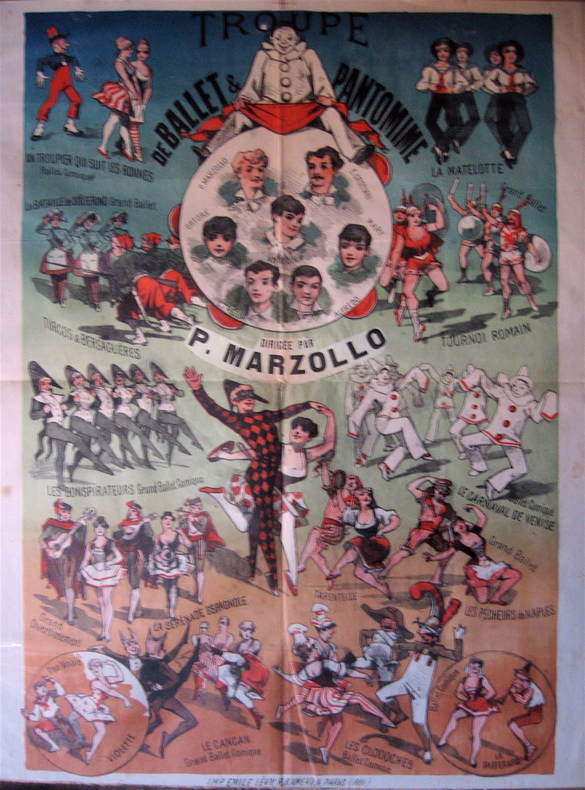
188182dirigée par MARZOLLO artistes de la troupe : P. Marzollo, E.Crociani, Mary,Ortoré, Angelina, L. Tresor et Alfredo Affiche orignale,imprimée en 1881 par Emile Lévy4,rue Ramezu à Paris format : 62 x 81 cm conservée pliée = marques de plis, petit manque de papier au milieu à l'ntersection des plis sinon bon état de cette affiche 19 ième
9666P., Draeger, 1917. Affiche illustrée de 80 x 120 cm (manque au centre et sur les marges).
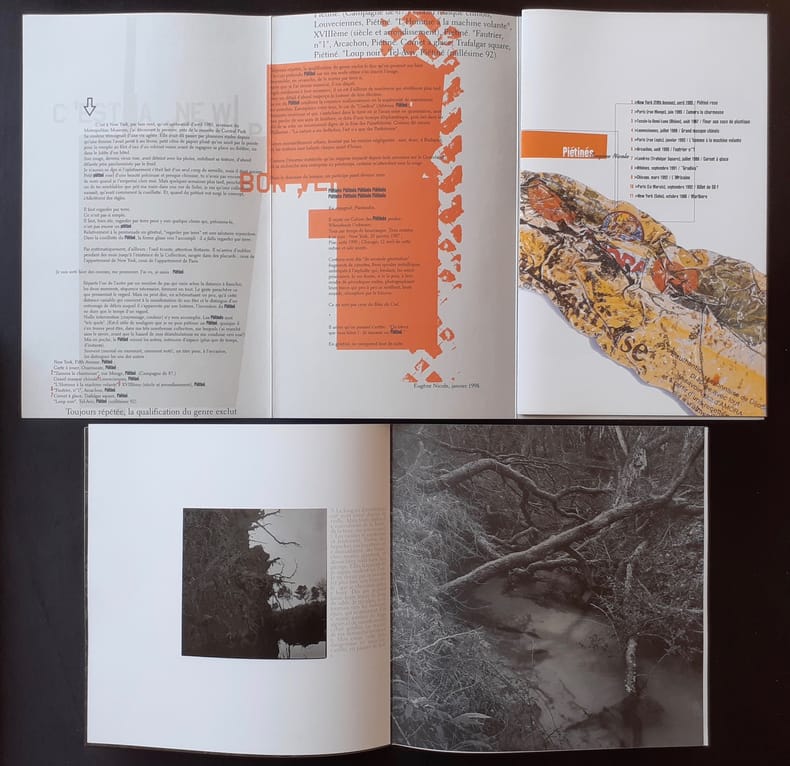
42776L’Affiche murale de poésie. Revue annuelle de poésie, 1998. Directeur : Didier Vergnaud. Bordeaux : Le Bleu du ciel, 1998. Boîte en carton 27,5x24cm avec feuillet imprimé contrecollé, contenant 8 pièces : 6 cahiers en feuilles par Jean-Luc Chapin, Éric Giraud, Michel Herreria, Hubert Lucot, Bernard Manciet, Eugène Nicole, Vincent Sabatier + 1 affiche dépliante : textes Didier Arnaudet et dispositif Michel Herreria + 1 leporello avec le texte de Josée Lapeyrère. 80 €
1978763211978 Paris, Musée de l'Affiche, sans date (vers 1978), petit in 4° oblong broché, couvetrure illustrée en couleurs de SAVIGNAC.
L7955Musée de l'Affiche, 1978. In-8 br. à l'italienne. Premier plat illustré par Savignac. Catalogue de la Première exposition au Musée de l'affiche. Divers textes, 150 reproductions d'affiches en couleurs et en noir & blanc. Catalogue réalisé par Alain Weill. E.O.
21966N. D. Phot et Edit. Schroeder & Cie à Zurich, fin XIX ème siècle. Trois belles vues du lac de Genève et des quais (275 x 210 mm) montées sur papier. Bon état.
xb245Affiche Affiche (env. 116 x 157 cm) du film Trois hommes et un couffin (1985) réalisé par Coline Serreau ; trous d'épingle, par ailleurs bel état. Livraison a domicile (La Poste) ou en Mondial Relay sur simple demande.
26502Belle impression sur papier d'art mat (type vergé), à larges marges d'origine, format feuille 40 x 30 cm. A l'état de neuf.
- Lucien Vogel éditeur, Paris 1921, 18x24cm, une feuille. - Original color print, printed on vergé paper, signed in the plate. An original print used to illustrate the Gazette du bon ton, one of the most attractive and influential 20th century fashion magazines, featuring the talents of French artists and other contributors from the burgeoning Art Deco movement. A celebrated fashion magazine established in 1912 by Lucien Vogel, La Gazette du bon ton appeared until 1925, with a hiatus from 1915 to 1920 due to the war (the editor-in-chief having been called up for service). It consisted of 69 issues printed in only 2,000 copies each and notably illustrated with 573 color plates and 148 sketches of the models of the great designers. Right from the start, this sumptuous publication "was aimed at bibliophiles and fashionable society," (Françoise Tétart-Vittu, "La Gazette du bon ton", in Dictionnaire de la mode, 2016) and was printed on fine vergé paper using a type cut specially for the magazine by Georges Peignot, known as Cochin, later used (in 1946) by Christian Dior. The prints were made using stencils, heightened in colors, some highlighted in gold or palladium. The story began in 1912, when Lucien Vogel, a man of the world involved in fashion (he had already been part of the fashion magazine Femina) decided, with his wife Cosette de Brunhoff - the sister of Jean, creator of Babar - to set up the Gazette du bon ton, subtitled at the time: "Art, fashion, frivolities." Georges Charensol noted the reasoning of the editor-in-chief: "'In 1910,' he observed, 'there was no really artistic fashion magazine, nothing representative of the spirit of the time. My dream was therefore to make a luxury magazine with truly modern artists...I was assured of success, because when it comes to fashion, no country on earth can compete with France.'" ("Un grand éditeur d'art. Lucien Vogel" in Les Nouvelles littéraires, no. 133, May 1925). The magazine was immediately successful, not only in France but also in the United States and Latin America. At first, Vogel put together a team of seven artists: André-Édouard Marty and Pierre Brissaud, followed by Georges Lepape and Dammicourt, as well as eventually his friends from school and the School of Fine Arts, like George Barbier, Bernard Boutet de Monvel and Charles Martin. Other talented people soon came flocking to join the team: Guy Arnoux, Léon Bakst, Benito, Boutet de Monvel, Umberto Brunelleschi, Chas Laborde, Jean-Gabriel Domergue, Raoul Dufy, Édouard Halouze, Alexandre Iacovleff, Jean Émile Laboureur, Charles Loupot, Chalres Martin, Maggie Salcedo. These artist, mostly unknown when Lucien Vogel sought them out, later became emblematic and sought-after artistic figures. It was also they who worked on the advertising drawings for the Gazette. The plates put the spotlight on, and celebrate, dresses by seven designers of the age: Lanvin, Doeuillet, Paquin, Poiret, Worth, Vionnet and Doucet. The designers provided exclusive models for each issue. Nonetheless, some of the illustrations are not based on real models, but simply on the illustrator's conception of the fashion of the day. The Gazette du bon ton was an important step in the history of fashion. Combining aesthetic demands with the physical whole, it brought together - for the first time - the great talents of the artistic, literary, and fashion worlds; and imposed, through this alchemy, a completely new image of women: slender, independent and daring, which was shared by the new generation of designers, including Coco Chanel, Jean Patou, Marcel Rochas, and so on... Taken over in 1920 by Condé Montrose Nast, the Gazette du bon ton was an important influence on the new layout and aesthetics of that "little dying paper" that Nast had bought a few years earlier: Vogue. [FRENCH VERSION FOLLOWS] Estampe originale en couleur, tirée sur papier vergé, signée en haut à droite de la planche. Gravure originale réalisée pour l'illustration de La
2960Affiche au format 50 x 35 cm, tirage limité à 350 exemplaires numérotés et signés. A l'état de neuf.
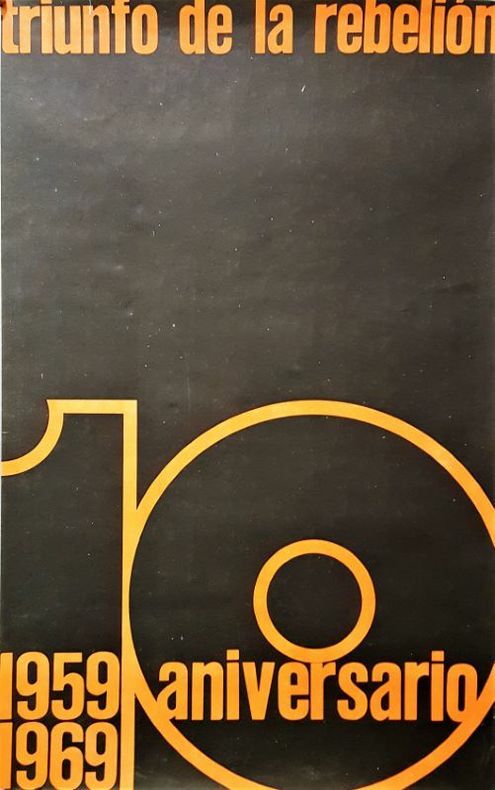
2096Dans lesprit OLAS.1969. Impression offset.Dim : 52 x 33 cm
2096Dans lesprit OLAS.1969. Impression offset.Dim : 52 x 33 cm
français Sans date (1978). Affiche originale du film. 60x120 cm (approximatif). Pliée.
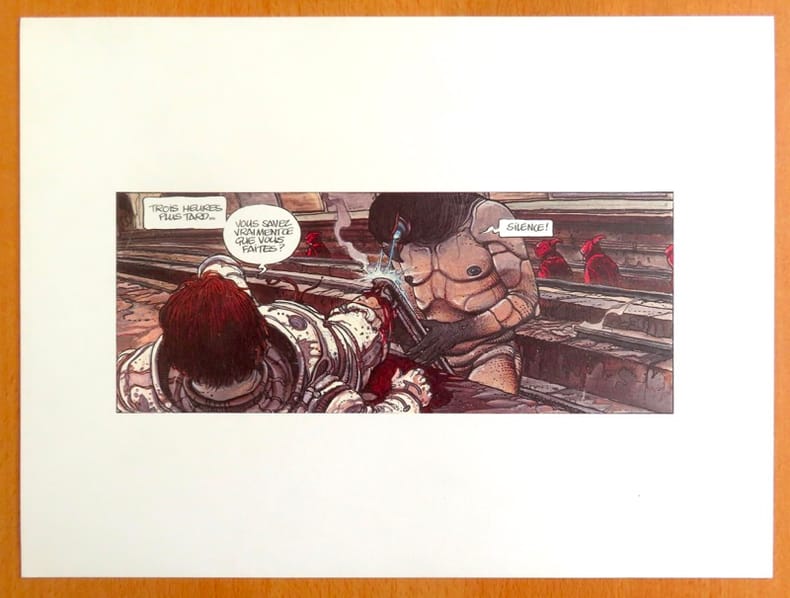
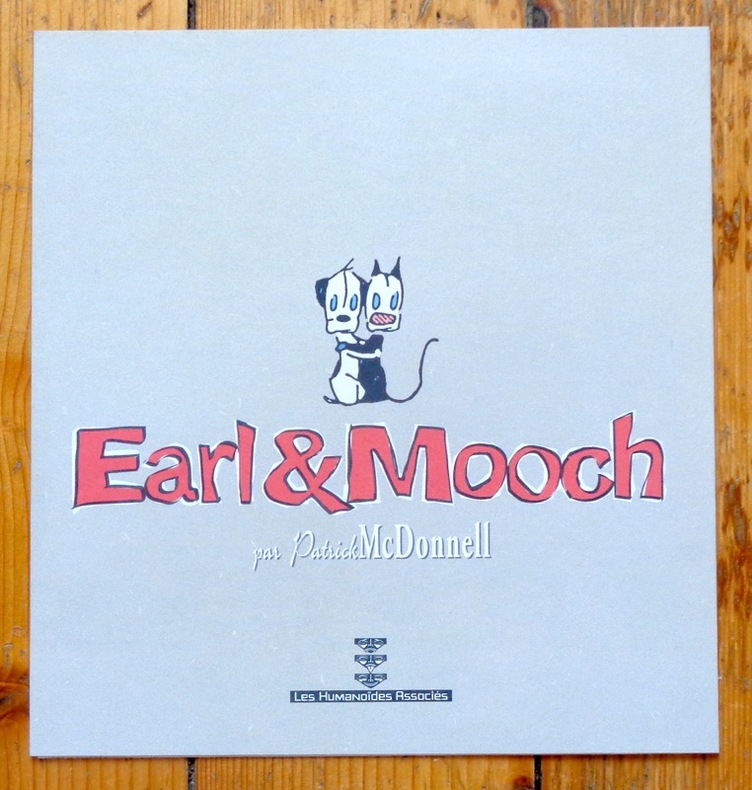
5406Les Humanoïdes Associés. Ravissant triptyque de présentation, à l'état de neuf.
Une affiche de dimensions 48,5 x 63 cm; impression offset de l'imprimerie GEF, Paris. Bel état Voir Photo. Peu fréquente.
196515793Paris à la Galerie 1965 1 Une affiche de dimensions 48,5 x 63 cm; impression offset de l'imprimerie GEF, Paris.
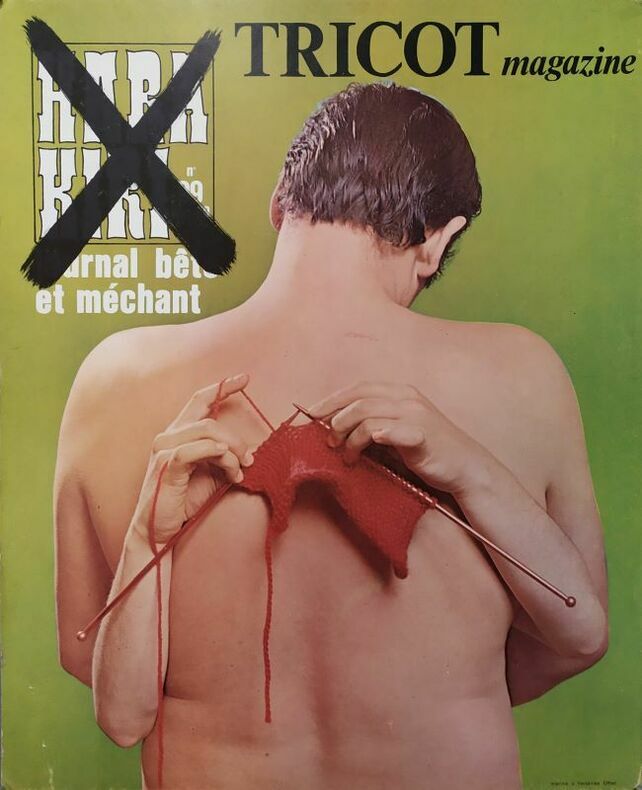
2197PLV . Hara Kiri n°99. Dec 69. Imprimé à Versailles Offset. Dim: 40 x 30 cm.
2197PLV . Hara Kiri n°99. Dec 69. Imprimé à Versailles Offset. Dim: 40 x 30 cm.
3865Affiche originale, imprimée en recto verso. 1968. Dim : 855 x 600 mm. 1. Recto : 6 heures ... 19 heures. Impression en sérigraphie. 2. Verso. Pouvoir ouvrier ... Imprimerie Aussel. Impression en offset. Dessin signé Fida 68. Pliures d'origine. Petites déchirures.
3865Affiche originale, imprimée en recto verso. 1968. Dim : 855 x 600 mm. 1. Recto : 6 heures ... 19 heures. Impression en sérigraphie. 2. Verso. Pouvoir ouvrier ... Imprimerie Aussel. Impression en offset. Dessin signé Fida 68. Pliures d'origine. Petites déchirures.
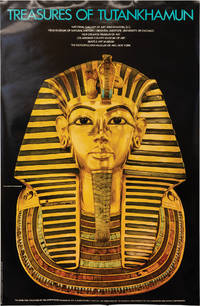
1976155844New York: Metropolitan Museum of Art 1976. Vintage poster for the 1976 traveling exhibition organized by the Metropolitan Museum of Art which ran from November 17 1976 through September 30 1979 in seven US cities.<br /> <br /> 18.25 x 49.25 inches. Near Fine rolled as issued. Metropolitan Museum of Art unknown
1976155839New York: Metropolitan Museum of Art 1976. Vintage poster for the 1976 travelling exhibition organized by the Metropolitan Museum of Art which ran from November 17 1976 through September 30 1979 in seven US cities.<br /> <br /> 25 x 38 inches. Some light edgewear else Near Fine. Metropolitan Museum of Art unknown