345 résultats
495 pages. Reprint of the 1956 first English edition. "One of the most absorbing, inspiring and ultimately disheartening documents to come out of the last war... The book, which is detailed and written with humor, modesty, and a surprising lack of rancor, makes it quite plain that there is an indominable quality in the Poles that will prevent them from ever giving up their great dream..." - The New Yorker. Above-average wear. Binding intact. Price-clipped dust jacket now preserved in glossy new archival-grade Brodart. Few library markings. Front free endpaper removed. Title page nearly severed by aggresive knife-wielding librarian. A worthy reading copy of this important account. Book
182259Paris, chez le capitaine Bacheville ; Corréard, libraire ; Ponthieu, libraire ; Imprimerie de David, 1822, in-8, broché ; VIII- 401 pp. et 1 p. de table, portrait lithographié de Antoine en frontispice (dans la deuxième édition, le frontispice montre les frères Bacheville se séparant pour toujours, en Turquie d'Europe), couverture muette de papier gris.
16229, Varsovie Gebethner & Wolff, 1903., bound, cloth, with an handwritten dedication of Lachnicki
In 8° (18×12 cm); 113, (3) pp. Brossura editoriale con titolo, autore e stampatori impressi entro cornice al frontespizio. Qualche lievissimo segno del tempo ma nel complesso esemplare in buone condizioni di conservazione. Prima edizione di questa celebre raccolta di componimenti di uno dei più famosi e non convenzionali poeti ed artisti polacchi, Konstanty Ildefons Galczynski (Varsavia, 23 gennaio 1905 – Varsavia, 6 dicembre 1953). Allo scoppio della Prima Guerra Mondiale si trasferì a Mosca dove suo padre lavorava come impiegato e vi rimase fino al 1918. Tornato a Varsavia, seguì gli studi classici all’Università non disdegnando però gli studi musicali che tanta importanza avranno poi nella sua composizione letteraria ricca di liriche e di neologismi. Proprio la stravaganza dei suoi versi ha reso difficili la traduzione degli stessi in altre lingue. A 23 anni si avvicinò al circolo culturale Kwadryga dove venivano diffuse le idee e ideali innovativi ispirati dal Futurismo italiano e al costruttivismo russo che segnarono in modo decisivo la produzione poetica polacca d’avanguardia. Il suo debutto letterario risale al 1930 con il poema folkloristico La fine del mondo. Dal 1931 al 1933 soggiornò a Berlino, mentre dal 1934 al 1938 si trasferì a Vilnius. Durante la Seconda Guerra Mondiale venne catturato dai nazisti e internato nel lager di Altengrabov. La fine della guerra gli permise di viaggiare per l’Europa, soggiornando a Parigi, Bruxelles e Roma. Fin dall’origine della sua produzione letteraria l’umorismo fu la base della sua poesia accentuato da una forte vena satirica che prendeva in giro il mondo politico contemporaneo. Nella sua poesia si trovano in perfetto equilibrio una visione realistica del mondo ed un illogicità dirompente esaltate da veri e propri virtuosismi lessicali. Trattò temi di grande importanza sociale in farse, racconti grotteschi, e favole esopiche. Intorno al 1950 le sue opere divennero il centro di un acceso dibattito ideologico e alcuni suoi lavori vennero denunciati all’autorità per sospetto deviazionismo politico ed iniziarono così a diventare sempre meno comuni da reperire sul mercato librario. La musicalità del suoi componimenti ancora oggi inspirano autori di ballate e musica popolare polacca. “Zaczarowana Dorozka” (La Cabina Incantata) contiene i componimenti scritti a Szczecin dove fondò, insieme a Helena Kurcyusz e Jerzy Andrzejewski il gruppo letterario “Klub 13 Muz”. Fra i componimenti presenti nell’opera „Lyrika, Lyrika, Tkliwa Dynamika”, „Wjazd na wielorybe”, „Wiosna w Szczecinie”, „Przygoda w Szczecinie”, „Szczecin”, „Wrobla Wielkanoc” ed altre. Galczynski si può considerare come il giullare della poesia polacca del novecento, un giullare che con il suo atteggiamento giocoso e incostante, veniva perdonato per una polemica politica, sempre coperta sotto il manto salvifico dell’umorismo, dei neologismi e dei giochi di parole. Prima edizione illustrata. First edition.
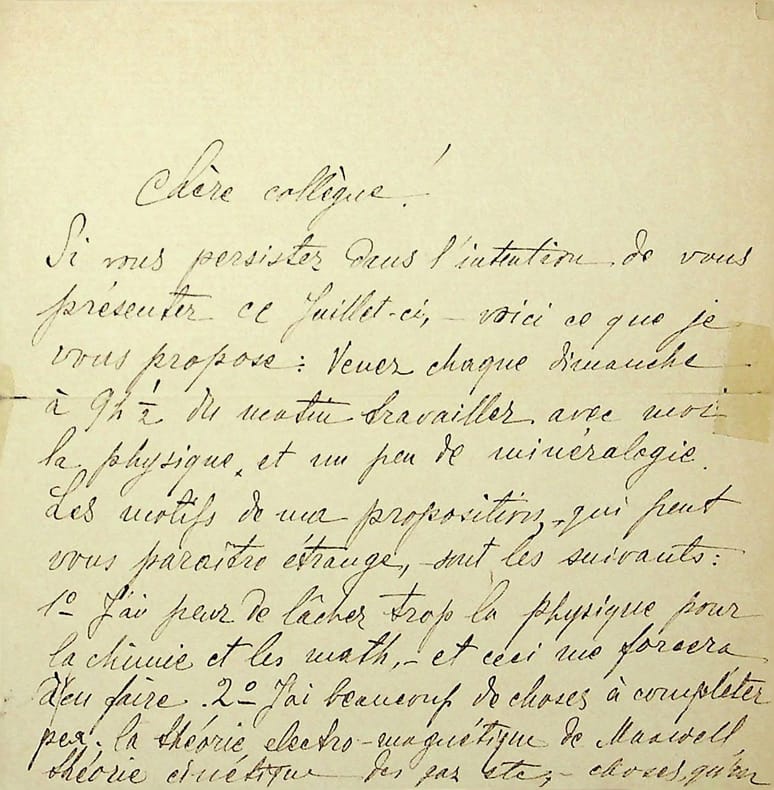
017015Jadwiga Godlewska née Dydynska (1871-1957), étudiante polonaise en Sorbonne, amie de Marie Curie, une des premières étudiantes de l'Université Jagellone (Varsovie), pharmacienne. L.A.S., 9 avril 1896, 4p in-8. Longue et belle lettre à une autre étudiante pour lui proposer de travailler ensemble le dimanche en vue d'un examen (probablement l'agrégation). [397]
Good Solid condition.; 8vo; 387 pages; In Yiddish. Not in Robinson & Friedman nor Wolff. Jewish partisan's memoirs of resistance against the Nazis in Poland. Illustrated with many photographs throughout. Inscribed by Kaczerginski in year of publication. Kaczerginski (19081954) was a Yiddish writer and cultural activist. Born in Vilna to a poor family and educated at that citys Talmud Torah, Shmerke (Pol., Szmerke) Kaczerginski lost both his parents during World War I. As a youth, he was involved with outlawed Communist groups and was arrested several times, serving a lengthy prison term. In the 1930s, two of his revolutionary poems became popular in Poland. He wrote short stories with a radical bent and was a correspondent and reporter for literary publications, including the semilegal leftist press in Poland and the New York Communist daily Morgn-frayhayt. Kaczerginski played a key role in shaping the writers and artists group Yung-Vilne; he organized its evening events and was the de facto publisher of its three miscellanies between 1934 and 1936. During the period of Soviet control over Lithuania in 19401941, he was even more active in the field of Yiddish culture, but at the same time experienced his first disappointments with the attitude of the Soviet regime toward Jewish culture. During the first period of Nazi occupation, Kaczerginski wandered through villages and towns posing as a deaf mute; after many difficulties, he ended up in the Vilna ghetto. Kaczerginski was very involved in the ghettos cultural activities. As a leader of its youth club, he wrote its Yugnt-himen (Youth Hymn), a song that immediately became popular. In 1943, he wrote the song Shtiler, shtiler in memory of the mass murders committed at Ponar. Set to music that Aleksander Volkoviski (later known as Aleksander Tamir) had submitted to a contest organized by the ghetto, the song was first heard at an evening performance there and over the years became one of the best-known songs of the Holocaust. With Avrom Sutzkever and others, Kaczerginski became part of a group of forced laborers whom the Germans designated to sort Jewish cultural treasures at YIVO and other locations. Known as the Papir-brigade (Paper Brigade), the groups members risked their lives to hide the most significant items, smuggling them back into the ghetto or entrusting them to non-Jewish acquaintances. Kaczerginski was a member of the Fareynikte Partizaner Organizatsye (United Partisans Organization; FPO), and, since YIVOs building was located outside the ghetto walls, he took part in smuggling weapons into the ghetto. In September 1943, Kaczerginski, along with Avrom and Freydke Sutzkever and other members of the FPO, escaped from the Vilna ghetto as part of an organized group of fighters just before its liquidation. They joined a Soviet partisan unit in the Naroch Forests, where Kaczerginski fought as a partisan until liberation in July 1944. Kaczerginskis books describe the destruction of Vilna, the partisan struggle, and his own experiences during the Holocaust period: Khurbn Vilne (The Destruction of Vilna; 1947), Partizaner geyen (Partisans on the Move; 1947), and Ikh bin geven a partizan (I Was a Partisan; 1952) (YIVO, 2010). Wear to cover and edges, very good condition. (HOLO2-87-3A)
2015x-1137560231Palgrave Macmillan 2015. Hardcover. New. 288 pages. 8.50x5.50x1.00 inches. Palgrave Macmillan hardcover
1954110513Warszawa, s. n. 1954 In-12 18 x 15 cm. En feuillets, sous portefeuille basane lie-de-vin, premier plat gaufré à froid d’une vue de Varsovie, 10 eaux-fortes originale de la vieille ville de Varsovie, sous passe-partout, légendées et signées à la main par l’artiste, table des planches quadrilingue français, anglais, allemand, russe. L’ensemble sous coffret. Exemplaire en bon état.
21,5×15,8 cm; 90, (5) pp. e una c. di tav. con ritratto dell’autore. Brossura editoriale illustrata. Firma autografa di Broniewski alla prima carta bianca datata Warszawa 14.V.50. Esemplare in buone condizioni di conservazione ed ancora a fogli chiusi. Prima edizione di questa raccolta di componimenti del celebre poeta e combattente polacco, Wladyslaw Broniewski (December 17, 1897, Plock – February 10, 1962, Warsaw). L’autore venne educato nello spirito dell’intellighienza polacca che voleva mantenere vive la tradizione rivoluzionaria, patriottica ed indipendentista della Polonia dell’epoca romantica quando la nazione era stata cancellata dalle carte geografiche dopo la spartizione operata da Prussia, Impero Russo ed impero Austriaco nel 1772. Nel 1918 l’autore si arruola volontario nelle Legioni polacche e alla fine dello stesso anno sostiene l’esame di maturità in una Polonia di nuovo indipendente. Nel 1920 prende parte alla guerra Polacco-Sovietica. Nel 1922, con un processo di radicalizzazione marxista, pubblica i suoi primi componimenti sulla rivista “Skamander”. Nel 1931 venne arrestato con tutta la redazione della rivista “Miesiecznik Literacki” per le sue idee socialiste. Nel 1939 viene di nuovo arrestato a Lwow, territorio occupato dall’Unione Sovietica, in seguito ad un una falsa accusa. Nel 1941 segue l’armata del generale Anders in Medio Oriente e rimane fino al termine della guerra in Palestina. Dal 1946 rientra in patria e partecipa con la sua poesia alla rinascita del paese elogiando con fede incrollabile il socialismo. Non comune raccolta di componimenti poetici in prima edizione. First Edition. Autografo.
48388Paris.Pillet.5ème édition.In-8 demi-relié.239 p. Etat satisfaisant.Demi-percaline bleue.
1st edition. Original Paper wrappers, 8vo, 206 pages. Includes illustrations & facsimiles. 21 cm. In Yiddish. Title translates as, "The Ghetto in Flames: An Anthology." Early report, from the year following the Warsaw Ghetto Uprising, with reporting on the revolt. SUBJECT(S): Jews -- Poland -- Warsaw. World War, 1939-1945 -- Jews. Geographic: Poland -- History -- Occupation, 1939-1945. Warsaw (Poland) -- History -- Warsaw Ghetto Uprising, 1943. OCLC: 1227410408. Clean and fresh. Very good. Important. (HOLO2-98-26A-+)
Front cover portrait of Lieutenant-General W.P. Pulteney, K.C.B., D.S.O. The clash of Slav and Prussian Brilliantly Described. Centerfold illustrates how "The Cossacks harried Hindenberg in his attempt to take Warsaw." Photos and illustrations include: Retreat of the Kaiser's Troops in East Prussia; Russian soldiers breaking ice on a Polish river; The German advance on Warsaw; The 'Lava' method of attack used by the Cossack army; and more. Front cover loose but present. Back cover missing. Book
Features: Attractive cover illustration of Marshal Joseph Jacques Césaire Joffre of France; Good Year tire ad inside front cover; Elegant one-page ad for The White Company of Cleveland (automaker); Classy one-page ad for Hart Schaffner & Marx clothiers of New York; In the German Trenches - the 2nd of Senator Albert J. Beveridge's articles; By Margarita Trench (fiction by Fannie Heaslip Lea); We Shall Meet, But We Shall Miss Them - article on the 64th Congress; The Fence Breaker (baseball fiction by William Bullock); General Joseph Joffre of France; The Narrow Margin (fiction by Helen Baker Parker); The Russ Recoil and the French Deadlock - two pages of fascinating WWI photos including German soldiers in East Prussia, Polish residents of Sochacsew examining their ruined homes, a German trench full of German soldiers west of Warsaw, A French artillery camp in the Woevre district - with thatched structures, and more; Barbara's Marriages (part XII) by Maude Radford Warren; Moses, the Mircale Man, Elvard L. of Buffalo goes to jail - the Oxypathor; Nice one-page illustrated ad for the Hudson Six-40 seven-passenger Phaeton; and more. Unmarked with average wear. Front cover and first leaf loose but present. Lacking back cover, pages 23-26 (centerfold), and pages 31-34. A worthy, albeit incomplete vintage copy. Book
Numerous black and white photographs. "...Framed with the object of producing an account of the great contest now in progress, which shall be at once popular and authoritative... An account written by men of great experience in political, military, and naval matters... Will contain a great deal of first-hand material which will be really valuable to historians of the future." - From Preface. Contents: Chapter XCV The Advance from Warsaw... Last Stages of the Summer Campaign. Unmarked. Average wear. Binding intact. As this was the last issue of Volume V, laid in is a table of contents for the volume. Also included is an index to Volume V plus a list of illustrations, places and maps and plans. Coloured Map of the Russian Front not included. Magazine
Photos: Pictures from the Korsun area of the Russian front during the encirclement operations; Destroying the Lutfwaffe's aircraft factories - the biggest day raid of the war, carried out by 2,000 American planes; The return of the blitz to London; Photos from inside the Warsaw ghetto; equipment pours into Britain; American action againt the Japanese; Anzio Fighting; Photos from Finland; The German Battleship Gneisenau out of action - photos; and more. Front cover loose but present. Above-average wear. Still a worthy copy. Book
Over 200 pages. Abundantly illustrated in black and white. Includes contributions from: Ruta Sakowska, Marek Edelman, Jan Karski, Franz Blattler, and Maria Kann. Clean and bright with negligible wear. Unmarked but for Warsaw Ghetto ink stamp dated 1998 upon title page. A premium copy. Book
28 pages. Features: Nice cover photo of a French woman cutting grapes from the vine on her home for British troops; The British Field Force making friends in France; Full-page diagram of the extensive fortifications of Heligoland; Switzerland prepares her defences for all emergencies - Five photos; Photos of Switzerland frontiers - fortified and manned - plus mobilisation scenes; Photo of the daily rations of the German people - less in every respect than those of the British field force; Various photos - churchyard and nursery A.R.P., Polish leaders in Paris; British Submarine Epic - illustrations show how it escaped by tenacity and engineering skill; The Fall of Warsaw - Vivid war photos; Photos of the Nazi "triumphal" parade in Warsaw; Full-page photo of a huge stack of British artillery shells; Photos of British practice with heavy guns; Illustrations show events leading to the end of a U-Boat; Numerous photos show the French bombarding German lines with guns mounted on German soil; Several illustrations show a comprehensive shelter scheme for the people of Bermondsey; Photos of personalities of the week; Interesting photos of British items painted white to improve safety during blackout; The Campaign in the West - article by Cyril Falls; Full-page new map of the Western Front - giving all strategic features; and more. Small name written atop front of outer cover. Missing page 597-98 from back. Some pages loose but present. Magazine
51-2024Warszawa Poland: 1957. Handcolored woodcut. Signed titled and dated in pencil. 18.5 x 15 cm on sheet size 27 x 22 cm.She specialized in painting and graphic arts - particularly in woodcut linocut lithography etching dry needle zincography. She studied at the Warsaw Academy of Fine Arts under the directions of S.Szczepański M. Bylina Painting and J. Tom E. Czerwiński i J. Pakulski Graphic arts. Her works have been shown at many exhibitions in Poland. Common themes of her works are animal and solar compositions. She also created abstracts and exlibris.In collection of National Museum in Wrocław there is no artwork of this artist.After Trzcińska’s death all the works of her legacy has been transferred to The Museum of History of Kielce Muzeum Historii Kielc Warszawa, Poland: 1957 unknown
1998Star-9783790811193Springer 1998. Hardcover. New. Springer hardcover
1998Star-9783790811193Springer 1998. Hardcover. New. Springer hardcover
525 pages. Index. Bibliography. Maps. Black and white photographic plates. Illustrated map endpapers. "Based on previously classified archival research and over 100 interviews, including with British and German Commanders who worked with the Canadians. Particularly fascinating are details of NATO planning for meeting a Warsaw Pact attack, including how nuclear weapons would be used." - from dust jacket. Printed on glossy stock. Moderate peripheral wear. Contents clean, bright and unmarked. A quality copy. Book
96 pages. Features: Ominous one-page photo ad shows Boeing B-29s being assembled in huge factory; Japs say bombardment of Luzon was terrible - major coverage; Why Nazis caught Allies Off Base on the Ardennes Front; General Ernest N. Harmon; Reproduction of German propaganda piece which shows battle-weary Allied troops on the Saar front that draft dodgers at home are living it up with the lady-folk; Great GM color ad features firing tank and Hydra-Matic transmissions; Sweet one-page ad for the Blue Radio Network features Alan Young - 1944's most promising star; Nice color Schlitz beer ad; Eyewitness to starvation in Italy (with photos); Archibald MacLeish; Photo of Polish government in exile; Australina drought; Nice color-illustrated military ad for Borg-Warner; Firestone Tire color centerfold ad; King Boris III of Bulgaria; Incredible Warsaw photos shows skeletons of horses from which residents have stripped every bit of meat; Packard car ad features letter from Mustang pilot overseas; Photo of Hitler walking through bomb damage; Photos of Betty Morrissey who tends lighthouse at the Northern tip of Prince Edward Island (PEI); Great one-page color ad for White Trucks shows freight being loaded; US domestic manpower push; Photo/ad shows John B. Kennedy of the American Society of Refrigerating Engineers; One-page *FANTASTIC* color-photo ad for Kodak will thrill silver-bugs! - shows dozens of huge silver bars being stacked for photographic use behind watchful armed guard; Nice one-page color Ford ad; Brief obituaries for Dr. John F. Condon, Admiral Sir Bertram Ramsay, Romain Rolland; Army study of Marihuana (Marijuana) smokers points to better ways of treatment; GI Surgeon Sgt. Frank Palco of Roth, VA; Photos of US propaganda being loaded into shells to be dropped over Germany; Photo of swimmer Ann Curtis; Nice one-page color ad for American Airlines features the new DC-6 flagship; Nice color ad for Chrysler's fluid drive; Nice photo ad for Bitumous cole features military theme; Anglo-American relations; Nice color military ad for Studebaker; and more. Average wear. A worthy vintage copy. Book
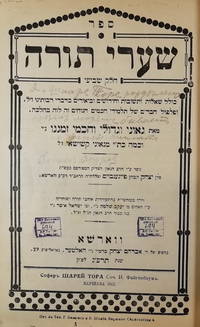
000201123Yitschak Faigenbaum of Warsaw. Shaarei Tora. Djerba 1913. Publisher: Avraham Yitzhak Halter Yakov Shvabe Gutman Piment. In Hebrew. The listing price is for a single volume of this title. The copy is in fair condition without binding. Some imperfections are among the following common defects: holes damaged pages tears water stains foxing worm holes or tracers age spots frayed margins handwritten notes inscriptions censorship stamps. Please contact us for more details on the condition of the book. SKU000201123 unknown
1737Chez Karl Baedeker, Leipzig et Paul Ollendorf, Paris, 1897. In-12, cartonnage éditeur. (xlviii), 447 pages. 14 cartes et 22 plans
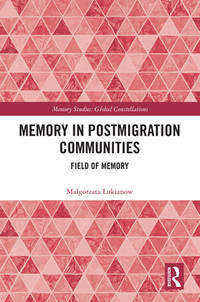
2026x-1032680245Taylor & Francis Ltd 2026. Hardcover. New. 146 pages. 9.18x6.12x9.45 inches. Taylor & Francis Ltd hardcover