21 928 résultats
2014x-3642545181Springer 2014. Hardcover. New. 2014 edition. 342 pages. 9.25x6.25x1.00 inches. Springer hardcover
2005235071Dr Ludwig Reichert Verlag 2005. 1st. hardcover. New. 125x29x179. Dr Ludwig Reichert Verlag hardcover
2016x-3662520087Springer Verlag 2016. Paperback. New. reprint edition. 352 pages. 9.25x6.10x0.83 inches. Springer Verlag paperback
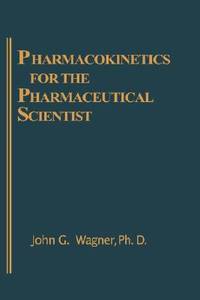
1993x-1566760321Technomic Pub Co 1993. Hardcover. New. 1st edition. 336 pages. 9.50x6.50x1.00 inches. Technomic Pub Co hardcover
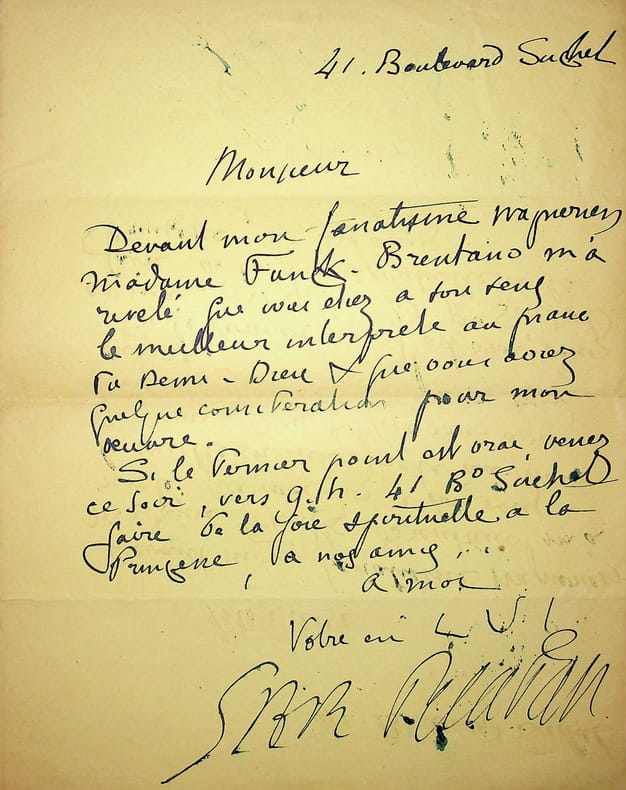
016208Joséphin Peladan (1858-1918), écrivain, occultiste. L.A.S., sd [ca.1890], 1p in-4. « Monsieur, Devant mon fanatisme wagnérien, Madame Funck-Brentano m'a révélé que vous étiez à son sens le meilleur interprète au piano du Demi-Dieu & que vous avez quelque considération pour mon oeuvre. Si le premier point est vrai, venez ce soir, vers 9h 41 B° Suchet faire de la joie spirituelle à la Princesse, à nos ami, à moi. Votre en LUI. SAR Peladan ». Très belle lettre wagnérienne. [354]
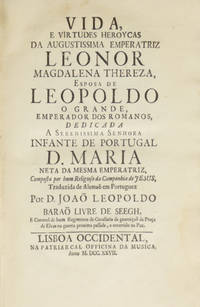
2601RS415<p>Esposa de LEOPOLDO O Grande Emperador Dos Romanos Dedicada A Serenissima Senhora INFANTE DE PORTUGAL D. MARIA Neta Da Mesma Emperatriz Composta por hum Religioso da Companhia de Jesus Traduzida de Alemaõ em Portuguez Por D. JOAÕ LEOPOLDO Baraõ Livre De Seegh E Coronel de hum Regimento de Cavallaria da guarniçaõ da Praça de Elvas na guerra proxima passada e entertido na Paz. LISBOA OCCIDENTAL Na Patriarcal Officina da Musica Anno M. DCC. XXVII. 1727</p>_x000d_<p>In 4.º de 24x175 cm. Com xxxv ii com gravura verso em branco 487 i em br. págs. Encadernação da época inteira de pele com nervos rótulo e ferros a ouro na lombada em casas fechadas e nas pastas formando esquadrias simples apresentando pequeno ferro decorativo em super libris. Ilustrado em extratexto com uma bela gravura desdobrável aberta a talhe-doce por Röster com o retrato a corpo inteiro da Imperatriz Leonor Madalena ocupando página inteira e com legenda em latim no rodapé.</p>_x000d_<p>Impressão muito nÃtida em papel de elevada espessura ornamentado com um conjunto apropriado de vinhetas decorativas de grande mestria incluem brasão da Infanta de Portugal brasão de armas do Barão de Seegh Monograma da Companhia de Jesus monograma do Santo Oficio monograma do Patriarcado brasão de armas do Paço Real brasão de armas da Imperatriz miniatura do retrato da Imperatriz mausoléu da Imperatriz e vinheta final.</p>_x000d_<p>Exemplar com perda de revestimento e furos de traça na nos cantos e coifas ex-libris de Gabriel Augusto Mendes na guarda fixa anterior nota coeva com a descrição de quem mandou imprimir e a distribuição de alguns exemplares a cargo de D. Diogo de Meneses Távora vedor da Rainha Maria Ana de Ãustria e assinatura de posse coeva na folha de anterrosto rubrica de posse coeva na guarda fixa posterior.</p>_x000d_<p>Muito raro 1.ª Edição portuguesa traduzido do alemão por D. João Leopoldo. A edição original em latim foi publicada em Viena no ano de 1720 pelo impressor da Universidade Wolffgang Schwendimann Existe uma tradução em castelhano publicada em 1734 em Madrid pela Imprenta dos Herdeiros de Francisco del Hierro traduzida da mesma tradução em alemão. Não há registos amplamente catalogados de outras edições e reimpressões.</p>_x000d_<p>Contém nas folhas preliminares uma dedicatória do tradutor e prologo do tradutor protestação notas ao leitor licenças do Santo Oficio do ordinário e do paço Ãndice dos capÃtulos e uma errata. Obra divide-se em xxvi capÃtulos dedicados a biografa de Leonor Madalena de Neuburgo Imperatriz Consorte do Sacro Império Romano-Germânico como esposa de Leopoldo I. O capÃtulo xxvi é especialmente dedicado a alguns sucessos particulares através de um breve compêndio da vida da Imperatriz num elogio epigráfico composto das inscrições latinas que se viam durante o seu funeral e inclui ainda uma elegia da autoria do conde da Ericeira D. Francisco Xavier de Menezes.</p>_x000d_<p>A dedicatória do tradutor é dirigida à Infanta D. Maria Bárbara filha de Dona Maria Ana de Ãustria e neta da biografada que virá a ser rainha de Espanha pelo seu casamento em 1729 com o que viria a ser o Rei de Espanha Fernando VI.</p>_x000d_<p>Biografia que celebra a imperatriz sob um prisma religioso moral e devocional realçando as suas virtudes heroicas uma abordagem comum em biografias laudatórias do perÃodo. Procura destacar a nobreza de caráter devoção religiosa e qualidades pessoais da imperatriz ao mesmo tempo em que contextualiza a sua posição na polÃtica europeia da época em especial a sua ligação à dinastia reinante em Portugal pois foi nora de D João V avó dos seus filhos entre eles o Rei D. José e bisavó da Rainha D. Maria I.</p>_x000d_<p>Leonor Madalena de Neuburgo Düsseldorf 1667 — Viena 1720 foi Imperatriz Consorte do Sacro Império Romano-Germânico filha de Filipe Guilherme Eleitor Palatino de Neuburgo e de Isabel Amália de Hesse-Darmstadt membros da alta nobreza europeia terceira esposa de Leopoldo I 1640–1705. Casou-se com Leopoldo em 14 de dezembro de 1676 e foi sua consorte até à morte dele em 1705. Através do seu casamento e descendência esteve ligada à s dinastias europeias e à polÃtica dinástica do século XVII–XVIII.</p>_x000d_<p>D. Maria Bárbara de Bragança Lisboa 1711 - Madrid 1758 neta da Imperatiz Maria Leonor Madalena e do Imperador Leopoldo I foi filha da Rainha D. Maria Ana de Ãustria e do Rei D. João V. Casou-se em 1729 com o PrÃncipe herdeiro da coroa espanhola D. Fernando no âmbito da célebre Troca das Princesas pois na mesma data o PrÃncipe D. José casou-se com a Infante de Espanha D. Mariana Vitória. D. Maria Bárbara como rainha de Espanha exerceu uma forte influência a favor de Portugal que ficou demonstrada no Tratado de Madrid de 1750 que definiu as fronteiras do Brasil.</p>_x000d_<p>Era muito culta com o domÃnio das lÃnguas francesa alemã italiana e espanhola. Tinha vastos conhecimentos musicais pois foi aluna de Domenico Scarlatti de 1719 a 1729 e depois seguiu para Madrid tendo sido compositora e cravista. Muito religiosa e amante das artes fundou o Convento das Salésias Reais em Madrid.</p>_x000d_<p>O Padre JesuÃta Franz Wagner 1675 - 1748 foi o autor da tradução para alemão do original em latim da autoria do Padre também JesuÃta Estevão Dinarich.</p>_x000d_<p>D. João Leopoldo tradutor desta obra através da tradução alemã foi um nobre alemão Barão Livre De Seegh que prestou serviço militar em Portugal durante a Guerra da Sucessão de Espanha em que foi coronel do Regimento de Cavalaria da Praça de Elvas.</p>_x000d_<p>EN In quarto. 24x17.5 cm. xxxv ii with engraving blank verso 487 i in bl. pages. Contemporary full leather binding with raised bands label and gilt lettering on panels in the spine and on the covers forming simple frames with small decorative lettering on the super libris. Illustrated <em>hors texte</em> with a beautiful fold-out engraving by Röster with a full-length portrait of Empress Leonor Madalena occupying an entire page and with a Latin caption at the bottom.</p>_x000d_<p>Very clear printing on thick paper decorated with a set of masterfully crafted decorative vignettes including the coat of arms of the Princess of Portugal the coat of arms of the Baron of Seegh monogram of the Society of Jesus monogram of the Holy Office monogram of the Patriarchate coat of arms of the Royal Palace coat of arms of the Empress miniature portrait of the Empress mausoleum of the Empress and final vignette.</p>_x000d_<p>Copy with loss of coating and moth holes in the corners and caps ex-libris of Gabriel Augusto Mendes on the front endpaper contemporary note with the description of who ordered the printing and the distribution of some copies by D. Diogo de Meneses Távora overseer of Queen Maria Ana of Austria and a contemporary handwritten ownership title on the front flyleaf contemporary ownership initials on the rear endpaper.</p>_x000d_<p>Very rare 1st Portuguese edition translated from German by D. João Leopoldo. The original edition in Latin was published in Vienna in 1720 by the University printer Wolffgang Schwendimann. There is a Spanish translation published in 1734 in Madrid by <em>Imprenta dos Herdeiros de Francisco del Hierro</em> translated from the same German translation. There are no widely catalogued records of other editions and reprints.</p>_x000d_<p>The preliminary pages contain a dedication and a prologue by the translator a protestation notes to the reader licences from the Holy Office the ordinary and the palace a table of contents and an errata. The work is divided into xxvi chapters dedicated to the biography of Eleanor Magdalene of Neuburg Empress Consort of the Holy Roman Empire as wife of Leopold I. Chapter xxvi is especially dedicated to some particular successes through a brief compendium of the Empress"s life in an epigraphic eulogy composed of the Latin inscriptions that were seen during her funeral and also includes an elegy by the Count of Ericeira D. Francisco Xavier de Menezes.</p>_x000d_<p>The translator"s dedication is addressed to Infanta D. Maria Bárbara daughter of Dona Maria Ana of Austria and granddaughter of the biographee who would become Queen of Spain through her marriage in 1729 to the future King of Spain Ferdinand VI.</p>_x000d_<p>A biography that celebrates the empress from a religious moral and devotional perspective highlighting her heroic virtues a common approach in contemporary laudatory biographies. It seeks to highlight the empress"s nobility of character religious devotion and personal qualities while contextualising her position in European politics at the time in particular her connection to the ruling dynasty in Portugal as she was the daughter-in-law of King João V grandmother of his children including King José and great-grandmother of Queen Maria I.</p>_x000d_<p>Eleanor Magdalene of Neuburg Düsseldorf 1667 — Vienna 1720 was Empress Consort of the Holy Roman Empire daughter of Philip William Elector Palatine of Neuburg and Elizabeth Amalia of Hesse-Darmstadt members of the European high nobility and third wife of Leopold I 1640–1705. She married Leopold on 14 December 1676 and was his consort until his death in 1705. Through her marriage and descendants she was linked to the European dynasties and dynastic politics of the 17th–18th centuries.</p>_x000d_<p>D. Maria Bárbara de Bragança Lisbon 1711 - Madrid 1758 granddaughter of Empress Maria Leonor Madalena and Emperor Leopold I was the daughter of Queen D. Maria Ana of Austria and King D. João V. In 1729 she married the Crown Prince of Spain Ferdinand as part of the famous Exchange of Princesses since on the same date Prince José married the Princess of Spain Mariana Victoria. As Queen of Spain Maria Bárbara exerted a strong influence in favour of Portugal which was demonstrated in the Treaty of Madrid of 1750 which defined the borders of Brazil.</p>_x000d_<p>She was highly educated fluent in French German Italian and Spanish. She had extensive musical knowledge having studied under Domenico Scarlatti from 1719 to 1729 before moving to Madrid where she worked as a composer and harpsichordist. Very religious and a lover of the arts she founded the Convent of the Royal Salesians in Madrid.</p>_x000d_<p>Jesuit priest Franz Wagner 1675–1748 translated into German the original Latin text written by fellow Jesuit priest Dinarich.</p>_x000d_<p>João Leopoldo translator of this work from the German translation was a German nobleman Baron of Seegh who served in the Portuguese army during the War of the Spanish Succession where he was colonel of the Cavalry Regiment of Elvas.</p>_x000d_<p>Referências/References:<br />Gonçalves Rodrigues - A tradução em Portugal I n.º 558. Identifica correctamente o autor como sendo o Padre Estevão Dinarich<br />BNP cota: H.G. 25214 V.<br />Sommervogel 8 coln. 944<br />Inocêncio III 397.</p> SACO PG142-5 hardcover
1850694Leipzig, Wiganb, 1850. In-12 broché de 75-(1) pp., couverture jaune imprimée.
17956Paris, édition d'art H. Piazza, 19398. In-4, 198 pp., broché, couverture originale illustrée, étui cartonné de l'éditeur (petits frottements).
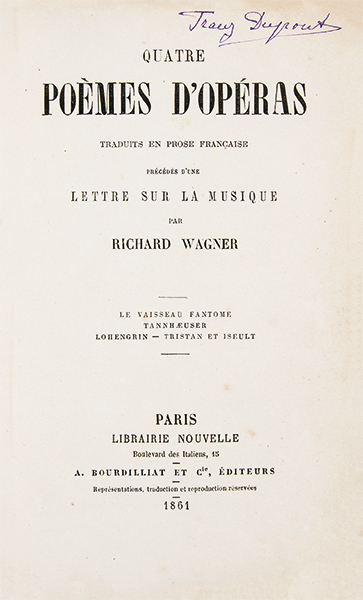
1884383261884 In-12, demi-maroquin acajou à grands coins, dos à 5 nerfs, titre doré, couverture conservée (reliure de l'époque), (4), lxxiii, 317 p. Paris, Librairie Nouvelle et A. Bourdilliat et Cie, 1861.
In-12, demi-maroquin acajou à grands coins, dos à 5 nerfs, titre doré, couverture conservée (reliure de l'époque), (4), lxxiii, 317 p. Édition originale de la traduction française, par Paul Challemel-Lacour, des livrets du Vaisseau fantôme, de Tannhäuser, de Lohengrin et de Tristan et Isolde. Elle est précédée d'une importante "Lettre sur la musique" (73 pages), datée de Paris le 15 septembre 1860, adressée par Richard Wagner à l'historien d'art Frédéric Villot, préface qui fait figure à la fois de manifeste et d'autobiographie. C'est le premier ouvrage de Wagner traduit en français. (cf. Grove, XX, p. 139. Silège, 'Bibliographie wagnérienne française', 1902; p. 10.). Papier légèrement bruni. La couverture conservée comporte des réparations. Très bon exemplaire, entièrement non rogné, bien relié.
Album in-4 p. oblungo (mm. 317x370), cartonato editoriale, cornice dorata al piatto anteriore, pp. (6),87, con numerose illustrazioni in bianco e nero, a colori e in tinta nel testo. "Prima edizione". Con una prefazione di Ernst Lichtblau, vi sono contenuti progetti e studi di: Heinrich Schopper, Alfred Chalusch, Franz Safonith, Emil Pichan, Hans Laurentschitsch, Oskar Barta, Karl Maria Kerndle, Ernst Lichtblau, Robert Farsky, Teo Deininger, Franz Polzer, Anton Engel, Josef Winter, Emil Pirchan, Franz Gessner ecc. Questi lavori, eseguiti negli anni scolastici 1905/1906 e 1906/1907 dagli studenti della Wagnerschule, sono corredati di un’appendice dedicata alle celebrazioni del centenario della Scuola (nel 1905).<br> “Otto Wagner (1841-1918), architetto viennese. Dopo aver cominciato nello stile neobarocco ed eclettico viennese, si orientò verso il “Rinascimento moderato” di G. Semper, quindi verso lo “Jugendstil” (Vienna, Majolika Haus, 1898 ca.), infine, reagendo ad esso, verso l’architettura funzionale, di cui fu uno dei pionieri. Opere principali: le stazioni, varie banche (la Cassa di Risparmio postale, 1904-06, suo capolavoro), case ed appartamenti, ecc., di Vienna; il parlamento di Budapest (1883); la borsa di Amsterdam (1884); il Reichstag e il duomo a Berlino; il palazzo della Pace all’Aia (1906) (Diz. Treccani,XII, p. 880) - Chiamato nel 1894 a tenere un corso speciale di architettura all'accademia, Wagner espresse nel suo insegnamento e nei suoi scritti l'esigenza di un profondo rinnovamento dell'architettura, sulla linea di un'interpretazione funzionale dell'uso dei materiali, dei criteri tipologici e strutturali, che non escludesse però valori figurativi e monumentali. La portata dell'insegnamento di Wagner fu notevolissima: vi fecero riferimento non solo i giovani architetti della Secessione (J. Hoffmann, J. M. Olbrich) ma anche un altro allievo famoso, il protorazionalista A. Loos; e i modelli della “Wagnerschule” ebbero larga diffusione in molti Paesi europei, Italia compresa (Sapere.it)”. Esemplare ben conservato.
Album in-4 p. oblungo (mm. 307x395), mz. tela con ang., disegno e tit. in nero al piatto anteriore, pp. 79, con numerose illustrazioni in bianco e nero, a colori e in tinta nel testo e fuori testo. "Prima edizione". Con una prefazione di Karl Maria Kerndle, vi sono contenuti progetti e studi di: Deininger Teo, Lichtblau, Mahler, Dorfmeister, WUnib, Nicoladoni, e num. altri. Raccolta di lavori eseguiti negli anni scolastici 1902/1903 e 1903/1904 dagli studenti della Wagnerschule.<br> “Otto Wagner (1841-1918), architetto viennese. Dopo aver cominciato nello stile neobarocco ed eclettico viennese, si orientò verso il “Rinascimento moderato” di G. Semper, quindi verso lo “Jugendstil” (Vienna, Majolika Haus, 1898 ca.), infine, reagendo ad esso, verso l’architettura funzionale, di cui fu uno dei pionieri. Opere principali: le stazioni, varie banche (la Cassa di Risparmio postale, 1904-06, suo capolavoro), case ed appartamenti, ecc., di Vienna; il parlamento di Budapest (1883); la borsa di Amsterdam (1884); il Reichstag e il duomo a Berlino; il palazzo della Pace all’Aia (1906) (Diz. Treccani,XII, p. 880) - Chiamato nel 1894 a tenere un corso speciale di architettura all'accademia, Wagner espresse nel suo insegnamento e nei suoi scritti l'esigenza di un profondo rinnovamento dell'architettura, sulla linea di un'interpretazione funzionale dell'uso dei materiali, dei criteri tipologici e strutturali, che non escludesse però valori figurativi e monumentali. La portata dell'insegnamento di Wagner fu notevolissima: vi fecero riferimento non solo i giovani architetti della Secessione (J. Hoffmann, J. M. Olbrich) ma anche un altro allievo famoso, il protorazionalista A. Loos; e i modelli della “Wagnerschule” ebbero larga diffusione in molti Paesi europei, Italia compresa (Sapere.it)”. Le ultime 3 cc. ed il risguardo restaurati per abrasioni al margine bianco, altrimenti esemplare ben conservato.
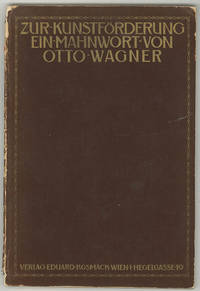
0346-24Wien Kosmack 1909. 8°. 103 3 S. Mit Buchschmuck. OKart. Rückenkanten u. Ecken berieb. Kl. Fehlstelle am ob. Kap. EA. Vorschläge zu Maßnahmen und Forderungen Otto Wagners zur Verbesserung der Kunstörderung in Österreich-Ungarn. Wien, Kosmack (1909). unknown
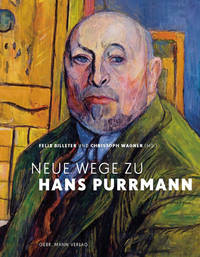
2016BN68573Mann Gebr. 2016. 2016. Neue Wege zu Hans Purrmann <br/><br/> Mann, Gebr. unknown
2017BN68609TASCHEN 2017. 2017. Das BILD-Buch herausgegeben von Julian Reichelt und Kai Diekmann ; mit Texten von Stefan Aust und andere <br/><br/> TASCHEN unknown
BN259130Prestel. Hardcover. Jil Sander Präsens <br/><br/>Jil Sander Präsens Matthias Wagner K Prestel hardcover
1996DBS-9780721690919Saunder 1996. 2nd. Hardcover. New. Saunder hardcover
1996DBS-9780721690919Saunder 1996. 2nd. Hardcover. New. Saunder hardcover
2001x-0419260404Spon Pr 2001. Hardcover. New. 1st edition. 352 pages. 9.75x6.75x0.75 inches. Spon Pr hardcover
AdityaBooks-9783527329526Wiley. New. Wiley unknown
AdityaBooks-9783527329526Wiley. New. Wiley unknown
94 pages. Loaded with wonderful color and black and white photos. Features: Li Sheon; Tien Niu; Lin Ching Hsia; Chin Han; Foldout colour photo of beautiful Sylvia Chang; Lonely-Hearted Charles Chin; Jackie Chan Sets His Eyes on International Stardom - article with photos; Shang Kuan Ling Feng is contented with quiet study life; Ti Lung; Li Hsiang gives in to tradition; TV Strongwoman Mrs. Selina Chow Meets New Challenge; Ho Fan directs the film he likes again; Attractive directress Young Kai Yuen; Wu Shiu Chan works for stardom; Robert Wagner - article with photos; and much more. Clean and unmarked with moderate wear. A quality vintage copy. Book
1998x-0415157323Routledge 1998. Hardcover. New. 1st edition. 288 pages. 9.75x6.50x1.00 inches. Routledge hardcover
CBS 9781032811895USA Edition . New. Brand New! Fast Delivery US Edition and ship within 24-48 hours. Deliver by FedEx and Dhl & Aramex UPS & USPS and we do accept APO and PO BOX Addresses. Order can be delivered worldwide within 6-10 days and we do have flat rate for up to 2LB. Extra shipping charges will be requested if the Book weight is more than 5 LB. This Item May be shipped from India United states & United Kingdom. Depending on your location and availability. unknown
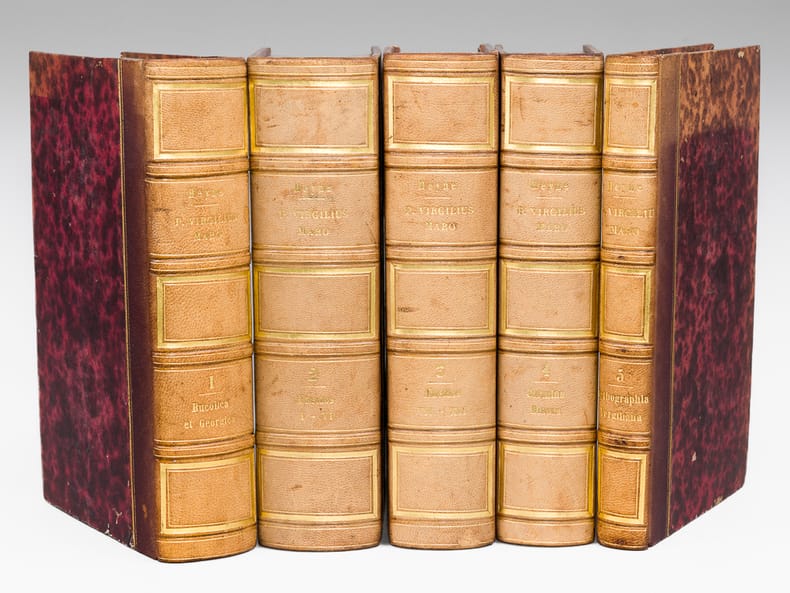
183064421Editio quarta curavit Ge. Phil. Eberard Wagner, 5 vol. in-8 reliure de l'époque demi-chagrin brun, dos à 5 nerfs orné, Sumtibus Librariae Hahniana [ Hahn Verlag ], Lipsiae, Black, Young & Young, London, 1830, 1832, 1833, 1832, 1831