469 résultats
195872030Havana: Santos Foto ca. 1958. Original Cuban Revolution era photograph showing a seated group of five people. 9 1/2 x 7 3/4 inches. In the center is a soldier very much trying to look like Che Guevara with a full beard and mustache in army cloths and hat and holding a rifle. Seated on either side of him are two couples all in street clothes and each of the men is holding a rifle. The guns appear to be Thompson M1 A1s which would place this photograph at the beginning of the Revolution before Soviet weapons were commonplace. The photographer Santos Foto Habana is identified in the plate and stamped on the rear. Ironically this picture is laid into a Empire Room Waldorf Astoria printed folder. It should be noted that Che Guevara once worked as a dishwasher at the Waldorf so this pairing is probably intentional. Santos Foto hardcover
0428568319.Ghardcover. Good. Access codes and supplements are not guaranteed with used items. May be an ex-library book. hardcover
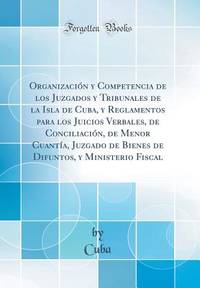
0428097049.Gpaperback. Good. Access codes and supplements are not guaranteed with used items. May be an ex-library book. paperback
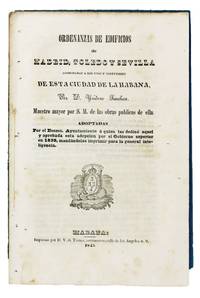
18455182Habana: Impresas por D. V. de Torres 1845. Good. 533pp. Contemporary plain blue wrappers separated at spine. Stitched as issued with additional small stabholes at gutter where previously bound into a sammelband. Light foxing and dust soiling. A seemingly unrecorded architectural pamphlet that prints the first comprehensive building code for Havana developed in 1837 by Isidoro Sánchez y Fuentes the city’s Director of Public Works. The text outlines detailed rules for the construction of buildings and related infrastructure to accord to high technical aesthetic and public health standards influenced by such regulations as had been imposed in Madrid Toledo and Seville. Sánchez’s code proved highly consequential and it resulted in significant improvements to the appearance livability and safety of many Havana neighborhoods.<br /> <br /> In the 18th century Madrid Seville and Toledo suffered from many of the same problems of haphazard urban development as Havana. However great efforts were made to develop and enforce building codes which cleaned up most of these city’s formerly slum-like suburbs of great benefit to public health not to mention aesthetics. Teodoro Ardemans Madrid’s Director of Public Works began the reforms in these Spanish cities and his 1720 work on the subject was fantastically influential for generations going through multiple reprints until 1848. Isidoro Sánchez adapted Ardemans’ concepts but updated and improved them to the requirements of the tropical climate and customs of Havana. He thus developed the first comprehensive building code for the Cuban capital which was one of the most progressive and well-considered in the Americas. <br /> <br /> Two preambles begin the work by discussing the importance of taking architectural inspiration from the buildings of classical antiquity and of considering the historical context and significance of reformed Spanish building codes. The bulk of the text takes up a variety of interesting and practical topics -- erecting urban and suburban buildings; respecting neighbors’ rights when building homes shared alleyways building ovens in light of nearby homes; creating ventanas de medianería large windows that can open or close depending the temperature and breeze; how garages should open onto public thoroughfares; where building materials should be manufactured; building basements; building balconies etc. on public streets; drainage systems and sewers; creating wells and other drinking water sources; where to build forges without disturbing neighbors; large windows for basements; building attics; and air circulation.<br /> <br /> Sánchez presented his proposed code to the City Council on June 10 1837 and in 1839 it was approved in full by the Governor but the printing of the text was only approved in April 1845 according to the introduction. We locate no copies of this significant work in OCLC or available auction records. Impresas por D. V. de Torres unknown
0366008889.Gpaperback. Good. Access codes and supplements are not guaranteed with used items. May be an ex-library book. paperback
20121-3659056022Editorial Académica Española 2012. Paperback. New. 96 pages. Spanish language. 8.66x5.91x0.22 inches. Editorial Académica Española paperback
2012212419Portland OR: Nazraeli Press 2012. Rilegato tela sovracoperta cloth dust jacket. Perfetto Mint. <strong>Six by Six: Set 3 Volume 2</strong>. With a separate exhibition-quality original print numbered and signed by Del Valle e Gomez on 11 x 14 inch paper. 25 colour photographs by the Artists/ 25 fotografie a colori di Del Valle e Gomez. Con <strong>una fotografia originale</strong> sciolta su carta pesante numerata e firmata dagli artisti a penna al retro Esemplare 74/100. Cm 355x275. Un breve scritto di <strong>Octavio Paz</strong> "The Labyrinth of Solitude". 4to cm 37x295. pp. 32. Perfetto Mint. Prima edizione di 100 esemplari numerati e firmati First edition of 100 numbered and signed copies. <em>"The word death is not pronounced in New York in Paris in London because it burns the lips. The Mexican in contrast is familiar with death joke about it caresses it sleeps with it celebrates it";" it is one of his favorite toys and his most steadfast love. True there is perhaps as much fear in his attitude as in that of others but at least death is not hidden away: he looks at it face to face with impatience disdain or irony" Octavio Paz.<br /><br />"La parola morte non viene pronunciata a New York a Parigi a Londra perché"; brucia le labbra. Il messicano al contrario ha familiarità con la morte ci scherza sopra la accarezza ci dorme insieme la celebra; è uno dei suoi giocattoli preferiti e il suo amore più saldo. È vero forse c'è tanta paura nel suo atteggiamento quanto in quello degli altri ma almeno la morte non è" nascosta: la guarda in faccia con impazienza disprezzo o ironia" Octavio Paz.<br /></em> Nazraeli Press, hardcover
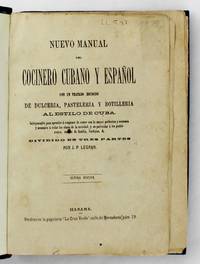
18806249Habana 1880. About very good. 199xxi3pp. Contemporary quarter red leather with modern marbled boards spine gilt. Light wear to binding. Minor soiling and wear to text. "Ultima edicion" originally published in 1857. This charming Cuban production is divided into three parts -- Sopas; Menestras Salsas Legumbres Frituras y Menudencias; and Pasteleria Reposteria y Dulceria. Each section has an index at the end of the text. The work includes local flavors such as Sopa Cubana; Ajiaco de Puerto-Principe; Lengua a la Criolla; Jigote Cubano; Pargo a la Americana; and more. We locate two copies of the 1857 edition of this work. Though we find a listing in OCLC there are no physical locations attached. unknown
1940026740Harmondsworth: Penguin Books 1940. First Penguin Edition First Printing . Printed Wrappers. Very Good/No Dust Jacket. First Penguin printing 1940 #310. From the collection of Ian Ballantine who was the American representative of Penguin Books prior to his founding of Ballantine Books in 1952. Each book from the Ballantine collection comes with a loose card indicating it is from the library of Ian and Betty Ballantine. Book has traces of wear at a few places on spine edges no other wear no fading but has a 1/2 tear at foredge of front cover with associated wrinkling lines extending 2" up the cover. <br/> <br/> Penguin Books unknown
1898ZB410896Washington: GPO 1898. 8 pp issued as 55th Congress 2d Session SD 129; light extraction roughness at margin now disbound in self wrappers. - If you are reading this this item is actually physically in our stock and ready for shipment once ordered. We are not bookjackers. Buyer is responsible for any additional duties taxes or fees required by recipient's country. Washington: GPO, unknown
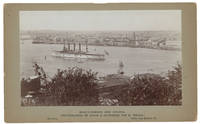
1890LIST110Havana: R. Testar 1890. Albumen photograph on cardstock mount image measuring 7 1/4 x 4 1/2 inches on 8 3/4 x 5 1/2 inch mount. A view of an American warship in Havana harbor likely taken prior to the outbreak of hostilities between the United States and Spain in early 1898. The photographers Leach and Patterson of Calle San Rafael published several views of Cuba at this time mostly of bucolic scenes around Havana and its environs. The American cruiser is similar in design to the U.S.S. Maine with slight differences - two smokestacks instead of three. An excellent example with minor wear to mount and fine image. R. Testar unknown
73963c.1875. . Albumen print Fair tonal range and in good condition pasted on original card.<br /> <br /> [c.1875]. unknown
1538022281.Gpaperback. Good. Access codes and supplements are not guaranteed with used items. May be an ex-library book. paperback
1961722119.Gpaperback. Good. Access codes and supplements are not guaranteed with used items. May be an ex-library book. paperback
0331831511.Ghardcover. Good. Access codes and supplements are not guaranteed with used items. May be an ex-library book. hardcover
1333298536.Gpaperback. Good. Access codes and supplements are not guaranteed with used items. May be an ex-library book. paperback
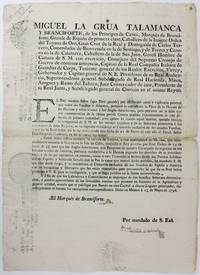
17965074Mexico City: May 13 1796. About very good. Broadside 17 x 12.25 inches. Old fold lines. Slight separation and loss at center fold slightly affecting a few letters. Minor wear else. Proclamation made by the Viceroy of New Spain authorizing trade between Cuba and the United States. The Caribbean was in tumult in the 1790s with Toussaint L'Ouverture overthrowing the French colonial government and outlawing slavery. Likewise in Cuba there was a similar revolt against slavery demanding abolition and equality -- both revolutions were of substantial concern to slaveholders in the American South. Specifically the present decree mentions flour and other vital foodstuffs as a measure against shortages in Cuba intended to prevent further trouble. "Para precaver la escasez de viveres y con especialidad de harinas que verosimilmente causaria la guerra concedio El Rey Permiso por Real Orden de 25 Junio de 93. para que los Anglo-Americanos.pudiesen conducirlos a la Havana pagando los derechos los puertos habilitados de España." The Viceroy at the time was Don Miguel de la Grua Talamanca de Carini y Branciforte First Marques de Branciforte. The Marques was notoriously corrupt even for colonial Spain having gained position through marriage to the Prime Minister's sister. He made sure to make some profit on everything that passed through his hands including taking advantage of the War in Cuba to remove the French from their lands and sell them to his benefit. A rare and interesting decree. We locate a single copy in OCLC at the University of Minnesota. May 13 unknown
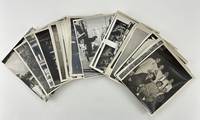
19612137Various places in Florida Mexico Cuba & Spain 1961. About very good. 138 original prints each 8 x 10 inches; mostly large format images with twelve contact sheet containing multiple smaller images and including several duplicates. Light wear at edges; slight curling. Occasional patches of scuffing or soiling. Scattered manuscript annotations and ink stamps on blank versos of photographs. An interesting aggregation of approximately 150 unique professional images that depict the travels and activities of the Latin American Fiesta Association of Tampa Florida. The cultural heritage group was founded in 1940 and flourished from the late 1940s to the 1980s and organized or participated in local social events had an annual ball and traveled widely across Latin America. The photographs here date from 1949 to the early 1960s and document the travels of association members to Spain Mexico and Cuba. They attended numerous events entertainments dinners and other social gatherings as well as made visits to attractions and local cultural clubs. In Spain and Cuba their trips seem to have been limited to Madrid and Havana respectively and there are some interesting series of travel images in Cuba from just prior to the Revolution.<br /> <br /> The group seems to have made multiple trips to Mexico and traveled somewhat more widely. Scattered images show the activities of the association in Florida as well and many of the prints have contemporary manuscript captions and ink stamps of local photographers and photography studios on the versos. In all a wide-ranging and quite engaging group of large photographs that document this midcentury Latin American social club in Florida. unknown
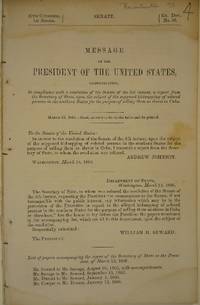
#[20228]Washington 1866. Disbound. 55 pp. - Senate Ex. Doc. 39th Congress 1st session. unknown
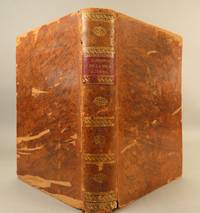
18308598<p>Two volumes in one with continuous pagination. No further volumes were published. Spanish text. Full mottled calf with red morroco label to spine and gilt particulars. Marbled endpapers. Loss to foot of spine see image and to corners. No previous owners' names or other defacements. Very scarce.</p><p>6 x 8.25 in</p> Imprenta de las Viudas de Arazoza y Soler hardcover
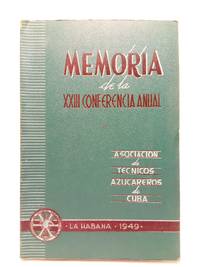
194924117La Habana: Asociación de Técnicos Azucareros de Cuba 1949.- XIX405 p. 6 h.: Ilustraciones estados y tablas una grande plegada; 4º mayor 258 x 173 cm; Cartulina Ed.- RARO. Cubierta posterior algo manchada. Por lo demás en perfecto estado. ECONOMÃA IBEROAMERICANA Y DERECHO FISCAL MERCANTIL FINANCIERO Y DEL TRABAJO Libro en español Asociación de Técnicos Azucareros de Cuba paperback
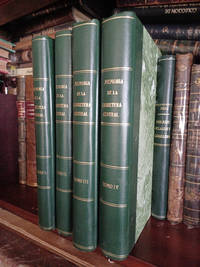
19302416<p>Memoria administrativa y descriptiva de las obras de la carretera nacional de cuba 4 vols primera edicion habana cuba 1930 nueva encuadernacion 4 tomos con algunas paginas restauradas y algo gastadas publicado por la Republica de cuba secretaria de obras publicas negociado de caminos y puentes bajo la administracion del honorable presidente de la republica de cuba general gerardo machado y morales siendo secretario de obras publicas el dr carlos miguel de cespedes.</p><p>La <strong>Carretera Central de Cuba</strong> es la principal vía de transporte automotor de la isla. Fue construida entre 1927 y 1931 bajo el gobierno del presidente Gerardo Machado. Con una longitud total de 1139 km en 1931 la carretera está dividida en dos ramas a partir de La Habana: una hacia oriente y otra a occidente. El kilómetro 0 se encuentra en el Capitolio de La Habana. En el momento de su construcción enlazaba las 6 capitales provinciales: >Pinar del Río La Habana Matanzas Santa Clara >Camagüey y Santiago de Cuba actualmente enlaza 14 de las 15 provincias del país con la sola excepción de Cienfuegos.</p><p><strong>Gerardo Machado y Morales</strong> Camajuaní Las Villas 28 de septiembre de 1869-Miami Beach Florida 29 de marzo de 1939 fue un militar y >político cubano que fungió como general a favor de su país en la guerra de independencia contra España y fue el quinto presidente de la >República de Cuba 1925-1933.</p><p>Machado ingresó a la presidencia con una amplia popularidad y apoyo de los principales partidos políticos. Cabe destacar que durante su administración se realizaron obras que perduran hasta el día de hoy: el Capitolio de La Habana y la Carretera Central. Aquellas obras públicas y otras "menores" caracterizaron su gestión dado que puso énfasis en la impulsión de ellas para absorber el desempleo que entonces azotaba a la isla tras el hundimiento de los precios del azúcar en 1921. Sin embargo su apoyo disminuyó con el tiempo puesto que reformó la Constitución de 1901 para perpetuarse en el poder. A medida que las protestas y rebeliones se volvían más estridentes debido al impacto del crac del 29 en Cuba su administración redujo la libertad de expresión y recrudeció la represión cosa que significó por parte de su mandato la lenta transición a una dictadura. Finalmente en 1933 fue obligado a dimitir a favor de un Gobierno provisional encabezado por Carlos Manuel de Céspedes y Quesada hijo de su homónimo padre a quien se considera padre de la patria y mediado por el embajador estadounidense Sumner Welles</p> secretaria de obras publicas hardcover
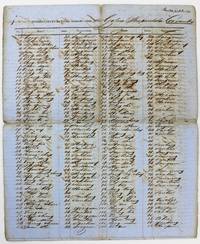
18673978Macau: April 6 1867. Very good. 6pp. on large folio partially-printed forms printed in two columns completed in manuscript. Old folds with minor losses at a few spots along the horizontal fold. Five hundred and fifty Chinese laborers bound for Cuba aboard the Spanish galley "Cervantes" are listed by name with their age and town or city of origin given. The laborers hail from several different cities in China and their ages range from 18 to 36 with the majority of the men in their 20s. The end of the document is signed and dated on the final page by José de Aguilar the Spanish consul at Macau. The left side of the final page contains two separate lists one with five numbers and the other with four numbers keyed to the manifest. The list of five names has an "x" next to each number perhaps noting that these men did not in fact make the trip to Cuba; each "x" could also signal that these men died during the voyage from Macau to Cuba which was a common-enough occurrence that it is often noted on manifests of this kind.<br /> <br /> Chinese indentured servitude in 19th-century Cuba was an insidious practice tantamount to slavery which flourished in Cuba even after the abolition of the peculiar institution in the British West Indies. With their free source of labor no longer available plantation owners in Cuba looked elsewhere; and they looked east. From around 1848 to the mid-1870s over 100000 Chinese indentured servants made their way to Cuba often sailing to Cuba in large groups. Once they arrived Chinese laborers indentured themselves to Cuban masters for terms of at least five years. The treatment of Asian indentured servants in Cuba varied widely with reports of some particularly ill-treated laborers ending their lives by suicide. "Some contemporaries and later historians.have condemned the servitude of the Asians as a thinly disguised revival of slavery. These critics have pointed to a variety of abuses to which the Asians were subjected both legally - with severe laws governing absenteeism vagrancy and insufficient work - and illegally in the form of harassment by vicious masters. Yet other observers have defended the system as a boon to the Asian workers. Voluntary reindenture at the end of their terms was common among the migrants suggesting that many Asians judged the system to be beneficial to them" - Drescher.<br /> Seymour Drescher & Stanley L. Engerman editors A Historical Guide to World Slavery New York 1998 pp.239-42. April 6 unknown
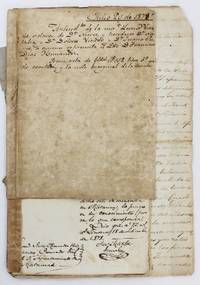
18784011Various places in Cuba 1878. Overall good. 29 leaves varying sizes. In contemporary ad hoc selfwrappers loosely stitched. Rear wrap tattered. Varying degrees of toning and wear. Scattered offsetting throughout. Fascinating gathering of documents and letters that present several cases of Cuban slaves applying for their own freedom in 1878. The gradual abolition of slavery on the island was enacted by Spain in 1880 but prior to this there were several bureaucratic mechanisms by which enslaved people could apply for or purchase their own manumission. The most interesting case amongst the present manuscript documents is the claim of a male slave that states he was born free in Puerto Rico but was somehow included in an inheritance as a young boy transported to Cuba and sold into slavery:<br /> <br /> "Un individuo que hoy se encuentran en la Cárcel del Alacranes y que dice nombrase Juhan ó José Julian Quintana y ser esclavo actualmente de Dn. Serapio Hernandez dueño de los ingenios Escorial ubicado en Colon y Sta. Rosa en Limonar y vecino de esa Ciudad calle del Rio ha solicitado se le restituyan un derechos de libertad por haber nacídolibre en Puerto Rico de donde á la edad de 5 ó 6 años le trajeron à esta Ysla y vencieron como esclavo."<br /> <br /> Interesting for the study of manumission in late-colonial Cuba and certainly worthy of further research. unknown
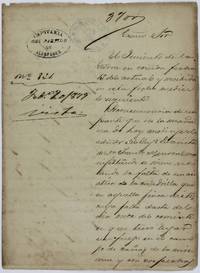
18792090Cuba 1879. About very good. 3pp. on a small bifolium. Contemporary ink stamps; accomplished in a fairly legible hand. Minor wear. A few small wormholes. Light tanning and dust soiling. Brief but very interesting manuscript report on the case of a missing Chinese indentured servant in the district of Alagranes near Matanzas. On February 18 1879 the owner of the plantation Juanita reports the missing person stating that there was a fire in his sugar cane field and it is thought that the laborer might have been burned. It seems that the present document serves to register the case with regional authorities in Matanzas and is a good record of the bureaucracy controlling indentured servitude in Cuba at this time. unknown