2 001 résultats
39071N° 575 - Juillet-Septembre 1990 - Presses Universitaires de France
1719broché, 16x25 cm, 16ème année - N° 149-150 - JANV.-FEV. 1933, pagination de 1 à 64.
1974LFA-126740016N° 2 - 1974 : 220 pages, format 210 x 295 mm, illustrée, brochée couverture couleurs, bon état
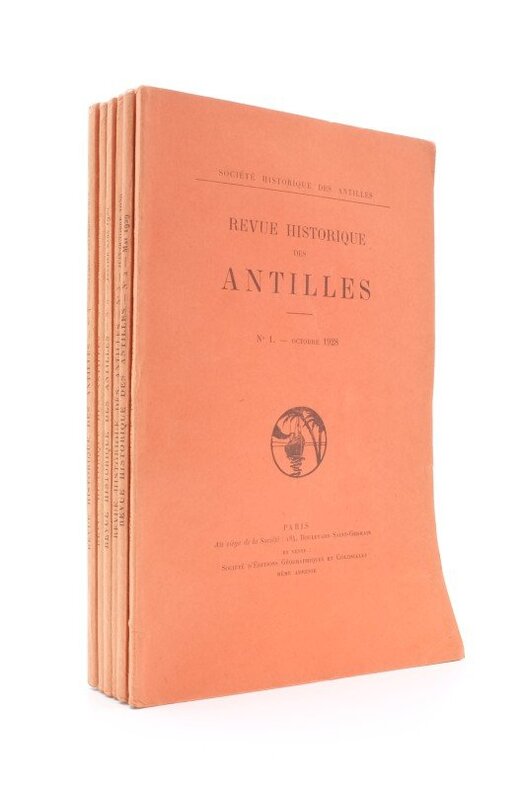
353Paris : Au siège de la société (imp F. Paillart, Abbeville), octobre 1928 - avril-octobre 1930. UNE TRÈS RARE PUBLICATION SUR LES ANTILLES
186326524Paris Bureau de la Revue des Deux Mondes 1863 -in-8 demi-Maroquin un fort volume, reliure demi-maroquin cerise grand in-octavo à coins (binding half morocco with corners), reliure d'époque signée "PETIT" successeur de "SIMIER", dos 4 nerfs (spine with raised bands) décoré "or" et à froid (gilt and blind stamping decoration), titre et tomaison frappés "or" (gilt title and volume numbering) dans un encadrement d'un double filet fin "or", triple filets fins "or" en place des nerfs avec un filet à froid de part et d'autre des nerfs, plats décorés or (gilt decoration on the cover) avec 3 filets fins "or" aux mors et aux coins (joints and corners with three gilt line), papier marbré aux plats (cover with marbled paper), toutes tranches lisses (all edges smoothes) peignées (painting edges) rouge et bleu, sans illustrations (nop illustration), 1008 pages, 1863 Paris Bureau de la Revue des Deux Mondes Editeur,
33705N° 1 vol. XXI de juin 1967 - broché - 180 pages - Publiée par L'Institut d'Histoire de l'Amérique Française, Canada
1848GITb980Paris Imprimerie et Librairie Administratives de Paul Dupont 1849. in-8 broché 175pp. Couverture légèrement froissée avec petits manques en bordure.
2000LFA016cdTrès belle revue de l'association "Vieilles Maisons Françaises" : 100 pages, format 300 x 230 mm, bien illustrée, textes de grande qualité
Une revue brochée de format petit in 8° de 64, XVI pp.; un cahier d'images à découper et à coller. Nombreuses illustrations dans le texte. Comme neuf; voir photos.
496241 vol in-8 broché - N° 241 de 1965 - 55 pages - Illustrations n&b et couleurs
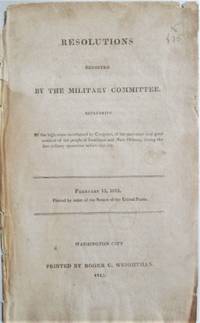
1815016534Washington City: Roger C. Weightman Printer 1815. Pamphlet. Good. Pamphlet disbound from a larger work and lacking any wrappers issued. 4 pp. A short piece bestowing gratitude and honor upon the citizens of New Orleans and Louisiana for their actions during the War of 1812. GOOD condition. Some dampstaining soiling spotting and staining to the paper. Minor chipping and loss along the extremities. Roger C. Weightman, Printer unknown
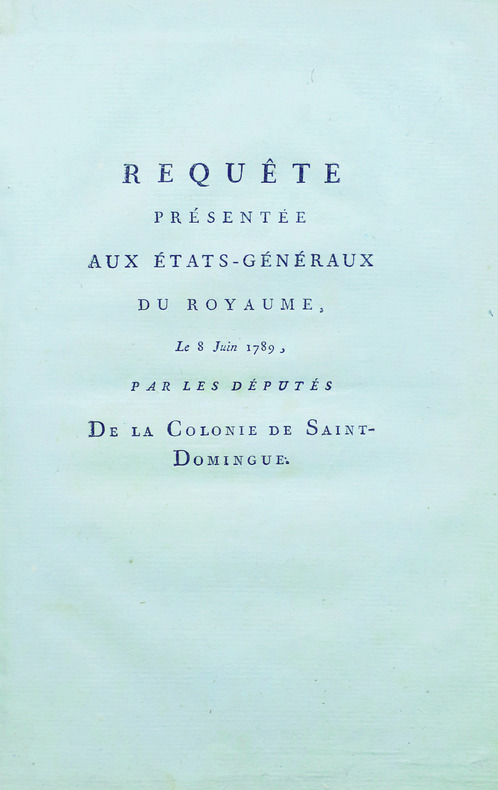
1789LBW-68831789. In-8 de 7 pp. sur papier bleuté, non rogné ; cartonnage de papier marbré marron à la Bradel, pièce de titre marron (reliure moderne).
1849012856Boston: Eastburn's Press 1849. Wraps. Poor. Printed wraps MISSING rear wrapper. 79 pp. With a large fold out map of the Boston and Maine Railroad. A report offering business and financial accounts of the Boston and Maine Railroad discussing land owned business transactions and finances capital etc. Issued due to coincide with the issue of more stock in the company. POOR condition MISSING rear wrapper. Heavy soiling and staining to the front wrapper and several rear pages including black spotting and staining. Moderate to heavy dampstaining throughout with scattered soiling. Front wrapper heavily creased torn and folded along the spine. Map somewhat misfolded with a tear and some soiling/staining. Overall POOR condition sold primarily for map with the rest of the piece perhaps best considered a working copy. Eastburn's Press unknown
1870005733Washington: Government Printing Office 1870. Full Leather. Good/No Jacket. Full calf leather. 650 pp. With a title page preceding the above title stating: 'Executive Documents Printed by Order of the House of Representatives During the Second Session of the Forty-First Congress. 1869-70. Dated 1870. With a 51 page index to the 13 volumes of these documents at the front. This volume is devoted to the report from the Chief of Engineers which includes a discussion of a perfect levee system along the Mississippi River various improvements to harbors rivers and waterways etc. GOOD condition. Uneven fading and minor staining to the leather with some scuffing heaviest along the extremities and spine. A 2 inch split present at the upper rear hinge with a small split at the upper front. Light pulling and fraying to the head of the spine. A few small spots of staining to the rear cover. Interior clean and solid with minor browning. Some offsetting to the endpapers. Government Printing Office unknown
19721217351972 Editions Basse-Terre, Société d'Histoire de la Guadeloupe, Collection "Bibliothèque d'histoire antillaise" - 1972 - In-12, broché - 248 pages
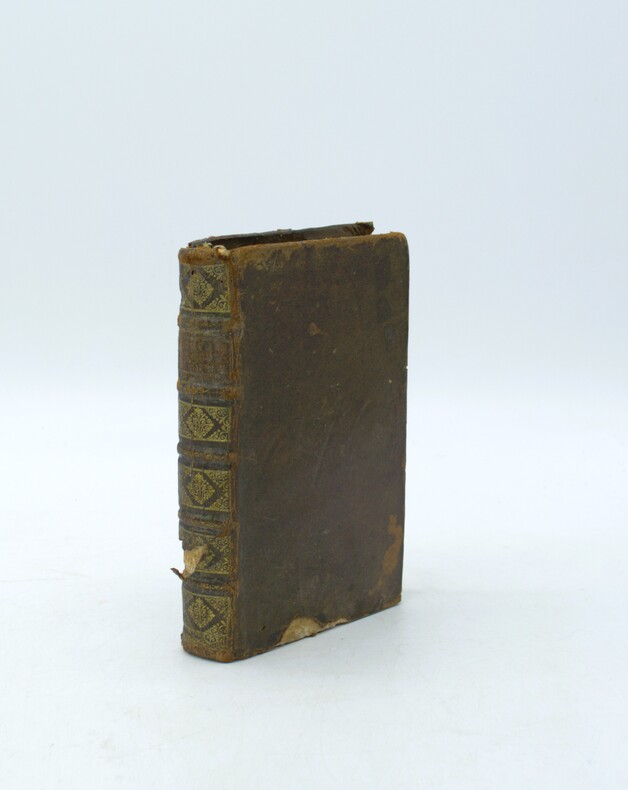
1698PHO-2187Paris, dans l'Isle du Palais, G. Saugrain, 1698.Grand in-12, 6ff.-219pp., veau époque, dos à nerfs orné, manque au dos et aux plats, coins usés, frottements, ex-libris sur la page de garde et manuscrit au titre. Exemplaire sans les planches.
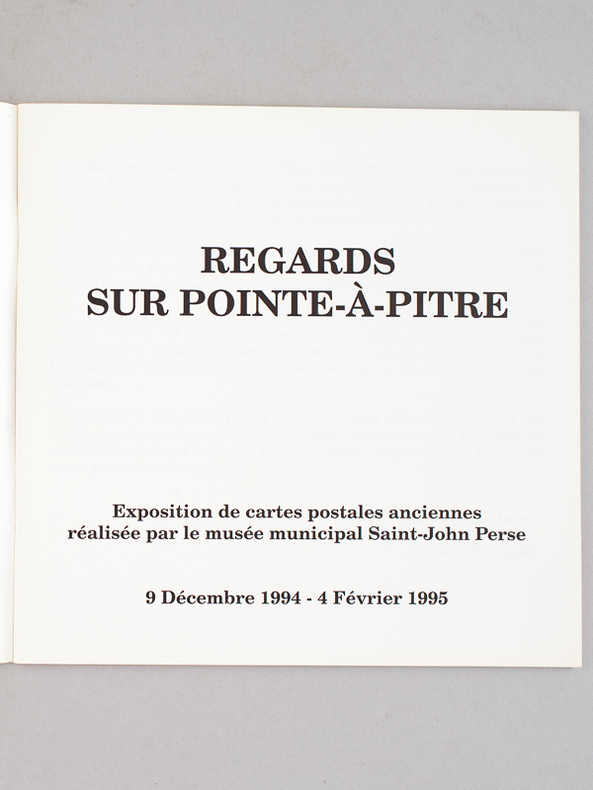
1994331141 vol. in-8 carré br., 1994, 54 pp.
1 vol. in-8 carré br., 1994, 54 pp. Bon état Français
1999ANTILLES656121114Bordeaux, Musée d'Aquitaine / Paris, Réunion des Musées nationaux, 1999, 22 x 28, 248 pages coususes sous couverture souple illustrée. Textes de Laurence Verrand, Jean-Yves Boscher, Jacques de Cauna, etc. Riche iconographie en noir & blanc et en couleurs. Ouvrage publié à l'occasion de la présentation de la collection Marcel Chatillon du 23 septembre 1999 au 16 janvier 2000.
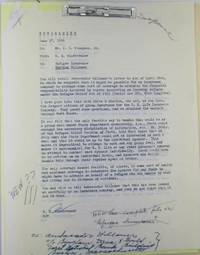
1956021525No Place: No publisher 1956. Unbound. Good. Various places and dates. Dates range from April 25 1956 to June 27 1956. 14 leaves printed on single sides only. It appears most are copies of originals but a few may be original as well. All these letters stem from a proposal letter written by Ambassador Whiting Willauer to his friend and insurance executive from whose estate these came. Willauer mentions his troubles with some Chinese refugees he sponsored which made him ponder the possibility for some sort of insurance for sponsors of refugees to cover financial losses in case the refugees are not able to fulfill their obligations stipulated in the Refugee Act of 1953. The letters are between other US insurance executives pondering options and feasibility with the eventual conclusion that the proposal was not practical. The act itself was meant to accommodate 200000 refugees affected by communism. The earliest letter is from US Ambassador Whiting Willauer on "The Foreign Service of the United States of America" letterhead and apparently written from Honduras where Willauer was serving at the time. Notably Willauer along with Claire Chennault established the Civilian Air Transport Company in China in 1946 selling it to the CIA in 1950 although not resigning from the company until 1954. At this time he became ambassador to Honduras and worked directly with the CIA in Guatemala in support of their operation to overthrow its government led by Jacobo Arbenz Guzman see Wikipedia for previous information-or misinformation. Willauer's letter does bear a signature but we have not authenticated it in any way. These are from an executive of a very large international insurance firm name of owner and firm withheld for privacy. The owner was a highly placed executive in an insurance company and travelled throughout the world extensively. They were active in politics through donations and fundraising and it appears their family was friendly with the Roosevelts especially Eleanor Roosevelt. The previous owner's work for the insurance company led them to meet with various heads of state worldwide including US government officials. Some of the people associated with this firm were also involved in World War II activities including financing the Flying Tigers in China as well as work for the OSS using knowledge gained from insurance work. While we have not found any direct connection to intelligence work by this owner their ties to those who did are strong. GOOD condition. Letters mounted by metal clip in a manila folder. Some wrinkling to the letters with a few handwritten notes to some of them. No publisher unknown
1782CA0094lii315 pages. Octavo 8" x 5 3/4" bound in full leather with gilt lettering to spine. Translated with notes by Pedro Varela y Ulloa. Palau 196692. First Spanish edition.<br /><br />A text that engaged the well-studied debates about the natural history of the Americas and Spain's colonial history. In 1780 in Venice Juan Nuix published Riflessioni imparziali supra l'umanita degli spagnuoli nell' Indie contro i pretersi filosofi e politici. Nuix a Catalan living in Italy since the expulsion of the Jesuits wrote the book to defend Spanish colonialism and historiography against the attacks of Robertson and Raynal. It sailed by the censors in the Council of the Indies and two separate translations appeared in succession one in 1782 edited by a member of the Royal Council Pedro Varela y Ulloa and another in 1783 by Joseph Nuix Juan's brother. The Spanish edition sponsored by the crown opened with an essay by Varela y Ulloa in which he first offered a searing Critique of traditional forms of colonialism not unlike that put forth by Raynal. After describing military campaigns in foreign lands from Alexander the Great to Genghis Kahn as butcheries Varela y Ulloa went on to claim that the Spanish colonialism was unique. The crimes attributed to Spain in the Indies had been committed by private individuals who did not represent the nation as a whole and who had acted as they did while surrounded by hungry cannibals. Moreover compared with the atrocities committed by other European colonial powers the actions of the Spaniards looked like misdemeanors. Varela y Ulloa's effort to portray Spanish colonialism as unique benign captured the essence of Nuix's thesis well. Nuix's defense of the record of Spanish colonialism opened with passages that sought to bolster his credibility by stressing that he was a Catalan and that Catalans had not really participated in the Spanish colonization of the Indies so that he could not be accused of being partisan. He then articulated a five-pronged defense of Castilian colonial behavior in America seeking to demonstrate the unreliability of the sources used by Robertson and Raynal and of their interpretations. Nuix First set out to prove that charges of Spanish cruelty to Amerindians were exaggerations originally put into circulation by writers such as Las Casas whose reports on the destruction of the Indies were at the root of most foreign criticisms of Spain. According to Nuix Las Casas was of Flemish origin which explained why he had sought to undermine Spain. Las Casas also often contradicted himself Nuix argued no impartial jury could trust such "an inept" witness. Foreign historians who had echoed Las Casas's allegations were not credible either not Robertson whose moderation had prompted him to dismiss Las Casas. Robertson had selected and reinterpreted the testimony of Spanish witnesses when recounting various colonial massacres. Instead of quoting them moreover Robertson had manipulated the testimony of witnesses to depict the Amerindians as passive victims of Spanish cruelty. History was not a matter of interpretation however but of faithfully presenting the testimony of witnesses and in that respect Robertson lacked credibility. In order to prove that Spaniards in America had not behaved like greedy barbarians Nuix argued that the alleged depopulation caused by the Conquest was the product of factors outside human control. The infantile susceptibility of the natives to disease for example was why epidemics had wiped them out. The barrenness of the Americas and the idleness of the originally small number of natives had moved the conquerors to create economies based on mining and large estates. Such economies along with the foreign monopoly on colonial trade not Spanish cruelty and greed Nuix contended were responsible for having slowed both markets and population growth.<br /><br />Condition:<br /><br />Provenance: Book plate of Alberto Parreño formerly president of the Cuban Chamber of Commerce in New York to front paste down. Spine head chipped rubbing to edges and corners very crisp internally else about a very good copy. Joachin Ibarra hardcover books
1782CA0094lii315 pages. Octavo 8" x 5 3/4" bound in full leather with gilt lettering to spine. Translated with notes by Pedro Varela y Ulloa. Palau 196692. First Spanish edition.<br /><br />A text that engaged the well-studied debates about the natural history of the Americas and Spain's colonial history. In 1780 in Venice Juan Nuix published Riflessioni imparziali supra l'umanita degli spagnuoli nell' Indie contro i pretersi filosofi e politici. Nuix a Catalan living in Italy since the expulsion of the Jesuits wrote the book to defend Spanish colonialism and historiography against the attacks of Robertson and Raynal. It sailed by the censors in the Council of the Indies and two separate translations appeared in succession one in 1782 edited by a member of the Royal Council Pedro Varela y Ulloa and another in 1783 by Joseph Nuix Juan's brother. The Spanish edition sponsored by the crown opened with an essay by Varela y Ulloa in which he first offered a searing Critique of traditional forms of colonialism not unlike that put forth by Raynal. After describing military campaigns in foreign lands from Alexander the Great to Genghis Kahn as butcheries Varela y Ulloa went on to claim that the Spanish colonialism was unique. The crimes attributed to Spain in the Indies had been committed by private individuals who did not represent the nation as a whole and who had acted as they did while surrounded by hungry cannibals. Moreover compared with the atrocities committed by other European colonial powers the actions of the Spaniards looked like misdemeanors. Varela y Ulloa's effort to portray Spanish colonialism as unique benign captured the essence of Nuix's thesis well. Nuix's defense of the record of Spanish colonialism opened with passages that sought to bolster his credibility by stressing that he was a Catalan and that Catalans had not really participated in the Spanish colonization of the Indies so that he could not be accused of being partisan. He then articulated a five-pronged defense of Castilian colonial behavior in America seeking to demonstrate the unreliability of the sources used by Robertson and Raynal and of their interpretations. Nuix First set out to prove that charges of Spanish cruelty to Amerindians were exaggerations originally put into circulation by writers such as Las Casas whose reports on the destruction of the Indies were at the root of most foreign criticisms of Spain. According to Nuix Las Casas was of Flemish origin which explained why he had sought to undermine Spain. Las Casas also often contradicted himself Nuix argued no impartial jury could trust such "an inept" witness. Foreign historians who had echoed Las Casas's allegations were not credible either not Robertson whose moderation had prompted him to dismiss Las Casas. Robertson had selected and reinterpreted the testimony of Spanish witnesses when recounting various colonial massacres. Instead of quoting them moreover Robertson had manipulated the testimony of witnesses to depict the Amerindians as passive victims of Spanish cruelty. History was not a matter of interpretation however but of faithfully presenting the testimony of witnesses and in that respect Robertson lacked credibility. In order to prove that Spaniards in America had not behaved like greedy barbarians Nuix argued that the alleged depopulation caused by the Conquest was the product of factors outside human control. The infantile susceptibility of the natives to disease for example was why epidemics had wiped them out. The barrenness of the Americas and the idleness of the originally small number of natives had moved the conquerors to create economies based on mining and large estates. Such economies along with the foreign monopoly on colonial trade not Spanish cruelty and greed Nuix contended were responsible for having slowed both markets and population growth.<br /><br />Condition:<br /><br />Provenance: Book plate of Alberto Parreño formerly president of the Cuban Chamber of Commerce in New York to front paste down. Spine head chipped rubbing to edges and corners very crisp internally else about a very good copy. Joachin Ibarra hardcover
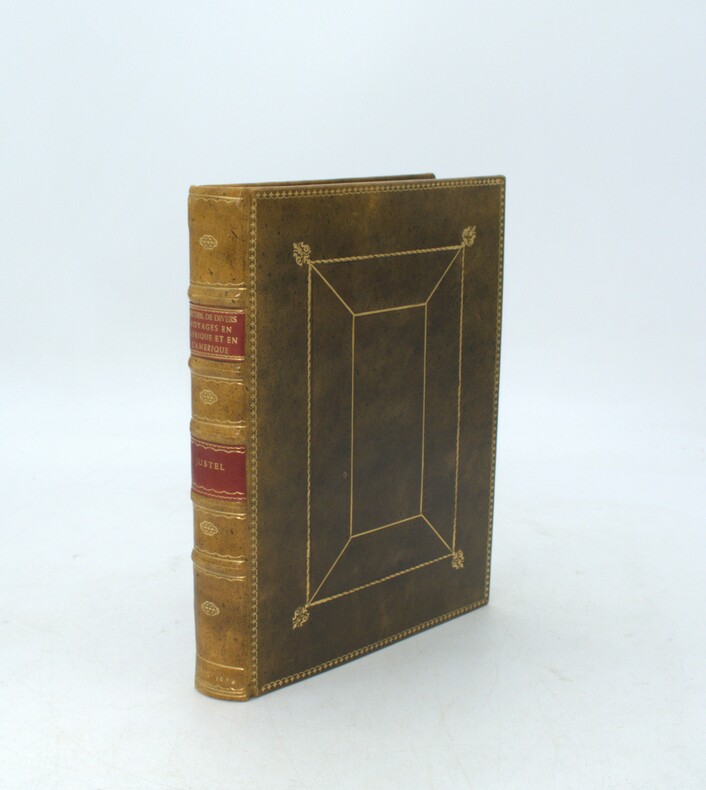
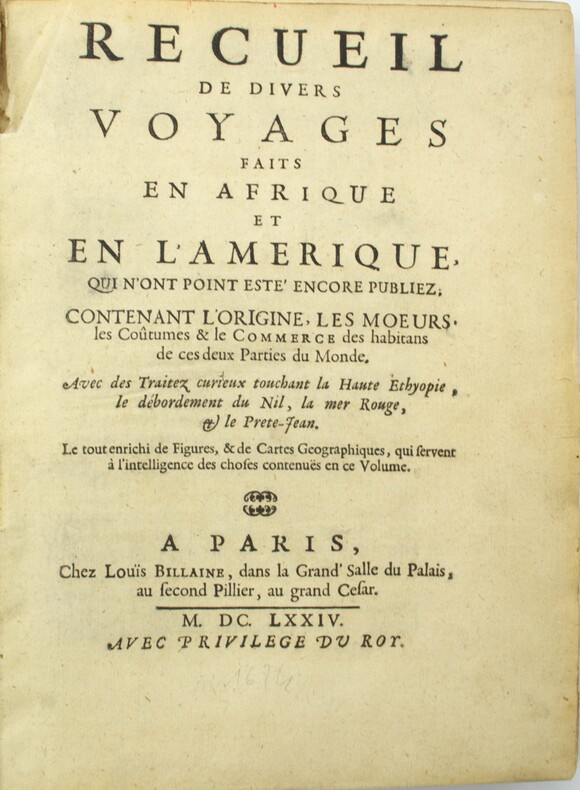
1674PHO-2032Paris, Louis Billaine, 1674. in-4 (228x164) , relié plein veau , filets sur les plats , dos à nerfs orné avec titre , auteur et date (reliure pastiche),tranches rouge. L'ouvrage est illustré de 12 planches hors texte, une carte de l'Éthiopie dans le texte, trois cartes dépliantes (Barbades, Jamaïque et Virginie, Maryland et la Nouvelle-Angleterre) manque la carte du Nil, mouillures, déchirure et réparation au pli (carte des Barbardes)
1674PHO-2243Paris, Louis Billaine, 1674, in-4 (228x164), basane postérieure (19eme), dos à nerfs avec titre, lieu et date, tranches marbrées, réparations au dos et aux coins, petite réparation au pli de la carte des Barbades, intérieur frais, illustré de 12 planches (13) et trois cartes dépliantes (Barbades, Jamaïque et Virginie, Maryland et la Nouvelle-Angleterre) manque la carte du Nil comme souvent et un faux titre