6 567 résultats
Octavo in stapled, printed wraps; 112p. Recipes. Rare. No copies located in WorldCat. Worthy of restoration or conservation. The "A" of "Aguifero may possibly be another letter. || Mexico Food. Comida Mexicana. Women Chefs, cooks.
1927055900Ankara: Adliye Vekâleti Istatistik ve Nesriyât Müdüriyeti Türk Ocaklari Matbaasi 1927. 1st Edition . Soft cover. Very Good. 4to - over 9¾ - 12" tall. Original trichrome wrappers. 4to. 27 x 20 cm. In Ottoman script Old Turkish in Arabic letters. 4 56 72 92 32 92 41 31 8 25 p. two full paged b/w plates. First and only edition of detailed account of the Lotus case an international legal case involving France and Turkey in front of the Permanent Court of International Justice compiled by Spanish judge Altavira y Crevea and translated by Turkish Distinguished Professor of International Law Menemenlizâde Edhem 1878-1965. The case is known for establishing the so-called "Lotus principle" in international law says that sovereign states may act in any way they wish so long as they do not contravene an explicit prohibition. The Bozkurt-Lotus case decided by the Permanent Court of International Justice PCIJ in 1927 became a landmark in international law especially regarding issues of jurisdiction and the extent of a state's rights to assert criminal jurisdiction over foreign nationals. The case arose from the collision between the S.S. Lotus a French vessel and the S.S. Bozkurt a Turkish ship near the Greek island of Mytilene on 2 August 1926. After the collision eight Turkish nationals aboard the Bozkurt drowned. In response Turkey arrested and charged the captain of the Lotus Captain Demons for causing the deaths and damages to the Turkish vessel. The Turkish courts condemned him asserting their right to try him for the incident even though the collision occurred in international waters and involved a French ship. France contested the jurisdiction of Turkish courts over the captain arguing that Turkey could not claim the right to prosecute a foreign national for actions committed on a foreign vessel in international waters. France brought the case before the PCIJ to challenge Turkey's legal authority. The court ruled in favour of Turkey emphasizing that under international law there was no general prohibition against a state asserting jurisdiction over crimes involving foreign nationals even when the incident occurred outside its territorial waters. The PCIJ's decision established the principle that absent an explicit prohibition in international law states are free to exercise jurisdiction in cases where they have a legitimate interest even if the matter involves foreign nationals and occurred in international waters. This judgment reinforced the notion of state sovereignty in determining jurisdiction and highlighted the extent to which international law permits states to assert legal authority over incidents involving foreign nationals under certain conditions. However it also raised important questions about extraterritorial jurisdiction and the balance between state sovereignty and international cooperation in legal matters. "The Lotus principle or Lotus approach usually considered a foundation of international law says that sovereign states may act in any way they wish so long as they do not contravene an explicit prohibition. The application of this principle - an outgrowth of the Lotus case - to future incidents raising the issue of jurisdiction over people on the high seas was changed by article 11 of the Convention on the High Seas. The convention held in Geneva in 1958 laid emphasis on the fact that only the flag state or the state of which the alleged offender was a national had jurisdiction over sailors regarding incidents occurring on the high seas." Wikipedia. It is the first legal Turkish success achieved in the international arena after the proclamation of the Republic. Karakus. In court the Turkish side was represented by Mahmut Esat Bozkurt who was the Minister of Justice at the time. When Turkey adopted the formal surname system in 1934 Mahmut Esat chose the surname "Bozkurt" as a reminder of the landmark case. Sources: Karakus H.Burak. 2013. Atatürk Özel Sayisi: "Genç Türkiye'nin Ilk Hukuk Zaferi: Bozkurt-Lotus Davasi". Ankara: Hukuk Gündemi Dergisi. Wikipedia. Bulut Hüseyin. 2018. Atatürk <br/> <br/> Adliye Vekâleti Istatistik ve Nesriyât Müdüriyeti, Türk Ocaklari Matbaasi paperback
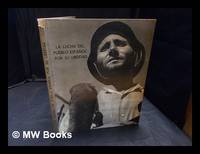
1937369023London : Press Department of the Spanish Embassy 1937. First Edition. Softcover. Good copy in original stiff card wrappers with some wear and tear as with age. Remains well-preserved overall; bright and clean. Physical description; 15 pages 128 pages plates ; 31 cm. Notes; Preface and captions in Spanish English and French. In Spanish English and French. Subjects; Spain History Civil War 1936-1939 ; Pictorial works. Spain Pictorial works History Civil War 1936-1939. Genres; History. Illustrated. Pictorial works. London : Press Department of the Spanish Embassy paperback
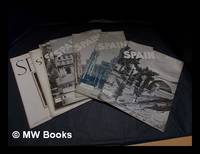
1939369001Madrid: Spanish Press Services Ltd 1939. First Edition. Softcover. Good set in the original stiff-card wrappers; edges slightly nicked and dust-dulled as with age. Physical description; 9 issues. Contents; No. 88: 8th June 1939 ; No. 89: 15th June 1939 ; No. 107: 7th March 1940 ; No. 108: 4th April 1940 ; 109: 2nd May 1940 ; No. 11: 4th July 1940 ; No. 112: 1st August 1940 ; No. 113: 5th September 1940 ; No. 115: 7th November 1940. Subjects; Spain. Spanish Culture. Spanish History. Madrid: Spanish Press Services Ltd paperback
2 vols., 8vo., First Edition thus, with 2 portrait frontispieces, 14 facsimiles and 196 maps and plans (a number double-page) in the text; strongly bound in sand boards, blue crushed morocco backs, backs with raised bands, second and third compartments framed in blind and lettered in gilt, all other compartments framed in gilt and blind, gilt tops, marbled endpapers, boards mildly age-marked, backstrips unevenly sunned to green else a very good, bright, clean copy. This first two-volume edition is an entirely new setting (not merely a rearrangement) of the original four-volume edition of 1933-34. It is unabridged and retains all the maps and plans of the first edition, but the illustrations are reduced to the two frontispieces. SCARCE IN THIS CONDITION. Woods A40(d); ICS A40(d).
010911Vélizy André L. Dardy 0 In-8 Cartonnage toilé de L'éditeur
In -12°, pp. 365, (3), piena pergamena coeva con titolo manoscritto al dorso. Umanista, scrittore e poeta portoghese, Francisco Botello (1670-1747) compose le sue opere prevalentemente in lingua spagnola. Educato a Madrid, viaggiò per diversi paesi d’Europa e fu anche impiegato all’Ambasciata portoghese a Roma, presso la Santa Sede. A Roma fu invitato fra l’altro a unirsi all’Accademia dell’Arcadia, offerta che declinò. Questo poema epico, qui nella sua rara prima edizione, è dedicato alla fondazione del Portogallo. Fu ristampato con l’approvazione dell’autore solo nel 1731.
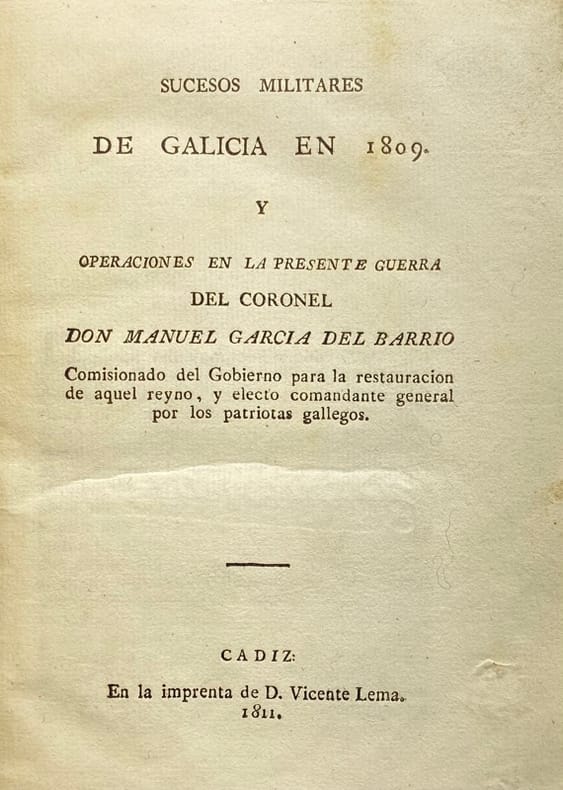
185739Cadix, Imprenta de Vicente Lema, 1811 in-8, [2]-VII-111-27 pp., cartonnage Bradel de papier cerise, dos lisse, pièce de titre cerise en long, tranches mouchetées de rouge (reliure moderne). Bon exemplaire.
Opera tratta dai "Los Caprichos", per la prima volta pubblicati nel 1799. Prova della quarta edizione di dodici, stampata dalla calcografia di Madrid, circa 1870. Aquaforte, acquatinta brunita e puntasecca, in perfetto stato di conservazione. La serie chiamata Los Caprichos, è composta da ottanta incisioni, la cui prima edizione [l’unica a non essere pubblicata postuma] venne alla luce ne 1799. Curata in fase d’edizione dallo stesso artista, la serie fu commercializzata e dopo poco tempo ritirata dal mercato. Infatti, a causa dei numerosi soggetti che ironizzavano sulla società spagnola di fine secolo, il Goya subì una censura. L’interpretazione dei soggetti rappresentati su queste lastre, sempre enigmatiche, è spesso controversa Etching with burnished aquatint and engraving, 1799. From the fourth edition of twelve of the so-called "Los Caprichos" series, edited by the Madrid Calcografia [circa 1870].A very good impression, with good contrast, printed on contemporary paper, customary margins, in very good conditions. The series called Los Caprichos, consists of eighty etchings. This first edition of 1799, the only one not to be published posthumously, is imprinted on soft laid pape. Cured in phase edition by the same artist, the series was marketed and before long withdrawn from the market. In fact, because of the many subjects that mocked the Spanish society of the century, Goya suffered censorship. The interpretation of the subjects represented on these plates, always enigmatic, is often controversial. Harris 63, Delteil 65.
Opera tratta dai "Los Caprichos", per la prima volta pubblicati nel 1799. Prova della quarta edizione di dodici, stampata dalla calcografia di Madrid, circa 1870. Aquaforte, acquatinta brunita e puntasecca, in perfetto stato di conservazione. La serie chiamata Los Caprichos, è composta da ottanta incisioni, la cui prima edizione [l’unica a non essere pubblicata postuma] venne alla luce ne 1799. Curata in fase d’edizione dallo stesso artista, la serie fu commercializzata e dopo poco tempo ritirata dal mercato. Infatti, a causa dei numerosi soggetti che ironizzavano sulla società spagnola di fine secolo, il Goya subì una censura. L’interpretazione dei soggetti rappresentati su queste lastre, sempre enigmatiche, è spesso controversa. Etching with burnished aquatint and engraving, 1799. From the fourth edition of twelve of the so-called "Los Caprichos" series, edited by the Madrid Calcografia [circa 1870].A very good impression, with good contrast, printed on contemporary paper, customary margins, in very good conditions. The series called Los Caprichos, consists of eighty etchings. This first edition of 1799, the only one not to be published posthumously, is imprinted on soft laid pape. Cured in phase edition by the same artist, the series was marketed and before long withdrawn from the market. In fact, because of the many subjects that mocked the Spanish society of the century, Goya suffered censorship. The interpretation of the subjects represented on these plates, always enigmatic, is often controversial. Harris 113, Delteil 115.
Opera tratta dai Los Caprichos, per la prima volta pubblicati nel 1799.Prova della quarta edizione di dodici, stampata dalla calcografia di Madrid, circa 1870.Acquaforte, acquatinta brunita e puntasecca, in perfetto stato di conservazione.La serie chiamata Los Caprichos, è composta da ottanta incisioni, la cui prima edizione [l’unica a non essere pubblicata postuma] venne alla luce ne 1799. Curata in fase d’edizione dallo stesso artista, la serie fu commercializzata e dopo poco tempo ritirata dal mercato.Infatti, a causa dei numerosi soggetti che ironizzavano sulla società spagnola di fine secolo, il Goya subì una censura. L’interpretazione dei soggetti rappresentati su queste lastre, sempre enigmatiche, è spesso controversa. In questo soggetto Goya affronta il tema del mondo alla rovescia. Nella scena ci sono tre personaggi, il centro dell'attenzione è l'uomo che sta mangiando, e che cerca di evitare tutti gli sguardi, vergognandosi dei tratti osceni del suo viso. L'artista ha chiaramente indicato il suo pensiero disegnando la cintura di un paio di pantaloni sopra la testa del personaggio. I nasi assumono una presenza notevole sul viso, e nel linguaggio popolare "nasi" è un chiaro eufemismo sessuale. Il modo in cui il viso è costruito, in modo che sopracciglia, occhi e naso evochino l'apparato genitale maschile, rafforzerebbe lo stesso senso. Altri commenti insinuano che la figura, nel piano superiore, con i suoi grandi pugni serrati, stia commettendo sodomia con la figura che tiene il vaso da cui mangia l'uomo vergognoso. L'anno 1799 è uno dei momenti chiave nella vita e nel lavoro di Francisco de Goya. Oltre ad essere nominato primo pittore da camera di Goya, a godere di un crescente prestigio come ritrattista e ad inaugurare la cappella di San Antonio de la Florida, che aveva decorato, il 6 febbraio il Diario de Madrid pubblicò un annuncio in cui venivano messe in vendita le ottanta stampe che compongono la serie dei Caprichos. Etching with burnished aquatint and engraving, 1799.From the fourth edition of twelve of the so-called Los Caprichos series, edited by the Madrid Calcografia [circa 1870].A very good impression, with good contrast, printed on contemporary paper, usual wide margins, in very good conditions.The series called Los Caprichos, consists of eighty etchings. This first edition of 1799, the only one not to be published posthumously, is imprinted on soft laid pape.Cured in phase edition by the same artist, the series was marketed and before long withdrawn from the market. In fact, because of the many subjects that mocked the Spanish society of the century, Goya suffered censorship.The interpretation of the subjects represented on these plates, always enigmatic, is often controversial. In this print Goya approaches the theme of the world upside down. In the scene there are three characters, being the focus of attention the man who is eating, and tries to avoid all eyes, ashamed of the obscene features of his face. The artist has clearly indicated his thinking by drawing above the character's head the waistband of a pair of pants. The noses take on a notable presence on the face, and in popular language "noses" is a clear sexual euphemism. The way the face is constructed, so that eyebrows, eyes and nose evoke the male genital apparatus, would reinforce the same sense. Other comments insinuate that the figure, in the upper plane, with his large clenched fists, is committing sodomy with the figure holding the vessel from which the shameful man eats. The year 1799 is one of the key moments in the life and work of Francisco de Goya. In addition to being named first chamber painter, enjoying a growing prestige as a portrait painter and the inauguration of the chapel of San Antonio de la Florida, which he had decorated, on February 6 the announcement of the sale of the eighty prints that form the series of the Caprichos was published in the Diario de Madrid. Here, Goya focuses his social criticism on the bestiality of a deformed man whose head emerges from his breeches. Among the slight variations between the print and the preparatory drawing, the most striking is that, in the former, he wears his trousers, but in the latter, he does not. As a result, the latter came to be known as The satire of man’s lechery. Moreover, this is the only drawing in the series to mix red-ink wash with pen. Valentín Carderera’s handwritten commentaries on the Caprichos, which are in both the Biblioteca Nacional and the Museo del Prado, further clarify this subject. The first reads: Men with large noses also tend to have large arrows [here, “arrow” is a euphemism for penis] and fat gandumbas [testicles]. As they are often sodomites, this one is depicted with his breeches on his head, with his pudenda hanging out as he lies on top of a poor devil and pulls up his skirts. The second commentary completes the information: There are men whose face is the most indecent part of their body, and it would be good if those whose face is that disgraceful and ridiculous would stick it in their breeches. Example fomr the HENRI MARIE PETIET (Saint-Prix, Seine-et-Oise, 1894-1980) collection (Lugt 5031). Harris 89; Delteil 91.
Opera tratta dai "Los Caprichos", per la prima volta pubblicati nel 1799. Prova della quarta edizione di dodici, stampata dalla calcografia di Madrid, circa 1870. Aquaforte, acquatinta brunita e puntasecca, in perfetto stato di conservazione. La serie chiamata Los Caprichos, è composta da ottanta incisioni, la cui prima edizione [l’unica a non essere pubblicata postuma] venne alla luce ne 1799. Curata in fase d’edizione dallo stesso artista, la serie fu commercializzata e dopo poco tempo ritirata dal mercato. Infatti, a causa dei numerosi soggetti che ironizzavano sulla società spagnola di fine secolo, il Goya subì una censura. L’interpretazione dei soggetti rappresentati su queste lastre, sempre enigmatiche, è spesso controversa. Etching with burnished aquatint and engraving, 1799. From the fourth edition of twelve of the so-called "Los Caprichos" series, edited by the Madrid Calcografia [circa 1870].A very good impression, with good contrast, printed on contemporary paper, customary margins, in very good conditions. The series called Los Caprichos, consists of eighty etchings. This first edition of 1799, the only one not to be published posthumously, is imprinted on soft laid pape. Cured in phase edition by the same artist, the series was marketed and before long withdrawn from the market. In fact, because of the many subjects that mocked the Spanish society of the century, Goya suffered censorship. The interpretation of the subjects represented on these plates, always enigmatic, is often controversial. Harris 82, Delteil 84.
Opera tratta dai "Los Caprichos", per la prima volta pubblicati nel 1799. Prova della quarta edizione di dodici, stampata dalla calcografia di Madrid, circa 1870. Aquaforte, acquatinta brunita e puntasecca, in perfetto stato di conservazione. La serie chiamata Los Caprichos, è composta da ottanta incisioni, la cui prima edizione [l’unica a non essere pubblicata postuma] venne alla luce ne 1799. Curata in fase d’edizione dallo stesso artista, la serie fu commercializzata e dopo poco tempo ritirata dal mercato. Infatti, a causa dei numerosi soggetti che ironizzavano sulla società spagnola di fine secolo, il Goya subì una censura. L’interpretazione dei soggetti rappresentati su queste lastre, sempre enigmatiche, è spesso controversa. Etching with burnished aquatint and engraving, 1799. From the fourth edition of twelve of the so-called "Los Caprichos" series, edited by the Madrid Calcografia [circa 1870].A very good impression, with good contrast, printed on contemporary paper, customary margins, in very good conditions. The series called Los Caprichos, consists of eighty etchings. This first edition of 1799, the only one not to be published posthumously, is imprinted on soft laid pape. Cured in phase edition by the same artist, the series was marketed and before long withdrawn from the market. In fact, because of the many subjects that mocked the Spanish society of the century, Goya suffered censorship. The interpretation of the subjects represented on these plates, always enigmatic, is often controversial. Harris 56, Delteil 78.
Opera tratta dai "Los Caprichos", per la prima volta pubblicati nel 1799. Prova della quarta edizione di dodici, stampata dalla calcografia di Madrid, circa 1870. Aquaforte, acquatinta brunita e puntasecca, in perfetto stato di conservazione. La serie chiamata Los Caprichos, è composta da ottanta incisioni, la cui prima edizione [l’unica a non essere pubblicata postuma] venne alla luce ne 1799. Curata in fase d’edizione dallo stesso artista, la serie fu commercializzata e dopo poco tempo ritirata dal mercato. Infatti, a causa dei numerosi soggetti che ironizzavano sulla società spagnola di fine secolo, il Goya subì una censura. L’interpretazione dei soggetti rappresentati su queste lastre, sempre enigmatiche, è spesso controversa. Etching with burnished aquatint and engraving, 1799. From the fourth edition of twelve of the so-called "Los Caprichos" series, edited by the Madrid Calcografia [circa 1870].A very good impression, with good contrast, printed on contemporary paper, customary margins, in very good conditions. The series called Los Caprichos, consists of eighty etchings. This first edition of 1799, the only one not to be published posthumously, is imprinted on soft laid pape. Cured in phase edition by the same artist, the series was marketed and before long withdrawn from the market. In fact, because of the many subjects that mocked the Spanish society of the century, Goya suffered censorship. The interpretation of the subjects represented on these plates, always enigmatic, is often controversial. Harris 94, Delteil 96.
4257223 Janvier 1635.Manuscrit in-4 de 42 pages dans une reliure élégante du XXème siècle.Requète envoyée par le capitaine Don Antonio de la Daga y Vargas au notaire Diego Sanchez Vadillo,afin de payer une somme à la suite d'un héritage.En langue espagnole. Manuscrit en état moyen.reliure parfaite.
In -16°, pp. (2), 242, legatura in pergamena. L’incisione a piena pagina del santo succede al frontespizio. Romero era stampatore attivo a Guadalajara a cavallo dei secoli XVIII e XIX.
41193Paris Henri Jonquières 1957 in folio (37,5x28,5) 1 volume broché, couverture imprimée rempliée, rhodoïd, avec 40 dessins de Pablo Picasso.. Album réalisé sous la direction de Henri Jonquières. Les compositions inédites de Pablo Picasso, ont été dessinées sur un exemplaire du Buffon appartenant à Dora Maar. L'impression des planches a été réalisée par l'atelier Duval à Paris, et celle de la typographie par l'imprimerie Priester Frères Tirage limité à 2226 exemplaires numérotés, celui-ci un des 2000 exemplaires numérotés sur vélin du Marais. Très bel exemplaire ( Photographies sur demande / We can send pictures of this book on simple request )
170 pp. Bibliography of books [in English] about Bethune. Eighty-five black and white reproductions of documents. Opens with an informative fifteen page footnoted introduction by David Lethbridge. Dr. Norman Bethune [1890-1939] is revered to this day in China for his front-line medical service to the Communist Army in the late 1930s. "But from the moment he joined the Communist Party of Canada, the RCMP secret intelligence division kept extensive and detailed files on his every move. Only recently declassified, and fully reproduced for the first time in this volume, are the actual secret police files on Bethune. Never before have Bethune's own words spoken so clearly about the political convictions and personal courage that have led him to be remembered as a revolutionary militant of 'absolute selflessness.'" - back cover. Former library copy with usual markings and above-average external wear. Binding intact. A worthy reference copy. Book
Pages 375-414 plus xvi pages of great vintage ads. Many great black and white photos. Features: Seeking Shelter in the Water (one-page photo of cattle in lake); Notable American Homes - The Seaside Home of Philip Lehman, Esq., Deal, New Jersey - built of gray stucco with roof of green Spanish tiles; A Speculation in Abandoned Farms - the story of how a man accumulated farms and developed a successful business in rural Massachusetts; A Novel Scheme for a Suburban House Proposition - a new grouping of houses and stables for Dr. H.C. Register at Haverford, PA; Indoor Bulb Culture; "Beinhurst" - The Summer Home of William A. Bein, Esq., at "Still Wood Park," in the Woodbridge Hills, near New Haven, CT; Miss Tower's Garden at Lexington, MA; "Sunnyside," - a Home and Shrine - the home of Washington Irving, which stands on the northern edge of Irvington-on-the-Hudson, NY; Springhouses Old and New - article with wonderful photos of springhouses used to cool farm milk and butter; The Residence of Henry G. Lord, Esq., Brookline, MA; Heating and Lighting with Alcohol - fascinating article with photos of various now antique appliances; The Craft of Block Printing; Ad for Hampton's Brodway Magazine features photo of "Fighting Bob" Rear-Admiral Robley D. Evans regarding his series of patriotic naval articles; and more. Printed on glossy stock. Complete and unmarked with average wear. Some pages loose but all present. A quality copy of this great vintage issue. Magazine
Signed and inscribed by Mel Fisher [1922-1998] and his wife, Deo [Delores] Fisher [1936-2009], upon half-title page. x, 246 pages. 8vo. Index. Black and white photographic plates. "In 1622 the Spanish galleon Nuestra Senora de Atocha sank off the Florida Keys on its way from Havana to Spain. Since then men have dreamed of salvaging her treasure of gold and silver, now estimated at $140 million. For more than three centuries, however, their dreams have ended in bitter, often tragic, failure. In the 1960s Mel Fisher committed his life to this search and his story has become a fascinating part of the Atocha saga." - dust jacket. Six years after publication Fisher actually discovered the wreck, and its 40 tons of precious metals, on July 20, 1985. Book clean and unmarked with light wear. Moderate wear to dust jacket now preserved in archival-grade Brodart. A quality copy. Book
Pages 453-492 plus xxiv pages of great vintage ads. Many great black and white photos. Features: American Homes and Gardens Garden Competition - The Amazing First Price Garden of Charles J. Pilling, Esq., Lansdowne, PA; The Craft of Hammering and Piercing Metal; Some Western Homes - Costing from Four to Six Thousand Dollars, including those of B.W. Cleveland, Esq., of Wilmette, IL, Mrs. Kavana, Mr. Mars, and Mr. Smith; Concrete Ornaments for the Garden and How to Make Them - IV - A Concrete Fence; The Interior Details of the Bungalow and its Furnishings; Making Soil; Homes of American Artists - "Fleetwood," the Residence of robert V.V. Sewell, A.N.A., Oyster Bay, Long Island; Colonial Fireplaces and Fire-Irons; One-page ad for Chickering & Sons pianos; Index to all issues from Volume VI, January to December, 1909; Nice color back page ad for the Columbia Grafonola, with illustration of Spanish tenor Constantino; and more. Printed on glossy stock. Complete and unmarked with average wear. Disbound from a larger volume with related residue along coverfold. A worthy copy of this great vintage issue. Magazine
14902Paris Alexis Eymery, Libraire-Editeur 1822 in 8 (21x13,5) 2 volumes reliures demi basane claire de l'époque, dos lisses, orné de filets et fleurons dorés, tranches peignées, frontispice gravé, CX et 409 pages [1], et 503 pages, petite usure sur un angle du plat inféfieur du tome 2. Bel exemplaire
2002SONG9707180021Example Product Brand 2002-12-26. hardcover. Used: Good. 9.00x1.00x9.50. Buy with confidence. Excellent Customer Service & Return policy. Example Product Brand hardcover
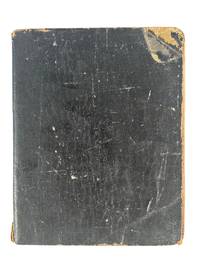
1906218101906. Manuscript medical remedy book from Devonport England compiled between 1903 and 1915 and preserving a striking record of everyday therapeutic practice in the years immediately preceding the global influenza pandemic that would soon devastate Europe. Written in ink in a clear and highly legible hand across 36 pages of a ruled notebook measuring 7.75" x 6.5" the volume gathers dozens of medicinal formulas for ailments ranging from bronchitis neuralgia rheumatism and digestive complaints to deep ulcers eye conditions sore throats winter coughs and childhood illnesses. Particularly notable are repeated entries for "influenza" appearing years before the outbreak retrospectively termed the Spanish Flu revealing how influenza already existed as a familiar and recurring medical threat within Edwardian Britain long before the catastrophic pandemic wave of 1918-1920 transformed it into one of the deadliest public health disasters of the modern era.<br /> <br /> The notebook therefore captures an important transitional moment in the history of epidemic disease: a period when influenza was treated as a common but serious seasonal illness through localized mixtures tonics expectorants and domestic pharmaceutical preparations rather than through coordinated state medicine or modern antiviral therapies. These entries provide unusually direct evidence of how ordinary practitioners dispensers or caretakers approached influenza treatment in the years immediately before the Spanish Flu pandemic altered both public consciousness and medical infrastructure surrounding contagious respiratory disease. The remedies themselves demonstrate the hybrid world of early twentieth-century medicine where domestic caregiving folk therapeutics and increasingly professionalized pharmacy overlapped. Familiar household substances such as witch hazel and paregoric appear beside pharmaceutical compounds later restricted or abandoned by mid-century medicine. Several preparations include age-specific dosages for children while others focus on strengthening mixtures cough remedies liniments lotions and wound treatments. A handful of entries are dated including one reading "June 29 1903" and another attributed to an individual identified as "A. Wilson."<br /> <br /> Accompanied by three inserted paper ephemera pieces including an index of herbs and chemicals and two additional recipe slips one bearing a postage stamp from the "Plymouth . Society Dispensing Dept. Fore St. Devonport." The overall character strongly suggests compilation by someone with regular access to a dispensary or chemist environment though not necessarily a formally licensed pharmacist operating instead within the fluid boundary between domestic medical care and industrialized pharmaceutical practice in prewar England. Well rubbed with losses to spine and extremities; interior remains clear and legible with minor foxing. Good overall condition. unknown
Small tan octavo in orignial color decorative cloth stamped boards; 477 pages ; 20 cm. Comes in a gold-colored metal framed & hasped glass case. A classic of Mexican cookery. In Spanish. || Cooking, Mexican. Recipes, recetas, Food. Comida Mexicana