26 128 résultats
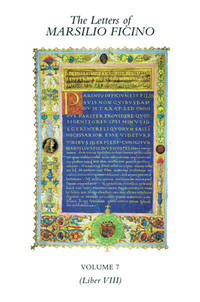
200350533London England: Shepheard - Walwyn. New. 2003. Hardcover. 0856831921 . FREE UPGRADE to Courier/Priority Shipping Upon Request IN STOCK AND IMMEDIATELY AVAILABLE FOR SHIPMENT - Flawless copy brand new pristine never opened - 242 pages. -- with a bonus offer-- . Shepheard - Walwyn hardcover
Editio Ultima, 3 vol. in-folio reliure de l'époque pleine peau retournée, dos à 5 nerfs, Sumptibus Peter Landry, Lugduni, 1613, Decretum Gratiani : 4 ff., 51 pp., 2072 colonnes, 76 pp. et 1 f. n. ch. ; Decretales D. Gregorii Papae IX : 2 ff., 23 pp., 1966 colonnes, 37 pp. et 1 f. n. ch ; Liber Sextus decretalium D. Bonifacii Papae VIII : 4 ff., 870 colonnes, 348 colonnes, 1 f. blanc, 366 colonnes, 1 f. n. ch., 19 pp. (chiffrée 23). Rappel du titre complet : [ Corpus Iuris Canonici ] Decretum Gratiani , emendatum et notationibus illustratum. Una cum glossis Gregorii XIII Pont. Max. Iussu editum [ Cum : ] Decretales D. Gregorii Papae IX suae integritati una cum glossis restitutae [ Cum : ] Liber Sextus decretalium D. Bonifacii Papae VIII, Clementis Papae V Constitutiones, Extravagantes, Tum viginti, D. Ioannis Papae XXII Tum Communes [ Corpus de droit canonique complet en 3 Tomes - Corpus Iuris Canonici ] Impressionnant exemplaire bien complet du Corpus juris canonici, dans l'édition lyonnaise de Pierre Landry (partagée au moins avec Pillehotte et P. Rousselet). Le Corpus est l'ensemble de textes constitutifs du droit canonique en vigueur entre 1582 et 1917. Il est constitué de plusieurs grands textes : le décret de Gratien (Decretum Gratiani), qui en est le socle, puis les cinq livres qui constituent la collection des décrétales : les décrétales de Grégoire IX (Decretales Gregorii IX), compilées par Raymond de Peñafort, le Sexte (Liber Sextus), les Clémentines (Clementinae), les Extravagantes de Jean XXII (Extravagantes Johannis XXII) et enfin les Extravagantes communes (Extravagantes Communes). Publié en 1580, le corpus fut rendu obligatoire par un bref papal en 1582. D'origine française, l'imprimeur Pierre Landri exerce la librairie à Lyon et à Medina del Campo, en Espagne (ainsi qu'à Salamanque). Il participera aux foires allemandes jusqu'en 1614, et fut échevin de Lyon en 1615 et 1616. Etat très satisfaisant (premier plat du troisième volume détaché, rel. frottées avec petits mq., qq. mouill. et rares petites galeries de vers n'affectant pas le texte). Latin
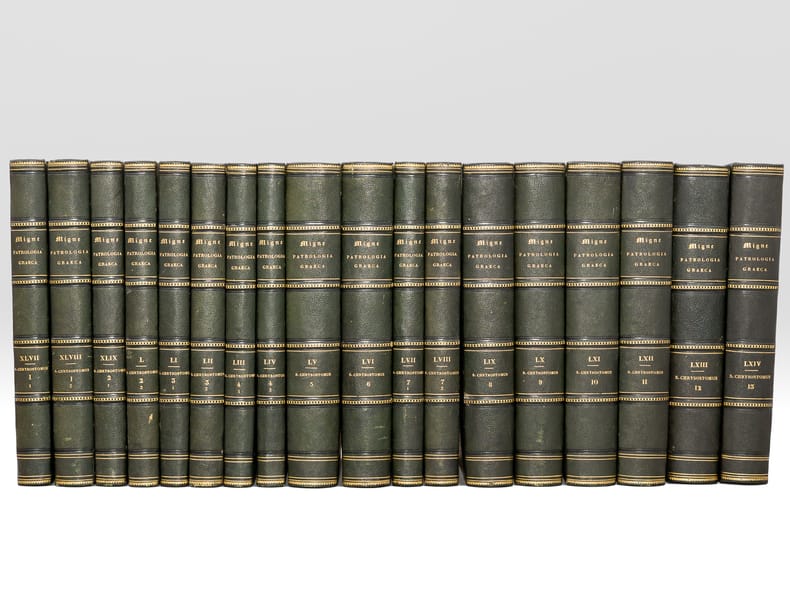
185868681Accurante J.P. Migne, 18 vol. in-4 reliure de l'époque demi-chagrin vert, dos à 4 nerfs dorés, Apud J.P. Migne, Petit-Montrouge, 1858 Rappel du Titre complet : S.P.N. Joannis Chrysostomi Archiepiscopi Constantinopolitani, Opera Omnia quae Exstant (18 Tomes - Complet). Patrologiae Cursus completus. Series Graeca. Tomus XLVII, XLVIII, XLIX, L, LI, LII, LIII, LIV, LV, LVI, LVII, LVIII, LIX, LX, LXI, LXII, LXIII, LXIV [ Patrologia Graeca Tomes 47, 48, 49, 50, 51, 52, 53, 54, 55, 56, 57, 58, 59, 60, 61, 62, 63, 64 - Saint Jean Chrysostome ]
1750281Venise, Franciscum Pitteri, 1750. 2 volumes in-4 de XVI-544p. et 398-[2]-XLVIIIp., plein vélin ivoire du temps. Petit manque au bas du dos du t. II et d'un coin, coins frottés, rousseurs.
161620932Paris Rolin Thierry, Nicolas Du Fossé & Pierre Chevalier 1616 -in-folio plein-veau 1 fort volume, reliure plein veau havane moucheté in-folio (binding full calfskin in-folio) (26 x 39 cm), RELIURE D'EPOQUE, dos à nerfs (spine with raised bands) décoré "or" et à froid (gilt and blind stamping decoration), titre frappé "or", pièce de Titre sur fond bordeaux avec filet "or" et roulette "or" en encadrement, roulette "or" en place des nerfs et en tête et en pied avec un filet à froid de part et d'autre (avec manques de dorure) (blurred gilding), entre-nerfs à fleuron central "or"au fer évidé (between the raised bands floweret with hollowed out blocking stamp) dans un encadrement d'un filet "or" et une roulette "or" avec rinceaux "or" aux angles, coiffes accidentées, plats frottés avec légère épidermures, coins émoussés, roulettes "or" sur les coupes avec manque de dorure (blurred gilding), toutes tranches lisses rouges, Ex-Libris : ROGER VINCENOT, gravé en noir sur étiquette velin par Erik Desmazières au dos du 1er plat, Texte en vieux français avec la traduction latine en regard, orné d'un très beau titre gravé par L. GAULTIER, et de 26 cartes et gravures sur bois dans le texte en noir, parfois à pleine page, [24]-1332-[34] Pages, 1616 A Paris. Chez Rolin Thierry, Nicolas Du Fossé & Pierre Chevalier Editeurs,
162019101anvers Elzevir 1620 -in-folio plein-VELIN un fort volume, reliure janséniste plein-vélin ivoire parcheminé à rabats in-folio (jansenist's binding full vellum in-folio)(34 x 23 cm), RELIURE D'EPOQUE, titre manuscrit sur le dos à l'encre brune (handwritten title on the spine), plats muets (cover without text), dos avec un léger manque de velin en tête (moins d'1/2 cm2), toutes tranches lisses (all smooth edges), Ex-libris : "DOCTORIS TINEL ROTOMAGENSIS" (Dr TINEL célèbre collectionneur de ROUEN) imprimé en noir dans un encadrement d'un filet noir sur une étiquette de papier crème, Texte en latin et grec, orné d'une gravure titre gravée sur bois en noir par M. Lasne + 64 planches hors-texte en noir de gravures de Monnaies recto-verso (10 par page) gravées sur bois en noir (engraving wood) par Hubert GOLTZ + Lettrines et culs-de-lampe gravées sur bois en noir, 4 pages + 30 feuillets de planches imprimés des deux côtés + 4 feuillets de planches imprimés d'un seul côté (soit 64 planches) + 326 pages + 14 pages d'Index, 1618 Antverpiae Jacobum Bieum Editeur sur la page de titre mais c'est noté en fin de dernière page : Lugduni Batavorum Typis Isaaci Elzeviri academia typography 1620,
162420894Coloniae Agrippinae Kinchius 1624 -in-4 plein vélin 4 parties en un volume, RELIURE ALLEMANDE D'EPOQUE ESTAMPEE A FROID, reliure plein vélin ivoire parcheminé in-quarto (binding full vellum in-4) (26,7 x 20,5 cm), dos à nerfs (spine with raised bands) décoré à froid (blind-stamping decoration) titre à l'encre brune façon janséniste avec double filets à froid de part et d'autre du titre, etiquette crème ancienne collée en tête du dos notée à la main à l'encre brune "DAUROULTIUS", filet à froid en place des nerfs, entre nerfs à caissons formés d'un encadrement à double filets à froid, plats Estampés à froid (Impression Allemande) (cover blind-stamping) d'une succession d'encadrement à décors feuillage, petit portraits en médaillons et écussons eux-mêmes dans un encadrement de quadruple filets à froid (with line blind-stamping) de part et d'autre, avec fermoirs de bronze d'époque finement ciselés, Ais biseautés vers l'intérieur du livre, toutes tranches lisses (edges smoothes) rouges, texte en Latin, sans illustrations (no illustration) excepté une vignette "marque de l'Editeur" en bas de la page de titre gravées sur bois en noir + orné de bandeaux, lettrines et culs de lampes (and illuminated of headpieces and dropped initials) gravés sur bois en noir, quelques rousseurs + trés légères mouillures claires en marge sur quelques feuillets, (50 ff de pièces liminaires et index + 276) + (355) + (286) + (242 + 14 ff. d'Index) pages, 1624 Coloniae Agrippinae : Kinchius Editeur,
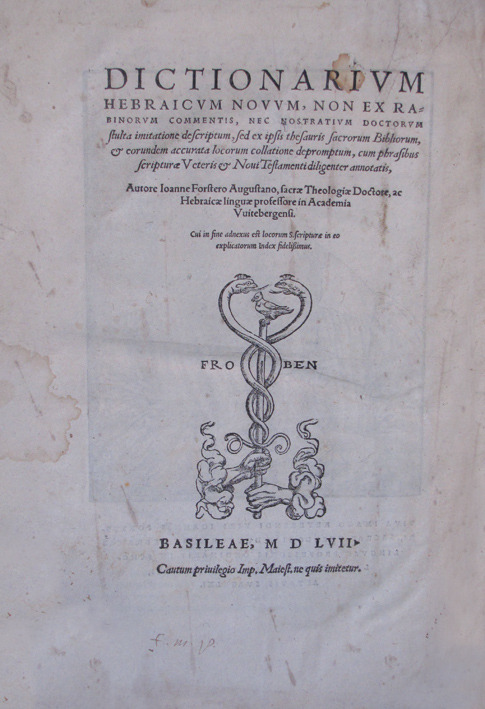
155716334Basilae (Bâle, Froben) apud Hieronymus Frobenium et Nicolaus Episcopius, 1557; in-folio ; veau granité foncé, dos à nerfs très décoré et doré, nombreuses fleurs de lys (reliure du XVIIIe siècle); (12) ff., le dernier blanc, 912 pp., (12) ff., marque de Froben à la dernière page ; (alpha-beta ; a-z ; A-Z ; Aa-Zz ; AA-II, 6) ; portrait gravé sur bois de Johannes Forster daté de 1556, dans sa 61e année, signé HBW.
8 separate editions published together, with a general title page and table of contents, 24cm., text in Latin, text bright and clean, contemporary full-leather binding (gilt title and decorations in spine, ends of joints fragile, corners bit bumped, small loss of leather at upper end of spine, 2 small worm holes at lower end of spine), with some ornamented initials and tail pieces, good condition, rare, [Detailed content; 1: Certamen immunitatis sacerdotum Belgii in causis personalibus praecipue criminalibus, zelatorisque ejus illustrissimi domini archiepiscopi Mechlin. adversus Authors Libelli cui titulus "Libelli Hispanice editi etc. Confutatio per Belgas Theologos" (59pp., s.d., the approbatio mentions 1699) // 2: Certamen pro immunitate ecclesiastica locali seu asylo etc. (348 + 12pp., 1700) // 3: Replica contra libellum typis Nicolai Braaw Harlemi, etc. 'Refutatio responsi ad libellum cui titulus 'Motivum Juris pro capitulo Cathedrali Harlemensi, etc. (Mechliniae, Laurentius Vander Elst, s.d., 42pp.), 4: Motivum Juris pro Bove Triturante (Bruxellis, De Dobbeleer, 1705, [17] + 151 + 7pp.) // 5: Motivum Juris de placeto regio in tres dialogos digestum (s.l., s.n., s.d. [1723], 101 + 53 [=3] pp.) // 6: Motivum Juris Patrii seu defensio edictorum principum Belgii (s.l., s.n., s.d. [1723], 60pp.) // 7: Ampliatio motivi juris patrii pro red. dom. Petro Govaerts vicario apostolico Dioecesis Sylvaeducensis et ea qualitate defensore in causa quam in Supremo Brabantiae Consilio sustinet contra illustrissimam Dominam Comitissam Viduam Illustrissimi Domini Comitis de Mansny, baronem d'Elderen, etc. (s.l., s.n., 1725, 80 + [7] + 9 + [1] + [7] pp.) // 8: Dissertatio civilis et canonica in qua inquiritur an sacerdotes Belgae, canonici, pastores, & capellani etiam manuales quorum officio annexum est onus audiendi confessiones, catechisandi, aut concionandi, sine causa possint destitui ?, etc. (s.l., s.n., s.d. [ca. 1709?], 30pp.) // GOVARTS Petrus, born in Turnhout 1644, died in Mechelen 1726 and buried in the hospital of Geel, studied theology and law in Leuven, was elected 3 times 'rector magnificus' of the Leuven University, became vicar general in Mechelen, and in 1701 he became apostolic vicar of 's-Hertogenbosch. In 1703 he was appointed to defend the rights and interests of the catholics against the Jansenists in The Hague, and as such Govarts tried to convert Petrus Codde (in vain). This publication reflects some of his activities both in Mechelen and in 's-Hertogenbosch & Den Haag. Cfr. NNBW IX-297-298], Reference: STCV 12914042, R96639
17762Urbin, s.n. 1575. Petit in-4; [2]-0 ff., basane mouchetée brune postérieure, dos à nerfs orné de caissons et fleurons dorés, tranches mouchetées, (épidermures, petits manques, taches, ex-libris gratté au titre avec petit manque, galeries de ver marginales, quelques petites rousseurs et taches).
Volumes 1 to 4, in 4 physical volumes: [40],854 + [24],853,[1] + [36],1349,[1] + [24],815,[1] pp., with engraved vignette (device of the city of Rome with S. Paulus and S. Peter, and in the midst the text "S.P.Q.R.") on title pages and in colophon on last page, 18cm., contemporary overlapping full-vellum bindings (intact and in good condition), handwritten title and author on spines in contemporary ink, text clean and bright with occasional light staining and very few old underlinings and annotations in margin of text, text printed in 2 columns, text in Latin, nice set in good condition, [detailed content: Volume 1: "Summa Theologiae S. Thomae Aquinatis cum optimis quibusque exemplaribus collata" (1587), Volume 2: "Prima secundae partis summae theologicae" (1586), Volume 3: "Secunda Secundae partis Summae Theologicae, cum scheamtibus D. Augustini Hunnaei & eiusdem ad quaestiones axiomatibus. Nunc demum Romae recognita" (1586), Volume 4: "Tertia pars Summae theologicae" (1586) // The complete work contains 7 volumes, of which the first four volumes are on offer here and which form Thomas' complete Summae. The missing volumes 5 to 7 are in fact additions and indices: "Supplementum ad tertiam partem quam s. Thomas.. nequiuit perficere" (vol.5), Aug. Hunnaeus' "De sacramentis Ecclesiae Christi axiomata" (vol.6) & "Quinque novi indices generales" (vol.7)], R96571
1586R96571Romae [Rome], in aedibus Populi Romani (Stamperia del Popolo Romano) 1586-1587 Volumes 1 to 4, in 4 physical volumes: [40],854 + [24],853,[1] + [36],1349,[1] + [24],815,[1] pp., with engraved vignette (device of the city of Rome with S. Paulus and S. Peter, and in the midst the text "S.P.Q.R.") on title pages and in colophon on last page, 18cm., contemporary overlapping full-vellum bindings (intact and in good condition), handwritten title and author on spines in contemporary ink, text clean and bright with occasional light staining and very few old underlinings and annotations in margin of text, text printed in 2 columns, text in Latin, nice set in good condition, [detailed content: Volume 1: "Summa Theologiae S. Thomae Aquinatis cum optimis quibusque exemplaribus collata" (1587), Volume 2: "Prima secundae partis summae theologicae" (1586), Volume 3: "Secunda Secundae partis Summae Theologicae, cum scheamtibus D. Augustini Hunnaei & eiusdem ad quaestiones axiomatibus. Nunc demum Romae recognita" (1586), Volume 4: "Tertia pars Summae theologicae" (1586) // The complete work contains 7 volumes, of which the first four volumes are on offer here and which form Thomas' complete Summae. The missing volumes 5 to 7 are in fact additions and indices: "Supplementum ad tertiam partem quam s. Thomas.. nequiuit perficere" (vol.5), Aug. Hunnaeus' "De sacramentis Ecclesiae Christi axiomata" (vol.6) & "Quinque novi indices generales" (vol.7)], R96571
154573941545 un volume, reliure XIXème pastiche plein veau havane moucheté imitation XVIIème siècle (binding pastiche full calf imitation seventeenth century) in-quarto, dos à nerfs (spine with raised bands) décoré or (gilt decoration) filets or (gilt line) et filets à froid (blind-stamping line decoration) - entre-nerfs - compartiments à fleuron au fer plein (floweret with full blocking stamp)- fers spéciaux (specials blocking stamps) - titre frappé or (gilt title), date et éditeur frappés or, - pièce de titre sur fond rouge clair (label of title) avec filet or (label of title with gilt line), trés léger manque de cuir en haut du dos sur 3 millimètres carrés (head of the spine lightly faded), plats décorés à froid (cover blind-stamping) à double filets à froid, toutes tranches jaspées (marbled edges) en rose et bleu (red and blue edges), gouttière rognée (fore-edge smooth), naissances de rousseurs (beginning of the redness marks) + 2 petites taches couleur café au lait (scars of waterstains) sur la page de titre, sans illustration (no illustration) excepté une marque au titre dite "Au Griphon" gravée sur bois (engraving wood) en noir,avis au lecteur + 104 feuillets + errata, 1545 In Vinegia : per G. de Farri e fratelli,
ST12668bDNortheastern France probably Arras late 15th century. 146 x 95 mm. 5 3/4 x 3 3/4". Single column 15 lines in a pleasing bâtarde hand. <br/> Rubrics in red one- and two-line initials in brushed gold on a red or blue ground EACH SIDE OF EACH LEAF WITH A BRUSHED GOLD PANEL BORDER WITH VERY PRETTY ILLUSIONISTIC FLOWERS; EACH LEAF WITH ONE SMALL MINIATURE measuring approximately 40 x 25 mm. Headlines written in French in a later 18th century calligraphic hand. ◆Light soiling a couple small stains in margins Trinity leaf with one initial a bit rubbed and a few very tiny chips of paint to miniature otherwise excellent specimens generally clean and smooth with ample margins and attractive decoration.<br/> <br/> From a charmingly decorated 15th century prayer book these lovely leaves offer the opportunity to acquire a miniature with considerable gold ornamentation at an attainable price. One leaf depicts an image of the Trinity in which God the Father holds the body of a crucified Christ in his arms; the other leaf depicts St. James patron saint of Spain shown in bright green and red robes and holding a long staff. For other leaves from this same manuscript please check our website. unknown
1890List1326Costa Rica 1890. Albumen photographs 9 x 7 ½ inches on larger mounts with credits to Rudd y Paynter and the Paynter Bros. Near Fine. H.N. Rudd and the Paynter Brothers Richard and John were photographers who were active in Costa Rica in the 1890s operating out of San Jose. Five of these views show the Rudd y Paynter mark on versos with their address at the Parque Central in San Jose. The Paynters were from the United States arriving in 1874 and first establishing Rudd y Paynter out of a shop in the Parque Central where they also sold marble and art objects. In 1895 the studio changed its name to Paynter Bros. <br /> <br /> Collected here are nine scarce albumen views of Costa Rica from the 1890s. Five of them document a trip up Mt. Turrialba these bear the Rudd y Paynter mark. Of the other other four one image shows a building likely in San Jose with a gathered crowd; one shows a very striking mural and is captured “Corpus Christi / Cartaga Costa Rica June 4 / 96 this shows no photographers mars though the size and format are identical to the others and we presume the photographers to be the Paynter brothers; One shows industrial coffee machinery on “El Canada†the last shows a group of people in front of the bridge over the Rio Grande with a platform showing the markings of the Hamlin Car and Wheel Company of Catwissa PA. The group with the exception of the Corpus Christi image are mounted on uniform heavy cardstock mounts with gilt edges and remain in particularly fine condition with excellent contrast and some light wear to mounts. Overall a scarce group documenting Costa Rica at a time when few photographers operated. unknown
1883E0564Title leaf & 13 leaves of maps being mounted albumen photograph reductions of the original map. Photographs are approximately 7¼" x 8¾" on card stock leaves. Oblong royal octavo 9 "x 12½" bound in original red cloth rebacked with modern leather with original gilt-lettered leather spine laid on. References: P-LG 5121. El Territorio Mexicana Vol II p 457 reproduces 5th map of 1st edition. International Geographical Exposition and Congress of London. Geographical and Exploring Commission of the Mexican Republic. Catalogue of the Exhibits presented by the Commission with a short sketch of its organization and labors by the Directing Engineer Julio Alvarado C. E. Mexico 1895. p 32 First and only edition.<br /><br />Rare atlas of photographs of the map of the region around Puebla southwest of Mexico City. Warren Heckrotte describes the atlas and the enterprise that produced it: "The Comision Geografica-Explordora was established by a decree of December 13 1877. It was directed to prepare a map of the Republic with all the scientific accuracy desirable. The region around the town of Puebla southwest of Mexico City was the first effort of the Commission. The surveying was done by astronomical determinations and triangulation. Between 1879 and 1882 the planned nine sheets lithographed in Mexico City were issued at a scale of 1:20000. Elevations are shown by contour lines. For this atlas the sheets were issued as photographs the maps reduced in scale to 1:50000. A photographic edition at the scale of 1:100000 was also issued. Other areas of the country were mapped. The ultimate goal was to produce a map of the country at a scale of 1:100000 in 1100 sheets. At the time the Commission closed shop in 1914 a little over 200 sheets had been completed. This mode of production suggests that a small number of these atlases were produced." Indeed OCLC/WorldCat locates only two copies at the University of California Berkeley and Dartmouth College.<br /><br />Condition:<br /><br />Some soiling to covers; expertly rebacked by Sandra Good; new endpapers; internally fine or nearly so a bit of darkening to margins of mounts. Comisión Geográfico-Exploradora hardcover
1883E0564Title leaf & 13 leaves of maps being mounted albumen photograph reductions of the original map. Photographs are approximately 7¼" x 8¾" on card stock leaves. Oblong royal octavo 9 "x 12½" bound in original red cloth rebacked with modern leather with original gilt-lettered leather spine laid on. References: P-LG 5121. El Territorio Mexicana Vol II p 457 reproduces 5th map of 1st edition. International Geographical Exposition and Congress of London. Geographical and Exploring Commission of the Mexican Republic. Catalogue of the Exhibits presented by the Commission with a short sketch of its organization and labors by the Directing Engineer Julio Alvarado C. E. Mexico 1895. p 32 First and only edition.<br /><br />Rare atlas of photographs of the map of the region around Puebla southwest of Mexico City. Warren Heckrotte describes the atlas and the enterprise that produced it: "The Comision Geografica-Explordora was established by a decree of December 13 1877. It was directed to prepare a map of the Republic with all the scientific accuracy desirable. The region around the town of Puebla southwest of Mexico City was the first effort of the Commission. The surveying was done by astronomical determinations and triangulation. Between 1879 and 1882 the planned nine sheets lithographed in Mexico City were issued at a scale of 1:20000. Elevations are shown by contour lines. For this atlas the sheets were issued as photographs the maps reduced in scale to 1:50000. A photographic edition at the scale of 1:100000 was also issued. Other areas of the country were mapped. The ultimate goal was to produce a map of the country at a scale of 1:100000 in 1100 sheets. At the time the Commission closed shop in 1914 a little over 200 sheets had been completed. This mode of production suggests that a small number of these atlases were produced." Indeed OCLC/WorldCat locates only two copies at the University of California Berkeley and Dartmouth College.<br /><br />Condition:<br /><br />Some soiling to covers; expertly rebacked by Sandra Good; new endpapers; internally fine or nearly so a bit of darkening to margins of mounts. Comisión Geográfico-Exploradora hardcover books
Ex Veterib. exemplaribus multo emendatiores, Cum indice copiosissimo, qui etiam locorum communium ac epitomes vicem supplet, 1 vol. in-8 reliure postérieure pleine basane marron, dos muet à 4 nerfs, Apud Andream Wechelum, Paris, 1567, 4 ff., 795 pp. et 16 ff. n. ch. (index et errata) Edition originale de la version donnée par Jean Nicot. Etat satisfisant (forte mouill. intérieure, rel. lég. frottée, bon éat par ailleurs). "C'est sur [ le] manuscrit que fut faite la première édition de l'Histoire d'Aimoin, à Paris en 1514, chez Badius, fol. Les fautes dont cette édition étoit remplie, jusqu'au nom d'Aimoin qui y est appellé Annonius, engagèrent Jean Nicot à en donner une plus correcte. Quoique le Privilège soit de l'an 1557, elle ne parut qu'en 1567, à Paris, chez André Wechel, in8° Wechel la dédia à Nicot lui-même, dont le nim ne paroit qu'à la tête de cette Epître" (Ceillier, Histoire Générale des Auteurs Sacrés, XX, 63). Disciple d'Abbon de Fleury, le bénédictin Aimoin est entré chez les bénédictins de l'abbaye de Fleury vers 980. Ses "Historiae Francorum Lib. V" constituent l'une des plus anciennes compilation importantes des sources de l'histoire de France, composées avant 1004. L'oeuvre évoque l'histoire des francs depuis les origines jusqu'en 654. Latin
113946Paris etc., Champion, Brill, Droz, 1925 - 1994.
18656712716 vol. in-4 reliure demi-percaline bordeaux, Excudebatur et Venit Apud J.P. Migne, Petit-Montrouge, 1865, Tome1, 2, 3-I, 3-II, 4-I, 4-II, 5-I, 5-II, 6, 7, 8, 9, 10-I, 10-II, 11, Supplément
19782Venise, Vincent Valgrisium, 1562 in-folio de 40ff. (signatures a8-e8); 376ff. (signatures A8-Z8, AA8-ZZ8, AAa8) Reliure frottée avec quelques accrocs
1630R119842Antverpiae [Antwerpen], Ex officina Plantiniana Balthasaris Moreti [Balthasar Moretus] 1630 542 + [43] pp., 36x24cm., text in Latin, bound in a solid and intact modern (early 20th cy.?) brown full-leather binding, engraved vignette (depicting coat of arms and symbolic crosses of some military orders) on title page, engraved printer's device on last page, a small repair of paper at title page (not in text), paper somewhat browned throughout but text is always well readable, old manuscript ex-libris on title page : "Ex libris Bibliotheca S. Bernardi ad Thermas" (ex-libris from the library of the Cistercian abbey of 'San Bernardo alle Terme' in Rome, which was dissiminated in 1873), good condition, cfr. STCV 6652931, [The author Chrysostomus Henriquez was a Spanish Cistercian, born in Madrid in 1594, who moved to the Low Countries in 1620 under the high protection of Archdukes Albrecht - aka Albert - and Isabella, and died fairly young in Leuven (Belgium) in 1632. He published about 40 works, mainly regarding the Cistercian order], weight: 2.5kg., R119842
In-8°, 264, (2cc), marca editoriale con motto “Veritas filia temporis” sul frontespizio, legatura in pergamena, buone condizioni. Prima edizione. Tutta la sua vita, per quanto risulta almeno dalle scarse notizie pervenuteci, ruotò intorno agli Este, di cui anche i suoi avi erano stati fedeli servitori. Dedicando nel 1551 ad Alfonso II, futuro duca di Ferrara, la sua traduzione dei Fasti di Ovidio, il C. precisa che i servizi della sua famiglia erano stati particolarmente apprezzati al tempo del duca Ercole I (1471-1505). Nella stessa dedica il C. accenna al fatto di essere rimasto quasi solo al mondo e questo, a parte i dati che accompagnano la notizia del battesimo, è tutto ciò che sappiamo della sua vita familiare. La data di morte è ignota: un termine post quem è costituito dalla dedica dell'edizione veneziana del 1571 delle Imagini, la sua opera più famosa, che è rivolta al cardinale Luigi d'Este e reca la data del 10 settembre 1569. In-8 °, 264, (2cc), printer’s mark with the motto "Veritas filia temporis" on the frontispiece, vellum binding, good condition. First edition. His whole life, as far as at least from the scant news we have received, Vincenzo Cartari revolved around the Este family, of whom even his ancestors had been faithful servants. Dedicating in 1551 to Alfonso II, future Duke of Ferrara, his translation of Ovid's Fasti, C. specifies that the services of his family had been particularly appreciated at the time of Duke Ercole I (1471-1505). In the same dedication C. mentions the fact that he remained almost alone in the world and this, apart from the data accompanying the news of the baptism, is all we know about his family life. The date of death is unknown: a post quem term is the dedication of the Venetian edition of 1571 of the Imagini, his most famous work, which is addressed to cardinal Luigi d'Este and bears the date of 10 September 1569.
210535S.l. [Bâle], s.n. [Johann Herwagen], s.d. (1550) in-12, [2] ff. n. ch., 285 pp., [50] pp. n. ch. d'errata et de table, veau blond, dos à nerfs orné de pointillés et doubles caissons dorés, pièce de titre fauve, encadrement de triple filet doré sur les plats, double filet doré sur les coupes, tranches dorées, large guirlande intérieure (Canape-Belz). Petites restaurations aux mors et aux coiffes.
1566001293Antverpiae (Anvers) Plantin 1566