785 résultats
1744ABE-17458547561231744. Soft cover. Very Good. Vienna: Gebrudt ben Gregorio Rurzbot 1744 Small Folio stiff paper wrappers normal soiling VG. unknown
17305948Paris: L'imprimerie royale 1730. Hardcover. ex library-fair. First 2 books of a 4-vol. set. xxxi 549; 573 p. 25 cm. Full leather. From our As Is section. Worn with 3 out of 4 boards detached. Spine tail of vol. 1 is chipped; section with date is inserted inside. Good text blocks in need of rebinding. Ex-library with a little label residue on front free endpapers. Ink stamps and signatures on title pages. Moderate foxing. Contains laws treaties and other public documents on various subjects in pre-Revolutionary France. French text. " More photos available on request. <br/><br/> L'imprimerie royale hardcover
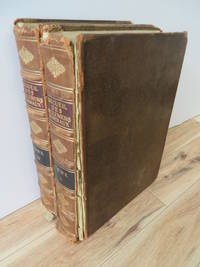
1714013199La Haye The Hague: Pierre Husson 1714. First edition thus. Leather. Good. 8vo - over 7¾ - 9¾" tall. 1st edition in French. 2 volumes bound as 1 with Remarks. A Good copy. 8vo. 260; 136; 88 pp. Bound in early 18th century full leather with title and elaborate compartment decorations on the spine in gilt. Edge wear to the board; leather is a bit dry particularly the spine. Small loss at the spine's crown. Small oval ownership ink stamp on the title page of volume 1. Text is generally very clean with minor toning. A Good copy in period binding. Title can be translated as: History of the True Hereditary of the Crown of Great Britain written in Favor of the Prince of Wales. . Pierre Husson unknown
1750841J8London: M. Cooper 1750. Leather. Good Only. 7" by 4". Not Stated. Volume I of this very scarce novel intending to warn ladies against misfortunes when courting written by an anonymous female writer. A mid eighteenth century novel telling the story of characters Lady Juliet Lord Tawdry Mr. Loveill Miss Hastive and more as they navigate courting in Georgian Bath. A tale intending to warn young ladies of misfortunes that could befall them while courting. Written by an anonymous female writer. The second edition of this very scarce work. Volume I only lacking Volume II. This copy was previously housed at the Pearson's Circulating Library and it contains a library bookplate to the front pastedown. In full contemporary calf binding. Externally some shelf wear to the boards and significant rubbing to the spine boards and extremities. Joints are rubbed and tender. Leather lifting at the tail of the spine. Containing a Pearson's Circulating Library bookplate to the front pastedown. Internally hinges are strained remaining binding generally firm. Some loss to the front free-endpaper. Some spotting to the first and last few pages odd instances of spotting and age-toning throughout. Good Only M. Cooper hardcover
1787112839Einsiedlen : FranÂois de Sales Benziger 1787. 190x110mm. frontispice 10 ff. X- 304 pages frontispice 3 ff. 80 pages frontispice X- 258 pages 4 ff. 1 planche portrait de Louise de France vignettes gravÂŽes plein veau de lՎpoque dos ˆ nerfs piÂce de titre en cuir rouge inscritions anciennes sur plat intÂŽrieur et page de garde. Bon ÂŽtat. 517 FranÂois de Sales Benziger unknown
1800183542Paris.: Henrics. An 9 1800. Contemporary marbled boards red spine label speckled edges. Very good covers shelfworn at edges very light scattered foxing. 8vo. French text. Scarce. Henrics. hardcover
176918537à Rotterdam: Chez E. V. D. W. & Compagnie 1769. Fine. Chez E. V. D. W. & Compagnie à Rotterdam 1769 11 x 18 cm relié New edition after the first published in 1766 at the same address. Half speckled cloth binding mid-19th century. Smooth spine with fillets. Red calf title-label. The work is a libertine entertainment on elegance and fashion in novel form; it is the story of an elegant man and his tribulations in society. Chez E. V. D. W. & Compagnie hardcover
178641995Clermont-Ferrand: Antoine Delcros 1786. Fine. Antoine Delcros Clermont-Ferrand 1786 10.50 x 16.50 cm broché First edition. Our copy is presented in its original plain wrappers. Tears and lacks to spine crease marks at foot and head of all pages in the volume two small marginal ink stains affecting some pages gift inscription in ink on title page. Worming throughout the work with loss of some letters. Rare. Antoine Delcros unknown
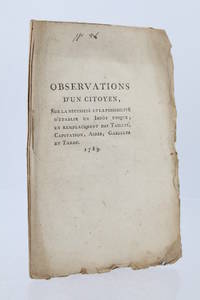
178982522Paris: S. n. 1789. Fine. S. n. Paris 1789 14.50 x 21.50 cm broché de 27 pages First edition. Rare and handsome. A classification notation in ink at the head of the front cover some marginal creases. S. n. unknown
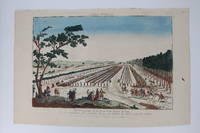
179079269Paris: Chez Daumont et Lachaussée 1790. Fine. Chez Daumont et Lachaussée Paris circa 1790 46 x 33.50 cm une feuille Original engraving. Optical view heightened in watercolour depicting a view of the review of the King's Household ""infantry which takes place every year in the plain of Sablons one league from Paris"". Optical views also called views perspectives or ""mondo nuovo"" are engravings very much in fashion between the end of the 18th and the beginning of the 19th century. They were intended to be observed through a set of several mirrors or by means of a Zograscope an instrument consisting of a mirror and a lens. Optical views can be considered as the precursors of three-dimensional images and stereoscopes which enjoyed great success from the 19th century onwards. Optical views seem to appear in the 1740s and were salon entertainments. The process was first developed in Paris then London and finally in Germany and sought to represent - in an idealized manner - the most famous panoramas and landscapes of East and West. A small trace of angular fold. Fine impression with very fresh colours. Chez Daumont et Lachaussée unknown
179040682Paris: Chez Lachaussée 1790. Fine. Chez Lachaussée Paris circa 1790 46 x 33.50 cm une feuille Original engraving. Optical view heightened in watercolor depicting a view of the Royal Academy of Painting in Rome. Blue paper. Optical views also called views perspectives or ""mondo nuovo"" are engravings very fashionable between the end of the 18th and the beginning of the 19th century. They were intended to be observed through a set of several mirrors or by means of a Zygrascope an instrument consisting of a mirror and a lens. Optical views can be considered as the precursors of three-dimensional images and stereoscopes which enjoyed great success from the 19th century onwards. Optical views seem to appear in the 1740s and were drawing room entertainments. The process was first developed in Paris then London and finally in Germany and was dedicated to representing - in an idealized manner - the most famous panoramas and landscapes of the Orient and the West. Some very light marginal foxing. Fine impression with very fresh colors. Chez Lachaussée unknown
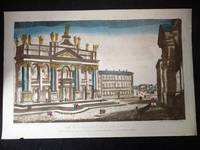
179040686Paris: Chez Daumont et Lachaussée 1790. Fine. Chez Daumont et Lachaussée Paris circa 1790 46 x 33.50 cm une feuille Original engraving. Optical view heightened in watercolors depicting a view of the Church of St. John Lateran in Rome. Optical views also called vues perspectives or ""mondo nuovo"" are engravings that were very fashionable between the late 18th and early 19th centuries. They were intended to be observed through a series of mirrors or by means of a Zograscope an instrument consisting of a mirror and a lens. Optical views can be considered the precursors of three-dimensional images and stereoscopes which enjoyed great success from the 19th century onwards. Optical views seem to appear in the 1740s and were drawing room entertainments. The process was first developed in Paris then London and finally in Germany and focused on representing - in an idealized manner - the most famous panoramas and landscapes of East and West. Fine impression with very fresh colors. Chez Daumont et Lachaussée unknown
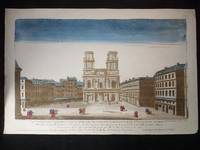
179040665Paris: Chés Lachaussée 1790. Fine. Chés Lachaussée Paris circa 1790 46 x 33.50 cm une feuille Original engraving. Optical view heightened with watercolors depicting Saint Eustache Church. Optical views also known as views perspectives or ""mondo nuovo"" are engravings that were very fashionable between the late 18th and early 19th centuries. They were intended to be observed through a set of multiple mirrors or by means of a Zograscope an instrument consisting of a mirror and a lens. Optical views can be considered as the precursors of three-dimensional images and stereoscopes which enjoyed great success from the 19th century onwards. Optical views seem to appear in the 1740s and were parlor entertainments. The process was first developed in Paris then London and finally in Germany and focused on representing - in an idealized manner - the most famous panoramas and landscapes of East and West. Fine impression with very fresh colors. Chés Lachaussée unknown
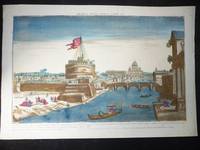
179040680Paris: Chez Daumont 1790. Fine. Chez Daumont Paris circa 1790 46 x 33.50 cm une feuille Original engraving. Optical view heightened in watercolor depicting a view of the Ponte Sant'Angelo in Rome. Optical views also called vues perspectives or ""mondo nuovo"" are engravings that were very fashionable between the late 18th and early 19th centuries. They were intended to be viewed through a set of mirrors or by means of a Zograscope an instrument consisting of a mirror and a lens. Optical views can be considered as the forerunners of three-dimensional images and stereoscopes which enjoyed great success from the 19th century onwards. Optical views seem to appear in the 1740s and were parlor entertainments. The process was first developed in Paris then London and finally in Germany and was devoted to representing - in an idealized manner - the most famous panoramas and landscapes of East and West. A fine impression with very fresh colors. Chez Daumont unknown
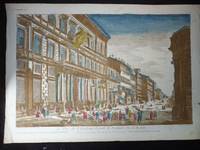
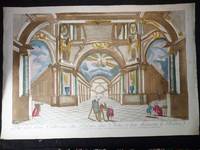
179040689Paris: Chez Daumont et Lachaussée 1790. Fine. Chez Daumont et Lachaussée Paris circa 1790 46 x 33.50 cm une feuille Original engraving. Optical view heightened in watercolor depicting a view of the three galleries of the Palace of Arts and Sciences in Rome. Optical views also called vues perspectives or ""mondo nuovo"" are engravings that were very fashionable between the late 18th and early 19th centuries. They were intended to be viewed through a set of several mirrors or by means of a Zograscope an instrument consisting of a mirror and a lens. Optical views can be considered the predecessors of three-dimensional images and stereoscopes which enjoyed great success from the 19th century onwards. Optical views seem to appear in the 1740s and were salon entertainments. The process was first developed in Paris then London and finally in Germany and sought to represent - in an idealized manner - the most famous panoramas and landscapes of East and West. Fine impression with very fresh colors. Chez Daumont et Lachaussée unknown
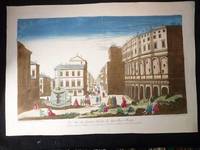
179040691Paris: Chez Daumont et Lachaussée 1790. Fine. Chez Daumont et Lachaussée Paris circa 1790 46 x 33.50 cm une feuille Original engraving. Hand-colored optical view in watercolor depicting a view of the Theatre of Marcellus in Rome. Optical views also called vues perspectives or ""mondo nuovo"" are engravings that were very popular between the late 18th and early 19th centuries. They were intended to be viewed through a set of several mirrors or by means of a Zygrascope an instrument consisting of a mirror and a lens. Optical views can be considered the forerunners of three-dimensional images and stereoscopes which enjoyed great success from the 19th century onwards. Optical views seem to appear in the 1740s and were salon entertainments. The process was first developed in Paris then London and finally in Germany and focused on representing - in an idealized manner - the most famous panoramas and landscapes of East and West. A central fold mark. Fine impression with very fresh colors. Chez Daumont et Lachaussée unknown
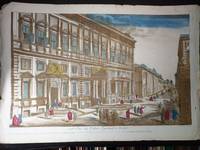
179040684Paris: Chez Lachaussée 1790. Fine. Chez Lachaussée Paris circa 1790 46 x 33.50 cm une feuille Original engraving. Optical view heightened in watercolors depicting a view of the Quirinal Palace in Rome. Blue paper. Optical views also called vues perspectives or ""mondo nuovo"" are engravings that were very fashionable between the late 18th and early 19th centuries. They were intended to be observed through a series of mirrors or by means of a Zograscope an instrument consisting of a mirror and a lens. Optical views can be considered the precursors of three-dimensional images and stereoscopes which enjoyed great success from the 19th century onwards. Optical views seem to appear in the 1740s and were drawing room entertainments. The process was first developed in Paris then London and finally in Germany and focused on representing - in an idealized manner - the most famous panoramas and landscapes of East and West. Some very light marginal foxing. Fine impression with very fresh colors. Chez Lachaussée unknown
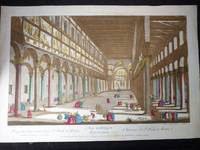
179040695Paris: Chez Daumont et Lachaussée 1790. Fine. Chez Daumont et Lachaussée Paris circa 1790 46 x 33.50 cm une feuille Original engraving. Hand-colored optical view in watercolor depicting an interior view of St. Paul's in Rome. Optical views also called vues perspectives or ""mondo nuovo"" were engravings very fashionable between the late 18th and early 19th centuries. They were intended to be observed through a set of several mirrors or by means of a Zograscope an instrument consisting of a mirror and a lens. Optical views can be considered as the precursors of three-dimensional images and stereoscopes which enjoyed great success from the 19th century onwards. Optical views seem to appear in the 1740s and were parlor entertainments. The process was first developed in Paris then London and finally in Germany and aimed to represent - in an idealized manner - the most famous panoramas and landscapes of East and West. Fine impression with very fresh colors. Chez Daumont et Lachaussée unknown
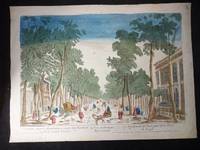
179040688Paris: Chez Daumont et Lachaussée 1790. Fine. Chez Daumont et Lachaussée Paris circa 1790 46 x 33.50 cm une feuille Original engraving. Optical view heightened in watercolor depicting a view of the Boulevards of Paris taken from the Porte du Temple. Optical views also called views perspectives or ""mondo nuovo"" are engravings that were very fashionable between the late 18th and early 19th centuries. They were intended to be viewed through a set of several mirrors or by means of a Zograscope an instrument consisting of a mirror and a lens. Optical views can be considered as the precursors of three-dimensional images and stereoscopes which enjoyed great success from the 19th century onwards. Optical views seem to appear in the 1740s and were parlor entertainments. The process was first developed in Paris then London and finally in Germany and sought to represent - in an idealized manner - the most famous panoramas and landscapes of East and West. Two pale corner dampstains not affecting the engraving. Fine impression with very fresh colors. Chez Daumont et Lachaussée unknown
179040694Paris: Chez Daumont et Lachaussée 1790. Fine. Chez Daumont et Lachaussée Paris circa 1790 46 x 33.50 cm une feuille Original engraving. Hand-colored optical view in watercolor depicting a view of the review of the King's Household ""infantry which takes place every year in the plain of Sablons one league from Paris"". Optical views also called vues perspectives or ""mondo nuovo"" were engravings very fashionable between the late 18th and early 19th centuries. They were intended to be observed through a set of several mirrors or by means of a Zograscope an instrument consisting of a mirror and a lens. Optical views can be considered as the precursors of three-dimensional images and stereoscopes which enjoyed great success from the 19th century onwards. Optical views seem to appear in the 1740s and were parlor entertainments. The process was first developed in Paris then London and finally in Germany and aimed to represent - in an idealized manner - the most famous panoramas and landscapes of East and West. A small angular crease mark. Fine impression with very fresh colors. Chez Daumont et Lachaussée unknown
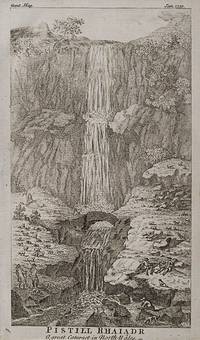
1750200089AG1750. Gentleman's Magazine and others 1750. Original engraving. Plate Size: 13.5 x 9.5 cm - 15 cm x 21.5 cm. Sheet Size: 20 cm x 11.7 cm - 19.5 cm x 24.3 cm. Original engravings. In good- condition. Some browning evident. One sheet has significant tear with section of margin missing. A lovely collection of engraved landscapes of some places of natural beauty in Ireland Wales and Scotland. Text in German and English. The titles of the individual engravings are as follows: 'Ansicht der vordern Seite des Bullers bei Buchan in Schottland'. 'Pistall Rhaiadr -A Great Cataract in North Wales'. 'Die Riesenstrasse in Irland.' 'Die Basalt Insel Staffa mit des Fingals Höhle / Innere Ansicht der Fingals Höhle.' unknown
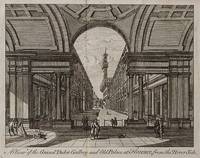
1780200087AG1780. no place no year / c.1780. Original engraving. Plate Size: 19.5 cm x 15 cm / 25 cm x 19.5 cm. Sheet Size: 21.3 cm x 21 cm / 27.2 cm x 20.5 cm. Original engraving. In very good condition. Two wonderful engravings of Italian scenes. 'A Prospect of Vulcans Court near Putzol in Naples.' 'A View of the Grand Duke's Gallery and Old Palace at Florence from the River Side.' unknown
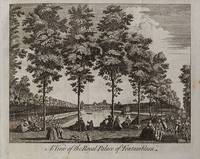
1780200088AG1780. no place no year / c.1780. Original engraving. Plate Size: 23.3 cm x 19 cm. Sheet Size: 26.5 cm x 20.5 cm. Original engraving. In very good condition. A beautiful engraving of the opulent Fontainbleau Palace and grounds to the southeast of Paris. The artist skilfully captures a scene from everyday life of people at leisure. unknown