109 090 résultats
19230001428Good. 1923. On offer is a super original 1923 manuscript diary handwritten by Cora Welch Smith wife of the famous composer David Stanley Smith of New Haven Connecticut. The 116 pp diary represents a European trip Cora and David took in the year 1923. Collectors and historians of musical personages or Yale related famous figures will find a great deal of retrospective biographical entries relating to Smith's early travels as Cora relates anecdotes of their past trips to Europe and her husband's previous life as a student abroad. Cora and David traveled to Europe in the summer of 1923 on board the White Star line ship Regina and both are shocked by how the war has affected Europe. At one point they go to stay with a family by the name of Henderson in Surrey England. It's called the Randall's estate which is noted for its relationship with the novels of Jane Austen. Cora is a super diarist very descriptive and she adds even more depth with the several 8 quaint little drawings adding even more charm. When the diary starts out they are leaving New Haven and head to Montreal where they stay at the "Mont Royal" Hotel. Here are snippets: 1923 "June 9th In a taxi to the White Star Dominion Line Docks. The "Regina" Named for a city in Saskatchewan 16500 tons. Cabins on C Deck chairs on B. Sailed about 10:30 standard. Down to St. Lawrence to Quebec. A pleasant day. Landscape unimproved in interest as the day progressed. The banks changing from flats to hills with an occasional village with it's one spire church. Was glad to see the promontory of Quebec again. The new tower of "Frontenac" does not improve the hotel and unfortunately dwarfs the citadel. We took a few passengers on board that evening." "June 10th A fine sunny day. From our chairs on the south side we looked at the beautiful shores of New Brunswick. Very green and hilly with pretty white towns in the bays. Later there were mountain ranges with a streak of snow here and there. From our porthole in the early morning we saw a small steamer come out from "Father Point" and when alongside our ship mail was taken on board and two men left our boat. The next morning before breakfast we saw the high embankment of Newfoundland to the North. It had much snow upon it and looked very bleak. Then came the fog. It is still with us Friday. On the next day very little fog that day the only incident was the passing by two ice bergs she has a drawing of them " Then they dock at Liverpool and end up staying at Harker's Hotel. Several pages about Liverpool and then on to Edinburgh. "June 20th We reached Edinburgh in the evening. We entered Scotland by crossing the Tweed at Berwick. Pretty ride along the coast. Saw "Holy Island" from which the Lindisfarne Monks went to Durham taking with them the bones of St. Cuthbert. North British or Waverly Station. Hotel from Wednesday night till Sunday. An improving city. View of the old town and castle from Princes St. very impressive ." "July 1st In the afternoon of that first Sunday we took a train to Leatherhead about a half hour ride. There we visited until Tuesday morning at Randall's Park the estate of the Henderson family. Mr. and Mrs. Henderson and their three daughters Mabel Frances and Cicely were at home. The two sons are married and living elsewhere. Mr. Leslie Smith came for Monday night. Miss Marjorie Still came in for tea on Monday. Randall's Park is a delightful place. The present house of Grey Stone was built about 1820. The former house was on the Mole River which flows placidly by and beyond the long front lawn. It was the former house in which Jane Austin placed Miss Taylor Emma's governess who married and went to live nearby at Randall's Leatherhead is the "Highway of Emma". On one side of the front lawn is the wilderness a wood with splendid trees. Many rabbits live in holes in the ground there. On the other side of the lawn are the gardens. These are surrounded by a high brick wall with fruit trees trained up the sides. The flower beds were filled with bloom. On the outside of our long wall is glass to protect the peaches and make them ripen earlier. Mrs. Henderson was vice president of the local Red Cross and head of a hospital. Frances was a nurse in the war for four years. The people do not talk much about the war or complain but it is always there in the background. The Henderson's have been obliged to sell the farm part of their estate " "July 3rd On the afternoon of our return from Randall's July 3rd we had the opportunity through tickets sent by Mrs. Dewick of being present at the memorial service for our war ambassador Mr. Walter Hines Page in Westminster Abbey. Mrs. Smith and cousin Alice smith were in the North Transept and David and I were in the Poet's Corner. The memorial tablet was unveiled by Viscount Grey of Fallodon on the staircase entering the Chapter House beneath a tablet and window in memory of James Russell Lowell .After the service we talked with the Ludington's and as a gate was closed in the side aisle down which we were moving we went through a small opening into the next and soon realized that we had involuntarily entered the outgoing assembly of dignitaries ambassador's members of Parliament and such ." Now on to Norwich Ely Cambridge Bath Bruges Ghent Brussels: "July 19th From Ghent we came to Brussels arriving about five. We chose the "Grand Hotel Brittanique" from a list. It is a good hotel and pleasantly situated on the "Place du Trone" by the side gates of the Royal Palace. We happened to arrive at the time for celebrating the Fete Nationale July 21st being the anniversary of the occasion of Leopold ." "July 23rd On Saturday morning we went by train to Lorraine a ride of 45 minutes or so. There a cocker with another Victoria took us to the library which is being rebuilt and about the center purposely burned by the Germans by means of explosions. The cathedral near the library can be used only at the choir end. The nave is boarded up. From outside we could see the demolition of the nave and the partial destruction of the west towers. There were ruins of houses about a square where a university building had stood. A good deal of reconstruction has been completed however the houses are built of a pretty reddish brick with cream color stone trimmings The cocker told us a little about the German occupation a four year's horror. He said that the Saxon's were worse than the Bavarian's ." "July 30th The eight o'clock train from Paris brought us to Montreux about 7:15 A.M. and there an auto was waiting to bring us the short distance to the Grand Hotel at Territet which Mrs. Willinger told us about. We have lovely rooms on a corner of the fourth floor with two balconies. On the front balcony looking at the lake and mountains across. We had our breakfast. It is a wonderful spot. At the end of the lake the mountains on the sides of the Rhone Valley frame the long jagged mountain la Dent du Midi " " On several evenings there was a beautiful pink glow on the snow tops on our last evening in particular it was so striking that we all left the dining room for the balcony. Twice in the evening we went to the Palace Hotel to hear Mr. Harold Monro Poet and Editor read poetry. The last time he gave a lecture much too condensed on Poetry of Today and Tomorrow. He read from various anthologies ." "August 19th Our passports were taken from us as we landed and looked over and returned later amid a good deal of confusion and no explanation of the proceedings was made. At Menaggio we took a boat which after a stop at Bellagio landed us at Cadenabbia about 6. Here we are at the Grand Hotel Britannia recommended by Miss Gifford. As usual we have a room facing the lake a corner room with two little balconies. The lake is very lovely .One day we spent many hours on the water going by steamer to the end of the Lake Como. At Bellagio we climbed the hill behind the Grand Hotel at which I stayed with father and mother in 1909 to the Villa Serbelloni ." Then also head to Pisa Florence Rome and this is where the diary entries stop. BIO NOTES: YALE: "David Stanley Smith was born in Toledo Ohio on July 6 1877. He grew up in a musical household and by the age of fifteen he had found employment as a church organist. In 1895 he went to Yale where Charles Ives Class of 1898 was numbered among his friends; he would later serve as the organist at Center Church in New Haven a position formerly held by Ives. Smith was an outstanding student and he became the protégé of Professor Horatio Parker. Smith's graduation ceremony in 1900 featured a performance of his Ode for Commencement Day conducted by Parker. After college Smith traveled throughout Europe where he took lessons with Ludwig Thuille and Charles-Marie Widor. In 1903 Smith returned to Yale as an instructor in music theory. He would remain a member the Yale faculty until his retirement in 1946. Horatio Parker died in 1919 and the next year Smith succeeded him as Dean of the School of Music a post he would hold until 1940. Again following in Parker's footsteps he also became the conductor of the New Haven Symphony Orchestra. Despite his duties as a teacher administrator and conductor Smith was able to compose a substantial amount of music including one opera Merrymount five symphonies ten string quartets many sacred works and a variety of other compositions. Smith married On offer is a super original 1923 manuscript diary handwritten by Cora Welch Smith wife of the famous composer David Stanley Smith of New Haven Connecticut. The 116 pp diary represents a European trip Cora and David took in the year 1923. Collectors and historians of musical personages or Yale related famous figures will find a great deal of retrospective biographical entries relating to Smith's early travels as Cora relates anecdotes of their past trips to Europe and her husband's previous life as a student abroad. Cora and David traveled to Europe in the summer of 1923 on board the White Star line ship Regina and both are shocked by how the war has affected Europe. At one point they go to stay with a family by the name of Henderson in Surrey England. It's called the Randall's estate which is noted for its relationship with the novels of Jane Austen. Cora is a super diarist very descriptive and she adds even more depth with the several 8 quaint little drawings adding even more charm. When the diary starts out they are leaving New Haven and head to Montreal where they stay at the "Mont Royal" Hotel. Here are snippets: 1923 "June 9th In a taxi to the White Star Dominion Line Docks. The "Regina" Named for a city in Saskatchewan 16500 tons. Cabins on C Deck chairs on B. Sailed about 10:30 standard. Down to St. Lawrence to Quebec. A pleasant day. Landscape unimproved in interest as the day progressed. The banks changing from flats to hills with an occasional village with it's one spire church. Was glad to see the promontory of Quebec again. The new tower of "Frontenac" does not improve the hotel and unfortunately dwarfs the citadel. We took a few passengers on board that evening." "June 10th A fine sunny day. From our chairs on the south side we looked at the beautiful shores of New Brunswick. Very green and hilly with pretty white towns in the bays. Later there were mountain ranges with a streak of snow here and there. From our porthole in the early morning we saw a small steamer come out from "Father Point" and when alongside our ship mail was taken on board and two men left our boat. The next morning before breakfast we saw the high embankment of Newfoundland to the North. It had much snow upon it and looked very bleak. Then came the fog. It is still with us Friday. On the next day very little fog that day the only incident was the passing by two ice bergs she has a drawing of them " Then they dock at Liverpool and end up staying at Harker's Hotel. Several pages about Liverpool and then on to Edinburgh. "June 20th We reached Edinburgh in the evening. We entered Scotland by crossing the Tweed at Berwick. Pretty ride along the coast. Saw "Holy Island" from which the Lindisfarne Monks went to Durham taking with them the bones of St. Cuthbert. North British or Waverly Station. Hotel from Wednesday night till Sunday. An improving city. View of the old town and castle from Princes St. very impressive ." "July 1st In the afternoon of that first Sunday we took a train to Leatherhead about a half hour ride. There we visited until Tuesday morning at Randall's Park the estate of the Henderson family. Mr. and Mrs. Henderson and their three daughters Mabel Frances and Cicely were at home. The two sons are married and living elsewhere. Mr. Leslie Smith came for Monday night. Miss Marjorie Still came in for tea on Monday. Randall's Park is a delightful place. The present house of Grey Stone was built about 1820. The former house was on the Mole River which flows placidly by and beyond the long front lawn. It was the former house in which Jane Austin placed Miss Taylor Emma's governess who married and went to live nearby at Randall's Leatherhead is the "Highway of Emma". On one side of the front lawn is the wilderness a wood with splendid trees. Many rabbits live in holes in the ground there. On the other side of the lawn are the gardens. These are surrounded by a high brick wall with fruit trees trained up the sides. The flower beds were filled with bloom. On the outside of our long wall is glass to protect the peaches and make them ripen earlier. Mrs. Henderson was vice president of the local Red Cross and head of a hospital. Frances was a nurse in the war for four years. The people do not talk much about the war or complain but it is always there in the background. The Henderson's have been obliged to sell the farm part of their estate " "July 3rd On the afternoon of our return from Randall's July 3rd we had the opportunity through tickets sent by Mrs. Dewick of being present at the memorial service for our war ambassador Mr. Walter Hines Page in Westminster Abbey. Mrs. Smith and cousin Alice smith were in the North Transept and David and I were in the Poet's Corner. The memorial tablet was unveiled by Viscount Grey of Fallodon on the staircase entering the Chapter House beneath a tablet and window in memory of James Russell Lowell .After the service we talked with the Ludington's and as a gate was closed in the side aisle down which we were moving we went through a small opening into the next and soon realized that we had involuntarily entered the outgoing assembly of dignitaries ambassador's members of Parliament and such ." Now on to Norwich Ely Cambridge Bath Bruges Ghent Brussels: "July 19th From Ghent we came to Brussels arriving about five. We chose the "Grand Hotel Brittanique" from a list. It is a good hotel and pleasantly situated on the "Place du Trone" by the side gates of the Royal Palace. We happened to arrive at the time for celebrating the Fete Nationale July 21st being the anniversary of the occasion of Leopold ." "July 23rd On Saturday morning we went by train to Lorraine a ride of 45 minutes or so. There a cocker with another Victoria took us to the library which is being rebuilt and about the center purposely burned by the Germans by means of explosions. The cathedral near the library can be used only at the choir end. The nave is boarded up. From outside we could see the demolition of the nave and the partial destruction of the west towers. There were ruins of houses about a square where a university building had stood. A good deal of reconstruction has been completed however the houses are built of a pretty reddish brick with cream color stone trimmings The cocker told us a little about the German occupation a four year's horror. He said that the Saxon's were worse than the Bavarian's ." "July 30th The eight o'clock train from Paris brought us to Montreux about 7:15 A.M. and there an auto was waiting to bring us the short distance to the Grand Hotel at Territet which Mrs. Willinger told us about. We have lovely rooms on a corner of the fourth floor with two balconies. On the front balcony looking at the lake and mountains across. We had our breakfast. It is a wonderful spot. At the end of the lake the mountains on the sides of the Rhone Valley frame the long jagged mountain la Dent du Midi " " On several evenings there was a beautiful pink glow on the snow tops on our last evening in particular it was so striking that we all left the dining room for the balcony. Twice in the evening we went to the Palace Hotel to hear Mr. Harold Monro Poet and Editor read poetry. The last time he gave a lecture much too condensed on Poetry of Today and Tomorrow. He read from various anthologies ." "August 19th Our passports were taken from us as we landed and looked over and returned later amid a good deal of confusion and no explanation of the proceedings was made. At Menaggio we took a boat which after a stop at Bellagio landed us at Cadenabbia about 6. Here we are at the Grand Hotel Britannia recommended by Miss Gifford. As usual we have a room facing the lake a corner room with two little balconies. The lake is very lovely .One day we spent many hours on the water going by steamer to the end of the Lake Como. At Bellagio we climbed the hill behind the Grand Hotel at which I stayed with father and mother in 1909 to the Villa Serbelloni ." Then also head to Pisa Florence Rome and this is where the diary entries stop. BIO NOTES: YALE: "David Stanley Smith was born in Toledo Ohio on July 6 1877. He grew up in a musical household and by the age of fifteen he had found employment as a church organist. In 1895 he went to Yale where Charles Ives Class of 1898 was numbered among his friends; he would later serve as the organist at Center Church in New Haven a position formerly held by Ives. Smith was an outstanding student and he became the protégé of Professor Horatio Parker. Smith's graduation ceremony in 1900 featured a performance of his Ode for Commencement Day conducted by Parker. After college Smith traveled throughout Europe where he took lessons with Ludwig Thuille and Charles-Marie Widor. In 1903 Smith returned to Yale as an instructor in music theory. He would remain a member the Yale faculty until his retirement in 1946. Horatio Parker died in 1919 and the next year Smith succeeded him as Dean of the School of Music a post he would hold until 1940. Again following in Parker's footsteps he also became the conductor of the New Haven Symphony Orchestra. Despite his duties as a teacher administrator and conductor Smith was able to compose a substantial amount of music including one opera Merrymount five symphonies ten string quartets many sacred works and a variety of other compositions. Smith married Cora Deming Welch in 1913. They had one son Christopher Stanley Smith. David Stanley Smith died in New Haven on December 17 1949." The diary 4 ¼" x 6 ½" the cover is very worn the pages and binding look good. G. in 1913. They had one son Christopher Stanley Smith. David Stanley Smith died in New Haven on December 17 1949." The diary 4 ¼" x 6 ½" the cover is very worn the pages and binding look good. G.; 24mo - over 5" - 5¾" tall; KEYWORDS: COMPOSERS MUSIC MUSICAL CELLO CELLIST WOMEN'S STUDIES GENDER STUDIES TRAVEL SINGERS OPERA PERFORMANCE ART GRAND TOUR EUROPE CULTURE JANE AUSTEN SYMPHONY SYMPHONIES NEW HAVE SYMPHONY ORCHESTRA THUILLE WIDOR WELCH DAVID STANLEY SMITH MERRYMOUNT RANDALLS Hand Written Personal Americana Memoir Handwritten autograph autographs signed letters document documents manuscript manuscripts writers writer author Holograph personal Ephemera antiquité contrat vélin document manuscrit papier Antike Brief Pergament Dokument Manuskript Papier oggetto d'antiquariato atto velina documento manoscritto carta antigüedad hecho vitela documento manuscrito . hardcover
19180001899CAMP JACKSON SOUTH CAROLINA FORT JACKSON. Good. 1918. On offer is a very interesting original 95 page manuscript relic of World War I being the diary of Private Grover Perry Deerwester Battery D 6th Regiment F.A.R.D. Field Artillery Replacement Depot of Bucyrus Ohio handwritten in incredible intimate and graphic detail. It appears that Grover 1888 - 1938 was the son of Commodore Perry Deerwester. The private is at Camp Jackson South Carolina in the Base Hospital and then the Convalescent Hospital. Deerwester on the one hand proves to be somewhat typical of the times and of the sort flinging racial slurs and his thoughts about being in this "hell hole" but he is also a super diarist giving the a long very sad description of a young man that hung him self in the hospital ward a sand storm which he almost did not survive about the men with venereal diseases and much more. The 2 ½" x 5 ½" book begins with over 2 dozen pages of names some autographs and addresses of some of his friends with notes as to what happened to them later on in life for example: "Timothy Dempsey 240 West 67th St. New York City. Gone over seas in O.A.R.D. from 6th regt. F.A.R.D. Edward H. Germit Napoleon Ohio. RFD #8 Box 55. Transferred from 6th Regt. F.A.R.D. to 4th Regt. Cook in Supply until sent back to Camp Sherman." Another rather startling note is crossed out and by it he writes "Deserter". The balance of 60 pages begin in July of 1918 and provide lengthy daily entries about the hospital and his antics and adventures. Here are some snippets: "My Experience in a sand storm. October 18th which I was on guard in the 6th Reg. The moon was shining thru the pines in the Gun Park. It was so light by the moon and the sky was clear. It was a beautiful southern night and as I walked my post I forgot about the war. I forgot that I was in the land of horn toads sand fleas and sand storms. I suppose I even forgot my general and special orders as I walked along on my post. I was thinking of home of my old hometown and the people who lived there. I thought of dad and mother and though how I'd like to surprise them by going home on pass. I was also thinking of my little blue eyed blondie. I wondered if they would all look the same as they did when I last saw them I don't recall what relief was on that night anymore. I think it was the 3rd the watch from 10 to 12 P.M. I had Post No. 10 and was stationed the farthest away from the guard house and as I walked my rounds thinking over those cherished memories I noticed that a thick fog was gathering then a little breeze sprang up and I thought it was going to rain. I had charge of the gun park and we had to keep a strict watch on them. There were 56 pieces or guns in this park No. 10. Both French and American 75's and the guns and caissons were all covered with heavy tarpaulin covers. Ropes on the covers to tie them down with. It was only a few minutes till it was quite windy .the air was full of sand and dust so thick that a man could hardly see. Not saying anything about what it meant to breath .The storm covers a great territory and are much fiercer than our little whirl winds. I walked my post till I could hardly see and breathing seemed impossible and when the full blast struck I dispensed with general orders and everything else. I called "Corporal of the Guard No. 10 Relief" and repeated the call twice. I heard my calls repeated from other posts but no relief came. I didn't quit my post. I only stopped making the rounds. I took my 45 from its holster and put in a clip of 3 blanks and turned the blanks first for use. But I didn't use them for signal. I had no instructions to use them. So I held the pistol in my right hand gripped and ready to fire and took off my heavy overcoat and laid flat on the ground on left side and put my over coat over my head so I could breath and covered my pistol too. As I lay there in that fiendish storm I thought my wind pipes would burst. As I lay there I said my prayers and cursed that sunny southern land. From many a time I was caught in a storm but never one so fiendish as this one was. I thought to myself so long Ohio and so long my little Blondie .I'll never see any of you anymore. I guess the gig is up for me and when relief came at last the storm was over and the moon was shinning brightly again ." He also relates how he almost shot his relief because his eyes were nearly swollen shut. He also tells of how his face had patches of blood and sand; he was relieved from duty and taken to the Infirmary. It takes an hour for them to get the sand all out of him and they let him sleep in the Regimental Police Sergeants bunk. They had to help him out of bed the next day and gave him a cold shower bath and rubbed him down sprayed "some kind of dope" up his nose and sprayed his throat and dropped some "liquid fire" into his eyes. 1918 "July 17th This date finds me still in the hospital still in ward H-3 under the care of Capt. Latin. I will be released from the hospital tomorrow morning or tomorrow July 18th some time. My old comrades of the Smoky City leave for overseas tomorrow morning at 6 O'clock. I trained for the same purpose of going over with this same bunch of Devil May Care lads and now I'll be getting out of the hospital in time to be transferred into some rotten outfit. Any civilized man would call that "Sho Nuff". Some were to pass the artillery exam for overseas. Some had venereal disease and some were flat footed like a duck. My old pal Hudson from N.Y was too short in one end ." "July 18th Today I will be released from this temporary purgatory on earth. God how happy a man should be to get out of this place alive. It isn't a fit place for the dead. No mentioning the living. Last night another lad ended it all by taking his own life. Oh! I could never do that never. I'd let them chop me up in 1 inch squares before I'd do that. A lad by the name of McGown from Ward H-4 next ward to ours or the one I was in. He had some kind of growth in his throat some thing like a goiter and the surgeons were going to operate on it in a few days and he refused them. Last night the 17th of July he committed suicide by hanging himself with a bed sheet. I don't know how he tore the sheet without his pals hearing him but he took a sheet from his cot and tore it into strips and braided these strips together forming a rope. The head of the hospital cot is about two feet to the top from the mattress. McGown tied the rope like a cord about his neck in a slip knot and then tied the other end to the head of his cot at the top and threw the covers over his head and this morning the orderly found him dead at 4:30 A.M. and his bunk mates never heard him struggle or anything from him last night " "July 19th Oh! Yes. One important feature about this here Convalescent camp is that it doesn't matter as to your complexion. You may be red white black or blue and you are accepted here. The different races don't sleep in the same tent with the whites but the tents are side by side. One tent has white folks and the other black. You needn't worry if the cover of your nearest neighbors skin doesn't compare with yours of you don't like niggers you can find em from a "high yallow" to an octoroon. If you don't like that kind you can pick out a wop or guinea. The blacks fall in a line by themselves and start for the patient's mess hall which is a good half mile away from this camp and the whites fall in and march to the mess hall in charge of a N.C.O. Well when we reach the mess hall the walks are all screened in like a penitentiary and we must wait out side until these darn coons eat first. After the shines have had their mess the white birds go in and eat next. Every time we enter themes hall some one says "The American Eagle won't scream on skimmed milk." "July 21st The convalescent is the filthiest place I ever got into. Hope it won't be ling that I have to stay here. There are men here who have all kinds of diseases. Some are very contagious and some aren't. There are some here who are quarantined to their quarters who have that dread and very contagious disease called "Meningitis." Nearly every victim of this disease is a cripple after he gets over it if he ever does. I have seen many of the boys who have had it who are cripples for life. No operation can cure them. Many of them walk with a cane as their legs have been drawn crooked so that they can never walk straight again. Their days of soldiering are limited and they are handicapped for life. The men with this disease have their own quarters and bath rooms and they are not allowed to be out with any of the other men. There is one disease here that should be kept in a place by its self too that is the "venereal diseases". But they are not. They are allowed to be out with all the other men eat in the same mess hall bathe in the same bath house use the same toilets and all. In this way I think many a lad who is clean and tires hard to keep his body pure from these hellish diseases of a venereal nature are often a victim by contracting it from the others who have it. Where if these boys were kept in a separate place they wouldn't be exposing innocent lads to the dread of these awful diseases. These boys who have it are low down dirty damn slackers if they don't try to keep a clean lad from getting it." "July 23rd The bathroom is a little shack here about 8ft x 16ft. All classes bathe here. Once a week once a month or when ever they feel like it. Venereal's and all in the same latrine. I have never taken a bath here and thank God I don't have to. I take a bath every other night but not here. I go over to the hospital and get permission to take my bath there .Every lad has a dread for this place. It is so much more like a prison then a detachment of the hospital. It seems more like the mouth of the infernal regions than a place of rest and quiet. We have no freedom here. We can not go to the canteen without falling into line and a N.C.O. takes us over and back again ." "August 6th Oh Boy! After mess today noon I get looked over by Dear old Captain Latin himself and two majors of the medical staff and maybe I'll get to go back to my old 17th this afternoon yet. Oh! Gee Oh! Gee! Gosh "Wow" whoopee. I hear mess call now. I hope this is my last feed of poor old rotten cantaloupe and dried up tomatoes .I wish they would hurry up with that old buzz cart. Gee I'll bet the boys will wonder back at headquarters where I blew in from anyway. Wonder if there is any mail there for me. I haven't gotten but three letters all the time I was in the hospital and convalescent. Oh! Here it comes the Buzz car. We are off " It should be noted we found 2 pages excised from the book. Overall G.; Manuscript; 24mo - over 5" - 5¾" tall; KEYWORDS: HISTORY OF GROVER PERRY DEERWESTER BATTERY D 6TH REGIMENT F.A.R.D. FIELD ARTILLERY REPLACEMENT DEPOT BUCYRUS OHIO CAMP JACKSON SOUTH CAROLINA RACISM GENDER STUDIES MEN'S STUDIES UNITED STATES ARMY WORLD WAR I WWI WW1 THE WAR TO END ALL WARS AMERICANA HANDWRITTEN MANUSCRIPT AUTOGRAPHED AUTHORS MANUSCRIPT DOCUMENT LETTER AUTOGRAPH KEEPSAKE WRITER HAND WRITTEN DOCUMENTS SIGNED LETTERS MANUSCRIPTS HISTORICAL HOLOGRAPH WRITERS AUTOGRAPHS PERSONAL MEMOIR MEMORIAL PERSONAL HISTORY ARCHIVE DIARY DIARIES antiquité contrat vélin document manuscrit papier Antike Brief Pergament Dokument Manuskript Papier oggetto d'antiquariato atto velina documento manoscritto carta antigüedad hecho vitela documento manuscrito Papel . unknown
18860001549KEYPORT WHALE CREEK NEW JERSEY NJ. Good. 1886. On offer is a very interesting and intriguing 1886 manuscript diary dated July 11th 1886 through to December 25th 1886 handwritten by a young woman named Sherburne M. Graham of we believe New Jersey. Her passing references to Whale Creek Keyport the boat Wm. E. Bishop assuredly pinpoint New Jersey as her locale. Historians and collectors of the place and times will find this diary unique inasmuch that Miss Graham brings a soap opera quality to her writings describing the politics back stabbing inter personal relations and gossip that occurs at work in a retail store. Upon her return from a vacation she writes that she is worried that while away from the store 'some serious mistake discovered during my absence and for which I would get a laying out.' She then admits to poor work ethic prior to her vacation as she was disconsolate she was refused a raise. The back drop of her family: a preacher father and an ill mother and her other close personal relationships add to the narrative. In one example her father calls in an allopathic doctor for her mother. After some time the Doctor performs an "operation" on her mother who had a side abscess. The doctor had been treating her to no avail and after several days gave her some ether and lanced her side after the gruesome description he said he thought he had accidentally cut the intestines. The largish flip style diary has approximately 160 pages measuring about 8-1/4" x 4-1/2". Overall G.; 8vo - over 7¾" - 9¾" tall; KEYWORDS: HISTORY OF WHALE CREEK BOAT 'WM. E. BISHOP' KEYPORT SHERBURNE M. GRAHAM NEW JERSEY ALLOPATHIC ALOPATHIC WOMEN'S STUDIES GENDER STUDIES PRE SUFFRAGE AMERICAN HANDWRITTEN MANUSCRIPT DOCUMENT LETTER AUTOGRAPH DIARY JOURNAL LOG KEEPSAKE WRITER HAND WRITTEN DOCUMENTS SIGNED LETTERS MANUSCRIPTS HISTORICAL HOLOGRAPH WRITERS DIARIES JOURNALS LOGS AUTOGRAPHS PERSONAL MEMOIR MEMORIAL PERSONAL HISTORYantiquité contrat vélin document manuscrit papier Antike Brief Pergament Dokument Manuskript Papier oggetto d'antiquariato atto velina documento manoscritto carta antigüedad hecho vitela documento manuscrito papel. . unknown
19110001538LAMAR INDIANA SPENCER COUNTY. Very Good. 1911. On offer is a super original unique 1911 manuscript diary handwritten Indiana tobacco farmer. Beside the details of his life pertaining to his main occupation we learn that he runs a very interesting sideline being him owning and operating a "Medicine Wagon". He lives in Spencer County Indiana near Lamar and he points out he plants 4000 plants. He also mentions going to Lincoln City Chrisney Kennedy Station Newtonville Tell City and Grandview. In all there are about 130 handwritten pages. Eighty nine of those pages are diary entries and 40 of the pages have customer names and what they purchased from the Medicine Wagon. Here are some snippets: 1911 "Clear and cool. Wind from North West. We all went fishing. Did not catch any fish. Clear tonight. I went to IOOF lodge tonight .Clear and warm. We all went to Church this morning. Vernin and Clyde went to Newtonville. Drove Cricket. Second time she was drove. The rest of the family went to Meek's Church. Clarence Hagan preached .Clear and warm. Boys plowed this morning. I worked in prospect hole. Floyd helped me. Vernin Clyde and Floyd went fishing this afternoon to stay all night. I plowed potatoes in afternoon. Went to lodge IOOF at night .Pretty cloudy and pleasant. Boys planted corn for late harvesting. Plowed tobacco rolled peas and planted corn. I went to M. E. Bullock's after medicine wagon. Eat dinner with William Learner's family. Rained little in afternoon late .Pretty cloudy and warm. Boys planed corn and tobacco in forenoon. Rained in afternoon. I come home from M. E. Bullock's today. Eat dinner with William Learner's family. Get home about 6:30 o'clock. Left medicine wagon at Chrisney to have repaired .Partly cloudy and pleasant. Clyde plowed tobacco in morning and Vernin and I made log pile in field where we want to plow for grass. Lola and I went to funeral in afternoon. Ade Brady's baby. Rained little but not enough to do any good .Clear and cold but did not do much. I worked some on medicine wagon. Went over to William Schroder's. Have some additional insurance put on list. Went to Chrisney in afternoon. Got flour and have Julia shod. Got me pair shoes and some shirts and underwear ." Near the end of the diary the writing changes and it looks like one of the sons is writing now for their father because he talks about his "pa Canvising all day". Also says "pa sold medicine all day." The back pages deal with medicine sold. Some of the different medicines include; Head Ache Tablets Poultry Powder Cough Syrup Tonic Laxative Liniment Cold Tablets Medicated Ointment Cold Cream Chill Tonic Worm Powder Talcum White Rose Shampoo Jelly Hair Tonic and more. I've scanned an example of one of those pages. Many names are mentioned: Henry Haaffs William Schroder J. T. Leonard Ira Harding Kenny Anderson Wetherill Grant Rice M. E. Bullock George Rumpell Ed Parker William Link Bert Pierson John Krieg Frank Shoemaker Snyder Ira Conner James R. Harris Hiram Harris Fred Southwood Susan Conner Elizabeth Terrill Ed Moore Bob Green Maggie Helmich Charles Martin Andrew Wetzel John W. Vogel John Spinner Jason Varner Silas Richardson George Tableman Mary Romine John H. Meier Charles Hopkins J. W. Phillips and more. The diary was written in a booklet that measures about 4" x 7". It must have gotten close to a candle flame or fire place as the top right hand corner has been burnt but it does not affect the writing. Binding looks good. Overall G.; 16mo - over 5¾" - 6¾" tall; KEYWORDS: MEDICINE WAGON TOBACCO FARM SPENCER COUNTY INDIANA LINCOLN CITY CHRISNEY KENNEDY STATION NEWTONVILLE TELL CITY TONICS REMEDIES SNAKE OIL QUACKERY QUACKS MEDICINE SHOW HOOSIER TRAVELING MEDICINE SHOW HANDWRITTEN MANUSCRIPT AMERICANA DOCUMENT LETTER AUTOGRAPH DIARY JOURNAL LOG KEEPSAKE WRITER HAND WRITTEN DOCUMENTS SIGNED LETTERS MANUSCRIPTS HISTORICAL HOLOGRAPH WRITERS DIARIES JOURNALS LOGS AUTOGRAPHS PERSONAL MEMOIR MEMORIAL PERSONAL HISTORY antiquité contrat vélin document manuscrit papier Antike Brief Pergament Dokument Manuskript Papier oggetto d'antiquariato atto velina documento manoscritto carta antigüedad hecho vitela documento manuscrito . unknown
19190001263LA PRAIRIE BOWEN ILLINOIS. Good. 1919. On offer is an archive of nine 9 in total original manuscript diaries three 1912 1914 and 1915 handwritten by Miss J. Maie Garwood a 23 year old and six 1917 1918 1919 1924 1925 and 1927 diaries handwritten by T.J. Garwood an older woman b. Dec. 20 1950 perhaps Maie's mother. The family lived in or near Bowen and La Prairie Illinois with frequent mention of Hannibal Bentley Plymouth Quincy Augusta and Keokuk. Historians and collectors of the area will find entries about oil that was discovered in the area in 1914 and about the oil men coming around plus much more local history and genealogy. Both diarists do a super job keeping record of all the births deaths and marriages in the area. We read with some delight at Maie's entry on April 2nd 1914 where she talks about have a "carpet rag tacking" party and invites the whole neighborhood. She lists the names of everyone there. Here are some snippets: "February 6th Real nice day. We washed in the forenoon. In the afternoon Hazel and Jessie called and I cut out a dress for Jessie. John went to haul hogs for M. E. Randall then went to Dave Sapp's for sawdust. Bob Mchone and a Harris fellow called to invite us to a dance at Frank Plowman's tomorrow night. They wanted Len to play but he declined. Marion Boman and George Nunn pulled in about 7:30 tonight for supper preparatory to hulling clover tomorrow." "March 26th Nice day. Hank and I went to town in the forenoon. Found the roads worse than we expected to find them but we drove the ____ so reached home in safety. Mama did the housework and ironed. In the afternoon we commenced the quilting. Len and John worked in the timber. At night all the boys took their "horses" and dogs out for a hunt. The derby dog got hung in the fence and Len had to go over to him. He had to carry him on home." "May 21st A fine warm day. Windy again today. The boys worked at the other place. Papa and I went to town in the forenoon. Mama did the housework. We cleaned the pantry in the afternoon. Rev. Raines of Whitehall arrived in the neighborhood today representing the Sandy Creek Association. The Committee had a meeting at the church tonight. Papa attended and they decided they would not hand the money over to Bro. Raines without the proper authority." "May 24th Just a dandy day. Henry and John worked at the other place. Len worked out west. John went to town in the morning and again at night. Mama and I attended the picnic at the school house. Mrs. Reeves went with us. She and Gladys stopped here a while in the evening as we came home. Had a very nice time at the picnic. Quite a crowd there. Mrs. Ferguson and Joe Coffman called about noon and expected their dinners but nothing doing on that line." 1914 "January 27th Jay Botts shot E. C. Roberts in the arm tonight at the depot in Macomb. Mrs. William Root dropped dead in Artz' Store this evening." "February 11th Cloudy most of the day and colder afternoon. John took Mary and Maxine to Bowen to go home on the freight. Len and Henry went to Big Neck in the afternoon to bring Mr. Hoyt and family up tomorrow. Ed Pettijohn called and spent most of the afternoon trying to sell a silo. Mama and I quilted in the afternoon. Began snowing about 9 o'clock tonight. Clifford Anderson shot and killed James Jacoby the marshal of Carthage tonight." "April 2nd Nice in the afternoon but clouded up and sprinkled a little in the afternoon. John and John Hoyt shucked fodder on the King place. We had a carpet rag tacking today and invited the whole neighborhood. Those present were; Mesdames J. P. Browning Joe Browning William Reeves. H. F. Ross L. J. Ross L. E. Lenke Charles Campbell H. A. Campbell W. D. Young Clarence Young Ed Hornecker Frank Hornecker Sid Winfield M. E. Randell S. P. Fosler Nancy Allen John Hoyt Mrs. Renaker and little son Misses Mary Leneke Myrtle Foster and June Young and little misses Mabel Hoyt Lois Young and Edna Hornecker. They served about 32 lbs. of rags beside the talking." "April 7th Cloudy and cold today. I ironed in the forenoon some. Henry and Len went to town in the forenoon to attend the election. Papa John and I went down in the afternoon as women have the privilege of voting. I went and gave them a boost. Mama wouldn't go. Mr. and Mrs. Reeves and the children went o Brooklyn today to visit his mother. She is very poorly. At night we kids all attended a dance at Walter Wolfs. Hoyt's went too. T. E. Burner was elected supervisor. R. B. Booker town clerk H. W. Garwood assessor Ben leach Progressive Collector. Truman Futhey and Alma Miller were married in Keokuk at noon today." "May 2nd & 6th .Fred Johnson and Marion Mosely called on campaign business. At night Hank and John went to Plymouth. Heard they had struck a wonderful oil well on Hoiney's farm. He refused $1000 an acre for his farm .Some Standard Oil men called at the other place to lease oil land ." "July 29th Nice cool day. The boys were out cattle buying. Mama and I did the housework. She did some mending. I sewed some on my pink dress. Papa did various things. Mabel called three times. Homer Huff called this morning on his way to Plymouth to meet John D. Rockefeller. John and Len went to town at night to take the Reeve's family to Augusta to take the train for Oronogo Mo. to visit." "September 8th Nice cool day. I ironed. Mama did the housework and fixed peaches to dry. Hank and John H. plowed. They finished on the King place and commenced out west after noon. Len and John cut corn. M. E. Randall called to get the scraper some crude oil and a buggy wheel. Fred Dickerson died today." "September 28th .Oil was struck this morning on the Cannon place." "January 1st Rather cloudy this morning but turned out to be a fine day. Snowed some. The boys cut some wood during the storm. John H. came up and borrowed the sled to go to town. Mama and I cleaned up the house. Mabel stayed all night here last night and spent the day here today. At night Hoyt's and Reeve's came and brought oysters and gave us a grand surprise. Had music. We all felt rather bum today from the effects of the dance at Pettijohn's last night. Danced the old year out and the new one in. Fine time. Invited to a dance in town tonight. Charles Watts died in Chicago this a.m." "February 15th Cloudy and windy. Some colder than yesterday. The boys worked in the timber. We didn't wash. We did the housework. Mama colored her wedding dress to be put in a comfort. I stamped a centerpiece and commenced embroidering it this afternoon. Dorothy Hoyt stayed here today. The Big Neck visitors came back this evening ." Some of the many names mentioned in these journals are; Dan Beehiemer Loren Reynolds Lena James Joe Hanning Ruth Tyree Charlie Campbell Matie Stark Edna Cannon Asa Hamilton Yates Palmer Sam Zumwalt George Steinbarger Ed Hughes Dave Sapp Frank Plowman Anthony Beard George Farwell Eliza Reed Melvin Woods Richard VanHorn Satterfield Lloyd Castlebury Gladys Reeves Moore McAvoy Alva and Orin Lipe Cliff Clark and so many more. The pages and bindings look great but the covers are very worn some torn. On average the diaries measure about 5 ¼" x 7 ¾" with some a bit smaller. Overall G.; Manuscript; 8vo - over 7¾" - 9¾" tall; BOWEN FARMING OIL OIL INDUSTRY OIL EXPLORATION EARLY OIL HISTORY ILLINOIS LA PRAIRIE WOMENS STUDIES GENDER STUDIES SOCIAL STUDIES POST WORLD WAR I WORLD WAR ONE HANDWRITTEN MANUSCRIPT DOCUMENT LETTER AUTOGRAPH DIARY JOURNAL LOG KEEPSAKE WRITER HAND WRITTEN DOCUMENTS SIGNED LETTERS MANUSCRIPTS HISTORICAL HOLOGRAPH WRITERS DIARIES JOURNALS LOGS AUTOGRAPHS PERSONAL MEMOIR MEMORIAL PERSONAL HISTORY AMERICANA Als antiquité contrat vélin document manuscrit papier Antike Brief Pergament Dokument Manuskript Papier oggetto d'antiquariato atto velina documento manoscritto carta antigüedad hecho vitela documento manuscrito Papel . unknown
18900001443CHARING CROSS TO TORINO ROME ITALY. Good. 1890. On offer is an interesting manuscript relic of late 19th Century travel and xenophobia handwritten by Richard Rouse-Boughton Orlebar R. R.-B. Orlebar 1862-1950 of Hinwick House near Wellingborough Bedfordshire on an extended trip to Italy. The largish 8.5 x 7 inch cloth bound book has 54 pages of detailed observations and entries. Beginning at Charing Cross January 15th 1890 Orlebar is not shy to criticize: 'I revile the luggage registering official at Charing Cross' the landscape 'how hideously ugly France seemed' the locals in Basle 'capacious dirty swarm of porters' to the old lady who scowled at him 'for the rather profuse amount of luggage to the unaccustomed eye'. He also notes; awaking a 'strong John Bull feeling' in him. In Basle it is too dark to see anything but the 'fine station' with its 'villainous lot of porters'. In Italy he is appalled 'by the nauseous abundance of olive oil' and 'the habits of certain natives . eating macaroni with their fingers dangling it on high as it flapped against their eye teeth. The women were as bad as the men. Eugh! John Bull for ever.' While fulminating against the 'eccentricities of Italian railways' he declares that 'verily there is much need for warning wherever the spur of the Englishman doesnt penetrate deeply enough'. Where the natives 'are left to their own unhappy devices civilization is sure to suffer'. He finds this view confirmed on the discovery that his wife's pocket has been picked in Rome and that he himself has lost 'a friendly walking stick & a still more friendly knife that B had given me 10 years ago'. Embarking at Brindisi they discover Sir Greville Smyth 'at the head of the gangway'. The feel they are 'almost like getting home again' until they discover that 'a 4th. being had been made happy in Italy that day through having obtained unlawful possession of one of the straps off a Gladstone bag - that most willing & suffering of all articles of baggage - but to whom a strap is as invaluable as a belt to an over hungry man.' Matters are more to Orlebar's satisfaction on board ship until he discovers 'sand from those villainous Italian Railways' inside his portmanteau' - the culprit is revealed as an open mustard tin.` Even the ancient Romans had to bear his ill will at times. Orlebar though can be quite charming as a writer with many nice turns-of-phrase and when all is well and there aren't other people around he can be quite tolerant. The travel diary is further enhanced with his tucked in drawing of Aden Harbor 2 Cape St. Vincent and Valleta Historians and researchers of the era and overland European travel may well relish a 'contrary' diarist who is not afraid to 'dish'. BIO NOTES: One online reference finds: 'Richard Rouse Boughton Orlebar born 1862 married 1889 died1950. Was a Captain in the 5 Bt Bedfordshire Regiment 1904-1912. Lt Col 5th Bt Res 1915-1918 mentioned in Despatches. Hon Lt Col TF Res from 1918. Lived at Hinwick House near Wellingborough. Appointed a JP in 1911. Listed in Kelly's Handbook funeral notice in The Times says the funeral was at St Mary's Podington.' The book proper has some bend to the cover curl to the tips and rubbing but the interior is very good otherwise. Overall G.; 8vo - over 7¾" - 9¾" tall; KEYWORDS: XENOPHOBIA TORINO ORLEBAR BOUGHTON ORLEBAR BEDFORDSHIRE REGIMENT SOCIAL STUDIES RACISM PREJUDICE HINWICK HOUSE GRAND TOUR TRAVEL HANDWRITTEN MANUSCRIPT DOCUMENT LETTER AUTOGRAPH DIARY JOURNAL LOG KEEPSAKE WRITER HAND WRITTEN DOCUMENTS SIGNED LETTERS MANUSCRIPTS HISTORICAL HOLOGRAPH WRITERS DIARIES JOURNALS LOGS AUTOGRAPHS PERSONAL MEMOIR MEMORIAL PERSONAL HISTORY TRAVEL 19TH CENTURY antiquité contrat vélin document manuscrit papier Antike Brief Pergament Dokument Manuskript Papier oggetto d'antiquariato atto velina documento manoscritto carta antigüedad hecho vitela documento manuscrito Papel . hardcover
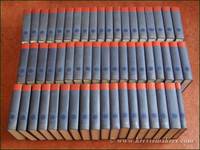
20252Berlin: Duncker & Humblot. 1967 - 1971. 56 volumes Bände 1 - 45: A-Z. Bände 45 - 55: Nachträge A-Z. Band 56: Register Orig. blue cloth with red title labels.; 24 cm. Text in German gothic fraktur script. Price when new 6200 euro for the unchanged 1981 edition. - traces of removed library labels on spines ticket on rear title page library stamp on some bottom edges cloth sl. sunfaded although still very good set see image ¶ Neudruck der von 1875 - 1912 erschienenen 1. Aufl. -- Die Allgemeine Deutsche Biographie ADB ist auch heute noch für die historische Forschung auf allen Gebieten des polititschen kulturellen und wirtschaftlichen Lebens eine unersetzliche Fundgrube für Informationen über ca. 26.300 bedeutende Persönlichkeiten aus dem deutschen Sprachraum sofern sie vor dem Jahre 1900 verstorben sind. Bis 1648 sind auch Niederländer aufgenommen. Während die Werke der Biographierten im Artikel charakterisiert werden findet sich die Sekundärliteratur an dessen Schluß. Die ADB enthält eine Vielzahl von Biographien über Persönlichkeiten die in neueren Nachschlagewerken nicht mehr erwähnt werden. Die Artikel sind in einem individuellen meist sehr gepflegten oft essayistischen Stil verfaßt und bringen Informationen in einer nicht mehr erreichten Ausführlichkeit. -- Info from Duncker & Humblot.n Duncker & Humblot hardcover
19130Paris, Delloye, 1838. 2 vol. in-8, III-488 p. + 476 pp., broché, couverture originale imprimée (couvertures et marges empoussiérées, petits manques et déchirures marginaux, 1er vol. débroché)
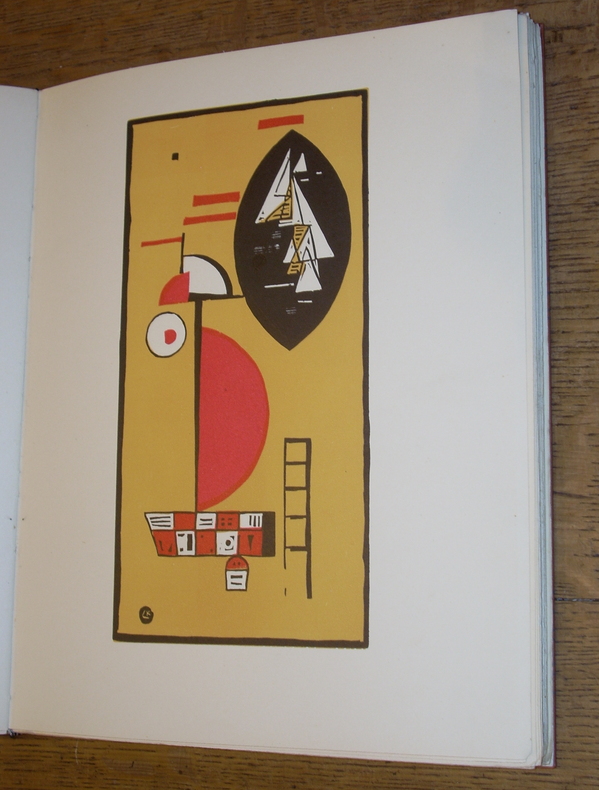
1931000787Paris Editions "Cahiers d'art" 1931
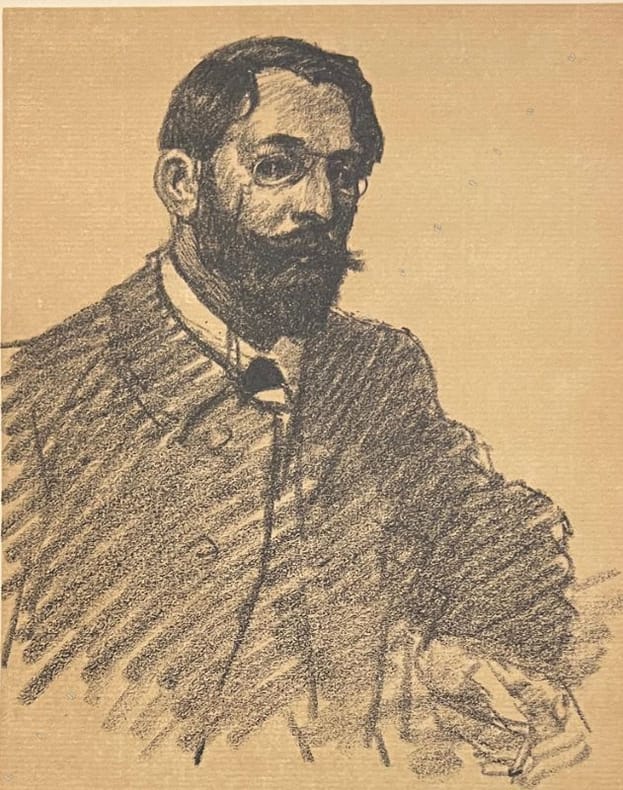
190725338Paris Henri Floury, imprimerie Geneviève Lahure et Maison Verneau 1907 Paris, Henri Floury, imprimerie Geneviève Lahure (typographie) et Maison Verneau (lithographies), 1907, fort volume in-4, reliure en buffle lie de vin, couverture illustrée par Georges Auriol et dos conservés, reliure postérieure.
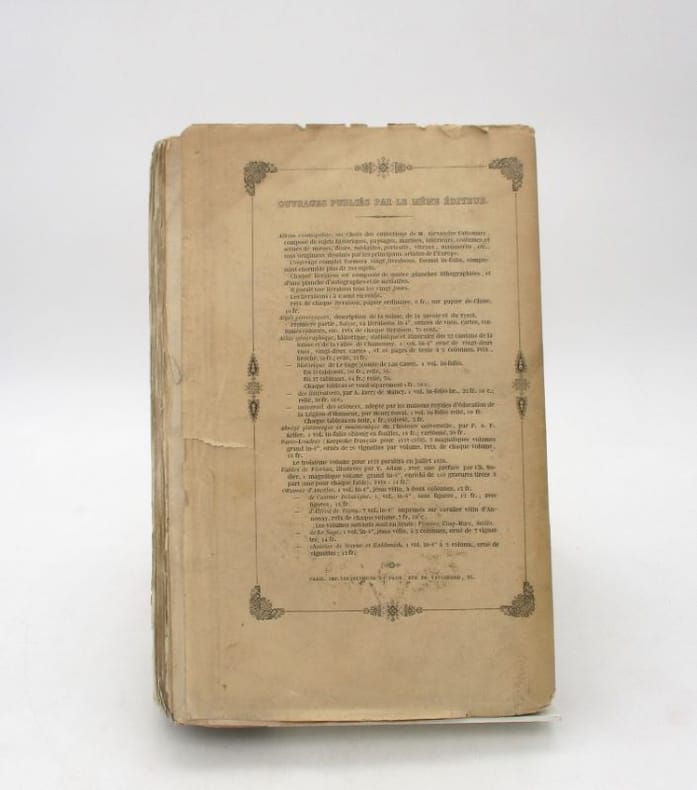
Chez Madame C. Desplaces - Chez Michaud, Paris. 1854. In-4 Carré. Relié demi-cuir. Etat d'usage. Couv. légèrement passée. Dos à nerfs. Quelques rousseurs. 45 tomes d'env. 700 pages chacun. Texte sur 2 colonnes. Pièces de titre bleues sur les dos. Titres, tomaisons, fleurons et filets dorés sur les dos. Etiquettes de code sur les couvertures. Quelques tampons de bibliothèque. Dos insolé, avec quelques épidermures. Ou Histoire, par ordre alphabétique, de la vie publique et privée de tous les hommes qui se sont fait remarquer par leurs écrits, leurs actions, leurs talents, leurs vertus ou leurs crimes. Nouvelle édition sous la dir. de M. Michaud, revue, corrigée et considérablement augmentée d'Articles omis ou nouveaux. Ouvrage rédigé par un Société de Gens de lettres et de savants.
1854RO40255466Chez Madame C. Desplaces - Chez Michaud, Paris. 1854. In-4. Relié demi-cuir. Etat d'usage, Couv. légèrement passée, Dos à nerfs, Quelques rousseurs. 45 tomes d'env. 700 pages chacun. Texte sur 2 colonnes. Pièces de titre bleues sur les dos. Titres, tomaisons, fleurons et filets dorés sur les dos. Etiquettes de code sur les couvertures. Quelques tampons de bibliothèque. Dos insolé, avec quelques épidermures.. . . . Classification Dewey : 920-Biographie générale et généalogie
18860001223FLORENCE NAPLES DRESDEN BERLIN NORWAY. Good. 1886. On offer is a super original 1886 manuscript travel diary handwritten by Mr. B.B. Le Tall an Englishman and an important railway engineer and surveyor we list separately his travels to the Levant and a Railroad engineering journal of his work in Australia writes a superbly detailed and comprehensive book of his travels to Italy Switzerland Tyrol Dolomites Riviera Norway Berlin Dresden . Over 300 pages Mr. Le Tall writes an unparalleled journal beginning June 1886 as he travels through Europe to study the flora and fauna of the Alps research finds that Le Tall was a botanist and was published in later years and given the copious notes and details this book is assuredly the foundation for his later published writings. He returns to England and then sets off again and the reader will find that the intrepid traveler sets off again and again writing of his adventures studies and observations through the Winter of 1889. Ephemera such a tickets passes news clippings are littered throughout the books adding further depth to this super narrative. Save for some trauma to the spine of the 18 x 12 cm leather book is otherwise G.; 12mo - over 6¾" - 7¾" tall; BOTANY BOTANICAL FLORA FAUNA EUROPE NORWAY BERLIN THE DOLOMITES TRAVEL ENGINEER ENGINEERING RAILWAYS RAILROADS HANDWRITTEN MANUSCRIPT DOCUMENT LETTER AUTOGRAPH DIARY JOURNAL LOG KEEPSAKE WRITER HAND WRITTEN DOCUMENTS SIGNED LETTERS MANUSCRIPTS HISTORICAL HOLOGRAPH WRITERS DIARIES JOURNALS LOGS AUTOGRAPHS PERSONAL MEMOIR MEMORIAL PERSONAL HISTORY AMERICANA Als antiquité contrat vélin document manuscrit papier Antike Brief Pergament Dokument Manuskript Papier oggetto d'antiquariato atto velina documento manoscritto carta antigüedad hecho vitela documento manuscrito Papel . hardcover
18950002426SHIP PROSPERO BOSTON TO VALPARIASO CHILI CHILE. Good. 1895. On offer is a very interesting original manuscript copy and transcription created in the late 1890s of the "Journal of Elizabeth Leonard" wife of Captain Ezra Leonard and the "Journal of a Voyage from Boston to Valparaiso Chili in the Ship Prospero of Boston Capt. Oliver Lane Jr." The 9 x 14 inch book was handwritten by Elizabeth Leonard who apparently wanted to preserve her family's maritime history and thusly she copied a journal that she had kept of a voyage in 1855 and also a journal of a voyage kept by Captain Oliver Lane from Boston to Chile in 1854. She also writes of family history and genealogy in this record book. The Leonard's as well as Capt Lane lived in Anniasqum Massachusetts. In this journal Elizabeth starts with her preparation for the voyage aboard the brig "John M. Clayton" to San Juan Cuba. Ezra Leonard was the master of the brig and his wife Elizabeth was the only passenger aboard. The round trip voyage starts from Boston on the 2nd of February 1855. Elizabeth gives a very detailed; places people observations and her thoughts all recorded. She also writes about her family and friends and her home life and Annisquam and Chelsea. For example she also discusses a robbery that took place just before her voyage. Some local people had broken into Captain Lane's house in Annisquam and stole $300.00 and some personal items including a watch that has value. This section of the journal is 54 pages long and she includes about six pages of family history. The "Journal of a voyage from Boston to Valparaiso Chili in Ship Prospero of Boston Capt. Oliver lane Jr" is ten pages long. Captain Oliver Griffin Lane was a renowned sea captain of his time. He made many merchant voyages to Liverpool England the Caribbean Islands San Francisco and to the East to China and India. He sailed three ships and built his homestead in Annisquam Gloucester Mass. on Leonard St. where he had a store which sold the overage of his ships' inventories. This journal kept by Captain Lane is a classic log book providing the numerous details ships record since time immemorial: the ship's position winds weather observations etc. The journal starts on June 18th 1854 and ends on August 18th 1854. The book has suffered some water damage a long time back the covers damaged slightly bowed the first couple of pages have some little damage but otherwise the well filled book is overall G.; Manuscript; Folio - over 12" - 15" tall; KEYWORDS: HISTORY OFELIZABETH LEONARD CAPTAIN OLIVER LANE JR. SHIP PROSPERO BOSTON TO VALPARIASO CHILI CHILE SOUTH AMERICA MARITIME SEA VOYAGES ANNIASQUM MASSACHUSETTS JOHN M. CLAYTON EZRA LEONARD NAUTICAL NAVAL AMERICANA HANDWRITTEN HANDWRITTEN MANUSCRIPT AUTOGRAPHED AUTHORS DOCUMENT LETTER AUTOGRAPH KEEPSAKE WRITER HAND WRITTEN DOCUMENTS SIGNED LETTERS MANUSCRIPTS HISTORICAL HOLOGRAPH WRITERS AUTOGRAPHS PERSONAL MEMOIR MEMORIAL PERSONAL HISTORY ARCHIVE DIARY DIARIES JOURNAL LOG PRIMARY SOURCE FIRST HAND ACCOUNT SOCIAL HISTORY PERSONAL STORIES LIVING HISTORY ANTIQUITÉ CONTRAT VÉLIN DOCUMENT MANUSCRIT PAPIER ANTIKE BRIEF PERGAMENT DOKUMENT MANUSKRIPT PAPIER OGGETTO D'ANTIQUARIATO ATTO VELINA DOCUMENTO MANOSCRITTO CARTA ANTIGÜEDAD HECHO VITELA DOCUMENTO MANUSCRITO PAPELBIOGRAPHY BIOGRAPHICAL AUTOBIOGRAPHICAL AUTOBIOGRAPHY PERSONAL NARRATIVES Valparaiso . unknown
19190008101CORNWALL ENGLAND UNITED KINGDOM UK. Good. 1919. On offer is a diary that provides a fascinating look into the life of a 41 year old woman who works in service to an English family immediately following WWI The notebook is in very good condition and the entries are quite legible. It measures 8 in by 6 1/2 in and contains 141 pages. It is 100% complete. It covers the time period Jan 1st 1919 until Oct 24th 1921. Two to three entries are made each week. Church life plays a very important role and virtually every entry contains quotes from scripture or references to going to church services quite regularly. There is little reference to her daily tasks other than passing remarks about going shopping or having a difficult day with a child. Most geographical references are to locations in Cornwall UK. 'Wingfield' is frequently referenced as home and it was located on the edge of Plymouth. This is confirmed by numerous references to 'the Hoe' a large open space in Plymouth. She has a very active social life with a small group of friends and daily rounds of meeting for tea going bathing swimming together and long walks comprise much of her entries. There is little reference to events in the outside world. ". Went down and walked along the sands sat on high rock after and did some knitting. Peace Treaty was signed at Versailles this afternoon" June 28 1919."Went over to Penhenver in the morning to see submarine k14 pass" Sept 1st 1919. Most entries are similar to these: "Went to the Meeting church service in the morning & called to see Ethel D who is so ill. Went over to see A and H and had tea there. 12 altogether at tea and Mr. Gully was there - the blind brother. I enjoyed it very much. Went to the gospel and Mr. G preached Acts 7:55 ." Sept 28 1919. "Paid a visit at last to Mrs Bowen felt impressed to go since getting up. I had a very happy time with her one felt the warmth of Christian love coming out. After tea I called to see Ethel D. She is still very ill" Oct 8t 1919. "Mr. G went to Newquay today also Mr. T to see about electric lights for "Rockland" Mar 9 1920. "It is a lovely day today. We took our tea to Porth and had it on the rocks the waves dashing up. 11 years today on a Friday John passed away I thought about him" Apr 16 1920. And so the entries go - much focused on her immediate life and those in her small circle of friends. This diary gives a wonderful look inside what may appear to be an ordinary unremarkable life. But closer scrutiny can yield many nuggets of information for a social historian or someone involved in gender studies. It offers a great deal of local information about places in Cornwall UK.; Manuscript; 8vo - over 7¾" - 9¾" tall; KEYWORDS: HISTORY OF CORNWALL UK ENGLAND BRITAIN SOUTH WEST ENGLAND EMMA JANE SMITH PLYMOUTH UK THE HOE NEWQUAY WINGFIELD HALT PENHENVER GENDER STUDIES POST WW1 PERIOD IN BRITAIN 1920S 1910S EARLY 20TH CENTURY ROARING TWENTIES IN BRITAIN LIFESTYLE IN 1920'S BRITAIN WOMEN IN INTERWAR ENGLAND SMALL-TOWN LIFE IN INTERWAR ENGLAND CORNISH GENEALOGY CORNWALL LOCAL HISTORY LIFE IN CORNWALL BETWEEN THE WARS HANDWRITTEN MANUSCRIPT DOCUMENT LETTER AUTOGRAPH WRITER HAND WRITTEN DOCUMENTS SIGNED LETTERS MANUSCRIPTS DIARY DIARIES JOURNALS PERSONAL HISTORY SOCIAL HISTORY HISTORICAL HOLOGRAPH WRITERS AUTOGRAPHS PERSONAL MEMOIR MEMORIAL ANTIQUITÉ CONTRAT VÉLIN DOCUMENT MANUSCRIT PAPIER ANTIKE BRIEF PERGAMENT DOKUMENT MANUSKRIPT PAPIER OGGETTO D'ANTIQUARIATO ATTO VELINA DOCUMENTO MANOSCRITTO CARTA ANTIGÜEDAD HECHO VITELA DOCUMENTO MANUSCRITO PAPEL . unknown
19100008096OLCOTT NEW YORK. Good. 1910. On offer is an excellent record of farm operations in upstate New York immediately prior to WWI. Measuring 6 inches by 3 inches the leather-bound volume is in very good condition and contains 368 pages including Memoranda. It is 100% complete. The handwriting is neat and legible. Glenn Folger was a young man who worked on his family's fruit farm near Olcott NY. Informal research suggests that he graduated from the University of Pennsylvania in 1904. Subsequently he returned to Olcott to work on the family farm. The daily entries are generally focused on the weather conditions and the tasks carried out that day. Although there is a general routine to daily and seasonal farm tasks taken as a whole across the entire year the journal gives a very detailed and full description of the operations of this family farm. "Went after two Jersey heifers at Mr. F.R. Wheeler's Farm . built manger for cattle in east-closed shed . sawed and split wood . Sam Lockwood and I measured off line of our farm from road to Lake on which we expect to place our Windsor cherry trees . NYC Station at Burt Burned this morning" Jan 24. "Finished drawing car of manure from Burt. Finished cutting cornstalks this afternoon" Feb 4. "Finished drawing and burning brush from #1-NP. Began removal of brush from #2 NP. Sold hand spray rig to Sam Lockwood and he got it this morning. Led 'Topsy' to Tompkins. Dragged the road to dry it off. Wayne and I drove to Olcott and Burt tonight. Confirmed rumour that Mr. Burt Van Horn has sold his place and cold storage to W.O. and H.W. Davis of New York for $125000". Mar 26 Through the year his journal records caring for livestock cattle pigs etc. planting and harvesting vegetables asparagus corn cabbage and potatoes and the management of orchards of apples cherries peaches and plums - the main focus of the farm. Along with these he notes the on-going maintenance of the farm - building repairs irrigation maintenance and the myriad other tasks necessary to keep the farm successful. His journal includes many local references such as Wilson Burt Newfane all small villages in the immediate area as well as places further afield - Buffalo New York City. In September he notes: ". I went up to the school and made a contract with Miss Carrigan to be teacher" Sept 13. However there is no further record of him taking up those duties. There are frequent references to a woman named 'Gerry' and on December 24 they became engaged. He later returned to University and earned a law degree. He was admitted to the New York State Bar and opened a legal practice in Poughkeepsie NY. He was the founding President of the Rombout Hunt Club which is still in existence today. For a historian especially one focused on rural American life this is a fine journal that presents an excellent portrait of a family farm at the turn of the last century. The author is well-educated and writes clearly and well. It provides a very stark contrast to the highly technical and mechanized farming operations a century later.; Manuscript; 16mo - over 5¾" - 6¾" tall; KEYWORDS: HISTORY OF EARLY 20TH CENTURY 1910s UPSTATE NEW YORK UNITED STATES WESTERN NEW YORK BUFFALO NIAGARA COUNTY M. GLENN FOLGER; GERALDINE L. WOOD FRUIT FARMING IN UPSTATE NEW YORK; FARMING OPERATIONS NIAGARA COUNTY CROPS NIAGARA COUNTY ORCHARDS LOCKPORT FARMERS HISTORY OF NEW YORK STATE; ROMBOUT HUNT CLUB; ATTORNEYS IN POUGHKEEPSIE NY UNIVERSITY OF PENNSYLVANIA ALUMNI UNIVERSITY OF PENNSYLVANIA BICENTENNIAL COMMITTEE NIAGARA COUNTY BUSINESSES IN THE EARLY 20TH CENTURY AMERICANA HANDWRITTEN MANUSCRIPT DOCUMENT LETTER AUTOGRAPH WRITER HAND WRITTEN DOCUMENTS SIGNED LETTERS MANUSCRIPTS DIARY DIARIES JOURNALS PERSONAL HISTORY SOCIAL HISTORY HISTORICAL HOLOGRAPH WRITERS AUTOGRAPHS PERSONAL MEMOIR MEMORIAL ANTIQUITÉ CONTRAT VÉLIN DOCUMENT MANUSCRIT PAPIER ANTIKE BRIEF PERGAMENT DOKUMENT MANUSKRIPT PAPIER OGGETTO D'ANTIQUARIATO ATTO VELINA DOCUMENTO MANOSCRITTO CARTA ANTIGÜEDAD HECHO VITELA DOCUMENTO MANUSCRITO PAPEL . hardcover
19290010008Buffalo New York: Buffalo New York 1929. Good. 1929. Hardcover. On offer is the 1929 diary of Herbert Stevens a 72-year-old retired engineer in Buffalo New York. This small diary covers the historically fascinating period of January to December 1929 encompassing the onset of the Great Depression. It is an excellent resource for an urban historian painting an intimate picture of the life of a retired couple right at the time when things would begin to go terribly wrong for both Buffalo and the American economy. Stevenss lengthy diary entries describe his life in rich detail: Has been a cool day and I have stayed inside a good share of it and had a time getting fire to burn enough to keep us warm . . . Feb 10 1929 This AM was up early as did not feel good took a walk later did some few things around the house also got some things stood in need of and also did a lot of fixing up. Apr 13 1929 As Eva went in town to see about some things was gone most of day and and didnt get at real work til home again about 8: 30 then spaded a while also few things needed care and later lissened a nice hour of music . . . May 20 1929 Mostly cool today Up early for me and did a lot of small things needed doing also went to store after for eats - though got only a few myself but rather gave Edward possibly his youngest son Edward b 1914 a five dollar bill to use . . . Aug 9 1929Stevens was born in Evans New York in 1857 and lived in Buffalo with his wife Eva. Together they raised a family of 4 children. A City of Buffalo Directory indicates that Stevens was an engineer. He passed away in 1938 at the age of 81 and his wife passed away the same year. At the onset of the Great Depression Buffalo New York had 573000 inhabitants making it the thirteenth-largest city in the United States. Because of its location and the proximity of the Erie Canal connecting it to New York City Buffalo had become an industrial powerhouse. However with the Great Depression came severe unemployment especially among working class men. President Franklin Roosevelts New Deal relief programs operated in full force but the citys days as a great industrial center had passed and the population declined precipitously after World War Two never to recover. The diary measures 5.25 inches by 2.75 inches and contains 121 pages. The covers and pages are in good condition. The binding is intact but the spine is cracked. The handwriting is dense but legible. ; Manuscripts; 5.25" X 2.75"; 121 pages; Great depression; herbert stevens; buffalo ny; buffalo in the great depression; americana; handwritten; manuscript; document; letter; autograph; writer; hand written; documents; signed; letters; manuscripts; diary; diaries; journals; personal history; social history; historical; holograph; writers; autographs; personal; memoir; memorial; antiquité contrat; vélin; document; manuscrit; papier antike; brief; pergament; dokument; manuskript; papier oggetto d'antiquariato; atto; velina; documento; manoscritto; carta antigüedad; hecho; vitela; documento; manuscrito; papel; Signed by Author . Buffalo, New York 1929 hardcover
19200001310ENID GARFIELD COUNTY OKLAHOMA OK. Very Good. 1920. On offer is an original manuscript 4 year diary handwritten by Ida Belveal an Oklahoma woman who lived in the town of Enid in Garfield County. Rarely missing a day through 1920 - 1923 readers are presented with a perplexing woman in many ways. Ida in four to six sentences selflessly tells us of her daily life as it was after World War I in the 'Roaring 20s'; she was a college student and had many friends and boyfriends; she writes of going to school her studies; dating Chuck breaking up with Chuck; dating and becoming engaged to Carisle then breaking up with Carisle; dating "Prof." Earl W. Oberg breaking it off with "Prof" then dating "O.B." and then back to dating the "Prof" and becoming engaged to him; she also writes of the spats and arguments that she has; playing her violin relining her furs her folks going to the oil fields; going to see a Charlie Chaplin show; taking long vacations/trips with "Prof"; driving to Boston and much more. But the there are the chilling reading at times when she casually writes August 1 1922 'Prof beat me up' and then just as casually her movements through Boston including a trip to the Aquarium and getting the dog fixed in the same entry. Earlier in March of 1922 she writes: 'Prof was mad about my ring. Sorry.' makes for an enigmatic comment amidst banal notations of her day. Did she lose it Did she give it back to him Sociologist and students of Women's or Gender Studies will have a field day profiling this woman's psyche in post World War I Oklahoma. Then there are the references to Klan meetings to make one nervous and quite interesting is that in her entries she makes a point of noting if someone is a "Negro" and she writes of going to see K.K.K. "hunting" a "Negro Meeting"; going to Akron Ohio & meeting the K.K.K. One darkly wonders what a closer read will bring. As a diarist Ida does a good job identifying those around her: Leo McKnights Oscar Seigel Mary DeBusk Arthur Taft Mary Thompson Bessie Smith Harry Byrd Clarence DeBush Bessie Miller Ray Atwood Kathleen Movourneen Burk Burnett Ethel Muir Mildred Cains Claralee Hainey Harry Byrd Ella Wales Nina White Geo Hoyt Chuck Golda Elsie Dunbar Mary Beards Joe Milam Lawrence Stewart Ida Wakefield Charley Norris Eva Nelson and many others. Some of the places she mentions are: Medford Billings Belton Chickasha Rialto Shawnee Duncan El Reno Oxford Deer Creek Drury Pond Creek Bartlesville Covington and others. BIO NOTES: Ida was born in April 1897 to Francis Marion "Frank" Beveal and Myrtle Goldena Mansfield-Beveal. She had six siblings Matilda Goldena Price Marion Martin and Sally. The diary measures 3 1/2" x 5 3/4" and it is VG. ; Manuscript; 16mo - over 5¾" - 6¾" tall; MISOGYNY ABUSE RACISM RACIAL HATRED OKLAHOMA OK ENID TULSA PERRY GARFIELD COUNTY THE KLAN KLANSMEN KU KLUX KLAN RACISM WHITE SUPREMACY KKK K.K.K. FEMINISM GENDER STUDIES WOMEN'S STUDIES HANDWRITTEN MANUSCRIPT DOCUMENT LETTER AUTOGRAPH DIARY JOURNAL LOG KEEPSAKE WRITER HAND WRITTEN DOCUMENTS SIGNED LETTERS MANUSCRIPTS HISTORICAL HOLOGRAPH WRITERS DIARIES JOURNALS LOGS AUTOGRAPHS PERSONAL MEMOIR MEMORIAL PERSONAL HISTORY CANADIANA TRAVEL GERMANY ANTIQUITÉ CONTRAT VÉLIN MANUSCRIT PAPIER ANTIKE BRIEF PERGAMENT DOKUMENT . unknown
19320001343GERMANY ITALY FRANCE ENGLAND. Good. 1932. On offer is the original 1932 manuscript 'Grand European Tour' travel journal handwritten by Julia A. Read as evident from her inscription: "Munich Apr. 14th 1932 A note book in which to write impressions of things enjoyed & experienced in the six weeks since Havrah William Lines Hubbard and I left Wilmington Calif. On March 4th 1932 on the good ship San Francisco." Julia she is Hubbard's travel companion and while the relationship is not clearly specified it is assuredly intimate. In 1932 we find Hubbard we list his diary separately well ensconced as the world wide authority on Opera having in 1908 published a comprehensive history on the subject and as a Dramatic Arts editor for a major newspaper for many years he was considered no small expert in the related arts. A charming correspondent Julia may well be writing 'her' diary but this is really 'their' diary for Havrah/Hubbard her companion and it seems intimately so as she annotates his and her life on this very extended trip: what they read what they eat who they visit intermingle with the travel facts of the trip the histories admired the hotels and entertainments rated: "We have been here at the Ritz six weeks. Eric & Mathew seem to enjoy it here much. The Gardens are beautiful." And so much more as she begins retrospectively as she writes: "Havrah and I had such very comfortable cabins side by side that we enjoyed staying in them much time reading or looking out except when walking or eating or climbing about the ship. The Capt and all officers and waiters were very courteous and kind. Prof. & Frau Einstein proved pleasant and enjoyable traveling acquaintances. We were at the Capts table at the farewell dinner." Almost 200 pp quite well filled with a Grand European tour: Casa Riva Hotel Eden the Ritz and the social circle always includes a Baroness a Grandee or such. But she also manages to surprise the reader when page after page we admire her observations. Here is a particularly touching entry: "May 31st Hotel Eden Sirmione Decoration Day in America Always since the war ended between the North and South in USA 61-65 - so many years ago on the 31st of May a bullet sent out by a sharp shooter found lodgement in my brother Spencer Tom. heart and he fell with a smile into the arms of a comrade." Online bio notes: William Lines Hubbard 1867-1951 worked off and on from 1891 to 1907 as music critic and editor of the Chicago Tribune -he was also dramatic editor 1902-7-while teaching singing and living in Europe from 1893 to 1898. W. Dermot Darby 1885-1947 Farwell's coeditor was a native of Ireland. Trained in England and New York Darby served as secretary of the Modern Music Society in New York in 1916 and helped to edit The Art of Music 1914-17. Overall G.; 12mo - over 6¾" - 7¾" tall; HUBBARD OPERA OPERATIC ALBERT EINSTEIN ELSA EINSTEIN HAVRAH MOTOR SAILING YACHT MS SAN FRANCISCO TRAVEL NAVAL MERCANTILE SHIPPING MARINE HANDWRITTEN MANUSCRIPT DOCUMENT LETTER AUTOGRAPH DIARY JOURNAL LOG KEEPSAKE WRITER HAND WRITTEN DOCUMENTS SIGNED LETTERS MANUSCRIPTS HISTORICAL HOLOGRAPH WRITERS DIARIES JOURNALS LOGS AUTOGRAPHS PERSONAL MEMOIR MEMORIAL PERSONAL HISTORY AMERICANA Als antiquité contrat vélin document manuscrit papier Antike Brief Pergament Dokument Manuskript Papier oggetto d'antiquariato atto velina documento manoscritto carta antigüedad hecho vitela documento manuscrito Papel . unknown
18700002200BISHOPSTON GOWER PENINSULA THE MUMBLES WALES UK. Very Good. 1870. On offer is a superb original 1870 Victorian Era manuscript 100 page diary and some copied popular verse 50pages handwritten by Julia M. D. Mayberg as identified by the ownership inscription on the front endpaper: "Julia M. D. Mayberg July 27th 1870" an upper middle class Gower Peninsula Welsh teenage girl who details a life of some privilege living on the Peninsula The Mumbles in Wales between 20 June 1870 - 15 May 1871 travelling frequently with her widowed mother. We believe her home base was in or near Bishopston and family is noted in Dublin and throughout England journeying there with her mother sometimes with their servant Annie. A life of indulgence is described: daily afternoon teas collecting crests walking the seashore shopping in England jewellery and non essentials. Devoutly Christian her uncle William is a reverend and she attends church services very regularly with a sincere interest in the sermons. Well read well educated the author enjoys good conversation and even the French card game Bezique! The young girl's life plays out with the sensational backdrop of the renowned Gower Peninsula in South Wales making for an utterly unique personal account of life there for this young lady. Local travel included Swansea and all over the Gower Peninsula often via the family pony carriage and just on foot. Cheriton Llanmadoc Hill and Llanddewi-Brefi the ancient Llanmadoc Church recently restored and home pulpit of Reverend and author J. D. Davies. She also mentions several Welsh personalities: Thomas Bullin of Swansea an associate of the Whitland Turnpike Trust iron and steel manufacturer Mr. Beynon the famed Reverend Davies of Llanmadoc Church and Katie Acheson likely the Lady Katharine Acheson - daughter of Sir Archibald Acheson 3rd Earl of Gosford. Trips to England for a wedding in Bath family near Stroud a jaunt to Chippenham and occasionally to Brighton once for a spectacular Christmas shopping trip where she and her mother purchased a "real" ermine fur muff writing paper specialty foods and seasonal treats a crystal decanter dolls and a doll's wash stand and basin numerous gifts. She makes frequent mention of sermons preached by Octavius Winslow in Brighton. Relative to the period she often notices "servants" travelling with "masters". A journey is also made to Southampton to see off her Uncle Arthur and Aunt Agnes who were sailing to India on 6 January 1871 onboard the steamer "Ceylon." Here are some snippets: 21 June 1870. "We went to Bath and Aunt Annie went with us." "I bought my parting present for Millicent which was a crimson marker with two anchors meaning hope and two hearts meaning charity dropping from it made of gilt. I bought a blue necklace for myself one I had always wished for and went down to Millicent and showed her my gold chain and locket and gave her the marker which she was very pleased with. And I brought her home to tea and we walked about the garden and acted an aligory and then acted something else." "When we got to Stroud we had a very long drive of ten miles to go in a waggonet that was sent for us. the train doesn't go further than Stroud. When we got to Uncle Sam's we were very tired. Miss Lydiarde the governess is very nice." "In one shop we went into Mother bought me a manuscript book for writing 'My Journal' in and a small one for herself. In the evening we went for a ride in a pony carriage. called upon the Paravincis." "Uncle Sam and Auntie's birthday. Mother got him a memorandum book bound in Russian leather. That day in honour of the two birthdays we went to have a picnic at Badminton in the park of the duke of Beaufort. Captain Henry Charles FitzRoy Somerset 8th Duke of Beaufort British peer soldier and Conservative politician Knight of the Garter in 1867 appointed Lord Lieutenant of Monmouthshire founder of The Badminton Library of Sports and Pastimes publications. Laura and Julia Wickman came all the children and all the servants except one. we found we must go to the Hermitage a very pretty summer house. the deer in that park I shall never forget there are said to be two thousand there. We went to the Duke's house. not at home the duchess and some friends were. we were allowed to go over to the stables. It is said that the duke has a hundred and twenty and forty grooms. There was one groom a very civil one that showed us all the horses. one Arab horse that the Sultan had given to the duke ." ". with Mr. Butler went for a drive to Malmesbury to see the Abbey there and we went in the pony carriage. Mr. Butler was in a state of sulks all the time because he found that the people in the Reformation had not destroyed the Abbey. The outside of it is very beautiful." "When we got to Reynoldston we went to a shop there and bought some things there and then we had tea at Mary Bossar's an old servant of grandma's." "In the evening we went up Llanmadoc Hill the view from the top is lovely for you see the whole of Gower surrounded by the sea and by the hills. We see almost the whole of the Worm's Head from there. In the afternoon we walked to Hardens Down Hardings Down and went to see Eliza another old servant of grandma's who lives there." "After tea we went on to Llandewy Llanddewi-Brefi to see grandma's and grandpa's grave. At last we came back to Burry's Green where we went in to Mrs. Beynon's." Brighton 17 December 1870. ". mother and I went to Treacher's Library to get a book an historic subscription bookshop . then went into a grocer's shop. raspberry jam and lobster pasta for Aunt Emma. went into a sweet shop and she ought some mixed sweets and some burnt almonds." 8 April 1871. "Mother & Annie & I all went to the cemetery to put a cross of flowers we had made on papa's grave also a garland of everlasting flowers which we had bought in Brighton." The 55 pages of poetry and playwright verses popular at the time are complete with an index. The 8vo has some general ageing but overall VG.; Manuscript; 8vo - over 7¾" - 9¾" tall; KEYWORDS: HISTORY OF BRITAIN UNITED KINGDOM GOWER PENINSULA THE MUMBLES WALES VICTORIAN ERA WELSH TEENAGER JULIA M. D. MAYBERG BISHOPSTON CHERITON LLANMADOC HILL LLANDDEWI-BREFI LLANMADOC CHURCH REVEREND AUTHOR J. D. DAVIES THOMAS BULLIN SWANSEA WHITLAND TURNPIKE TRUST IRON AND STEEL MANUFACTURER MR. BEYNON KATIE ACHESON LADY KATHARINE ACHESON SIR ARCHIBALD ACHESON 3RD EARL OF GOSFORDHANDWRITTEN MANUSCRIPT AUTOGRAPHED AUTHORS DOCUMENT LETTER AUTOGRAPH KEEPSAKE WRITER HAND WRITTEN DOCUMENTS SIGNED LETTERS MANUSCRIPTS HISTORICAL HOLOGRAPH WRITERS AUTOGRAPHS PERSONAL MEMOIR MEMORIAL PERSONAL HISTORY ARCHIVE DIARY DIARIES JOURNAL LOG PRIMARY SOURCE FIRST HAND ACCOUNT SOCIAL HISTORY PERSONAL STORIES LIVING HISTORY ANTIQUITÉ CONTRAT VÉLIN DOCUMENT MANUSCRIT PAPIER ANTIKE BRIEF PERGAMENT DOKUMENT MANUSKRIPT PAPIER OGGETTO D'ANTIQUARIATO ATTO VELINA DOCUMENTO MANOSCRITTO CARTA ANTIGÜEDAD HECHO VITELA DOCUMENTO MANUSCRITO PAPELBIOGRAPHY BIOGRAPHICAL AUTOBIOGRAPHICAL AUTOBIOGRAPHY PERSONAL NARRATIVES . hardcover
19450002087NEW DELHI INDIA INDIA-BURMA THEATER. Good. 1945. On offer is an original modest archive of ephemera 15 pieces including a manuscript diary and notebook travel log of an American SOS Officer Services of Supply serving in 1945 in the critical India-Burma Theater. Belonging to and handwritten by Lt. Ray Vekroff the first writings are on a yellow legal pad type paper 27 hand numbered pages torn from the main pad block and folded wherein Ray retrospectively details his background and service. Originally he states that he was a civilian in China and then in China and India for 35 months in the Army. But at the end he explains his desire to return States-side for re-assignment. The second book a flip style notepad begins March 21 1945 at the SOS Headquarters in New Delhi and 10 pages of entries detailing an amazing near circumnavigation voyage with a Trans-America trip twice to boot! aboard a ship steam freighter Cambay. We follow him to Trincomalee Sri Lanka Port Said Gibraltar to Norfolk Washington DC Asheville San Francisco then back and forth to Washington again and finally to end September 13 in Tokyo Japan. There are another three pages of names and addresses. Overall G.; Manuscript; 16mo - over 5¾" - 6¾" tall; KEYWORDS: HISTORY OF WWII USF IBT LT. RAY L. VEKROFF SOS OFFICER INDIA 19445 US ARMY DIARY SERVICES OF SUPPLY WORLD WAR II WW2 INDIA BURMA THEATRE SEAC CHINA THEATRE GENERAL COVELL STEAM FREIGHTER CAMBAY AMERICANA HANDWRITTEN MANUSCRIPT AUTOGRAPHED AUTHORS AMERICANA MANUSCRIPT DOCUMENT LETTER AUTOGRAPH KEEPSAKE WRITER HAND WRITTEN DOCUMENTS SIGNED LETTERS MANUSCRIPTS HISTORICAL HOLOGRAPH WRITERS AUTOGRAPHS PERSONAL MEMOIR MEMORIAL PERSONAL HISTORY ARCHIVE DIARY DIARIES ANTIQUITÉ CONTRAT VÉLIN DOCUMENT MANUSCRIT PAPIER ANTIKE BRIEF PERGAMENT DOKUMENT MANUSKRIPT PAPIER OGGETTO D'ANTIQUARIATO ATTO VELINA DOCUMENTO MANOSCRITTO CARTA ANTIGÜEDAD HECHO VITELA DOCUMENTO MANUSCRITO PAPEL . unknown
19030001939NORTHAMPTON MASSACHUSETTS MA. Good. 1903. On offer is an interesting original 1903 - 1904 manuscript diary handwritten by Margaret Ruth Pomeroy Hamlin a student at Smith College in Northampton MA and later an Agricultural Counsellor for Women in Stockbridge from 1918-1934 and the first Placement Officer for Women from 1934-1948. She was originally accepted to the faculty of the University of Massachusetts Amherst in 1914. Her success and renown are evident by the honor bestowed her having The Margaret Hamlin House also known as Hamlin Hall a dormitory in Amherst MA named for her. It is part of the Northeast Residential Area at the University of Massachusetts Amherst. The building is designed in the Georgian architecture style and is covered with brick. One online source provides: "The new two-year course included six months of on-the-job field training. To supervise the work of the men and women engaged in this training two staff members were required. On January 1 19I8 Miss Margaret P. Hamlin a Smith College graduate who had in Amherst developed a hobby of farming was appointed as one of these members with the title of "agricultural counsellor for women." Miss Hamlin developed this position until it encompassed the full activities of a Women's Placement Office. For thirty years she performed her duties most successfully. She took a great many trips some under arduous conditions to locate and evaluate positions in which students might be placed. In an area extending from Germantown Pennsylvania to Northern New Hampshire and Maine she found jobs for women in greenhouses and flower shops vegetable gardens and dairy farms. One of the most interesting examples of this placement work involved a large dairy farm on an estate near New York City which was run by two women one a professor of geology at Columbia University Ida Helen Ogilvie; see: Bedford Camp the first Woman's Land Army unit in USA . On this farm Miss Hamlin placed a number of young women who had studied animal husbandry at M.A.C. Two of these students later became farm managers on the estate." The 5 x 7¾ inches book has about 180 pages of which about 133 have entries. The spine is somewhat worn rubbed creased. Hinges cracked. Internally very good/near fine; clean and tight. Paper is slightly age toned. Overall G.; Manuscript; 8vo - over 7¾" - 9¾" tall; KEYWORDS: HISTORY OF SMITH COLLEGE NORTHAMPTON MASSACHUSETTS MARGARET RUTH POMEROY HAMLIN STOCKBRIDGE AMHERST AGRICULTURAL COUNSELLOR FOR WOMEN WOMEN'S STUDIES GENDER STUDIES SOCIAL STUDIES UMASS JENNY HOUSE AMERICANA HANDWRITTEN MANUSCRIPT AUTOGRAPHED AUTHORS MANUSCRIPT DOCUMENT LETTER AUTOGRAPH KEEPSAKE WRITER HAND WRITTEN DOCUMENTS SIGNED LETTERS MANUSCRIPTS HISTORICAL HOLOGRAPH WRITERS AUTOGRAPHS PERSONAL MEMOIR MEMORIAL PERSONAL HISTORY ARCHIVE DIARY DIARIES antiquité contrat vélin document manuscrit papier Antike Brief Pergament Dokument Manuskript Papier oggetto d'antiquariato atto velina documento manoscritto carta antigüedad hecho vitela documento manuscrito Papel . unknown
18800008122PICKWICK MINNESOTA. Good. 1880. On offer is an outstanding record of a family living in rural Minnesota in the late 19th century. This leather-bound diary measures 6 inches by 3 inches and contains 183 pages plus memoranda pages. It is 100% complete. The diary is in very good condition The handwriting is small but legible. The author of the diary is Mrs. C.L Grannis who lives in Pickwick MN in 1880. Her husband is Cyrus Lansing Grannis. Research has determined that her name is Melissa M Grannis neé Woods. She was born in 1824 on December 12th as noted in the diary in Vermont. She married Cyrus Grannis in Massachusetts. They had one son - Frankie who died in 1858 at age 4 noted in the diary on January 12. Melissa Grannis passed away in 1904 at age 79. At some point they moved from Massachusetts to Iowa where their son died. They moved to Minnesota to the village of Pickwick. This was wilderness country and the living conditions were very hard. Melissa Grannis is 55 years old the year she kept this diary. The entries paint a detailed picture of life in this cold northern wilderness. Many entries include a short proverb or scripture quote. "Our new cow came today. Two boys drove her from Galesville - were here to dinner - Cordelia rode up stayed an hour or so Harry Agnes and Allen came down to show Allen's first suit of boys clothes which his Grandpa Gould sent him. Karen in a moment. G. brings me this diary for New Years present. I cut off my first Calla Lilly sent to Abba for New years gift. Susie up to call. Allen staid to dinner" Jan 1; "Snows wind blows all fore noon - Sun shines in P.M. I bake all fore noon Callie in I send Nellie her backs for S.S. - "Without economy some can be rich & with it few can be poor." "The parent who does not teach his child a trade teaches him to be a thief." Jan 9; "Twenty two years since our dear Frank died. ." Jan 12; "Cyrus goes to Winona to take up our old cow. Rather hated to see her go after all got little over $27.00 for her. Lizzie Hoffman in to see about flowers for a cross for tomorrow. Agnes came down to get pieces for the patch work. Stays until after school closes some of my class come to recite pieces - grows cold all the time" Mar 11; "Pleasant - pure air - They work on the mill today for fear of rain. Seems bad to hear the sound of hammers on God's holy day but they think it duty to take care of what they have left. S.S. at 10' o'clock 29 scholars present. Ella comes in early. I call there on my way from S.S. Susie gets dinner & supper. Seems good to have help. Mrs. Harlo Rutherford comes in to see if I will let her boy come & pick berries for me. Bessie Davis calls. They go home send Ella a rose by Nettie & Lou" June 13. Simple activities could lead to serious injuries and even death: "Mr. Renwick starts home to night. Cool cloudy & little thought this morning what was to happen & how much we have to be thankful for. G. & I started for W. Winona in buggy. When at Minnies house Lorens horse set to kicking and we were thrown from the buggy down in the brush. My wrist was hurt some but how narrow to escape. Is it a warning to us that Gods ways are part finding out how well it is that God hides the future. Mrs Martins also Mr. George Eagles were very kind to me. I staid at Mr. Martins." Aug 16; "Fall through side walk when in Clayton did not hurt me much." Sept 16. She notes the presence of the Winona Guards. The Winona Guards was one of the first of the handful of organized militia companies which were revived after the Civil War. They were the foundation for the Minnesota National Guard. "Cloudy. Mrs. W children staid to breakfast. The "Winona Guards" came this morning marched to pipe & drum. A city of tents. Mrs. Whitney came over to take biscuits for their dinner. Mrs. Simpson & Mrs. Flirst called to bid us good by as they all go this P.M. Ida Howe calls in P.M. Campers leave sorry to see them go as they are all pleasant. The "Guards" are under military rule. March. Can see them quite plain. Evening C. goes over to see them. " Aug 23. Even in a small village in rural Minnesota she is well aware of events in the larger world: "Pleasant. Great excitement today as it is "Election Day." Will soon be known who is to be President next March. " Nov 2. James Garfield won. This was also her husband Cyrus' 55th birthday. In her cash accounts she kept a careful record of expenditures and these provide an excellent indication of the daily costs of living. For a historian this is an excellent primary-source document. It is well written and quite detailed. The cash records she kept would certainly help a social historian researching living circumstances at this time. A genealogist would appreciate the many references to friends and neighbours in this small community. A geographer especially one focusing on climate would find her comments about temperatures and weather in general quite useful as a point of comparison to today.; Manuscript; 16mo - over 5¾" - 6¾" tall; KEYWORDS: HISTORY OF 19TH CENTURY 1880S GILDED AGE UNITES STATES MINNESOTA WINONA COUNTY CYRUS L. GRANNIS; MELISSA GRANNIS; PICKWICK MN; WINONA GUARDS; MINNESOTA NATIONAL GUARD; PRESIDENT JAMES GARFIELD 1880 PRESIDENTIAL ELECTION RURAL AMERICA IN LATE 19TH CENTURY COSTS OF LIVING IN MINNESOTA IN 1880S SOCIAL LIFE IN RURAL AMERICA IN 1880S WINONA COUNTY GENEALOGY RELIGIOUS LIFE IN RURAL MINNESOTA FREE BAPTISTS CHURCH IN PICKWICK WOMEN's STUDIES AMERICANA HANDWRITTEN MANUSCRIPT DOCUMENT LETTER AUTOGRAPH WRITER HAND WRITTEN DOCUMENTS SIGNED LETTERS MANUSCRIPTS DIARY DIARIES JOURNALS PERSONAL HISTORY SOCIAL HISTORY HISTORICAL HOLOGRAPH WRITERS AUTOGRAPHS PERSONAL MEMOIR MEMORIAL ANTIQUITÉ CONTRAT VÉLIN DOCUMENT MANUSCRIT PAPIER ANTIKE BRIEF PERGAMENT DOKUMENT MANUSKRIPT PAPIER OGGETTO D'ANTIQUARIATO ATTO VELINA DOCUMENTO MANOSCRITTO CARTA ANTIGÜEDAD HECHO VITELA DOCUMENTO MANUSCRITO PAPEL . hardcover
19280008131BRITAIN - ARGENTINA. Good. 1928. On offer is a unique British Legion diary dating from the years following WWI. This small volume measures 3.75 inches by 2.5 inches. It contains 365 pages plus memorandum pages. It is about 35% complete including memo pages. The leather cover is in good condition and all pages are intact. Given its small size the handwriting is dense but readable. The author is unknown. He keeps this diary record of his trip in 1928 from England to Argentina Senegal and back home on board a commercial cargo ship. Although there is no biographical information about him there are some clues about the writer. On March 8th 1928 he visited the Medical Appeals Board in Cardiff Wales. Earlier entries noted several visits to his doctor. He is likely a WWI veteran who is a member of the British Legion. British Legion membership at the time was restricted to veterans. His diary is a 1928 edition of the British Legion diary. An entry May 31 suggests that his home is Brookhill UK north of Brighton. His entries cover principally the time between March 14th and June 30th. On March 14th he reported on board SS Peterston bound for Uruguay and Argentina and they sailed on the 15th. His entries recount his experience on this trip. They left in a gale and experienced rough weather the first week: "Still rolling like hell. Was I sick and feeling awful. ." Mar 21. It has not been very hot yet. Nothing like the Red Sea. Always the Trade Wind. Temperature in Chart Room 80 o. Passed the half way mark." Mar 31. He arrived in Montevideo on Apr 13th. He tours some of the inland areas in the company of the ship's Captain. They then sailed to Rosairio Argentina up the Parana River. Although it is not specifically stated context suggests his ship is in Rosario to take on a load of processed meats from the Swift Canning Company and that he may be involved in the meat packing industry. Swift was and remains one of the largest meat processing companies in Argentina. After visiting the Swift plant he arranges to visit a large cattle ranch inland where he stayed for several days. He describes the cattle ranch in detail: ". Had the use of 2 horses every day and rode about the Estancia which is 6 miles square daily. There were 109 riding horses 100 draught over 3000 head of cattle and a lot of and some mules. The steers are very fine. and the draught horses of Percheron stock. The place has its own Smith and a Carpenter's shop. The house is like a very superior Indian Bungalow with their own Electric heating and mosquito-proof doors ." May 5. He returns to the ship and uses it as a base to tour the area. On My 24th he notes seeing the two Royal Navy destroyers HMS Amazon and HMS Ambuscade. He visits the English Club and golfs at the Hastingham Club. The ship left Rosario May 26th and visited Buenos Aires before departing for home via Dakar on the west coast of Africa. He describes the passage across the Atlantic and the few days they docked in Dakar. "Arrived off Dakar before daybreak. . The Peterston took on bunker coal from a hulk. . Nice town with eastern colouring like Egypt . a lot of French khaki clad whitehelmeted soldiers about. " June 16. On June 28th he arrived home: ". we eventually tied up stern to a quay in Victoria Dock at 2 A.M. Thank goodness we have arrived at last." June 26. His memoranda pages include other notes and observations such as graphic details about the process in the "Killing Sheds". This is an outstanding record of a sailing passage in the early 20th century. It is full of detailed descriptions of several major South American cities. It is an excellent resource for a historian and offers a window into the operations of one of the major food processing companies of the time.; Manuscript; 48mo - over 3" - 4" tall; KEYWORDS: HISTORY OF TRADE WITH ARGENTINA SAILING FROM BRITAIN TO ARGENTINA IN THE 1920s SS PETERSTON; SWIFT CANNING COMPANY; JBS ARGENTINA; MONTEVIDEO; ROSARIO; SANTA FE PROVINCE BUENOS AIRES; HMS AMAZON HMS AMBUSCADE; BRITISH LEGION TRAVEL JOURNALS SENEGAL ARGENTINA IN THE LATE 1920s CARGO SHIPS URUGUAY PARANA RIVER BROOKHILL UNITED KINGDOM CATTLE RANCHES IN ARGENTINA IN 1920S CATTLE RANCHING IN SOUTH AMERICA SOUTH AMERICAN CITIES IN THE 1920s FOOD PROCESSING COMPANIES IN THE 1920s HORSE BREEDING IN SOUTH AMERICA HORSES IN ARGENTINA IN THE 1920s HANDWRITTEN MANUSCRIPT DOCUMENT LETTER AUTOGRAPH WRITER HAND WRITTEN DOCUMENTS SIGNED LETTERS MANUSCRIPTS DIARY DIARIES JOURNALS PERSONAL HISTORY SOCIAL HISTORY HISTORICAL HOLOGRAPH WRITERS AUTOGRAPHS PERSONAL MEMOIR MEMORIAL ANTIQUITÉ CONTRAT VÉLIN DOCUMENT MANUSCRIT PAPIER ANTIKE BRIEF PERGAMENT DOKUMENT MANUSKRIPT PAPIER OGGETTO D'ANTIQUARIATO ATTO VELINA DOCUMENTO MANOSCRITTO CARTA ANTIGÜEDAD HECHO VITELA DOCUMENTO MANUSCRITO PAPEL . hardcover
19440001615near BOSTON MASSACHUSETTS MONTREAL QUEBEC CANADA. Poor. 1944. On offer is an amazing original 1944 manuscript diary handwritten by Robert Connelly a 21 year old man studying to be a priest. He is studying at a seminary near Boston Massachusetts and twice during the year he travels to La Grande Seminary in Montreal where he takes courses. Robert does an exceptional job using a 5 year diary for the one year only of writing almost every day and filling the pages up with his thoughts feelings and observations of the life of a young seminarian. Historians and researchers of the subject will be hard pressed to find a more detailed or intimate sharing of the inner thoughts and turmoil this young man experiences. A sensitive fellow he writes in the first entry: "This new diary is black by choice because the World is in a sad mournful state. Let us pray next year is the dawn of peace here". Here are some other snippets of this super memoir: "Fatigue and dreariness is slowly wearing on the fellows here. It is externally apparent. It is one of the trials for later life that the Seminary prepares us for". "Sulplician or the ___ Dietian knowledge is very poor. We had some chunk of battered beef today and not many fellows ate it. Result - we got it back for supper only it looked worse. The beans at dinner smelt like somebody "threw up". As Joachin says "double-eaten". "We got mush brown for supper again tonight and we are drawing near the end. I am trying to finish my review before that tense feeling sets in". "Bob D---- and Johnnie Gagnor our classmates from last year who had to be led to the decision with spiritual aid - that the priesthood is not for them. Bob left St Mary's Seminary last week. Visited us here today. We had a little party in B Poulins room last night. O My we broke the rules. Well God understands - even if the good Sulps don't". Fr Connelly wrote often about the War. He also wrote about Stalin and Communism and how necessary to was to pray for the conversion of Russia. I got the impression that he may have had some mixed feelings about not being in the army: "Read letter from Driscoll today. He told me to keep working hard because they know in the Armed Forces our grind is not so easy either". "The rumors about our being drafted are very numerous. Perhaps Pete C---- caused them after coming back from the States". "We went on a promenade today and in the spring weather - all the bums are out on the sidewalk again. Even the anti-clericals. One fellow asked Joe Connelly - "When are you going to sign up in the army" - Joe - "I am thinking of it - if any of your business". The author wrote almost 3 pages describing a visit he and his Brothers made to St Jean de-Dieu a large asylum in Montreal. Following is a small part of what he wrote about patients he saw there: Aug 16. "We are going to take the trip to the St John Dieu -a 12000 inmate asylum for mental cases in Montreal. The nuns at this asylum like most other sisters are hardworking diligent little women unselfish and persevering in their work patience personified. Would that we clerics and religious Brothers could imitate them completely". Aug17. "Sick cases seen at St J 1. Women's Ward - One case was screaming terribly and would soon be shifted. The nuns had both tubs with cold water for those who were depressed and hot for those who were too wild. 2. The imbecile on the Piazza standing scratched her ___ then laid down head rolling from side to side blank expression on face". He goes on to describe several other of the patients he saw along with the mentally retarded children. The author included in the diary many stories told to him by other brothers and priests. Two of these: "This particular call happened to a Springfield Priest: A victim of a bus accident was taken to the hospital dead. Crushed to nothing arms broke off etc. The priest arrived at the hospital quickly after receiving an urgent telephone call. He was shown the victim and prepared to give him the last sacraments. The victim was placed in a basket which held all the broken members of his body. An orderly of the hospital was standing nearby. The priest motioned to him "Come here and give me a hand will you" The fellow came over and picked an arm of the victim out of the basket!!!" "Berstain was speaking of a former priest - a friend of his who used to be very chaste and solid in priestly countenance. But since he was a good mixer with youth he used to give rides in his auto - girls and boys. But then his love fell on one of the girls in particular - not spiritual but sentimental love of heart. Eventually he was driving her home from her war job in the factory and would stay there about an hour. Sometimes he went to see her in the morning after Mass!!! There is much more to this diary. The author reflected on Catholic doctrine - birth control pre-marital sex celibacy and more. He also wrote of mixed marriage the negro problem education duties of a priest. He noted the election of Cardinal Cushing and wrote of Bishop Sheen. The author was a very thoughtful and perceptive young man. His personal reflections on people and situations he encountered are throughout the diary. When he traveled he noted his thoughts about the scenes he saw and people he observed in the diary: "One girl got on the bus - was married - husband in the S. Pacific. Was the type who made a good housewife. Seemed to know the bus driver and his wife good". "The drunken Indiana farmer who got on - looked like he used to be a hardworking humble man. He laughed at his own jokes. "Pretty good heh Hah hah". "Some Jehovah's or Salvationists were preaching in the park. Would that we Catholics had their courage. The preachers spoke of belief in Christ.Soldiers stood at attention while two girls and fellows just kept making passes at each other". He wrote of his family and of a brother who was in the army. There is a letter in the diary from his mother who wrote news about "Bill" who was a pilot that had been shot down. It sounded as though Bill was a brother or very close relative. The diary measures about 6"X4 1/2" and is in very rough shape. The covers are detached the spine covering is gone. Pages are about to separate. Written in ink his handwriting at times is difficult to read especially names. Included with the diary are the letter a religious card a receipt from Greyhound and a receipt from Northeast Airlines all from the 1940s. Poor in condition but legible and one of the most fascinating diaries we have read.; Manuscript; 24mo - over 5" - 5¾" tall; KEYWORDS: HISTORY OF CATHOLIC CATHOLICISM ECCLESIASTICAL RELIGION SEMINARY EDUCATION PRIESTHOOD LA GRANDE SEMINARY VINCENTIANS FR. JIM TWOMEY WORLD WAR II WWII. WW2 CHRISTIANITY CHRISTIAN CELIBACY THEOLOGY THEOLOGIANS ROMAN CATHOLIC JESUIT AMERICANA HANDWRITTEN MANUSCRIPT DOCUMENT LETTER AUTOGRAPH KEEPSAKE WRITER HAND WRITTEN DOCUMENTS SIGNED LETTERS MANUSCRIPTS HISTORICAL HOLOGRAPH WRITERS AUTOGRAPHS PERSONAL MEMOIR MEMORIAL PERSONAL HISTORY ARCHIVE DIARY DIARIES ANTIQUITÉ CONTRAT VÉLIN MANUSCRIT PAPIER ANTIKE BRIEF PERGAMENT DOKUMENT antiquité contrat vélin document manuscrit papier Antike Brief Pergament Dokument Manuskript Papier oggetto d'antiquariato atto velina documento manoscritto carta antigüedad hecho vitela documento manuscrito papel. . unknown