8 672 résultats
191210631Leipzig, F. A. Brockhaus 1912. Illustrierter Karton, 8°, 704 S., 28., illustrierte Auflage, mit 10 Szenenbildern, 6 Porträts und 1 Karte, mit einer Einleitung von H. H. HOUBEN.
1913C2468Jena, Eugen Diederichs, 1913. Pappband, 8°, 76 S., 1. Auflage, mit einem Bilde von Hodler (Auszug Jenaer Studenten in die Freiheitskriege)
19688973Köln Friedrich Middelhauve Verlag, 1968. Neuausgabe. 486 S. kl. 8° Grauer Grobleinenband. Leichte Gebrauchsspuren, sonst gut erhalten.
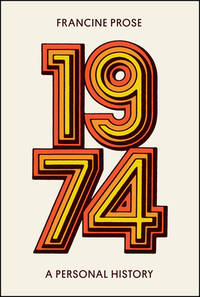
20247426Harper 2024. 1st Edition 1st Printing. Hardcover. New/New. New in new dust jacket. SIGNED by the author on the title page signature only. 1st edition 1st printing complete numberline. New unread copy with dust jacket in a protective mylar sleeve. "Signed Copy" sticker. A memoir of the crazy paranoia-laden years when the 1960s gave way to the 1970s by the PEN Translation Prize- Washington University International Humanities Medal-. Dayton Literary Peace Prize- National Jewish Book Award- and Edith Wharton Achievement Award-winning author of "A Changed Man" and "Blue Angel". Rare signed. Where possible all books come with dust jacket in a clear protective plastic sleeve sealed in a ziplock bag wrapped in bubble wrap shipped in a box. <br/> <br/> Harper hardcover
A. BALDINI 1° edizione! Rugantino di Antonio Baldini. Milano, Bompiani 1942 italian, 365 ST1098Z Brossura editoriale, volume in discrete condizioni, abrasione sulla sovraccoperta, lievi segni di usura sulla copertina, interno in buone condizioni 365 pagine circaCopertina come da foto
197010716Zürich (CH), Buchklub ExLibris, 1970. 280/396/314/471/432/448/488/265/340/238/713/260/352/367/471/440/269/544/261 S. ; Kl.-8°, weiße Kunstledereinbände mit schwarzem Rückenschild (ohne Umschläge)
1910Q1899Wien und Leipzig, A. Hartleben's Verlag, o.J., um 1910. Pappband, 8°, 254 S., rechtmäßige Ausgabe, Erste Reihe Band 11 der Reihe »Wissenschaftliche Romane von Julius Verne«
brossura Questo libro che, a prima vista, potrebbe essere considerato un'opera di assemblaggio, raccolta di semplici note, è in realtà un'opera avveduta, c'è un filo conduttore, la consapevolezza dell'autore che attraverso semplici articoli di giornale divulga le proprie concezioni politiche ed estetiche: come i veri filosofi!
26171Stuttgart, Deutsche Verlags-Anstalt. 8°. 26 Einzelhefte, Orig.-Broschuren. Vorhanden sind folgende Nummern: 1947/5; 1848/10,12; 1949/16; 1950/24, 27, 28, 29, 30, 32, 34; 1951/8, 37; 1952/54, 555; 1953/55, 62, 63, 64, 65; 1954: 77; 1956/99, 100, 105, 106; 1958/122, 130. - Mit Beiträgen von: Georg Trakl (Gedichte); Hannah Arendt (Kultur und Politik); Erich Neumann (Chagall und die Bibel); Ingeborg Bachmann (Gedichte); Gottfried Benn; Erich Kästner (Von der deutschen Vergesslichkeit); Heimito von Doderer (Divertimento); Thomas Mann; Th. W. Adorno (Jazz-Zeitlose Mode); Max Brod; Gottried Benn; Martin Buber; Ina Seidel; Carl Zuckmayer, Jean-Paul Sartre; usw. Umschläge gebräunt, teilw. fleckig und bestoßen.
19808930Berlin und Weimar, Aufbau-Verlag 1980. Hardcover mit Schutzumschlag, 8 , 143 S., 4. Auflage, "Edition Neue Texte", "Erwin Strittmatters Sprachkunst und seine Fähigkeit, Verstecktes aufzuspüren, haben sich vereint für die Freunde der pointierten Kurzgeschichte." Schutzumschlag leichte Gebrauchsspuren und angegraut, oben leicht bestoßen, Namenszug auf dem Vorsatz, sonst guter Zustand. Bilder im JPG- oder PDF. Format auf Anfrage.
199031353ABGraz, Forum Stadtpark., 1990. 4°. [27 x 21 cm]. 242 Seiten, 5 Blätter Buchanzeigen. Farbig illustrierter Originalkarton. Deckel mit aufklappbarem Kinderhemdchen. (Rücken mit wenigen Leseknickspuren.). - Ansonsten ein sehr gut erhaltenes, sauberes Exemplar ohne Eintragungen. = manuskripte. Zeitschrift für Literatur. 30. Jahrgang. 110. Heft. Dezember 1990.
in-8, pp. LVI, 437, legatura modesta in carta. Buono stato.. .
1972C410Berlin und Weimar, Aufbau-Verlag 1972. Ganzleinen mit Schutzumschlag, 8°, 445 S., aus dem Amerikanischen übersetzt von Ernst Schnabel und einem Nachwort von Karl-Heinz Schönfelder
2006354431Octopus Publishing Group. 2006. 544 Seiten. 23x18,5cm. Zustand: Sehr Gut, eher ungelesen (Innen); Einband (Außen) hat min. bis geringe Gebrauchsspuren; Broschiert
1996X3095Frankfurt/M, S. Fischer Verlag 1996. Hardcover, 8°, 122 S., aus dem Italienischen von Marianne Schneider, »An einem wunderschönen Fühlingstag des Jahres 1931 verläßt ein funkelnagelneuer Fiat 522 die Fabrik und begibt sich auf große Fahrt durch Italien. Wir als Leser sind dabei und erleben mit, was diesem kecken Automobil binnen 24 Stunden so alles widerfährt.«
Sonja, Her Majesty QueenNot in perfect condition. unknown
ill., br. Infaticabile esploratore di culture lontane, da oltre quarant'anni Cees Nooteboom si ferma d'estate a Minorca, «isola del vento»: certi legami non li scegliamo, ci sono e basta, e il legame dello scrittore olandese con la Spagna è di questa natura, insondabile. È nella dimora minorchina, con lo studio pieno di libri e il giardino presidiato dagli autoctoni dei regni vegetale e animale, che hanno inizio i 533 giorni di stesura di queste riflessioni. Non un diario, non un insieme di moti dell'animo organizzato per date, ma un «libro dei giorni», per trattenere «qualcosa del flusso di pensieri, delle letture, di quel che si vede». Cactus, palme, tartarughe, ragni hanno forse un proprio linguaggio, che però resta impenetrabile. Nooteboom si interroga con l'umiltà del profano su misteri botanici e zoologici, li intreccia alla sua passione per le lingue umane aprendo ponderosi dizionari, resta in ascolto quando scopre suoni nei rumori, alza lo sguardo su Cassiopea e si fa astronomo e mitologo. Ogni impressione è passata al vaglio del deposito memoriale di una lunga vita di esperienze e letture, che spalanca finestre su vasti orizzonti: la Divina Commedia e i libri che ha generato, l'impossibile incontro tra Montaigne e la musica di Feldman, il disprezzo dell'amatissimo Borges per l'amatissimo Gombrowicz, il volo infinito dei Voyager, il ripetersi della storia come tragedia e mai come farsa. Una rapsodia meditativa che vorrebbe escludere il rumore dell'attualità, ma che nell'attualità - della Catalogna, della Spagna, di un'Europa lacerata - deve più volte tornare, perché se come dice Candide «bisogna coltivare il proprio giardino», il proprio giardino è nel mondo, che lo si voglia o no.
1987612Halle und Leipzig, Mitteldeutscher Verlag 1987. 199 S. 8 , illustr. OLwd mit OSU, Vignetten u. Illustr. von Egbert Herfurth (Texte von Fontane, Haringer, Kant, Leonhardt, Hermlin, Mühsam, M. Wander, Ch. Wolter, Strahl, Feuchtwanger u.v.a.) OSU mit leichten Gebrauchsspuren, guter Zustand.
196913850Hamburg, Rowohlt Verlag 1969. Ganzleinen mit Schutzumschlag, 8°, 203 S., 50.-59. Tausend, mit Zeichnungen des Verfassers, "In diesem hübschen, vom Autor illustrierten kleinen Buch sind erstmalig sämtliche 75 Fabeln des unvergleichlichen James Thurber, "doctor humoris causa" der Yale-Universität, versammelt."
In 16? (cm 17,8), Brossura, pagg.161 copertina ill. a colori, segni del tempo alla cop., timbro omaggio al paitto anteriore, ma buon es. Collana "Club della donna", 294
In 8? (cm 21), Leg. edit. tutta tela, pagg. con sovracop. ill. a colori da Nando Rossi, pagg. 194 con alcune ill. n.t., lievi mende e firma d'appartenenza alla sovracop., piccola dedica manoscritta alla prima carta bianca, peraltro buon es. Collana "Ragazze oggi", 8. La milanese Ines Belsky Lagazzi, (1908-2003) ha scritto oltre 90 opere di generi diversi (biografie, saggi, libri per ragazzi), ottenendo anche alcuni premi e riconoscimenti internazionali.
Un volume con due opere (cm 19 x 13); pp. 76,(4); 109, (3); entrambe le opere hanno proprio occhietto e front. a caratteri neri; la prima è una ristampa identica all'edizione del 1942, mentre la seconda è una ristampa identica all'edizione del 1934; leg. in mezza tela verde e carta marmorizzata ai piatti, nomi degli Autori e titoli scritti a caratteri dorati al dorso. Rif.: IT\ICCU\CUB\0230923 e PBE\0006010. Cond.: lievi tracce d'uso e annotazioni a matita all'occhietto della prima opera; volume in buone condizioni generali
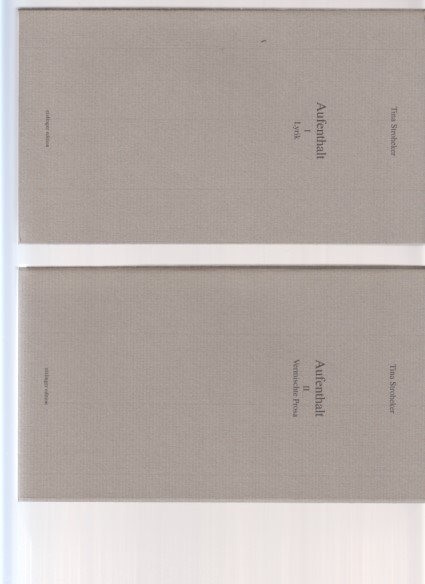
19981227513eislinger edition / Kunstverein Eislingen (Hrsg.), 1998. 161 Seiten und 137 Seiten; 21 cm; kart. / 2 Bände; im (schwarzen) OPp.-Schuber.
Very Good Turkish, Ottoman (1500-1928) In contemporary fine black 1/3 leather bdg. Decorated gilt to spine. Roy. 8vo. (23 x 16 cm). In Ottoman script (Old Turkish with Arabic letters). 112 p. Extremely rare first edition of this Nabi's first-hand account of Mecca, Medina and the Hejaz during his pilgrimage in the late 17th century. This is the most celebrated literary pilgrimage narrative written in Ottoman Turkish. Nabi (1642-1712) was one of the prominent Ottoman poets and is considered a foremost exponent of the didactic trend (hikem-i tarz) in Ottoman Turkish literature. Nabi, whose given name was Yusuf, was born in Urfa (then known as Ruha) in 1052/1642. In 1082/1671 he took part in the Ottoman military campaign in Poland, in the retinue of Müsahib Pasha, (1640-1686). Having spent thirteen years in Istanbul, Nabi desired to go on a pilgrimage to Mecca. He was personally ready to undertake a journey to the Hijaz and to set down an eloquent account of his journey, the experience of his lifetime. Accordingly, having achieved a position of good standing with his patrons, Müsahib Mustafa Pasha and Mehmed IV, Nabi revived his longstanding desire to perform the hajj. In 1089/1678, at around 37 years of age, he set out in a small private caravan from Istanbul, passing through Konya, Urfa, Damascus, Jerusalem and Cairo, where he joined the main Egyptian pilgrimage caravan. The work, which is one of the most successful examples of Ottoman insa (artistic prose), includes historical, sociological, geographical and autobiographical information. In his preliminary remarks, Nabi indicates that he had received governmental help for his journey. He relates that he first obtained leave for the hajj from his patron Musahib Mustafa Pasha, and then submitted a qasida to Mehmed IV, describing the sacred places. The sultan provided Nabi a letter of recommendation addressed to Abdurrahman Pasha (d. 1691), governor of Egypt, ordering him to enable Nabi to make a comfortable journey. Nabi traveled in a small private caravan, since the caravan extended its route to Nabi's homeland, Urfa, and spent about fifty days there. It appears that he generally followed the usual route of the pilgrimage caravan from Istanbul to Damascus, passing through Scutari, Kartal, Gebze, Hersek, Iznik, Eskisehir, Seyitgazi, Aksehir, Ilgin, Ladik, Konia, Eregli, Adana, Misis bridge, Payas, Antioche, Aleppo (with a long detour to Urfa (Edessa) and back to Aleppo via Aintab), Hama, Hims and the Kuteyfe strait. He was fascinated with the splendid architecture of the buildings, the bazaars and the mosques built side by side by Kurdish and Circassian rulers and the Nile when he arrived in Cairo. Nabi gives a general description of the city of Cairo, the Nile, the two reservoirs of the city, parklands, the Ahram hills and the immediate neighborhood of the city. In Mecca, Nabi visited the sacred sites enthusiastically and performed the hajj on 77 January 1679. He gives a moving account of his experience as a pious emotional pilgrim. It appears that Nabi stayed in Mecca for more than twenty days. Immediately after 1 Muharrem 1090/12 February 1679, he set out for Medina, presumably in the Damascus caravan. While in Medina, Nabi served at the tomb of the Prophet by lighting the candles since his name was on the honorary list of attendants who were determined by the central government to serve the sanctuaries in Mecca and Medina. Nabi regards these services as a testimony to the legitimacy of Ottoman rule. He summarizes his journey of return from Medina to Damascus and to Istanbul in a few general words. Özege 21267.; Not in OCLC.