Dabat SophieLivre Rare Book

1 561 résultats
2021500253570HARLEQUIN 2021 480 pages 10 7x16 8x3cm. 2021. pocket_book. 480 pages.
1979R240089201FRANCOIS MASPERO. 1979. In-8. Broché. Bon état, Couv. convenable, Dos satisfaisant, Intérieur frais. 263 pages.. . . . Classification Dewey : 326-Esclavage
1994RO40008693Présence africaine. 1994. In-12. Broché. Bon état, Couv. légèrement passée, Dos satisfaisant, Papier jauni. 58 pages.. . . . Classification Dewey : 326-Esclavage
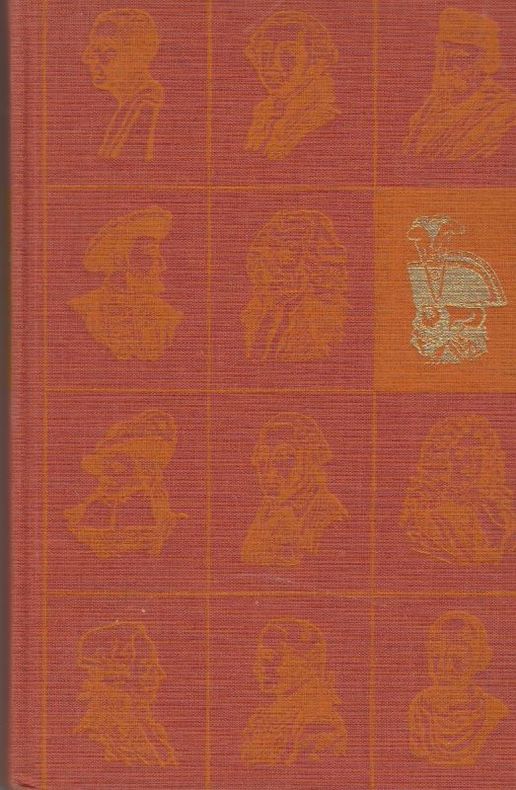
196015123Club Français du Livre, 1960, in-8°, 289 pp, 6 gravures hors texte, reliure pleine toile brique décorée de l'éditeur, bon état (Coll. Portraits de l'histoire). Edition originale, numérotée. Bien complet du dépliant volant de 2 cartes : Possessions coloniales des Antilles et de l'Amérique centrale en 1789 et Haïti (partie française de Saint-Domingue)
In-8, broché, couverture de papier moderne, 15 p. Edition originale. Le député de la Guadeloupe soumet son projet de création d'un Comité colonial composé de députés des colonies, de colons et de négociants blancs, afin d'élaborer une constitution coloniale spécifique. Par la suite, Curt émigra en Angleterre. Il y négocia le traité de Whitehall (1793) entre les Anglais et les grands planteurs français des Antilles pour permettre à ces derniers de combattre les troupes révolutionnaires et de s'opposer à l'émancipation des Noirs. (cf. Pluchon, "Histoire de la colonisation française", p. 813). (Martin & Walter, 911. Sabin, 18017). Bon exemplaire, très frais.
15147In-8, broché, couverture de papier moderne, 15 p. Paris, Baudouin, 1789.
1375815Paris: Jean-Michel Place, 2018 in-4 (32 x 25 cm), 854 pages, très nombreuses illustrations en noir et blanc. Fac similé de l'édition originale dans la reliure en toile brune ornée du titre en rouge sur le premier plat et d'une carte en rouge sur le 2è plat. Cet ouvrage réunit 255 contributions écrites par 150 auteurs. Une centaine de pages concerne l’art africain avec 37 planches d'objets souvent non reproduits ailleurs. ETAT NEUF.
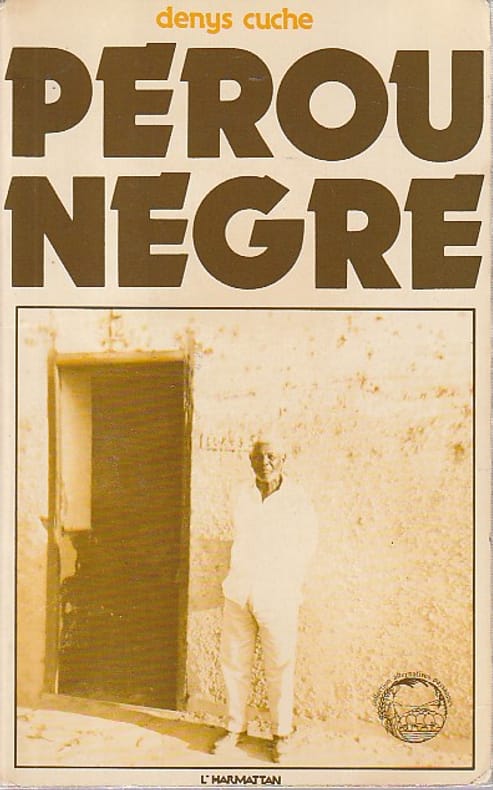
56765L'Harmattan, 1981, 192 pp., broché, couverture un peu défraîchie, état correct..
1869WRCAM56566Camagüey Cuba 1869. Pictorial letterpress broadside 18 1/2 x 13 inches. Numbered "54" in manuscript bearing the embossed red seal of the Republica Cubana and signed in ink by Salvador Cisneros y Betancourt Eduardo Agramonte Ignacio Agramonte Loyn áz Francisco Sánchez y Betancourt and Antonio Zambrana. Old horizontal folds minor creasing handful of small edge chips. Small hole in bottom margin just touching one ink signature. Very good condition. A rare and significant pictorial Cuban decree from the provisional rebel government abolishing slavery on the part of the island they controlled issued by the radical faction of the Cuban nationalists fighting against Spanish rule in the first months of the Ten Years' War. <br> <br> This proclamation is illustrated with a dramatic woodcut signed "LFR" depicting an ill-clad but exultant freed slave and a rebel celebrating in front of the Cuban flag. This decree stipulated freedom for all the enslaved people of Cuba in hopes that they would join the revolutionary struggle. The decree also provided for eventual compensation to slaveholders and ordered that freed individuals must serve the revolution either through military service or by continuing with their previous work. Among the important leaders who signed the present document were Salvador Cisneros y Betancourt as president just below the printed text and Ignacio Agramonte y Loynáz as secretary to the left of the engraving. <br> <br> The practical effect of this decree was modest as the rebels only controlled limited territory before their ultimate defeat and their territory was generally under the control of more conservative military commanders but such a proclamation joined a growing chorus of abolitionist sentiment in Cuba which finally realized the end of slavery in 1886. A powerful statement of anti-slavery policy in mid-19th century Cuba with a striking illustration of a jubilant slave celebrating his short-lived freedom. Rare with no copies recorded in OCLC. unknown books
18732024Cuba 1873. About very good. 3 folio leaves. Light wear at edges a couple of small chips at lower left edge of each leaf. Light tanning and foxing. Accomplished in a neat legible script. Scarce manuscript listing of slaves and indentured servants from a Cuban sugar plantation. The present list was made in January 1873 on the Ingenio Tartesio east of Havana near the small village of Las Pozas. On two separate sheets nine Chinese and twenty-eight African or Criollo men are listed as rented to the farm; on a third sheet eighteen slave births for 1873 and 1874 are recorded giving names mothers and dates of birth. The Chinese men are identified simply by first name and owner; the African and other slaves are listed with additional details such as nationality age owner. A section for additional observations notes which slaves have run away and at least one death. A fascinating document of slave hires on an isolated Cuban plantation during the 1870s. unknown books
1865974Santiago de Cuba 1865. Very good. 10 leaves. Removed from a larger volume and restitched. Minor wear and one small area of worming at edges. Light tanning and foxing. Accomplished in several legible hands. A fantastic set of manuscript records for a slave auction house the General Slave Depository in Santiago de Cuba dating to January 1865. Santiago along with Havana and Cienfuegos was one of three major sites for slave sales on the island during the 19th century. The first leaf of the document provides a statement that the documents were assembled in accordance with the rules established for slave auctions which had been updated and approved at the end of the previous year. The second two documents lay out mortgage agreements and financial obligations between the slave house and the Real Sociedad Economica de Amigos de Pais of the city in which the auction owners acknowledge debts and forthcoming payments on the order of several thousand pesos. Following these are two leaves containing a "Relacion de los esclavos ecsistentes en el deposito de esta Ciudad en el dia de la fecha" that is a list of slaves at the depository on the day of the auction and their owners and renters which perhaps were a part of the collateral for securing the loan. A total of twenty-nine slaves are listed and the leaf that follows certifies that the list is correct according the to the director and the auctioneer of the depository. The final two leaves provide official recognition of the loan from two distinct government offices. All documents are signed by the relevant parties and government officials involved in the agreement. In all the present group of documents provides a detailed assessment of debts and human assets of the slave auction house in Santiago de Cuba in the mid-1860s and is a fascinating and valuable document of the bureaucracy and regulation surrounding the financial realities of selling slaves in Cuba during this period. unknown books
18772027Havana 1877. Very good. 1p. on a bifolium. Removed from a a bound volume with unobtrusive stabholes at gutter margin. Light wear at edges; light dust soiling and damp staining. Remarkable bidsheet submitted by a Cuban business in response to a newspaper advertisement for an auction of slaves for hire held in Havana during November 1877. The firm Jado Sarasúa y Compañia writes that "Enterada del anuncio publicado en la Gaceta fecha 9 del corriente para el arrendamineto en publica subasta de los esclavos existentes en el Asilo de San Jose pertenecientesa Bienes Embargados y sujentadose en un todo al pliego de Condiciones inserto en la misma Gaceta hace la siguente proposicion." Below is a list of fourteen slaves mostly women and the prices that the company is willing to offer for the slaves being rented ranging from ten to seventeen pesos per month. Signed and dated at the bottom "Habana Noviembre 14 de 1877. unknown books
18842025Matanzas 1884. Still very good. 3 leaves plus 4pp. pamphlet in original plain wrappers string tied. Light wear at edges. A few very small worm holes. Contemporary ink stamps. Light tanning and foxing. The Spanish Cortes approved a gradual manumission law in 1880 for slaves in Cuba that provided for an eight-year period of patronato tutelage for all slaves liberated according to the law which essentially amounted to indentured servitude. The transition to the patronato system was overseen by a provincial network of government agencies called Juntas de Patronato. Most of the workings of the slave system were preserved but patrocinados as former slaves came to be known received a minimal set of legal rights and were to be paid a token wage. <br/><br/>This fascinating set of Cuban manumission documents from the Junta de Patronato of Matanzas records this process and contains a rare cedula de patrocinado an identification booklet stating a slave is now a freedman with a supporting sponsor. The cedula completed in manuscript states that "Moreno Luis Morejon Natural de Africa.Vecino del Potrero Miraflores.Patrocinado de Da Josefa Morejon de Rodriguez" is "Gratis Sin Enmienda" as of September 15 1881. The second leaf of the pamphlet prints the rights of the freedman and the responsibilities of the sponsor such as the provision of food clothing and nominal salary. <br/><br/>The second document present here is a contemporaneous manuscript letter from Josefa Morejon de Rodriguez confirming that she will act as sponsor for the freedman and the final document dated January 28 1884 and signed by Rodriguez and the relevant local magistrates states that the sponsorship has been completed and is now legally concluded. With the ink stamp of the Matanzas Junta Provincial on first page and the contemporary stamps of several other relevant authorities. An outstanding record of the process of gradual manumission in Cuba during the last years of legal slavery on the island with a rare surviving freedman's identification book. unknown books
18562026Remedios 1856. About very good. 4pp. on a large bifolium. Printed form completed in manuscript. Separated at fold repaired with tissue. Light wear at edges. Light tanning and foxing. Rare Cuban population census form listing the number of residents in and around the town of Remedios located on the northern central coast of Cuba in 1856. The present document completed in manuscript lists the population according to various categories such as ethnicity and race age range occupations marital status location of residence and several others. The census includes slaves of African origin newly arrived Chinese indentured servants "colonos Asiaticos" immigrant laborers from Yucatan freedmen and free white residents "Blancos". In all there are just over 2000 people living in and around Remedios at this time comprising just over 1300 free whites over 300 free people of color 460 slaves and 19 Chinese laborers. One of the most interesting sections records the population by place of residence which shows that the great majority people in the area lived on estancias with a good part of the remaining population living on livestock farms and sugar plantations. On the final page are two additional sections which enumerate the types of property farms and other enterprises in the regions and provide statistics on agricultural and industrial production and land usage along with some manuscript notes with the signatures of the census takers or local magistrates. An interesting document of slavery agriculture and population in rural Cuba during the mid-19th century. unknown books
8vo., First Edition, with 10 plates; cloth, a fine copy in unclipped dustwrapper.
243 pages. Tissue-protected frontis photo portrait of author. Attractively decorated maroon cloth-covered front board. All seventeen black and white plates present. "An autobiographical account of the author's first twelve years (from 1862 to September 1873) as a Methodist missionary among the Cowichan and Nanaimo Indians." - Lowther. Average wear. Prior owner's name in light pencil upon front free endpaper. Faint moisture marks to fore-edge of first twenty-five pages. Hinges starting. Issued without dust jacket. LOWTHER 1556, RICKS p.75, AMTMANN 3499, SMITH 2134, WALLACE p.52, MATTHEWS 295, TOD & CORDINGLEY p.85. Book
Paris, Grand livre du mois 1998. In-8 cartonnage souple de 327 pages. Etiquette en dos. Bon état
199835207Grand livre du mois Paris, Grand livre du mois 1998. In-8 cartonnage souple de 327 pages. Etiquette en dos. Bon état
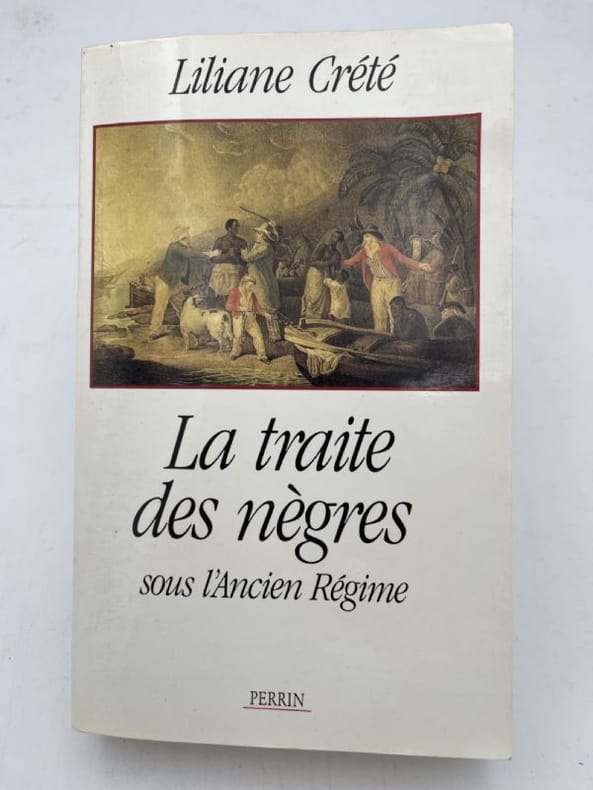
1998190350Grand livre du mois Paris, Perrin, 1998. In-8 broché de 327 pages. Bon état
5475Cour d'Appel d'Angers, Audience solennelle de rentrée du 16 octobre 1897. Angers, G. Paré, Imprimeur de la Cour d'appel, 1897, broché, 16x25 cm, 40 pages. Dédicace de l'auteur.
5474Cour d'Appel d'Angers, Audience solennelle de rentrée du 16 octobre 1893. Angers, G. Paré, Imprimeur de la Cour d'appel, 1893, broché, 17x25,5 cm, 37 pages. Dédicace de l'auteur.
8vo., First Edition, with a portrait frontispiece in photogravure (original tissue guard present) and a plate in photogravure (original tissue guard present); handsomely bound in burgundy full morocco, back gilt with five raised bands, second and fourth compartments lettered and ruled in gilt, all other compartments tooled and ruled in gilt, uncut, a most attractive copy ideal as a gift or for presentation. A lovely copy.
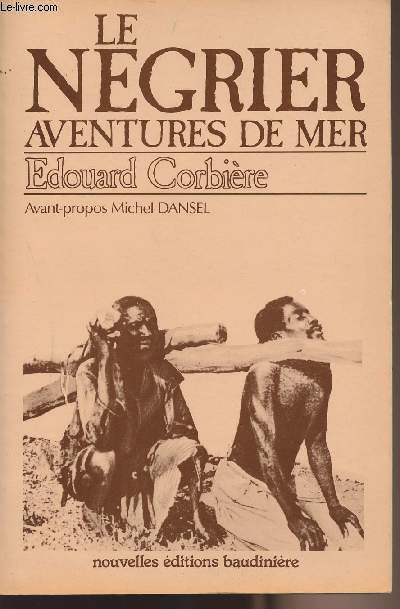
1979R240147458Nouvelles éditions Baudinière. 1979. In-8. Broché. Bon état, Couv. convenable, Dos satisfaisant, Intérieur frais. 222 pages.. . . . Classification Dewey : 326-Esclavage
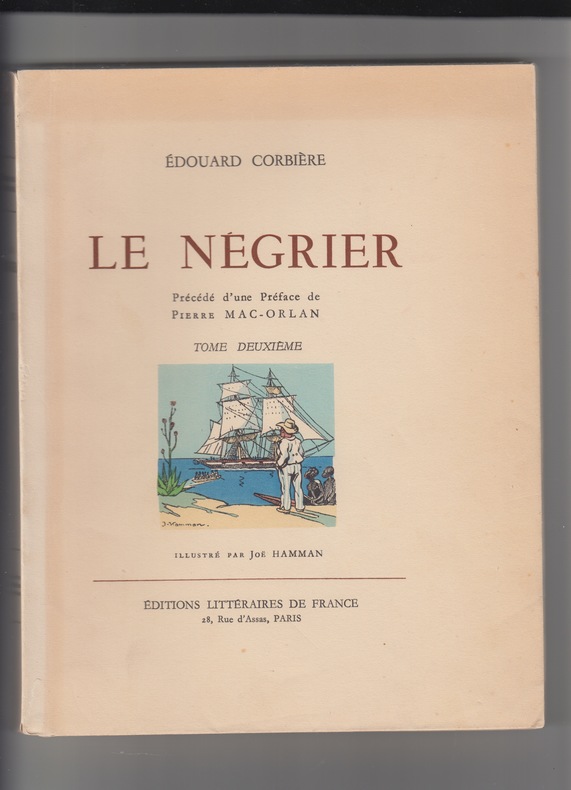
WOC-2232Précédé d'une Préface de Pierre MAC-ORLAN. Illustré par Joë Hamman en couleurs dans le texte et hors-texte. Paris, Éditions Littéraires de France, sans date. 2 volumes petits in-4 (25x1,5x20cm) brochés de couvertures rempliées, plats supérieurs imprimés et illustrés de vignettes en couleurs, dos lisses imprimés, sous protection de couvertures. 151pp. + 163pp.
1940228351940 Editions littéraires de France, Paris s.d. (circa 1940), 19,5x25cm, 2 volumes brochés. - Edition ornée d'illustrations originales in et hors-texte en couleurs,coloriées au pochoir, de Joe Hamman, un des 1200 exemplaires numérotés sur papier de Rives N°165, seul tirage avec 25 lettrés et quelques hors commerce. Préface de Pierre Mac-Orlan.,dos couvertures rempliées un peu jaunis