21 719 résultats
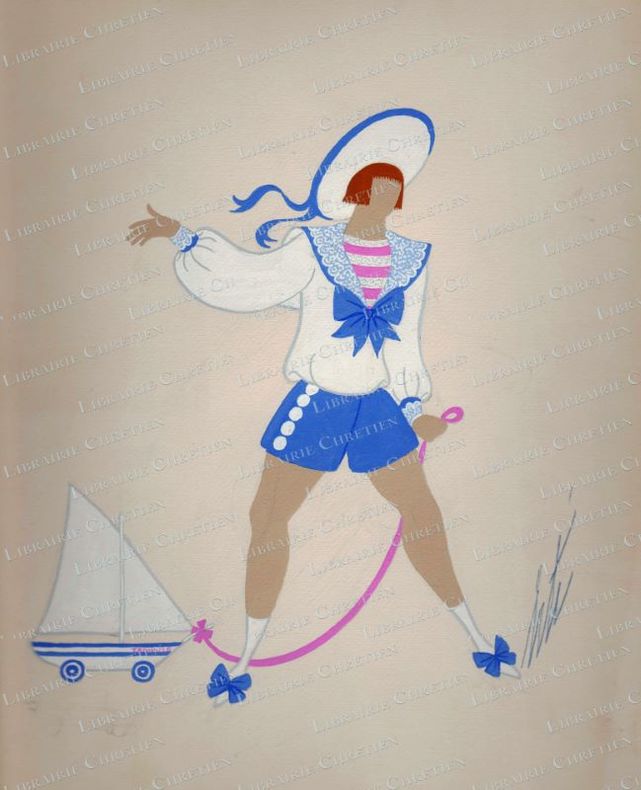
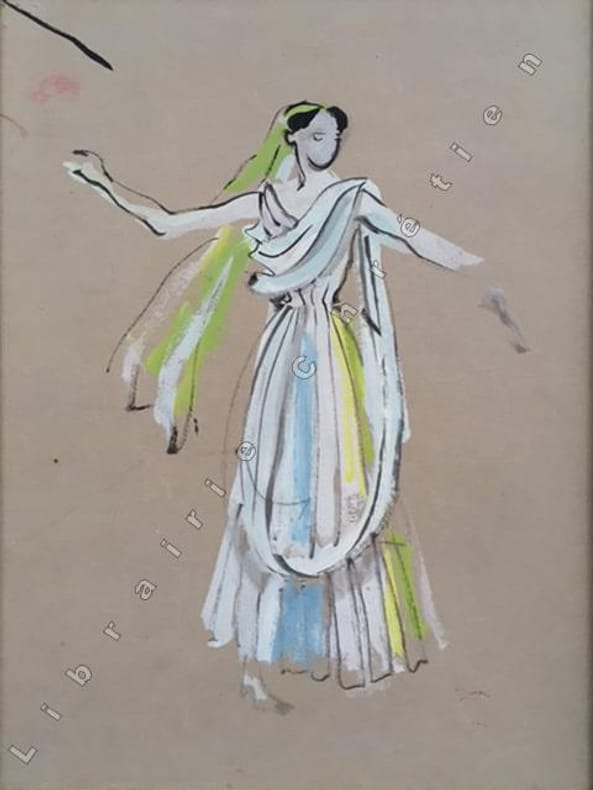
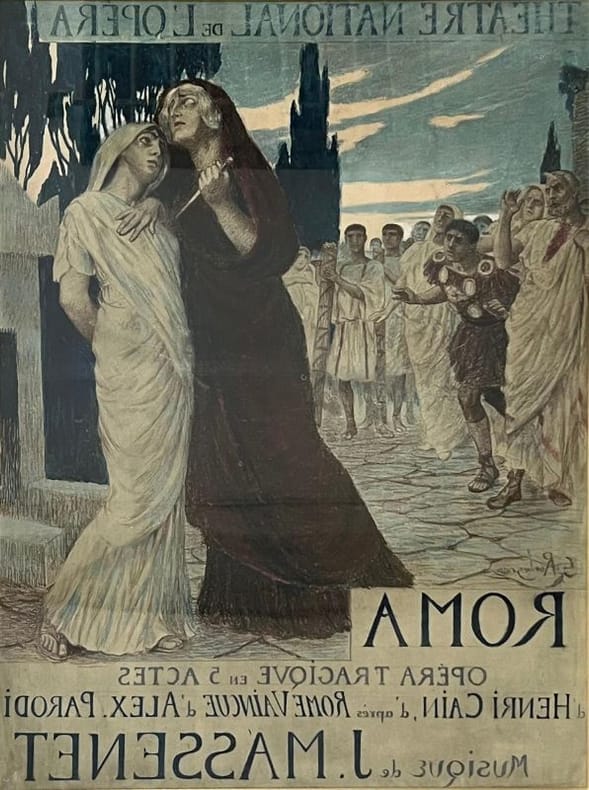
191216706(1912) Pastel et gouache signé, (1912), 79 x 48 cm., encadré.
Due opere in un volume in-4to, 339 (i.e. 341) [1], LXXXVIII pp; Occhietto, antiporta figurata, ritratto di Pascoli, 20 incisioni anatomiche a piena pagina, iniziali silografiche istoriate, testatine e finalini. Presenti le carte bianche H6 e T6.
Very Good Turkish, Ottoman (1500-1928) Original autograph manuscript letter signed by Khedive Abbas Hilmi Pasha II of Egypt. 20,5x16,5 cm. In Ottoman script. 1 p. 6 lines. Sent to an unknown recipient who he called 'Efendim hazretleri' in elqab of the letter. He mentions that he received a telegraph of the recipient. He celebrated 'eid' ('Iyd-i said'). Abbas II Helmy Bey, was the last Khedive (Ottoman viceroy) of Egypt and Sudan, ruling from 8 January 1892 to 19 December 1914. In 1914, after the Ottoman Empire joined the Central Powers in World War I, the nationalist Khedive was removed by the British, then ruling Egypt, in favor of his more pro-British uncle, Hussein Kamel, marking the de jure end of Egypt's four-century era as a province of the Ottoman Empire, which had begun in 1517. Abbas Hilmy, the great-great-grandson of Muhammad Ali, was born in Alexandria, Egypt on 14 July 1874.[4] He succeeded his father, Tewfik Pasha, as Khedive of Egypt and Sudan on 8 January 1892. In 1887 he was ceremonially circumcised together with his younger brother Mohammed Ali Tewfik. The festivities lasted for three weeks and were carried out under great pomp. As a boy, he visited the United Kingdom, and he had a number of British tutors in Cairo including a governess who taught him English.[5] In a profile of Abbas II, the boys' annual, Chums, gives a lengthy account of his education. His father established a small school near the Abdin Palace in Cairo where European, Arab and Ottoman masters taught Abbas and his brother Mohammed Ali Tewfik. An American officer in the Egyptian army took charge of his military training. He attended school at Lausanne, Switzerland; then, at the age of twelve, he was sent to the Haxius School in Geneva, in preparation for his entry into the Theresianum in Vienna. In addition to Arabic and Ottoman Turkish, he had good conversational knowledge of English, French, and German. He was still in college in Vienna when he assumed the throne of the Khedivate of Egypt upon the sudden death of his father, 8 January 1892. He was bare of age according to Egyptian law; normally, eighteen in cases of succession to the throne. For some time he did not cooperate very cordially with the British, whose army had occupied Egypt in 1882. As he was young and eager to exercise his new power, he resented the interference of the British Agent and Consul General in Cairo, Sir Evelyn Baring, later made Lord Cromer. At the outset of his reign, Khedive Abbas II surrounded himself with a coterie of European advisers who opposed the British occupation of Egypt and Sudan and encouraged the young khedive to challenge Cromer by replacing his ailing prime minister with an Egyptian nationalist. At Cromer's behest, Lord Rosebery, the British foreign secretary, sent Abbas II a letter stating that the Khedive was obliged to consult the British consul on such issues as cabinet appointments. In January 1894 Abbas II made an inspection tour of Sudanese and Egyptian frontier troops stationed near the southern border, the Mahdists being at the time still in control of Sudan itself. At Wadi Halfa the Khedive made public remarks disparaging the Egyptian army units commanded by British officers. The British commander of the Egyptian army, Sir Herbert Kitchener, immediately threatened to resign. Kitchener further insisted on the dismissal of a nationalist under-secretary of war appointed by Abbas II and that an apology be made for the Khedive's criticism of the army and its officers. By 1899 he had come to accept British counsels. Also in 1899 British diplomat, Alfred Mitchell-Innes was appointed Under-Secretary of State for Finance in Egypt, and in 1900 Abbas II paid a second visit to Britain, during which he said he thought the British had done good work in Egypt and declared himself ready to cooperate with the British officials administering Egypt and Sudan. He gave his formal approval for the establishment of a sound system of justice for Egyptian nationals, a great reduction in taxation...
1922101364BBBerlin, Alexander Kogan, o. J. (1922). Folio (37,5 x 28,5 cm.). 240 S., 1 Bl. mit mont. farb. Frontispiz nach einem Portrait des Künstlers nach einem Gemälde von Amedeo Clemente Modigliani u. 68 (52 farb.) mont. Abb. mit bedr. Orig.-Seidenhemdchen. Dunkelblauer Orig. (?) -Kalikoleinenband mit goldgepr. Rückentitel [12 Warenabbildungen]
28440Paris, Christophe Ballard, 1703-1720. 11 vol. in-12, veau blond, dos à nerfs ornés de caissons dorés, pièces de titre en maroquin rouge, pièces de tomaison en maroquin citron, roulette dorée sur les coupes, tranches rouges. Reliure de l'époque. Ex-libris héraldique au contreplat de la bibliothèque de Crépan, ex-libris ms. sur le titre de Mougeot. Illustré de 89 frontispices gravés à l'eau-forte.
1930248471930 1 Aquarelle sur trait de plume signée en bas à droite, (1930), 22 x 24 cm., encadrée.
1955194461955 Gouache sur papier, signée en bas à droite, 1955, cachet au dos, 30.5 x 20 cm, et 19 x 12 cm.
19445Gouache sur papier, 3 novembre 1958, signée en bas à droite, cachet au dos, 25 x 21 cm, sous marie-louise.
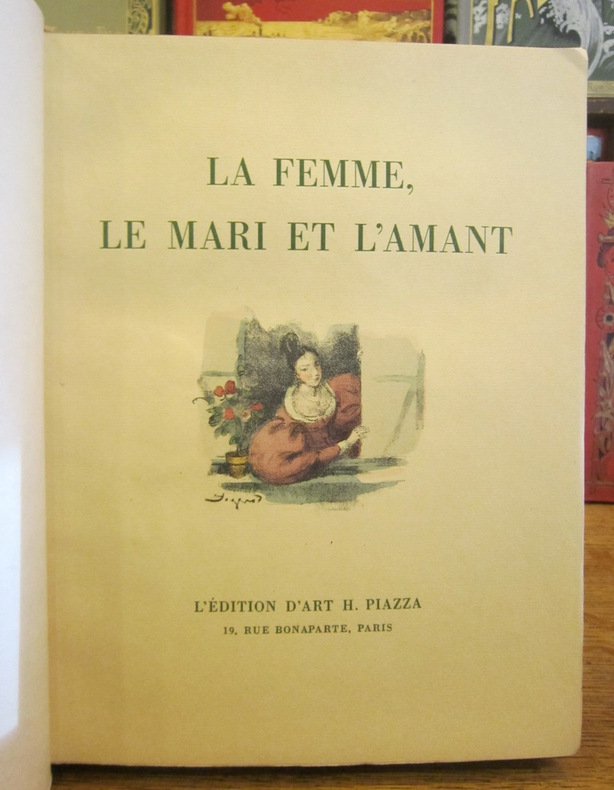
1929002741Paris, Piazza, 1929
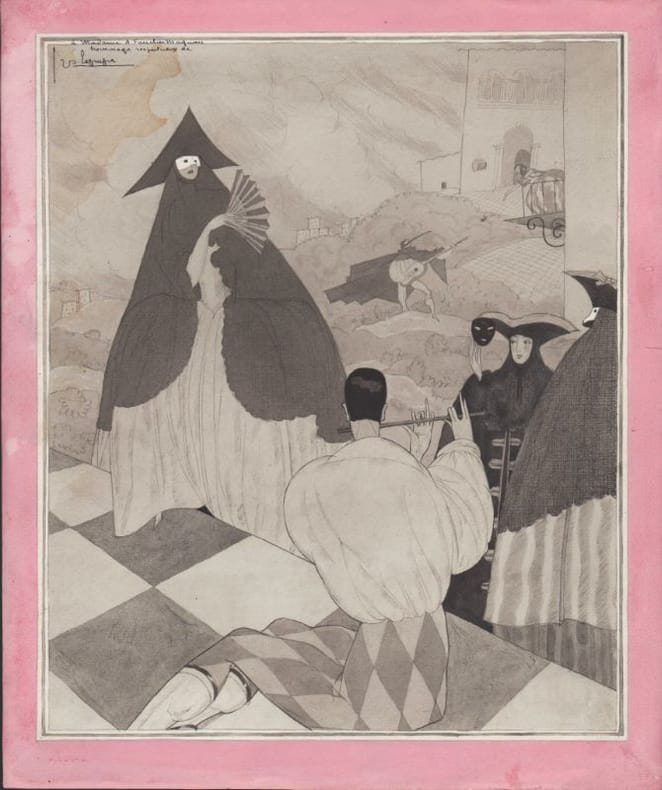
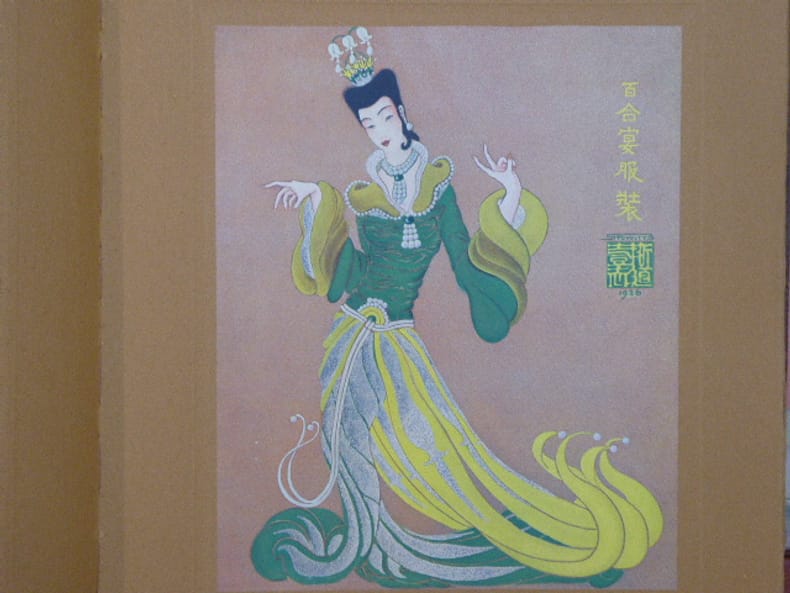
1920198061920 1 Lavis, aquarelle et encre de Chine signée en haut à gauche avec envoi, (1920), 35 x 29 cm.
1750000402Vienne Vienne: , 1750 1750 Couverture rigide
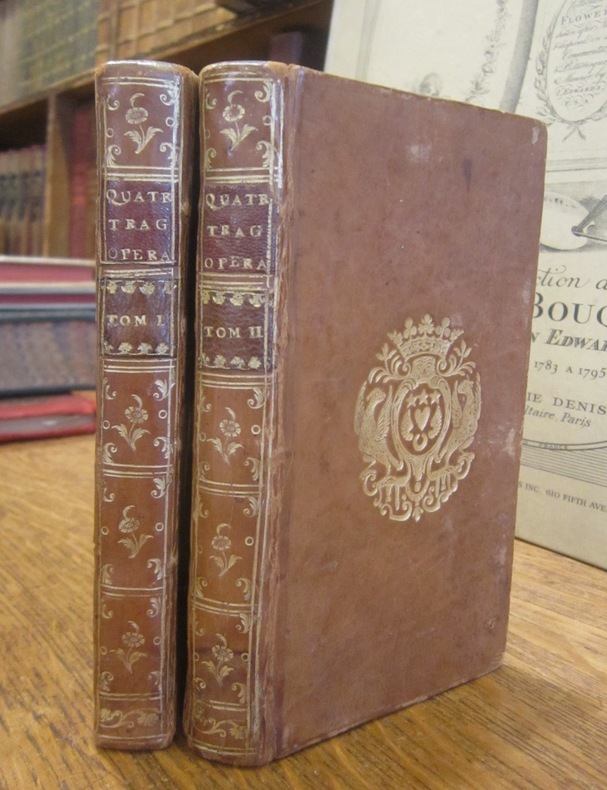
388403 ouvrages reliés en un volume in-8 (196 x 123 mm), veau marbré de lépoque, dos lisse orné de compartiments fleuronnés, pièce de titre de maroquin bordeaux, tranches rouges.
38939In-folio (350 x 260 mm), demi-chagrin violine, dos lisse orné d'un jeu de filets dorés et au noir, palettes en tête et pied, titre doré (rel. XIXe s.), (1) f. de titre frontispice gravé, 11 pp. (Avis de l'éditeur de ce recueil [Marquis de Girardin], Noms des souscripteurs, Airs, Romances et Duos et Avertissement), 199 p. de partitions entièrement gravées sur papier vergé azuré. (1) f. de table. Paris, De Roullede de la Chevardiere, Esprit, 1781.
1939ABE-1538494660313Royal Opera House Covent Garden 1939 EXTREMELY RARE! REX WHISTLER designed this glorious programme for the State Performance in Honour of The President of the French Republic and Madame Lebrun at the Royal Opera House March 22 1939. WHISTLER's cover design is an elaborate affair; the embossed card covers are ingeniously cut away in curves. It is fabulously decorated by Rex Whistler on the front and back. A gold cord with tassels forms the binding round the twelve folded pages. Dancers included Margot Fonteyn Robert Helpmann William Chappell Frank Staff and Frederick Ashton. Sir Thomas Beecham conducted the London Philharmonic Orchestra. This is a great collectable example of ephemera in its own right but it is of especial value for admirers of Rex Whistler. Soft cover. Fine. Royal Opera House Covent Garden paperback
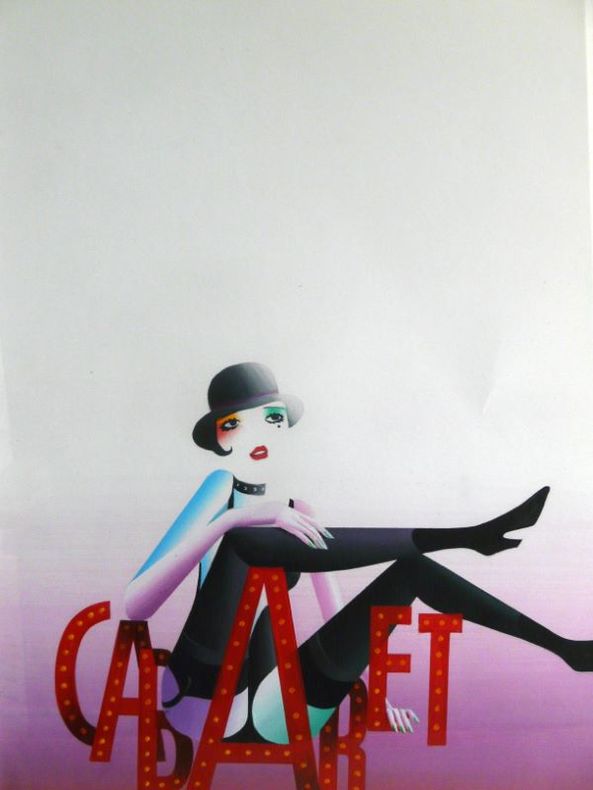
1938219021938 Gouache sur papier, 1938, 22 x 14 cm (format à vue), encadrée.
1986195041986 Acrylique sur toile, titrée au dos, signée, 1986, 42 x 28 cm, encadrée.
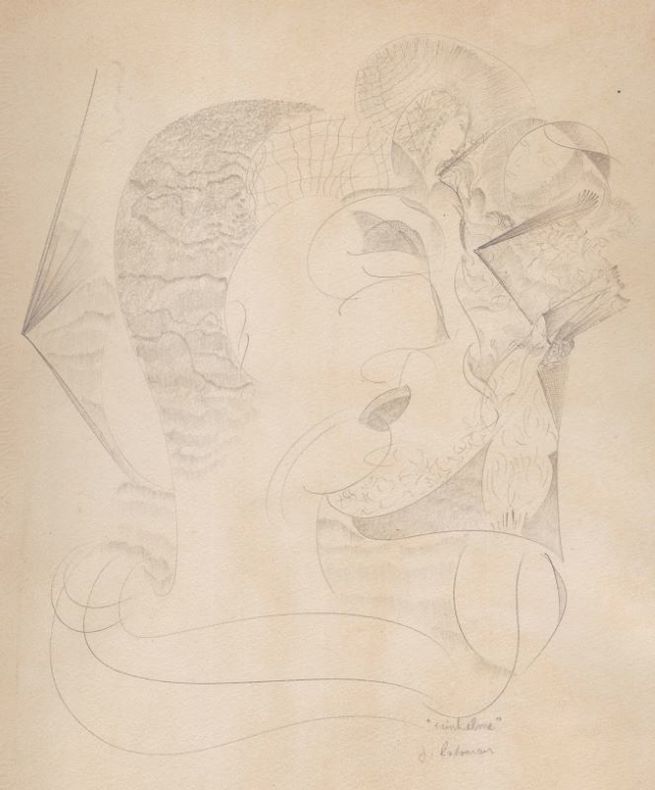
1925217251925 Dessin à la mine de plomb titré et signé en bas à droite, (1925), 31.5 x 25 cm.
932674M. Et J. De Brunoff, Editeurs Paris 1928 Grand in-4 carré ( 405 X 335 mm ), cartonnage souple de papier maroquiné, motif en ocre et or estampé en relief au centre du premier plat, dos lisse muet ( Présentation de l'éditeur ). MAGNIFIQUE PUBLICATION illustrée en premier tirage de 59 planches gravées en couleur à l'or et au palladium montées ( 53 pleine page ) d'après des peintures d'Hubert Julian STOWITTS pour FAY-YEN-FAH Opéra en 3 actes, Poème de Charles TEMPLETON CROCQUER sur une Musique de Joseph REDDING. Nombreuses vignettes et le texte imprimé en trois couleurs. Edition originale limitée à 200 exemplaires numérotés ( N°35 ). Très minimes défauts à la couverture, bel exemplaire aux coloris éclatants illustrant avec beauté et élégance les personnages et les scènes de cet opéra sur la Chine ancienne.
(Mm. 160x105), bella fotografia in tinta di Giuseppe Verdi, datata Sant’Agata 1879 e firmata. E’ stata realizzata da Giulio Rossi, pittore fotografo, Milano-Genova. Al verso dell’immagine una lunga scritta d’altra mano, recante la data Torino-Pinerolo 1932, attesta che la fotografia con autografo venne donata da Giuseppe Verdi “..al nonno Giovanni Zaffignani in segno di apprezzata amicizia.” Giovanni Zaffignani, piacentino, fu il direttore della prima calzoleria di Piacenza. Diverse sono le missive che il Maestro gli indirizzò. Quando Giuseppe Verdi si trovava a Piacenza, di stanza all'albergo San Marco, sovente faceva visita all’amico in via Garibaldi dove l’artigiano piacentino gli confeziona su misura scarpe e stivali. Il quotidiano cittadino “Libertà” che fu tra i primissimi giornali a dare la notizia della morte del Maestro il 27 Gennaio 1901, ricordava nel suo articolo anche la “preziosa amicizia” che Verdi ebbe con Zaffignani. Buon esemplare.
196088091<p><b>CULTURAL REVOLUTION MODEL OPERA</b></p><p>Manuscript Ledger Master Inventory: General Record of Stage Props for a traveling Chinese theatrical repertory company introducing Revolutionary Opera into its program including costs for creating silk stage props sets costumes and scenery with various paper slip receipts some loose dated from 1963 to 1969. Oblong album measuring 7-3/4 x 10-5/8 inches contents with 20 numbered leaves of double-sided ruled ledger; bound in brown cloth-backed plain light blue paper board with lettered pink paper label decorative pattern endpapers originally with ribbon-tied spine now lost contents loose.</p><p>Includes entries for the revolutionary opera <i>Taking Tiger Mountain</i> 1968 with one entry bearing signature of Wang Xiu Wen dated 12 September 1967. Includes a pink silk armband laid into the album inscribed "Mei Ying Shan" which could be translated as Huaying Mountain. </p><p>https://www.youtube.com/watchv=cjE0LDNycE8</p><p>There is also reference to a 1961 novel which the Bejing Film Studio made into a movie called <i>Lie Huo Zhong Yong Sheng</i> Living Forever in Burning Flame its IMDB title translated as <i>Red Crag</i> based partly on fact by Chinese authors Luo Guangbin and Yang Yiyan former inmates in a Kuomintang prison in Sichuan. It was set in Chongqing during the Chinese Civil War 1949 and featured underground communist agents under the command of Zhou Enlai fighting an espionage battle against the Kuomintang. The story takes place in Huaying Mountain.</p> hardcover
196088091<p><b>CULTURAL REVOLUTION MODEL OPERA</b></p><p>Manuscript Ledger Master Inventory: General Record of Stage Props for a traveling Chinese theatrical repertory company introducing Revolutionary Opera into its program including costs for creating silk stage props sets costumes and scenery with various paper slip receipts some loose dated from 1963 to 1969. Oblong album measuring 7-3/4 x 10-5/8 inches contents with 20 numbered leaves of double-sided ruled ledger; bound in brown cloth-backed plain light blue paper board with lettered pink paper label decorative pattern endpapers originally with ribbon-tied spine now lost contents loose.</p><p>Includes entries for the revolutionary opera <i>Taking Tiger Mountain</i> 1968 with one entry bearing signature of Wang Xiu Wen dated 12 September 1967. Includes a pink silk armband laid into the album inscribed "Mei Ying Shan" which could be translated as Huaying Mountain. </p><p>https://www.youtube.com/watchv=cjE0LDNycE8</p><p>There is also reference to a 1961 novel which the Bejing Film Studio made into a movie called <i>Lie Huo Zhong Yong Sheng</i> Living Forever in Burning Flame its IMDB title translated as <i>Red Crag</i> based partly on fact by Chinese authors Luo Guangbin and Yang Yiyan former inmates in a Kuomintang prison in Sichuan. It was set in Chongqing during the Chinese Civil War 1949 and featured underground communist agents under the command of Zhou Enlai fighting an espionage battle against the Kuomintang. The story takes place in Huaying Mountain.</p> hardcover books
199914955JAbsecon: MagicImage 1999. First Edition First Printing. Laid in is an Autograph Letter Signed by Mary Philbin co-star with Lon Chaney Sr. in the classic film written to the book’s author Philip J. Riley. Dated September 11 1989 Philbin writes: “Dear Mr Riley: I am sorry about the delay in returning the book and papers. I would appreciate eleven complimentary copies of The Phantom of the Opera book or if you cannot then as many as possible. Thank you Mary Philbinâ€. Accompanied by the original hand-addressed envelope from Philbin’s home in Los Angeles. Philbin died before the book was published so this is as close as one can come to a signed copy. Large 317 page paperbound book. Profusely illustrated. Near fine copy enclosed in a handsome morocco leather and cloth clamshell box. MagicImage hardcover
199914955JAbsecon: MagicImage 1999. First Edition First Printing. Laid in is an Autograph Letter Signed by Mary Philbin co-star with Lon Chaney Sr. in the classic film written to the book’s author Philip J. Riley. Dated September 11 1989 Philbin writes: “Dear Mr Riley: I am sorry about the delay in returning the book and papers. I would appreciate eleven complimentary copies of The Phantom of the Opera book or if you cannot then as many as possible. Thank you Mary Philbinâ€. Accompanied by the original hand-addressed envelope from Philbin’s home in Los Angeles. Philbin died before the book was published so this is as close as one can come to a signed copy. Large 317 page paperbound book. Profusely illustrated. Near fine copy enclosed in a handsome morocco leather and cloth clamshell box. MagicImage hardcover books
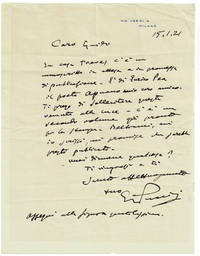
1921100261<p>Milano January 15 1921. 1921. Very good. - Over 60 words penned in Italian on 10-1/2 inch high by 8-1/4 inch wide cream "Via Verdi 4 Milano" stationery. Puccini writes to the publishers Fratelli Treves on behalf of his friend the writer Enrico Pea. He addresses Guido Treves the nephew of the firm's founder Emilio Treves who took over the company upon Emilio's death in 1916. Guido Treves ran the company with his wife Antonietta. Puccini writes that there is a manuscript awaiting publication at Treves' house. It is from his dear friend the Apuan region poet Enrico Pea. He asks that publication be expedited as there is a second volume ready for print. Puccini states that he wrote to Beltrami Giovanni Beltrami the managing director at Fratelli Treves who promised that it would be published soon. Signed "tuo yours G. Puccini" followed by his regards to Guido's wife. Folded horizontally and vertically for mailing the letter is slightly creased at the corners with a couple of minuscule chips to the edges. Once mounted there are remnants of archival tape along the top edge of the verso.</p><p>Giacomo Puccini often enjoyed a table at the Antico Caffe di Simo in Lucca with his friend Enrico Pea.</p><p>The book being discussed by Puccini is without doubt the first volume in Pea's "Trilogia del Moscardino" simply titled "Moscardino" published by Fratelli Treves in 1922. The book was translated into English by Ezra Pound. It was reviewed in the January 1 2005 edition of the New York Review of Books: "A small masterpiece Pea's lyrical autobiographical novel paints a fiery and intimate portrait of an old man through the brushstrokes of his grandson. The passions and tensions between the old eccentric and his brothers play themselves out in mythical sketches before a vivid backdrop of the hills of Lunigiana. Moscardino the first novella of his tetralogy Il romanzo di Moscardino is anarchic and haunting. Pound conducts Pea's vernacular song allowing images to flow from the land the flesh and beyond."</p><p>Little needs to be said about the life of the great Italian opera composer Giacomo Puccini 1858-1924 who composed several of the best known Italian operas. His works include "Manon Lescaut" "La Boheme" "Madama Butterfly" and "Turandot" among many other works.</p><p>The Italian poet novelist playwright and theatre impressario Enrico Pea 1881-1958 produced literary works that are said to be divided into two periods. The first being that of "Moscardino" and the second beginning with "Il Figlioccia" which takes on a softer delicate modulated style.</p> Milano, January 15, 1921.