FASHION REVUE. MATCHAVARIANI (Henri).Livre Rare Book
19 126 résultats
1987224281987 Pastel signé, 1987, 63 x 45 cm.
2022242792022 Aquarelle signée avec un repentir, 2022, 42 x 30 cm., encadrée.
1920246741920 Aquarelle et gouache signée en bas à droite, (1920), 14.6 x 10.2 cm., (format à vue), 29.7 x 19.8 cm. (format de la feuille).
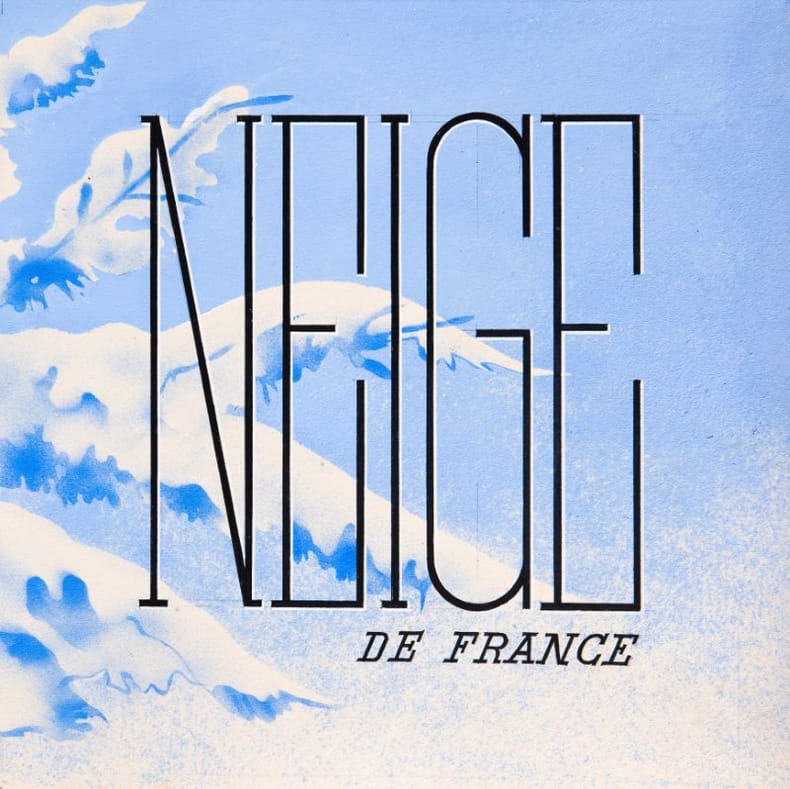
1938229381938 Gouache sur papier titrée, 1938, 21 x 21 cm, encadrée.
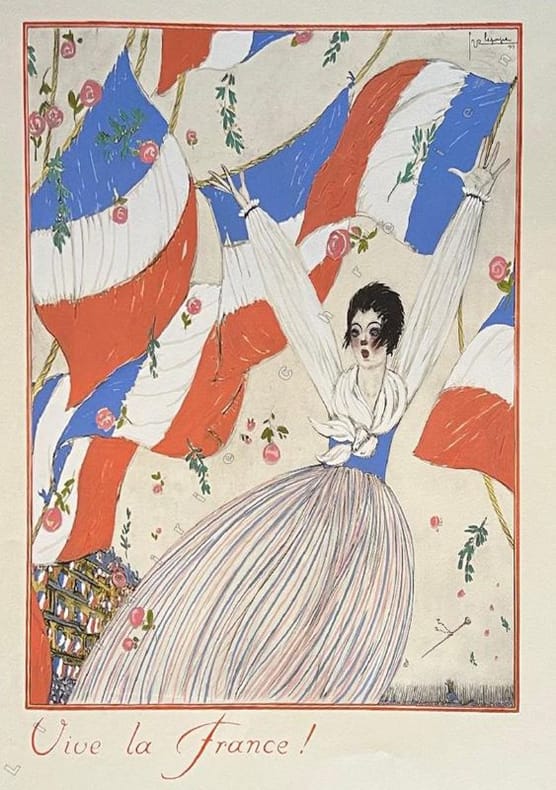
1917247291917 1 Estampe aquarellée au pochoir sur Vélin signée et datée en haut à droite dans la planche, signée et numérotée en bas à droite à la mine de plomb, 1917, 66 x 50 cm., (à vue 57 x 40 cm.).
191319338Paris Draeger 1913 1 in-folio Paris, Draeger, 1913, in-folio, en feuilles, sous page de titre imprimée en jaune et en noir et étui.
194030991940 1 Bon à tirer signé avec réhauts gouachés et collage, (1940), 32.5 x 23.9 cm., encadré.
Fascicle 1. 12 full-page color lithographs of early 20th century ladies fashions. "Printemps & Ete 1905" Spring & Summer wear. With a title-page and 2 plates of hats & hairstyles, the other 10 plates are full length portraits of women in early twentieth century formal gowns and accessories. They are shown against pale gray or brown backgrounds, either in sumptuous interiors or in grand exteriors. The designs were created by "Louis Colas Compositions & Dessins. 74-76 Rue Jean-Jacques Rousseau, Paris". This is an oversize thin folio in very good condition, but some slight cover soil, and a bite taken out of the bottom corner of the rear board, with the title in large gilt script on the front cover, with 12 large color lithographs on a nice rag paper, with only occasional finger marks to the margin or front edge. 18" high X 12 1/2" wide. A nice set of these 12 really beautiful prints. This book will be securely wrapped and packed in a sturdy box and shipped with tracking.
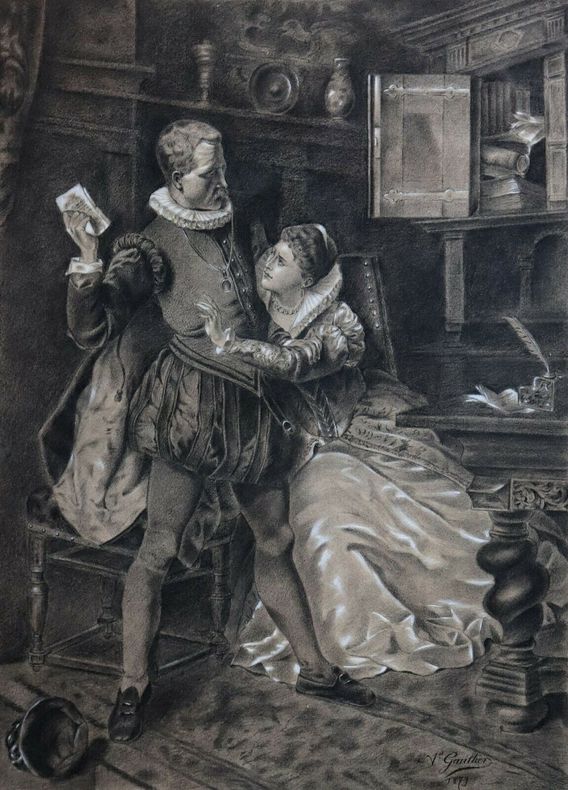
1879AMO-3731Superbe fusain original signé A. Gaultier (voir signature) et daté 1879 reprenant probablement un tableau ancien à identifier (avec précision et parfaitement) Dimensions du dessin au fusain : environ 47 x 34,5 cm sur papier teinté Feuille : 60 x 49 cm environ Fusain et rehauts de blanc. Très bon état. Conservé à plat protégé depuis 1879. Fusain non fixé. Papier fragile.
1793162799Bln., In der Vossischen Buchhandlung, 1793. 84 S., mit mehrfach gefaltetem Kupferstich von Borger nach Keck. ohne Einband, 8°. Die erste Ausgabe war unter dem Titel "Über die Schädlichkeit der Schnürbrüste 1788 ohne Autorenname erschienen. Bei der vorliegenden Neuausgabe zitiert Sömmering auf dem Titelblatt "Die Form oder der Zuschnitt der Kleider ist wohl kein Gegenstand der Medicinalpolizei, sondern der medizinischen Aufklärung; höchstens darf der Staat nur da sie bestimmen, wo sie auf seine Kosten angeschafft werden, oder wo er gegen Ertheilung anderer Vortheile sie sich ausbedingen darf" aus "Lehrsätze der medicinischen Polizeywissenschaft" von E[rnst] B[enjamin] G[ottlieb] Hebenstreit. Die Radierung (45x27 cm, bxh) zeigt mit 7 Figuren, wie sich das Tragen von Corselets auf die Körperhaltung und das Skelett auswirkt.Im Anhang ein 6seitiges chronologisches Verzeichnis von Literatur, die sich mit der Schädlichkeit der Schnürbrüste befasst, von Felix Platter (Basel, 1602) bis Joseph von Mohrenheim (St. Petersburg, 1791). Softcover
Grande album manoscritto con disegni originali a colori. Anni 1930/40. Scuola di taglio. Metodo circolare italiano Moiraghi. Album di cm. 40 x 59,5. Legatura originale in tela con cordoncino passante. Venti bellissimi modelli a colori di vestiti da donna e da uomo. Axs
054551Paris La Chambre Syndicale de la Couture Parisienne 1945 in 4 (27x21,5) 1 volume broché, dos à ressort (spiral bound), couverture illustrée d'une vignette en couleurs illustrée par Christian Bérard, non paginé ( 35 feuillets non chiffrés, soit 70 pages dont publicités, et texte avec de nombreuses illustrations en noir et blanc dont reproductions photographiques, 2 planches hors-texte en couleurs. Avec un texte d'introduction de Lucien Lelong, et des textes de Louis Chéronnet et Gérard Bauer. Le Théâtre de la Mode était une exposition itinérante durant les années 1945 et 1946. Il a été créé pour collecter des fonds pour les survivants de la guerre et pour aider à relancer l'industrie de la mode française au lendemain de la Seconde Guerre mondiale. Les mannequins de mode, conçus par les meilleurs créateurs de mode parisiens étaient fabriqués en fil de fer et réalisés au tiers de l'échelle humaine. Quelque 60 couturiers parisiens se sont réunis et ont offert leurs matériaux de rebut et leur travail pour créer des vêtements miniatures dans de nouveaux styles pour l'exposition. Des modistes ont créé des chapeaux miniatures, des coiffeurs ont donné le des mannequins des coiffures individuelles, des bijoutiers tels que Van Cleef, Arpels et Cartier ont apporté de petits colliers et des accessoires. Le Théâtre de la Mode est devenu une exposition itinérante. Catalogue officiel édité à l'occasion de l'exposition '' Le Théâtre de la Mode ', présentée à Paris du 28 ars au 29 avril 1945, au Musée des Arts Décoratifs, pavillon de Marsan. Texte en français (Text in french). Première édition, exemplaire numéroté (achevé d'imprimer par les presses de l'imprimerie Artra à la date du 24 mars 1945, mise en page par Savignac). On joint un fascicule publicitaire dépliant donnant la liste des 183 professionnels liés à l'exposition. Bel exemplaire ( Photographies sur demande / We can send pictures of this book on simple request )
19692091502133700842Kakusado Publishing Co. Ltd. 1969. Soft Cover. Fine. The book is in fine condition. Kakusado Publishing Co., Ltd. paperback
In oblungo (32x26 cm); 38 cc. Legatura coeva editoriale in piena tela con titolo impresso in oro al piatto anteriore. La legatura è realizzata con un bel cordone coevo in tessuto rosso e marrone, attorcigliato. Ogni foglio contiene una fotografia d'epoca di grandi dimensioni, tutte di ottima qualità e pregevole stile. Il magnifico album riporta sotto ogni fotografia la didascalia della scena ritratta, scritta a mano da mano coeva. Si vedono così la “Sala delle sedute; Direttore A. Jungl.; vari altri impiegati; nei loro rispettivi uffici; Magazzino reparto articoli da cucina; Magazzino Mostra mobili da cucina; Mezzanino Reparto articoli da casa in metallo; Mezzanino Reparto mobili di metallo; Hangar Spedizioni postali; Hangar reparto ritiri merci e calcolazione; V. S. Caterina pianoterra, Reparto articoli tecnici; V. C. Caterina pianoterra Articoli da bagno; Corso pianoterra Mostra mobili da giardino; Corso pianoterra Mostra ordigni da meccanico; Corso pianoterra scala conduce al mezzanino; Corso pianoterra destra reparto articoli per costruzioni; Piano terra reparto finimenti per porte e finestre; V. San Lazzaro pianoterra sinistra Articoli per carrozzieri; V. San Lazzaro piano terra destra Articoli per navigli; Cortile entrata S. Lazzaro; Magazzino sotterraneo V. S. Caterina articoli tecnici; Magazzino sotterraneo Corso Deposito ordigni; Magazzino sotterraneo Corso Deposito Finimenti; Magazzino sotterraneo via San Lazzaro Deposito merci di ghisa; Via Carducci Interno; Via Carducci deposito stufe; Via Molingrande 24 Piano I; Facciata Via Carpison – S. Francesco; Via Carpisan 18 Interno destra. Le foto ritraggono gli interni e l'arredamento degli spazi della ditta con gli inservienti al lavoro. La Società Adriatica Ferramenta e Metalli di Trieste, fu uno delle più grosse ed importanti attività commerciali della Trieste degli inizi del novecento. Nata in origine come ferramenta e metalli di Carl Greinitz Neffen, questa rinomata attività commerciale cambierà poi, il nome, agli inizi del novecento, in Società Adriatica Ferramenta e Metalli. L'autore delle foto è anonimo anche se potrebbe trattarsi, con ogni probabilità di uno dei primi lavori di Carlo Wernigg, fotografo professionista triestino che nel 1932 partecipa, assieme a trentacinque fotografi professionisti di Trieste, Venezia, Trento, Fiume, Padova, Gorizia, Pola e Udine, alla Prima Mostra Fotografica Triveneta, inaugurata da S.A.R il duca Amedeo d’Aosta, esposta nel mezzanino del Palazzo ex Greinitz in via S. Caterina 1. Specializzatosi in fotografia industriale, Carlo Wernigg collaborò con diverse celebri riviste come Emporium e Domus. Lo stesso comune di Trieste gli commissionò la documentazione delle trasformazioni architettoniche che coinvolsero il tessuto cittadino triestino. Fra le altre cose, è da ricordare come lo stesso Carlo Wernigg fu dipendente della “Ferramenta e Metalli Carl Greinitz Neffen” cosa che rende ancor più probabile l'affidamento a Wernigg, fotografo in ascesa (nel 1915 aveva già vinto il premio de ritratto femminile del “Corriere fotografico di Milanmo”), della realizzazione di quest'album fotografico. Rarissimo.
191151747England: n.p. 1911. Tall 8vo. 5 pp. on thick card stock printed in gilt & black 7 x 10.24 in. with 240 vegetable ivory buttons all with stock numbers below and to the side many in the dark brown patterned material some jet black and many with incised or woven patterns each page with padded pink silk leaves to protect the buttons each of the cards has some contemporary ink annotations below the buttons or along the side in the margins. Quarter-black calf over black pebbled cloth gilt lettering & design on front cover spine minor chipping & tearing to head of spine affecting lettering slight shelfwear still a VG- exemplar with the buttons entirely complete and in perfect condition. First edition of this very scarce and beautiful Edwardian button sample catalogue. Included are a number of different styles of buttons in vegetable ivory for clothing coats sportswear and more which were sold by this English manufacturer for export. Vegetable Ivory is a very dense material that is manufactured into buttons from the Corozo nut that grows on the Tague Tree a type of Palm. It was named Vegetable Ivory in the 19th Century because it resembles real ivory but was not as heavy or dense. These types of buttons were first introduced at the 1862 International Exhibition in England and then reached full popularity at the 1867 Paris Exposition. The sample buttons preserved here come in pressed carved and fine lined patterns some of them painted with a dark flat black other shiny black and many with a beautiful rich shiny mottled effect. During the Victorian and Edwardian periods and prior to the growth in production and popularity these were the buttons of choice for men’s suits. No copies located in Worldcat. n.p.], hardcover
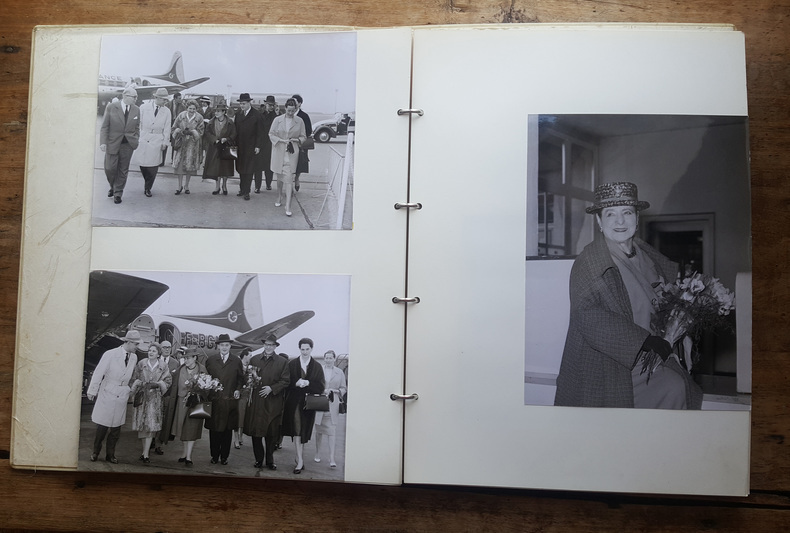
11357s.l., 1960, s.e classeur à anneaux relié plein parchemin, filets dorés, initiales HR au dos
11357s.l., 1960, s.e classeur à anneaux relié plein parchemin, filets dorés, initiales HR au dos
Paris, M.G. Martens, 1906. Du N°121 au N° 132 plus les deux suppléments de planches en couleurs de blouses. Un fort volume de format in folio comprenant pour chaque n° un texte de 8 à 10 pages; texte bilingue franco-allemand. A chaque N° est joint un grand patron dépliant sur calque. Pour l'ensemble du volume ; 72 planches en couleurs, 40 planches en noir, 11 planches double en noir. La plupart des planches sont finement retouchées à la gouache ou à l'or ou l'argent. Robuste reliure muette en demi maroquin noir à coins. Coins légèrement mrqués, intérieur d'une très grande fraîcheur, peu commun.
Paris, M. G. Martens, 1908. Du N° 145 au N°156. Un fort volume de format in folio (42x33 cm), comprenant pour chaque N° environ 8 à 10 pages de texte, nombreux dessins de patrons les 2 suppléments de planches pour les blouses sont joints. Pour l'ensemble du vol.; 94 planches en couleurs pleine page et hors texte; 12 planches in plano également en couleurs; 23 planches hors texte en noir. Certaines planches sont réhaussées. Robuste reliure muette de l'époque en demi chagrin noir à coins. Tranches marbrées. Coins légèrement marqués, intérieur d'une très grande fraîcheur. Peu commun. Texte bilingue franco-allemand.
In-4 p. (mm. 320x240), 4 volumi, mz. pergamena coeva con ang., titolo ms. al dorso, conservate tutte le pregevoli copertine figurate a colori, pp. 672; 748; 730; 830; riccamente illustrati in b.n. nel t. (foto e disegni) e con numerose pagg. pubblicitarie (anche a colori). Di questa rara e bella rivista inglese di moda, pubblicata settimanalmente, offriamo l’annata completa del 1926 rilegata in 4 trimestri, dal n. 305 (6 gennaio) al n. 355 (29 dicembre). “Eve: The Lady’s pictorial, a homegrown fashion magazine from the London publishers of “The Sphere” and “The Tatler” in print from 1919 to 1929. A high-end fashion periodical that emphasize its modernity by attending to the latest trends in art, literature, theatre, music, dance, and cinema as well as dress. It addressed wealthy, sophisticated, leisured readers or those who aspired to such a lifestyle..” (così “Modernism and Modernity in British Women’s Magazines”, Alice Wood). Lievi abrasioni e ang. sup. manc. alla copertina del n. 319; abras. e picc. manc. marginali su 7 pp. del n. 320, altrimenti esemplare ben conservato.
In-4 p. (mm. 320x240), 4 volumi, mz. pergamena coeva con ang., titolo ms. al dorso, conservate tutte le pregevoli copertine figurate a colori (picc. manc. alla copertina anteriore del n. 371), pp. 690; 778; 670; 780; riccamente illustrati in b.n. nel t. (foto e disegni) e con numerose pagg. pubblicitarie (anche a colori). Di questa rara e bella rivista inglese di moda, pubblicata settimanalmente, offriamo l’annata completa del 1927 rilegata in 4 trimestri, dal n. 356 (5 gennaio) al n. 407 (28 dicembre). “Eve: The Lady’s pictorial, a homegrown fashion magazine from the London publishers of “The Sphere” and “The Tatler” in print from 1919 to 1929. A high-end fashion periodical that emphasize its modernity by attending to the latest trends in art, literature, theatre, music, dance, and cinema as well as dress. It addressed wealthy, sophisticated, leisured readers or those who aspired to such a lifestyle..” (così “Modernism and Modernity in British Women’s Magazines”, Alice Wood). Esemplare molto ben conservato.
In-4 p. (mm. 320x240), 4 volumi, mz. pergamena coeva con ang., titolo ms. al dorso, conservate tutte le pregevoli copertine figurate a colori, pp. 682; 784; 662; 792; riccamente illustrati in b.n. nel t. (foto e disegni) e con numerose pagg. pubblicitarie (anche a colori). Di questa rara e bella rivista inglese di moda, pubblicata settimanalmente, offriamo l’annata del 1928 rilegata in 4 trimestri, dal n. 408 (4 gennaio) al n. 459 (26 dicembre) + il n. 454 bis - “Christmas Number” (22 novembre), pp. (20),III,88. Manca solo il n. 428 (23 maggio). “Eve: The Lady’s pictorial, a homegrown fashion magazine from the London publishers of “The Sphere” and “The Tatler” in print from 1919 to 1929. A high-end fashion periodical that emphasize its modernity by attending to the latest trends in art, literature, theatre, music, dance, and cinema as well as dress. It addressed wealthy, sophisticated, leisured readers or those who aspired to such a lifestyle..” (così “Modernism and Modernity in British Women’s Magazines”, Alice Wood). Esemplare molto ben conservato.
In folio, mz. tela (leg. con nastro in cotone), tit. e fregi in oro alla cop., pp.(2nn di Indice delle tavole) + 64 raffinate, bellissime tavv. a col. f.t. in litografia, raffiguranti modelli di abiti femminili eleganti e di gran gusto, da sera e da giorno. Il modello, in dimensioni notevolmente ridotte, è disegnato anche dal retro. Leg. un poco sciupata (ai marg. inf. del dorso e agli ang. di cop.) ma ancora integra, piccoli strappi assai marginali ad alcune tavv., nel complesso es. ben tenuto.
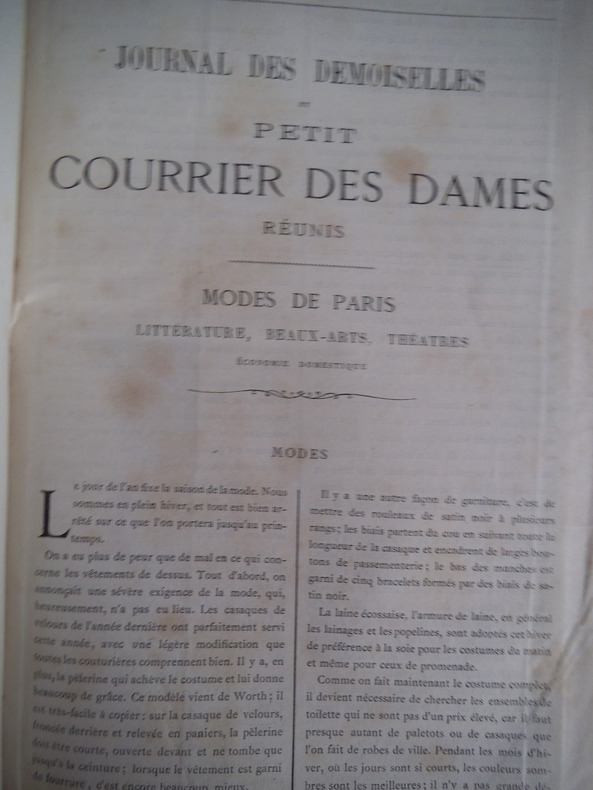
533mensuel de 8 pages.texte sur 2 colonnes.de Janvier à Mai 1869.Les 12 planches finement coloriées sont plus grandes que le format du journalet sont repliées.1869 année complète devient Journal des Demoiselles.Edition Bi-mensuelle de 8 pages puis 4 pages)1870 année complète. Janvier 1872 année complète.Janvier 1873 à nouveau réuni avec Le Petit Courrier des Dames 16 juillet 1873.En un volume relié demi-cuir époque.Couvre les années 1869 à 1873 avec 110 superbes gravures Hors-Texte finement coloriées certaines dépliantes(sans l’année 1871)
1897AMO-4214Madame est servie. Album en couleurs (colorié au pochoir - ateliers Greningaire). Par Albert Guillaume. Préface de Willy. H. Simonis Empis, éditeur, s. d. (1897). Format 35,5 x 28 cm. Couverture illustrée en couleurs (premier plat) et 20 planches imprimées en couleurs (coloriage au pochoir par Greningaire) (avec 1 feuillet de faux-titre, 1 feuillet de titre et 2 feuillets de préface). Superbe et très rare tirage de luxe sur papier du Japon à 25 exemplaires seulement. Exemplaire dérelié. Tête dorée. Très bon état de fraicheur des couvertures (les deux plats sont conservés en très bon état). Petite ombre rousse dans la marge supérieure du premier plat de couverture. A relier (un cartonnage papier serait le bienvenu). Voir photos de l'annonce. Très rare dans ce tirage.