Raphael JacqueminBiblio.com
Dolin MD, RaphaelBiblio.com
Mandell Douglas and Bennett's Principles and Practice of Infectious Diseases: 2-Volume Set
1455748013New. Brand new and still unused unknown

Jubilee Books · États-Unis1 503,50 $US≈ 1 272,11 €
21 369 résultats
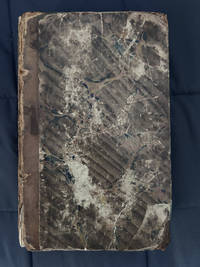
52346Paris: Librarie Nadaud & Cie 1111. Hardcover. Collectible: Good. No date. V. 1: Complete; V. 2: missing 64 74 89 & 120; V. 3: Complete; V. 4: missing 224; These need repair. Boards are loose. A couple of the title pages are loose and the spine cloth is flapping or gone on all however the plates are quite good. Maroon cloth boards are through at tips. Will deal. Selling as is. If you would like binding repaired I have a very good bindery which is driving distance from me who I use regularly. Will deal. Photos available please contact <br/><br/> Librarie Nadaud & Cie hardcover
1455748013New. Brand new and still unused unknown
0025951203New. Brand new and still unused unknown
0721610218New. Brand new and still unused unknown
0471487155New. Brand new and still unused unknown
0312211716New. Brand new and still unused unknown
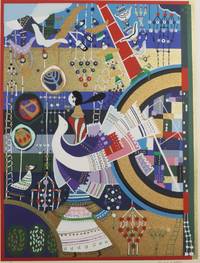
55254Jerusalem: Safrai Gallery 1989. Limited edition. Hardcover. vg to fine. 34/240 numbered and signed in pencil by Abecassis on each serigraph 17 1/4 x 12 1/4" on 22 x 15 1/4" handmade paper. 9 double pages including title page holding eight original serigraphs housed in original blue cloth portfolio with gilt lettering on cover.<br /> <br /> Abecassis rendering of the Song of Songs a conversation of two lovers and in Jewish tradition held as an allegory of the bond between god and the Jewish people is an exquisite example of artistic Biblical interpretation. Divided into the traditional eight chapters with printed b/w illustrations accompanying each text page the serigraphs feature bold colors and forms presented in a generous color palette with no fewer than twelve colors and overprinted in gold. Serigraphs uncut at top. Portfolio with 3 x 0.5" staineat lower front cover and light rubbing light wear and rubbing at edge of vertical flap else in fine condition. Raphael Abecassis born in 1953 in Morocco immigrated to Israel as a young child. He attended the Beer Sheva College of Education. Many of his works recount Biblical stories in a colorful refreshing way. He was awarded prizes for an Independence Day poster in 1986 a Ministry of Education Award for his "Psalms of David" as well as the illumination of President Chaim Herzog's speech at the Western Wall commemorating Israel's 40th birthday. Safrai Gallery hardcover
180720249London: Johnson J. Et Al. Poor with no dust jacket. 1807. First Edition. Hardcover. Oversized six volume set. Calfskin titled in gilt marbled textblock edges. 1807 new edition. Poor to fair condition. Ex-library with bookplates and reinforced/taped spines a few library stamps. The first volume is in the poorest condition. Hinges cracked and boards detached on V. 1 and boards nearly detached in other volumes. Scattered foxing. The pages are still reasonably well attached to the spines and the contents are quite legible. The leather board edges are frayed and deteriorating. Scarce. ; Folio 13" - 23" tall . Johnson, J. Et Al hardcover
1869236593Paris: l'auteur rue Royer-Collard 1869. First edition. 200 sepia-toned plates bound out of sequence. 1 vols. Folio. Three quarter green morocco spine richly gilt hinges repaired bookplates discreet embossed library stamp to title page some edges rough plates clean. First edition. 200 sepia-toned plates bound out of sequence. 1 vols. Folio. Lipperheide 337; Colas 1528; Hiler p. 473 l'auteur, rue Royer-Collard unknown
2719Valokuvataiteen seura 1986. 1st Edition. Portfolio. Near Fine. All prints are signed by photographers except Albrecht's and Minkkinen's. A beautiful portfolio includes one photo print from each except two from Kajander. Very beautiful art paper. Size of one sheet is 23x26 cm. 8 prints. This portfolio has been published on 250 numbered copies and 45 artist's copies only. This piece has no numbering but on the cover there is text: Ismo Kajanderille = To Ismo Kajander. Planning and reproduction by Pentti Sammallahti. ISSN 0358-2051. Published among an exhibition. Extremely rare! Valokuvataiteen seura unknown
5025Valokuvataiteen seura 1986. 1st Edition. Portfolio. Near Fine. All prints are signed by photographers except Albrecht's and Minkkinen's. A beautiful portfolio includes one photo print from each except two from Kajander. Very beautiful art paper. Size of one sheet is 23x26 cm. 8 prints. This portfolio has been published on 250 numbered copies and 45 artist's copies only. This piece is numbered N:o 42. Planning and reproduction by Pentti Sammallahti. ISSN 0358-2051. Published among an exhibition. Extremely rare! Valokuvataiteen seura unknown
02-0536Paris: Imprimerie Royale ca. 1730s. Woodcut after Raphael Urbino. Etched plate by P. P. A. Robert painter to the Cardinal de Rohan printed in dark brown. Two blocks: pale and medium yellow brown. 25 x 35.9 cm. Nagler 7. Le Blanc 15. AKA: Christus setzt den Petrus zum Haupte der Kirche ein. Pierre Jésus donnant les clefs du paradis à S. Pierre Jésus donnant les clefs du paradis à S. Full sheet. Paris: Imprimerie Royale, ca. 1730s. unknown
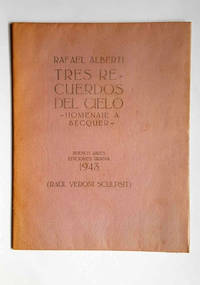
194358<p>Primer título de la colección Urania fundada por Raoul Veroni en 1943. Rafael Alberti había venido a Buenos Aires escapando de la Europa fascista y un grupo de amigos proyectó tres ediciones para ayudarlo a solventar su estadía en Argentina. El proyecto quedó inconcluso pero el grabador Veroni al tener sus matrices hechas decidió hacerse cargo de la edición. Asi nació Urania. Se realizaron de esta edición 24 ejemplares sobre papel Fabriano Perusia con cinco aguafuertes de Raoul Veroni.</p><p>Ejemplar en buen estado con manchas de óxido en algunas de sus hojas.</p> Urania paperback
185571896London:: William Charlton Wright 1855 date from folding plates. Fifth edition. publisher's cloth with printed paper label on spine which is so darkened as to be illegible. Two gatherings starting; a few smudges to text; small chips and soiling to the cloth. The folding plates are fine. . 16mo. Hand-colored illustrated title page and two colored folding plates: "The Mystical Wheel of Pythagoras" and "The Tablet of Questions & the Cabalistical Tablet of the Stars.". By the Author of the Prophetic Messenger. With Ten Coloured Designs on Copper on two folding paltes by R. Cruikshank & the Author and a Piece of Music by Blewitt. William Charlton Wright, hardcover
182511300London: Knight and Lacey 1825. Seventh Edition First Edition thus. Half Calf. Very Good. Seventh Edition First Edition thus. Half Calf. Robert Cross Smith 1795-1832 a former carpenter was an English astrologer writing under the pseudonym of "Raphael." He also referred to himself as the Royal Merlin. He married in 1820 and moved to London where he became interested in astrology. Together with G. W. Graham he published a book on geomancy in 1822. Smith began to edit a periodical The Straggling Astrologer in 1824 but failed to receive enough subscribers and the periodical had to be discontinued after a few issues. He collected the issues of the failed periodical in a volume entitled The Astrologer Of The Nineteenth Century in the same year. From 1827 until his death in 1832 he edited an astrological almanac entitled The Prophetic Messenger. Also published by Smith was The Familiar Astrologer and A Manual of Astrology both in 1828. Smith died on 26 February 1832 in London. His almanac continued to be edited as Raphael's Ephemeris and would become a standard work in British and US American astrology. Raphael's Ephemeris popularized the system of Placidian system of astrological houses in the English-speaking world and in modern western astrology in general. Published posthumously. The name Raphael one of the names given to one of the three archangels in the Old Testament was used as Smith's pseudonym. The Astrologer of the Nineteenth Century covers in quite dramatic prose a multitude of occult topics in ten chapters or "circles." Raphael contends that he believes firmly in astrology fairly firmly in geomancy and not much in magic rites charms or incantations. Includes many necromantic workings including a summoning spell for Oberon. He only includes these last to satisfy "those who delight in the terrific and the horribly sublime." The book makes a range of arguments for the veracity of astorlogy the most ingenious being that "the greatest rulers and statesmen and chiefs of the present age" are part of a conspiracy. Formerly owned by Alfred Pearce noted 19th century astrologer. Scarce. Boards rubbed and soiled loose and shaken verso boards chipping and cracking printed paper label rubbed and worn foxing throughout unprofessional repairs otherwise tight and sound contents fine. Half marbled boards with printed paper label on spine worn. Lacking all but one color plates. Former owner label. 8vo. xvi 509pp. Illus. b/w engravings 1 color plate "Awful Appearance of a Spirit.". Knight and Lacey unknown
177420163Rome 1774. Copper engraving on two joined sheets by Ottaviani after drawings by Savorelli and Camporesi printed in light brown coloured ink with contemporary hand-colouring. Some marginal restoration at corners and margins. A stunning plate from "Logge di Rafaele nel Vaticano": with contemporary colouring of the highest quality from the golden age of the hand-coloured print.<br/> <br/> A very fine image from the second part of a work titled "Loggie di Rafaele nel Vaticano" depicting the decorative work executed by Raphael and his assistants between 1518-1519 in the Vatican. They were drawn by Gaetano Savorelli a Roman painter and draughtsman best known for his Raphael drawings and Pietro Camporesi a Roman architect who worked for Pope Clemens XIII and Pius VI on rooms for the Vatican Museum. The first to illustrate the famous frescoes these beautiful plates were probably planned as early as 1760 but were not executed until 1772 to 1776. The plate is remarkable not only as the first important visual record of Raphael's work but also for the quality of the hand-colouring - the work on this image is in our opinion some of the greatest to be produced in Europe during the whole of the eighteenth century: the golden age of the hand-coloured print. They were remarkable not just for their size and magnificent colouring but also because of the influence they had on contemporary taste. The decision was made to "borrow" elements from Raphael's Vatican tapestries and insert them where the original frescoes were in too poor a state to be legible. The finished plates therefore represented an amalgam of design elements presented with a crisp freshness of colour that held enormous appeal and did much to stimulate the taste for the "grotesque" in the Neo-classical period. A year after the death of his principal patron Julius II Raphael succeeded Donato Bramante in 1514 as the official Vatican architect. Having previously adorned the "Stanze" or chambers of Julius on the second floor of the papal apartments in the Vatican palace he was commissioned by Leo X in 1517 to decorate the adjacent Logge. He designed an elaborate cycle of ornamental frescoes for the room's ceiling vaults doors and auxiliary pillars which were executed by his assistants Giulio Romano and Giovanni da Udine. Twelve of the quadrilateral ceiling vaults were adorned with murals of familiar Old Testament scenes and one with a scene from the New Testament while the more decorative frescoes painted on the pilasters by Udine were covered with imaginative compositions of 'grotesque' motifs like foliage fruit and chimerical beasts. The biblical scene depicted shows the infant brothers Cain and Abel vying for their mother's attention. Adam is sowing nearby.<br/> <br/> Cf. Brunet IV 1110 & 1111; cf. Berlin Katalog 4068 & 4066; "Raphael Invenit: Stampe da Rafaello" 1985 Ottaviano 22; cf. "Raphael: Reproduktions-graphik aus vier Jahrhunderten" Coburg 1984 104 & no. 245. unknown
177420164Rome 1774. Copper engraving by Ottaviani after drawings by Savorelli and Camporesi printed in light brown coloured ink with contemporary hand-colouring. Neat marginal restoration. A stunning plate from "Logge di Rafaele nel Vaticano": with contemporary colouring of the highest quality from the golden age of the hand-coloured print. The scene in the main panel shows the three angels that appeared to Abraham and told him that he and his wife Sarah will have a son.<br/> <br/> A very fine image from the second part of a work titled "Loggie di Rafaele nel Vaticano" depicting the decorative work executed by Raphael and his assistants between 1518-1519 in the Vatican. They were drawn by Gaetano Savorelli a Roman painter and draughtsman best known for his Raphael drawings and Pietro Camporesi a Roman architect who worked for Pope Clemens XIII and Pius VI on rooms for the Vatican Museum. The first to illustrate the famous frescoes these beautiful plates were probably planned as early as 1760 but were not executed until 1772 to 1776. The plate is remarkable not only as the first important visual record of Raphael's work but also for the quality of the hand-colouring - the work on this image is in our opinion some of the greatest to be produced in Europe during the whole of the eighteenth century: the golden age of the hand-coloured print. They were remarkable not just for their size and magnificent colouring but also because of the influence they had on contemporary taste. The decision was made to "borrow" elements from Raphael's Vatican tapestries and insert them where the original frescoes were in too poor a state to be legible. The finished plates therefore represented an amalgam of design elements presented with a crisp freshness of colour that held enormous appeal and did much to stimulate the taste for the "grotesque" in the Neo-classical period. A year after the death of his principal patron Julius II Raphael succeeded Donato Bramante in 1514 as the official Vatican architect. Having previously adorned the "Stanze" or chambers of Julius on the second floor of the papal apartments in the Vatican palace he was commissioned by Leo X in 1517 to decorate the adjacent Logge. He designed an elaborate cycle of ornamental frescoes for the room's ceiling vaults doors and auxiliary pillars which were executed by his assistants Giulio Romano and Giovanni da Udine. Twelve of the quadrilateral ceiling vaults were adorned with murals of familiar Old Testament scenes and one with a scene from the New Testament while the more decorative frescoes painted on the pilasters by Udine were covered with imaginative compositions of 'grotesque' motifs like foliage fruit and chimerical beasts.<br/> <br/> Cf. Brunet IV 1110 & 1111; cf. Berlin Katalog 4068 & 4066; "Raphael Invenit: Stampe da Rafaello" 1985 Ottaviano 22; cf. "Raphael: Reproduktions-graphik aus vier Jahrhunderten" Coburg 1984 104 & no. 245. unknown
177417011Rome 1774. Copper engraving by Ottaviani after drawings by Savorelli and Camporesi printed in light brown coloured ink with contemporary hand-colouring. Good condition. Shaved within plate mark expert neat repairs to left margin one just affecting the image area. A stunning plate from "Logge di Rafaele nel Vaticano": with contemporary colouring of the highest quality from the golden age of the hand-coloured print.<br/> <br/> A very fine image from the second part of a work titled "Loggie di Rafaele nel Vaticano" depicting the decorative work executed by Raphael and his assistants between 1518-1519 in the Vatican. They were drawn by Gaetano Savorelli a Roman painter and draughtsman best known for his Raphael drawings and Pietro Camporesi a Roman architect who worked for Pope Clemens XIII and Pius VI on rooms for the Vatican Museum. The first to illustrate the famous frescoes these beautiful plates were probably planned as early as 1760 but were not executed until 1772 to 1776. The plate is remarkable not only as the first important visual record of Raphael's work but also for the quality of the hand-colouring - the work on this image is in our opinion some of the greatest to be produced in Europe during the whole of the eighteenth century: the golden age of the hand-coloured print. They were remarkable not just for their size and magnificent colouring but also because of the influence they had on contemporary taste. The decision was made to "borrow" elements from Raphael's Vatican tapestries and insert them where the original frescoes were in too poor a state to be legible. The finished plates therefore represented an amalgam of design elements presented with a crisp freshness of colour that held enormous appeal and did much to stimulate the taste for the "grotesque" in the Neo-classical period. A year after the death of his principal patron Julius II Raphael succeeded Donato Bramante in 1514 as the official Vatican architect. Having previously adorned the "Stanze" or chambers of Julius on the second floor of the papal apartments in the Vatican palace he was commissioned by Leo X in 1517 to decorate the adjacent Logge. He designed an elaborate cycle of ornamental frescoes for the room's ceiling vaults doors and auxiliary pillars which were executed by his assistants Giulio Romano and Giovanni da Udine. Twelve of the quadrilateral ceiling vaults were adorned with murals of familiar Old Testament scenes and one with a scene from the New Testament while the more decorative frescoes painted on the pilasters by Udine were covered with imaginative compositions of 'grotesque' motifs like foliage fruit and chimerical beasts. The biblical scene depicted shows the infant brothers Cain and Abel vying for their mother's attention. Adam is sowing nearby.<br/> <br/> Cf. Brunet IV 1110 & 1111; cf. Berlin Katalog. 4068 & 4066; "Raphael Invenit: Stampe da Rafaello" 1985 Ottaviano 22; cf. "Raphael: Reproduktions-graphik aus vier Jahrhunderten" Coburg 1984 104 & no. 245. unknown
177020166Rome 1770. Copper engraving on two joined sheets by Ottaviani after drawings by Savorelli and Camporesi printed in light brown coloured ink with contemporary hand-colouring. Neat marginal restoration. A stunning plate from "Logge di Rafaele nel Vaticano": with contemporary colouring of the highest quality from the golden age of the hand-coloured print. The main panel shows Jacob at Luza having a vision of the angels ascending and descending by a ladder which reached from earth to heaven.<br/> <br/> A very fine image from the second part of a work titled "Loggie di Rafaele nel Vaticano" depicting the decorative work executed by Raphael and his assistants between 1518-1519 in the Vatican. They were drawn by Gaetano Savorelli a Roman painter and draughtsman best known for his Raphael drawings and Pietro Camporesi a Roman architect who worked for Pope Clemens XIII and Pius VI on rooms for the Vatican Museum. The first to illustrate the famous frescoes these beautiful plates were probably planned as early as 1760 but were not executed until 1772 to 1776. The plate is remarkable not only as the first important visual record of Raphael's work but also for the quality of the hand-colouring - the work on this image is in our opinion some of the greatest to be produced in Europe during the whole of the eighteenth century: the golden age of the hand-coloured print. They were remarkable not just for their size and magnificent colouring but also because of the influence they had on contemporary taste. The decision was made to "borrow" elements from Raphael's Vatican tapestries and insert them where the original frescoes were in too poor a state to be legible. The finished plates therefore represented an amalgam of design elements presented with a crisp freshness of colour that held enormous appeal and did much to stimulate the taste for the "grotesque" in the Neo-classical period. A year after the death of his principal patron Julius II Raphael succeeded Donato Bramante in 1514 as the official Vatican architect. Having previously adorned the "Stanze" or chambers of Julius on the second floor of the papal apartments in the Vatican palace he was commissioned by Leo X in 1517 to decorate the adjacent Logge. He designed an elaborate cycle of ornamental frescoes for the room's ceiling vaults doors and auxiliary pillars which were executed by his assistants Giulio Romano and Giovanni da Udine. Twelve of the quadrilateral ceiling vaults were adorned with murals of familiar Old Testament scenes and one with a scene from the New Testament while the more decorative frescoes painted on the pilasters by Udine were covered with imaginative compositions of 'grotesque' motifs like foliage fruit and chimerical beasts.<br/> <br/> Cf. Brunet IV 1110 & 1111; cf. Berlin Katalog 4068 & 4066; "Raphael Invenit: Stampe da Rafaello" 1985 Ottaviano 22; cf. "Raphael: Reproduktions-graphik aus vier Jahrhunderten" Coburg 1984 104 & no. 245. unknown
177420167Rome 1774. Copper engraving on two joined sheets by Ottaviani after drawings by Savorelli and Camporesi printed in light brown coloured ink with contemporary hand-colouring. Neat marginal restoration. A stunning plate from "Logge di Rafaele nel Vaticano": with contemporary colouring of the highest quality from the golden age of the hand-coloured print. The main panel shows Joseph telling his brothers of his prophetic dreams "Hear my dream which I dreamed. I thought we were binding sheaves in the field: and my sheaf arose as it were and stood and your sheaves standing about bowed down before my sheaf . I saw in . another dream as it were the sun and the moon and eleven stars worshipping me."<br/> <br/> A very fine image from the second part of a work titled "Loggie di Rafaele nel Vaticano" depicting the decorative work executed by Raphael and his assistants between 1518-1519 in the Vatican. They were drawn by Gaetano Savorelli a Roman painter and draughtsman best known for his Raphael drawings and Pietro Camporesi a Roman architect who worked for Pope Clemens XIII and Pius VI on rooms for the Vatican Museum. The first to illustrate the famous frescoes these beautiful plates were probably planned as early as 1760 but were not executed until 1772 to 1776. The plate is remarkable not only as the first important visual record of Raphael's work but also for the quality of the hand-colouring - the work on this image is in our opinion some of the greatest to be produced in Europe during the whole of the eighteenth century: the golden age of the hand-coloured print. They were remarkable not just for their size and magnificent colouring but also because of the influence they had on contemporary taste. The decision was made to "borrow" elements from Raphael's Vatican tapestries and insert them where the original frescoes were in too poor a state to be legible. The finished plates therefore represented an amalgam of design elements presented with a crisp freshness of colour that held enormous appeal and did much to stimulate the taste for the "grotesque" in the Neo-classical period. A year after the death of his principal patron Julius II Raphael succeeded Donato Bramante in 1514 as the official Vatican architect. Having previously adorned the "Stanze" or chambers of Julius on the second floor of the papal apartments in the Vatican palace he was commissioned by Leo X in 1517 to decorate the adjacent Logge. He designed an elaborate cycle of ornamental frescoes for the room's ceiling vaults doors and auxiliary pillars which were executed by his assistants Giulio Romano and Giovanni da Udine. Twelve of the quadrilateral ceiling vaults were adorned with murals of familiar Old Testament scenes and one with a scene from the New Testament while the more decorative frescoes painted on the pilasters by Udine were covered with imaginative compositions of 'grotesque' motifs like foliage fruit and chimerical beasts.<br/> <br/> Cf. Brunet IV 1110 & 1111; cf. Berlin Katalog 4068 & 4066; "Raphael Invenit: Stampe da Rafaello" 1985 Ottaviano 22; cf. "Raphael: Reproduktions-graphik aus vier Jahrhunderten" Coburg 1984 104 & no. 245. unknown
177420169Rome 1774. Copper engraving on two joined sheets by Ottaviani after drawings by Savorelli and Camporesi printed in light brown coloured ink with contemporary hand-colouring. Neat marginal restoration. A stunning plate from "Logge di Rafaele nel Vaticano": with contemporary colouring of the highest quality from the golden age of the hand-coloured print. The main panel shows King David having subdued Syria returning to Jersusalem with armour made of gold.<br/> <br/> A very fine image from the second part of a work titled "Loggie di Rafaele nel Vaticano" depicting the decorative work executed by Raphael and his assistants between 1518-1519 in the Vatican. They were drawn by Gaetano Savorelli a Roman painter and draughtsman best known for his Raphael drawings and Pietro Camporesi a Roman architect who worked for Pope Clemens XIII and Pius VI on rooms for the Vatican Museum. The first to illustrate the famous frescoes these beautiful plates were probably planned as early as 1760 but were not executed until 1772 to 1776. The plate is remarkable not only as the first important visual record of Raphael's work but also for the quality of the hand-colouring - the work on this image is in our opinion some of the greatest to be produced in Europe during the whole of the eighteenth century: the golden age of the hand-coloured print. They were remarkable not just for their size and magnificent colouring but also because of the influence they had on contemporary taste. The decision was made to "borrow" elements from Raphael's Vatican tapestries and insert them where the original frescoes were in too poor a state to be legible. The finished plates therefore represented an amalgam of design elements presented with a crisp freshness of colour that held enormous appeal and did much to stimulate the taste for the "grotesque" in the Neo-classical period. A year after the death of his principal patron Julius II Raphael succeeded Donato Bramante in 1514 as the official Vatican architect. Having previously adorned the "Stanze" or chambers of Julius on the second floor of the papal apartments in the Vatican palace he was commissioned by Leo X in 1517 to decorate the adjacent Logge. He designed an elaborate cycle of ornamental frescoes for the room's ceiling vaults doors and auxiliary pillars which were executed by his assistants Giulio Romano and Giovanni da Udine. Twelve of the quadrilateral ceiling vaults were adorned with murals of familiar Old Testament scenes and one with a scene from the New Testament while the more decorative frescoes painted on the pilasters by Udine were covered with imaginative compositions of 'grotesque' motifs like foliage fruit and chimerical beasts.<br/> <br/> Cf. Brunet IV 1110 & 1111; cf. Berlin Katalog 4068 & 4066; "Raphael Invenit: Stampe da Rafaello" 1985 Ottaviano 22; cf. "Raphael: Reproduktions-graphik aus vier Jahrhunderten" Coburg 1984 104 & no. 245. unknown
177420170Rome 1774. Copper engraving on two joined sheets by Ottaviani after drawings by Savorelli and Camporesi printed in light brown coloured ink with contemporary hand-colouring. Neat marginal restoration. A stunning plate from "Logge di Rafaele nel Vaticano": with contemporary colouring of the highest quality from the golden age of the hand-coloured print. The main panel shows the moment during the Last Supper when Jesus announces that one of the twelve disciples will betray him.<br/> <br/> A very fine image from the second part of a work titled "Loggie di Rafaele nel Vaticano" depicting the decorative work executed by Raphael and his assistants between 1518-1519 in the Vatican. They were drawn by Gaetano Savorelli a Roman painter and draughtsman best known for his Raphael drawings and Pietro Camporesi a Roman architect who worked for Pope Clemens XIII and Pius VI on rooms for the Vatican Museum. The first to illustrate the famous frescoes these beautiful plates were probably planned as early as 1760 but were not executed until 1772 to 1776. The plate is remarkable not only as the first important visual record of Raphael's work but also for the quality of the hand-colouring - the work on this image is in our opinion some of the greatest to be produced in Europe during the whole of the eighteenth century: the golden age of the hand-coloured print. They were remarkable not just for their size and magnificent colouring but also because of the influence they had on contemporary taste. The decision was made to "borrow" elements from Raphael's Vatican tapestries and insert them where the original frescoes were in too poor a state to be legible. The finished plates therefore represented an amalgam of design elements presented with a crisp freshness of colour that held enormous appeal and did much to stimulate the taste for the "grotesque" in the Neo-classical period. A year after the death of his principal patron Julius II Raphael succeeded Donato Bramante in 1514 as the official Vatican architect. Having previously adorned the "Stanze" or chambers of Julius on the second floor of the papal apartments in the Vatican palace he was commissioned by Leo X in 1517 to decorate the adjacent Logge. He designed an elaborate cycle of ornamental frescoes for the room's ceiling vaults doors and auxiliary pillars which were executed by his assistants Giulio Romano and Giovanni da Udine. Twelve of the quadrilateral ceiling vaults were adorned with murals of familiar Old Testament scenes and one with a scene from the New Testament while the more decorative frescoes painted on the pilasters by Udine were covered with imaginative compositions of 'grotesque' motifs like foliage fruit and chimerical beasts.<br/> <br/> Cf. Brunet IV 1110 & 1111; cf. Berlin Katalog 4068 & 4066; "Raphael Invenit: Stampe da Rafaello" 1985 Ottaviano 22; cf. "Raphael: Reproduktions-graphik aus vier Jahrhunderten" Coburg 1984 104 & no. 245. unknown
177216447Rome 1772. Copper engraving with stunning early colour. Printed on laid paper with added wove margins. In excellent condition with the exception of some light foxing in the margins. Image size: 22 7/8 x 15 3/4 inches. This beautiful perspective view of Raphael's Loggia with contemporary colouring of the highest quality from the golden age of the hand-coloured print served as the frontispiece to the celebrated text "Loggie di Rafaele nel Vaticano".<br/> <br/> This arresting print is a general perspective view of Raphael's design for the Loggia at the Vatican with a large profile portrait of Raphael in a medallion over the entrance to the corridor. The plate served as the frontispiece to the first part of the "Logge di Rafaele nel Vaticano" which depicted the decorative work executed by Raphael and his assistants between 1518-1519 in the Vatican. The project as a whole was carried out by the painter Gaetano Savorelli the draughtsman Ludovico Teseo the architect Pietro Camporesi and the engravers Giovanni Ottaviani and Giovanni Volpato. The plate is remarkable not only as the first important visual record of Raphael's work but also for the quality of the hand-colouring - the work on this image is in our opinion some of the greatest to be produced in Europe during the whole of the eighteenth century: the golden age of the hand-coloured print. The whole series was remarkable not just for the size and magnificent colouring of the prints but also because of the influence they had on contemporary taste. The decision was made to "borrow" elements from Raphael's Vatican tapestries and insert them where the original frescoes were in too poor a state to be legible. The finished plates therefore represented an amalgam of design elements presented with a crisp freshness of colour that held enormous appeal and stimulated the taste for the "grotesque" in the neo-classical period.<br/> <br/> Cf. Brunet IV 1110; cf. Berlin Katalog 4068; Lambert Pattern and Design V. & A.: 1983 p. 26; "Raphael Invenit: Stampe da Rafaello" 1985 Volpato 1; Raphael: Reproduktions-graphik aus vier Jahrhunderten Coburg: 1984 p. 104; G. Marini editor Giovanni Volpato 1735-1803 1988 no. 198. unknown
177420168Rome 1774. Copper engraving on two joined sheets by Ottaviani after drawings by Savorelli and Camporesi printed in light brown coloured ink with contemporary hand-colouring. Neat marginal restoration. A stunning plate from "Logge di Rafaele nel Vaticano": with contemporary colouring of the highest quality from the golden age of the hand-coloured print. The main panel shows Moses coming down from Mount Sinai holding the tablets bearing the ten words of the Covenant his face "horned from the conversation of the Lord". Aaron and the children of Israel seeing the face of Moses "horned" are afraid to come near.<br/> <br/> A very fine image from the second part of a work titled "Loggie di Rafaele nel Vaticano" depicting the decorative work executed by Raphael and his assistants between 1518-1519 in the Vatican. They were drawn by Gaetano Savorelli a Roman painter and draughtsman best known for his Raphael drawings and Pietro Camporesi a Roman architect who worked for Pope Clemens XIII and Pius VI on rooms for the Vatican Museum. The first to illustrate the famous frescoes these beautiful plates were probably planned as early as 1760 but were not executed until 1772 to 1776. The plate is remarkable not only as the first important visual record of Raphael's work but also for the quality of the hand-colouring - the work on this image is in our opinion some of the greatest to be produced in Europe during the whole of the eighteenth century: the golden age of the hand-coloured print. They were remarkable not just for their size and magnificent colouring but also because of the influence they had on contemporary taste. The decision was made to "borrow" elements from Raphael's Vatican tapestries and insert them where the original frescoes were in too poor a state to be legible. The finished plates therefore represented an amalgam of design elements presented with a crisp freshness of colour that held enormous appeal and did much to stimulate the taste for the "grotesque" in the Neo-classical period. A year after the death of his principal patron Julius II Raphael succeeded Donato Bramante in 1514 as the official Vatican architect. Having previously adorned the "Stanze" or chambers of Julius on the second floor of the papal apartments in the Vatican palace he was commissioned by Leo X in 1517 to decorate the adjacent Logge. He designed an elaborate cycle of ornamental frescoes for the room's ceiling vaults doors and auxiliary pillars which were executed by his assistants Giulio Romano and Giovanni da Udine. Twelve of the quadrilateral ceiling vaults were adorned with murals of familiar Old Testament scenes and one with a scene from the New Testament while the more decorative frescoes painted on the pilasters by Udine were covered with imaginative compositions of 'grotesque' motifs like foliage fruit and chimerical beasts.<br/> <br/> Cf. Brunet IV 1110 & 1111; cf. Berlin Katalog 4068 & 4066; "Raphael Invenit: Stampe da Rafaello" 1985 Ottaviano 22; cf. "Raphael: Reproduktions-graphik aus vier Jahrhunderten" Coburg 1984 104 & no. 245. unknown
177420165Rome 1774. Copper engraving on two joined sheets by Ottaviani after drawings by Savorelli and Camporesi printed in light brown coloured ink with contemporary hand-colouring. Neat marginal restoration. A stunning plate from "Logge di Rafaele nel Vaticano": with contemporary colouring of the highest quality from the golden age of the hand-coloured print. In the main panel the Lord appears to Isaac and tells him not to go down into Egypt but to stay in Gerara.<br/> <br/> A very fine image from the second part of a work titled "Loggie di Rafaele nel Vaticano" depicting the decorative work executed by Raphael and his assistants between 1518-1519 in the Vatican. They were drawn by Gaetano Savorelli a Roman painter and draughtsman best known for his Raphael drawings and Pietro Camporesi a Roman architect who worked for Pope Clemens XIII and Pius VI on rooms for the Vatican Museum. The first to illustrate the famous frescoes these beautiful plates were probably planned as early as 1760 but were not executed until 1772 to 1776. The plate is remarkable not only as the first important visual record of Raphael's work but also for the quality of the hand-colouring - the work on this image is in our opinion some of the greatest to be produced in Europe during the whole of the eighteenth century: the golden age of the hand-coloured print. They were remarkable not just for their size and magnificent colouring but also because of the influence they had on contemporary taste. The decision was made to "borrow" elements from Raphael's Vatican tapestries and insert them where the original frescoes were in too poor a state to be legible. The finished plates therefore represented an amalgam of design elements presented with a crisp freshness of colour that held enormous appeal and did much to stimulate the taste for the "grotesque" in the Neo-classical period. A year after the death of his principal patron Julius II Raphael succeeded Donato Bramante in 1514 as the official Vatican architect. Having previously adorned the "Stanze" or chambers of Julius on the second floor of the papal apartments in the Vatican palace he was commissioned by Leo X in 1517 to decorate the adjacent Logge. He designed an elaborate cycle of ornamental frescoes for the room's ceiling vaults doors and auxiliary pillars which were executed by his assistants Giulio Romano and Giovanni da Udine. Twelve of the quadrilateral ceiling vaults were adorned with murals of familiar Old Testament scenes and one with a scene from the New Testament while the more decorative frescoes painted on the pilasters by Udine were covered with imaginative compositions of 'grotesque' motifs like foliage fruit and chimerical beasts.<br/> <br/> Cf. Brunet IV 1110 & 1111; cf. Berlin Katalog 4068 & 4066; "Raphael Invenit: Stampe da Rafaello" 1985 Ottaviano 22; cf. "Raphael: Reproduktions-graphik aus vier Jahrhunderten" Coburg 1984 104 & no. 245. unknown