ARNALDI, Francisci (cura et studio).Biblio.com
4 408 résultats
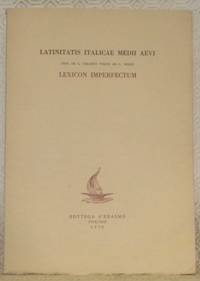
197078733Torino : Bottega dÕErasmo 1970. 245x175mm. broch. Texte en latin. Bon tat. 589 Bottega dÕErasmo unknown
1956030439Torre Pellice: Comitato promotore della costruenda strada Torino-Marsiglia 1956. Un volume di 82 pagine brossura editoriale. Dimensioni: 215x305 cm. Tracce del tempo alla brossura bruniture dei margini poche piccole fioriture strappetti sul margine superiore allinterno qualche fioritura nelle pagine adiacenti le tavole fuori testo ma nel complesso buonissime condizioni. 4 tavole di cui 2 su foglio più volte ripiegato in b/n fuori testo. Comitato promotore della costruenda strada Torino-Marsiglia unknown
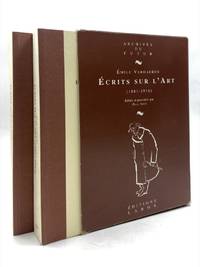
199713841Bruxelles: Éditions Labro 1997. Ottimo stato di conservazione difetti macchie all’interno e segni d’uso sulla custodia. Due volumi in brossura editoriale illustrata con custodia in cartoncino cm 21.5 x 15 pp 558 2 4 559-1024 2. Collana Archives du Futur. Raccolta della produzione critica del poeta belga Émile Verhaeren 1855 - 1916: recensioni articoli prefazioni relative alla pittura e le arti plastiche della modernità a lui contemporanea Moreau Rodin Seurat - del quale fu il primo acquirente e della grande pittura fiamminga e olandese. Éditions Labro unknown
1901002612New York: Wagner Joseph F. 1901. each sermon individually numbered soiled red cloth with faded gilt ltrs on spine corners and edges are bumped/tattered/& worn tight edges soiled with shelf dust. unknown. Hard Cover. G/No DJ. Wagner, Joseph F. Hardcover
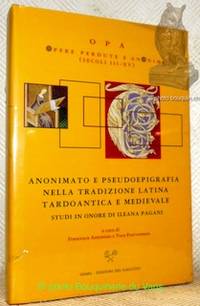
2019112088Firenze : SISMEL - Edizioni del Galluzzo 2019. 235x150mm. IX- legatura del editore con sovracopperta. Nuovo stato. 832 SISMEL - Edizioni del Galluzzo unknown
1977010861New York: Museum of Modern Art 1977. Un volume di 525 pagine tutta tela editoriale con sovracoperta illustrata. Dimensioni: 24x285 cm. Minime tracce d'uso alla sovracoperta per il resto ottime condizioni. Numerose illustrazioni in B7n e a colori nel testo alcuni su foglio ripiegato. Con contributi di Richard Chafee Arthur Drexler Neil Levine David Van Zanten. In lingua inglese. Sono previste spese di spedizione aggiuntive a causa delle dimensioni e del peso del volume extra charge will be applied due to the weight of the book Museum of Modern Art unknown
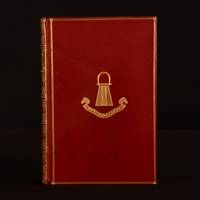
1903620C4London: Edward Arnold 1903. Leather. Fine. 7.5" by 5". None. A handsomely bound volume featuring a collection of Patriotic poetry and verse in relation to the British Empire. New edition. Selected and arranged by Arthur Stanley. With an introduction by the Lord Bishop of Calcutta and the former of Harrow School the Right Reverend J. E. C. Welldon. This patriotic work explore the poetry and verse of the British Empire with love of ones country at the heart of this volume. Bound in an attractive leather binding with gilt detailing to the front board. With a bookplate to the front pastedown stating that the work was awarded to a student of Royal Masonic School 1904. In a full calf binding with gilt detailing to the spine and boards. Externally vert smart with some minor patches of rubbing to the extremities. Prize bookplate to the front pastedown. Internally firmly bound. Pages are bright and clean with very minor spots to the first and last. Fine Edward Arnold hardcover
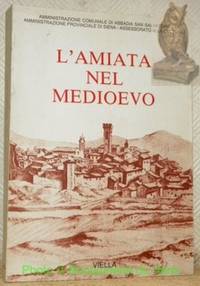
1989104957Roma : Viella 1989. 240x170mm. fotografie b/n in brossura. Ottimo stato. 910 Viella unknown
2010707<p>Trade paperback with minimal shelf wear. Corners are very lightly bumped corners are lightly scuffed and edgeworn. Pages and binding are clean straight and tight.</p> Datura Press paperback
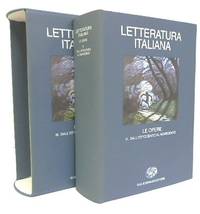
1995530663Torino: Giulio Einaudi Editore 1995. Hardcover with unclipped dust jacket and slipcase. Text in Italian. Light edgewar to jacket and sunning to jacket spine. Light shelfwear to slipcase. Pages excellent and contents clean throughout. AD. Hardcover. Very Good. Used. Giulio Einaudi Editore Hardcover
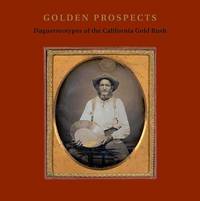
2019230163New Haven - London: Yale University Press 2019. Rilegato tela con tavola fotografica applicata al piatto anteriore original full cloth with photographic inlay to front cover. Perfetto Mint. Con contributi di Keith F. Davis. Introduzione di Julian Zugazagoitia. Ampiamente illustrato con riproduzioni a colori dei dagherrotipi con le loro cornici originali. 8vo 28x28 cm. pp. 168. Perfetto Mint. Prima edizione First Edition. <em><strong>A fresh comprehensive and critical look at the California gold rush through the lens of the daguerreotype camera.</strong></em><br /><br /><em>The California gold rush was the first major event in American history to be documented in depth by photography. This fascinating volume offers a fresh comprehensive and critical look at the people places and culture of that historical episode as seen through daguerreotypes and ambrotypes of the era. After gold was discovered at Sutter's Mill in 1848 thousands made the journey to California including daguerreotypists who established studios in cities and towns and ventured into the gold fields in specially outfitted photographic wagons. Their images including portraits views of cities and gold towns and miners at work in the field provide an extraordinary glimpse into the evolution of mining culture and technology the variety of nationalities and races involved in the mining industry and the growth of cities such as San Francisco and Sacramento. Including numerous images published here for the first time this book provides an extraordinary glimpse into the transformation of the American West.<br /><br /></em> <strong><em>Uno sguardo nuovo completo e critico sulla corsa all'oro in California attraverso l'obiettivo della macchina fotografica per dagherrotipi</em></strong> <em>La corsa all'oro in California è"; stato il primo grande evento della storia americana a essere documentato in modo approfondito dalla fotografia. Questo affascinante volume offre uno sguardo fresco completo e critico sulle persone i luoghi e la cultura di quell'episodio storico visti attraverso i dagherrotipi e gli ambrotipi dell'epoca. Dopo la scoperta dell'oro a Sutter's Mill nel 1848 migliaia di persone si misero in viaggio verso la California compresi i dagherrotipisti che aprirono studi in città e paesi e si avventurarono nei campi d'oro con carri fotografici appositamente attrezzati. Le loro immagini tra cui ritratti vedute di città e paesi auriferi e minatori al lavoro sul campo offrono uno straordinario sguardo sull'evoluzione della cultura e della tecnologia mineraria sulla varietà di nazionalità e razze coinvolte nell'industria mineraria e sulla crescita di città" come San Francisco e Sacramento. Con numerose immagini pubblicate per la prima volta questo libro offre uno sguardo straordinario sulla trasformazione dell'Ovest americano.</em> Yale University Press, hardcover
1931123250Milano Officine Grafiche Schor 1931. In 4° mezza tela editor. con titoli al dorso e piatti a stampa illustrati Pp. 105 3 n.n. 108 tavole in nero descritte a piede e con retro bianco pp. 8 n.n. Tutto il testo è in cornice floreale non ripetuta dai disegni di T. Vieroven. Buon esemplare Milano, Officine Grafiche Schor hardcover
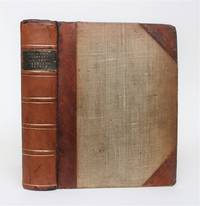
1868006787London: John Russell Smith 1868. 1st Edition. Hardcover. Very Good/No Jacket. 6.25" x 8.25" Small 4to. Half calf binding green spine label with gilt titling tan buckram boards. liv 616 pp. All edges yellow. Wear to corners rubbing to joints and spine ends. Some soiling and light staining to buckram. Soiled to top edge of text block. Staining and chipping to edges of front pastedown. Professional repairs to front and rear hinges. Interior is bright and clean. Constitutional Club Library bookplate to front pastedown. Subscriber list at rear. A prodigious treatment of the north-eastern British dialect of Cleveland Northumbria. John Russell Smith hardcover
0244641285.Gpaperback. Good. Access codes and supplements are not guaranteed with used items. May be an ex-library book. paperback
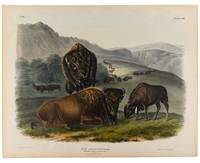
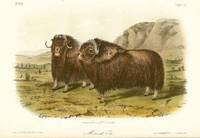
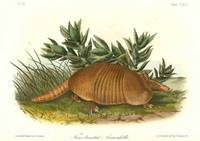
184942915New York: John James Audubon 1849. First edition hand-colored lithograph by John T. Bowen of Philadelphia after John James Audubon. An iconic image of Western Americana from the folio first edition of Audubon's "Quadrupeds of North America" the greatest work of natural history illustration produced in America during the nineteenth century: "As long as our civilization lasts America will be in debt to this genius." Peterson<br/> <br/> This fine plate is from the folio edition of Audubon's The Viviparous Quadrupeds of North America which was produced entirely in the United States. The work was Audubon's last and by 1846 he had to hand over the drawing of the final fifty plates to his sons John Woodhouse and Victor Audubon. The production of the Quadrupeds was begun by Audubon and his sons at about the same time as the commercially-successful octavo edition of The Birds of America. Unlike the double-elephant folio the Quadrupeds was produced entirely in the United States. Reese notes that "By 1843 the Audubon family business was a well-oiled machine involving John James his two sons and various in-laws and friends. The octavo Birds was still in production when Bowen began to produce the plates for the folio edition of the Quadrupeds the largest successful color-plate book project of 19th-century America. It took the family five years to publish 150 plates in thirty parts. The massive project was a commercial success thanks to the close management of Victor. There were about three hundred subscribers." Reese Like Birds of America the Viviparous Quadrupeds was intended to be a comprehensive visual catalog of North America animalia with Audubon's focus here shifting from birds to four-legged land mammals. Accompanying each image was correlating didactic text written primarily by Bachman that informed the reader of the animal's habits diet habitat and gestational period. Totaling 150 prints the project was rushed to completion as Audubon's health declined. Emerging in the shadow of its acclaimed predecessor Birds of America the Viviparous Quadrupeds has not received the adequate attention nor recognition it so richly deserves. This image is of a family of American buffalo the most iconic animal indigenous to North America whose presence was integral for Native American life and whose near-extinction spurred on the conservation movement in the US. The buffalo is today the state animal of Kansas Oklahoma and Wyoming.<br/> <br/> Bennett p.5. Peterson Birds of America passim. Reese Stamped with a National Character 36. Sabin 2367. Wood p.209. John James Audubon unknown
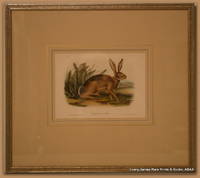
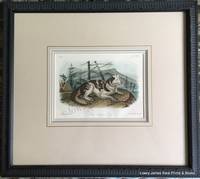
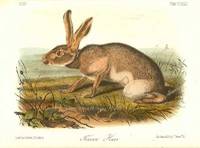
18494369New York:: V.G. Audubon 1849-54. First Royal Octavo Edition. Fine with original hand-coloring. A fine original hand-colored lithograph on paper. Royal Octavo 10.5 x 7 inches. Drawn from nature by John Audubon drawn on stone by William E. Hitchcock and lithographed printed and colored by JT Bowen Philadelphia. Accompanied by the original text written by the Reverend John Bachman DD. The Quadrupeds of North America; portrayals of 155 four-legged mammals native to North America depicted in their natural environment was a collaborative effort between the premier nineteenth century American Ornithologist Naturalist Artist and Frontiersman John James Audubon 1785-1851 his sons John Woodhouse Audubon and Victor Gifford Audubon and the naturalist Reverend John Bachman. The four men were unified in their desire to document and portray what they recognized as a dwindling resource; America's native animals amidst the natural beauty of the untouched American landscape. Their collective wisdom predicted the impending effects of Manifest Destiny- man's encroachment on the wilderness and natural landscape of North America- and as such was the impetus for the journey. To document and then portray America's native animals in the splendor and majesty of the uninhabited North American landscape the team traveled westward from Audubon's home in Mill Grove Pennsylvania up the Missouri River and through territory just previously explored by Lewis and Clark; from the Canadian border of the Northern Russian Territories- now Alaska- then southward to Mexico. Arduous and monumental the journey is recognized in the pathos of the compositions. However the true legacy of the work rests on John James Audubon's prolific vision and mastery of his subject and medium. Heretofore unseen The Quadrupeds of North American is a wildlife classic: an essential and timeless contribution to both Early American culture and the Art of American Wildlife Painting. The American Review a Whig journal heralded the national origin of the Quadrupeds: "We have at last have a Great National Work; originated and completed among us- authors artists and artisans of which are our own citizens the Bible of Nature!" John James Audubon in the West. New York: Henry H. Abrams 2000. Sabin 2368. Wood 208. Matted in Ivory Rag Board 12 x 16 inches. V.G. Audubon, unknown
18496425New York:: V.G. Audubon 1849-54. First Royal Octavo Edition. Fine with original hand-coloring. A fine original hand-colored lithograph on paper. Royal Octavo 10.5 x 7 inches. Drawn from nature by John Audubon drawn on stone by William E. Hitchcock and lithographed printed and colored by JT Bowen Philadelphia. Accompanied by the original text written by the Reverend John Bachman DD. The Quadrupeds of North America; portrayals of 155 four-legged mammals native to North America depicted in their natural environment was a collaborative effort between the premier nineteenth century American Ornithologist Naturalist Artist and Frontiersman John James Audubon 1785-1851 his sons John Woodhouse Audubon and Victor Gifford Audubon and the naturalist Reverend John Bachman. The four men were unified in their desire to document and portray what they recognized as a dwindling resource; America's native animals amidst the natural beauty of the untouched American landscape. Their collective wisdom predicted the impending effects of Manifest Destiny- man's encroachment on the wilderness and natural landscape of North America- and as such was the impetus for the journey. To document and then portray America's native animals in the splendor and majesty of the uninhabited North American landscape the team traveled westward from Audubon's home in Mill Grove Pennsylvania up the Missouri River and through territory just previously explored by Lewis and Clark; from the Canadian border of the Northern Russian Territories- now Alaska- then southward to Mexico. Arduous and monumental the journey is recognized in the pathos of the compositions. However the true legacy of the work rests on John James Audubon's prolific vision and mastery of his subject and medium. Heretofore unseen The Quadrupeds of North American is a wildlife classic: an essential and timeless contribution to both Early American culture and the Art of American Wildlife Painting. The American Review a Whig journal heralded the national origin of the Quadrupeds: "We have at last have a Great National Work; originated and completed among us- authors artists and artisans of which are our own citizens the Bible of Nature!" John James Audubon in the West. New York: Henry H. Abrams 2000. Sabin 2368. Wood 208. Archivally matted & framed V.G. Audubon, unknown
18497317New York:: V.G. Audubon 1849-54. First Royal Octavo Edition. Fine with original hand-coloring. A fine original hand-colored lithograph on paper. Royal Octavo 10.5 x 7 inches. Drawn from nature by John Audubon drawn on stone by William E. Hitchcock and lithographed printed and colored by JT Bowen Philadelphia. Accompanied by the original text written by the Reverend John Bachman DD. The Quadrupeds of North America; portrayals of 155 four-legged mammals native to North America depicted in their natural environment was a collaborative effort between the premier nineteenth century American Ornithologist Naturalist Artist and Frontiersman John James Audubon 1785-1851 his sons John Woodhouse Audubon and Victor Gifford Audubon and the naturalist Reverend John Bachman. The four men were unified in their desire to document and portray what they recognized as a dwindling resource; America's native animals amidst the natural beauty of the untouched American landscape. Their collective wisdom predicted the impending effects of Manifest Destiny- man's encroachment on the wilderness and natural landscape of North America- and as such was the impetus for the journey. To document and then portray America's native animals in the splendor and majesty of the uninhabited North American landscape the team traveled westward from Audubon's home in Mill Grove Pennsylvania up the Missouri River and through territory just previously explored by Lewis and Clark; from the Canadian border of the Northern Russian Territories- now Alaska- then southward to Mexico. Arduous and monumental the journey is recognized in the pathos of the compositions. However the true legacy of the work rests on John James Audubon's prolific vision and mastery of his subject and medium. Heretofore unseen The Quadrupeds of North American is a wildlife classic: an essential and timeless contribution to both Early American culture and the Art of American Wildlife Painting. The American Review a Whig journal heralded the national origin of the Quadrupeds: "We have at last have a Great National Work; originated and completed among us- authors artists and artisans of which are our own citizens the Bible of Nature!" John James Audubon in the West. New York: Henry H. Abrams 2000. Sabin 2368. Wood 208. Archivally matted & framed V.G. Audubon, unknown
18494387New York:: V.G. Audubon 1849-54. First Royal Octavo Edition. Fine with original hand-coloring. A fine original hand-colored lithograph on paper. Royal Octavo 10.5 x 7 inches. Drawn from nature by John Audubon drawn on stone by William E. Hitchcock and lithographed printed and colored by JT Bowen Philadelphia. Accompanied by the original text written by the Reverend John Bachman DD. The Quadrupeds of North America; portrayals of 155 four-legged mammals native to North America depicted in their natural environment was a collaborative effort between the premier nineteenth century American Ornithologist Naturalist Artist and Frontiersman John James Audubon 1785-1851 his sons John Woodhouse Audubon and Victor Gifford Audubon and the naturalist Reverend John Bachman. The four men were unified in their desire to document and portray what they recognized as a dwindling resource; America's native animals amidst the natural beauty of the untouched American landscape. Their collective wisdom predicted the impending effects of Manifest Destiny- man's encroachment on the wilderness and natural landscape of North America- and as such was the impetus for the journey. To document and then portray America's native animals in the splendor and majesty of the uninhabited North American landscape the team traveled westward from Audubon's home in Mill Grove Pennsylvania up the Missouri River and through territory just previously explored by Lewis and Clark; from the Canadian border of the Northern Russian Territories- now Alaska- then southward to Mexico. Arduous and monumental the journey is recognized in the pathos of the compositions. However the true legacy of the work rests on John James Audubon's prolific vision and mastery of his subject and medium. Heretofore unseen The Quadrupeds of North American is a wildlife classic: an essential and timeless contribution to both Early American culture and the Art of American Wildlife Painting. The American Review a Whig journal heralded the national origin of the Quadrupeds: "We have at last have a Great National Work; originated and completed among us- authors artists and artisans of which are our own citizens the Bible of Nature!" John James Audubon in the West. New York: Henry H. Abrams 2000. Sabin 2368. Wood 208. Matted in Ivory Rag Board 12 x 16 inches. V.G. Audubon, unknown
18494396New York:: V.G. Audubon 1849-54. First Royal Octavo Edition. Fine with original hand-coloring. A fine original hand-colored lithograph on paper. Royal Octavo 10.5 x 7 inches. Drawn from nature by John Audubon drawn on stone by William E. Hitchcock and lithographed printed and colored by JT Bowen Philadelphia. Accompanied by the original text written by the Reverend John Bachman DD. The Quadrupeds of North America; portrayals of 155 four-legged mammals native to North America depicted in their natural environment was a collaborative effort between the premier nineteenth century American Ornithologist Naturalist Artist and Frontiersman John James Audubon 1785-1851 his sons John Woodhouse Audubon and Victor Gifford Audubon and the naturalist Reverend John Bachman. The four men were unified in their desire to document and portray what they recognized as a dwindling resource; America's native animals amidst the natural beauty of the untouched American landscape. Their collective wisdom predicted the impending effects of Manifest Destiny- man's encroachment on the wilderness and natural landscape of North America- and as such was the impetus for the journey. To document and then portray America's native animals in the splendor and majesty of the uninhabited North American landscape the team traveled westward from Audubon's home in Mill Grove Pennsylvania up the Missouri River and through territory just previously explored by Lewis and Clark; from the Canadian border of the Northern Russian Territories- now Alaska- then southward to Mexico. Arduous and monumental the journey is recognized in the pathos of the compositions. However the true legacy of the work rests on John James Audubon's prolific vision and mastery of his subject and medium. Heretofore unseen The Quadrupeds of North American is a wildlife classic: an essential and timeless contribution to both Early American culture and the Art of American Wildlife Painting. The American Review a Whig journal heralded the national origin of the Quadrupeds: "We have at last have a Great National Work; originated and completed among us- authors artists and artisans of which are our own citizens the Bible of Nature!" John James Audubon in the West. New York: Henry H. Abrams 2000. Sabin 2368. Wood 208. Matted in Ivory Rag Board 12 x 16 inches. V.G. Audubon, unknown
ria9783368109752_inpHardcover. New. New Book; Fast Shipping from UK; Not signed; Not First Edition; N/A hardcover
3368109758.Ghardcover. Good. Access codes and supplements are not guaranteed with used items. May be an ex-library book. hardcover
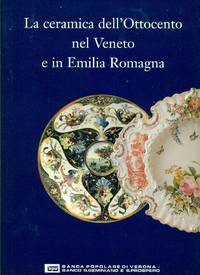
1998110734Verona - Modena: Artioli 1998. Rilegato tela sovracoperta custodia cloth dust jacket slip-case. Perfetto Mint. Dal sommario: Raffaella Ausenda Presentazione / La ceramica artistica veneta alle Esposizioni 1851-1900 / Nove - Nadir Stringa Il piatto popolare veneto dell'Ottocento / La ceramica per l'architettura / Bassano del Grappa / Monticello Conte Otto / Treviso / Venezia - Dominique Fuchs Ceramiche venete attorno al 1900: ragioni e operatori - Michelangelo Munarini Este e altri centri - Gian Carlo Bojani Presentazione / Romagna fra laterizi stovigliere ceramiche rustiche e ceramiche d'arte / Faenza: varietà d'una produzione ceramica ed egemonia nell'arte della pittura su maiolica - Maria Grazia Morganti Panorama dell'Emilia / Sassuolo / La manifattura Aldrovandi / La fabbrica Minghetti / Imola. In calce a ciascuna sezione Veneto ed Emilia: Le marche Elenco delle illustrazioni Indice dei nomi Bibliografia. Volume corredato di numerosissime illustrazioni riproduzioni fotrografie inbianco e nero e colore. Volume pubblicato a cura della Banca Popolare di Verona e Banco S. Geminiano e S. Prospero. 4to. pp. 307. Perfetto Mint. Prima edizione First Edition - Edizione f.c. Artioli, hardcover
199715625Latomus. 1997. Softcover. Near Fine. Pages unopened. Very minor shelfwear. Else fine.; Collection Latomus Volume 232; 281 pages . 2870311729 . Latomus paperback
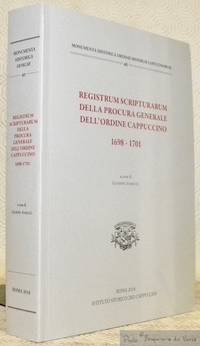
201890185Roma : Istituto Storico dei Cappuccini 2018. 240x170mm. in brossura. Nuovo stato. 1073 Istituto Storico dei Cappuccini unknown