Regier, Sylvia - Book Co-ordinatorMareMagnum

2 471 résultats
247 pages. Map inside back board. Reproductions of dozens of archival black and white photos. Contents include: History of the Tiefengrund Church; Church Organization; Special Committies and Activities; Christian Life - Special Occasions; Church members and their families and adherents of 1980. Considerable documentation of births, weddings, baptisms and burials. Gift greetings upon front free endpaper otherwise unmarked aside from several discreet handwritten corrections/additions. Moderate wear. Binding tight. A quality copy of this superb genealogical reference. Book
16 pages. Features: The Blush of Civilization - Ambassador Count Bernstorff at last gets the Official Record of Russian atrocities - English attempts to prevent their reaching America baffled - atrocities only equalled by Apache savages; The German Answer; Hannis Taylor Set Right - Armed Merchant Ships May be Destroyed and Sunk with all aboard under International Law; It was not like this in the days of old - reproductions of poems printed during prior wars; Where is the "Ramos?" - the "Mother Ship" for submarines, said to have been borrowed by the Canadian government to put together parts of submarines supplied by Charles M. Schwab; Let Us Think for Ourselves - Turing on the Searchlights of Inquiry Upon the Questions involved in the War - England's Bankruptcy would create a panic here; The World War and International Law, by Dr. Edmund von Mach; Italy's Breach of Faith; Better Late than Never - the New York World finally discovers that the English Navy is more successful in its attempt to strangulate American commerce than in its endeavor to isolate Germany; Under False Colors; The Loss of German Products; How the Irish-American has helped the American of Teutonic Blood, by Dr. C.J. Hexamer; Advertising Talk; Back cover is a full-page ad for "A Trip Through Headline Lane", which examines war propaganda spouted by newspapers; and more. Unmarked. Average wear. Binding intact. A sound copy. Magazine
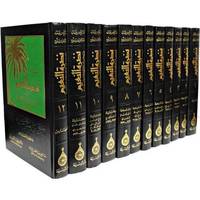
6452<p>Nadhrat un Naeem Fi Makarim Akhlaq al-Rasool al-Kareem<br />Arabic Only<br />Prepared By A Number of Specialists Under The Supervision of Saleh bin Abdullah bin Hameed Imam & Khatib al-Haram al-Makki <br />Hardback 12 Volumes set<br />ISBN: 9960838018<br />Publisher: Darul Wasila</p><p><strong>Free Delivery In UK</strong></p><p>Undoubtedly There has never been a human being so well-respected loved and followed as Muhammad pbuh the final messenger of Allah. There has never been a person who has changed world history so dramatically as Muhammad pbuh and his message. The Prophet pbuh was the single most important person in the history of the world.</p> Darul Wasila hardcover
Disegno ad inchiostro su foglio sottile di cm. 23,5 x 13.<BR>Il foglio è applicato su un cartoncino recante il timbro della"Atelier Touchagues".<BR>OTTIME CONDIZIONI.
202 pages. A very interesting look back to the days of World War I on the home front. Topics include: Building a House a Day in Kenosha; Concrete Construction; A Portfolio of Beautiful Homes; Wall Board; Steel Square; Brick Construction for Modern Carpenters and Builders; Out of the Job; What's New; and more. Dozens of pages of marvelous contemporary advertisements including a broad assortment of cement mixers. Binding intact. Unmarked. Some chipping to periphery, sunning to spine and fly spots near spine on front cover. A wonderful snapshot of the building construction technology of almost 90 years ago. Book
19822091502135413898Masterpiece publication 1982. Soft Cover. Fine. Number of books: 2 Masterpiece publication paperback
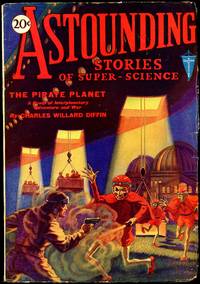
193026360New York: Publishers' Fiscal Corporation 1930. Mild edge wear a nearly fine to fine copy. 26360. Octavo cover painting by Wessolowski pictorial wrappers. Pulp magazine. Stories by Victor Rousseau Ray Cummings L.A. Eshbach and others. Reference: Tymm and Ashley Science Fiction Fantasy and Weird Fiction Magazines pp. 60-103. Publishers' Fiscal Corporation unknown
1678001927Amsterdam; Paris: D. Elsevier; Thomas Jolly 1678. Full Morocco. Very Good Plus. 24mo. 10 by 6 cm. 168 pp. With seven woodcuts including the half-title. First published in 1607 this play is in the tradition of Tasso's "Aminta" or Guarini's "Il Pastor Fido". Aminta is in fact the name of a character within the play. Brunet I 1088. Leaves are age toned with a light dampstain affecting a few leaves in the corner. Otherwise tight and clean. Modern red full morocco with marbled endpapers. D. Elsevier; Thomas Jolly unknown
1678001927Amsterdam; Paris: D. Elsevier; Thomas Jolly 1678. Full Morocco. Very Good Plus. 24mo. 10 by 6 cm. 168 pp. With seven woodcuts including the half-title. First published in 1607 this play is in the tradition of Tasso's "Aminta" or Guarini's "Il Pastor Fido". Aminta is in fact the name of a character within the play. Brunet I 1088. Leaves are age toned with a light dampstain affecting a few leaves in the corner. Otherwise tight and clean. Modern red full morocco with marbled endpapers. <br /><br /> D. Elsevier; Thomas Jolly books
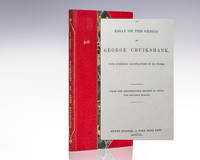
1840148887London: Henry Hooper 1840. First edition of this essay highlighting George Cruikshank’s artistic skill and cultural significance in early Victorian Britain. Octavo bound in three-quarters morocco by J. McDonald of New York with gilt titles and tooling to the spine gilt ruling to the front and rear panels gilt stamped facsimile signature of Cruikshank on the front panel all edges gilt marbled endpapers tissue-guarded frontispiece illustrated with 17 tissue-guarded black and white etched plates by George Cruikshank. In near fine condition. An Essay on the Genius of Cruikshank published in The Westminster Review in 1840 is an early critical appraisal of George Cruikshank’s artistic achievements and cultural influence. Written at a time when caricature was often dismissed as ephemeral or merely humorous the essay situates Cruikshank’s work within a broader artistic and moral framework praising his sharp political insight his ability to capture the nuances of everyday life and his growing reputation as a serious illustrator of literature. By highlighting his transition from biting political satire to celebrated book illustration particularly his collaborations with authors such as Charles Dickens the review both legitimizes caricature as a form of social commentary and cements Cruikshank’s position as one of the most significant visual commentators of early Victorian Britain. Henry Hooper unknown
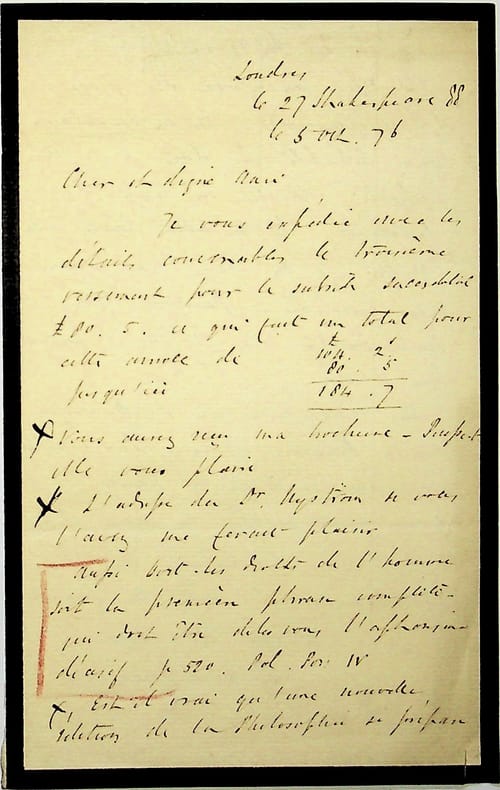
018552[Positivisme] Richard Congreve (1818-1899), philosophe anglais, figure de proue du positivisme en Angleterre, à l'origine du schisme en 1878. L.A.S. en français, Londres, 27 Shakespeare 88 [5 octobre 1876], 2p in-8. Au docteur Jean-François Robinet (1825-1899), médecin d'Auguste Comte et important positiviste français. « Cher et digne ami, Je vous expédie avec les détails convenables le troisième versement pour le subside sacerdotal £80.5 ce qui fait un total pour cette année de £184.7 jusqu'ici. Vous aurez reçu ma brochure. Puisse-t-elle vous plaire. L'adresse du docteur Nyström si vous l'avez me ferait plaisir. Aussi [mot illisible] les droits de l'homme soit la première phrase complète qui doit être, dites-vous, l'aphorisme décisif p.520 [mots illsibles]. Est-il vrai qu'une nouvelle relation de la philosophie se prépare? Où en est la revue ? Et que pensez-vous du projet d'enseignement. Et la circulaire aux républicains dont parle M. [Pierre] Laffitte. Est-elle en train de paraître ? Et les lettres Comte Mill. Enfin, je ne finis pas avec mes questions. Pardon. Elles sont courtes. Les réponses pourront bien l'être. Mes remerciements au docteur Dubuisson pour sa dernière lettre. Par malheur, je cherche pendant des heures et je ne puis mettre la main dessus. Toutes mes salutations les plus affectueuses à toute la famille. A vous de coeur. Richard Congreve ». Le subside sacerdotal était la contribution que versaient les positivistes à destination de la France. Congreve cite les noms de plusieurs positivistes : Anton Kristen Nystrom (1842-1931) était un médecin suédois, propagateur du positivisme en Suède. Il ne suivra pas Congreve dans son schisme en 1878 ; Paul Dubuisson (1847-1908) est un médecin et psychiatre, gendre du docteur Robinet ; Pierre Laffitte (1823-1903) est un philosophe positiviste, successeur d'Auguste Comte. Les lettres « Comte Mill » sont les lettres d'Auguste Comte à John Stuart Mill qui seront publiées par Leroux en 1877. Les lettres entre positivistes sont rares. [184]
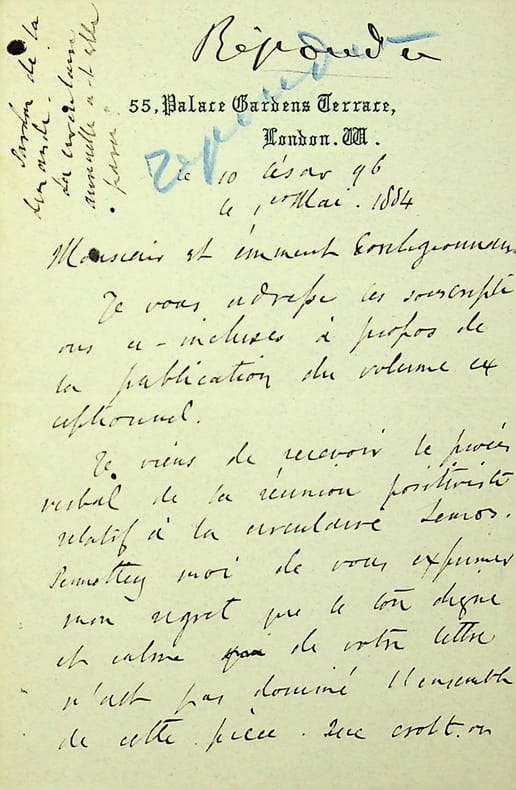
018956[Positivisme] Richard Congreve (1818-1899), philosophe anglais, figure de proue du positivisme en Angleterre, à l'origine du schisme en 1878. L.A.S. en français, Londres, 10 César 96 [1er mai 1884], 2p in-8. Au docteur Jean-François Robinet (1825-1899), médecin d'Auguste Comte et important positiviste français. « Monsieur et éminent coreligionnaire, Je vous adresse les souscriptions ci-incluses à propos de la publication du volume exceptionnel. Je viens de recevoir le procès verbal de la réunion positiviste relatif à la circulaire Lemos. Permettez-moi de vous exprimer mon regret que le ton digne et calme de votre lettre n'ait pas dominé l'ensemble de cette pièce. Que croit-on gagner à ces accusations et attaques ? Elles ne tendent, je puis l'affirmer, qu'à éterniser la division. Et semer la haine. Rallier dans le degré possible tous ces positivistes, ce but doit primer tout et votre lettre me paraît conçue dans cet esprit, qui manque dans la paix principale ainsi que dans les lettres de M. Harrison surtout. Avec la vôtre, il faut mettre celle de M. Dubuisson. Avec mes meilleurs sentiments. Richard Congreve ». Miguel Carlos Corrêa Lemos (1854-1917) est le fondateur de l'apostolat positiviste au Brésil. Frederic Harrison (1831-1923) est un avocat anglais, influencé par Congreve, cofondateur de la Société positiviste de Londres. Il prit s'éloigna de Congreve à partir de 1870. Paul Dubuisson (1847-1908) est un médecin et psychiatre, gendre du docteur Robinet. Les lettres entre positivistes sont rares. [443]
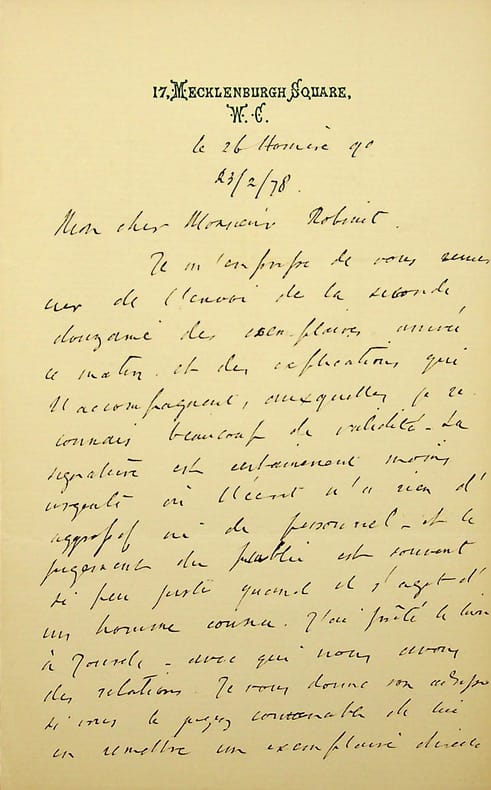
018962[Positivisme] Richard Congreve (1818-1899), philosophe anglais, figure de proue du positivisme en Angleterre, à l'origine du schisme en 1878. L.A.S. en français, 26 Homère 90 [23 février 1878], 1p œ in-8. Au docteur Jean-François Robinet (1825-1899), médecin d'Auguste Comte et important positiviste français. « Mon cher Monsieur Robinet, Je m'empresse de vous remercier de l'envoi de la seconde douzaine d'exemplaires arrivée ce matin et des explications qui l'accompagnent, auxquelles je reconnais beaucoup de validité. La signature est certainement moins urgente[?] où l'écrit n'a rien d'agressif ni de personnel - et le jugement du public est souvent si peu juste quand il s'agit d'un homme connu. J'ai prêté le livre à J.[nom illisible] avec qui nous avons des relations. Je vous donne son adresse si vous le juger convenable de lui en remettre un exemplaire directement. Il est très peu disposé du reste à accepter notre point de vue. Tout la famille se joint à moi pour vous remercier de votre bon souvenir. Salut et Fraternité. Richard Congreve ». Les lettres entre positivistes sont rares. [444]
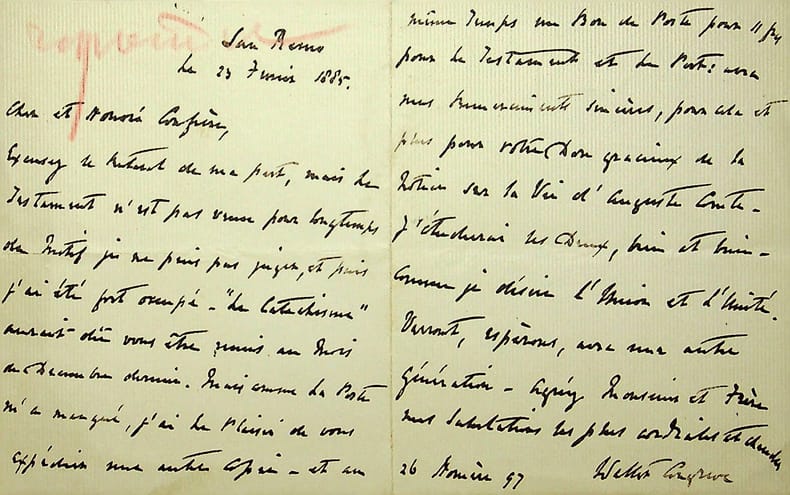
018967[Positivisme] Richard Congreve (1818-1899), philosophe anglais, figure de proue du positivisme en Angleterre, à l'origine du schisme en 1878. L.A.S. en français, San Remo, 26 Homère 97 [23 février 1885], 2p in-12. Au docteur Jean-François Robinet (1825-1899), médecin d'Auguste Comte et important positiviste français. « Cher et Honoré Confrère, Excuser le retard de ma part, mais le testament n'est pas [mot illisible] pour longtemps. Du motif je ne puis pas juger, et puis j'ai été fort occupé. "Le Catéchisme" aurait dû vous être remis au mois de décembre dernier. Mais comme la poste m'a manqué, j'ai le plaisir de vous expédier une autre copie - et en même temps un bon de poste pour 11 Frans pour le Testament et le [mot illisible] avec mes remerciements sincères, pour cela et plus pour votre don gracieux de la notice sur la vie d'Auguste Comte. J'étudierai les deux, vite et bien. Comme je désire l'Union et l'Unité. [mot illisible], espérons, avec une autre générations. Agréez, monsieur et frère, mes salutations les plus cordiales et chaudes. Richard Congreve ». Les lettres entre positivistes sont rares. [445]
Imprimé par Bequet frères à Paris, 1880 circa. Litografia in coeva coloritura a mano (N. 11 - Peint d'après nature et lithographié par C. Bargue - Imprimé par Bequet frères à Paris), cm 40 x 55,5 (il foglio). Bella scena con due fanciulle su un'altalena avvolte soltanto da un velo che copre le parti intime, in un contesto di bosco, sopra uno stagno. Esemplare in piacevole coloritura e in buono stato di conservazione.
68 pages. Features: Cover illustration of Quantico, with photos of Camp Barrett, Breckinridge Hall, Geiger Hall, Butler Stadioum and Lejeune Hall inside front cover; Archibald Henderson & the Fighting Indians; Troop Tests - How They Work; Two-page illustrated ad for the Vertol 107 helicopter; Our War Problems - An Amphibious Answer; Defense in the Summary Court; Commando Carrier - HMS Bulwark, Britain's first LPH is now on station in the Far East; Daniel Joseph Daly - Reluctant Hero; A Prayer for Marines; Martcom Report (part 1 of 2); Russian Attack Aviation - the Russians didn't invent close air support but they've been at it since WWII - with these results; Report from the Ready Forces - FMF LANT - Combat Readiness and Programs to Improve Readiness; Introduction to EOD; The Salty Skipper; OJR (On the Job Retirement) Blues; Competition Makes Marines; The Marine Reserve; Modern War Gaming - State of the Art; Transfers and Promotions; and more. Average wear. Unmarked. A sound vintage copy. Magazine
43 pages. "Exposing the psychological lies which built the foundation of Canada's censorship laws" - subtitle. Clean and unmarked with light wear. A sound copy. Book
32 pages. Features: Cover illustration representing the waking up of the old American dances; News Bits; How Deadly Snake Venom is Collected to Save Lives; Peddling U.S. Citizenship Rights - the farce of making American citizens in bunches - forcing a hyphenated allegiance i.e. "Induced Naturalization" should be stopped; Gain, Not Glory, Guides the Chinese Soldier - their military tactics are beginning to change under the impact of modernism (with photos); Dr. Joseph Collins Gives "My Definition of a Freudian" (part 3) - the monstrous doctrine of Freud is further and brilliantly exposed; Researching the Colossus of Rhodes - did this statue bestride the harbor entrance?; Mr. (Henry) Ford's Page - Industry's service is social, and so must be judged; Editorial comments on censorship of pictures sent abroad (after recent Japanese revulsion), concern of Colonel House visiting the Whitehouse, and more; A Shylock Nation? - Here are the facts about American financial support to foreign nations; How Connecticut Handled the Movies - Movie trust faces defeat on taxes and the showing of immoral pictures; The Tichborn Claimant, by Charles J. Finger; Helping the Blind to See - photo-illustrated article shows how boys and girls use their fingers to see; Sidelights on Richard Harris Barham, author of Ingoldsby Legends; The Signers - 56 of 1776 - three from New Hampshire including Dr. Josiah Bartlett, Dr. Matthew Thornton, and Willian Whipple; The "Comeback" of Artist H.L. (Harry Loud) Bridwell; Items read in the papers; Instructions for Waltz dancing, including piano sheet music for "An Old Southern Waltz"; Back cover devoted to excellent Daniel Webster quote about showing the world that an elected government can maintain public liberty. Unmarked with average wear. Binding intact. A sound vintage copy. Book
Features: News piece on furor over new Social Insurance (SIN) numbers; The Battle of Nouveau Quebec - how the territorial ambitions of Rene Levesque may yet bring down our government; Can these men really figure out Canada? - the intricacies of the biggest royal commission ever, the Dunton-Laurendeau Royal Commission on Bilingualism and Biculturalism; How K.C. Irving wields his power - concluding a three part series on the complex man who dominates New Brunswick; The Great Money Panic of 1963 - a recreation of the four days when Canadians learned who really runs the economy (a fascinating and little-known story); The Greatest Canadian-bred ever - how Northern Dancer, 'overpriced at $25k' earned his first quarter million; How Kahn-Tineta Horn became an Indian - a young native who has grown proud of his race; The Bachelor Party Circuit - a pretty girl (Marika Robert) describes her holiday in Jamaica with everything.. but bachelors; When Mounties were imported - a retired RCMP senior officer recalls colleagues like the Honourable Eustace; W.O Mitchell claims all westerners are snobs. Nice colour ad for the 1964 Chevrolet Impala Sport Sedan. Average wear and soiling. Book
PARIS, A. Lenègre - Percaline bleue de l'éditeur avec motifs repoussés - Titre doré au 1 plat - vers 1920 - Oblong 24,5 x 10,5 cms - Comprenant 80 feuillets de 15 cases (dont 58 vierges), comprenant 289 monogrammes, certains identifiés JOINT : 129 monogrammes ou Armoiries à classer + 27 en-tête de lettres avec châteaux
13095PARIS, A. Lenègre - Percaline bleue de l'éditeur avec motifs repoussés - Titre doré au 1 plat - vers 1920 - Oblong 24,5 x 10,5 cms - Comprenant 80 feuillets de 15 cases (dont 58 vierges), comprenant 289 monogrammes, certains identifiésJOINT : 129 monogrammes ou Armoiries à classer + 27 en-tête de lettres avec châteaux
RIOS H. (?) Lastrina, probabilmente in celluloide, con disegno in colore, forse tempera ma certamente anche tecnica mista di cm 14,5 x 14,5 circa. , (194../5..), Montata in larga cornice coeva, protetta da vetro. Bella, ben tenuta e con ottimi e vivaci colori. Piccola firma in basso a destra. Un già convinto Pinocchio si appresta a salire sulla carrozza che correrà al Paese dei Balocchi Buono (Good) . <br> <br> <br>
x +105 pages. Opens with a ten-page memorial of Saul Hayes, O.C., Q.C., LL.D., F.R.S.A. (including a 1.5 page partial bibliography of his publications) who passed away in the year this work was published. "We center our attention upon the pioneer of Trois-Rivieres, a formidable man, of almost mythic proportions." - from page 1. Unmarked with Moderate wear. Biege moisture marks visible to fore-edge of first few leaves, generally quite faint for remainder of textblock. Book
Acquaforte misure: mm 80 x 240 Incisore e disegnatore, si dedicò sporadicamente alla pittura. Il padre Francesco, scultore allievo di Giambologna, morì prematuramente ma riuscì ad avviare tutti i suoi figli a mestieri d’arte. Stefano fu il solo ad eccellere, ebbe i primi insegnamenti presso botteghe di dimenticati orefici i quali ebbero tuttavia il pregio di fargli prender dimestichezza con il bulino. Fu sostanzialmente un autodidatta. Le fonti bibliografiche affermano che egli si esercitava a disegnare figure curiosamente partendo dai piedi e a copiare le incisioni di Jacques Callot avendo come unico confronto l'incisore Remigio Cantagallina. Fu notato poi dal pittore Giovan Battista Vanni che lo prese nella sua bottega e gli diede i primi insegnamenti di pittura e del disegno. La vocazione di Della Bella fu sicuramente l'incisione e già le sue prime opere rivelano i temi a lui più cari: scene di vita contemporanea, feste, battaglie e le decorazioni. Lo studio delle incisioni e dei disegno di maestri antichi, la conoscenza e il confronto con i maestri fiorentini e fiamminghi a lui contemporanei allora presenti alla corte medicea furono furono di grande stimolo. Egli è considerato un grafico puro, grazie ai suoi numerosi viaggi tra Roma e Parigi e grazie alla protezione dei Medici maturò un proprio linguaggio grafico, in vita e per tutto il XVIII secolo fu ricercato e collezionato in Francia e in Italia. Questa è la tavola numero 15 della serie Ornamenti di fregi e fogliami, composta da sedici stampe. La tavola si divide in un fregio nelle parte superiore e due schizzi nel margine inferiore. Nel pannello superiore in un girale vegetale fanno capolino i corpi di due bambini; quello a sinistra sta decorando con ghirlande il corpo di un'aquila, mentre quello di destra la criniera di un leone. Nel zona inferiore, sempre con tratto fine ed elegante, vediamo a sinistra un tritone che brandendo un bastone cavalca un cervo marino e a destra il profilo della testa di un satiro. In basso, inciso nel margine inferiore, "Stef. della Bella inuent. et fecit", "N. Langlois excu", "Cum Priuil Regis" e numero. Impressione eccellente. Ottimo stato di conservazione. Ampi margini oltre la battuta del rame. Stato: III/VI con l'indirizzo N. Langlois (Parigi 1640 - 1703). Bibliografia: De Vesme-Massar 1001, pag. 218.
139 pages. Profusely illustrated with black and white photos. Many literary contributions, nice local ads and much more. Average wear. Unmarked. A sound vintage copy of this great memento. Book