[CHINESE SCHOOL].Biblio.com

34 742 résultats
108333Circa 1800. . 3 vols folio 50.9 x 37.4 cm; 244 mounted watercolours of flowers fruit birds and silkworms on Chinese paper comprising vol.1: 82 drawings of flowers vol.2: 82 drawings of flowers vol.3: 8 drawings of silkworms 7 of parrots 59 of fruit/flowers 6 of junks nineteenth-century russia gilt gilt armorial of George Spencer-Churchill Marquess of Blandford light foxing to a few plates one volume rebacked retaining original spine one volume with light water stain to upper cover lightly scratched some loss of leather to spine.<br /> A sumptuous collection of mounted watercolours depicting Chinese silkworm cultivation birds including parrots Asian fruits and multiple species of flowers; the work of exceptionally fine draughtsmanship from a Chinese school. Stylistic variety suggests a number of hands. The Chinese characters on the painting of silkworms read Quan Yuan Hao Jian Bo meaning a shop the first three characters that sells silk foil the last two characters. The spines of two volumes are labelled 'Flowers' and the third is labelled 'Silk Worms Fruits &c'.<br /><br />From the library of George Spencer-Churchill fifth Duke of Marlborough 1766-1840. The armorial design on the covers exhibit the coronet of a marquess indicating that the albums were bound whilst the Duke was Marquess of Blanford. He had a famed library at Whiteknights Park near Reading which was sold in 1819 due to financial difficulties exacerbated by his extravagant lifestyle. At Whiteknights the Duke had established the gardens as some of the most renowned in England at the time richly described by Barbara Hofland in A Descriptive Account of the Mansion and Gardens of White-Knights 1819. They featured a folly of a ruined Gothic chapel exotic botanicals imported from China and India and a Chinese temple. He was a passionate botanist and much of his library reflected this love for natural history this rare collection of watercolours being no exception. Lord Macartney's Embassy to China in 1793 saw the opening up of the Imperial lands to the West so it is likely that these drawings were produced in the last decade of the eighteenth or the first decade of the nineteenth century.<br /><br />John William Fordham Johnson 1866-1938 was a British-born Canadian businessman who became Lieutenant Governor of British Columbia in 1931.<br /> Circa 1800. hardcover
180026715Canton 1800. Large 4to. 15 x 12 1/2 inches. 141 watercolours on thin paper nearly all captioned in ink in Chinese in the lower right corner each tipped to a sheet of wove paper. Mid-nineteenth century citron half morocco over marbled paper covered boards spine with raised bands in six compartments lettered in gilt in the second compartment the others with a repeat decoration in gilt marbled edges<br/> <br/> Provenance: Annie Pearson Viscountess Cowdray née Cass 1860-1932 Dunecht House Aberdeenshire.<br/> <br/> An extraordinary album of early Chinese export watercolours of the highest quality.<br/> <br/> Beginning in the late 18th century centred on the treaty port of Canton there existed a thriving trade in ethnographical watercolours executed by local Chinese artists and sold to the western merchants and travellers. The best known result of this trade is William Mason's Costume of China first published in London in 1800 which is illustrated with 60 hand-coloured aquatints adapted from a series of original watercolours by Pu-Qua of Canton. It was common for the local artists including Pu-Qua to work from a set series of models. The present album includes a number of compositions that are from the same set of models as those used by Pu-Qua but they include more detail and more of the trade-associated paraphernalia than are shown in the images as published in Mason's work. This suggests that they were not copied from Mason but were after another more detailed source or were unique compositions by the artist based on a similar series of models. Importantly these watercolours are of a uniformly higher quality than usually encountered and represent not only a wide array of occupations but also members of the highest echelon of Chinese society. The detailing on the costumes worn by these members of the royal court is breathtaking with copious use of gilt. Later collections of Chinese export watercolours were routinely executed on less expensive pith paper whereas the present watercolours are on high quality tissue and are larger in size than those typically encountered. The album represents an earlier more prestigious style of export watercolour paintings specifically meant for wealthy Europeans. These are Chinese watercolours of the highest quality designed and executed to the highest standards. The album was once owned by Annie Pearson Viscountess Cowdray Steward of Colchester and wife of Lord Weetman Dickinson Pearson 1st Viscount Cowdray.<br/> <br/> Cf. Crossman The China Trade Princeton: 1972; cf. Clunas Chinese Export Watercolours London: 1984. unknown
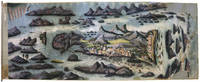
1849ABC_50166Macao 1849. Painting 350 x 150 cm. Watercolour on paper on contemporary wooden roll. A massive view of Macao from above painted in watercolours sometime in the second half of the nineteenth century during the era in which much of the trade in the area was beginning to shift from the old Portuguese colony to Hong Kong. The peninsula clearly labelled with the Mandarin toponym Àomén "Bay Gate" is very much the focus of the piece: it is depicted effectively as an island with the Chinese mainland across the isthmus abstracted away into just one of many rocks in the surrounding ocean.Macao is shown as mountainous and settled mainly on the western and southern shores with groups of white blue and yellow buildings. Many are labelled in Chinese or have yellow banners with Chinese writing on them flying above. Similarly the rocks in the surrounding waters are dotted with settlements and fortresses labelled in the same way.The seventeenth-century church of St Paul's stands in ruins at the heart of the settlement indicating that this piece was painted after 1835 when the building was gutted by a fire reducing it to its impressive frontage which remains one of the emblems of Macao to this day. Furthermore the Portas do Cerco Border Gate built in 1849 clearly appears in the northern wall across the isthmus. However none of the ships depicted are motorised suggesting that this view was still painted before the founding of the Hongkong Canton & Macao Steamboat company when steamships would have become a more common sight.The centring of Macao in what looks like a vast ocean littered with menacing rocks gives this painting an almost mythological aspect but the style is clear and realistic with the landmarks of the colonial settlement clearly depicted.Macao's strategic position on a peninsula connected to the mainland only by a narrow isthmus made it an attractive site for controlling trade in the Pearl River delta and in the region more broadly. Although initially founded as a commercial port by the Chinese in 1535 by 1557 the Portuguese had successfully negotiated a long-term lease of the island from the Ming dynasty and begun to settle there. Macao thus became the first enduring European colonial settlement in China and moreover was destined to become the last one as well being handed back to China in 1999.A beautiful monument to Macao's history in the days of its swansong as a Portuguese trading colony.Provenance: from an Italian private collection. The paper is brittle fragments have come away at the end some of these are gathered in a bag. A few larger tears down the painting however with minimal loss to contents. The painting is still clear and vivid. unknown
20786Pen and grey and brown ink grey wash on laid paper on an archival mount. Fine condition. Sheet size: 18 x 23 7/8 inches. Provenance: Dr. C.A. Pompe; G. Meijer; L. Houthakker with his collector's mark at lower right corner not in Lugt. A beautiful and very rare drawing of one of the most beautiful "Wunderkammern" of the day which later became the property of the Empress of Russia.<br/> <br/> This drawing shows the interior of the cabinet of curiosities of Catharina van Grovestins-von Schutz in the family house in The Hague. There is another earlier drawing of the same cabinet by the artist Daniel Marot the Younger 1695-1769 dated 1756 and currently in the collection of the Gemeentearchief in The Hague. This earlier drawing shows the interior just after it was completed but before the expanding collection necessitated certain improvements that are shown in the present drawing: additions include a shaped central cabinet bearing what may be a portrait bust of Catharina van Grovestins-von Schutz. Other improvements include the display shelves for taxidermy specimens that have been added between the built-in display cases and the architrave above; and the central bracketed display of coral and shells that was added above the fireplace. Catharina lady-in-waiting to Princess Anna of Orange employed the talents of the well-known naturalist and collector Arnout Vosmaer to help assemble the Cabinet. Vosmaer later commented in his memoirs that the cabinet was 'one of the most beautiful collections . covering every domain of nature" and noted that it was eventually sold to the Empress of Russia. The present drawing may perhaps have been intended as part of the successful attempt to sell the collection to the Empress The earliest cabinets were gathered together in the 16th century. They initially represented a genuine attempt to begin to understand the natural world but also came to be seen as an expression of the power and influence of the owner: the larger the 'wunderkammer' the more important the owner. They were the precursor to today's museums the most famous in England being the collection of Elias Ashmole 1617-1692. His private collection founded by the naturalist John Tradescant circa 1570-1638 was presented to Oxford University and opened to the public on 24 May 1683 as the Ashmolean Museum. One of the best known American examples was the Peale Museum founded in Philadelphia in 1784 for Charles Wilson Peale a painter and a scientist. His son Rembrandt Peale more famous today as a portrait painter subsequently established a 'branch' of the Peale Museum in Baltimore Maryland and this is now the oldest museum building in the Western hemisphere. The museum differed from the earlier more private collections in that it was always the Peales' intention to open the museum to the public. In its heyday the show included 90 specimens of mammals more than 700 bird specimens mounted in 'naturalistic' mini-dioramas a whole room of marine specimens about 4000 insects numerous minerals as well as their famous mammoth skeleton the first such display as well as scores of Peale's portraits.<br/> <br/> Cf. H. Engel Alphabetical list of Dutch Zoological Cabinets and Menageries Amsterdam: 1986; P. Fuhring Design into Art: drawings for architecture and ornament the Lodewijk Houthakker Collection London 1989 vol. II p. 761 #1102. unknown
Boldly signed and dated, without inscription, by Schumpeter upon front free endpaper. A revision of the 1942 first edition with new material appraising the social changes wrought by WWII. xiv, 411 pp. Index. Bookplate of Leo Kramer inside front board. In these emergent days of AI, robotics and blockchain technology, Schumpeter's concept of creative destruction, introduced in this work, has never rung more true. A 2016 study by Professor Elliott Green determined this book to be the third most frequently cited work in the social sciences published before 1950, according to Google Scholar. Swedberg chapter 7, Blaug p.216, Pressman p.161, Fundaburk 9545, Hutchinson 735. Book
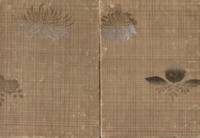
86003001Edo c.1700-50 n.p. Brown & silver covered boards very clean 7 double-page b.w. erotic woodblock illustrations mounted on mica flecked paper 18 x 25 cm. accordion folded illustration size: 31 x 12 cm. FIRST & ONLY UNRECORDED COPY! . . . . A VERY RARE UNRECORDED EARLY BOOK . . . A BIZARRE & UNIQUE EROTIC BOOK . . . UNSIGNED BUT CLEARLY THE WORK OF A MASTER ARTIST . BY SUKENOBU OR HIS :SCHOOL: . A unique and hitherto unfound odd and most unusual erotic book of the early-mid-18th century. One of the most bizarre erotic books ever done in Japan. . The graphically explicit work portrays men and women with genitals on their foreheads engaged in heterosexual and homosexual intercourse. There is no other book with such unusual and strange illustrations. . . THE TITLE: THE LEGEND OF AMANJAKU or AMAN NO JAKU: Chinese Title: TIAN XIE GUI YUN . THE MEANING OF AMANJAKU: Japanese Buddhist literature is abundant with variations on the theme of "Aman-No-Jaku" aka. "Amanjaku" "Manojaku" commonly understood to be a "Heavenly Evil Spirit." . This spirit or demon-like creature in Japanese folklore is usually depicted as being a male during the day and female at night. The demon is usually depicted as a kind of small Oni devil and is thought to be able to provoke a person's darkest desires and instigate him into perpetrating wicked deeds. . Amanjaku is also depicted in Chinese and Japanese mythology the AMANOJAKU is a changeling a water spirit that infiltrates the human world to play cruel tricks on people by reading their minds and twisting their requests or desires to be used against them. . The "AMANOJAKU" is also known the "Lord of the River" and in Japan serves Bishamonten one of the four Deva kings of Buddhism as a minor demon. See Wikipedia below. . In Japanese the term "Amanojaku" also refers to a person who is deliberately contradictory someone who argues for the sake of arguing or can be used in common Japanese conversation to refer to someone who is a "Perverted Demon." . THE ILLUSTRATIONS: THE BUDDHIST THEME:. This work is unusual in that the genitals of common people are located on their foreheads. A symbolist meaning can be in Buddhist concept that sex and sexual hedonism is openly on the minds of 'lay' people. The Buddha and his disciples on the other hand do not have sex organs on their foreheads meaning their organs are covered and in a different usual location. This can symbolize 'self control' over such biological energies. Devout Buddhist disregard sex as a pleasurable pastime and devote themselves to monastic focus. By contrast "lay" people are distracted with hedonistic pleasure a path away from rather than towards the Dharma or teachings of Buddhism. . In a sense this work illustrates the overwhelming force of evil or the "Amanojaku" and how it distracts people from the "Righteous Path" towards the Dharma and the ultimate goal of attaining Nirvana. It can be posited that this work is designed to give understanding to "lay" people by way of visual example of what forces direct their energies away from the Buddhist teachings in an effort to redirect them towards the "Righteous Path" and life style. . EXCEPTIONALLY RARE UNIQUE WORK: . The work is exceptionally RARE unusual and erotic there are no other example showing genitals on the foreheads of any other Japanese book cited anywhere in the bibliographic literature or record. . This work is certainly RARE in subject content and quantity. Though it was woodblock printed and unsigned which was usual for Japanese erotic works which were banned by the Shogun we have not found anything similar or recorded anywhere in the bibliography. Being woodblock printed one assumes there are other copies in existence. The average printing from woodblocks were somewhere between 100-200 copies. However in this instance no others exist. We have the strong feeling the book could have been the production of a famous Japanese illustrator and perhaps financed by a Buddhist temple again there are no known facts about this rarity. . THE EROTIC ILLUSTRATIONS: . Number 1: This work begins showing the Buddha flanked by two of his disciple monks. The title is written in four Japanese Kanji in Kambun & Chinese characters. The Buddha and his two disciples listen to two elderly Buddhist believers: one is a male he has and erect penis on his forehead. The other is a woman she has a vagina on her forehead. Neither the Buddha nor his two disciples monks show genitals on their foreheads. The couple have come to consult with the Buddha about their grievances. . Number 2: Shows a man and a woman in a Tatami matted room both wear lovely 18th century decorated Kimono. They embrace each other and are engaged in making love from their foreheads which show an erect penis and testicles inserted into the woman's forehead where her vagina is located. Adjacent to the young couple is an older woman who has become aroused by the adjacent couple's making love. The old woman uses a dildo tied to a post which she hugs while inserting the dildo into the vagina on her forehead. . Number 3: Shows a couple laying on a blanket their Kimono pulled down and opened and used as a top cover. They engage in love-making and kiss. The man has an erect penis on his forehead the woman a vagina on hers. There is some used Chirishi toilet paper just above her head on the floor used to wipe the love fluids. There is a folded package of yet unused Chirishi in readiness. Chishiri shown in Japanese Shunga erotic prints prints & paintings is an 'erotic symbol' indicative of sexual excitement with lots of love fluids flowing. Ergo the need for paper to clean up the results of erotic love-making. . Number 4 shows an adult man with an erect penis on his forehead penetrating the anus of a younger man who's smaller but erect penis is seen on his forehead as he faces his lover. The younger man has no pubic hair yet indicating his youth. . Adjacent to these two men is a woman in the next room. The door is open she is a secret voyeur of the two men. Her vagina is also on her forehead. A Shogi board and two bowls for stones is located in the front left of the illustration. Gay activities in Japanese society were accepted as a norm and were not especially unusual. However to find graphic examples in Japanese erotic books are exceptionally rare and seldom found. . Number 5: Depicts a fully clothed man on his knees he bends over a sleeping woman. He has a very large erect penis and begins to penetrate a woman with her vagina on her forehead. She is fully clothed and sleeping on a wooden "pillow" which supports her elaborate hair coiffeur. . Number 6: Depicts a lively scene of two men and a woman. One man with a very large and erect penis pulls the woman's arm toward him while she fends him off with a straight arm to his head. A second excited man also with a large and erect penis on his forehead masturbates and ejaculates in ecstasy. The woman has a vagina on her forehead. The scene is likely an intended rape of a young girl. She looks away in an effort not to allow him to pull her close enough to insert his penis into her exposed vagina. . Number 7: Illustrating a lonely old man in bed. He has an erect penis on his forehead and holds a kind of pot with a large opening. He faces down and inserts his penis into the pot for gratification. . THE TEXT: The text in Shunga erotic Japanese books & prints is often an erotic dialogue describing the erotic action. Often these words are onomatopoetic mimicking the sounds of people in orgasm or making comments about making love or the pleasure and good feelings. The size and hardness of the penis or the flavor and the juices of the vagina and its supple feelings of euphoria when engaged in love-making. All wear 18thcentury period Kimono. . MODE AND FASHION OF THE MID-18TH CENTURY: The room furnishing and Kimono of the participants in this work all wear 18th century period Kimono with period decorations. The style of Kimono and room screens reflect this period. . BINDING AND MOUNTING: Binding: The book has probably been rebound sometime after the 1750's with a more recent thin brown decorated paper with a silver chrysanthemum and a Mon family crest with gold and black on both front and rear covers. Each cover has a distinctly different kind of illustration but of the same theme. The corners and edges are a bit worn some loss to the paper as usual for a work from this period. . Mounting: At an earlier time each page was expertly mounted on a stiff Washi hand-made Japanese paper into an accordion folded book. Each illustration is bordered with a rare and stunning crushed oyster-shell powder mixed with rice-glue and overlaid on the border paper. The stunning effect is a rare shimmering pearl-like color and hue with a remarkable effect. This rare and largely unknown effect has been used for print backgrounds by some of the later masters. . This was no ordinary mounting and appropriate for an exceptionally and most unusual RARE book ! . Contents: By and large the contents are clean solid with a two old worm holes for the first 6 of 7 pages. These are small and towards the edge and does not detract from the overall quality of the illustration. On page 7 there are a few center margin old minor worm holes. All of these have been restored when the prints were laid down on the thick Washi paper creating book format. The work is otherwise solid and firm. There are a few 'rubs' on the old Washi paper which was made from very soft Kozo fibers common to any item of this period on this on handmade papers of the period. . CONDITION OF THE WOODBLOCK PRINTS: . These are very early black and white woodcut prints. Each print has an excellent and vivid impression key blocks are black and superbly printed with strong images. The paper is old and has the patina of paper from that age the usual minor mild surface rubbing or thumbing in the lower corners which is common. . We tend to be overly critical of any flaws found on our books and believe it is better to overly describe rather than avoid such discussion any imperfections. Suffice to say by and large this is an excellent item in very nice condition something that any collector or museum would be proud to own. Please review photos posted to our website. . R A R I T Y OF SUBJECT: The placement of the genitals on the forehead gives one a lot of room to theorize on the meaning of such artistic expression. In our 50 years of experience in dealing Japanese woodblock printed books and painted original art this is the first and only example with such imaginative and symbolist expression. With the beginning of the work showing the Buddha and his two disciples lacking any genitals on their foreheads one can simply assume that in a Buddhist way they have given up carnal desire as represented by common people who's foreheads display genitals perhaps meaning that sex is on their minds or they simply view others as sexual objects eager to make love and engage in carnal thoughts and activities. Obviously seeing an erect penis on some man whiles others see what he thinks and feels is an insight to his innermost thoughts and desires. In all cases in this book the men all show an erect penis. The women are a bit more difficult to fathom. Their vaginas are simply visible on their foreheads and no fluids are visible or other evidence of their carnal desire or sexually excited stated. All of the men have public hair adjacent to their sex organs while all women are lacking any pubic hair completely. This is an erotic symbolism giving full view to women's genitals. . "BANNED" or "PROHIBITED" BOOKS: Shun Pon Haru Bon: In the case of this item it is very likely that it was printed in a much smaller discreet quantity than the 200 copies possible off the blocks. Due to the "banned" nature of such books there is no date publisher nor place cited. One is simply left to determine the date and artist by stylistic analysis. It is well-known that during the Tokugawa period 1603-1868 erotic prints and books were "BANNED" or "PROHIBITED" by decree of the Shogun. One of the influencing factors was that during this period some Shoguns were changing their views and being influenced by Christians who entered Japan during this period. The Shogun did not want foreigners and Jesuit missionaries to think that Japan was a crass and base nation. Naturally foreigners soon learned that prostitution was rampant and so this strange logic from the Shogun never had much affect on the Christians and surely not on the Japanese. . The Shogun enforced severe punishments for persons involved in drawing printing carving blocks and publishing erotic books and prints. With out the "Kiwame" or censor's approval seal all such items were "Banned" outright by the Shogun decree. . While these "Prohibited" books and prints were widely circulated in an "underground" society there are ample examples of famous artists taking on commissions to produce erotic books and prints fun or profit. The record and bibliography is loaded with these examples. "Banning" such erotic works simply meant that the number printed were limited to smaller numbers and distribution was done under the table discretely circulating such books privately among collectors. During these times it was not necessary for artists to sign their such artistic creations by-and-large the population had a very good idea who the artist was by being familiar with their style and other works it was simply a "public secret" who the artist was. Often the artist poked fun at the Shogun with political jokes and assumed names to confound any chance of being discovered by the authorities. . Over the centuries this knowledge decreased and is now the domain of the art historian or scholar to identify and determine the actual artist. Stylistic analysis remains the standard method for unsigned works. . THE ARTIST/SCHOOLS: While there are no signatures or seals indicating the artist's name or even his alternate Go studio name we believe this work is part of the "Primitives and First Century of Ukiyo-e School 1660-1765" period. See Lane below. The women's coiffeur is very similar to those found in this period as well as the drawing style technique and genre. It is this cataloger's opinion that this work was likely the creation of one of the Moronobu School masters. Perhaps done by Sukenobu Yoshikiyo Morishige Sugimura Moronobu Kiyonobu Masanobu or others from this period. We believe this work was likely done from around 1710-1750. It was also likely that it was done by one of the artists listed below. . LIKELY ARTIST ATTRIBUTION: . MORONOBU SUKENOBU SCHOOL: Nishikawa Sukenobu 1671 -August 20 1750 often called simply "Sukenobu" was a Japanese printmaker from Kyoto. He was unusual for a Ukiyo-e in being based in the imperial capital of Kyoto. He did prints of actors but gained note for his works concerning women. His Hyakunin Joro Shinasadame: Appreciating 100 Women in two volumes published in 1723 depicted women of all classes from the empress to prostitutes and received favorable results His Hyakunin Joro Shinasadame: Appreciating 100 women in two volumes published in 1723 depicted women of all classes from the empress to prostitutes and received favorable results Leading members of this school were: Nishikawa Sukenobu the founder; Nishikawa Suketada; Kawashima Nobukiyo; Nishikawa Terunobu; and Takagi Sadatake. . NISHIKAWA MORONOBU SCHOOL: Nishikawa Moronobu 1618-July 25 1694 was a Japanese painter and printmaker known for his advancement of the Ukiyo-e woodcut style starting in the 1670s. Leading members of the MORONOBU school were: Nishikawa Moronobu the founder; Hishikawa Morofusa; Hishikawa Moroyoshi; Hishikawa Moronaga; Hishikawa Moroshige; Hishikawa Morohira; and Tamazaki Ryujo. . BIBLIOGRAPHY: . This title is NOT listed in any of the below resources: SHIBUI Kiyoshi. UKIYO-E NAISHI. BIBLIOGRAPHY OF JAPANESE EROTIC ILLUSTRATED WOODBLOCK PRINTED BOOKS. H. KERLEN. CATALOGUE OF PRE-MEIJI JAPANESE BOOKS & MAPS IN PUBLIC COLLECTIONS IN THE NETHERLANDS. Richard Lane: IMAGES FROM THE FLOATING WORLD THE JAPANESE PRINT; pages 28 40-60 show examples of the Ukiyo-e primitives 1660-1765 especially the Moronobu school pp.60-88 et al. . NOT LISTED IN: . KSM SHIBUI Kiyoshi: UKIYO-E NAISI. BIBLIOGRAPHY OF JAPANESE EROTIC ILLUSTRATED WOODBLOCK PRINTED BOOKS. Modern Reading: UKIYO-E NAISHI KERLEN H.: CATALOGUE OF PRE-MEIJI JAPANESE BOOKS & MAPS IN PUBLIC COLLECTIONS IN THE NETHERLANDS. Not in any other usual bibliographies on Japanese E-hon woodblock printed books. . See: WIKIPEDIA: http://en.wikipedia.org/wiki/Amanjaku . hardcover books
86003001Edo c.1700-50 n.p. Brown & silver covered boards very clean 7 double-page b.w. erotic woodblock illustrations mounted on mica flecked paper 18 x 25 cm. accordion folded illustration size: 31 x 12 cm. FIRST & ONLY UNRECORDED COPY! . . . . A VERY RARE UNRECORDED EARLY BOOK . . . A BIZARRE & UNIQUE EROTIC BOOK . . . UNSIGNED BUT CLEARLY THE WORK OF A MASTER ARTIST . BY SUKENOBU OR HIS :SCHOOL: . A unique and hitherto unfound odd and most unusual erotic book of the early-mid-18th century. One of the most bizarre erotic books ever done in Japan. . The graphically explicit work portrays men and women with genitals on their foreheads engaged in heterosexual and homosexual intercourse. There is no other book with such unusual and strange illustrations. . . THE TITLE: THE LEGEND OF AMANJAKU or AMAN NO JAKU: Chinese Title: TIAN XIE GUI YUN . THE MEANING OF AMANJAKU: Japanese Buddhist literature is abundant with variations on the theme of "Aman-No-Jaku" aka. "Amanjaku" "Manojaku" commonly understood to be a "Heavenly Evil Spirit." . This spirit or demon-like creature in Japanese folklore is usually depicted as being a male during the day and female at night. The demon is usually depicted as a kind of small Oni devil and is thought to be able to provoke a person's darkest desires and instigate him into perpetrating wicked deeds. . Amanjaku is also depicted in Chinese and Japanese mythology the AMANOJAKU is a changeling a water spirit that infiltrates the human world to play cruel tricks on people by reading their minds and twisting their requests or desires to be used against them. . The "AMANOJAKU" is also known the "Lord of the River" and in Japan serves Bishamonten one of the four Deva kings of Buddhism as a minor demon. See Wikipedia below. . In Japanese the term "Amanojaku" also refers to a person who is deliberately contradictory someone who argues for the sake of arguing or can be used in common Japanese conversation to refer to someone who is a "Perverted Demon." . THE ILLUSTRATIONS: THE BUDDHIST THEME:. This work is unusual in that the genitals of common people are located on their foreheads. A symbolist meaning can be in Buddhist concept that sex and sexual hedonism is openly on the minds of 'lay' people. The Buddha and his disciples on the other hand do not have sex organs on their foreheads meaning their organs are covered and in a different usual location. This can symbolize 'self control' over such biological energies. Devout Buddhist disregard sex as a pleasurable pastime and devote themselves to monastic focus. By contrast "lay" people are distracted with hedonistic pleasure a path away from rather than towards the Dharma or teachings of Buddhism. . In a sense this work illustrates the overwhelming force of evil or the "Amanojaku" and how it distracts people from the "Righteous Path" towards the Dharma and the ultimate goal of attaining Nirvana. It can be posited that this work is designed to give understanding to "lay" people by way of visual example of what forces direct their energies away from the Buddhist teachings in an effort to redirect them towards the "Righteous Path" and life style. . EXCEPTIONALLY RARE UNIQUE WORK: . The work is exceptionally RARE unusual and erotic there are no other example showing genitals on the foreheads of any other Japanese book cited anywhere in the bibliographic literature or record. . This work is certainly RARE in subject content and quantity. Though it was woodblock printed and unsigned which was usual for Japanese erotic works which were banned by the Shogun we have not found anything similar or recorded anywhere in the bibliography. Being woodblock printed one assumes there are other copies in existence. The average printing from woodblocks were somewhere between 100-200 copies. However in this instance no others exist. We have the strong feeling the book could have been the production of a famous Japanese illustrator and perhaps financed by a Buddhist temple again there are no known facts about this rarity. . THE EROTIC ILLUSTRATIONS: . Number 1: This work begins showing the Buddha flanked by two of his disciple monks. The title is written in four Japanese Kanji in Kambun & Chinese characters. The Buddha and his two disciples listen to two elderly Buddhist believers: one is a male he has and erect penis on his forehead. The other is a woman she has a vagina on her forehead. Neither the Buddha nor his two disciples monks show genitals on their foreheads. The couple have come to consult with the Buddha about their grievances. . Number 2: Shows a man and a woman in a Tatami matted room both wear lovely 18th century decorated Kimono. They embrace each other and are engaged in making love from their foreheads which show an erect penis and testicles inserted into the woman's forehead where her vagina is located. Adjacent to the young couple is an older woman who has become aroused by the adjacent couple's making love. The old woman uses a dildo tied to a post which she hugs while inserting the dildo into the vagina on her forehead. . Number 3: Shows a couple laying on a blanket their Kimono pulled down and opened and used as a top cover. They engage in love-making and kiss. The man has an erect penis on his forehead the woman a vagina on hers. There is some used Chirishi toilet paper just above her head on the floor used to wipe the love fluids. There is a folded package of yet unused Chirishi in readiness. Chishiri shown in Japanese Shunga erotic prints prints & paintings is an 'erotic symbol' indicative of sexual excitement with lots of love fluids flowing. Ergo the need for paper to clean up the results of erotic love-making. . Number 4 shows an adult man with an erect penis on his forehead penetrating the anus of a younger man who's smaller but erect penis is seen on his forehead as he faces his lover. The younger man has no pubic hair yet indicating his youth. . Adjacent to these two men is a woman in the next room. The door is open she is a secret voyeur of the two men. Her vagina is also on her forehead. A Shogi board and two bowls for stones is located in the front left of the illustration. Gay activities in Japanese society were accepted as a norm and were not especially unusual. However to find graphic examples in Japanese erotic books are exceptionally rare and seldom found. . Number 5: Depicts a fully clothed man on his knees he bends over a sleeping woman. He has a very large erect penis and begins to penetrate a woman with her vagina on her forehead. She is fully clothed and sleeping on a wooden "pillow" which supports her elaborate hair coiffeur. . Number 6: Depicts a lively scene of two men and a woman. One man with a very large and erect penis pulls the woman's arm toward him while she fends him off with a straight arm to his head. A second excited man also with a large and erect penis on his forehead masturbates and ejaculates in ecstasy. The woman has a vagina on her forehead. The scene is likely an intended rape of a young girl. She looks away in an effort not to allow him to pull her close enough to insert his penis into her exposed vagina. . Number 7: Illustrating a lonely old man in bed. He has an erect penis on his forehead and holds a kind of pot with a large opening. He faces down and inserts his penis into the pot for gratification. . THE TEXT: The text in Shunga erotic Japanese books & prints is often an erotic dialogue describing the erotic action. Often these words are onomatopoetic mimicking the sounds of people in orgasm or making comments about making love or the pleasure and good feelings. The size and hardness of the penis or the flavor and the juices of the vagina and its supple feelings of euphoria when engaged in love-making. All wear 18thcentury period Kimono. . MODE AND FASHION OF THE MID-18TH CENTURY: The room furnishing and Kimono of the participants in this work all wear 18th century period Kimono with period decorations. The style of Kimono and room screens reflect this period. . BINDING AND MOUNTING: Binding: The book has probably been rebound sometime after the 1750's with a more recent thin brown decorated paper with a silver chrysanthemum and a Mon family crest with gold and black on both front and rear covers. Each cover has a distinctly different kind of illustration but of the same theme. The corners and edges are a bit worn some loss to the paper as usual for a work from this period. . Mounting: At an earlier time each page was expertly mounted on a stiff Washi hand-made Japanese paper into an accordion folded book. Each illustration is bordered with a rare and stunning crushed oyster-shell powder mixed with rice-glue and overlaid on the border paper. The stunning effect is a rare shimmering pearl-like color and hue with a remarkable effect. This rare and largely unknown effect has been used for print backgrounds by some of the later masters. . This was no ordinary mounting and appropriate for an exceptionally and most unusual RARE book ! . Contents: By and large the contents are clean solid with a two old worm holes for the first 6 of 7 pages. These are small and towards the edge and does not detract from the overall quality of the illustration. On page 7 there are a few center margin old minor worm holes. All of these have been restored when the prints were laid down on the thick Washi paper creating book format. The work is otherwise solid and firm. There are a few 'rubs' on the old Washi paper which was made from very soft Kozo fibers common to any item of this period on this on handmade papers of the period. . CONDITION OF THE WOODBLOCK PRINTS: . These are very early black and white woodcut prints. Each print has an excellent and vivid impression key blocks are black and superbly printed with strong images. The paper is old and has the patina of paper from that age the usual minor mild surface rubbing or thumbing in the lower corners which is common. . We tend to be overly critical of any flaws found on our books and believe it is better to overly describe rather than avoid such discussion any imperfections. Suffice to say by and large this is an excellent item in very nice condition something that any collector or museum would be proud to own. Please review photos posted to our website. . R A R I T Y OF SUBJECT: The placement of the genitals on the forehead gives one a lot of room to theorize on the meaning of such artistic expression. In our 50 years of experience in dealing Japanese woodblock printed books and painted original art this is the first and only example with such imaginative and symbolist expression. With the beginning of the work showing the Buddha and his two disciples lacking any genitals on their foreheads one can simply assume that in a Buddhist way they have given up carnal desire as represented by common people who's foreheads display genitals perhaps meaning that sex is on their minds or they simply view others as sexual objects eager to make love and engage in carnal thoughts and activities. Obviously seeing an erect penis on some man whiles others see what he thinks and feels is an insight to his innermost thoughts and desires. In all cases in this book the men all show an erect penis. The women are a bit more difficult to fathom. Their vaginas are simply visible on their foreheads and no fluids are visible or other evidence of their carnal desire or sexually excited stated. All of the men have public hair adjacent to their sex organs while all women are lacking any pubic hair completely. This is an erotic symbolism giving full view to women's genitals. . "BANNED" or "PROHIBITED" BOOKS: Shun Pon Haru Bon: In the case of this item it is very likely that it was printed in a much smaller discreet quantity than the 200 copies possible off the blocks. Due to the "banned" nature of such books there is no date publisher nor place cited. One is simply left to determine the date and artist by stylistic analysis. It is well-known that during the Tokugawa period 1603-1868 erotic prints and books were "BANNED" or "PROHIBITED" by decree of the Shogun. One of the influencing factors was that during this period some Shoguns were changing their views and being influenced by Christians who entered Japan during this period. The Shogun did not want foreigners and Jesuit missionaries to think that Japan was a crass and base nation. Naturally foreigners soon learned that prostitution was rampant and so this strange logic from the Shogun never had much affect on the Christians and surely not on the Japanese. . The Shogun enforced severe punishments for persons involved in drawing printing carving blocks and publishing erotic books and prints. With out the "Kiwame" or censor's approval seal all such items were "Banned" outright by the Shogun decree. . While these "Prohibited" books and prints were widely circulated in an "underground" society there are ample examples of famous artists taking on commissions to produce erotic books and prints fun or profit. The record and bibliography is loaded with these examples. "Banning" such erotic works simply meant that the number printed were limited to smaller numbers and distribution was done under the table discretely circulating such books privately among collectors. During these times it was not necessary for artists to sign their such artistic creations by-and-large the population had a very good idea who the artist was by being familiar with their style and other works it was simply a "public secret" who the artist was. Often the artist poked fun at the Shogun with political jokes and assumed names to confound any chance of being discovered by the authorities. . Over the centuries this knowledge decreased and is now the domain of the art historian or scholar to identify and determine the actual artist. Stylistic analysis remains the standard method for unsigned works. . THE ARTIST/SCHOOLS: While there are no signatures or seals indicating the artist's name or even his alternate Go studio name we believe this work is part of the "Primitives and First Century of Ukiyo-e School 1660-1765" period. See Lane below. The women's coiffeur is very similar to those found in this period as well as the drawing style technique and genre. It is this cataloger's opinion that this work was likely the creation of one of the Moronobu School masters. Perhaps done by Sukenobu Yoshikiyo Morishige Sugimura Moronobu Kiyonobu Masanobu or others from this period. We believe this work was likely done from around 1710-1750. It was also likely that it was done by one of the artists listed below. . LIKELY ARTIST ATTRIBUTION: . MORONOBU SUKENOBU SCHOOL: Nishikawa Sukenobu 1671 -August 20 1750 often called simply "Sukenobu" was a Japanese printmaker from Kyoto. He was unusual for a Ukiyo-e in being based in the imperial capital of Kyoto. He did prints of actors but gained note for his works concerning women. His Hyakunin Joro Shinasadame: Appreciating 100 Women in two volumes published in 1723 depicted women of all classes from the empress to prostitutes and received favorable results His Hyakunin Joro Shinasadame: Appreciating 100 women in two volumes published in 1723 depicted women of all classes from the empress to prostitutes and received favorable results Leading members of this school were: Nishikawa Sukenobu the founder; Nishikawa Suketada; Kawashima Nobukiyo; Nishikawa Terunobu; and Takagi Sadatake. . NISHIKAWA MORONOBU SCHOOL: Nishikawa Moronobu 1618-July 25 1694 was a Japanese painter and printmaker known for his advancement of the Ukiyo-e woodcut style starting in the 1670s. Leading members of the MORONOBU school were: Nishikawa Moronobu the founder; Hishikawa Morofusa; Hishikawa Moroyoshi; Hishikawa Moronaga; Hishikawa Moroshige; Hishikawa Morohira; and Tamazaki Ryujo. . BIBLIOGRAPHY: . This title is NOT listed in any of the below resources: SHIBUI Kiyoshi. UKIYO-E NAISHI. BIBLIOGRAPHY OF JAPANESE EROTIC ILLUSTRATED WOODBLOCK PRINTED BOOKS. H. KERLEN. CATALOGUE OF PRE-MEIJI JAPANESE BOOKS & MAPS IN PUBLIC COLLECTIONS IN THE NETHERLANDS. Richard Lane: IMAGES FROM THE FLOATING WORLD THE JAPANESE PRINT; pages 28 40-60 show examples of the Ukiyo-e primitives 1660-1765 especially the Moronobu school pp.60-88 et al. . NOT LISTED IN: . KSM SHIBUI Kiyoshi: UKIYO-E NAISI. BIBLIOGRAPHY OF JAPANESE EROTIC ILLUSTRATED WOODBLOCK PRINTED BOOKS. Modern Reading: UKIYO-E NAISHI KERLEN H.: CATALOGUE OF PRE-MEIJI JAPANESE BOOKS & MAPS IN PUBLIC COLLECTIONS IN THE NETHERLANDS. Not in any other usual bibliographies on Japanese E-hon woodblock printed books. . See: WIKIPEDIA:. unknown
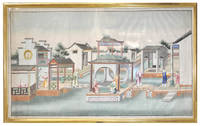
86803Possibly Canton ca.1820. . Two watercolours on paper 95 x 166 cm each; marginal tears some minor restoration light occasional marginal waterstains. Framed and glazed. Overall dimensions: 101 x 171 cm x 5cm.<br /> Very impressive large scale watercolours of Chinese scenes presumably executed for the Western market by an anonymous master and depicting internal and external views of a house. This type of export watercolours is usually found in a much smaller format; due to their very delicate nature it is very uncommon to find examples of such size as the present group and with the colouring still very fresh.<br /> Possibly Canton ca.1820]. unknown
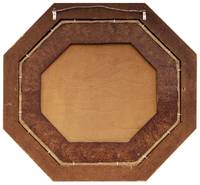
2008JC004<p>Vistas antigas do porto do Rio de Janeiro atribuídas à Escola de Rugendas.</p>_x000d_<p>Conjunto de dois óleos sobre tela apresentando craquelé na pintura devido á antiguidade das telas.</p>_x000d_<p>Dimensão das telas octogonais altura e largura: de 49x54 cm.</p>_x000d_<p>Molduras de madeira com forma octogonal altura e largura: de 60x66 cm.</p>_x000d_<p>Estes quadros são um par de belíssimas pinturas em formato octogonal tanto da pintura como da moldura representando o Rio de Janeiro: a vista da Baía de Guanabara com o promontório do Pão de Açucar muito distante e já fora do segundo plano. No primero plano o porto ou centro do Rio de Janeiro com cenas do quotidiano nas quais escravos tratam de colocar mercadoria e carregar fardos e um homem um senhor ou autoridade local caminha com um chapéu alto e um bastão. Em segundo plano a Igreja de Santa Luzia e o Aqueducto.</p>_x000d_<p>Trata-se de um panorâma do principio ou meados do século dezanove cerca de 1820-1840; pintado com a coloração própria da época com desenhos executados com a mestria de um traço rápido e preciso.</p>_x000d_<p>Ambos os quadros retratam a mesma igreja de Santa Luzia em dois momentos diferentes quando tinha uma e depois duas torres sineiras.</p>_x000d_<p>O quadro com a pintura a óleo colocado à esquerda na exposição representa o panorama que se pode observar à esquerda da Praia e da Igreja de Santa Luzia nomeadamente: o Aqueduto da Carioca o Morro de Santo António e o Morro de Santa Teresa.</p>_x000d_<p>O quadro com a pintura a óleo colocado à direita na exposição representa o panorama que se pode observar à direita da Praia e da Igreja de Santa Luzia nomeadamente: o Morro do Castelo com a Igreja de São Sebastião no seu cume e a Praia da Ajuda.</p>_x000d_<p>Estas obras tem origem na escola de pintura neo-clássica europeia pontificada no Brasil por dois pintores europeus: Rugendas e Debret. Ambos foram convidados pela Casa Imperial brasileira para irem ao Brasil efectuar levantamentos pictoricos de carácter artístico e cientifico.</p>_x000d_<p>Jean-Baptiste Debret ou De Bret Paris 1768 -1848 foi um pintor da Missão Artística Francesa 1817 que fundou no Rio de Janeiro a academia de Artes e Ofícios mais tarde Academia Imperial de Belas Artes. De volta a França 1831 publicou a Viagem Pitoresca e Histórica ao Brasil 1834-1839 documentando aspectos da natureza do homem e da sociedade brasileira no início do século XIX.</p>_x000d_<p>Johann Moritz Rugendas Augsburgo 1802 - 1858 foi um pintor alemão descendente de uma antiga família de artistas. Em 1821 aos 19 anos de idade acompanhou a expedição do Barão Georg Heinrich von Langsdorff ao Brasil e publicou em 1835 em Paris o seu célebre trabalho «Malereische Reise in Brasilien» Viagem Pictoresca Através do Brasil no qual retrata em belíssimas gravuras cenas do Brasil colonial. Rugendas foi testemunha ocular da coroação de D. Pedro I como Imperador do Brasil em 1822. No Rio de Janeiro fez amizade com os membros da Missão Francesa especialmente com Jean-Baptiste Debret 1768-1848. A essa fase da viagem correspondem a maioria de seus desenhos de plantas e de animais que permitiram aprimorar a técnica do desenho científico. Rugendas viajou para o México em 1831 e a partir de 1834 percorreu a América do Sul visitando o Chile a Argentina o Peru e a Bolívia. Em 1845 voltou ao Rio de Janeiro onde retratou os membros da família imperial e foi convidado a participar na Exposição Geral de Belas Artes. No ano seguinte partiu definitivamente para a Europa. Em troca de uma pensão anual e vitalícia cedeu sua colecção de desenhos e aguarelas ao rei Maximiliano II da Baviera.</p>_x000d_<p>EN Ancient views of the port of Rio de Janeiro attributed to the School of Rugendas.</p>_x000d_<p>Set of two oils on canvas showing cracks in the paint due to the antiquity of the canvases.</p>_x000d_<p>Dimension of the octagonal canvases height and width: 49x54 cm.</p>_x000d_<p>Octagonal wooden mouldings height and width: 60x66 cm.</p>_x000d_<p>This is a pair of beautiful octagonal paintings both the painting and the frame depicting Rio de Janeiro: the view of Guanabara Bay with the promontory of Pão de Açucar far in the distance and already out of the background. In the foreground the port or centre of Rio de Janeiro with scenes of daily life in which slaves are trying to put up merchandise and carry bales and a man a lord or local authority is walking with a tall hat and a stick. In the background the Church of Santa Luzia and the Aqueduct.</p>_x000d_<p>This is a panorama from the beginning or middle of the nineteenth century around 1820-1840; painted with the contemporary colouring with drawings executed with the mastery of a quick and precise stroke.</p>_x000d_<p>Both paintings depict the same church of Santa Luzia at two different times when it had one and then two bell towers.</p>_x000d_<p>The oil painting on the left of the exhibition depicts the panorama that can be seen to the left of the beach and the Church of Santa Luzia namely: the Carioca Aqueduct the Morro de Santo António and the Morro de Santa Teresa.</p>_x000d_<p>The oil painting on the right of the exhibition depicts the panorama that can be seen to the right of the beach and the Church of Santa Luzia namely: Morro do Castelo with the Church of São Sebastião on its summit and Ajuda beach.</p>_x000d_<p>These works have their origins in the European neo-classical school of painting personified in Brazil by two European painters: Rugendas and Debret. Both were invited by the Brazilian Imperial House to Brazil to carry out artistic and scientific pictorial surveys.</p>_x000d_<p>Jean-Baptiste Debret or De Bret Paris 1768 -1848 was a painter from the French Artistic Mission 1817 who founded the Academy of Arts and Crafts in Rio de Janeiro later the Imperial Academy of Fine Arts. On his return to France 1831 he published his <em> Viagem Pitoresca e Histórica ao Brasil Picturesque and Historical Journey to Brazil 1834-1839</em> documenting aspects of Brazilian nature man and society at the beginning of the 19th century.</p>_x000d_<p>Johann Moritz Rugendas Augsburg 1802 - 1858 was a German painter descended from an old family of artists. In 1821 at the age of 19 he accompanied Baron Georg Heinrich von Langsdorff"s expedition to Brazil and published his famous work 'Malereische Reise in Brasilien' Pictorialist Journey Through Brazil in Paris in 1835 in which he depicted scenes from colonial Brazil in beautiful engravings. Rugendas was an eyewitness to the coronation of Pedro I as Emperor of Brazil in 1822. In Rio de Janeiro he befriended the members of the French Mission especially Jean-Baptiste Debret 1768-1848. Most of his drawings of plants and animals correspond to this phase of the journey which allowed him to perfect the technique of scientific drawing. Rugendas travelled to Mexico in 1831 and from 1834 onwards he toured South America visiting Chile Argentina Peru and Bolivia. In 1845 he returned to Rio de Janeiro where he portrayed members of the imperial family and was invited to take part in the General Exhibition of Fine Arts. The following year he left for Europe. In exchange for an annual pension for life he gave his collection of drawings and watercolours to King Maximilian II of Bavaria.</p> SDC-99 unknown
10734Many fine extended images of musketeers in various positions firearms targets etc. Paper shiny with infused mica. Eleven vols. Narrow 8vo 234 x 105 mm. orig. semi-stiff blue boards some rubbing & wear silver endpapers with floral patterns orig. gilt paper labels on upper covers with manuscript titles several are missing. Japan: dated “August 1660†at end of each volume.<br /> <BR> <BR> An unusually large group of manuscripts collectively known as the “Inatomi ryÅ« hÅjutsu hidensho†稲富æµç ²è¡“秘ä¼æ›¸ “Secret Information Passed Down of the Inatomi School of Gunnery & Marksmanship.†At the end of all the volumes the “lineage†of this secret information is provided starting with Ichimu Inatomi 稲富一夢 1551-1611 who founded the Inatomi school of gunnery. We have never had such a large group of related manuscripts concerning the Inatomi school.<br /> <BR> <BR> European matchlock muskets hinawaju ç«ç¸„銃†were introduced to the island of Tanegashima Japan in 1543 by Portuguese traders. The Inatomi school of gun manufacturing and gunnery founded in the latter part of that century was also one of the leading marksmanship schools in early Japan employing hinawaju. This collection consists of 11 volumes the first six finely illustrated:<br /> <BR> <BR> 1. “Gokui ezu hoshi ita no sho†極æ„絵図星æ¿ä¹‹æ›¸. “Innermost Secret of the Bull’s-Eye Illustrated.†17 folding leaves.<br /> <BR> <BR> 2. “Sanju ni sÅ no tsutsukatame sho†三拾二相之ç’固書. “32 Ways to Hold the Musket.†69 folding leaves.<br /> <BR> <BR> 3. “Hoshizumi no sho†星ç©ä¹‹æ›¸. “Ways to Judge Target Accuracy.†5 folding leaves.<br /> <BR> <BR> 4. “Mezumi tezumi no sho†目ç©æ‰‹ç©ä¹‹æ›¸. “Method of Judging the Target by One’s Eye and Hands.†15 folding leaves.<br /> <BR> <BR> 5. “Setsugyoku no ezu†切玉之絵図. “Sizes of the Bullets Illustrated.†11 folding leaves.<br /> <BR> <BR> 6. “Nichigetsu ametsuyu aiai†日月雨露相åˆ. “Methods of Shooting Through the Year.†51 folding leaves.<br /> <BR> <BR> 7. “TeppÅ yakuson hiden no sho†鉄炮薬拵秘ä¼ä¹‹æ›¸. “Recipes for Making Gunpowder of Various Kinds.†21 folding leaves.<br /> <BR> <BR> 8. “Tama hoshiai no koto†玉星åˆä¹‹äº‹. “How to Choose the Bullet for the Target.†12 folding leaves.<br /> <BR> <BR> 9. “TeppÅ kokoromochi no sho†鉄炮心æŒä¹‹æ›¸. “Correct State of Mind When Shooting the Musket.†19 folding leaves.<br /> <BR> <BR> 10. “Gokui aka zumi no sho†極æ„朱ç©ã®æ›¸. “Innermost Secrets for Successful Shooting.†26 folding leaves.<br /> <BR> <BR> 11. “Hyaku jÅsan kajÅ mokuroku†百å三箇æ¡ç›®éŒ². “113 Situations of Shooting.†15 folding leaves.<br /> <BR> <BR> As mentioned above the first six manuscripts are beautifully illustrated in rich colors depicting Inatomi muskets methods of handling and aiming the musket and techniques of marksmanship. The first volume provides close-up illustrations of the muskets and methods of hitting bull’s-eyes. The next volume depicts 32 positions of musketeers in a series of 16 scenes; the classic considerations of marksmanship are shown: stance grip aim breath control trigger control and follow-through. The musketeers are finely rendered in black ink and heightened with flesh-colored wash. The muskets are painted in brown gold and silver pigments and rest on richly colored cushion mounts. The musketeers are all depicted nearly naked but wearing the most gorgeous loincloths made of richly colored fabrics including gold and silver in order to reveal correct body positioning. Each scene is well-annotated discussing the six fundamentals of accurate shooting. Included are measurements comments regarding whether the musketeer is short or tall how to hold the gun and squeeze the trigger which part of the body should be tense or relaxed how to place the barrel on a rest or foot to increase accuracy etc. Matters of shooting uphill or downhill are considered.<br /> <BR> <BR> The third volume is concerned with methods of judging accuracy a large target is shown and the fourth with coordinating eyesight trigger-finger control and accuracy. Eyes and fingers are depicted and well-annotated. The fifth volume depicts bullets of various calibers and weights. Vol. Six discusses problems of accuracy related to weather conditions throughout the year. Accuracy charts are given.<br /> <BR> <BR> The remaining five volumes are unillustrated. The seventh gives secret and precious family recipes for various kinds of gunpowder. The remaining volumes discuss technical and psychological matters to increase accuracy.<br /> <BR> <BR> In fine condition.<br /> <BR> <BR> ⧠Noel Perrin Giving Up the Gun. Japan’s Reversion to the Sword 1543-1879. unknown
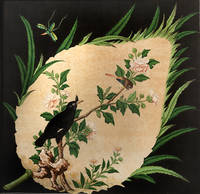
000588Painting. Very Good. No Binding. Signed by Illustrators. 8vo - over 7¾ - 9¾" tall. Central panel: 17.5x6.5 cm. Leaf: 24.5x16.5 cm. illustrated with animal and floral motifs. The portrait is tiny signed at the mid-right: "Raqm kamineh R.". Ink drawing with gouache embellished with gold on paper.
77Including two school badges one certificate of merit one diploma Five textbooks one VISA of Ecole municipale franco-Chinoise. Ten in total. Ecole municipale franco-Chinoise
191114938Chatham: School of Military Engineering May 1911. 765 by 1075mm. 30 by 42.25 inches. Colour lithographed map 40-section canvas-backed folding map at a scale of one inch to one mile This map of Hong Kong and the New Territories is one of the earliest maps to show the topography of Lantau Island and adjacent islands in detail. Hills are shown with contours and hachure shading with heights given in feet and villages are named. Cheung Chau called "Chung Island" is detailed but Lamma appears to have been only partially surveyed. The "Mouth of the Canton or Pearl River" runs along the left margin. Mountains of interest include Lin tau Lantau Peak at 3064 feet Victoria Peak at 1774 feet Ma On Shan at 2261 feet and Tai Mo Shan at 3130 feet. Part of the new single-track Kowloon Canton Railway which opened in 1910 is depicted between Tsim Sha Tsui and Sham Chun Sum Chun. This map is an early example of the topographical maps of areas of British political and commercial interest compiled by the Geographical Section General Staff of the War Office throughout the twentieth century. School of Military Engineering, unknown
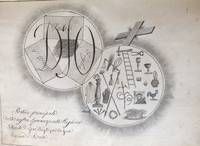
18242952Genoa 1824. <p>Manuscript on laid paper 4to 236 x 176 mm. 126 leaves foliated 3 1-3 1 4-42 1 43-51 1 52-61 1 62-103 1 104-118 complete. The numbered leaves containing one hundred and eighteen emblematic drawings all full-page explanations written on versos the unnumbered leaves containing the title 3 and 1/2-page introduction and section titles; most of the illustrations in landscape format. Calligraphic title text in brown ink in a neat cursive hand; the drawings in graphite pen-and-ink and gray wash a few with details in brown ink each within rule border with numbering at top gutter edge. Corner repairs to ff. 1-10 tears into ff. 9 and 104 a few other short marginal tears or fraying to edges ff. 100 and 101 with gutters reinforced on versos occasional minor offsetting or soiling. Late 19th-century half parchment and brown glazed paper manuscript title label on spine. <br /><br />An illustrated manuscript course of religious instruction for Deaf children by a pioneer of Deaf education in Italy using an original emblematic visual "language." <br /><br />By the early nineteenth century pre-modern misconceptions concerning the learning abilities of Deaf children had been largely exposed as false by such eighteenth-century pedagogues as the abbé Sicard and Charles-Michel de l'Epée in France each of whom founded schools for the Deaf and contributed to the development of a standardized sign language or Samuel Heinicke in Germany who implemented a different method of communication for the Deaf centered on oral speech. In Italy the most influential figure in the education of Deaf children was Ottavio Assarotti. As a young man Assarotti entered the order of the Piarists the Scuole pie. Founded in 1617 the Piarists' principal mission was and remains the provision of free education to poor and especially disabled children. After several years teaching theology and philosophy Assarotti set those disciplines aside to devote himself full-time to the development of an instructional program for Deaf children. Assarotti's method consisted in teaching the children not only reading writing and sign language but also a full range of humanist disciplines including science the arts and foreign languages. In 1805 he obtained financial support from Napoleon to found a school which after some delays was finally opened in 1811 in the former Bridgettine convent. After Napoleon's defeat the growing school received renewed support from King Vittorio Emmanuele I and its fame spread throughout Europe. <br /><br />"Assarotti made great use of sign language in his teaching . Directors of nearly all Italian institutes for deaf students flocked to learn from him and carried his method back with them. Pope Gregory XVI sent the new directors of the Rome Institute Padri Ralli and Gioazzini to study in Genoa with Assarotti. Upon their return to Rome they too used his techniques. How is it possible that a man so renowned and successful in his own time did not earn so much as one line of recognition in the historical accounts of other countries Perhaps the answer lies in the fact that Assarotti left no traces in written form of his philosophy and method. Had he done so not only would he have gained respect and notoriety outside Italy but perhaps the critical events soon to follow the subsequent dominance of "oralism" over sign language in Italy would have taken a different course ." Radutsky p. 245.<br /><br />In fact Assarotti wrote and may have published several texts for his pupils listed in DBI but not found in OCLC or ICCU. The present unpublished work was probably prepared for the use of instructors in the school. It contains a pictorial religious course of instruction using a complex but precise symbolic system to explain Christian doctrine and liturgy including the most abstract theological concepts. All the elements in the drawings are identified in captions of varying lengths and in various layouts. Names or words are often incorporated as visual elements of the emblems. While somewhat primitive the drawings' unique iconography is evocative and some have a powerful dreamlike quality.<br /><br />In the Middle Ages the Deaf were barred from the sacraments - and hence from marriage and any kind of normal life - because of the belief that they could not understand the word of God. While these strictures were loosened in 1571 thanks to Luther's influence prejudice against Deaf persons' abilities to achieve salvation subsisted partly because it was thought that they could not perform Confession. Hence the importance to early educators of the hearing-disabled of providing their pupils with comprehensive religious instruction as an essential foundation of their integration into society.<br /><br />The unnamed author of the introduction writing in the third person describes Assarotti's school and praises his religious zeal humanity and his understanding that Deaf people who had been previously "abandoned by society" are fully competent and indeed capable of the highest intellectual and spiritual attainment. The emblems the author explains will present to the Deaf student an easy transition from familiar material objects to those objects which are less material and from there to the most immaterial concepts of all. In doing so he or she will eventually absorb the entire Christian doctrine. The figures are described as Assarotti's own egli . ha inventato le figure che formano questo Libro . but whether the actual drawings are in his hand is uncertain. The introduction concludes with an explanation of the most frequently recurring emblematic figures. God is represented by a circle containing three rectangles which touch the circle and each other representing the Divine Trinity: flames emanate from the God the Father and Jesus rectangles toward the one representing the Holy Spirit a concept which is explained in the text as the reciprocal love between the two other Divine Persons. Jesus the man as opposed to his divine nature is shown by another circle helpfully inscribed "Uomo / Jesu' Cristo" and humans or human souls are represented by hearts although the meaning of the heart emblem varies throughout the manuscript. Further symbols introduced later are explained on the versos of the drawings.<br /><br />Contrasting with the approbation granted his pedagogical achievements Assarotti's religious views linked to the most mystical wing of the Ligurian Jansenists met with resistance from the church hierarchy and some of his theological writings were not approved for publication. The drawings of this manuscript provide a glimpse of an abstract mysticism which would certainly have been at odds with Catholic orthodoxy.<br /><br />The work is in five parts titled: Faith Fede ff. 4-42; Laws Legge 43-51; Prayer Preghiera 52-61; Sanctification Sanctificazione 62-103 and Virtue Vertù 104-118. The first part is a visual exposition of the Credo starting with God's attributes: his ubiquity is represented by the God and Jesus circles overlapping above a symbol of the world earth and heavens with the word DIO written repeatedly across the page; his omniscience by the God symbol at top sending down rays of light at center a man sitting under a tree and below that a well captioned "Abyss." Creation is a delightful drawing of fish in the seas flanking a mound representing the earth on top of which cavort animals under trees and within which are three large hearts linked to a central pole at the top and illustrating the three reasons that God created man: so that they might know love and enjoy him. The Church of Jesus Christ is an architectural drawing of a fortress. Heaven is a light emanating rays while Hell is a large vat whose opening is locked and barred. Virtuous souls are flaming hearts each with an open eye since they see God; sinful souls are spotted hearts with wilted stems instead of flames. These blemished hearts recur throughout the book for example behind bars in the vat of Hell; enchained by a similarly spotted Devil; in a genealogical tree descended from Adam and Eve; or clustered above Hell on Judgment Day opposite a crowd of pure haloed hearts trumpets sounding above and lightning striking the damned while divine light bathes the saved.<br /><br />The section on Laws contains various allegorical representations of the Ten Commandments. While some drawings amount to schematic tables demonstrating the relationships between theological concepts others are more pictorial. Reflecting no doubt Assarotti's personal mysticism all aspects of the divinity are abstract: there are no angels Madonnas or images of Christ. Crosses are shown but there are no Crucifixions and Christ's Passion appears as a circle containing the Arma Christi. The church hierarchy is represented by a papal tiara mitres and stoles. Human figures appear predominantly in the drawings of the sacraments and in representations of sin. In contrast with the invisibility of the divine Satin is personified as a grimacing devil and the seven deadly sins appear as animals and monsters poised above poisonous emissions from Hell's chimneys. <br /><br />That Assarotti's school used such manuscripts for teaching is supported by the existence of another manuscript very similar in content but lacking the title and two leaves offered by the Austrian antiquarian book firm Inlibris. Cf. Dizionario Biografico degli Italiani art. Antonella Dolci 4:433-4; E. Radutsky "The Education of Deaf People in Italy and the Use of Italian Sign Language" in Van Cleve ed. Deaf History Unveiled 1993 237-5; Rauthgundis Kurrer Gehörlose im Wandel der Zeit doctoral dissertation University of Munich 2013 available as a pdf online pp. 30-33.</p> unknown books
xii, 147, 2 [ads] pp. Index. "Beitrage zur Konjunkturforschung - Herausgegeben vom Osterreichischen Institut fur Konjunkturforschung nr. 1" - front cover. Text in German. In 1933 this work appeared for the first time in English as "Monetary Theory and the Trade Cycle". Hayek went on to share the Nobel Prize in Economics in 1974. Moderate wear to original brown paper wrappers. Binding sound. Small chip from top of backstrip. Top corners of last five leaves were folded. Several mostly imperceptible pencil erasures in first 66 pages. A well-preserved example of the first edition of this, Hayek's first book. Masui p.1277, Cohen 184, Cody & Ostrem B-1. Book
1909000140<p><strong>80 × 75 cm. Produced by KolaÄŸası Osman Nuri secretary of the Military School of Geography in 1323 AH 1907 AD.</strong></p><p>The map rarely includes a small inset map of the city of DirÊ¿iyyah in the Najd region together with additional inset maps of Medina ṬÄʾif Mecca and the harbor of Jeddah.</p> The Ottoman geographical military school, war press
92726Canton 1840s. . Landscape quarto 27 x 29 cm. 118 ink drawings each drawing on one side of fine double-folded paper with manuscript caption in English; several small marginal tears some spotting to one page. Contemporary pink wrappers; with tears and marginal losses.<br /> Fine collection of original drawings showing Chinese ceremonies scenes from the Imperial court portraits of Chinese nobility musical instruments traders and craftspeople each captioned in English. <br /><br />In the mid XVIII century the Emperor Qianlong implemented the Canton System 17571842 in China closing the ports across the country to focus all trade on the southern port of Guangzhou. The Pearl River delta region then became the centre for China's commerce and export industry which gave a push to the development of an artisan industry. Numerous craftspersons and artists in Canton were commissioned to produce various artworks for the European market. They "depicted those phases of Chinese life which fascinated the Westerner but defied descriptions to friends and family at home. Before the advent of the camera this medium played an extremely vital role in revealing Oriental culture to the West." Crossman The China Trade 1972.<br /> Alison Hulme The Changing Landscape of China's Consumerism Oxford 2014. Canton, [1840s]. unknown
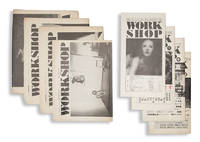
19882091202133210246Toho shuppan 1988. Soft Cover. Fine. Number of books: 22 books in total Toho shuppan paperback
98959c.1830. . Watercolour and gouache on vellum.<br />39.2 x 31.2 cm<br />Framed in perspex boxes: 39.5cm x 47.5cm x 5.5cm.<br /> a beautiful example from the school of 'the Raphael of flowers' the most celebrated botanical artist of his day.<br /><br />Redoute's patrons included two Empresses and two Queens and his prodigious talents placed him at the centre of French court life both before and after the Revolution. He was appointed drawing master to Marie Antoinette yet despite his connections to the Royal family he survived the Terror and went on to become the court and flower painter to Empress Joséphine. It was because of her patronage that Redouté undertook Les Liliacées which together with Les Roses constitute the artist's greatest works. Although Joséphine had died three years before the publication of Les Roses it was the unequalled collection of roses on her estate at Malmaison that provided the artist with his inspiration.<br /> c.1830. hardcover
- RARISSIMO PRIMO STATO DI SEI, dalla PRIMA EDIZIONE delle CARCERI - Acquaforte, bulino, tinta allo zolfo e bruniture, firmata in lastra in basso a destra. Tavola della PRIMA edizione delle 'Carceri'. Esemplare nel primo stato di sei secondo Robison. Magnifica prova, impressa su carta vergata coeva con filigrana "cerchio e giglio, margini di circa 8 mm, in ottimo stato di conservazione.Le 'Carceriì in prima edizione sono di eccezionale rarità. Secondo un censimento fatta da Andrew Robison, solo 16 esemplari completi dell'opera in prima tiratura sono noti nelle raccolte pubbliche di tutto il mondo.Senza dubbio la serie più nota e celebrata fra le opere del Piranesi. La serie è databile intorno al 1745, e comprendeva quattordici tavole, includendo il frontespizio che portava il titolo di Invenzioni Capric di Carceri all’acquaforte datte in luce da Giovanni Buzard in Roma, mercante al Corso. Una seconda stesura delle stesse, subito successiva, recava il titolo con il nome dell’editore giustamente corretto in Bouchard. E’ fuori di dubbio che l’idea, assolutamente innovativa, per la realizzazione di questa opera nasce da un collegamento molto stretto con la serie denominata Prima Parte di Architetture non solo per la vicinanza di tempo che intercorre tra i due lavori, ma proprio per il preciso intendimento ideologico che l’artista aveva in quel periodo in fatto di architettura. La serie venne ripubblicata dopo ben quindici anni, nel 1761, ampiamente riveduta e corretta. Il Piranesi non era nuovo a ripensamenti e variazioni sulle proprie opere, ma molto interessante è analizzare il motivo che lo indusse a riproporre, cambiandolo nella forma, questo importante lavoro. Le esperienze archeologiche condotte nello studio che porterà alle Antichità Romane (1756), le polemiche con architetti e le loro teorie del periodo, la consapevolezza di aver affinato ancora la propria tecnica stilistica, e il variato concetto architettonico lo indussero a mettere mano alle Carceri. E’ con questa nuova ed arricchita sapienza incisoria che l’artista va a ripescare le vecchie lastre, e dopo la rielaborazione, le ripresenta nel pieno della figura polemica e della lotta ideologica in fatto di architettura che in quegli anni conduceva. La riproposizione della serie rappresenta per il Piranesi un aspetto ben preciso, ovvero ripresentare, rinforzandolo, il messaggio polemico e di polemica architettonica già affrontato quindi anni prima. Lo scardinamento degli spazi e della prospettiva, della logica e di tutti i principi comuni affermati nei trattati, rottura totale con le leggi tradizionali e gli insegnamenti accademici dell’architettura. Due sono le tavole aggiunte nella seconda edizione, che quindi comprende il frontespizio e quindici lastre. Notevoli le differenze stilistiche tra il corpus dell’opera e le due nuove lastre, dove notevoli sono la complessità di struttura e di composizione architettonica, che dimostrano il cambiamento avvenuto in seguito allo studio archeologico dei grandi monumenti romani.Di diverso aspetto l’effetto emotivo che suscita la visione delle singole opere che compongono la serie, che con il loro aspetto malinconico costituiscono un elemento di perenne richiamo, di inesausta vitalità, e di estrema modernità. I ponti sospesi, le reti, i ballatoi, le scale e quanto altro presente nelle Carceri sono stati esame di numerosi studi, che una copiosa letteratura ha colto sin dal romanticismo, dando loro una grande popolarità, esaltandone le molteplici reazioni emozionali che le stesse conferivano. - THE VERY RARE FIRST STATE, from the FIRST EDITION of CARCERI -Etching, engraving, sulphur tint and burnishing, 1750, signed at lower right. From the Carceri set, from the first edition, first issue. Example in the first state of six described by Robison, from the contemporary roman edition.A magnific impression, printed with black ink on contemporary laid paper with "encircled fleur de lys" watermark, with small margins (about 8 mm), very good condition.The first edition of 'Carceri' is absolutely rare. According with Andrew Robison, there are only 16th complete set of the first edition and first issue preserverd in the libraries.Undoubtedly these is the best known and most celebrated series among the works by Piranesi. The series, datable around 1745, consisted of fourteen plates, with the title page bearing the title Invenzioni Capric di Carceri all’acquaforte datte in luce da Giovanni Buzard in Roma, mercante al Corso. In the second issue, immediately subsequent, the title presents the publisher’s name rightly corrected in Bouchard. There is no doubt that the innovative idea of this work comes from a very close connection with the series titled Prima Parte di Architetture not only for the proximity of the dates, but also because both the series reflect the Piranesi’s precise ideology on architecture.The series was re-published fifteen years later , in 1761. Robison 38 I/VI, Hind 12, Focillon 35.
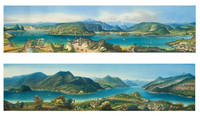
185020181Italy 1850. Pair of views gouache over faint etched line black gouache border. Period gilt and faux bois frames. Two splendid panoramic views of Lake Como and Lake Maggiore.<br/> <br/>Catering to the foreigners flocking to the region on The Grand Tour this pair of hand-painted prints beautifully depict the famed picturesque lakes with rich bands of blue highlighting the water and sky with the surrounding hills and mountains dotted with luxurious villas. In the view of Lake Maggiore we see from a very high vantage point the Borromean Islands: Isola Bella Isola Madre and Isola dei Pescatoriwith their extraordinary gardens. The view of Lake Como looks north up the lake towards Switzerland from above Bellagio which occupies the point at which the lake divides in two. The paintings are clearly intended as a pair the images being almost identical in size with matching black painted margins. The prints are as issued with black labels covering the original printed titles. unknown books
9333419th century. . Four Chinese Export paintings each finely painted in ink and gouache on paper with bird and flower scenes enclosed with floral cartouches on a dark ground.<br />Framed and glazed overall size: 52.3cm x 50.4cm x 3cm. <br /> <br /> 19th century]. unknown
105420c. 1850 . Folio 52 x 35 cm; an album of 38 pencil and watercolour plates all in colour except one interior scene in pencil inscribed and dated throughout 37 mounted on paper including one advertisement by Smith's one loose 14 blank pages at rear slight browning and fading throughout decorated endpapers; bound in nineteenth century morocco backed marbled boards spine gilt ruled and lettered green morocco label gilt lettered on upper board worn at extremities frayed; overall an attractive album.<br /> An unusual and amusing album of period pencil and watercolour plates. The numerous plates depict furniture street scenes including protests with placards a variety of costumes including military uniforms theatrical and various trades all English.<br /> c. 1850 hardcover
110755Tokyo Workshop Shashin Gakko September 1974-July 1976. . First editions; issue 1 loose sheets folded horizontally as issued 390 x 267 mm 15¼ x 10½ in issues 2-4 tabloids folded horizontally as issued 436 x 280 mm 17¼ x 11 in issues 5-8 narrow 4to 281 x 148 mm 11 x 5¾ in; black-and-white photographs printed in offset; issues 1-4 lightly toned occasional very minor spotting issues 3 and 4 with light wear to edges and short tear to spine at fold issues 5-8 wire-stitched photo-illustrated wrappers white printed in black lightly rubbed light handling marks oxidation to staples issue 8 with an abrasion to upper top right corner a very good to near-fine set; 16; 16; 16; 16; 72; 80; 72; 72pp.<br /> Workshop was the eponymous journal of Workshop Shashin Gakko. This independent photography school taught limited-enrolment classes by its co-founders Tomatsu Shomei Moriyama Daido Araki Nobuyushi Hosoe Eikoh Fukase Masahisa and Yokosuka Noriaki. Each photographer taught a workshop for a period of one year with a strong emphasis on one-to-one teacher-student relationships. During the first year Nakahira Takuma and Narahara Ikko also taught two additional two-month courses. The journal actively explored new trends in photography through essays and criticism by members of the group and others. Issue 4 was edited by Araki and was based on the simple theme of 'making photography' for this issue he contributed an essay on how to shoot good portraits. Issue 6 was the most controversial issue published in January 1976 which announced 'We Will Sell Photographs: An Exhibition of Photographs Selected by Twelve Photographers' which was issued to accompany an exhibition in February 1976 as an attempt to present photographs as commodities. At that time in Japan as elsewhere sales of photographs as works of art were virtually non-existent and there was some resistance to the idea most notably from Norio Asaki in Asahi Camera.<br /><br />The Workshop Photography School lasted from April 1974 until March 1976 but one last journal issue was issued in July 1976. This eighth issue featured 'A Roundtable Discussion with Names Withdrawn: Bashing Photography Magazines' in which the Workshop teachers set about challenging the conventional views of photography put forward by Asahi Camera and other photography magazines as well as criticising popular photographers including Kitai Kazuo and Shinoyama Kishin.<br /><br />The school continued briefly as Araki's Private Photo School until 1977 when Araki offered another one-year workshop. The Workshop Photography School paved the way for several independent galleries and organisations that followed such as Image Shop Camp Photo Gallery Prism and Photo Gallery Put.<br /> For a New World to Come 354-358. Tokyo, Workshop Shashin Gakko, September 1974-July 1976. unknown
39609French School late 16th century. Oil on panel 655 x 470 mm octagonal; originally part of a larger work; a vertical split running the length of the panel has an old expert repair on the reverse; housed in a recent frame. A beguiling sixteenth-century French portrait of a member of the Order of Saint Michael. The Order of Saint Michael Ordre de Saint-Michel was founded by Louis XI of France in 1469 as a response to the Burgundian Order of the Golden Fleece. It was the highest chivalric Order in France for over a century until the introduction of the Ordre de Saint Esprit in 1578. Its members included the French monarchy and the upper echelons of the French nobility as well as many important figures of the period such as Cesare Borgia James V of Scotland Edward VI of England Henry Stuart Lord Darnley and Robert Dudley Earl of Leicester on whom the Order was bestowed by the French monarch of the time. The Order was dedicated to the Archangel Michael whose image was engraved on the gold medallion presented to every member. However the Order's collar or chain which features twelve enamelled gold scallop shells - symbols of holy pilgrimage - remained its most prestigious insignia right up until 1830 when the Order was dissolved. Only three authenticated examples of the Collar of the Order of Saint Michael have survived: two in Dutch collections Rijksmuseum and Paleis Het Loo and one in France Musée de la Légion d'honneur.  unknown