Drweski BrunoLivre Rare Book

3 254 résultats
1999100118596Puf 1999 448 pages 13 6x2 4x21 4cm. 1999. Broché. 448 pages.
Very Good Persian Original decorative dark brown full leather bdg. 44 p. Printed on a special paper with an early 18th century watermark. The Advice by Attâr includes 901 couplet in Persian. Attar Persian poet, Sufi, theoretician of mysticism, and hagiographer, born ca. 540/1145-46 at Nisapur, and died there in 618/1221. His name was Abû ?âmed Mo?ammad b. Abî Bakr Ebrâhîm or, according to Ebn al-Fowatî, b. Sa'd b. Yûsof. ?Attâr and Farîd-al-dîn were his pen-names. It seems that 'Attâr was not well known as a poet in his own lifetime, except at Nisâpûr. 'Awfî, who traveled widely, may have heard about him while staying there , or perhaps from Majd-al-dîn Bagdâdî if this Majd-al-dîn was their common Sufi mentor, though Awfî appears to have only known about Attâr's lyric poetry. Farid al-din 'Attar is one of the most famous spiritual poets of Persia. His works were the inspiration of Rumi and many other mystical poets. 'Attar, along with Sana'i were two of the greatest influences on Rumi in his Sufi views. Rumi has mentioned both of them with the highest esteem several times in his poetry. Rumi praises 'Attar as follows: "Attar roamed the seven cities of love... we are still just in one alley." 'Attar reached an age of well over 80 and died a violent death in the massacre which the Mongols inflicted on Nishapour in April 1221. The world depicted in 'Attar's works reflects the whole evolution of the Sufi movement. The starting point is the idea that the body-bound soul's awaited release and return to its source in the other world can be experienced during the present life in mystic union attainable through inward purification. In explaining his thoughts, 'Attar uses material not only from specifically Sufi sources but also from older ascetic legacies. Apart from his two famous epic masnavi poems 'The Conference of the Birds' and 'The Book of God' he composed a Divan full of powerful, enlightened ghazals and ruba'is. The Pand-nama is a small book of wise, moral advice in short poems in rhyming couplets that is practical and spiritual... (Encyclopedia Iranica & Pand-nama : (Book of Wisdom) Selections Introduction). [EARLY FIRST PERSIAN EDITION of the ADVICE by ATTAR PRINITED in the OTTOMAN EMPIRE] Pend-i Attar. Published by Fâkîr Seyhzâde Es-Seyyid Mehmed Es'ad. Only two printed copies of this edition in OCLC: 819123862.; Türkiye'de basilmis Farsça eserler çeviriler ve Iran'la ilgili yayinlar bibliyografyasi [= Bibliography of the Persian books, their translations and books on Iran published in Turkey] 721.; Mushar -.
Good Armenian Full modern leather binding. An ex-library stamp on the colophon. Small 4to. (27 x 18 cm). In Armenian. 512, [8] p., engraved plates. Richly illustrated. Stains on pages and edges. Otherwise a good copy. Extremely rare first Armenian edition of Fenelon's "Telemaque". According to Abdolonyme Ubicini's account in his La Turquie actuelle (Paris 1855), Les Aventures de Télémaque was the most popular classic among Levantines in Istanbul in the first half of the 19th century, and it was translated into many languages besides Turkish and Arabic in the Ottoman Empire. The first printed version of a Greek translation dates from the 18th century, while an Armenian version by Ambroise Calfa was published in Paris in 1860. (The Ottoman Reception of Fénelon's Télémaque.; Meral, Arzu). The translator, Ambroise Calfa Nar Bey, Guy de Lusignan, (1831-1906), was a Franco-Armenian historian and linguist from the second half of the 19th century and the beginning of the 20th century. Ambroise Calfa is one of the three sons of Kévork (Georges) -Youssouf Calfa, an Armenian trader living in Constantinople, and Sophie Cantar (or Kantaroglou), daughter of an Armenian merchant or banker from the Ottoman capital. Member of several learned societies, including the Asian Society, Ambroise Calfa published several historical or linguistic works, including an Armenian Calligraphy (Paris, 1853), a work awarded at the Universal Exhibition of 1855, and, above all, an Armenian-French Dictionary ( Paris, Hachette, 1861) dedicated to Emperor Alexander II. (Wikipedia). Les Aventures de Télémaque, fils d'Ulysse (The adventures of Telemachus, son of Ulisses) with the original title is a didactic French novel by Fénelon, Archbishop of Cambrai, who in 1689 became tutor to the seven-year-old Duc de Bourgogne (grandson of Louis XIV and second in line to the throne). It was published anonymously in 1699 and reissued in 1717 by his family. The slender plot fills out a gap in Homer's Odyssey, recounting the educational travels of Telemachus, son of Ulysses, accompanied by his tutor, Mentor, who is revealed at the end of the story to be Minerva, goddess of wisdom, in disguise. OCLC 953068302 (One institutional copy in BnF). (Utopias from the Middle East 3).
Very Good Turkish, Ottoman (1500-1928) Original 1/3 leather bdg. in a traditional Ottoman style. Foolscap 8vo. (18 x 12 cm). In Ottoman script (Old Turkish with Arabic letters). 276 p. Third Edition. Very early edition of this first translation of Fenelon's "Telemaque"; made by Yusuf Kamil Pasha (1808-1876), under the influence of the leading French writers and thinkers like La Fontaine, Racine, Voltaire, Montesquieu, Rousseau; which introduced early Ottoman / Turkish literature to the utopian city called "Salante" for the first time. Özege 20335.; TBTK 10653.; This third edition cannot be found in OCLC. (Utopias from the Middle East 15).
Very Good Turkish, Ottoman (1500-1928) Original cloth bdg. Foolscap 8vo. (18 x 12 cm). In Ottoman script (Old Turkish with Arabic letters). [16], 318 p. Lithographed Edition. Early edition of this first translation of Fenelon's "Telemaque"; made by Yusuf Kamil Pasha (1808-1876), under the influence of the leading French writers and thinkers like La Fontaine, Racine, Voltaire, Montesquieu, Rousseau; which introduced early Ottoman / Turkish literature to the utopian city called "Salante" for the first time. Özege 20335.; This edition cannot be found in OCLC. (Utopias from the Middle East 2).
Very Good Turkish, Ottoman (1500-1928) In contemporary cloth bdg. Marbled boards. Serlevha colored in purple in its contemporary period. Roy. 8vo. (24 x 17 cm). In Ottoman script. [6], 360 p. Nevâdir-i Süheylî: Acaibü'l-meâsir ve garaibü'n-nevâdir. It is a widely read work and is a corpus of prose stories written in the period of Murad IV. In the work, which includes 204 stories under thirty-one chapters, Süheylî added stories from his own time to the corpus generally chosen from the Turkish-Islamic history as well. The stories, almost all of which were instructive and exemplary, were selected from various books in Arabic, Persian and Turkish, and the lessons to be learned at the end of each were written separately, and the adaptation path was followed in the translated stories. Hegira: 1276 = Gregorian: 1860. TBTK 774.; Özege 32. Second Edition. Five copies in OCLC: 163633062. Tahir, Bursali Mehmed, Ahlâk kitaplarimiz (Books on ethics) 46.
Very Good Turkish, Ottoman (1500-1928) Original illustrated wrappers. Folio. (33 x 24 cm). In Ottoman script (Old Turkish with Arabic letters). 32 p., richly ills. First published in any form of this symbolist poem, is the manifest of the attempt to settle in New Zealand by falling into pessimism, written during Sultan Abdülhamid II's tyranny period between two Constitutionalist regimes in the Imperial Ottoman, by Servet-i Fünûn literary scene leading of Ottoman poet Tevfik Fikret and his friends like Mehmed Rauf, Hüseyin Kadri, Dr. Esad Pasa, Hüseyin Cahit, Süleyman Nesip, Ahmet Hikmet Müftüoglu. In the westernization period, there is an escape especially the Servet-i Fünuncus to New Zealand, Scotland, and Finland. This escape can be seen as both alienation and help-seeking. Historical point of view, sociological research and in-depth analysis personal sufferings of intellectuals who attempted to escape can provide true findings and information, which can light this period, about the dualism of these intellectuals and their attempts to escape. Tevfik Fikret is one of the pioneers who symbolize this escape. Fikret does not leave the homeland, but in much poetry, he attributes a mission of escape and rescue to places in his poem. Places, where this mission is the most intense, are streets, Asiyan, grave, mosque, Istanbul, the parliament, palace, garden, and village. The first utopian texts in Turkish literature were dreams written in an effort to save the declining Ottoman State. In the period of Servet-i Fünûn [i.e. The Wealth of Sciences], which was a time of crisis, some utopias such as the Yesil Yurt [i.e. Green Land]. Fikret decided to go to New Zealand (after Manisa city) with friends from his literary circle. After a while, he changed his mind and began to construct a special house for his family on the Bosphorus, which he called "Asiyan" (meaning close friends). Asiyan was finished in 1906. New Zealand carries all the characteristics of a utopian place in this poem by Tevfik Fikret. (Utopias from the Middle East 13).
Very Good Turkish Original wrappers. 12mo. (16 x 12 cm). In Turkish. 16 p. First and only edition of this extremely rare pamphlet written by Turkish Islamist-Nationalist journalist Eygi, who criticizes the understanding of Islam in the 1960s, through the symbol of the first fictional utopian land and vision in Turkish literature called "Darürrahat" [i.e. The Door of Peace] in Ismail Gaspirinskiy (1851-1914)'s book "Darürrahat Müslümanlari" [i.e. The Muslims of Darrürrahat] published in 1887, in Kazan. Mehmed Sevket Eygi was a Turkish journalist, writer, columnist, and Holocaust denier. He had Islamist-nationalist views. After graduating from university in 1956, he worked as a translator at the Directorate of Religious Affairs for two years. Eygi began publishing the daily Bugün newspaper and its publishing house in 1966, where this book will also be published as the third book of the publishing house. While making this criticism, he used the first utopia text of Turkish literature called "Darürrahat Muslims" by Gaspirinskiy as a symbol. Ismail Gaspirinskiy (or Gaspirali) was an ideologist, author, journalist, publisher, educator, and major. Gaspirali's work called Muslims of Darurrahat (Comfortable Country) was published in 1891 after the first issuance in Tercuman Newspaper as the continuation of Letters of Frengistan. Cannot be found in any data as well as OCLC. (Utopias from the Middle East 1).
21 cm, brossura editoriale con risvolti; pp. 160, alcune tabelle nel testo
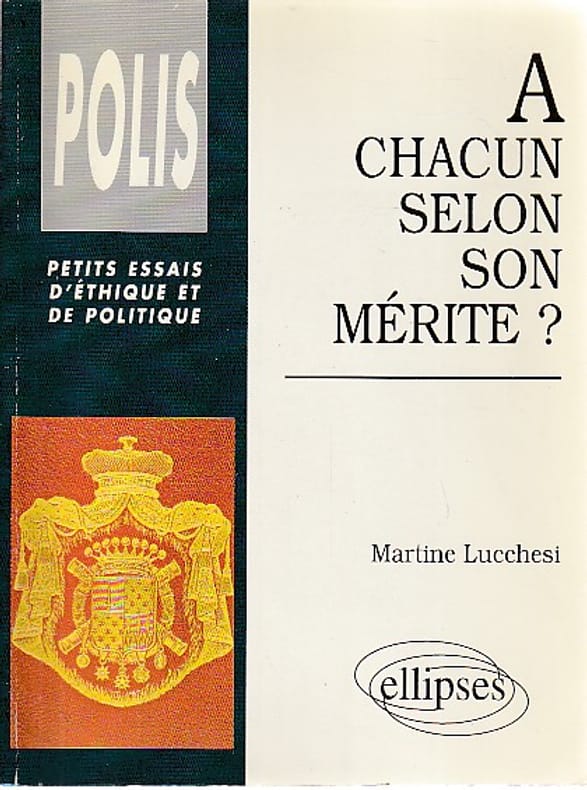
62824Ellipse, Polis, 1996, ENVOI autographe de l'auteur, 110 pp., broché, légères traces d'usage, état correct.
118 pages. Bibliography. "Examines the commonalities between the two cultures and explores the differences in depth." - from back cover. Unmarked. Light wear. Nice tight copy. Book
br. Questa collana ospita brevi testi filosofici di diritto, morale e politica scritti da autori classici. Diretta da Marina Lalatta Costerbosa e Andrea Porciello, "Elephas" nasce dal convincimento che il sapere critico non possa crescere se non nella condivisione, nel confronto, nella trasmissione delle idee. Per questo fine, insieme alla discussione pubblica, è irrinunciabile la memoria collettiva che ne assicuri lo sfondo e le condizioni di attuazione. "Elephas" suggerisce questo desiderio di ricordare, di ripensare a pagine che per il caso, le vicissitudini, le mode, talvolta rimangono nell'ombra.
1964sd1454Masson et Cie, Presses Universitaires de France Broché 1964 In-8 (16,5 x 25 cm), broché, 210 pages ; petit trou au mors supérieur en queue, par ailleurs bel état. Livraison a domicile (La Poste) ou en Mondial Relay sur simple demande.
36789aafParis, Masson, 1954, gr. in-8°, 211 p., non rogné, timbre sur page de titre, brochure originale.
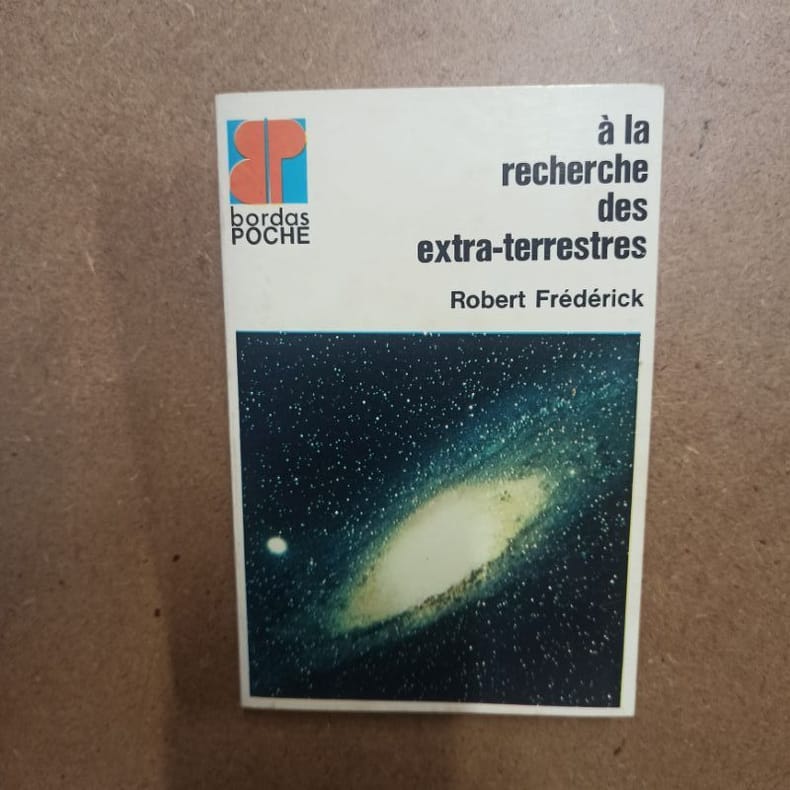
19735611973 - broché - Editions Bordas - Collection "Bordas Poche" N° 3 - 1973 - In-12 (16,5 x 11 cm) broché - 126 pages - Illustrations et photographies principalement en noir et blanc
br. Il concetto di libero arbitrio è essenziale per le nostre relazioni interpersonali e le pratiche morali e giuridiche. Se risultasse che nessuno è mai libero e moralmente responsabile, che cosa vorrebbe dire per la società, la moralità, la vita di tutti i giorni? Daniel Dennett e Gregg Caruso presentano le loro argomentazioni pro e contro l'esistenza del libero arbitrio e ne discutono le implicazioni. Dennett sostiene che il genere di libero arbitrio richiesto per la responsabilità morale è compatibile con il determinismo. Caruso è di parere opposto: per lui, quel che siamo e ciò che facciamo rappresentano, in ultima analisi, il risultato di fattori che sono al di là del nostro controllo, e per questo non siamo mai moralmente responsabili delle nostre azioni nel senso che ci renderebbe davvero meritevoli di biasimo o di lode, di punizione o di ricompensa. "A ognuno quel che si merita" introduce i concetti centrali del dibattito sul libero arbitrio e sulla responsabilità morale mediante un dialogo filosofico coinvolgente, rigoroso e talvolta acceso tra due eminenti pensatori.
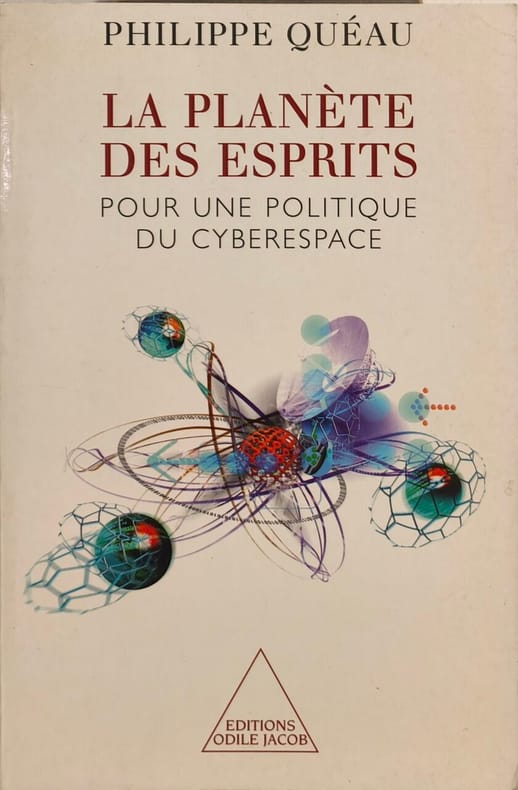
20005478Odile Jacob 2000 329 pages 14 4x2 4x23 2cm. 2000. Broché. 329 pages. Dans cet essai le philosophe Philippe Quéau analyse l'impact profond de la réalité virtuelle et du cyberespace sur nos sociétés. Il interroge comment ces technologies transforment nos perceptions du monde nos relations sociales et notre conception même du réel tout en appelant à une réflexion politique pour orienter cette révolution numérique
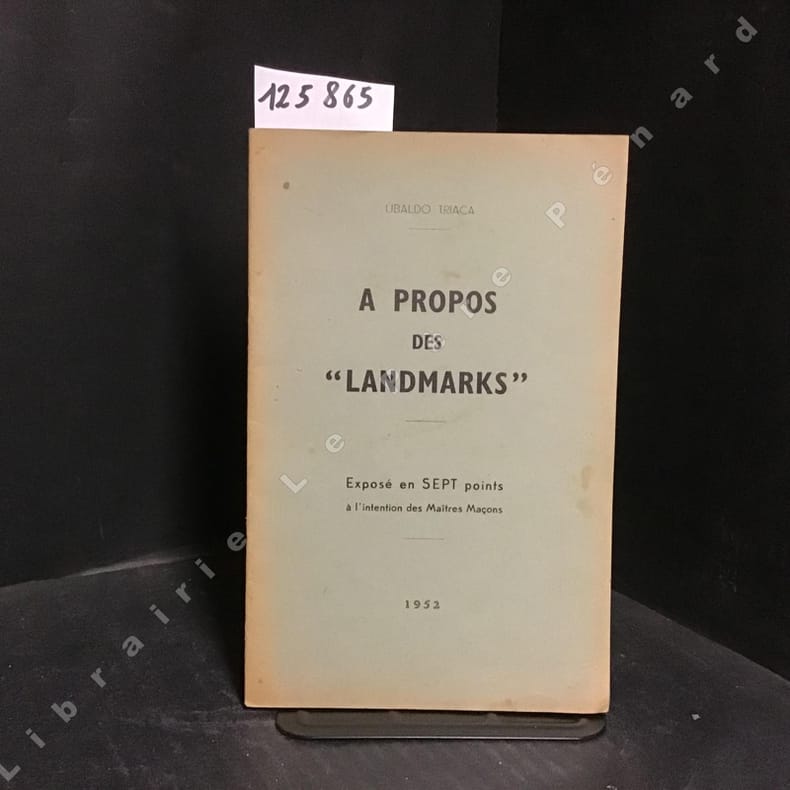
19521258651952 Imprimerie A:. Montourcy, Paris - 1952 - Plaquette in-8 agrafée de 32 pages
grand in-8°, 259 pp., broche, couverture illustree. Tres bon etat. [CL-2]
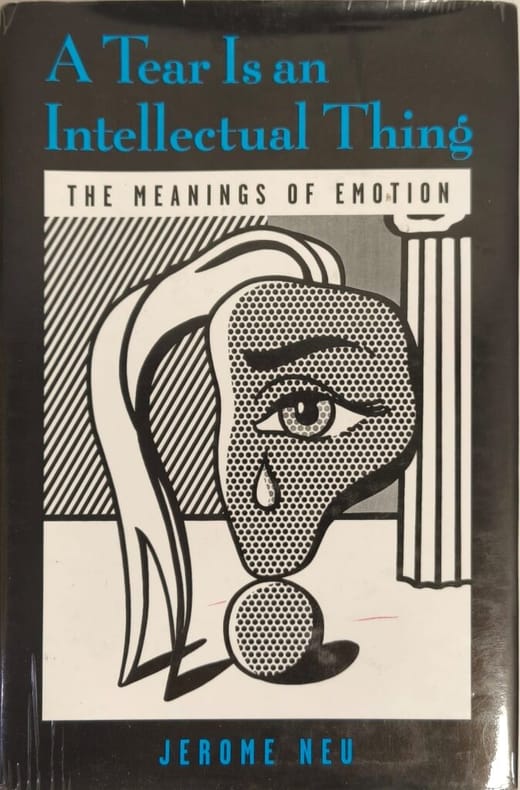
20005530Oxford University Press 2000 352 pages 16 21x2 77x23 52cm. 2000. Relié. 352 pages. Cet ouvrage de Jerome Neu explore la nature complexe des émotions à travers une approche interdisciplinaire mêlant philosophie et psychanalyse. Il examine des questions telles que la perversion du désir sexuel l'inceste la fierté dans les politiques identitaires et la relation entre compréhension émotionnelle et liberté s'inspirant de l'espoir spinoziste que comprendre nos vies peut nous rendre plus libres
in-8°, 379 pages, broch2, couverture illustr2e. Exemplaire DEDICACE par l'auteur à Françoise MALLET-JORIS. [AZ]
198613861Seuil 1986 448 pages 15x24x3cm. 1986. Broché. 448 pages. Henri Atlan propose de substituer un dialogue permanent entre science et mythe contre les dogmatismes. Il montre qu'il existe plusieurs rationalités légitimes pour appréhender la réalité issues de la science du mythe du discours mystique et de la métaphysique
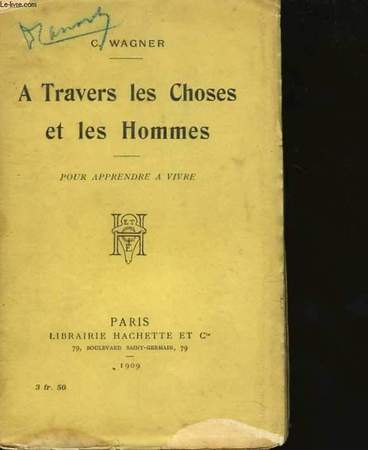
1909ROD0003108Hachette. 1909. In-12. Broché. Etat d'usage, 1er plat abîmé, Dos abîmé, Intérieur bon état. 296 pp.. . . . Classification Dewey : 170-Ethique
br. Di aborto non si parla quasi mai. Quando succede si abbassa lo sguardo e il tono della voce. A meno che non ci si trovi di fronte a un dibattito politico e allora i toni sono infuocati e i termini apocalittici: strage degli innocenti, genocidio legalizzato, donne assassine. Anche chi è a favore della legalità dell'aborto e della possibilità di scelta della donna difficilmente è a proprio agio. Spesso ci si affretta a compilare un elenco di attenuanti per giustificare la scelta di abortire, per poi aggiungere: "Tutti sanno che è un trauma". Ma lo è davvero? E lo è necessariamente? Chi sceglie di abortire subisce, nella maggioranza dei casi, un giudizio morale negativo. Abortire è sempre sbagliato. Il non soffrire, poi, è inconcepibile: sarebbe una forma di negazione e di rifiuto per un dolore troppo grande da essere intollerabile. È stata perfino inventata una nuova patologia per questa sofferenza: la sindrome post-abortiva (SPA) che colpirebbe tutte le donne che decidono di interrompere la gravidanza. "A" racconta come la vergogna, il silenzio, la paura intorno all'aborto vengano quotidianamente costruiti attraverso un potente sistema culturale e con la complicità della religione, del cinema e della tv. Se il dolore dell'aborto è esasperato, la depressione post-partum, il rifiuto nei confronti di un figlio o i vissuti conflittuali materni sono spesso taciuti, nascosti dietro a una retorica della maternità concentrata unicamente sul miracolo della riproduzione.