3 895 résultats
191355306London: The Fine Art Society 1913. First English edition. Hardcover. Good to fine condition. Folio. 8 51pp. text 77 1 leaves plates. Uncut. Original gilt-stamped three-quarter vellum over decorative paper-covered boards with Bakst signature stamped to cover gilt lettering on green leather label and gilt ruling on spine. Top edge gilt. Mounted photogravure frontispiece portrait of Leon Bakst with his facsimile signature below gravure. Title page printed in red and black. Historiated head- and tailpieces after Bakst. Chapter titles and initials printed in red.<br /> <br /> Lev Samoylovich Rosenberg Bakst painter and stage designer realized his greatest artistic success in the Alesandrinksy and Maryinsky theaters and later from 1901 to 1921 with Diaghilev at the Ballet Russe where he designed more productions than any other artist. Theater and costume designs for more than ten ballet works appear in this splendid edition containing 77 tipped-in plates all but one after Bakst 4 of them folding and 50 in full color with pochoir highlights. <br /> <br /> The striking plates of Leon Bakst's stage sets and costumes for the Ballet Russe are accompanied by synopses of the plays by Jean Cocteau for whom they were designed. Bakst’s brilliant control of color line and decoration give his stage pictures a visual rhythm. Color and chromatic combinations were used emotionally and sensuously. The splendid costumes are richly decorated with a myriad of motifs and decorative shapes. Captions for each plate on facing plates. <br /> Covers with minor smudging interior in near fine to fine condition.<br /> <br /> Binding with some rubbing on front over and spine. Title page with small inked initials HTK. Interior and plates in fine condition. The Fine Art Society hardcover
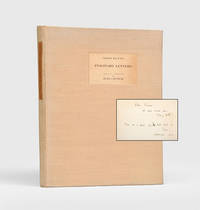
1928166236Paris: Edward W. Titus 1928. A rare inscribed copy First edition limited issue number 55 of 250 numbered copies on large paper; this a presentation copy and is inscribed by the author on the front free endpaper "Peter Teigen all good wishes from Mary Butts. part of a part of my best part of Paris. September 1928". Butts met the recipient through one of her closest friends Harcourt Wesson Bull who recalled their escapades in Paris in 1928 "at a time when sheer pleasure-seeking was neither shaming nor dull". Butts took a liking to his friend Teigen whom she nicknamed "Mr. Peter Tiger". Imaginary Letters is a fictional tale of gay heartbreak in 1920s Paris comprised of eight letters written to the mother of a young Russian by one of his exasperated and possibly infatuated friends. It was the first book that Cocteau illustrated aside from his own publications. Square octavo. Copper-engraved frontispiece and 3 plates all after original drawings Jean Cocteau. Original tan cloth paper labels printed in dark red on spine and front board edges uncut. Housed in a custom paper jacket and linen-reinforced card slipcase author and title written in manuscript on rear. Spine ends gently bumped covers and labels toned a few marks to covers text block a little foxed gutter just cracked at pp. 24-5; slipcase toned: a very good copy. Harcourt Wesson Bull "Truth is the Heart's Desire" in Chrisopher Wagstaff ed. A Sacred Quest: The Life and Writings of Mary Butts 1995. hardcover
EXE-259Paris, Draeger, s.d. [1924]; in-folio, en feuilles, couverture imprimée. 11 planches imprimées en couleurs Tirage sur vélin, seul papier. Catalogue publicitaire édité par les frères Draeger pour leur propre firme. La dynastie Draeger régna sur le monde de l’imprimerie pendant près d’un siècle. Perfectionnement des procédés d’impression, innovation, créativité donnèrent à Draeger une renommée bien au delà de la France. Mais c’est entre les deux guerres que la firme connut son apogée. En collaborant à la fois avec des artistes renommés tels Iribe, Dupas, Lepape, Benito, Loupot ou Cassandre et avec des écrivains en vue tels Colette ou Cocteau, elle diffusera des plaquettes publicitaires de grande qualité dans le monde entier.
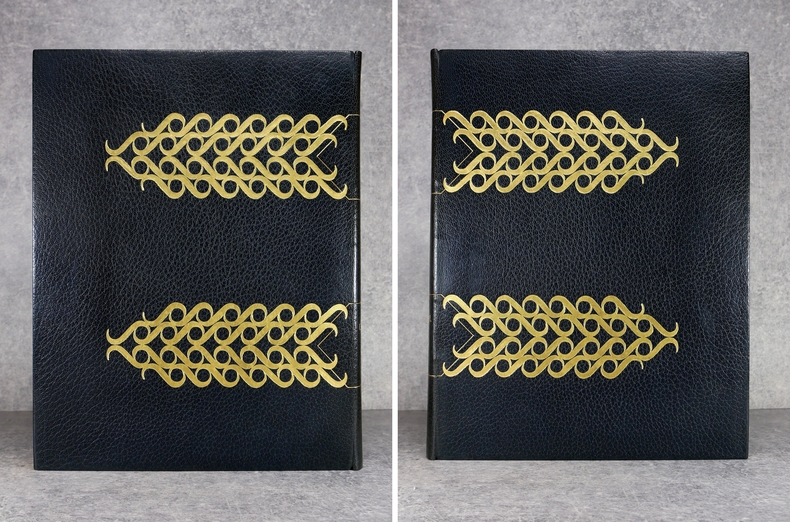
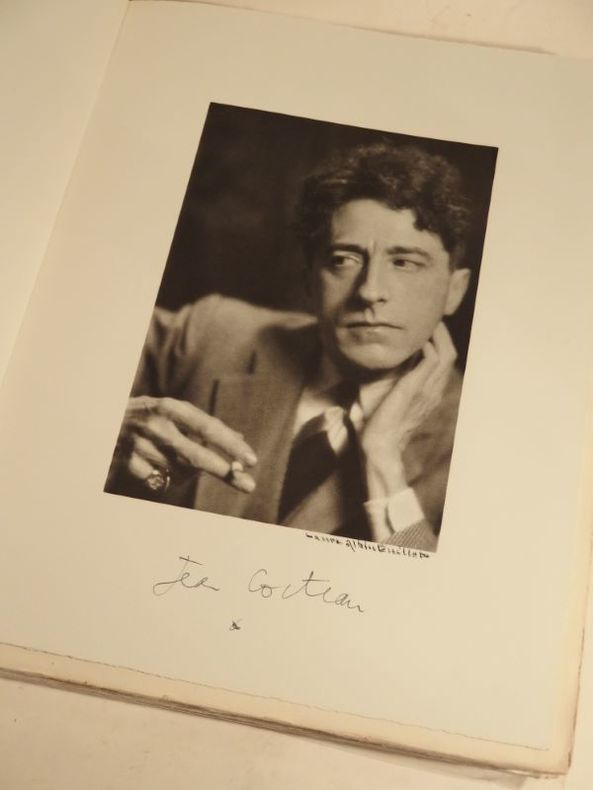
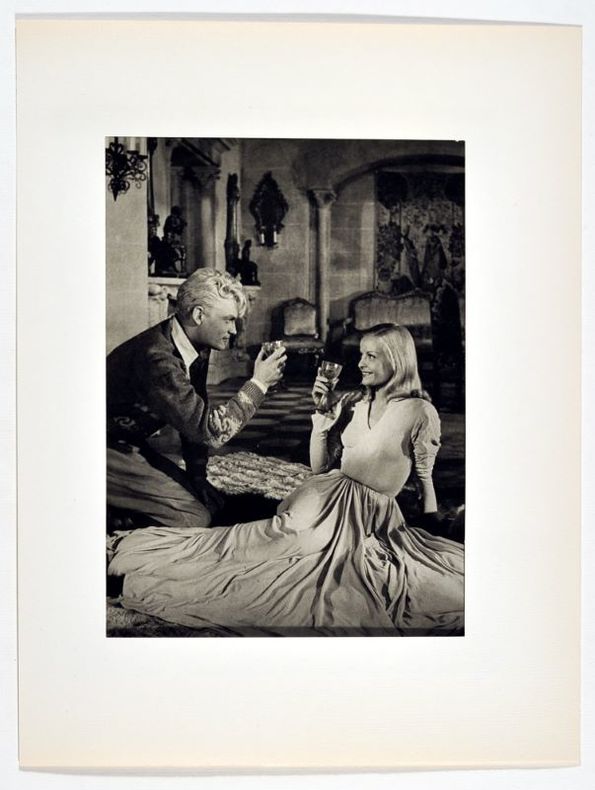
19473681PARIS 9°. NOUVELLES EDITIONS FRANCAISES. 1947. IN-4 (34 X 26,5 X 5,5 CENTIMETRES ENVIRON) DE 156 PAGES, RELIURE PLEIN MAROQUIN BLEU NUIT, PLATS ORNES D’UN DECOR GEOMETRIQUE DORE, TITRE ET TETE DORES, COUVERTURE ET DOS CONSERVES, SOUS ETUI BORDE (MICHEL KIEFFER, RELIEUR). TEXTE IMPRIME EN ROUGE ET EN NOIR, AVEC DE BELLES LETTRINES. ILLUSTRE DE 21 PHOTOGRAPHIES HORS TEXTE DE LAURE ALBIN GUILLOT, TIREES DU FILM REALISE EN 1943 AVEC MADELEINE SOLOGNE ET JEAN MARAIS, REPRODUITES EN NOIR ET BLANC, TIREES SUR LES PRESSES HELIOGRAVURES DE DRAEGER FRERES, ET PRESENTEES CONTRECOLLEES SOUS MARIE-LOUISE. PREMIER TIRAGE LIMITE A 625 EXEMPLAIRES NUMEROTES. UN DES 25 EXEMPLAIRES SUR ARCHES NUMEROTES EN CHIFFRE ROMAINS DE XXVI A L, CELUI-CI PORTANT LE NUMERO XXXVII, COMPORTANT LE PORTRAIT PHOTOGRAPHIQUE ORIGINAL DE JEAN COCTEAU PAR LAURE ALBIN GUILLOT SUR PAPIER DE RIVES SENSIBILISE, SIGNE AU CRAYON PAR L’AUTEUR ET PAR LE PHOTOGRAPHE, ET UNE SUITE DES 21 PHOTOGRAPHIES HORS TEXTE. DE LA BIBLIOTHEQUE DE GERALD LEISING AVEC SON EX-LIBRIS ET LA MENTION MANUSCRITE «SOUVENIR DE JEAN MARAIS». BEL EXEMPLAIRE.
9350Paris, Nouvelles éditions françaises (héliog. Draeger), 1947. In-folio en ff. libres, 147-(5) pp., sous couverture rempliée, chemise et étui (défauts à l'étui, sinon bel exemplaire).
194375328S. n. | 1943 | 29 x 22.80 cm | une photographie
37961Montrouge : Draeger 1929. Quarto 290 x 200 mm metal spiral binding silvered boards the upper board with 8 circular ""windows"" allowing glimpses of the stunning illustrated title leaf a serigraph of a cubist-stye poster for the theatre designed by Jean Carlu which is printed on black with six colours in pochoir; 24 leaves with numerous full-page b/w heliogravure photographic illustrations by Germaine Krull and four-page preface with facsimile of a handwritten text by Jean Cocteau; a virtually pristine example accompanied by the original manila mailing envelope. Rare original edition of the brochure published to coincide with the opening of the Théâtre Pigalle in October 1929. The publication's machine-age aesthetic is in complete harmony with the design concept of this legendary theatre. 'The Théâtre Pigalle was a theatre in Paris located in the rue Pigalle in the ninth arrondissement. Opened on June 20 1929 financed by Philippe de Rothschild on the estate of his father Henri de Rothschild the Rothschilds' ambition was to construct the most modern theatre in the world. The architects Charles Siclis Henri Just and Pierre Blum were sent through Europe to research the latest technical developments in theatre design. Graphic artist Jean Carlu designed two well-known posters emphasizing its machine-age image. André Antoine was hired as art director and Gabriel Astruc as manager. Antoine was replaced after two years with Gaston Baty following a disagreement with Rothschild. The 1500-seat venue opened with Sacha Guitry's piece Histories of France. The great German impresario Max Reinhardt staged a production of Die Fleidermaus here in November 1933. Through the 1930s and the war directors and performers here included Louis Jouvet the 1931 premiere of Judith written by Jean Giraudoux the brothers Émile Isola and Vincent Isola Raymond Rouleau and many others. Although the venue had been ""furnished with four elevators an immense switchboard and a vast amount of complicated theatrical machinery"" Jouvet for one found it challenging to make it work theatrically. After the failure of Claude Vermorel's Thermidor in 1948 the theatre closed its doors. The site was sold in 1958 and an automobile garage built on the site.' Wiki. hardcover
1923D17821Paris: Librairie Stock 1923. First Edition. Paperback. Near Fine. 4to original printed wrappers; custom cloth clamshell box. 129 reproductions of his drawings plus an original pen drawing of a dog captioned and initialed by Cocteau on front blank. <br/><br/> Librairie Stock paperback books
195749082Paris: Grasset 1957. Limited first edition. Hardcover. vg to near fine. Quartos. Vol.1: 535pp. 3. Vol.2: 642pp. 3. Illustrated tan leather boards with lettering and decorative motifs in blue and gilt on the covers and spines. Housed in the publisher's original cardboard slipcase. Illustrated endpapers. #7336 from a limited edition of 8800 numbered copies printed on Vergé de Voiron paper. This is a unique copy inscribed signed and dated by the author in pen accompanied by a striking original drawing in colored pencil by Cocteau all on the half-title page of the first volume. Pages throughout uncut and unopened.<br /> <br /> This fine press 2-volume monograph by the acclaimed French poet playwright writer visual artist and filmmaker Jean Cocteau 1889-1963 collects the entirety of his written plays from 1921-1957. The work is wonderfully illustrated throughout by Cocteau himself including b/w in-text images as well as an impressive series of 40 plates of color lithographs interleaved and printed by the famed Parisian art printer Mourlot Studios. Volume one contains "Les mariés de la tour Eiffel" "Antigone" "Roméo et Juliette" "Orphée" "La voix humaine" "La machine infernale" "Oedipe Roi" "Les chevaliers de la table ronde" and "Les parents terribles". Volume two contains "Les monstres sacrés" "La machine a écrire" "Renaud et Armide" "L'aigle a deux têtes" "Bacchus" "Théatre de poche" and a final section containing "Scenic and Choreographic Arguments" and a bibliography. Both volumes contain a table of contents at the rear.<br /> <br /> Text in French.<br /> <br /> Slipcase with some creasing and light smudges. Bindings with a few minor smudges to the covers and some minor cracking along the front hinge of the first volume. Bindings and interiors of both volumes in overall very good to near fine condition. Bindings and slipcase protected in modern mylar. Grasset hardcover
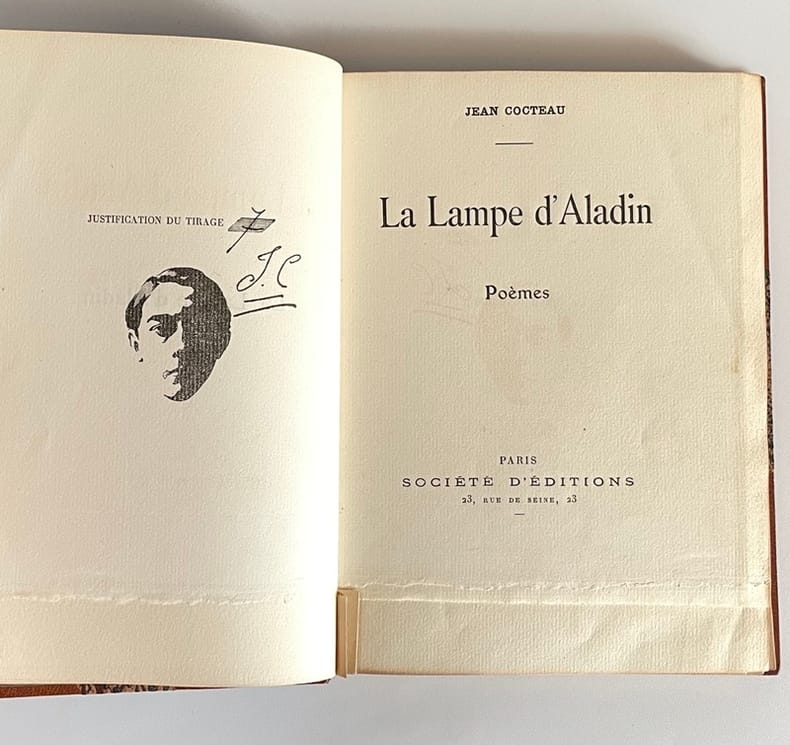
1034Paris, Société d'éditions, 1909. In-8, demi-maroquin fauve avec coins, dos à nerfs orné, tête dorée, à toutes marges, sans la couverture (Devauchelle).Édition originale du premier livre de l'auteur, dédié à sa mère et publié à compte d'auteur.Jeune auteur de 20 ans, admirateur d'auteurs divers et inspirants, Cocteau dédia la plupart des poèmes de ce recueil à des personnalités contemporaines des arts et des lettres.Un des 50 exemplaires de tête, justifié à la main par Jean Cocteau "n°7", et monogrammé "J. C.". Il ne porte pas d'envoi, ce qui est assez exceptionnel pour être apprécié.Premier plat lég. insolé, petits frottements.On joint, reliés à part (in-4, en reliure proche, nerfs abîmés), les 4 poèmes manuscrits autographes, avec corrections et variantes, du chapitre "Les Salomé", dédié à la tragédienne Madame Segond-Weber (pp. 57 à 62 du volume). Ils ont été écrits à l'encre noire, de cette écriture ronde caractéristique des jeunes années de Cocteau, et les titres ont été ajoutés à l'encre bistre. [I, La désireuse : "Alors j'ôterai mes gemmes" était, dans le manuscrit : "Alors j'auterer (sic) mes parures". "lII, L'Inconsciente" et "II La Folle" ont été inversés dans le manuscrit].Les poèmes (4 feuillets montés) sont précédés d'un titre manuscrit avec un grand dessin signé, montrant Salomé devant la tête dégoulinante de "Jean" (Salomé folle, III), et d'un autoportrait poétique inédit (18 lignes, sur un feuillet in-4, sur papier fort, plié). Cocteau présente son propre personnage, sa personnalité et ce recueil, "mélange de Gustave Moreau et d'Aubrey Beardsley" : "Ce jeune homme de 18 ans a réalisé le prodige d'écrire un volume de vers retenable".Ex-libris P. R. Méry.
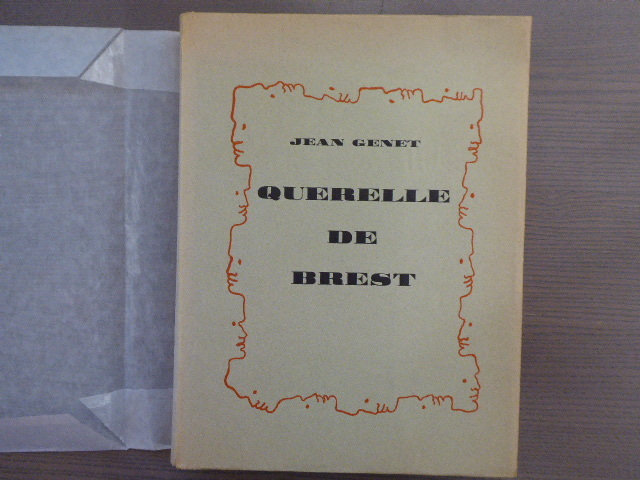
816827Paul Morihien Paris 1947 In-4 carré de 305 pages, broché sous couverture illustrée rempliée. Edition originale clandestine sans date et sans nom déditeur publiée en novembre 1947 par Paul Morihien, illustrée par Jean COCTEAU de 30 compositions hors-texte tirées en lithographie ( 1 frontispice, un titre décoré [répété en rouge et noir sur le premier plat de la couverture] et 28 dessins à pleine page compris dans la pagination, une lettrine, tirée en rouge, complète l'illustration ). Tirage limité à 525 exemplaires numérotés strictement hors-commerce. Un des 460 exemplaires sur vélin à la forme ( N°166 ). Rousseurs claires passim, bel exemplaire, de cette édition originale rare, bien complet de la note de lauteur sur un feuillet volant commençant en ces termes: «Une brusque lassitude nous a fait abandonner "Querelle" qui déjà seffilochait.». Pia Enfer, p. 638.
191755129BBParis, 6, rue Huyghens 6 juin 1917. 32x23,5 cm. 4 p., illustré.
1989102554DuMont. New. 1989. Hardcover. 3770123808 . FREE UPGRADE to Courier/Priority Shipping Upon Request - IN STOCK AND IMMEDIATELY AVAILABLE FOR SHIPMENT - Flawless copy brand new pristine never opened -- Text in German. 418 pages; many black and white illustrations also some in color. Catalogue Raisonne Catalog Raisonné Complete Works Leben Und Werk Oeuvre-Katalog Kritischem Oeuvrekatalog Raisonnee DuMont hardcover
1923CLL-244Paris, Librairie Stock, 1923 Album grand in-4 de (138) ff., broché sous couverture imprimée, non coupé.
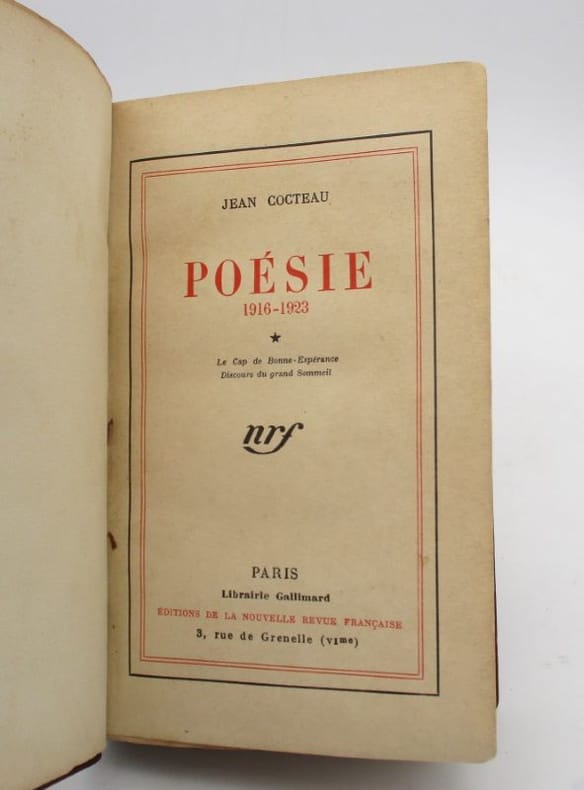
18685Paris, Gallimard, 1925. 2 tomes en 1 vol. in-12, 235 pp. + 239 pp., chagrin rouge brique, dos lisse, titre et auteur dorés au dos, couvertures conservées (quelques épidermures, frottements, minuscules déchirures marginales).
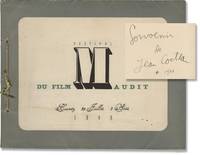
1949170399Paris: Objectif 49 / La Cinémathèque Française 1949. Vintage program for the Festival du film maudit held in Biarritz from July 29 through August 5 1949 by French avant-garde cinema club Objectif 49. SIGNED on the title page by Objectif 49 co-founder Jean Cocteau: "Souvenir de Jean Cocteau / 1949" "A token from Jean Cocteau / 1949". Text and titles in French.<br /> <br /> Objectif 49 was founded in Paris after the close of the Second World War. Although only active for two years the club's influence was significant in no small part due to its lofty goals-the promotion of new avant-garde films the reevaluation of uncommercial and "failed" films the foundation of alternative institutions for educating film audiences and most broadly the creation of entirely new systems for distributing and exhibiting cinema in France. The group staged over 40 one-night events three festivals and counted Robert Bresson Eric Rohmer René Clement Jean Grémillon and many other cinematic and literary luminaries among its ranks.<br /> <br /> Organized by Cocteau and co-founder André Bazin with a name drawn from Mallarmé's "poètes maudits" "cursed poets" the Festival du film maudit was Objectif 49's most important public event intended to be a rival to the Cannes Film Festival. Held at the posh Grand Casino on the coast the festival was notably attended by then-little-known filmmakers Jacques Rivette and François Truffaut who were accompanied in by Cocteau himself having initially failed to make their way past the doorman due to their "bohemian" behavior and attire. Films screened included Kenneth Anger's "Fireworks" Jean Grémillon's "Lumière d'été" Robert Montgomery's "Ride the Pink Horse" Jacques Tati's "Jour de fête" Jean Vigo's "Zéro de conduite" and "L'Atalante" among many others.<br /> <br /> In the wake of the festival's success "film maudit" became a term of praise used by "Cahiers du cinéma" writers in the 1950s and the term was later adopted by the publication's American counterparts. The festival would be re-staged the following year but Cocteau and Bazin were not involved and the event was less well received. <br /> <br /> A memento from a transitional time in the cinema of postwar France in which the foundations were laid for the proliferation of New Wave avant-garde and experimental films and film culture in the years to come.<br /> <br /> 11 x 9 inches. 40 pages. Very Good plus or better in wrappers with a string binding. Objectif 49 / La Cinémathèque Française unknown
192340831Reliure demi-maroquin noir long grain à coins. Dos à nerfs. Couvertures conservées.
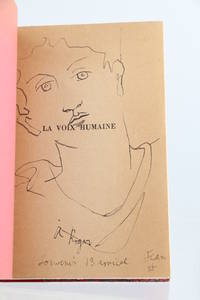
193079537Paris: Gallimard 1930. Fine. Gallimard Paris 1930 12 x 18.50 cm relié First edition one of 110 numbered copies on Rives laid paper. Half red morocco binding smooth spine gilt date at foot boards covered with abstract patterned paper red paper endpapers and pastedowns covers and spine preserved top edge gilt signed binding by P. Goy & C. Vilaine. Autograph inscription signed by Jean Cocteau to a friend named Roger enhanced with a drawing in blue ink representing the face of a young man facing forward. During the first performance in 1930 L'Echo de Paris already prophesied: ""The best actresses in the world will want to interpret La voix humaine."" Indeed on stage and screen followed Berthe Bovy Anna Magnani Simone Signoret Ingrid Bergman Sophia Loren Ornella Muti Tilda Swinton. and the opera singers Denise Duval and Felicity Lott while the greatest directors and composers took up the staging challenges of this atypical work. Among them Roberto Rossellini Francis Poulenc or Pedro Almodovar who owes his finest film to Cocteau's play: Mujeres al borde de un ataque de nervios. A monologue this variation on waiting desire and the pain of a woman suffering a telephone breakup confronts the actress with the deafening silence of the telephone receiver. The tragedy being played offers the spectator only a victim suffering the inaudible attacks of an invisible torturer. The human voice is both that broken down of this woman alternately strong fragile proud and destroyed and that other one absent but which strikes the spectator's imagination through what Cocteau calls: ""the eternity of silences"" Gallimard hardcover
53612Paris Editions de La Sirene 1920. 4° 36 Bl. 30 ganzs. Abb. davon 13 handcoloriert HLdr. goldgeprägtem Rücken. Vordere Umschlag beigebunden. Deckel etwas berieben obere Ecke min. gestaucht Innen sauberes Exemplar. Skira 201 Exempl. 72 von 400 arab. num. Exemplaren auf Vélin pur fil Lafuma.André Lhote 1885 - 1962 französischer Maler Bildhauer Kunsttheoretiker der dem Kubismus nahesteht Juan Gris illustriert mit wenigen Strichen die Gedichte von Jean Cocteau 1889 -1963 der das schillernde Wesen der käuflichen Liebe beschreibt. Die Texte sind in für seine Zeit aussergewöhnlicher typographischer Anordnung gestaltet und bilden mit den Illustrationen ein Gesamtkunstwerk. 010 Paris, Editions de La Sirene, 1920 unknown
1925D16870Paris: Librairie Stock 1925. First Edition. Paperback. Near Fine. Folio original printed wrappers. 381x285 mm. Light wear only; glassine dust jacket. One heliogravure by Man Ray laid in at the front. Number 29 on Holland van Gelder paper from a total edition of 300 pages loose in binding as issued. Additionally inscribed and signed by Cocteau on half-title. <br/><br/> Librairie Stock paperback books
1914413911Paris: Société Générale d'Impression 1914. Unbound. Good. Magazine. A near-complete set of all 20 issues published from 28 November 1914 to 1 July 1915. The first issue consists of two leaves lacking an internal bifolium issue no. 3 is lacking the final leaf; else all other issues appear to be complete in stapled wrappers including several with publisher’s printed slips. The front and back covers of most issues are split along the spine folds else overall a good or better set with some scattered foxing to a few covers toning and modest scattered chipping to the edges.<br /> <br /> A rare near-complete set of this satirical-political wartime review founded by Jean Cocteau and Paul Iribe early in their careers in illustration fashion and graphic design. Both men were important exponents of avant-garde art: as a teenager Iribe drew illustrations for the popular caricature journal L’Assiette au Beurre The Butter Plate; and Cocteau who had published his first volume of poems "Aladdin's Lamp" at 19 had already become widely known in Bohemian circles as "The Frivolous Prince." Iribe designed most of the covers and Cocteau contributed both images and text signing his drawings with the pseudonym “Jim†the name of his dog. Other important contributors include Russian painter and theater designer Léon Bakst Fauvist painter Raoul Dufy and Cubist painters Albert Gleizes and André Lhote.<br /> <br /> Established as the wartime sequel to François Bernouard’s Schéhérazade but printed on much poorer paper the set includes fine impressions of the many famous double-page drawings and series of cartoons and sketches including Cocteau’s series titled “Atrocites†comprising frightening figure of fat stupid and sadistic Germans. Also included in issue no. 5 is one of Cocteau’s most celebrated phrases … Entre le “GOUT†et la “VULGARITɆ…: “Between Taste and Vulgarity both unpleasant there remains an élan and a measure: The Tact of Understanding Just How Far To Go Too Far. Le Mot hopes you will follow it on this path of Franceâ€.<br /> <br /> A scarce set of 20 loose issues with two additional covers and the original publisher’s advertisement slips. A detailed list is available. Société Générale d'Impression unknown
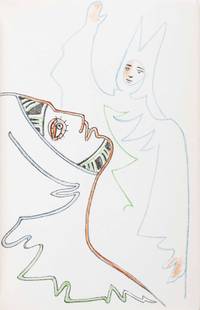
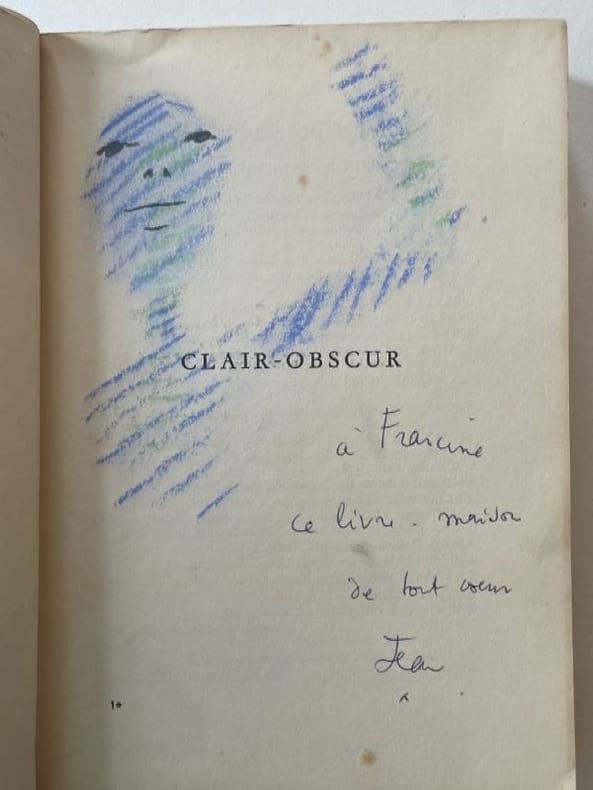
1954119576Monaco Éditions du Rocher 1954 1 vol. broché in-8, broché, couverture rempliée, 200 pp. Édition originale. Un des 30 exemplaires de tête sur Madagascar, celui-ci hors commerce justifié "HC M I", avec un envoi autographe signé de l'auteur à Francine Weisweiller assorti d'un superbe dessin original sous forme de frottage aux crayons bleu, vert et noir : "A Francine, ce livre-maison, de tout coeur, Jean". Rappelons que Cocteau avait décoré de fresques la villa de cette mécène à Saint-Jean-Cap-Ferrat et lui consacra un film en 1952, "La Villa Santo Sospir". En bonne condition.
1954119576Monaco Éditions du Rocher 1954 1 vol. broché in-8, broché, couverture rempliée, 200 pp. Édition originale. Un des 30 exemplaires de tête sur Madagascar, celui-ci hors commerce justifié "HC M I", avec un envoi autographe signé de l'auteur à Francine Weisweiller assorti d'un superbe dessin original sous forme de frottage aux crayons bleu, vert et noir : "A Francine, ce livre-maison, de tout coeur, Jean". Rappelons que Cocteau avait décoré de fresques la villa de cette mécène à Saint-Jean-Cap-Ferrat et lui consacra un film en 1952, "La Villa Santo Sospir". En bonne condition.
1947100005Paris Nouvelles Editions Françaises 1947 In-folio en feuilles 328x250mm, portrait, frontispice, 152 pages. (y compris les 21 photographies hors texte) et 21 photographies supplémentaires constituant la suite. Etui titré et emboîtage. Un des 25 exemplaires hors commerce comportant le portrait photographique original de Jean Cocteau par Laure Albin Guillot signé par l'artiste et la photographe et la suite supplémentaire des 21 photographies de Rossiano Graziati Aldo. Les illustrations photographiques ont été imprimées sur les presses héliogravure de Draeger Frères à partir des photographies de plateau de Rossiano Graziati Aldo sous la direction de Jean Hubert, directeur de la photographie pour le film. Aldo, ami de Cocteau, avait déjà collaboré à La Belle et la Bête. Le film de Jean Delannoy, sorti en 1943, est une transposition moderne par Jean Cocteau de la légende amoureuse de Tristan et Iseult interprétée par le couple idéal de l'occupation Jean Marais et Madeleine Sologne poursuivis par la jalousie et la haine du nain Piéral et de Yvonne de Bray. Le portrait de Jean Cocteau est un tirage original sur papier sensibilisé brossé à la main par Laure Albin Guillot. (100005)
211143 pages in-4 d'une écriture bien serrée, s.d. (1932). " Regarde, spectateur, remontée à bloc, de telle sorte que le ressort se déroule avec lenteur tout le long d'une vie humaine, une des plus belles parfaites machines construites par les dieux infernaux pour l'anéantissement mathématique d'un mortel ".Très beau document. Il s'agit d'un premier jet de l'acte III de la Machine infernale intitulé La Chambre nuptiale, il deviendra La Nuit de noces dans la version définitive. Il peut se lire comme le synopsis de cette scène dans laquelle Oedipe et Jocaste après la célébration de leur mariage sont dans la chambre d'amour, l'inceste ayant été consommé, " rouge comme une petite boucherie ". Il se déroule dans un climat de sensualité et de sommeil, les dialogues oscillent du duel au duo, du débat politique à l'ébat érotique… La Machine infernale, écrite en 1932 fut jouée pour la première fois le 10 avril 1934 à la Comédie des Champs-Élysées à Paris, théâtre alors dirigé par Louis Jouvet qui s'occupe de la mise en scène, dans des décors et des costumes de Christian Bérard. C'est Jean Cocteau lui-même qui prononce les paroles de la Voix; Jean-Pierre Aumont est Oedipe, Marthe Régnier Jocaste, Lucienne Bogaërt le Sphinx... La pièce se fonde sur Œdipe roi de Sophocle dont Cocteau avait déjà écrit une adaptation en 1925 qu'il reprendra dans l'acte IV. L'idée du premier acte s'inspire directement de celui d'Hamlet avec le fantôme de Laïus que personne ne voit ni n'entend. Mais la pièce garde une parfaite unité, en orchestrant avec une ampleur nouvelle, les thèmes et les procédés des précédentes pièces "antiques" de Cocteau. Le livre fut publié pour la première fois chez Grasset dans la collection "Pour mon plaisir" en 1934, il était illustré d'une suite de 16 dessins hors texte de Jean Cocteau intitulée "Le Complexe d'Oedipe". La même année Cocteau publie Mythologies avec 10 lithographies de Giorgio de Chirico.La pièce est dédiée " à Marie-Laure et à Charles de Noailles ". Les relations entre Cocteau et Marie-Laure de Noailles ont été souvent mouvementées et passionnelles. Elle aurait, dans un accès de colère, brûlé le manuscrit de La Machine infernale qui lui avait été offert.