4 701 résultats
18316206Paris, Librairie classique de L. Hachette, 1831 ; in-8, plein veau havane mouchetée, pièce de titre rouge, auteur et titre dorés, grands décors romantiques dorés, tranches marbrées ; (1) f. , 219 pp. , 10 pp. , (1) f.
3066grand in 8 broché,XV,247 pages,8 planches,couleurs,53 figures,Dunod 1934,complet du cercle chromatique ouvrage rare publié pour la première fois en 1913.très bon état
49740London:Quatuor Coronati Lodge No.2076 /Manchester University Press 1969. Reprint of Second Edition. "The Early Masonic Catechisms is by far the most important work that was ever compiled in this particular field of masonic study." Pp.xii/244 ink ownership details and small sticker to front free endpaper. Blue cloth gilt title to spine bumps to corner tips. Scarce. G. London:Quatuor Coronati Lodge No.2076 /Manchester University Press, 1969. hardcover
50753London : Richard Spencer 314 High Holborn; Uppingham: C.W. Oliver High-Street 1850 . First edition in a very good original Publisher's binding. 8vo. 9" x 6" x 1" . 4pp./pp.xlvi./2pp./pp.345/6pp. - Adverts . Blind stamped decorated blue boards lightly soiled. Spine with bright gilt symbols and titles. Original yellow endpapers. Label laid-down to verso of the front board: "Lodge Of Silent Temple No. 126 Burnley." Engraved frontis and printed title just light off-setting. Clean text throughout on lightly toned paper just a few brown spots and creased corners. A very good copy of this scarce book. Contents include: Valedictory address; On the present state of the Masonic Science; On the poetry and philosophy of Masonry; On the doctrines contained in the Lodge lectures; Twelve definitions of the circle and parallel lines considered; Three great lights at the foot of the Masonic ladder explained with a description of the ladder and its accompaniments; On the theological virtues and their application to Freemasonry; Inquiry into the true Masonic reference of the Blazing Star; General import of the Symbol of Glory . "The Rev. George Oliver D.D. November 5 1782 - March 3 1867 One of the most distinguished and learned of English freemasons George Oliver is remembered as a laborious antiquary and author on both masonic and ecclesiastical themes. While his erroneous theories and fanciful speculations on the early history of Freemasonry must be rejected his laborious researches and genuine scholarship requires that he be placed as the founder of what may well be called the literary school of Freemasonry. " - Encyclopedia of Freemasonry Albert Mackey. London : Richard Spencer, 314, High Holborn; Uppingham: C.W. Oliver, High-Street, 1850 . hardcover
RARE TWO VOLUMES! These two folio volumes contain all issues of "L'illustration" weekly magazine published between March 1848 and February 1849. This highly influential journal from the middle of the 19th century discusses themes ranging from political and social affairs to art and culture. This particular compilation bears specific importance due to the revolutionary events throughout Europe in 1848, the year of the "February Revolution". Both volumes include hundreds of illustrations and engravings alongside the text. Also includes musical notes within some issues. [BOTH VOLUMES]: 370x270mm. 420+420 pages. Crimson leather Hardcover with red leather label on spine. Cover slightly scratched. Cover edges and corners slightly bumped. Spine edges worn. Spine hinge edges partly cracked. Ex-libris on inner cover. Ex-libris residue on rear inner cover. Few pages slightly age-stained and/or wavy. Pages slightly yellowing. [VOL.11]: Top spine edge slightly loose. Title page has small tear (no paper missing). [VOL.12]: Top spine edges slightly torn. Bottom spine edge slightly loose. Pre-title page torn near binding (no paper missing). Last page (419) slightly torn at top (no paper missing). [SUMMARY]: This extremely rare and beautifully illustrated compilation of "L'illustration" magazine issues from the fatal year of 1848 is in good condition. PLEASE NOTE: This item is overweight. We may ask for extra shipping costs.
1812621007Göttingen, J. F. Röwer, 1812. XXVI, 406 S. Blauer Pappband d. Zeit (stark berieben, Ecken bestoßen). [2 Warenabbildungen]
1969207462Verlag Rombach Freiburg 1969. Hardcover Leinen mit Schutzumschlag jeweils 1. Auflage Alle vier Bücher mit Widmung vom Autor signiert unter dem Namen H. Rütter jeweils im Erscheinungsjahr 1969 1970 1971 1972. Zustand: keine Beschädigungen keine Eintragungen. Rücken Ecken Kanten gut. Verlag Rombach, Freiburg, hardcover
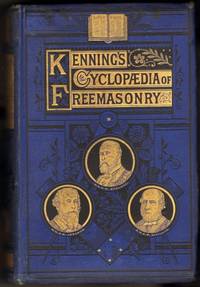
42470London: George Kenning 198 Fleet Street and 1 2 3 Little Britain and 175 Aldersgate Street 1878 . First edition. Thick 8vo. 8.5" x 6" x 1.75" . pp.10/pp.665/12pp. -Adverts. Occasional rippling ol pages; slight toning to pages Subscriber's List; followed by numerous adverts to end. Plain blue cloth binding over bevelled boards rubbed gilt title to spine spine darkened and worn to top and tail. Scarce. G. London: George Kenning, 198, Fleet Street, and 1, 2, 3, Little Britain, and 175, Aldersgate Street, 1878 . hardcover
48033Gallimard.1962.EO.Ex:16.In-4 br.38 p. Bon état.Encres noires et rouges.
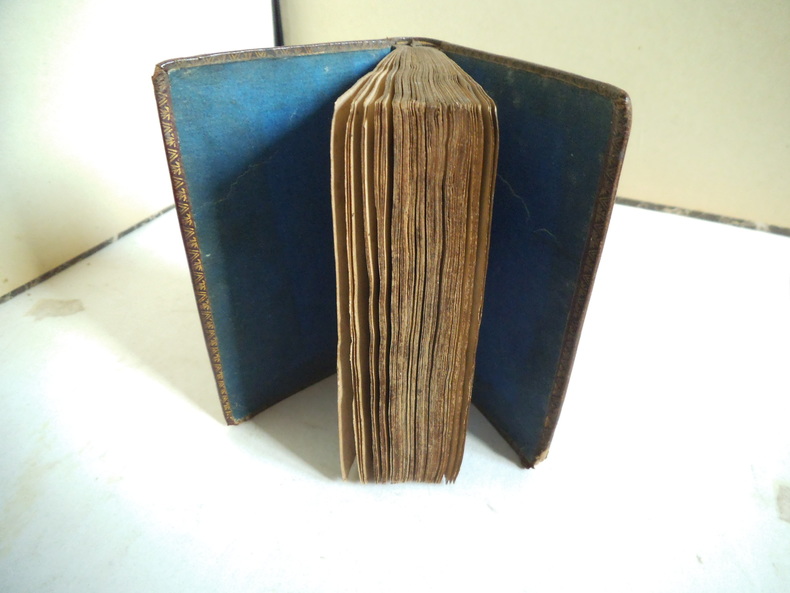
12647Ouvrage indispensable pour l’étude de l’histoire où se trouvent tant en estampes qu’en discours les évènemens, les plus mémorables de chaque règne. Gravures d’après M. FOLLIER dessinateur de l’Académie Royale des sciences . A Paris chez Sr DESNOS libraire ingénieur géographe de sa Majesté Danoise (1774) ;In 16 plein chagrin rouge, pièce de titre cuir noir, fers roulette filets dorés. Triple filet doré sur les plats, roulette dorée intérieure, titre gravé, titre et allégorie gravés. VI. 142pages, 2 pages d’approbation. Tranches dorées. Complet des planches gravées. Petits frottements, sans gravité, sur les plats.
1892280327Ex Officina Typographica Forzani et Socii Romae 1892. Hardcover Pappe mit Pergamentrücken und -ecken ohne Schutzumschlag Vol. I-III. 18921893. Zustand: mit Rückenbeschädigungen Textanstreichungen und -eintragungen nur in Band I. Mit Namenseintragungen. Rücken Ecken Kanten gut berieben. In allem original. Ex Officina Typographica Forzani et Socii, Romae, hardcover
Light bump to base of spine. Light rubbing to wraps. ; PREMIÈRE PARTIE : ARTS, ARCHITECTURE, URBANISME Cl. Perassi, Edifici e monumenti sulla monetazione di Nerone, p.11 – V. M. Strocka, Neros Statuenraub ftir die Domus Aurea. Zeitgenössische Reflexe, p.35 – E. Moormann, P. G. P. Meyboom, L’interpretazione delle scène figurative nelle decorazioni dipinte della Domus Aurea, p.46 – P. Gros, La transfiguration du modèle de la domus dans les palais néroniens de Rome : l’exemple de la «suite du nymphée» de la Domus Aurea, p.54 – J. -P. Morel et F. Villedieu, La Vigna Barberini à l’époque néronienne, p.74 – S. Ensoli, Una nuova ipotesi sul Colosso di Nerone. A proposito dei frammenti bronzei colossali dei Musei Capitolini, p.97 – K. Welch, Nerone e I Flavi : dialoghi fra la Domus Aurea ed il Colosseo, il ritratto di Nerone di quarto tipo e l’immagine di Vespasiano, p.123 DEUXIÈME PARTIE : ROME DANS LA LITTÉRATURE M. Sordi, Nerone e la Roma neroniana nelle Historiae di Plinio il Vecchio, p.143 – J. -M. Croisille, La Rome de Lucain, p.150. – G. Mazzoli, La Roma di Persio, p.161 – J. -M. André, Sénèque et la topographie de Rome, p.170 – A. Malissard, Néron, Tacite et la question de l’espace romain, p.178 – R. Carré, Rome et l’Italie dans les Histoires de Tacite, p.193 TROISIÈME PARTIE : INSTITUTIONS, ADMINISTRATION, VIE POLITIQUE M. Absil, Le rôle des préfets du prétoire pendant les règnes de Néron, Galba, Othon et Vitellius. Aspects politiques, p.229 – F. Marco, Quelques liberti impériaux acteurs et objets de la politique du princeps, p.248 – I. Cogitore, Rome dans la conspiration de Pison, p.261 – M. Bergmann, Hatte Nero ein politisches und/oder kulturelles Programm ? Zur Inschrift von Akraiphia, p.273 – W. Eck, Die Vemichtung der memoria Neros : Inschriften der neronischen Zeit aus Rom, p.285 – 0. Devillers, Le rôle des passages relatifs à Thrasea Paetus dans les Annales de Tacite, p.296 – F. Galtier, L’opposition symbolique des figures de Néron et Thrasea Paetus (Tacite, Annales XVI, 21-35) , p.312 QUATRIÈME PARTIE : ÉCONOMIE ET SOCIÉTÉ M. T. Griffin, Political Thought in thé Age of Nero, p.325 – J. -P. Guilhembet, Les sénateurs et leur domus romaines aux temps néroniens, p.338 – E. Flaig, La fin de la popularité. Néron et la plèbe à la fin du règne 361 – P. Balasa, Sénèque et la femme de la dynastie julio-claudienne, p.375 – Y. Perrin, IVe style, culture et société à Rome. Propositions pour une lecture historique de la peinture murale d’époque néronienne, p.384 – L. Polverini, II sistema spettacolare romano nell’età di Nerone, p.405 – J. -M. Blazquez, Côrdoba, capital de la Bética y los cordobeses en la Roma de Néron, p.417 – D. Foraboschi, Moneta ed economia nella politica di Nerone, p.425 CINQUIÈME PARTIE : VIE INTELLECTUELLE, VIE SPIRITUELLE E. Cizek, La littérature de l’époque de Néron. Un des sommets de la culture à Rome, p.435 – G. Galimberti Biffino, II ruolo del Bellum ciuile nella vita letteraria e intellettuale dell’epoca neroniana : eroismo e antieroismo in Lucano, p.443 – L. Castagna, Le guerre civili ed altri termi della poesia neroniana 455 – A. Wallace Hadrill, Rhetoric and Myth-making at the Court of Nero , p.472 – M. Di Branco, «Eroizzazione» di un imperatore : alle radici del mito di Nerone, p.479 – C. Vout, Nero and Sporus, p.493 – I. E. Ramelli, Seneca in Plinio, Dione, S. Agostino, p. 503 SIXIÈME PARTIE : VIE RELIGIEUSE J. Scheid, La religion publique à Rome sous le règne de Néron, p. 517 – E. Andreoni Fontecedro, Seneca : l’altro aspetto della divinità, p. 535 – G. Firpo, Nerone e I Giudei, p. 547 – E. Grzybek, Les premiers chrétiens et Rome, p. 561 SEPTIÈME PARTIE : LA ROME NÉRONIENNE DANS L’IMAGINAIRE CONTEMPORAIN M. Coccia, «Tra le vie Salaria e Nomentana» : l’ultima notte di Nerone negli abbozzi di una tragedia di Giovanni Pascoli, p. 571 – G. Pucci, Nerone sullo schermo, p.592; Collection Latomus 268; 604 pages
1982285151Edition Tiessen Neu-Isenburg 1982. Softcover Heft Großformat 26. Druck Auflage: 125 numerierte Exemplare Nr. 40 mit 1 Radierung Numeriertes Exemplar mit Nr. 40 mit einer Radierung Herbert Bessels. Zustand: keine Beschädigungen keine Eintragungen. Rücken Ecken Kanten sehr gut unbenutzt. Edition Tiessen, Neu-Isenburg, paperback
39102London: Bro. George Kenning 198 Fleet-Street 1878 . A very good original tight binding. Folio. 14.75" 10" x 1.5" . 2pp./pp.8/pp.602 . Brown blind stamped cloth with gilttitle to front board . Boards lightly soiled edges rubbed. Spine dulled with rubbed gilt title. Original yellow endpapers. Inner hinges carefully strengthened. This tome begins with a very useful 8 page index! 52 weekly papers; Jan 5 to Dec 28 1878 pagination is continious. Clean text throughout just a couple of small blemishes. Articles include: Consecration of the Temple Bar Lodge No. 1728 there are reports on the consecration of 31 craft lodges; A note on the safe arrival of Cleopatra's needle; Obituary. Bro. Dr. J. V. Worthington P.M. 220 in all there are 57 obituaries; The New Grand Officers; An Advert for The Ocarina. The New Musical Instrument.; An Advert and report for the Lauch of the Masonic Life-Boat Albert Edward at Clacton-on-Sea; Provincial Grand Lodge Of Suffolk; etc. ". By the 1850s publishers had rapid and reliable access to the whole country in addition time spent travelling by rail created a demand for material to read. The growing number of freemasons were part of an expanding middle class who travelled and read and these factors help to explain why within three years of each other two new weekly masonic newspapers were launched The freemason in 1869 and The freemasons� chronicle in 1872. It is also surely no coincidence that the first weekly masonic publications were launched after the removal of the last of the stamp and paper taxes in 1855 and 1861 respectively commonly referred to as the taxes on knowledge. As Brake points out after these taxes were abolished there was a rise in daily and weekly serials. The newspaper reported freemasons� involvement in national events for example in the issue for the 27th October 1877 there is a notice concerning the Freemasons Indian Famine Fund. The regular column �Masonic and general tidings� always tended to include items of general interest such as short reviews of good restaurants in London and details of the Lord Mayor�s show. By the 1880s the newspaper had a special column which reviewed the plays on in the London theatres. A further indication of the leisure activities and interests of those who read the newspaper. The newspaper always included reports of lodge meetings with a section specifically for London lodges. These reports often give a detailed account of an event or a meeting listing individuals who attended and can be a very useful source of information about London freemasons and masonic life. Similarly the obituaries some of which are very detailed and include pictures provide insight into an aspect of a man�s life which in many cases has remained hidden. Between 1873 and 1885 the Rev. Adolphus Frederic Alexander Woodford acted as editor. Woodford was a formidable masonic scholar and drew around him some of the great masonic scholars of the time. As a result articles by such men began to appear in the newspapers pages and helped to ignite a lively debate about the accepted views of masonic history. The newspaper was reflecting the interests and concerns of a growing number of freemasons who were believed in a more disciplined and erudite approach to masonic history. In 1886 a year after Woodford stepped down as editor Quatuor Coronati Lodge No. 2076 was formed with the aim of being the premier research Lodge and Woodford was one of its founding members. The newspaper demonstrated that a new approach to the history of freemasonry was in demand by the brethren and the success of the research lodge which still exists today built on the foundations which the paper had laid." - See Fraternal Communications: The Rise Of The English Masonic Periodical by Rebecca Coombes 2009 . George Kenning. The son of an East End oyster seller Kenning realised the potential of the market: he not only manufactured the costumes but sold a range of products from his shops across Britain. He set up a mail order business which operated across the British Empire and was keen to develop new markets in the USA. He became a media magnate and advertised in his own widely read newspaper: The Freemason. He even extended the brand by becoming closely involved in developing new Masonic orders all of which needed special costumes and props. London: Bro. George Kenning, 198, Fleet-Street, 1878 . hardcover
41291Hereford: W. Prosser / London: Daniel Green 85 Holborn Hill MDCCCLXVI. 1866 . "Not Published.". A scarce biography of Richard Lane Freer compiled by his wife Harriet Freer for personal distribution. First and only edition. Full leather armorial binding. 8vo. 10.00" x 6.75" x 1.00" 25cm x 16.6cm x 2.6cm . Crimson calf over thick boards. Front board with the personal crest of Richard Lane Freer and the rear board has the crest of the Archdeacon of Herefordshire. Professionally rebacked at some tine in the past preserving 90% of the original spine. All page edges gilt. Bookplate to the verso of the front board: "Quatuor Coronati Lodge London No. 2076." Also; tipped-in to front endpaper is a compliment-slip: "With Mrs. Lane Freer's Compliments." Free-endpapers foxed. Sepia photo frontis with initials: "R L F" and "Hereford Photo. Company 25 Commercial St." to recto. Printed title in red & blue within a brown frame with corner decoration. Clean text throughout each page within a ruled frame. Illustrated with two sepia photographs: Bishopstone Church facing p.6; Sepia image of a large stained glass window facing p.288 . A list of attendees at the funeral of R. L. Freer includes members of: "The Masonic body of Hereford and Leominster representing the Palladian and Royal Edward Lodges." A well preserved book forming a comprehensive record of an esteemed individual. The Venerable Richard Lane Freer 1804-1863 was Archdeacon of Hereford from 1852 to 1863. Richard Lane Freer was the second son of the Reverend Thomas Lane Freer Rector of Handsworth in Staffordshire. He was educated at Westminster School and Christ Church Oxford where he matriculated 28 April 1824 age 18 took his B.A. in 1828 and his D.D. in 1858. He was Rector of Bishopstone cum Zazor in Herefordshire from 1830 until his death Vicar of Mansel Lacy in the same county 1840 Prebend of Hereford 1847 1863 and Archdeacon of Hereford 1852 1863 and Praelector of the Cathedral from 1861 until his death. His books were incorporated in the Dowdeswell Library at Pull Court in Worcestershire. He married Harriet Clutton 1813-1875 in 1848 . Extractfrom the Hereford Journal of November 21 1863: - "An unprecedentedly numerous gathering of ' the craft ' assembled at leominster on monday to celebrate the anniversary of the Provincial Grand Lodge of Herefordshire; but the occasion was one possessing unusual interest from the fact that a vote of condolence would be passed in Grand Lodge to the relict of the late Right Worshipful the Deputy-provincial grand Master the Venerable Archdeacon of hereford Richard lane Freer D.D. whose decease had caused deep grief not onlyamongst the masonic body but throughout the diocese in which he was revered and esteemed as it only falls to the lot of few to be." Hereford: W. Prosser / London: Daniel Green, 85, Holborn Hill, MDCCCLXVI. [1866] . "Not Published." hardcover
2 voll. in-16° (cm.15,5), pp.VIII (4) 250; (2) 367-1 b. Leg. coeve mz. pelle con doppio tass. con tit. oro e ricchi fregi oro ai dorsi, con lievi abrasioni. Questa ediz. contiene 10 discorsi: 1.Sur le Beau en général et en particulier sul le Beau visible; 2.Sur le Beau dans les moeurs; 3.Sur le Beau dans les pieces d'esprit; 4.Sur le Beau musical (I et II partie); 5.Sur le Modus; 6.Sur le Decorum; 7.Sur les Graces (I et II partie); 8.Sur l'amour du Beau, ou le pouvoir de l'amour du Beau sur le coeur humain; 9.-10.Sur l'amour désintéressé (2 discorsi). [Diz. biogr. univ. (Firenze 1842) I 127: "gesuita, nato nel 1675 a Châteaulin nella Bassa Bretagna; professò matematica a Caen, dove morì nel 1764. Fu grande ammiratore di Malebranche e il suo Saggio sul bello è de gno discepolo di Platone. Le sue opere complete furono pubblicate a Parigi nel 1766,per cura dell'ab. Guyot su amico". Sommervogel, Bibliothèque de la Compagnie de Jésus, I, 334. Barbier I 5681 oltre al nome dell'Aut. cita l'ed. orig. Paris 1741 e le ediz. Amsterdam 1758 e Paris 1763: "publiée par l'ab.Guyot."].
1997027608Paris 1997 Jean Michel Place Hardcover 1st Edition
In 16, pp. XIII + (5) + 308 + (13) + (1b) con antip. inc. in rame, vignetta in rame al fr. e due testatine inc. Alcune cc. si presentano uniformemente brunite. Legatura in p. pl. coeva con abrasioni ai p. e lievi mancanze al d. Tagli rossi. Ed. orig. di questo trattato dell'abate Batteux (1747 al fr., ma in realta' 1746) in cui e' ripresa la teoria classica dell'imitazione. Batteux definiva per la prima volta organicamente il sistema moderno delle belle arti. Musica, poesia e arti visive erano esplicitamente separate dalle arti meccaniche ed erano condotte al principio unificatore della 'bella natura' ossia della natura abbellita ed emendata dei suoi difetti. Cfr. Conti, Cassanelli, 'L'arte, critica e conservazione', p. 23.
In 8, pp. (12) + 184. P. pl. coeva con fr. in oro al d. con tassello e nervature. Edizione originale in bell'esemplare. Melchiorre Delfico fu filosofo, giurista e uomo politico italiano (Leognano 1744 - Terema 1835). Lascio' alcune opere, tra cui 'Vero carattere della giurisprudenza romana e dei suoi cultori', 'Pensieri sulla storia' ecc. Come filosofo fu illuminista.
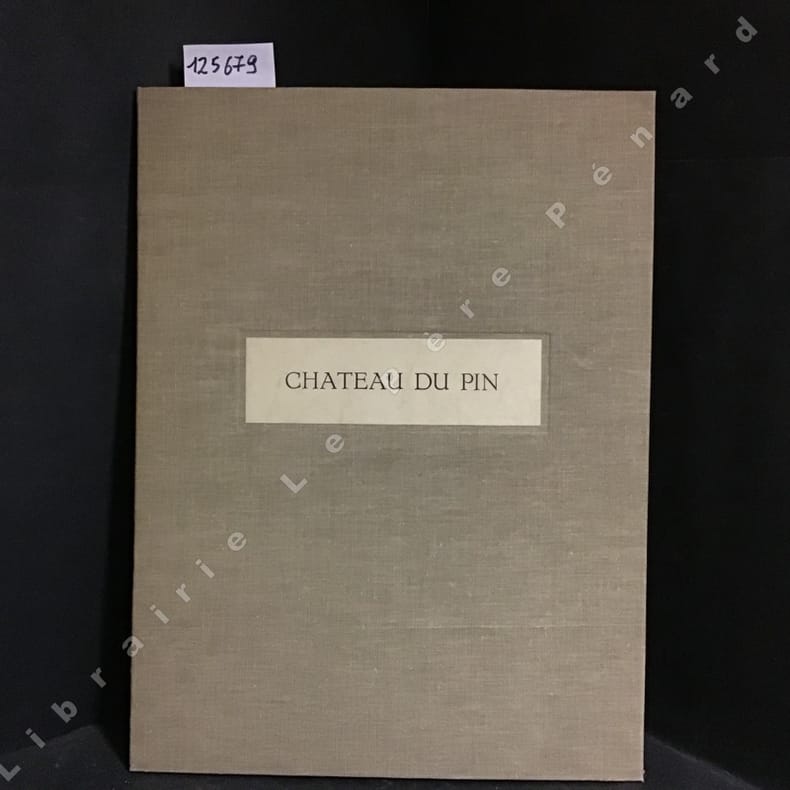
19641256791964 Jacques Frélaut - 1964 - In-folio, en feuilles dans une chemise cartonnée toilée avec titre en contrecollé sur le premier plat - Cette suite de 5 estampes consacrée au Chateau du Pin (Jura) pour le septième centenaire de la construction du donjon a été gravée par Bernard Gantner pour le Baron Charles de Watteville - Tirée par Jacques Frélaut à 56 exemplaires sur vélin de Rives, celle-ci porte le numéro 9 - Avec divers documents annexes
In 8, cm 16,5 x 25, pp. 230. Cartonatura editoriale. Edizione originale poco comune di questo testo che anticipa molte del dibattito successivo sui rapporti tra arte ed economia. Il libro di Mossetto contiene una rassegna del pensiero economico in materia deconomia della cultura e sui nessi tra economia delle cultura e teoria economica dellinformazione
In 8° (18x11 cm); tre tomi in due volumi: XII, 570, (5) pp. e una c. di tav. fuori testo, 129, (1) pp., 169, (11) pp. Belle legature coeve in mezza pelle chiara con titolo, numero dei volumi, stampatore e iniziali dell'antico proprietario stampate in oroa al dorso. Piatti foderati con carta marmorizzata coeva. Qualche piccolissimo ed ininfluente forellino di tarlo al dorso. Piccolo tunnel di tarlo al margine interno bianco della tavola in antiporta e del margine interno bianco del frontespizio e delle ultime due carte del primo tomo che non ledono il testo e sono praticamente ininfluenti. Tagli spruzzati. Testatine, finalini ed iniziali ornati. Marca xilografica cominiana al frontespizio. Esemplare che a parte il piccolo tunnel di tarlo ininfluente sopra descritto si presenta in bella legatura coeva ed in buone-ottime condizioni di conservazione. Bella e curata edizione cominiana di questo celebre testo del grande umanista, storico e scrittore fiorentino, Benedetto Varchi. Questa edizione si fa preferire a molte delle precedenti per accuratezza, correzioni e per le numerose aggiunte. L'Ercolano è un dialogo tra Varchi e il conte Ercolano sulla natura del volgare toscano (anche se il primo dimostra che andrebbe piuttosto chiamato fiorentino). Le tesi di Varchi prendono le mosse da quelle di Pietro Bembo, con cui era entrato in contatto negli anni trascorsi a Padova. Al suo ideale di lingua cristallizzato sull'esempio dei classici del Trecento (Petrarca, Boccaccio e, in misura minore, Dante), tuttavia, Varchi oppone una sua propria teoria in cui, accanto ai classici, potevano trovare asilo nella lingua letteraria anche forme più popolari in uso tra i fiorentini. I due interlocutori del dialogo, inoltre, discutono se la lingua greca sia più o meno ricca del nostro volgare e il Varchi coglie l'occasione per elencare centinaia di espressioni fiorentine, tutte relative al favellare, nessuna delle quali ha un corrispondente greco: questo rende l'opera gratissima agli amanti delle toscane eleganze. L'amore di Varchi per le locuzioni del parlato lo spinse anche, saggiamente, a consigliare a Benvenuto Cellini, che l'aveva interpellato, di non modificare lo stile della sua autobiografia, conservandone la vivace e schietta autenticità. Il volume presenta, aggiunto, la Varchina di noto letterato padovano Girolamo Muzio che fu amico di Pico della Mirandola. "… nel 1573, Varchi aveva dato alle stampe l'Ercolano, nel quale riprendeva alcune tesi di Muzio, il quale a sua volta rispose stendendo la Varchina, che confluì, con gli altri scritti linguistici, nelle postume Battaglie […] con alcune lettere (Venezia, Pietro Dusinelli, 1582)". Buon esemplare in bella legatura coeva. Federici scrive di questa edizione: "pregiatissima sì per la esattezza della correzione, come per le varie giunte che vi sono fatte" FEDERICI, 185.
156 pages. Features: Interview with Christopher Alexander; Four Reviews and an overview of Christopher Alexander's 'The Nature of Order' - an essay on the art of building and the nature of the universe; Going after the avant-garde - architectural aesthetics and the spirit of advertising; Architecture - biological form and artificial intelligence; Urban superconscious and the return of the garden myth; On the early sketches of Eric Mendelsohn; A view of berlin holocaust memorials; A treasure of Sullivan architectural ornament; Charles Biederman (1906-2004); Why Charles Biederman matters (to me); An imaginary dialogue between Kandinsky and Klee on Abstract art and nature; Florida Everglades; The color of art in nature's landscape; book reviews. Clean, bright and unmarked with very light wear. An excellent copy. Book
1961319012Ferdinand Schöningh Paderborn 1961. Softcover 11 Bände. I1234 IV15 V VI12 VIII34. Zustand: keine Beschädigungen keine Eintragungen. Rücken Ecken Kanten gut. Ferdinand Schöningh, Paderborn, paperback
1971312683Van Gorcum & Comp. Assen 1971. Hardcover Leinen mit Schutzumschlag Zustand: Keine Beschädigungen vereinzelte Anstreichungen Bleistift dezent lichtrandig. Rücken Ecken Kanten gut. Der Schutzumschlag ist am Rand leicht lädiert. Van Gorcum & Comp., Assen, hardcover