15 208 résultats
183980345s. d. [ca 1839] | 13 x 8 cm | une feuille
184686647Bâle 18 mai[1846] | 13.6 x 21.8 cm | 2 pages sur un feuillet
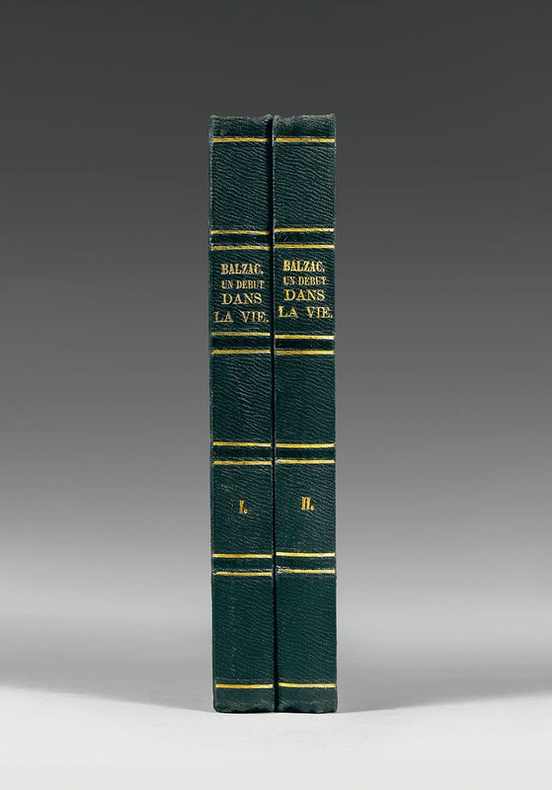
191257645Un des 50 exemplaires sur papier ancien du Japon numérotés de 51 à 100 et paraphés par l'éditeur (n° 95), auquel on a joint dans chaque volume la suite des bois tirée sur papier de chine, texte revisé et annoté par Marcel Bouteron et Henri Longnon, gravés sur bois par Pierre Gusman, 40 vol. in-8 carré reliure de l'époque pleine basane marron, dos 4 nerfs dorés, têtes dorées, couvertures et dos conservés, Louis Conard, Paris, 1912-1940. Titre complet : Oeuvres complètes de Honoré de Balzac (40 Tomes : Complet) [ Exemplaire sur papier du Japon avec suite sur Chine ] [ Contient : ] La Comédie Humaine (33 Volumes) Etudes de Moeurs, Scènes de la Vie Privée. I : La Maison du chat-qui-pelote. Le Bal de Sceaux. Mémoires de deux jeunes mariés La Bours ; II : Modeste Mignon. Un début dans la Vie ; III : Albert Savarus. La Vendetta. Une Double Famille. La Paix du Ménage. Madame Firmiani. Etude de Femme ; IV : La fausse maîtresse. Une Fille d'Eve. Le message. La Grenadière. La femme abandonnée. Honorine ; V : Béatrix. Gobseck ; VI : La femme de trente ans. Le père Goriot ; VII : Le colonel Chabert. La messe de l'athée. L'interdiction. Le contrat de mariage. Autre Etude de femme ; Etudes de moeurs. Scènes de la Vie de Province VIII : Ursule Mirouët. Eugénie Grandet ; IX : Les Célibataires. Pierrette. le Curé de Tours. La Rabouilleuse ; X : L'Illustre Gaudissart. La muse du département. La Vieille Fille ; XI : Le Cabinet des Antiques. Illusions perdues : Les Deux poëtes ; XII : Illusions perdues : Un grand homme de Province à Paris. Les Souffrances de l'Inventeur ; XIII : Scènes de la Vie Parisienne : Histoire des Treize. Ferragus. La Duchesse de Langeais. La fille aux yeux d'or ; XIV : Grandeur et décadence de César Birotteau. La maison Nuncingen ; XV : Splendeurs et misères des courtisanes I ; XVI : Splendeurs et misères des courtisanes II Les secrets de la Princesse de Cardigan. Facino Cane. Sarrasine. Pierre Grassou ; XVII : La Cousine Bette ; XVIII : Le Cousin Pons. Un prince de la Bohême. Un homme d'affaires ; XIX : Gaudissart II. Les comédiens sans le savoir ; XX : Les petits bourgeois. L'envers de l'histoire contemporaine ; XXI : Scènes de la vie politique. Un Episode sous la Terreur. Une ténébreuse affaire. Le député d'Arcis. Z. Marcas ; XXII : Scènes de la Vie Militaire : Les Chouans. Une Passions dans le Désert ; XXIII : Scènes de la Vie de Campagne : Les Paysans ; XXIV : Le médecin de campagne ; XXV : Le curé de village ; XXVI : Le Lys dans la vallée ; XXVII : Etudes philosophiques : La peau de chagrin. Jésus-Christ en Flandre. Melmoth réconcilié. Massimila Doni ; XXVIII : Le chef-d'oeuvre inconnu. Gambara. La recherche de l'absolu. L'enfant maudit ; XXIX : Adieu. Les Marana. Le réquisitionnaire. El Verdugo. Un drame au bord de la mer. Maître Cornélius. L'auberge rouge ; XXX : Sur Catherine de Medicis. L'élixir de longue vie ; XXXI : Les proscrits. Louis Lambert. Séraphita ; XXXII : Etudes analytiques : Physiologie du mariage ou méditation de philosophie éclectique sur le bonheur et le malheur conjugal ; XXXIII : Petites misères de la vie conjugale ; XXXIV : Théâtre I : Vautrin. Les ressources de Quinola. Paméla Giraud ; XXXV : Théâtre II : La Marâtre. Le faiseur. L'Ecole des Ménages ; XXXVI : Contes drôlatiques I : Premier et deuxième dixain ; XXXVII : Contes drôlatiques II : Troisième dixain. Fragments inédits ; XXXVIII : Oeuvres diverses I : 1824-1830 ; XXXIX : Oeuvres diverses II : 1830-1835 ; Oeuvres diverses III : 1836-1848
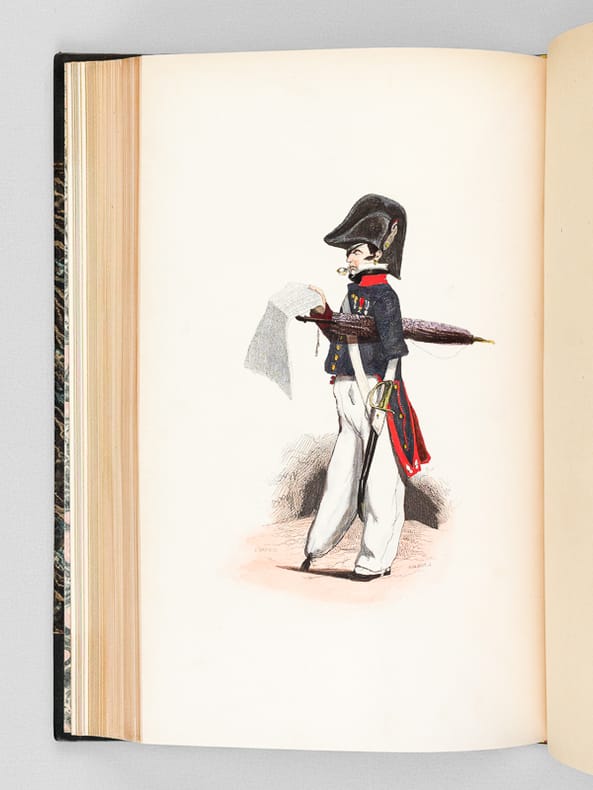
18406182512 vol. grand in-8 (27,2 x 19,5 cm en reliure) reliure uniforme postérieure demi-maroquin à petits coins anthracite à grain long postérieure (les 3 derniers volumes de gravures en couleurs d'un format légèrement plus petit, 17,7 x 25,5 cm en reliure), dos lisse orné en long, couvertures et dos conservés (Curmer, sans date), tête dorée (toutes tranches dorées pour les 3 derniers volumes de gravures en couleurs), mention d'imprimerie Schneider & Langrand sur tous les faux-titres à l'exception du tome premier (Decourchant), date en queue, reliure signée de Yseux successeur de Simier, et Bellevallée (pour les 3 volumes de gravures), L. Curmer, Paris, 1840-1842, Tome I : 3 ff. (dont frontispice et titre de 1840), 1 f. (titre de 1841), XVI-380 pp et 4 ff. n. ch. avec 48 planches hors texte en noir, d'après Gavarni et Monnier (femme à la mode dans les deux types, maître d'étude en un type, par Meissonier) ; Tome II : 3 ff. (dont frontispice et titre de 1840), 1 f. (titre de 1841), 1 f. (dédicace), XVIII-376 pp. et 4 ff. n. ch. avec 48 planches hors texte en noir, d'après Gavarni, Géniole, H. Monnier, Gagniet, Charlet, Lorentz et Daumier ; Tome III : 3 ff. (dont frontispice et titre de 1841), 1 f. (autre titre de 1841), 1 f. (dédicace), XL-352 pp. et 4 ff. n. ch. avec 48 planches hors texte en noir, d'après Gavarni, Eugène Lami, Grandville, Tony Johannot, Daumier, Pauquet, Charlet, Géniole et Traviès ; Tome IV : 3 ff. (dont frontispice et titre de 1841), 1 f. (dédicace), 392 pp. et 5 ff. n. ch. avec 49 planches hors texte en noir, d'après H. Monnier, Gavarni, Pauquet, Eugène Lami, Grandville et Meissonnier ; Tome V : 4 ff. (dont frontispice et titre daté de 1842), CVII-376 pp. et 5 ff. n. ch. avec 63 planches dont portrait de Napoléon à cheval (dont 24 en noir et 39 en couleurs) d'après Pauquet, Penguilly, Eug. Lami, Jacques H. Monnier et Gavarni ; Province Tome I : 3 ff. (dont titre daté de 1841), frontispice, 392 pp et 4 ff. n. ch. avec 49 planches hors texte en noir, d'après Gavarni, Tony Johannot, Henri Monnier, Férogio, Pauquet, Grenier, Charlet, Meissonier, Loubon et Raymond Pelez, avec notice du canut en deuxième état ; Province Tome II : 4 ff. (dont titre de 1841 et frontispice), XVIII-376 pp. et 4 ff. n. ch. avec 48 planches hors texte en noir d'après Gavarni, Charlet, Loubon, Férogio, Raymond Pelez, Emy, Pauquet, etc... ; Province Tome III : 3 ff. (dont titre de 1842 et frontispice), 460 pp. et 5 ff. n. ch. avec une carte repliée en couleurs et 53 planches hors texte en noir d'après Saint-Germain, Penguilly, Géniole, Loubon, Gavarni, Pauquet, etc... ; Le Prisme : 2 ff. (dont titre daté de 1841), 480-57 pp. ; Gravures en couleurs sous serpente jaune : Premier Volume : Titre de 1840, Prospectus (8 pp.) ; I : frontispice et 47 planches en couleurs (femme à la mode dans le premier type, maître d'étude en un type, par Meissonier) ; II : titre de 1840, frontispice et 48 planches en couleurs ; III : titre de 1841, frontispice et 47 planches en couleurs (sans le journaliste de 1660) ; Second Volume : IV : titre de 1841, frontispice et 49 planches en couleurs ; V : titre de 1842, frontispice et 63 planches (Napoléon en noir) ; Troisième Volume : I : titre de 1841, frontispice et 49 planches en couleurs ; II : titre de 1841, frontispice et 48 planches en couleurs ; III : titre de 1842, frontispice et 53 planches en couleurs. Rappel du titre complet : Les Français peints par eux-mêmes (12 Volumes - Complet) [ Contient : ] Les Français peints par eux-mêmes (5 Tomes - Complet) ; Les Français peints par eux-mêmes. Province (3 Tomes - Complet) ; Le Prisme ; Gravures en couleurs (3 Volumes)
18551696331855. DORÉ Gustave. Les Contes Drolatiques. By Honore de Balzac. 8vo. 205 x 130 mm bound in nineteeenth century full crushed brown morocco in a slipcase. Paris: Garnier Freres 1873. A superb copy of this Doré masterpiece with fine impressions of the engraving printed on Chine and with "huitieme edition" on the title-page. Gordon Ray called Doré'ss illustrations for the Contes Drolatiques "Doré's early masterpiece." The first illustrated edition was issued with 425 original designs by Gustave Doré comprising 103 full-page engravings and 322 vignettes of varying sizes. It is well recorded that Balzac's widow granted permission for the illustrated edition only on the condition: "that no artist but Doré should be allowed to illustrate her husband's works" Anthony North-Peat Gossip from Paris 1864-69 p. 324. "Si de tous les ouvrages illustrés par Gustave Doré il ne devait en rester qu'un ce serait celui-là: l'illustration est à la hauteur du texte et ce n'est pas peu dire puisque Balzac considérait les "Contes drolatiques" comme son chef-d'oeuvre" Brivois Bibliographie des ouvrages illustrés du XIXe siècle 1883 p. 32. "Ce livre est considéré comme le chef-d'oeuvre d'illustration de Gustaf Doré il est apprécié pour son format agréable et la qualité de son illustration variée et abondante: 425 compositions vignettes et grands bois compris dans la pagination." Carteret III p. 50. Ray Art of the French Illustrated Book 244. See: Rahir 304. Beraldi VI 34 "Un des chef-d'oeuvres de Doré: cette illustration est étonnante d'invention de joyeuse humeur vraiment gauloise et rabelaisienne et pétillante d'esprit." Leblanc 39. Provenance: The library of William Ivins inscribed to him by his father. unknown
18421675771842. GRANDVILLE J.J. Scènes de la vie privée et publique des animaux. Two volumes. 8 386 6; 4 390 6 pp. With 201 engraved plates and 120 vignettes illustrating the text. Large 8vo. 261 x 180 mm uniformly bound in publisher's full decorated cloth binding with gilt vignettes of Grandville designs on the covers and spine. Paris: Hetzel et Paulin: 1842. First Edition of a Grandville masterpiece bound in the publisher's elaborate polychrome decorated binding. A fantastic example of anthropomorphic illustration and an important precursor of surrealism. These illustrations represent some of Grandville's most memorable creations. Many of the plates are of single figures but there are also satirical scenes of everyday life monsters animals looking at politicians caged at the zoo etc. The texts contained herein were written by such notable authors as Balzac Charles Nodier George Sand Louis Viardot and even J. Hetzel the publisher under the pseudonym of P.-J. Stahl. Hetzel was the motivating force behind this work which he undertook in order to "give words to Grandville's marvellous animals and to join our pen with his pencil thereby coming to his assistance in criticizing the aberrations of our epoch and by preference among these aberrations those which are of every period and every country." Gordon N. Ray writes: "Through Grandville's animals Hetzel and his colleagues offered a witty and telling commentary on contemporary politics and personalities." A fine set rare in the publisher's decorated bindings and internally pristine. Ray 194. Carteret III 552-59. Rebeyrat Catalogue bibliographique et bibliophilique in: J.-J. Grandville 1985 pp. 289-90. hardcover books
04605Paris: H. Delloye & Victor Lecou Éditeurs 1838. An Incredible Early Twentieth Century 'Portrait' Binding by René Kieffer<br /> Specially Bound for Gérard de Berny in Memory of his Father Gabriel de Berny<br /> First Illustrated Edition with an additional set of Proof Illustrations on 'Large Thick Paper'<br /> <br /> BALZAC Honoré de. KIEFFER René binder. La Peau de Chagrin. Études Sociales. Paris: H. Delloye & Victor Lecou Éditeurs 1838. <br /> <br /> First Illustrated Edition First Printing of the Vignette Illustrations. <br /> <br /> Specially bound by René Kieffer for Gérard de Berny in memory of his Parents.<br /> <br /> 'Thick Paper' copy with an additional 'proof' set of the illustrations.<br /> <br /> Large octavo 11 1/16 x 7 1/2 inches; 281 x 191 mm. iv 402 1 Table des Matières 1 blank. One hundred and one decorative engraved vignettes in the text by Baron Janet-Lange Gavarni French and Marckl plus one on the title engraved on steel by Brunellière Nargeot Langlois etc. Additional engraved portrait on India paper of "Pauline" after Janet-Lange engraved by Félicie Fournier née Monsaldy as appearing on pp. 149. Some foxing throughout mainly marginal otherwise fine.<br /> <br /> An incredible early twentieth-century 'Portrait' binding by René Kieffer stamp-signed in gilt on front turn-in and with his printed label on verso of front endpaper. Full brown morocco covers triple-bordered in gilt enclosing a highly elaborate symmetrical gilt diamond design with gilt stars. The front cover inlaid with a large oval nineteenth century 'medallion' portrait in oil of Honoré de Balzac and four smaller circular nineteenth century 'medallion' oil paintings titled "Enfance" childhood "Etude" study "Amour" love and "Plaisir" pleasure. The rear cover similarly inlaid with a large oval nineteenth century 'medallion' portrait in oil of Madame Louise Antoinette Laure de Berny Balzac's first love "La Dilecta" and four smaller circular nineteenth century 'medallion' oil paintings titled "Ambition" Misère misery "Desespoir" despair and "Suicide". Spine with five raised bands similarly decorated and lettered in gilt in compartments. Double-ruled gilt board-edges and multi-gilt ruled turn-ins surrounding an orange morocco liner elaborately decorated in gilt in a symmetrical design olive green watered silk endleaves blue-gray marbled endpapers all edges gilt. Original brown morocco over blue marbled boards chemise housed in the original brown morocco edged blue marbled boards slipcase. Spine of chemise sunned slipcase a little worn at extremities. The binding itself is near fine with just a few fragments missing from the edges of the 'medallions'. Original printed tan wrappers and spine bound in. Small square engraved bookplate of renowned collector Gérard de Berny on front endpaper. <br /> <br /> A stunning example reflecting the love affair between Honoré de Balzac and Gérard de Berny's mother Laure de Berny. The nineteenth century 'Medallion' oil paintings are most certainly from the collection of Gabriel de Berny.<br /> <br /> Roger Louis Gérard de Berny 1880-1957 was a French politician of the French Third Republic. He was born in Amiens France. He was elected senator for the Somme in January 1936 and was one of those who voted to give full power to Marshal Pétain on 10 July 1940. de Berny did not return to government after the Second World War. He died in his Hôtel on Rue Victor Hugo in Amiens now the Hôtel de Berny Museum. The Musée d'art local et d'histoire régionale or Musée de l'Hôtel de Berny is a local history museum for the region of Picardy. The Hôtel de Berny Museum includes 18th century tapestries and wood carvings such as those from the La Fayette salon in the château de La Grange-Bléneau and those by the Huet brothers Nicolas François and Jean-Baptiste the Younger the three sons of Jean-Baptiste Huet and Adrien Choquet a painter from Abbeville from the Salon du Zodiaque in the Long château as well as Art nouveau and Art déco ceramics by Montières French Revolution-era faïence paintings by Louis Jean François Lagrenée and Isabey a 1612 harpsichord pastels by Choderlos de Laclos and 16th-20th century ironwork and clocks. It also contains objects relating to figures from local and national history such as Gresset Choderlos de Laclos Jules Verne Édouard Branly and Maréchal Leclerc.<br /> <br /> Gérard de Berny's father Charles Philippe Gabriel de Berny 1825-1884 was married to Laure de Berny née Louise Antoinette Laure Hinner 1777-1836. "In 1793 aged only fifteen Laure married Gabriel de Berny but their union was unhappy. He was 20 years old quite reserved and cold whereas his young wife was very sensitive warm-hearted and caring. Despite their differences they still managed to have nine children although five died in infancy and only two survived their mother. In 1815 the family bought a house in Villeparisis in northern France where they spent the summers. It was here that Laure first met Honore De Balzac. Laure was 42 at the time and already a grandmother but this didn't stop the young Balzac he was only 22 from falling in love with her. At first she resisted him but Balzac wouldn't give up. He courted her for months and in the end she gave in. The two become lovers. Of course nothing could remain secret for long in a small town. When Balzac's parents learned of it they tried to break off their scandalous relationship but to no avail. Laure wasn't just Balzac's lover. She was his confidante his muse and his benefactress. She gave him the love security and confidence he hadn't received from his parents as a child she supported his literary career she inspired the characters of Madame de Mortsauf in The Lily In The Valley and Pauline in Louis Lambert and helped him out financially when he needed it. She assisted him in his business ventures which always failed and helped him pay his debts. "La Dilecta" as Balzac called her also told him many stories about the ancient regime and of how some of her aristocratic friends and acquaintances managed to escape death during the Revolution while others weren't so lucky. His royalist principles would be strongly confirmed by Laure's influence and it's from her he also acquired his aristocratic longings. Thanks to her help he also managed to meet several influential people and would sometimes make an appearance in high society. Balzac would also talk to her about his relationship with other women such as Madame de Hanska who he would end up marrying a few months before his death. Laure De Berny died on 27th July 1836 at La Bouleaunière her country house at Grez-sur-Loing. Balzac was in Italy at the time but when he returned he visited her grave." historyandotherthoughts.blogspot.com.<br /> <br /> René Kieffer 1875-1964 worked for ten years at the famed Chambolle-Duru bindery in Paris specializing in gilding before establishing his own workshop in 1903. He debuted at the 1903 Salon des Artistes Françcais and evolving toward to more modern approach became a disciple of the great Marius-Michel. At the time of this binding's creation he had begun to incorporate a transitional mix of flowers vines and colorful onlays in rather formal compositions their Art Nouveau motifs retained within symmetrical borders that revealed his classical roots. By the end of World War I he had emerged as one of Paris's leading binders his work sought after by collectors his fine workmanship matched by a wide range of progressive designs. <br /> <br /> Before La Peau de Chagrin first published in 1831 was completed Balzac created excitement about it by publishing a series of articles and story fragments in several Parisian journals. Although he was five months late in delivering the manuscript he succeeded in generating sufficient interest that the novel sold out instantly upon its publication. A second edition which included a series of twelve other "philosophical tales" was released one month later. Although the novel uses fantastic elements its main focus is a realistic portrayal of the excesses of nineteenth century Parisian bourgeois materialism. Balzac's renowned attention to detail is used to describe a gambling house an antique shop a royal banquet and other locales. He also includes details from his own life as a struggling writer placing the main character in a home similar to the one he occupied at the start of his literary career. The central theme of La Peau de Chagrin is the conflict between desire and longevity. The magic skin represents the owner's life-force which is depleted through every expression of will especially when it is employed for the acquisition of power. Ignoring a caution from the shopkeeper who offers him the skin the protagonist greedily surrounds himself with wealth only to find himself miserable and decrepit at the story's end. La Peau de Chagrin firmly established Balzac as a writer of significance in France. His social circle widened significantly and he was sought eagerly by publishers for future projects. The book served as the catalyst for a series of letters he exchanged with a Polish baroness named Ewelina Ha ska who later became his wife. It also inspired Giselher Klebe's opera Die tödlichen Wünsche.<br /> <br /> Carteret Volume III p. 41. Paris: H. Delloye [&] Victor Lecou, Éditeurs, 1838 unknown
18999031102Philadelphia: George Barrie's Sons 1899. Hardcover. Very good. Beautifully bound in half red leather with red cloth boards and spines stamped in gilt and five raised bands. Each volume contains a striking frontispiece etching. Fine except for minimal wear to corners and heads and heels of some volumes. All text blocks in fine condition. 5 1/2 x 8 inches. <br/><br/> George Barrie's Sons hardcover
1665CLL-169Paris, Louis Billaine, 1665 2 volumes in-folio de (31) ff., 1059, (1) pp. - (6) ff., 717 pp., (3) ff., 220 pp., mal chiffrées 218, (1) f., maroquin rouge, triple filet doré d'encadrement, dos à nerfs ornés de filets, caissons et motifs dorés, coupes filetées or, bordures décorées, tranches dorées (Capé).
1912135187Paris: Louis Conard 1912. hardcover. fine. Huard Charles. Frontispiece and other illustrations by Charles Huard 37 volumes 8vo 1/2 brown morocco over grey marbled boards gilt-decorated spines red marbled endpapers top edge gilt; light foxing in some volumes. Paris: Louis Conard 1912. Fine. Text revised and annotated by Marcel Bouteron and Henri Longnon.<br/><br/> Louis Conard unknown books
1895256800Philadelphia: Barrie 1895. hardcover. near fine. Over 350 fine full page etchings by various artists each with tissue guards. 52 volumes 8vo 3/4 blue morocco decoratively gilt spines t.e.g. Philadelphia: George Barrie 1896- 1900. One of 1000 numbered copies. Near fine.<br/><br/> Barrie unknown books
1899022602Boston: Hardy Pratt and Co 1899. Limited Edition. Octavo. Limited to only 40 sets. The present set is #2. A few volumes unopened. In 40 volumes illustrated with photogravures hand-colored by Jeannniot Adrien Moreau and several others who were specially chosen by the firm Goupil & Co. The set has a total of 283 hand-colored plates 7 per volume except volume 40 which has 10. with tissue guards present. Translated by Katharine Prescott Wormeley who most likely knows more about Balzac and his works than anyone in this country. He was her life's study. In the preface which was written by Balzac in 1856 was placed in volume I to give Balzac's own interpretation of his books. Balzac was an early pioneer of literary realism. He used incidents from his life and the people around him in works like Eugénie Grandet and Louis Lambert. His writings influenced several other writers including Henry James who wrote about him as did William Saroyan Marcel Proust adored him. He had been compared with Charles Dickens. An exceptionally fine set bound in 3/4 green morocco over marbled paper covered boards with matching endpapers raised bands lettered and decorated in gilt top edges gilt all others uncut. No names or bookplates spines are evenly faded but still quite beautiful. A monumental work. Hardy, Pratt and Co unknown books
1895256800Philadelphia: Barrie 1895. hardcover. near fine. Over 350 fine full page etchings by various artists each with tissue guards. 52 of 53 volumes 8vo 3/4 blue morocco decoratively gilt spines t.e.g. Philadelphia: George Barrie 1896- 1900. One of 1000 numbered copies. A near fine set lacking the 7th volume of 9 from the Philosophic and Analytic Studies grouping.<br/> <br/> Barrie unknown
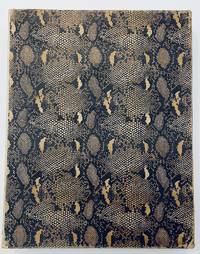
19497577Paris: Maxime Cottet-Dumoulin 1949. Limited Edition. Hardcover. Near Fine in Very Good Slipcase. A few tissueguards creased pale sporadic foxing else bright and unmarred. Slipcase shows minor shelf/edge wear else tight and clean. Case and boards in paper faux-snakeskin loose signatures tissueguards. fo. Illus. color and b/w plates. Numbered limited edition this being 98 of 123 110 10 3. Signed by Jouve and the publisher at the colophon. <br/><br/>Illustrated by Paul Jouve with 13 colored etchings 3 of which are double-page and a separate suite of the etchings in black and white. Text printed within red borders each page with Egyptian-themed headpiece heightened in brownish gold. Maxime Cottet-Dumoulin hardcover books
19497577Paris: Maxime Cottet-Dumoulin 1949. Limited Edition. Hardcover. Near Fine in Very Good Slipcase. Limited Edition. Hardcover. Illustrated by Paul Jouve with 13 colored etchings 3 of which are double-page and a separate suite of the etchings in black and white. Text printed within red borders each page with Egyptian-themed headpiece heightened in brownish gold. A few tissueguards creased pale sporadic foxing else bright and unmarred. Slipcase shows minor shelf/edge wear else tight and clean. Case and boards in paper faux-snakeskin loose signatures tissueguards. fo. Illus. color and b/w plates. Numbered limited edition this being 98 of 123 110 10 3. Signed by Jouve and the publisher at the colophon. Maxime Cottet-Dumoulin hardcover
1897282130Philadelphia: George Barrie 1897. hardcover. near fine. 53 volumes numerous engraved illustrations all with lettered tissue guards. Rubricated titles 3/4 black morocco marbled boards and end papers top edges gilt. Philadelphia: George Barrie 1897. The Edition Definitive. A near fine set. Very good.<br/><br/> Previous owners bookplates.<br/><br/> George Barrie unknown books
183244879Paris Charles Gosselin 1832 3 volumes in-8, demi-veau bleu nuit, plats de papier marbr, dos sans nerfs orns de fers et filets dors; doublures et gardes de papier crme, ttes lisses, non rogns (reliures de l'poque).Edition originale pour les Nouveaux contes philosophiques et dition originale pour les Contes philosophiques, mais avec le titre la date de 1832 (au lieu de 1831) sans aucune mention d'dition alors que l'on trouve habituellement Troisime dition. Avec deux frontispices gravs sur acier par Porret d'aprs Tony Johannot, l'un pour les Contes philosophiques et l'autre en tte des Nouveaux Contes philosophiques. Des bibliothques de Frdric de Pourtals (ex-libris) et du docteur Andr Chauveau (Paris, 1976, n35, ex-libris).
1899022602Boston: Hardy Pratt and Co 1899. Limited Edition. Octavo. Limited to only 40 sets. The present set is #2. A few volumes unopened. In 40 volumes illustrated with photogravures hand-colored by Jeannniot Adrien Moreau and several others who were specially chosen by the firm Goupil & Co. The set has a total of 283 hand-colored plates 7 per volume except volume 40 which has 10. with tissue guards present. Translated by Katharine Prescott Wormeley who most likely knows more about Balzac and his works than anyone in this country. He was her life's study. In the preface which was written by Balzac in 1856 was placed in volume I to give Balzac's own interpretation of his books. Balzac was an early pioneer of literary realism. He used incidents from his life and the people around him in works like Eugénie Grandet and Louis Lambert. His writings influenced several other writers including Henry James who wrote about him as did William Saroyan Marcel Proust adored him. He had been compared with Charles Dickens. An exceptionally fine set bound in 3/4 green morocco over marbled paper covered boards with matching endpapers raised bands lettered and decorated in gilt top edges gilt all others uncut. No names or bookplates spines are evenly faded but still quite beautiful. A monumental work. Hardy, Pratt and Co unknown
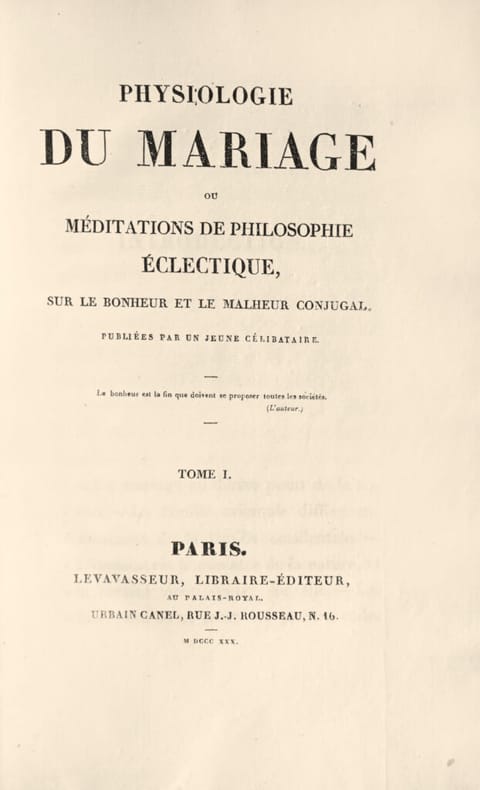
LCS-1864055Edition originale «rare et recherchée» Paris, Levavasseur - Urbain Canel, 1830. 2 volumes in-8de: (2) ff., pp. (vij)-xxxv, (2) ff., 328 pp. mal chiffrées 332; 352 pp. Demi-veau vert foncé à coins, dos à nerfs ornés de motifs dorés et à froid, tranches mouchetées. Reliure de l’époque. 203 x 126 mm.
36403Paris. Les Bibliophiles Comtois en 1930. Préface de Marcel Bouteron. Eaux-fortes originales de Charles Jouas. In-4 dans une reliure signée A. et E. Maylander, avec chemise et étui. Exemplaire n° 121/140, sur vélin du Marais. Ont été ajoutés un dessin original de Ch.Jouas, aux crayons de couleurs ( étude très poussée se rapportant à la page 131 ), la suite complète des eaux-fortes avant la coupure des cuivres, en eau-forte pure et en 2ème état et en frontispice, gravure originale répétée en 3 états. La reliure est en maroquin aubergine, aux plats ornés d'un jeu de 7 filets dorés et d'un rang de perles formant encadrement avec coins et milieux brisés, et dentelle romantique. Le dos est à l'identique. Large encadrement intérieur avec motif aux petits fers dorés, doublures et gardes de soie moirée grise, doubles gardes. Tranches dorées, couverture et dos conservés. Etat exceptionnel.
LCS-18207Edition originale « rare et précieuse » (Dirkx) de ce roman de Balzac. Paris, Dumont, 1844. 2 tomes en 2 volumes in-8 de : I/ 331 pp. ; II/ 319 pp. Qq. très légères piqûres. Demi-toile chagrinée verte, dos lisses ornés de filets dorés, tranches jaspées. Reliure de l’époque. 188 x 125 mm.
135028aafParis, Maxime Cottet-Dumoulin, 1949, in-4to, 70 p. + 1 f. colophon, ill. de 13 planches gravées dont 3 sur double-page de Paul Jouve + 1 planche en noir et 54 bandeaux, gravés sur cuivre à l’eau forte par Raymond Haasen. (17 planches pleine-page au total) + la suite en noir. Un des 123 ex.(110, 10, 3) avec une suite en noir N° 48, signées par l’artiste et l’éditeur. En feuilles couverture imprimée + chemise et emboîtage (étui) de l’éditeur à l’imitation de la peau de serpent. Bel exemplaire.
67644Limited to 1000 copies BALZAC HonorÈ de. The Novels of HonorÈ De Balzac. For the First Time Completely Translated Into English by George Burnham Ives. With Five Etchings by Alfred Boilot Loys-Henri Delteil and Xavier le Sueur After Paintings by Adrien Moreau. 1897. Complete in 53 octavo volumes. Limited to 1000 copies of which this is number 164. Original half red morocco over red cloth gilt stamped spines with two blue-gray morocco labels gilt-stamped. TEG. Edges bumped. Very good. George. Royce. HBS 67644. $5000 hardcover books
1935135186Paris: Louis Conard 1935. hardcover. fine. Huard Charles. In French.Texte revise et annote par Marcel Bouteron et Henri Longnon. Illustrated by Charles Huard. 38 out of 40 volumes 8vo 3/4 dark blue calf over blue marbled boards red leather labels gilt raised spines marbled endpapers top edges gilt with original stiff printed wrappers bound in. Paris: Louis Conard 1935. Fine.<br/><br/> Louis Conard unknown books
1899164399Boston: Little Brown 1899. hardcover. very good. Girardet Jules & Guyon Maximilienne. Centenary Edition. 33 volumes. Illustratrations by Jules Girardet and Maximilienne Guyon with tissue guards. Short 8vo bound in pretty 1/2 bright red morocco over marbled boards; gilt-stamped fruit tree motif along spines and dotted raised bands marbled endpapers top edge gilt. Boston: Little Brown 1899. Very good.<br/><br/> A few spine ends are lightly rubbed but overall a very nice set.<br/><br/> Little Brown unknown books