Torroella, Rafael Santos; Salvador DaliBiblio.com
25 427 résultats
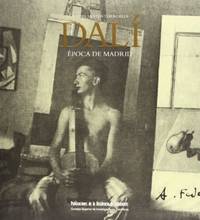
2000C93364CSIC. As New. 2000. Paperback. 8400074521 . FREE UPGRADE to Courier/Priority Shipping Upon Request - IN STOCK AND IMMEDIATELY AVAILABLE FOR SHIPMENT - Flawless copy brand new pristine never opened -- Corresponds to ISBN: 8400074521. Text in Spanish. 77 pages. Época Catalogue Raisonne Catalog Raisonné Complete Works Catálogo Razonado Obra Completa Raisonnee -- with a bonus offer-- - May be EITHER: out of print OOP and extremely rare in this pristine condition; signed by author or contributor; or a first or special edition; inquire for details . CSIC paperback
2000C93363CSIC. As New. 2000. Paperback. FREE UPGRADE to Courier/Priority Shipping Upon Request - IN STOCK AND IMMEDIATELY AVAILABLE FOR SHIPMENT - Flawless copy brand new pristine never opened -- Corresponds to ASIN: B003TL83FG. Text in Spanish. 77 pages. Época Catalogue Raisonne Catalog Raisonné Complete Works Catálogo Razonado Obra Completa Raisonnee -- with a bonus offer-- - May be EITHER: out of print OOP and extremely rare in this pristine condition; signed by author or contributor; or a first or special edition; inquire for details . CSIC paperback
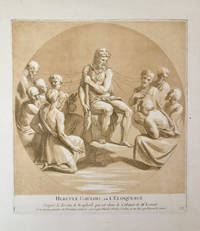
177217002Rome 1772. Copper engraving by Ottaviani after drawings by Savorelli and Camporesi printed in light brown coloured ink with contemporary hand-colouring. Good condition. Trimmed to just within plate mark along lower margin expert repairs to left margin not affecting image area. A highly decorative print from the famous "Loggie di Rafaele nel Vaticano" series with contemporary colouring of the highest quality from the golden age of the hand-coloured print.<br/> <br/> A very fine image from the first part of a work titled "Loggie di Rafaele nel Vaticano" depicting the decorative work executed by Raphael and his assistants between 1518-1519 in the Vatican. This remarkable print one of the first to be published of the decoration of the Logge on the main storey of the Vatican apartments was probably planned as early as 1760 but was not executed until between 1772 and 1776. The project as a whole was carried out by the painter Gaetano Savorelli the draughtsman Ludovico Teseo the architect Pietro Camporesi and the engravers Giovanni Ottaviani and Giovanni Volpato. The plate is remarkable not only as the first important visual record of Raphael's work but also for the quality of the hand-colouring - the work on this image is in our opinion some of the greatest to be produced in Europe during the whole of the eighteenth century: the golden age of the hand-coloured print. The whole series was of importance not just for the size and magnificent colouring of the prints but also because of the influence they had on contemporary taste. The decision was made to "borrow" elements from Raphael's Vatican tapestries and insert them where the original frescoes were in too poor a state to be legible. The finished plates therefore represented an amalgam of design elements presented with a crisp freshness of colour that held enormous appeal and stimulated the taste for the "grotesque" in the neo-classical period.<br/> <br/> Cf. Brunet IV 1110; cf. Berlin Katalog 4068; cf. Lambert Pattern and Design V. & A.: 1983 p. 26; "Raphael Invenit: Stampe da Rafaello" 1985 Ottaviano 4; Raphael: Reproduktions-graphik aus vier Jahrhunderten Coburg: 1984 p. 104. unknown
177217009Rome 1772. Copper engraving by Ottaviani after drawings by Savorelli and Camporesi printed in light brown coloured ink with contemporary hand-colouring. Good condition. Trimmed to just within plate mark along lower margin expert repair to upper left corner just affecting image area small repairs to right blank margin. A highly decorative print from the famous "Loggie di Rafaele nel Vaticano" series with contemporary colouring of the highest quality from the golden age of the hand-coloured print.<br/> <br/> A very fine image from the first part of a work titled "Loggie di Rafaele nel Vaticano" depicting the decorative work executed by Raphael and his assistants between 1518-1519 in the Vatican. This remarkable print one of the first to be published of the decoration of the Logge on the main storey of the Vatican apartments was probably planned as early as 1760 but was not executed until between 1772 and 1776. The project as a whole was carried out by the painter Gaetano Savorelli the draughtsman Ludovico Teseo the architect Pietro Camporesi and the engravers Giovanni Ottaviani and Giovanni Volpato. The plate is remarkable not only as the first important visual record of Raphael's work but also for the quality of the hand-colouring - the work on this image is in our opinion some of the greatest to be produced in Europe during the whole of the eighteenth century: the golden age of the hand-coloured print. The whole series was of importance not just for the size and magnificent colouring of the prints but also because of the influence they had on contemporary taste. The decision was made to "borrow" elements from Raphael's Vatican tapestries and insert them where the original frescoes were in too poor a state to be legible. The finished plates therefore represented an amalgam of design elements presented with a crisp freshness of colour that held enormous appeal and stimulated the taste for the "grotesque" in the neo-classical period.<br/> <br/> Cf. Brunet IV 1110; cf. Berlin Katalog 4068; cf. Lambert Pattern and Design V. & A.: 1983 p. 26; "Raphael Invenit: Stampe da Rafaello" 1985 Ottaviano 5; Raphael: Reproduktions-graphik aus vier Jahrhunderten Coburg: 1984 p. 104. unknown
177217002Rome 1772. Copper engraving by Ottaviani after drawings by Savorelli and Camporesi printed in light brown coloured ink with contemporary hand-colouring. Good condition. Trimmed to just within plate mark along lower margin expert repairs to left margin not affecting image area. A highly decorative print from the famous "Loggie di Rafaele nel Vaticano" series with contemporary colouring of the highest quality from the golden age of the hand-coloured print.<br/> <br/>A very fine image from the first part of a work titled "Loggie di Rafaele nel Vaticano" depicting the decorative work executed by Raphael and his assistants between 1518-1519 in the Vatican. This remarkable print one of the first to be published of the decoration of the Logge on the main storey of the Vatican apartments was probably planned as early as 1760 but was not executed until between 1772 and 1776. The project as a whole was carried out by the painter Gaetano Savorelli the draughtsman Ludovico Teseo the architect Pietro Camporesi and the engravers Giovanni Ottaviani and Giovanni Volpato. The plate is remarkable not only as the first important visual record of Raphael's work but also for the quality of the hand-colouring - the work on this image is in our opinion some of the greatest to be produced in Europe during the whole of the eighteenth century: the golden age of the hand-coloured print. The whole series was of importance not just for the size and magnificent colouring of the prints but also because of the influence they had on contemporary taste. The decision was made to "borrow" elements from Raphael's Vatican tapestries and insert them where the original frescoes were in too poor a state to be legible. The finished plates therefore represented an amalgam of design elements presented with a crisp freshness of colour that held enormous appeal and stimulated the taste for the "grotesque" in the neo-classical period.<br/> <br/>Cf. Brunet IV 1110; cf. Berlin Kat. 4068; cf. Lambert Pattern and Design V. & A.: 1983 p. 26; "Raphael Invenit: Stampe da Rafaello" 1985 Ottaviano 4; Raphael: Reproduktions-graphik aus vier Jahrhunderten Coburg: 1984 p. 104. unknown books
177217009Rome 1772. Copper engraving by Ottaviani after drawings by Savorelli and Camporesi printed in light brown coloured ink with contemporary hand-colouring. Good condition. Trimmed to just within plate mark along lower margin expert repair to upper left corner just affecting image area small repairs to right blank margin. A highly decorative print from the famous "Loggie di Rafaele nel Vaticano" series with contemporary colouring of the highest quality from the golden age of the hand-coloured print.<br/> <br/>A very fine image from the first part of a work titled "Loggie di Rafaele nel Vaticano" depicting the decorative work executed by Raphael and his assistants between 1518-1519 in the Vatican. This remarkable print one of the first to be published of the decoration of the Logge on the main storey of the Vatican apartments was probably planned as early as 1760 but was not executed until between 1772 and 1776. The project as a whole was carried out by the painter Gaetano Savorelli the draughtsman Ludovico Teseo the architect Pietro Camporesi and the engravers Giovanni Ottaviani and Giovanni Volpato. The plate is remarkable not only as the first important visual record of Raphael's work but also for the quality of the hand-colouring - the work on this image is in our opinion some of the greatest to be produced in Europe during the whole of the eighteenth century: the golden age of the hand-coloured print. The whole series was of importance not just for the size and magnificent colouring of the prints but also because of the influence they had on contemporary taste. The decision was made to "borrow" elements from Raphael's Vatican tapestries and insert them where the original frescoes were in too poor a state to be legible. The finished plates therefore represented an amalgam of design elements presented with a crisp freshness of colour that held enormous appeal and stimulated the taste for the "grotesque" in the neo-classical period.<br/> <br/>Cf. Brunet IV 1110; cf. Berlin Kat. 4068; cf. Lambert Pattern and Design V. & A.: 1983 p. 26; "Raphael Invenit: Stampe da Rafaello" 1985 Ottaviano 5; Raphael: Reproduktions-graphik aus vier Jahrhunderten Coburg: 1984 p. 104. unknown books
1970WRCLIT57895New York: Touchstone Publishers 1970. 244pp. plus lithographs. Large folio 65 x 48 cm; 25.5 x 19 inches. Loose sheets and signatures laid into folding cloth case. Case rather faded and smudged with lower edge of upper lid broken internally very good; except for two small marginal spots to one plate the plates are in fine state. First edition. One of the earliest of the several collaborations between the Nobel Prize-winning author and Soyer. From an edition of 175 copies and 20 a.ps. this is one of 150 numbered sets with the lithographs printed on Arches each signed and numbered by the artist in the margin and with the title-leaf signed by the author. Touchstone Publishers hardcover books
192856031928. Soyer Raphael. Soyer Raphael. EAST HOUSTON STREET. Lithograph 1928 Cole 15. 5 1/2 x 9 1/2 inches; 140 x 241 mm. Edition of about 50. Full margins. A repaired tear in the margin right and a light crease visible within the image upper right else a fine impression in very good condition. Very scarce. unknown
7245Soyer Raphael. Soyer Raphael. FIGURE COMPOSITION. Cole 31. Lithograph 1933. Edition of 25. 16 x 11 1/2 inches; 406 x 292 mm. Signed and titled in pencil. An affecting composition from the period of Soyer's fnest work. In excellent condition. unknown
1933128441933. Soyer Raphael. Soyer Raphael. IN STUDIO Cole 29. Lithograph 1933. Edition of 25. 15" x 10 1/4." Signed and titled in pencil and with Soyer's gift inscription "For Margaret Lowengrund" also in pencil lower left Margaret Lowengrund 1902-1957 was an American painter and printmaker; she was the founder of what is now the Pratt Graphic Arts Center at Pratt Institute. In excellent condiiton. unknown
193733151937. Soyer Raphael. Soyer Raphael. SKETCH CLASS ART CLASS Cole 47. Etching 1937. 6 x 9 7/8 in. Edition of about 25. Executed for and printed by WPA Federal Art Project. Titled "Art Class" and signed in ink. "We used to have sketch groups. We artists would get together and hire a model then meet at someone's house and draw from the nude. I made many drawiings not only of the model but also of the whole scene of people drawing the model." Gettings #38 unknown
192918911929. Soyer Raphael. Soyer Raphael. UNION SQUARE. Lithograph 1929. Cole 17A Edition of 10 titled and signed in pencil. 7 1/8" x 8 3/4". With the blindstamp of the printer Jacob Friedland center bottom and the date stamp of Downtown Gallery "Nov 15 1932" on reverse. In Very Good condition. One of five New York scenes produced by Soyer in 1929-30 Cole 15-18. All were done in very small editons 10-25 and are therefore very rare. unknown
1967C94067Da Capo. As New. 1967. Hardcover. FREE UPGRADE to Courier/Priority Shipping Upon Request - IN STOCK AND IMMEDIATELY AVAILABLE FOR SHIPMENT - TEXT PRISTINE & UNMARKED TIGHT TO THE SPINE - - Corresponds to ASIN B000I9F3D2. 257 pages; 124 black and white illustrations. Catalogue Raisonne Catalog Raisonné Complete Works Life and Work Raisonnee -- with a bonus offer-- - May be EITHER: out of print OOP and extremely rare in this pristine condition; signed by author or contributor; or a first or special edition; inquire for details . Da Capo hardcover
1978C94068Da Capo Pr. As New. 1978. Hardcover. 0306709864 . FREE UPGRADE to Courier/Priority Shipping Upon Request - IN STOCK AND IMMEDIATELY AVAILABLE FOR SHIPMENT - Text pristine & unmarked tight to the spine - 257 pages. Catalogue Raisonne Catalog Raisonné Complete Works Life and Work Raisonnee -- with a bonus offer-- - May be EITHER: out of print OOP and extremely rare in this pristine condition; signed by author or contributor; or a first or special edition; inquire for details . Da Capo Pr hardcover
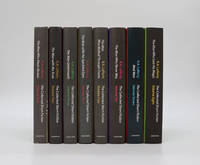
29967Lakewood CO: Centipede Press. 2013; 2014; 2015; 2017; 2018; 2021; 2023; 2025. Limited edition. Limited edition. Eight volumes. Signed by the author of the introduction cover artist and editor. Publisher's original black cloth with silver titles to the spine with blind illustration stamped to the upper boards in the Jacob McMurray illustrated dustwrappers. Satin ribbon page markers in every volume. With black and white photographs of the author featured in the introductions. A near fine set the binding square and firm the cloth mostly bright and fresh with some mottling to the boards of volume I. The contents with light spotting to the top edge of the closed text block of volumes I and III are otherwise clean throughout and without previous owners' inscriptions or stamps. Complete with the original dustwrappers; that of volume I lightly rubbed nicked and mildly spotted to the underside with a few light marks to the front panel and a couple of scuffs and punctures to the upper spine fold. The other seven dustwrappers with just a hint of rubbing to the extremities of volumes VI and VII and a tiny nick to the rear flap fold of volume VII are free from fading loss or tears. Not price-clipped. Issued in an edition of 300 copies from which this set is numbered 48 across all eight volumes and signed by the cover artist Jacob McMurray in volumes I-VI in facsimile in volumes VII and VIII and authors of the introductions Michael Swanwick Harlan Ellison Richard Lupoff Michael Kurland Neil Gaiman Scott Bradfield and Gary K. Wolfe respectively in black and green ink on the colophon. Signed by the editor John Pelan in green ink in volumes I-VI and in black facsimile on the colophon of the last two volumes. The complete collected short fiction of R. A. Lafferty as of April 2026 comprises eight volumes of an expected 12 total and marks the first ever publication of Lafferty's entire corpus of short stories. The project was initiated by editor John Pelan a science fiction-horror author known for founding the publishing house Axolotl Press who sadly passed away in 2021 before the series' completion. 'The Man Who Made Models' volume I and 'The Man with the Speckled Eyes' volume IV were nominated for the Locus Award for 'Best Collection' in 2015 and 2018 respectively. In a writing career spanning more than three decades R. A. Lafferty has been nominated for a World Fantasy Award four Hugo winning the 1973 Hugo Award for his short story 'Eurema's Dam' and seven Nebula Awards. In 1990 the author was the recipient of the World Fantasy Lifetime Achievement Award. 'R. A. Lafferty is unique in the old unspoiled sense of the word. A genius as wild and joyful delightful and unpredictable as his comes along but once in a lifetime. Cherish him. If there were no Lafferty we would lack the imagination to invent him.' Michael Swanwick. Further details and images for any of the items listed are available on request. Lucius Books welcomes direct contact with our customers. Lakewood, CO: Centipede Press. 2013; 2014; 2015; 2017; 2018; 2021; 2023; 2025. hardcover
19198956Alfred Knopf. Good with no dust jacket. 1919. First Edition; First Printing. Hardcover. Half brown cloth cover with tan paper covered boards is frayed at extremities soiled and damp stained. Boards and spine are straight. Binding is tight. Half inch tear on front end sheet. Color frontispiece protected by tissue is near pristine. Title page has a 1/8" pen mark near bottom otherwise pristine. Pages and plates have a very faint damp stain along the top margin but doesn't come near the illustrations or text. Pages plates and tissues are otherwise clean and in excellent condition. . . Alfred Knopf hardcover
2005C86962Arcos Verlag. As New. 2005. Hardcover. 3935339216 . FREE UPGRADE to Courier/Priority Shipping Upon Request - IN STOCK AND IMMEDIATELY AVAILABLE FOR SHIPMENT - Flawless copy brand new pristine never opened -- Text in English. 296 pages; over 130 illustrations including 32 in color. Catalogue Raisonne Catalog Raisonné Complete Works Life and Work Raisonnee -- with a bonus offer-- - May be EITHER: out of print OOP and extremely rare in this pristine condition; signed by author or contributor; or a first or special edition; inquire for details . Arcos Verlag hardcover
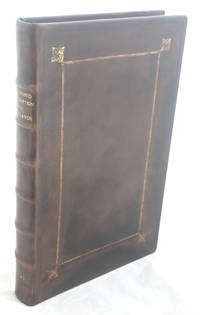
1587033313<p>London : Holinshed Harrison Jooker et al 1587 A good copy of the Scottish part of Holinshed's Chronicles. First published in 1577 this work was revised and reissued after censorship in 1587. This is the 1587 reissue - said to have been used by Shakespeare in writing Macbeth. This copy is in a recent full calf binding with a panelled design to the boards with gilt titles and date. It has minimal wear. New endpapers and intial and final blanks have been added. Contains: decorative title page dated 1585 with some professioanl repair to the side edge; dedication pp 3-4; Contents list p5; authorship p6; The description of Scotland pp7-23 blank verso; title page - The Historie of Scotland dated 1585; dedication p 27-28; The Historie of Scotland pp 29-464; first table alphabeticall 12 pp; second table alphabeticall 15pp; finis. These two index sections do not cover Scotland - the third and fourth tables are missing together with the Colophon. There are 2 problems with the collation. The leaf with 325/6 is missing and has been replaced with a blank sheet. A fascimile of this leaf is loose in the book. There is considerable mispagination with pp 430-439 - part of the havoc created by censorship of the work at the time. The pagination is: 430-436 tie works 437-432 tie does not work - pp 438/431 should be after 437 and are missing but supplied loose in facsimile - 433-439 tie works. Overall the contents are in very good clean condition with the occasional small stain or mark ink drink at 98/9. However pp 419-424 are in much more fragile condition suggesting that they were added in from another volume. There is a large ink splatter affecting the gutter and some of the text in the lower part on pp 419-424 although all the text is readable. Side edges are browned and fragile in this section and there are some paper repairs on pp 421/2. There is a small burn hole in the text at pp 389/90 and tiny burn holes in the gutter of pp 401/2. Please enquire if you would like to see additional images.</p> Holinshed, Harrison, Jooker et al hardcover
2001C91034IDE Et CALENDE. As New. 2001. Paperback. 2825801534 . FREE UPGRADE to Courier/Priority Shipping Upon Request - IN STOCK AND IMMEDIATELY AVAILABLE FOR SHIPMENT - Flawless copy brand new pristine never opened -- Text in French. 336 pages; illustrated in black and white. Catalogue Raisonne Catalog Raisonné Complete Works La Vie et L'uvre Oeuvre Raisonnee -- with a bonus offer-- - May be EITHER: out of print OOP and extremely rare in this pristine condition; signed by author or contributor; or a first or special edition; inquire for details . IDE Et CALENDE paperback
88002801Paris 1918 Laurens. Red cloth tall folio very good index of painters general table glossary 497 b. w. gravures 28 x 40 cm. minor wear to corners spine head/tail clean solid copy. RARE FIRST & ONLY LIMITED NUMBERED EDITION 550 COPIES . . . THE FIRST MONOGRAPH ON THE MUSTARD SEED GARDEN . . . IN A EUROPEAN LANGUAGE . This is a wonderful work with superb detail coverage of the JIE ZI YUAN HUA ZHUANG HUA NIAO PU: MUSTARD SEED GARDEN. GUIDE TO PAINTING a Chinese classic by Li Li-Ong & Wang Kai in 1679. . This work discusses and illustrates a great portion of the original with additional commentaries. Hailed as the most important Chinese book on painting ever issued it has been a continual source of instruction for Chinese and Japanese as well as for Western artists over the centuries. This covers landscapes flowers flowers birds and figures with critical notes on the principles and technical advice on painting. . Useful analyses of the methods of drawing for landscapes and for flower & birds. This superb work was begun in 1677 and finished in 1679. It has become a classic of Ming & Ch'ing painting and a guide to both scholars & artists throughout China. . A major European reference on this great Chinese classic few works in Western languages were written about this book therefore this is the one single and most copious of any resource. Issued in a huge folio size 30 x 41 cm. over all in heavy rag paper a monumental work ! . End of the book description. . . . NOTES ON THE SEPARATE ENGLISH TRANSLATION TYPED MANUSCRIPT: . TITLE: THE CHINESE PAINTERS This is a typed manuscript from the Justin D. Metzgar collection. This translation consists of the following parts from the original book in French. This is the only known translation excerpt to have been don't on this classic title . This item is sold separately from the above described book. . Preface Part I: THE TECHNIQUE: 1. Tools of the painter 2. The representative of forms 3. The division of subjects 4. Inspiration . Part II 1. Origins 2. Chinese painting before the coming of Buddhism 3. The intervention of Buddhism 4. Chinese painting in the T'ang Epoch 7th-10th centuries 5. Painting in the Sung epoch 10th to 13th centuries 6. Chinese painting in the Yuan epoch 13th to 14th . centuries 7. Chinese painting in the Ming epoch 14th to 17th . centuries 8. Chinese painting in the Ch'ing epoch 17th to 20th . centuries . 9. Conclusions . INDEX OF PAINTERS by dynasty epochs per above. . The above is the excerpt is the only translated part into English. A useful resource. . See spine.jpg photo posted to our website for the title page of this item. Other photos are of the Petrucci book. . End of typed manuscript item. . BIBLIOGRAPHY . K. Toda: THE RYERSON COLLECTION OF JAPANESE AND CHINESE ILLUSTRATED BOOKS p.406-410. J. Needham SCIENCE AND CIVILIZATION IN CHINA: vol.3 p.596 et al for more details. SZE Mai-Mai: THE TAO OF PAINTING: A Study of the Ritual Disposition of Chinese Painting. With Translation of the Chieh Tzu Yuan Hua Chuan or Mustard Seed Garden Manual of Painting 1679-1701. Please inquire with us as we may have this in stock. RAWSON Jessica. ed. et al.: THE BRITISH MUSEUM BOOK OF CHINESE ART.: page 124. . unknown
17296061729. Chiaroscuro woodcut printed from two blocks in beige and olive with etching and aquatint on cream laid paper 11 1/8 x 10 inches 281 x 252 mm plate full margins with the text printing clearly below in olive ink. In very good condition with no visible defects other than one pinpoint sized spot of foxing on the verso left sheet center. Charles Nicolas Cochin père did the etching Vincent Le Sueur did the chiaroscuro woodcut. After a Drawing by Raffaello Sanzio. The supposed Raphael drawing on which the print is based is now identified as "school of" but the print remains as beautiful despite the re-attribution. The Cabinet Crozat was a collection of prints after drawings in the collection of Pierre Crozat then known as one of the finest collections in the world. Many of the prints which were by various hands were made in the unusual combination of etching with chiaroscuro woodcut superimposed upon it. In this case Cochin did the etching and Le Sueur the chiaroscuro woodcut. Registration must have been a problem but here at least the plate and the blocks are almost perfectly aligned. unknown
177420164Rome 1774. Copper engraving by Ottaviani after drawings by Savorelli and Camporesi printed in light brown coloured ink with contemporary hand-colouring. Neat marginal restoration. A stunning plate from "Logge di Rafaele nel Vaticano": with contemporary colouring of the highest quality from the golden age of the hand-coloured print. The scene in the main panel shows the three angels that appeared to Abraham and told him that he and his wife Sarah will have a son.<br/> <br/>A very fine image from the second part of a work titled "Loggie di Rafaele nel Vaticano" depicting the decorative work executed by Raphael and his assistants between 1518-1519 in the Vatican. They were drawn by Gaetano Savorelli a Roman painter and draughtsman best known for his Raphael drawings and Pietro Camporesi a Roman architect who worked for Pope Clemens XIII and Pius VI on rooms for the Vatican Museum. The first to illustrate the famous frescoes these beautiful plates were probably planned as early as 1760 but were not executed until 1772 to 1776. The plate is remarkable not only as the first important visual record of Raphael's work but also for the quality of the hand-colouring - the work on this image is in our opinion some of the greatest to be produced in Europe during the whole of the eighteenth century: the golden age of the hand-coloured print. They were remarkable not just for their size and magnificent colouring but also because of the influence they had on contemporary taste. The decision was made to "borrow" elements from Raphael's Vatican tapestries and insert them where the original frescoes were in too poor a state to be legible. The finished plates therefore represented an amalgam of design elements presented with a crisp freshness of colour that held enormous appeal and did much to stimulate the taste for the "grotesque" in the Neo-classical period. A year after the death of his principal patron Julius II Raphael succeeded Donato Bramante in 1514 as the official Vatican architect. Having previously adorned the "Stanze" or chambers of Julius on the second floor of the papal apartments in the Vatican palace he was commissioned by Leo X in 1517 to decorate the adjacent Logge. He designed an elaborate cycle of ornamental frescoes for the room's ceiling vaults doors and auxiliary pillars which were executed by his assistants Giulio Romano and Giovanni da Udine. Twelve of the quadrilateral ceiling vaults were adorned with murals of familiar Old Testament scenes and one with a scene from the New Testament while the more decorative frescoes painted on the pilasters by Udine were covered with imaginative compositions of 'grotesque' motifs like foliage fruit and chimerical beasts.<br/> <br/>Cf. Brunet IV 1110 & 1111; cf. Berlin "Kat". 4068 & 4066; "Raphael Invenit: Stampe da Rafaello" 1985 Ottaviano 22; cf. "Raphael: Reproduktions-graphik aus vier Jahrhunderten" Coburg 1984 104 & no. 245. unknown books
177020166Rome 1770. Copper engraving on two joined sheets by Ottaviani after drawings by Savorelli and Camporesi printed in light brown coloured ink with contemporary hand-colouring. Neat marginal restoration. A stunning plate from "Logge di Rafaele nel Vaticano": with contemporary colouring of the highest quality from the golden age of the hand-coloured print. The main panel shows Jacob at Luza having a vision of the angels ascending and descending by a ladder which reached from earth to heaven.<br/> <br/>A very fine image from the second part of a work titled "Loggie di Rafaele nel Vaticano" depicting the decorative work executed by Raphael and his assistants between 1518-1519 in the Vatican. They were drawn by Gaetano Savorelli a Roman painter and draughtsman best known for his Raphael drawings and Pietro Camporesi a Roman architect who worked for Pope Clemens XIII and Pius VI on rooms for the Vatican Museum. The first to illustrate the famous frescoes these beautiful plates were probably planned as early as 1760 but were not executed until 1772 to 1776. The plate is remarkable not only as the first important visual record of Raphael's work but also for the quality of the hand-colouring - the work on this image is in our opinion some of the greatest to be produced in Europe during the whole of the eighteenth century: the golden age of the hand-coloured print. They were remarkable not just for their size and magnificent colouring but also because of the influence they had on contemporary taste. The decision was made to "borrow" elements from Raphael's Vatican tapestries and insert them where the original frescoes were in too poor a state to be legible. The finished plates therefore represented an amalgam of design elements presented with a crisp freshness of colour that held enormous appeal and did much to stimulate the taste for the "grotesque" in the Neo-classical period. A year after the death of his principal patron Julius II Raphael succeeded Donato Bramante in 1514 as the official Vatican architect. Having previously adorned the "Stanze" or chambers of Julius on the second floor of the papal apartments in the Vatican palace he was commissioned by Leo X in 1517 to decorate the adjacent Logge. He designed an elaborate cycle of ornamental frescoes for the room's ceiling vaults doors and auxiliary pillars which were executed by his assistants Giulio Romano and Giovanni da Udine. Twelve of the quadrilateral ceiling vaults were adorned with murals of familiar Old Testament scenes and one with a scene from the New Testament while the more decorative frescoes painted on the pilasters by Udine were covered with imaginative compositions of 'grotesque' motifs like foliage fruit and chimerical beasts.<br/> <br/>Cf. Brunet IV 1110 & 1111; cf. Berlin "Kat". 4068 & 4066; "Raphael Invenit: Stampe da Rafaello" 1985 Ottaviano 22; cf. "Raphael: Reproduktions-graphik aus vier Jahrhunderten" Coburg 1984 104 & no. 245. unknown books
177420167Rome 1774. Copper engraving on two joined sheets by Ottaviani after drawings by Savorelli and Camporesi printed in light brown coloured ink with contemporary hand-colouring. Neat marginal restoration. A stunning plate from "Logge di Rafaele nel Vaticano": with contemporary colouring of the highest quality from the golden age of the hand-coloured print. The main panel shows Joseph telling his brothers of his prophetic dreams "Hear my dream which I dreamed. I thought we were binding sheaves in the field: and my sheaf arose as it were and stood and your sheaves standing about bowed down before my sheaf . I saw in . another dream as it were the sun and the moon and eleven stars worshipping me."<br/> <br/>A very fine image from the second part of a work titled "Loggie di Rafaele nel Vaticano" depicting the decorative work executed by Raphael and his assistants between 1518-1519 in the Vatican. They were drawn by Gaetano Savorelli a Roman painter and draughtsman best known for his Raphael drawings and Pietro Camporesi a Roman architect who worked for Pope Clemens XIII and Pius VI on rooms for the Vatican Museum. The first to illustrate the famous frescoes these beautiful plates were probably planned as early as 1760 but were not executed until 1772 to 1776. The plate is remarkable not only as the first important visual record of Raphael's work but also for the quality of the hand-colouring - the work on this image is in our opinion some of the greatest to be produced in Europe during the whole of the eighteenth century: the golden age of the hand-coloured print. They were remarkable not just for their size and magnificent colouring but also because of the influence they had on contemporary taste. The decision was made to "borrow" elements from Raphael's Vatican tapestries and insert them where the original frescoes were in too poor a state to be legible. The finished plates therefore represented an amalgam of design elements presented with a crisp freshness of colour that held enormous appeal and did much to stimulate the taste for the "grotesque" in the Neo-classical period. A year after the death of his principal patron Julius II Raphael succeeded Donato Bramante in 1514 as the official Vatican architect. Having previously adorned the "Stanze" or chambers of Julius on the second floor of the papal apartments in the Vatican palace he was commissioned by Leo X in 1517 to decorate the adjacent Logge. He designed an elaborate cycle of ornamental frescoes for the room's ceiling vaults doors and auxiliary pillars which were executed by his assistants Giulio Romano and Giovanni da Udine. Twelve of the quadrilateral ceiling vaults were adorned with murals of familiar Old Testament scenes and one with a scene from the New Testament while the more decorative frescoes painted on the pilasters by Udine were covered with imaginative compositions of 'grotesque' motifs like foliage fruit and chimerical beasts.<br/> <br/>Cf. Brunet IV 1110 & 1111; cf. Berlin "Kat". 4068 & 4066; "Raphael Invenit: Stampe da Rafaello" 1985 Ottaviano 22; cf. "Raphael: Reproduktions-graphik aus vier Jahrhunderten" Coburg 1984 104 & no. 245. unknown books
177420169Rome 1774. Copper engraving on two joined sheets by Ottaviani after drawings by Savorelli and Camporesi printed in light brown coloured ink with contemporary hand-colouring. Neat marginal restoration. A stunning plate from "Logge di Rafaele nel Vaticano": with contemporary colouring of the highest quality from the golden age of the hand-coloured print. The main panel shows King David having subdued Syria returning to Jersusalem with armour made of gold.<br/> <br/>A very fine image from the second part of a work titled "Loggie di Rafaele nel Vaticano" depicting the decorative work executed by Raphael and his assistants between 1518-1519 in the Vatican. They were drawn by Gaetano Savorelli a Roman painter and draughtsman best known for his Raphael drawings and Pietro Camporesi a Roman architect who worked for Pope Clemens XIII and Pius VI on rooms for the Vatican Museum. The first to illustrate the famous frescoes these beautiful plates were probably planned as early as 1760 but were not executed until 1772 to 1776. The plate is remarkable not only as the first important visual record of Raphael's work but also for the quality of the hand-colouring - the work on this image is in our opinion some of the greatest to be produced in Europe during the whole of the eighteenth century: the golden age of the hand-coloured print. They were remarkable not just for their size and magnificent colouring but also because of the influence they had on contemporary taste. The decision was made to "borrow" elements from Raphael's Vatican tapestries and insert them where the original frescoes were in too poor a state to be legible. The finished plates therefore represented an amalgam of design elements presented with a crisp freshness of colour that held enormous appeal and did much to stimulate the taste for the "grotesque" in the Neo-classical period. A year after the death of his principal patron Julius II Raphael succeeded Donato Bramante in 1514 as the official Vatican architect. Having previously adorned the "Stanze" or chambers of Julius on the second floor of the papal apartments in the Vatican palace he was commissioned by Leo X in 1517 to decorate the adjacent Logge. He designed an elaborate cycle of ornamental frescoes for the room's ceiling vaults doors and auxiliary pillars which were executed by his assistants Giulio Romano and Giovanni da Udine. Twelve of the quadrilateral ceiling vaults were adorned with murals of familiar Old Testament scenes and one with a scene from the New Testament while the more decorative frescoes painted on the pilasters by Udine were covered with imaginative compositions of 'grotesque' motifs like foliage fruit and chimerical beasts.<br/> <br/>Cf. Brunet IV 1110 & 1111; cf. Berlin "Kat". 4068 & 4066; "Raphael Invenit: Stampe da Rafaello" 1985 Ottaviano 22; cf. "Raphael: Reproduktions-graphik aus vier Jahrhunderten" Coburg 1984 104 & no. 245. unknown books