Victor HUGOBiblio.com
31 339 résultats
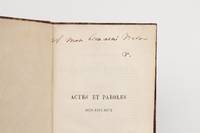
187848336Paris: Calmann-Lévy 1878. Fine. Calmann-Lévy Paris 1878 15 x 23.50 cm relié First edition one of 15 copies on Whathman paper Contemporary Bradel binding by Paul Vié in red cloth gilt fleuron to spine midnight blue morocco titlepiece double fillet and date at foot of spine Handsome autograph inscription from Victor Hugo to Leconte de Lisle poet and head of the Parnassianist movement who would go on to take over Hugo's chair at the Académie Française. Calmann-Lévy hardcover
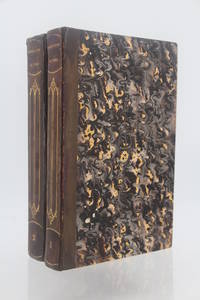
183188279Paris: Charles Gosselin 1831. Fine. Charles Gosselin Paris 1831 13.60 x 21 cm 2 volumes reliés First edition limited to 1100 copies divided into four fictitious editions within the same year in order to create the illusion of commercial success. These were subsequently reissued with a new title-page bearing an edition statement and the authors name together with a volume designation on the half-titles cf. Clouzot. Our copy carries the designation third edition. Contemporary bookplate traces on the upper pastedowns. Expert restorations to headcaps and joints with a tiny loss at the foot of the lower joint of vol. I. A clean copy entirely free of foxing. Contemporary half chocolate calf bindings smooth spines decorated with gilt fillets and romantic fleurons with gilt Gothic motifs marbled paper boards pebbled paper endpapers and pastedowns marbled edges strictly contemporary bindings. The title-pages are illustrated with two wood-engraved vignettes after Tony Johannot by Poiret showing Esmeralda offering water to Quasimodo vol. I and LAmende honorable vol. II. A fine copy in handsome period bindings and entirely without foxing a state of preservation very seldom encountered. This first edition in fine condition is the rarest of all the authors works; it enjoyed worldwide renown and is among the most difficult to obtain from the Romantic period Carteret. Charles Gosselin hardcover
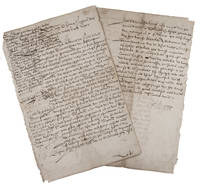
185670986Hauteville House Hauteville House 1856. Fine. Hauteville House Hauteville House 11 et 13 mai 1856 14 x 21.50 cm une feuille Autograph letter signed by Victor Hugo dated 13 May 1856 following an unpublished letter from Madame Victor Hugo to Madame David d'Angers dated 11 May. 4 pages on a folded sheet with watermark ""Barbet Smith Street Guernesey"". Published in Correspondance de Victor Hugo Paris year 1856 p. 246 In this letter imbued with the apparitions and specters that haunt the recently published Contemplations Victor Hugo addresses the widow of his great friend the sculptor David d'Angers fervent republican and artist particularly admired by the Romantics. In the midst of a mystical crisis Hugo speaks to the shadow of the sculptor to whom he dedicated sublime poems in Les feuilles d'automne as well as Les rayons et les ombres and requests from his widow his favorite portrait a marble bust once sculpted by David d'Angers. After the expulsion of the exiles from the island of Jersey Victor Hugo purchased Hauteville House thanks to the success of Contemplations and sadly learned of the death of a dear friend. He writes to the sculptor's widow on the same sheet as his wife Adèle also connected with the family of David d'Angers creator of a medallion in her likeness: ""You are the widow of our great David d'Angers and you are his worthy widow as you were his worthy wife"". The renowned sculptor had already formed bonds at Nodier's first romantic salon at the Arsenal and visited Hugo almost daily in the late 1820s in the Bonapartist and good-natured atmosphere of rue Notre-Dame des Champs in the company of the Devéria brothers Sainte-Beuve Balzac Nanteuil and Delacroix. In 1828 the writer had happily posed in David d'Angers' studio on rue de Fleurus for a medallion then a bust which had been followed by two sublime poems celebrating the sculptor's talent in Les Feuilles d'Automne and Les rayons et les ombres. Of all his numerous portraits he cherished above all others his marble bust signed David d'Angers and does not hesitate to request it from his widow: ""Before long perhaps madame my family will ask you to return this bust which is my figure which is little but which is a masterpiece by David which is everything. It is him even more than me and that is why we want to have it among us"". From these posing sessions with the sculptor arose fruitful aesthetic and political conversations where their common aversion to the death penalty was affirmed. They witnessed the chaining of galley slaves who were joining Toulon from Paris described by Hugo in two chapters of Dernier jour d'un condamné. A victim of exile like Hugo David d'Angers had returned to Paris before joining the world of the dead: ""My exile is like neighbor to his tomb and I see distinctly his great soul outside this world as I see his great life in the stern history of our time"". The ""great life"" of David d'Angers was devoted to shaping the effigies of illustrious men through a subtle balance of resemblance and idealization. The sculptor finally takes his place in Victor Hugo's personal pantheon he who had adorned the pediment of the true Pantheon of great men where the writer rests today: ""David is today a figure of memory a renown of marble an inhabitant of the pedestal after having been its craftsman. Today death has consecrated the man and the sculptor is statue. The shadow he casts upon you madame gives your life the form of glory"". It was indeed in the shadow of great men that Hugo lived his exile in Jersey far from the tumult of the capital and in the silence punctuated by sea spray striking the windowpanes. Hugo had plunged into the occult and spoke to the departed: ""David is one of the shadows to whom I speak most often shadow myself"" he declares recalling the final poem of Contemplations ""Ce que dit la bouche d'ombre"" dictated to the poet through the spiritualist process of ""turning tables"". Then at the height of their popularity the tables were practice unknown
187258439Paris: Michel Lévy frères 1872. Fine. Michel Lévy frères Paris 1872 11.50 x 18 cm relié First edition on current paper it was printed 100 copies on Holland paper in large papers. Binding half shagreen red back with four purposes nerves set with golden dots adorned with gilded fleurons and nets cold patches of marbled paper guards and contreplats of handmade paper speckled slices Contemporary binding signed Derveaux son. Rare foxing mainly affecting the margins of some leaves. Exceptional autograph signed by Victor Hugo to his son François-Victor on the fake title page: ""To my beloved Victor. V. » In 1872 only two of the five children that Victor Hugo had with his wife Adèle Foucher are still alive: François-Victor whom he calls simply Victor and on whom he defers his affection and Adèle walled in madness who has just been interned on his return from Barbaspine. Hugo notes in his notebooks: ""Just a year ago I was leaving for Bordeaux with Charles his other son who was not going back alive. Today I see Adele again. What shagreen! But the tragedies will continue to strike the old writer: the ""beloved"" Francis Victor will succumb the following year in 1873 tuberculosis. François-Victor Hugo is the author of a monumental translation of the complete works of William Shakespeare the first respectful of the language of the English playwright: ""For those who in Shakespeare want all Shakespeare this translation was missing"" wrote with emotion Hugo in the preface. Nice copy enriched with a very moving dedication of Victor Hugo to his son. Michel Lévy frères unknown
195048738Paris.: By the artists / COBRA-bibliotheek. 1950 December. Original publisher's tan photocopy card portfolio with flap title after Claus' manuscript to front cover with illustration by Appel across covers and spine coloured by the artist by hand. 4to. 276 x 228 mm. Leaf with title with small vignette frontispiece by Appel verso following leaves with verse by Claus and full-page illustrations all composed as spreads with Appel's illustration at left and Claus' verse at right final leaf with justification verso; photocopy text and illustration throughout all of Appel's illustrations are signed in the plate and feature colouring by the artist by hand. Sheet size: 270 x 210 mm. A very rare presentation copy of Karel Appel and Hugo Claus' photocopy artist book with the illustration with additional colour by Appel by hand.From the edition limited to 200 numbered copies signed by Appel and Claus in blue ink to the title; Appel's presentation is in blue ink to the same leaf: 'VOOR / ALDO. / 25-12-'50'.The first and only number of this very rare early CoBrA publication produced while the Belgian poet Claus and the Dutch painter Appel lived in Paris. Claus and Appel attempted to solicit subscriptions for what was to be a series of publications each issue would be available for three guilders however only three copies were in fact subscribed for and the project was abandoned after this sole number. Produced in its entirety using a prototype photocopy method 'een Foto-copy systeem' the illustrations were coloured individually by Appel by hand using vibrant primary colours.Many copies also include the original subscription announcement a single sheet with text and a single illustration and the fact it is not present here combined with the number of the present example - '3' - and the date of the presentation '25-12-'50' and the date of publication 'December 1950' suggest that this is one of those three copies that were in fact subscribed for.'De Blijde En Onvoorziene Week' The Happy and Unforeseen Week features a poem by Claus for each day - it begins with Sunday 'Zondag' and ends with Saturday 'Zaterdag' - combined with Appel's characteristic illustrations. Appel created his illustrations spontaneously while Claus' poems were written using matches dipped in ink. The pair anticipated that each issue of the 'Hand-Reeks' would require a single afternoon to produce however the dearth of orders ensured that no further numbers were produced and the project was abandoned.'De blijde en onvoorziene week valt op door de ongepolijste directheid van het materiaal de tegelijk speelse en agressieve toon de associatieve techniek en de grensvervaging tussen mens en wereld. De tekeningen zijn door Appel in primaire kleuren met de hand ingekleurd de gedichten zijn met in inkt gedoopte lucifers geschreven. Tussen tekst en tekening bestaat geen dwingend verband. Ze staan naast elkaar: de tekeningen zijn niet bedoeld als illustratie van de gedichten de teksten zijn geen bijschriften bij de tekeningen.' Erfgoedbibliotheek Hendrik Conscience.Aldo van Eyck 1918 - 1999 was an influential Dutch architect of international repute with intimate connections to the pre- and post-war avant garde. In the 1940s Aldo and his wife Hannie also an architect of major repute lived in Zurich where through Siegfried Giedion and Carola Giedion-Welcker they met a number of the artists and poets connected to dada: Arp Tzara Ernst Brancusi and others. Connected too to the Dutch Experimental Group and to CoBrA and of course through the architecture they held in common Constant Constant and Aldo van Eyck produced the 1953 book 'Voor Eeen Spatiaal Colorisme' the van Eycks had an important collection of art and artist books related to CoBrA and the wider European avant garde.'De Blijde En Onvoorziene Week' is scarce in institutions: OCLC reports examples in the Netherlands 3 copies at the Stedelijk the Koninklijke Bibliotheek and Leiden Spain a single copy at the Biblioteca del Museo Reina Sofia France a single copy at the Bibliothèque Nationale with the note 'Tiré à 200 ex. numérotés sans doute moins avec les dessins coloriés à la main.' Switzerland a single copy at the Schweiz Institut für Kunstwissenschaft and Belgium at the Vlaamse Erfgoedbibliotheek in Europe and the US 2 examples at the NYPL and Texas Christian University with a final example in South Africa at Unisa Muckleneuk. Copies of the 1979 facsimile reproducing copy number one are held at the BL and Cambridge in the UK; we trace no copies of this original edition.see the catalogue of the Erfgoedbibliotheek Hendrik Conscience. By the artists / COBRA-bibliotheek. unknown
1892105788Boston: Estes and Lauriat 1892. Limited edition numbered 148 of 500 sets printed on Holland paper translated into English by Alexandre Baillot and with two volumes of biography by Alfred Barbou 1846-1907. 30 vols octavo. Vignette title pages printed in red and black 200 plates with captioned tissue guards. Recent light brown crushed half morocco raised bands forming compartments to spine ruled in gilt titles direct to second and third gilt others with foliate cornerpieces and central arabesque devices gilt with circular green morocco onlays marbled sides ruled in gilt top edges gilt others untrimmed. A fine set. hardcover
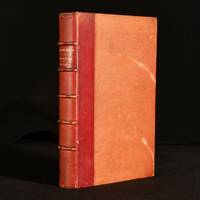
1836845P16Paris: Eugene Renduel 1836. First edition. Leather. Good. 8.5" by 5.5". Various. The first illustrated edition of one of Victor Hugo's best known books in the original French inscribed by Hugo himself. The first illustrated edition first issue and the first edition complete in one volume.Inscribed note from Victor Hugo adhered before the half-title. 'A mon bien cher ami . Victor Hugo'.Very uncommon to find a copy of Notre-Dame dedicated or inscribed by Hugo.We believe this was dedicated at the time of publication. Illustrated with an engraved title and ten plates.This is an early copy without the plate 'De l'utilité des fenêtres' as is common as the plate was not yet ready when the work was published.In the original French.'Notre-Dame' is one of the most famous French novels written. It is a Gothic novel set in Paris in 1482 surrounding the cathedral of Notre Dame. The story follows the gypsy Esmeralda as she captures the heart of Quasimodo the bellringer of Notre-Dame.Written by Victor Hugo a Romantic novelist best known for this work and for the epic 'Les Miserables'.Illustrated after Louis Boulanger Alfred Johannot Tony Johannot Denis Auguste Marie Raffet and Camille Rogier.Bookplate of Oliver Brett to the front paste down. The 3rd Viscount Esher Brett was notable for being a chairman for the National Trust for 25 years and being involved in many important cultural and artistic charities. In a quarter morocco binding with paper to the boards. Externally generally smart. Rubbing to the boards resulting in two chips of loss of paper to the front board. Light rubbing to the extremities and spine. Minor discolouration to the boards. A few minor marks to the boards and spine. Very light bumping to the extremities. Bookplate to the front paste down. Clipping pasted to the verso of the front endpaper. Internally firmly bound. Pages are bright and generally clean with the occasional spot. Tide mark to the top edge and fore edge of the engraved title and fainter to the title page and to plates facing pages 61 124 261 299 424 462 and 511. Good Eugene Renduel hardcover
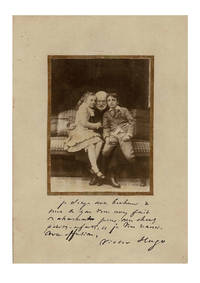
1880Hugo18<p><strong>HUGO Victor 1802-1885</strong></p><p>Autograph inscription signed " Victor Hugo " below an albumen print by Achille Mélandri<br />N.p.n.d. print : Spring 1880 127 x 9 cm print 24 x 17 cm montage<br />Tiny spots</p><p><strong>Superb albumen print of Victor Hugo surrounded by his two grandchildren celebrating <em>The Art of Being a Grandfather</em></strong></p><p><u>The print is enriched on the mount with a moving autograph mention signed:</u></p><p><em>" Je songe avec bonheur à tout ce que vous avez fait de charmant pour mes chers petits-enfants et je vous remercie avec effusion. </em><br /><em>Victor Hugo "</em></p><p>After the passing of his eldest son Charles Hugo when his children were only three and two years old respectively Victor Hugo took charge of raising his only grandchildren. They devoted unwavering affection and admiration to him throughout their lives.</p><p>An extraordinary figure and close friend of Charles Cros Achille Mélandri was both a poet and an excellent photographer. Located at 19 rue Clauzel his studio was one of the essential places in the Parisian artistic world at the end of the 19th century.</p><p>A similar proof is held in the collections of Victor Hugo's house at Hauteville House in Guernsey inventory no. 3279.</p><p><u>Provenance :</u><br />Private collection</p>
193042995League of Nations 1930-01-01. Paperback. Acceptable. There are three signatures in the front of this rare book. One i.e. Charles Lindbergh's looks like a facsimile signature but ITALO BALBO'S and HUGO ECKENER'S signatures look to be genuine. I cannot gurantee the authenticity of these signatures but I believe that they are indeed authentic. They both are written at the bottom of the front page of a small essay. On the back of each essay is a translation in English the author's name and the word "signed." Paper front cover detached heavy chipping to front cover and spine.; Ex-Library League of Nations paperback
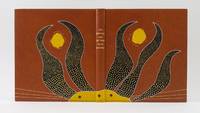
ST17769bNew York: Harry N. Abrams 1989. 292 x 235 mm. 11 1/2 x 9 1/4". 200 pp.Preface by Priscilla Juvelis. <br/> FINE HONEY BROWN CRUSHED MOROCCO DRAMATICALLY INLAID BY HUGO PELLER stamp signed on rear doublure covers with large wavy black tentacles dotted with gilt three on upper cover two on lower emanating from a yellow patch extending across the tail of the spine onto both covers the tentacles outlined in white a bright yellow sun-like spot on each cover embraced by two of the tentacles smooth spine with gilt titling black morocco doublures tooled with a spray of gilt dots yellow morocco free endleaves. Original dust jacket bound in. Housed in a matching brown morocco-backed linen clamshell box. Illustrated throughout with many excellent color pictures of bindings and with a few black and white text illustrations. Title page signed by Priscilla Juvelis. ◆In mint condition.<br/> <br/> This is a remarkably useful survey on modern French bindings and binders--a volume that has become an indispensable reference on the subject--offered here in an almost startling binding by one of the outstanding continental binders in the second half of the 20th century. The son of a master bookbinder Hugo Peller 1917-2003 was a Swiss artisan whose skill as a binder was equalled by his talent for teaching; he is cited by some of the foremost designer bookbinders working today as their most influential instructor. Our binding's inlaid and onlaid leather elements odd-numbered gilt dots of various sizes and fillets within an abstracted image are characteristic features of Peller's bookbinding designs. He won prizes in many countries for his work was elected a member and served as vice president of the Meister der Einbandkunst and was director of the Centro del Bel Libro in Ascona from 1978-83. In the text here the first major study of a fascinating period in French bookbinding authors Duncan and De Bartha assess the work of more than 40 of the finest binders during the period under review. Detailed biographies and bibliographies are furnished at the conclusion of the main text. While the present eccentric--even mischievous--binding does not reflect the content of the book in a literal way cephalopods are not even mentioned by our authors its bold expressiveness certainly is appropriate for a work that examines revolutionary trends in modern bookbinding. Harry N. Abrams unknown
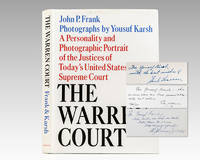
1964151959New York: The Macmillan Company 1964. First edition of this glimpse into the personalities of the justices of the Warren Court. Quarto original publisher's cloth illustrated with two intimate portraits of each justice by Yousuf Karsh. Association copy inscribed by the author on the front free endpaper to celebrated portrait photographer Yousuf Karsh "To Yousuf Karsh with good wishes John P. Frank." With a note laid in from Frank "Dear Yousuf - You will find an autograph in here for you from each of the Justices. Regards JPF." Additionally signed by each Justice and inscribed to Karsh beside their portraits in order of appearance: Earl Warren Hugo L. Black William O. Douglas Tom C. Clark John Marshall Harlan William Brennan Potter Stewart Bryan R. White and Arthur J. Goldberg. The recipient Yousuf Karsh is recognized as one of the leading photographers of the twentieth century. Arriving in Canada in 1924 as an Armenian refugee Karsh eventually settled in Ottawa. Over six decades he mastered the art of portraiture and created a unique chronicle of his time through images of celebrated legends. Some of his most notable subjects include Winston Churchill Audrey Hepburn Martin Luther King Jr. John F. Kennedy and Ernest Hemingway among others. A celebrity in his own right he was an elegant and charming public figure captivating audiences with compelling stories told in images and words. Karsh sought to capture as he put it the “elusive moment of truth†revealing the essential nature of his subjects as reflected in their eyes hands and attitudes. From the collection of Yousuf Karsh with his estate label to the front pastedown. Held by the Estate of Yousuf & Estrellita Karsh; after Yousuf’s death in 2002 passing to Estrellita Karsh; after Estrellita’s death in March 2025 passing to Katherine Getchell. Near fine in a very good dust jacket with rubbing and a small closed tear to the crown of the spine. Accompanied by a certificate of authenticity from the Estrellita Karsh Estate. A unique piece of history. The Warren Court during the period from October 1967 to May 1969 represented the culmination of the Court’s liberal constitutional revolution. This lineup presided over several landmark decisions that reinforced civil liberties and the rights of the accused. In Katz v. United States 1967 the Court expanded Fourth Amendment protections to include electronic surveillance holding that the Constitution protects people not just physical places. In Epperson v. Arkansas 1968 the justices struck down a state ban on teaching evolution strengthening the Establishment Clause. Moreover the Court advanced principles of racial equality and free expression setting precedents that shaped American law well beyond Warren’s retirement in 1969. The Macmillan Company hardcover
3240France c. 1700. Two volumes complete. AN ENTIRELY UNKNOWN UNPUBLISHED AND COMPLETE EXEGETICAL MANUSCRIPT BY A CONTEMPORARY OF BOSSUET CALMET LE CLERC AUSTRUC RICHARD SIMON CAPELLUS GROTIUS AND GUYON. Volume I: 1 leaf; 592 pp. Volume II: 1 leaf; 360 pp; 2 blank leaves; 324 pp. Written in ink in a very fine accomplished almost calligraphic hand on extremely fine thick laid paper. Volume I and the first half of volume II is a verse-by verse commentary on Ezekiel; the second half of volume II is a commentary on selected chapters of Daniel. While this manuscript was created during an important period perhaps the most important period in the history of biblical exegesis it is entirely original and very different from all published exegeses. 4to. BEAUTIFULLY BOUND IN CONTEMPORARY FRENCH CALF SPINES RICHLY GILT IN SIX COMPARTMENTS morocco spine-labels. Marbled endleaves. Minimal wear to extremities of bindings else FINE AND BRIGHT. Unique and important. <br/><br/> France, c. 1700 unknown
19004885Berlin: Verlage der Insel bei Schuster & Loffler 1900. First edition. First edition. Original publisher's full stiff vellum binding with gilt lettering on spine stunning full color endpapers designed by Vogeler in green and red and highlighted in gold. Richly illustrated by Heinrich Vogeler with the celebrated double-spread illustrated title page and frontispiece in Jugendstil/Art Nouveau featuring vivid colors including green red blue brown and highlighted in gold. Illustrated half title and initials. Printed in only 200 numbered copies of which this is Nr. 145. Printed on handmade thick paper with watermark of the Insel Verlag. Printed in red and black throughout with elaborate artistic layout on Alfred Walter HeymelÃs commission by Otto von Holten. In publisherÃs vellum with the inner edges stamped in repeating gilt design. A remarkable copy one of the nicest we have seen of this incomparable classic with the stiff vellum boards nearly perfect with no warping whatsoever. Small wear to edge of front panel a few brown stains to endpapers. Copious notes in pencil about the edition and old auction records on the verso of the front endpaper. Old presentation inscription on first blank leave. Inside clean and bright and overall in fine condition. One of the most beautiful early publications of Insel with illustrations by Heinrich Vogeler. VogelerÃs title page for "Der Kaiser" HofmannstahlÃs lyrical one act play is considered the peak of German Art Nouveau and also one of his masterpieces. In a superb green fine wove cloth clamshell case with quarter contrasting dark green crushed leather spine gilt ruling and stippling and lettering on spine and lined in lighter green felt by Sean E. Richards. Verlage der Insel bei Schuster & Loffler unknown books
6928Portfolio of original photographs mainly from 210 x 300 mm. to 240 x 330 mm. depicting artillery field guns howitzers cannons ammunition wagons etc. produced by Friedrich Krupp. 53 mounted photographs some partly faded on 51 stiff boards 640 x 480 mm. all boards signed "Photogr. Atelier des Krupp'schen Etablissements." Large oblong folio 645 x 500 mm. orig. red cloth folder a little rubbed & soiled with title printed in gilt on cover metal protectors at corners. Essen: dated 1869-76. A very rare portfolio issued by the Krupp Steel Works with 53 original albumen photographs. A sort of trade catalogue showing the different cannons other weapons and military equipment manufactured by Krupp it was created for clients who were considering purchasing these products for their government or army. This album comes from the family collection of Otto von Bismarck chancellor and unifier of Germany and was presented to him by Krupp presentation slip laid-in. Alfred Krupp proved to be exceptionally progressive in his use of the art of photography. Employing this medium he persuasively presented the complexity of his huge enterprise to a wide public. The photographs were made to impress his far-flung clientele of "States Governors and Khans." Krupp had his publicity team assemble portfolios of relevant photographs depicting the tools of war and sent them to possible clients. This set is such an example: a miscellany of images selected to demonstrate to Bismarck the wide range of products manufactured by Krupp. "In 1861 one of the most remarkable figures in German industrial history Alfred Krupp commissioned his far relative Hugo van Werden 1836-1911 to learn photography in a studio in Hannover then well-known for its qualities in depicting industrial products. After a short apprenticeship van Werden set up the Krupp photographic and lithographic institute which from then on had to deliver all visual materials used for documentation press releases and public relations for Krupp's steel company. As early as 1862 on the occasion of the London World Fair Krupp was able to show and deliver large quantities of photographs of all his products and the company gained fame for the use of the new medium in advertising."-Rolf Sachsse in Encyclopedia of 19th-Century Photography p. 584. In fine condition although some of the photographs are inevitably slightly faded. 48 of the boards are numbered: 1 4 6 8 11 12 14.D.R. 16.M. 18.R 20 23 25 26 28 30 30A 30B 32 32A 33 34 35 36 38 39 40 41 42 43 45 46 47 48 48B 49A 51 54 54A 55 57 58 59 59A 60 61 62 63 and 64. Three are unnumbered. hardcover books
6928Portfolio of original photographs mainly from 210 x 300 mm. to 240 x 330 mm. depicting artillery field guns howitzers cannons ammunition wagons etc. produced by Friedrich Krupp. 53 mounted photographs some partly faded on 51 stiff boards 640 x 480 mm. all boards signed “Photogr. Atelier des Krupp’schen Etablissements.†Large oblong folio 645 x 500 mm. orig. red cloth folder a little rubbed & soiled with title printed in gilt on cover metal protectors at corners. Essen: dated 1869-76.<br/> <br/> A very rare portfolio issued by the Krupp Steel Works with 53 original albumen photographs. A sort of trade catalogue showing the different cannons other weapons and military equipment manufactured by Krupp it was created for clients who were considering purchasing these products for their government or army. This album comes from the family collection of Otto von Bismarck chancellor and unifier of Germany and was presented to him by Krupp presentation slip laid-in.<br/> <br/> Alfred Krupp proved to be exceptionally progressive in his use of the art of photography. Employing this medium he persuasively presented the complexity of his huge enterprise to a wide public. The photographs were made to impress his far-flung clientele of “States Governors and Khans.†Krupp had his publicity team assemble portfolios of relevant photographs depicting the tools of war and sent them to possible clients. This set is such an example: a miscellany of images selected to demonstrate to Bismarck the wide range of products manufactured by Krupp.<br/> <br/> “In 1861 one of the most remarkable figures in German industrial history Alfred Krupp commissioned his far relative Hugo van Werden 1836-1911 to learn photography in a studio in Hannover then well-known for its qualities in depicting industrial products. After a short apprenticeship van Werden set up the Krupp photographic and lithographic institute which from then on had to deliver all visual materials used for documentation press releases and public relations for Krupp’s steel company. As early as 1862 on the occasion of the London World Fair Krupp was able to show and deliver large quantities of photographs of all his products and the company gained fame for the use of the new medium in advertising…â€â€“Rolf Sachsse in Encyclopedia of 19th-Century Photography p. 584.<br/> <br/> In fine condition although some of the photographs are inevitably slightly faded. 48 of the boards are numbered: 1 4 6 8 11 12 14.D.R. 16.M. 18.R 20 23 25 26 28 30 30A 30B 32 32A 33 34 35 36 38 39 40 41 42 43 45 46 47 48 48B 49A 51 54 54A 55 57 58 59 59A 60 61 62 63 and 64. Three are unnumbered. unknown
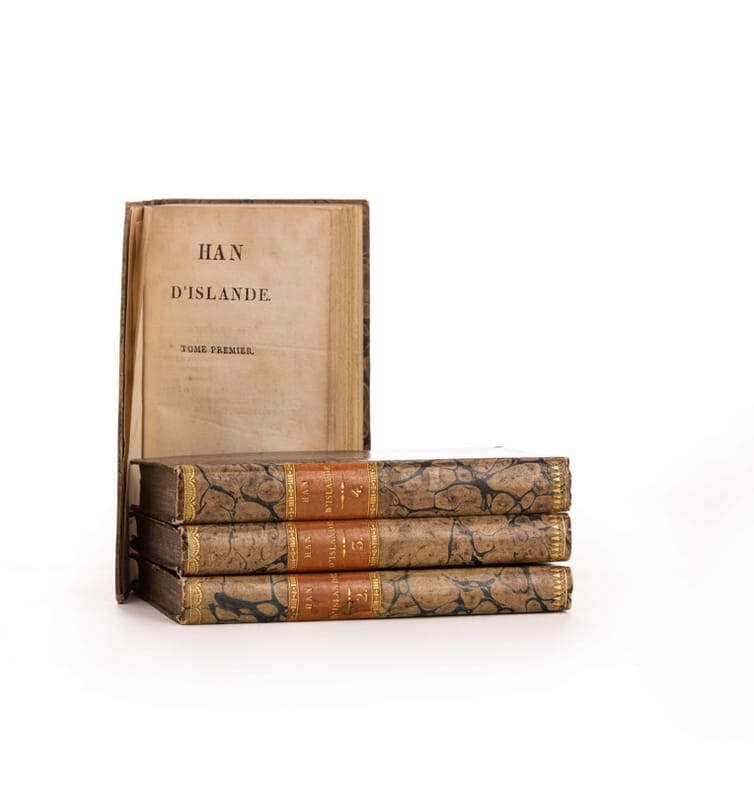
28474Paris Chez Persan 1823. 4 vol. 95 x 165 mm de VIII-316 237 237 et 347 p. Bradel papier caillouté pièce de titre ornée dos orné en tête et en pied reliure XIXe. . Édition originale. . Premier roman publié de Victor Hugo Han d’Islande paraît le 8 février 1823 anonymement en quatre volumes in-12 chez Persan libraire improvisé et marquis ruiné auquel le jeune écrivain avait cédé son manuscrit pour mille francs. L’ouvrage s’inscrit dans un moment décisif de la vie de Hugo : après de longues fiançailles avec Adèle Foucher son mariage est célébré le 12 octobre 1822 rendu possible par la pension que lui accorde Louis XVIII. C’est dans ce contexte mêlé d’inquiétudes matérielles d’ambition littéraire et de bonheur enfin conquis que Hugo remanie ce texte commencé dès 1820. La part autobiographique n’est pas à chercher ici dans l’anecdote mais dans une certaine intensité sentimentale : ce roman de passions extrêmes de violence de fidélité et d’obstacles porte nettement la marque de cet épisod de jeunesse. La publication fut très tôt remarquée. Le Réveil dès le 23 janvier 1823 annonçait l’arrivée prochaine d’un roman d’inspiration nordique en le rapprochant de Walter Scott ; puis Le Constitutionnel le 15 février levait à demi le voile en attribuant le livre à Victor Hugo déjà connu pour ses Odes. L’édition est signalée dans la Bibliographie de France du 8 février 1823. Hugo n’en fut pourtant pas satisfait : l’impression fautive était chargée de coquilles au point qu’il souhaitera en donner dix ans plus tard une version corrigée chez Renduel en mai 1833. Charles Nodier consacra au livre un article bienveillant dans La Quotidienne texte fameux qui marqua le début de ses relations avec Hugo et d’une amitié appelée à compter. Mélodrame de jeunesse volontiers excessif Han d’Islande n’en demeura pas moins cher à son auteur qui y reviendra par la mémoire et par l’imaginaire ; plusieurs de ses scènes ou de ses effets annoncent déjà à distance l’univers de Notre-Dame de Paris. Agréable exemplaire en cartonnage de l'époque : les exemplaires de qualité de cette première édition en reliure d'époque sont fort rares. De la bibliothèque Frédéric de Pourtalès ex-libris. Vicaire IV 236 ; Carteret I 390 « Ouvrage très rare et fort estimé. » Paris, Chez Persan, 1823. 4 vol. (95 x 165 mm) de VIII-316, 237, 237 et 347 p. Bradel papier caillouté, pièce de titre ornée, unknown
182328474Premier roman publié de Victor Hugo. Exemplaire Pourtalès Paris, Chez Persan, 1823. 4 vol. (95 x 165 mm) de VIII-316, 237, 237 et 347 p. Bradel papier caillouté, pièce de titre ornée, dos orné en tête et en pied (reliure XIXe). Édition originale.
187848336Calmann-Lévy | Paris 1878 | 15 x 23.50 cm | relié
187946925Michel Lévy | Paris 1879 | 15.50 x 23.50 cm | relié
183188279Charles Gosselin | Paris 1831 | 13.60 x 21 cm | 2 volumes reliés
165178321651 Amstelodami: Apud Joannem Janssonium, 1651. In-8: 13 x 19.5 cm, 16 ff. n. chiff. de pièces lim., 570 pp., 18 ff. n. chiff. de tables. Nouvelle édition de ce fameux ouvrage juridique dHugo Grotius (1583-1645), Le Droit de la guerre et de la paix paru pour la première fois en 1625. Reliure de lépoque en basane, richement fleurdelisée et aux armes de la ville de Reims. Dos à cinq nerfs avec titre en capitales dorées et caissons ornés de fleurs-de-lys. Roulette en encadrement des plats habillés dun semé fleur-de-lysé et frappés aux armes de la ville de Reims. Toutes tranches dorées. Le De Jure Belli ac Pacis est divisé en trois livres. Dabord, il est question de lorigine du droit, des raisons de la guerre et des différences entre guerres publiques et privées. Ensuite, ce sont les causes des guerres qui sont exposées. Cest dans ce deuxième livre que Grotius traite de la propriété, des règles des successions sur les trônes, des pactes et contrats, des serments et des alliances. Enfin, le dernier livre aborde la délicate question de ce qui est permis durant une guerre. Magnifique exemplaire.
1609A7TEZG01U79ONetherlands 1609. Letter on 2 half-sheets 31 x 20.5 cm. In Dutch. Letter by Hugo de Groot supporting the impoldering of the Wijckermeer a lake situated between Beverwijk and Assendelft north of the IJ: now a polder of ca. 700 hectares. Grotius writes in his capacity as public prosecutor of Holland on behalf of Gerrit VIII van Assendelft. Gerrit's father Cornelis van Assendeft begun constructing the "Assendelftse dijk" ca. 1590 to secure the alluvial lands that had recently silted up. The city of Haarlem and others had protested and the Court had pronounced judgment on 6 April 1591. A later annotation suggests the Supreme Court on 15 December 1609 dismissed the appeal and put off judgement until the future.The original double-leaf separated into two leaves a bit browned and marginal waterstains. Reasonable condition. unknown
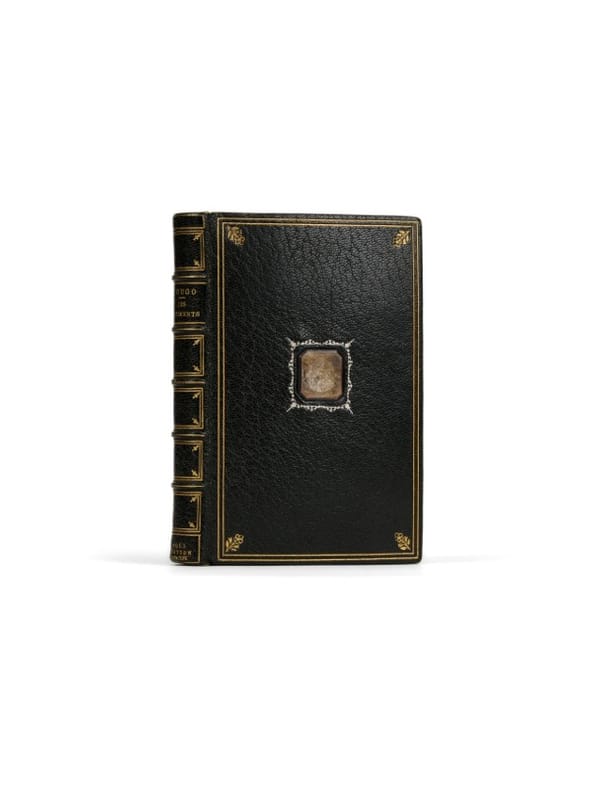
32316Bruxelles Henri Samuel et Cie éditeurs novembre 1853. 1 vol. 95 x 145 mm de 407 p. Maroquin vert-empire plats ornés à la Du Seuil avec double filet d'en cadrement et motifs floraux aux angles plaque d'acier gravé de forme octogonale incrustée au centre du premier plat dos à nerfs orné de caissons d'encadrement filets dorés et à froid fleurons dorés titre doré date en pied et mention « édition princeps » tête dorée filet sur les coupes large dentelle intérieure contrelats et gardes de soie à motifs empire reliure fin XIXe. . Véritable et première édition originale des Châtiments. Elle fut tirée à 2 000 exemplaires dont un grand nombre fut détruit. Précieux exemplaire ayant appartenu à Julien Stirling grand hugolien et hugolâtre de la fin du XIXe siècle et du début du XXe. Il comporte l'épreuve n° 1 du plus petit portrait gravé de Victor Hugo particulièrement adapté au format des Châtiments ainsi que son cuivre original monté sur le premier plat de la reliure. À la suite du coup d'État du 2 décembre 1851 qui voit l'arrivée au pouvoir de Louis-Napoléon Bonaparte Victor Hugo doit s'exiler. Après avoir interrompu Histoire d'un crime qu'il ne fera paraître qu'en 1877 et au moment où il commence à rédiger son pamphlet Napoléon-le-petit Hugo a déjà en tête son pendant satirique qu'il songe à appeler Les Vengeresses puis Le Chant du Vengeur avant de chosir le seul mot de Châtiments un « titre menaçant et simple c'est-à-dire beau » écrit-il à son éditeur Hetzel. Le recueil connaît une double édition à Bruxelles en novembre 1853 une version officielle auto-censurée par des lignes de points que Hugo nomme « l'Eunuque ». C'est la véritable originale du texte. Important exemplaire avec le cuivre original et l'un des huit épreuves tirées du portrait. Il est l'oeuvre du Strasbourgeois Julien Stirling attaché par la suite au Service historique de la ville de Paris. Il voua une passion pour Victor Hugo et une chronique toute entière lui sera consacrée en 1903 in Le Carnet « Un Hugolâtre Julien Stirling » p. 413 et suiv. Avant l'achat de la collection par Paul Meurice pour la création du musée Louis Koch neveu et héritier de Juliette Drouet avait dispersé quelques éléments de Hauteville House dont plusieurs furent cédés à Julien Striling provenant en particlier de la salle à manger. Stirling fit graver ce qui constitue le plus petit des portraits de Victor Hugo dont il ne fit tiré que huit épreuves. L'une d'elle n° 4 figure dans l'exemplaire Noilly puis Claretie de La Voix de Guernesey Vente Claretie n° 713 relié par Allô ce qui permet de cerner la date de la fabrication de ce portrait du vivant de Victor Hugo vente Noilly en 1886 Allô étant décédé en 1890. Le présent exemplaire est le sien dans lequel il fit monter sur le premier plat le cuivre original de ce portrait en conservant l'épreuve n° 1 montée en tête avant la couverture. Nous n'avons pu localiser aucune des autres épreuves de ce portrait hormis celui de l'exemplaire Noilly-Claretie. Cette édition de Bruxelles constitue bien l'édition originale pour ne pas dire princeps des Châtiments. « Un grand nombre de vers y sont remplacés par des lignes de points ; mais contrairement à ce qu'ont écrit plusieurs bibliographes je tiens de M. Paul Meurice que Victor Hugo sans y prêter son concours n'a jamais désavoué cette édition » Vicaire. De la bibliothèque Julien Stirling ex-libris. Clouzot p. 148 ; Michaux Essais bibliographiques concernant les oeuvres de Victor Hugo parues pendant l'exil p. 22-23. Vicaire IV col. 312 ; Carteret I p. 415. Bruxelles, Henri Samuel et Cie, éditeurs, [(novembre)] 1853. 1 vol. (95 x 145 mm) de 407 p. Maroquin vert-empire, plats ornés unknown
185332316Exemplaire Stirling, avec l'épreuve n° 1 du plus petit portrait gravé d'Hugo Bruxelles, Henri Samuel et Cie, éditeurs, [(novembre)] 1853. 1 vol. (95 x 145 mm) de 407 p. Maroquin vert-empire, plats ornés à la Du Seuil avec double filet d'en cadrement et motifs floraux aux angles, plaque d'acier gravé de forme octogonale incrustée au centre du premier plat, dos à nerfs orné de caissons d'encadrement, filets dorés et à froid, fleurons dorés, titre doré, date en pied et mention « édition princeps», tête dorée, filet sur les coupes, large dentelle intérieure, contrelats et gardes de soie à motifs empire (reliure fin XIXe). Véritable et première édition originale des Châtiments. Elle fut tirée à 2 000 exemplaires, dont un grand nombre fut détruit. Précieux exemplaire ayant appartenu à Julien Stirling, grand hugolien et hugolâtre de la fin du XIXe siècle et du début du XXe. Il comporte l'épreuve n° 1 du plus petit portrait gravé de Victor Hugo, particulièrement adapté au format des Châtiments, ainsi que son cuivre original, monté sur le premier plat de la reliure.
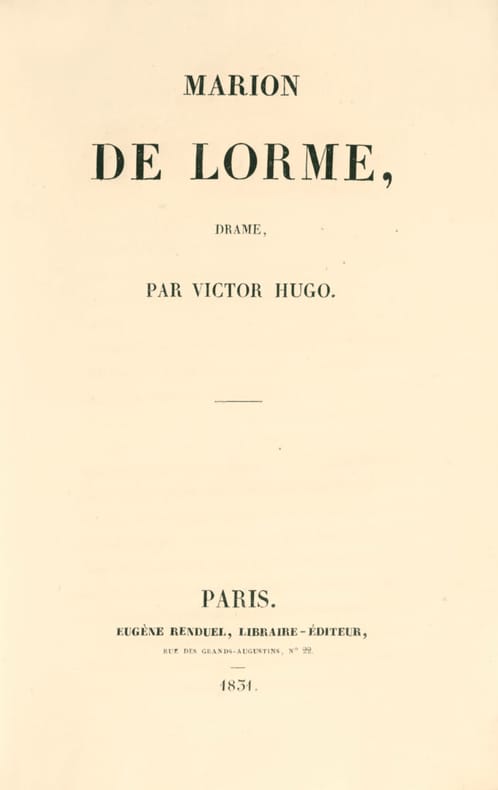
LCS-18537Magnifique exemplaire conservé dans son élégante reliure de l’époque. Paris, Eugène Renduel, 1831. In-8 de xv pp., 191 pp., (5) pp., demi-cuir de Russie fauve à coins, dos à faux nerfs orné, tranches mouchetées. Reliure de l'époque. 196 x 127 mm.