DUPERAC Etienne (1525-1604)MareMagnum

29 735 résultats
Pianta archeologica a proiezione verticale con elevazione dei soli monumenti antichi. Disegnata ed incisa da Etienne Duperac per l’editore Antonio Lafreri. Si tratta di un’elegante rappresentazione della pianta archeologica, che mostra in alzato prospettico i monumenti principali. La morfologia segue quella della pianta del Bufalini (1551), ma per l’orografia, molto ben delineata, anche quella del Paciotto (1557) edita sempre da Lafreri. La pianta è inserita in alcuni esemplari dello Speculum Romanae Magnificentiae dell’editore francese. La lastra è descritta nel catalogo del Lafreri (n. 113), come “Roma con tutti gli edificii che hoggi si vegono in piede et che se ne può veder vestigie”. Quindi è inclusa nell’inventario di Stefano Duchetti del 1581 (n. 31) come “Roma con li monti dif.o Imperaiale” ed infine compare nel catalogo di Pietro de Nobili (inv. 1585, n. 32, come “La Roma antiqua de Stefano imperiale”, che la ristampa invariata aggiungendo il proprio excudit. Figura anche nell’atto della divisione della tipografia de Nobili del 30 maggio 1589, dove la lastra, denominata “Roma in pianta imperiale”, passa al figlio Pietro Paolo. Il primo stato della lastra era stato congetturato da Destombes sulla base dell’evidente integrazione nella data MDLXXIII, dove l’ultimo numerale è addossato alla parola seguente, suggerendo che sia stato aggiunto successivamente. Durante lo studio per questa pubblicazione abbiamo riscontrato l’esistenza di una prova della pianta con la data 1572 nella collezione della Bibliothèque Nationale de France. Oltre alla differenza nella data, la prima stesura dell’opera si distingue per la dedica allo STVDIOSO LECTORI preceduta dal termine TIPOGRAPHUS – ovvero Antonio Lafreri – che, nella ristampa del 1573, verrà sostituito dalla firma STEPHANUS DU PERAC ARCHITET. Nel lato sinistro, al centro, si legge: STEPHANUS DU PERAC ARCHITET STVDIOSO LECTORI. En tibi lector nuc prodit specimen, seu perfecta urbis antquae imago ex piscis illis monumentis scriptorum veterum, et cunctis quae ad hunc usq[ue] diem superesse videntur reliquijs, et parietibus quam acuratissime delineata: quecumque oculis nostri subiecta esse possunt exigua tabella comprehendens; opus ut immensum sanè, sic nec minus antiquitatis omnigenae studiosis apprime necessarium, his recentibus formis aencis, typis exaratum impensa Antonij lafrerij Anno MDLXXIII Hoc fruere libens et Vale. Nell’angolo inferiore destro, in un cartiglio, è incisa una legenda numerica di 89 rimandi a luoghi notabili, distribuita su tre colonne. Segue l’iscrizione: DE VESTIGITS URBIS ANTIQUAE EPIGRAMA: Quam brevis haec presens oculis sit carta requiris Urbem dum modico continet in spatio Desine mirari: vestigia maxima claudit Quae modo ROMA potens subijcit his oculis. Antiquae monstrans Urbis signacula promptè Dum numeris certis cuncta notata signat Discuta mira solers: novanu sint prima vetustis: Anue vetusta novis nunc manifesta patent. Nella tavola sono fornite ulteriori indicazioni toponomastiche. Orientazione nei quattro lati al centro con il nome dei punti cardinali: SEPTENTRIO, MERIDIES, ORIENS, OCIDENS, il nord è a sinistra.Acquaforte e bulino in ottime condizioni di conservazione. Esemplare nel secondo stato di tre, con la dedica che inizia con "STEPHANUS DU PERAC ARCHITET STVDIOSO LECTORI" (cfr. Bifolco-Ronca p. 2354).Altra Bibliografia:Alberti (2009): p. 153, n. 33; Frutaz (1962): n. XXI e tav. 36; Hülsen (1915): X, pp. 58-59, nn. 51-52; Hülsen (1921): p. 142, n. 1a-b; Hülsen (1933): p. 107, X; Lincoln (2000): p. 185; Marigliani (2016): n. XI.6; Pagani (2008): pp. 15, 374; Pagani (2011): p. 133; Rubach (2016): n. 259; Scaccia Scarafoni (1939: n. 17. Alberti (2009): p. 153, n. 33; Frutaz (1962): n. XXI e tav. 36; Hülsen (1915): X, pp. 58-59, nn. 51-52; Hülsen (1921): p. 142, n. 1a-b; Hülsen (1933): p. 107, X; Lincoln (2000): p. 185; Marigliani (2016): n. XI.6; Pagani (2008): pp. 15, 374; Pagani ... Pianta archeologica a proiezione verticale con elevazione dei soli monumenti antichi. Disegnata ed incisa da Etienne Duperac per l’editore Antonio Lafreri. Si tratta di un’elegante rappresentazione della pianta archeologica, che mostra in alzato prospettico i monumenti principali. La morfologia segue quella della pianta del Bufalini (1551), ma per l’orografia, molto ben delineata, anche quella del Paciotto (1557) edita sempre da Lafreri. La pianta è inserita in alcuni esemplari dello Speculum Romanae Magnificentiae dell’editore francese. La lastra è descritta nel catalogo del Lafreri (n. 113), come “Roma con tutti gli edificii che hoggi si vegono in piede et che se ne può veder vestigie”. Quindi è inclusa nell’inventario di Stefano Duchetti del 1581 (n. 31) come “Roma con li monti dif.o Imperaiale” ed infine compare nel catalogo di Pietro de Nobili (inv. 1585, n. 32, come “La Roma antiqua de Stefano imperiale”, che la ristampa invariata aggiungendo il proprio excudit. Figura anche nell’atto della divisione della tipografia de Nobili del 30 maggio 1589, dove la lastra, denominata “Roma in pianta imperiale”, passa al figlio Pietro Paolo. Il primo stato della lastra era stato congetturato da Destombes sulla base dell’evidente integrazione nella data MDLXXIII, dove l’ultimo numerale è addossato alla parola seguente, suggerendo che sia stato aggiunto successivamente. Durante lo studio per questa pubblicazione abbiamo riscontrato l’esistenza di una prova della pianta con la data 1572 nella collezione della Bibliothèque Nationale de France. Oltre alla differenza nella data, la prima stesura dell’opera si distingue per la dedica allo STVDIOSO LECTORI preceduta dal termine TIPOGRAPHUS – ovvero Antonio Lafreri – che, nella ristampa del 1573, verrà sostituito dalla firma STEPHANUS DU PERAC ARCHITET. Nel lato sinistro, al centro, si legge: STEPHANUS DU PERAC ARCHITET STVDIOSO LECTORI. En tibi lector nuc prodit specimen, seu perfecta urbis antquae imago ex piscis illis monumentis scriptorum veterum, et cunctis quae ad hunc usq[ue] diem superesse videntur reliquijs, et parietibus quam acuratissime delineata: quecumque oculis nostri subiecta esse possunt exigua tabella comprehendens; opus ut immensum sanè, sic nec minus antiquitatis omnigenae studiosis apprime necessarium, his recentibus formis aencis, typis exaratum impensa Antonij lafrerij Anno MDLXXIII Hoc fruere libens et Vale. Nell’angolo inferiore destro, in un cartiglio, è incisa una legenda numerica di 89 rimandi a luoghi notabili, distribuita su tre colonne. Segue l’iscrizione: DE VESTIGITS URBIS ANTIQUAE EPIGRAMA: Quam brevis haec presens oculis sit carta requiris Urbem dum modico continet in spatio Desine mirari: vestigia maxima claudit Quae modo ROMA potens subijcit his oculis. Antiquae monstrans Urbis signacula promptè Dum numeris certis cuncta notata signat Discuta mira solers: novanu sint prima vetustis: Anue vetusta novis nunc manifesta patent. Nella tavola sono fornite ulteriori indicazioni toponomastiche. Orientazione nei quattro lati al centro con il nome dei punti cardinali: SEPTENTRIO, MERIDIES, ORIENS, OCIDENS, il nord è a sinistra.Acquaforte e bulino in ottime condizioni di conservazione. Esemplare nel secondo stato di tre, con la dedica che inizia con "STEPHANUS DU PERAC ARCHITET STVDIOSO LECTORI" (cfr. Bifolco-Ronca p. 2354).LiteratureAlberti (2009): p. 153, n. 33; Frutaz (1962): n. XXI e tav. 36; Hülsen (1915): X, pp. 58-59, nn. 51-52; Hülsen (1921): p. 142, n. 1a-b; Hülsen (1933): p. 107, X; Lincoln (2000): p. 185; Marigliani (2016): n. XI.6; Pagani (2008): pp. 15, 374; Pagani (2011): p. 133; Rubach (2016): n. 259; Scaccia Scarafoni (1939: n. 17. Alberti (2009): p. 153, n. 33; Frutaz (1962): n. XXI e tav. 36; Hülsen (1915): X, pp. 58-59, nn. 51-52; Hülsen (1921): p. 142, n. 1a-b; Hülsen (1933): p. 107, X; Lincoln (2000): p. 185; Marigliani (2016): n. XI.6; Pagani (2008): pp. 15, 374; Pagani (2011): p... Bifolco Ronca (2018): tav. 1212, II/III
Acquaforte e bulino, 1762 circa, firmata in lastra in basso. Esemplare della contemporanea tiratura “romana” della lastra, nel primo stato di tre, con indirizzo e prezzo, descritto da Hind: “Si vende presso l’autore a paoli due e mezzo”. Magnifica prova, impressa su carta vergata coeva, coeva con filigrana “doppio cerchio e giglio con lettere CB”, con pieni margini, in perfetto stato di conservazione. Della serie Vedute di Roma. L’opera consiste in 135 lastre prodotte individualmente dal Piranesi per almeno 30 anni, da circa il 1745, fino alla data della sua morte. All’opera sono aggiunte poi due vedute realizzate dal figlio Francesco. Per la prima volta furono edite dall’editore Giovanni Bouchard nel 1751 (34 lastre), successivamente dallo stesso Piranesi editore a Strada Felice prima e Palazzo Tomati poi (indirizzi che appaiono su molte tavole), fino alla stesura definitiva composta da 137 lastre. Successivamente alla morte dell’autore le matrici furono ereditate dal figlio Francesco, che ne curò la pubblicazione prima nella capitale - le cosiddette tirature “postume romane” - e successivamente a Parigi, dove furono stampate tre edizioni – la cosiddetta “prima di Parigi”, una intermedia (entrambe su carta vergata) e quella curata dall’editore Firmin Didot, la prima su carta senza vergelle, dove le tavole presentano l’aggiunta di un numero arabo ordinale. Tutte le tirature parigine sono piuttosto modeste in qualità, lontane da come il Piranesi le aveva pensate e concepite. Le lastre furono poi acquisite dalla Calcografia Camerale, poi Calcografia Nazionale, oggi Istituto Centrale per la Grafica, dove sono tuttora conservate. Bibliografia Hind (1922): n. 66, I/IV; Focillon (1918): n. 849. Etching and engraving, 1766 circa, signed on plate. Example of the first state of four described by Hind, from the contemporary Roman Edition. A very good impression, printed on contemporary strong laid paper with "double encircled flur-de-lys" watermark, with margins, very good condition. Taken from Vedute di Roma. The whole work consists of 135 plates which have been individually produced by Piranesi along 30 years, from 1745 circa until his death. Two more works have been subsequently added, two plates by his son Francesco. They have been printed for the first time in 1751 (34 plates) by the editor Giovanni Bouchard, afterwards by Piranesi himself, publisher first in Strada Felice an the in Palazzo Tomati, imprint that can be found in mostly of the plates), until the final edition of 137 plates. After Piranesi's death, his son Francesco inherited the plates, editing them first in Rome and then in Paris, where three editions were printed - the so-called "first Paris edition", an intermediate one (both on laid paper) and the one edited by the publisher Firmin Didot, the first on wowe paper, where the plates have an Arabic ordinal number added. All Parisi issues are rather modest in quality, far from how Piranesi had thought and conceived them. The plates were then acquired by the Calcografia Camerale, then Calcografia Nazionale, today Istituto Centrale per la Grafica, where they are still kept. Bibliografia Hind (1922): n. 66, I/IV; Focillon (1918): n. 849.
- PRIMO STATO DI TRE -Acquaforte e bulino, 1776, firmata in lastra in basso al centro. Magnifica prova, impressa su carta vergata coeva con filigrana “doppio cerchio e giglio con letter CB”, con pieni margini, in perfetto stato di conservazione. Della serie Vedute di Roma. L’opera consiste in 135 lastre prodotte individualmente dal Piranesi per almeno 30 anni, da circa il 1745, fino alla data della sua morte. All’opera sono aggiunte poi due vedute realizzate dal figlio Francesco. Per la prima volta furono edite dall’editore Giovanni Bouchard nel 1751 (34 lastre), successivamente dallo stesso Piranesi editore a Strada Felice prima e Palazzo Tomati poi (indirizzi che appaiono su molte tavole), fino alla stesura definitiva composta da 137 lastre. Successivamente alla morte dell’autore le matrici furono ereditate dal figlio Francesco, che ne curò la pubblicazione prima nella capitale - le cosiddette tirature “postume romane” - e successivamente a Parigi, dove furono stampate tre edizioni – la cosiddetta “prima di Parigi”, una intermedia (entrambe su carta vergata) e quella curata dall’editore Firmin Didot, la prima su carta senza vergelle, dove le tavole presentano l’aggiunta di un numero arabo ordinale. Tutte le tirature parigine sono piuttosto modeste in qualità, lontane da come il Piranesi le aveva pensate e concepite. Le lastre furono poi acquisite dalla Calcografia Camerale, poi Calcografia Nazionale, oggi Istituto Centrale per la Grafica, dove sono tuttora conservate. - THE FIRST STATE OF THREE -Etching with engraving, 1754, signed on plate at lower right. From the contemporary Roman Edition. A very good impression, printed on contemporary laid paper with watermark "double encircled fleur de lys with letters CB", with margins, very good condition. Taken from Vedute di Roma. The whole work consists of 135 plates which have been individually produced by Piranesi along 30 years, from 1745 circa until his death. Two more works have been subsequently added, two plates by his son Francesco. They have been printed for the first time in 1751 (34 plates) by the editor Giovanni Bouchard, afterwards by Piranesi himself, publisher first in Strada Felice an the in Palazzo Tomati, imprint that can be found in mostly of the plates), until the final edition of 137 plates. After Piranesi's death, his son Francesco inherited the plates, editing them first in Rome and then in Paris, where three editions were printed - the so-called "first Paris edition", an intermediate one (both on laid paper) and the one edited by the publisher Firmin Didot, the first on wowe paper, where the plates have an Arabic ordinal number added. All Parisi issues are rather modest in quality, far from how Piranesi had thought and conceived them. The plates were then acquired by the Calcografia Camerale, then Calcografia Nazionale, today Istituto Centrale per la Grafica, where they are still kept. Hind 124 I/III
159933044-51Basel Konrad Waldkirch 1599. Printer's device and historiated initials at top of title-page. Double columns. 166 ff. Sm. folio. Old boards spine and all edges leather- rebacked. In a cloth case. Basel Konrad Waldkirch 1599. First Basel edition of this dictionary entitled "Arukh" of the entire post-biblical literature and a special dictionary to the Talmud and Midrash. Rabbi Nathan ben Jechiel b. Abraham c. 1020-1106 was a Jewish Italian and both a lexicographer and one of the most important Talmudic authorities of the 11th century. He quotes on individual headwords texts from many of today lost writings and leads rabbinic expressions on their supposed original in Greek Latin Persian etc. It attained great popularity especially at the work on Tamudic lexica up to the present. This work was first issued at Venice in 1533 but in fact it is not a word-for-word reprint.- Due to paper quality slightly browned throughout some small wormtracks in inner margin of last few leaves otherwise a good copy. - VD 16 N 160; Fürst III p. 21; Prijs 158; Wininger JNB vol. 4 p. 500. JUDAICA ; Basel, Konrad Waldkirch hardcover
in-4 antico, pp. (16), 309, 1 cb, belliss. leg. p. pelle primo '900 con nervi e tit. oro al d., tit. impresso in oro e belliss. cornici dorate ai piatti riquadrati. Tit. mss al taglio inf. Iniziali e fregi xilogr. Elegante carattere corsivo. Una delle opere più importanti del naturalista marchigiano (S. Elpidio 1524 - Roma 1600). Seconda ediz. sulla prima del 1558 e arricchita del terzo libro originale. Renouard p. 222 (n. 3). Paleari p. 53. Westbury p. 18. Gamba 1220. Vicaire col. 61. Splendido esempl. ad ampi margini. [264]
In-folio . Legatura coeva in pelle un po’ usurata. Manca il foglio bianco che precede il frontespizio.
6021This item is currently on reserve; please contact dealer for more details. <p>Etching 285mm x 390mm. Trimmed to neatline with insignificant restoration to the upper right corner. Generally very good.<br /><br /></p><p>Very rare no US copy fascinating illustrated broadside sold in Rome during the pandemic of 1656-57 presenting through a series of "snapshots" of the city at this dramatic moment in time a rich and varied iconography of its response to the plague. Printed by Giacomo Molinari and sold in the Strada Nuova behind the church of the Giesu close to Piazza Navona the print is composed of 15 vignettes of different sizes and perspectives along with 20 short explanatory captions alphabetized from A to X at the base of the print keyed to guide the reader to a fuller grasp of the situation. Taken together these scenes were meant to capture the city through the measures taken to contain the spread of the disease cure the afflicted and dispose of the dead.</p><p>Eight are views of civic religious and private resources- some bird's eye encompassing a panorama others close up of specific recognizable buildings- depicting basilicas churches a convent a prison and private residences to give the viewer the scope of the city's repurposed infrastructure. Medieval and modern structures were converted into lazarettos used as temporary quarantine and purgation centers for the afflicted according to the seriousness of their contamination. Two of the views depict the<i> lazaretto brutto </i>leper colony dedicated to the worst cases: the Isola Tiberina and the Convent and Hospital of Santa Maria della Consolazione run by the brothers Hospitallers of Saint John. The Isola Tiberina one of the poorest areas of Rome and close to the Trastevere district with its Jewish ghetto has gates and fences at its perimeter capturing the isolation of the seriously contaminated within its bounds. A depiction of a special boat to ferry the dead Jews and the domestic animals which were tossed live in the Tiber add dramatic macabre details. Three other views are of the <i>lazaretto netto </i>the churches of San Pancras San Eusebio and the private residence of Pius V dedicated to patients with milder cases. In addition there is a representation of a <i>lazzaretto netto e pulito</i> located at the new jail recently built by Pope Innocent X which was used as a <i>stufa</i> something between a Roman bath and a modern sauna where those who were in quarantine in San Pancrazio and San Eusebio were washed and sterilized. The Villa Sandesio is dedicated to the burning of the contaminated clothing. The Basilica of San Paolo le Mure which in fact was the last stop for the afflicted where the deceased received their last sacraments and buried in the mass graves close by is prominently illustrated in the upper left corner.</p><p>Beneath the views 7 smaller vignettes vividly render social scenes during the pandemic: the images include ecclesiastical dignitaries confessors doctors surgeons all actively moving around the city to alleviate the physical and psychological burden of the sick. Guards omnipresent in the images were responsible for transporting the infected by carriage or by foot to their assigned destinations as well as disposing of the dead and of the contaminated clothing and furniture -- often tossing them in a bonfire in the street as shown by the image in the lower right of the print. Such images recorded and served to emphasize the severe laws of "social distancing" between the sick and the healthy then in place. Additionally along the bottom of the print are 20 short explanatory captions alphabetized from A to X and keyed to the views and vignettes to guide the reader to a better understanding of the situation.</p><p>"The management of the Rome plague of 1656-57 was a great success. Its mastermind was the cleric Girolamo Gastaldi who at the start of the outbreak was serving both as the Commissario Generale dei Lazzaretti the Chief Administrator of the epidemic hospitals and the Commissario generale di Sanità per lo Stato della Chiesa… Only 4500 died in Rome about 8% of the population compared to the 150000 who died in Naples and 50000 in Genoa representing over half of their respective populations."—See Michael Widener's comments on Gastaldi's <i>Tractatus</i>… Bologna 1684: https://library.law.yale.edu/news/epidemics-and-quarantines-17th-century-rome. "The well-thought-out measures devised by Cardinal Gastaldi for the control of the plague of 1656 in the Eternal City represent the most logical development of eradicative anti-contagionist practice before the twentieth century and could still serve as a model for action against any truly contagious disease" Hirst pp. 408-9 .</p><p>The print was engraved by Giovan Battista Gallestruzzi 1615-1669 a painter and engraver member of the Accademia di San Luca in Rome. For more on this artist see https://www.treccani.it/enciclopedia/giovanni-battista-galestruzzi_Dizionario-Biografico/ It is very rare: Both OCLC and ICCU list only one copy at the Biblioteca Nazionale Centrale in Rome under Gallestruzzi. Rose Marie San Juan in her book<i> Rome a city out of print </i>p. 233-34 attributes the print also illustrated in her book to Johann Friedrich Greuter active in Rome at that time. Nevertheless the monogram of Gallestruzzi illustrated in his Benezit entry vol. IV p. 588 is identical to the one on the print and all indications lead us to believe that the designer of the print is Gallestruzzi.</p>L. F. Hirst The conquest of the Plague pp.408-09: Rose Marie San Juan Rome a city out of Print p.233-34: Benezit vol. IV: p.588: Laura Volpe for the DSB vol. 51. Rome, Giacomo Molinari, n. d. books
023-Io.J. Aquarell über Bleistift, auf Velin, rechts unten bezeichnet und signiert ?Porta Maggiore in Roma. Blaschnik pixit?; verso bezeichnet ?Porta maggiore in Rom?. 25,3:34,9 cm. Insgesamt leicht fleckig; verso Reste von alten Klebeetiketten.
In-4, pp. 21 comprensive dell'occhietto (1), legatura coeva in p. pelle ed angoli, titolo, fregi, greche e gigli in oro al dorso, tagli rossi. Edizione originale di questa memoria di grande importanza per la storia tipografica in quanto, stando al Brooks (n.2), rappresenta la seconda opera stampata da Bodoni. Nel volume sono legate altre due opere, tematicamente affini e incentrate sulla controversia del 1768 tra Parma e Roma. (Ovvero legato con:) MANOSCRITTO COEVO. Prammatica Sanzione uscita nell'Espulsione de Gesuiti dagli S.A.R. Ferdinando Duca di Parma e Piacenza. In Venezia a spese di Francesco Pitteri, 1768; pp. (18) in grafia bella e leggibile su pagine con doppia cornice rossa, (6) bianche. (E con:) CAPPELLOTTI. Esame storico-legale teologico sopra le lettere in forma di breve pubblicate in Roma. Contro gli editti de' reali sovrani di Parma emanati intorno l'immunità e disciplina ecclesiastica. Stamperia Reale, 1768; pp. (2) 192 con numerose note ms. al margine inferiore dei primi fogli e mancanza al frontespizio in corrispondenza dell'editore. L'influsso della politica antigesuitica spagnola si fece sentire anche nella borbonica Parma, dove il Tillot aveva iniziato un'energica politica contro i privilegi del clero e nel maggio del 1676 chiese a Carlo III l'autorizzazione per espellere i Gesuiti. Nel frattempo, varava una serie di riforme:stabilì "l'exequator", avocò "l'imprimatur" dei decreti dell'Inquisizione e soprattutto proibì il ricorso a tribunali stranieri, in primo luogo a Roma. Fu quest'ultimo proveddimento, emanato il 16 gennaio 1768, a scatenare la violenta reazione del pontefice: il 30 gennaio emanò il "monitorio di Parma", nel quale tentava la prova di forza e, con una durezza senza precedenti, cassava l'intera legislazione del Tillot e scomunicava i suoi autori e sostenitori in base alla Bolla "In Coena Domini". La risposta immediata di Parma fu l'espulsione dei Geseuiti, nella notte tra il 7 e l'8 febbraio 1768. Buon esemplare.. Brooks, n.2..
In-folio, 57 ll., 1bl.; engraved title and 51 full-page engraved plates, giving geodetic and cosmographic instruments and measurements; woodcut ornate initials and tailpieces, large Aldus anchor woodcut device at the end. Bound in contemporary cartonnage (reliure d'attente), with weak hinges; occasional light foxing, light dampstain at the bottom of the last leaves. Despite the title the work includes 50 full-page engravings, of which the last 7 are a supplement by Scala and are especially devoted to architecture and perspective.
1557ST16379-032Basel: Hieronymus Froben 1552; Venice: Jacopo Strada 1557. FIRST COMPLETE AND FIRST ILLUSTRATED EDITION of the first work; FIRST EDITION Second Issue of the second work. 330 x 215 mm. 13 x 8 1/4". 108 leaves; 8 p.l. 192 181-228 pp. 99 leaves index. Two works in one volume. <br/> 18th century marbled calf rebacked original backstrip laid down flat spine in compartments formed by decorative leafy rules and featuring large floral ornaments at center two morocco labels marbled end papers. Printer's device on titles and on final leaf of first work fine large and small mostly historiated woodcut initials and MORE THAN 100 FINE WOODCUTS mostly large or full-page IN FIRST WORK several signed by "C S" perhaps Conrad Schnitt or Christoph Schweizer ILLUSTRATING BUILDINGS OCCUPATIONS MILITARY MACHINES COSTUMES etc. some cuts repeated one cut printed upside down; 369 numismatic woodcuts in text of second work 262 of these including repetitions with medallion portraits and 107 with names only. Front flyleaf with early ink inscription of a library number; third leaf of first work and 10th leaf of second work with the crowned "L" library stamp of the Lamoignon Library. VD16 N 1884; Schweiger II 618; Brunet IV 111; Graesse IV 691 all for first work; Mortimer Italian 322 a later edition with copies of these cuts 355; Adams N-354 P-195. ◆Original spine leather somewhat dried and eroded covers slightly pitted and marked but the binding entirely firm with only superficial wear to joints and certainly agreeable. First title a little smudged and foxed a few other trivial imperfections but A REMARKABLY FRESH CLEAN AND SMOOTH COPY INTERNALLY AND WITH FINE IMPRESSIONS OF THE CUTS.<br/> <br/> This is a very attractive copy with distinguished provenance of two works with considerable data relating to and shedding substantial light on the politics government provincial administration and military establishment of Rome as well as other aspects of Roman life. The first work here is an anonymous early fifth century Roman state handbook more commonly known as the "Notitia Dignitatum" edited by Siegmund Ghelen Gelenius ca. 1477 - ca. 1554 and Beatus Rhenanus 1485-1547 from a lost Medieval manuscript. It is arranged according to the provinces of the Roman Empire and their cities. The second work is a synopsis of Roman history from Romulus through the reign of Habsburg emperor Charles V in the 15th century. Its first section is based on the "fasti consulares" inscriptions from the Arch of Augustus in the Roman forum listing all Roman consuls from 483 B.C. to 19 A.D. These relics were discovered in the 1540s when the forum was being quarried for building materials. The compiler of this work Panvinio 1529-68 was an Augustinian monk devoted to antiquarian studies who spent considerable time in Italy recording inscriptions on ancient monuments medals and other surfaces. He recognized the "fasti consulares" fragments recovered from the ruins and worked frantically to save them. They were restored by Michelangelo and added to the collection of what became the Capitoline Museum. Panvinio also used the coins and medals collected by Strada the publisher as a source for this compilation. A considerable portion of the interest and value in this volume today resides in the woodcuts. Copied from the original illustrations in an early manuscript of the work now lost; the cuts in the first work include many depictions of books showing several different kinds of decorated bindings. The illustrations also provide many details of Roman dwellings costumes and objects used in private religious and military life. Excepting the fact that they have produced books on basically the same subject our two printers could hardly be more different. Whereas the Swiss Froben was one of the giants of Renaissance printing and a great promoter of learning the Venetian Strada apparently spent much of his time speculating in the antiques market being one of the first merchants to make a business of selling Italian antiques to foreigners. Our copy comes from the collection of the great bibliophile Antoine Moriau 1699-1759 who leased the stately Hôtel d'Angoulême Lamoignon in Paris to house his library of 14000 books and more than 2000 manuscripts. The second work here is rare. Hieronymus Froben, 1552; Venice: Jacopo Strada unknown
In folio oblungo (mm. 273x405), p. pergam. settecentesca, dorso a cordoni con tit. oro su tassello. Bellissimo album contenente 138 tavv. finemente inc. in rame (incluso il frontespizio) che raffigurano non solo i grandi monumenti quali il Pantheon o il Colosseo, ma rappresentano tutti gli aspetti della grandezza di Roma nel campo militare, archeologico, marittimo e soprattutto architettonico. In questa raccolta figurano 17 tavv. incise dal perugino Pietro Santi Bartoli (1635-1700). L’opera è dedicata al Cardinale Hieronymo Casanate.<br> Cfr. Cicognara,3857: "Sotto ciascuna stampa leggonsi le dichiarazioni intagliate in rame; sono tav. 138 raccolte in questa Calcografia e riprodotte con questo frontespizio, le quali erano state impiegate precedentemente in simili opere, come vedesi dalle tavole ritoccate, e nuovamente numerate per ridurle in questo ordine". Bell'esemplare, ben conservato.
1631126711631 un volume, reliure d'époque plein-vélin vieil ivoire parcheminé in-folio (28X41 cm) (jansenist's binding full vellum old ivory in-folio), dos long (spine without raised band) muet (without title), plat à fermoirs à lacets de cuir avec un lacet restant sur quatre, tranches lisses (smooth edges) lisières des pages abimées avec une usure en arrondi (écorné) en haut à droite sur toute les pages, déchirures légères en marge mais nombreuses,ex-libris manuscrit à l'encre brune : " ....Nail Tailleur de pierre et architecte à Angers..." , orné de 40 planches gravées sur Bois (engraving-wood) en noir par Francini dont le portrait de Francini signé " Bosse fecit" parAbraham Bosse, présence de léger trous en marge de la dernière gravure , cicatrices de mouillures (scars of waterstains), manque marginal de papier sur la page n'atteignant à aucun moment la gravure (lack of paper, but the engraving is intact), sans pagination (unpaginated) (1 p.), 4 pages de texte, 40 planches gravées, 1631 A Paris, Chez Melchior Tavernier, Graueur & Imprimeur du Roy pour les Tailles douces Editeur,
Rarissima pianta planimetrica prospettica della città di Roma in cui si evidenziano le chiese, gli edifici e monumenti più importanti. Edizione dedicata a Papa Clemente IX (pontificato di appena due anni e mezzo: 26 giugno 1667 al 9 dicembre 1669). Hubert Jaillot in questa edizione, pubblicata a Parigi, riprende la pianta del Cruyl di 3 anni prima ed aggiunge in basso al centro dei 317 + 21 rimandi le sette vedutine di chiese romane prese dalla pianta del Falda dell'anno precedente.Alexis Hubert JAILLOT (1632 - 1712)
Rarissima ristampa della lastra anonima - attribuita ad Antonio Lafreri e databile al 1555/60. Esemplare nel terzo stato di quattro descritto e illustrato in Bifolco-Ronca, pagina 2377.In alto a sinistra l’iscrizione Urbis Rome totius olim orbis domitricis, situs: cum adhuc extantibus, sacrosancte vetustatis monumentis PIRRHO LIGORIO NEAP. INVENTOR. Orientazione nei quattro lati al centro con il nome dei punti cardinali SEPTENTRIO, MERIDIES, ORIENS, OCCIDENS, il nord a sinistra.Anonima pianta prospettica della città, basata sulla pianta di Pirro Ligorio, edita da Michele Tramezzini nel 1552. La pianta è inserita in alcuni esemplari dello Speculum Romanae Magnificentiae di Antonio Lafreri, al quale pertanto viene attribuita. Il grande interesse storico di questa pianta non è dato dall’opera stessa, una semplice copia del lavoro del Ligorio, ma è rappresentato dalle tirature successive di questa lastra. Il secondo stato, databile alla seconda metà del XVII secolo, è completamente emendato ed arricchito da toponomastica in lingua francese. Viene inserita anche una lunga descrizione della città, sempre in lingua francese. E’ noto che, alla morte di Antonio Lafreri (1577), i due terzi delle lastre furono divisi tra i nipoti Stefano e Claudio Duchetti. Il restante terzo venne suddiviso tra più editori. Questa lastra quindi potrebbe avere preso la via di Parigi, dove venne ristampata circa un secolo dopo. In alternativa la carta potrebbe essere stampata Roma ed emendata in lingua francese. Tale edizione viene descritta da Hülsen (1915), che la annovera tra le “Copie e ristampe”, come "Incisa nel sec. XVII ex.ovvero XVIII. Ne vidi una copia presso il sig. Lang nel 1914" (la libreria antiquaria Lang di Roma). Un altro esemplare, che tuttavia potrebbe essere lo stesso citato da Hülsen, è descritto nella biblioteca della British School of Rome, appartenuto alla celebre collezione di Thomas Ashby (1874-1931), direttore dell’accademia dal 1906 al 1925. Sempre Hülsen cataloga lo stato finale dell’opera, con l’indirizzo dell’editore francese Francois Jollain. Acquaforte e bulino, stampata su carta vergata coeva, in ottimo stato di conservazione. Bibliografia Bifolco-Ronca, Cartografia e topografia italiana del XVI secolo (2018): pp. 2376-77, tav. 1123, III/IV; Frutaz (1962): n. XVI e tav. 25; Hülsen (1915): II, p. 42, n. 11 e p. 43, nn. 13-14; Karrow (1993): n. 51/1.1; Marigliani (2007): n. 36; Marigliani (2016): n. XI.5. A very rare map of the city, published in Paris in the mid-seventeenth century using the plate made in Rome by Antonio Lafreri.Example of the third state of four.The map is based on that of Pirro Ligorio, 1552, edited by Michele Tramezini in Rome, and its subsequent and numerous variants.The only example known today of this map is in the library of the British School of Rome, belonged to the famous collection of Thomas Ashby (1874-1931), director of the British School at Rome from 1906 to 1925.For the stile of type this work can be attributed to the French publisher Francois Jollain. The plate appears to be yet more ancient, even '500, to which were added numerous inscriptions in French, starting from the extensive description in the bottom right corner.Copper engraving, perfect condition. An extremely rare work.LiteratureBifolco-Ronca, Cartografia e topografia italiana del XVI secolo (2018): pp. 2376-77, tav. 1123, III/IV;Frutaz (1962): n. XVI e tav. 25; Hülsen (1915): II, p. 42, n. 11 e p. 43, nn. 13-14; Karrow (1993): n. 51/1.1; Marigliani (2007): n. 36; Marigliani (2016): n. XI.5. Frutaz (1962): n. XVI e tav. 25; Hülsen (1915): II, p. 42, n. 11 e p. 43, nn. 13-14; Karrow (1993): n. 51/1.1; Marigliani (2007): n. 36; Marigliani (2016): n. XI.5. DI ROMA DAL 1551 AL 1748, (1915) 43e.
- PRIMO STATO DI TRE -Acquaforte e bulino, 1774, firmata in lastra . Esemplare della contemporanea tiratura romana. Magnifica prova, impressa su carta vergata coeva con filigrana “doppio cerchio e giglio con lettere CB”, con pieni margini, in perfetto stato di conservazione. Della serie Vedute di Roma. L’opera consiste in 135 lastre prodotte individualmente dal Piranesi per almeno 30 anni, da circa il 1745, fino alla data della sua morte. All’opera sono aggiunte poi due vedute realizzate dal figlio Francesco. Per la prima volta furono edite dall’editore Giovanni Bouchard nel 1751 (34 lastre), successivamente dallo stesso Piranesi editore a Strada Felice prima e Palazzo Tomati poi (indirizzi che appaiono su molte tavole), fino alla stesura definitiva composta da 137 lastre. Successivamente alla morte dell’autore le matrici furono ereditate dal figlio Francesco, che ne curò la pubblicazione prima nella capitale - le cosiddette tirature “postume romane” - e successivamente a Parigi, dove furono stampate tre edizioni – la cosiddetta “prima di Parigi”, una intermedia (entrambe su carta vergata) e quella curata dall’editore Firmin Didot, la prima su carta senza vergelle, dove le tavole presentano l’aggiunta di un numero arabo ordinale. Tutte le tirature parigine sono piuttosto modeste in qualità, lontane da come il Piranesi le aveva pensate e concepite. Le lastre furono poi acquisite dalla Calcografia Camerale, poi Calcografia Nazionale, oggi Istituto Centrale per la Grafica, dove sono tuttora conservate. - THE FIRST STATE OF THREE -Etching with engraving, 1774, signed on plate. From the contemporary Roman Edition. A very good impression, printed on contemporary laid paper with watermark "double encircled fleur de lys with letters CB", with margins, very good condition. Taken from Vedute di Roma. The whole work consists of 135 plates which have been individually produced by Piranesi along 30 years, from 1745 circa until his death. Two more works have been subsequently added, two plates by his son Francesco. They have been printed for the first time in 1751 (34 plates) by the editor Giovanni Bouchard, afterwards by Piranesi himself, publisher first in Strada Felice an the in Palazzo Tomati, imprint that can be found in mostly of the plates), until the final edition of 137 plates. After Piranesi's death, his son Francesco inherited the plates, editing them first in Rome and then in Paris, where three editions were printed - the so-called "first Paris edition", an intermediate one (both on laid paper) and the one edited by the publisher Firmin Didot, the first on wowe paper, where the plates have an Arabic ordinal number added. All Parisi issues are rather modest in quality, far from how Piranesi had thought and conceived them. The plates were then acquired by the Calcografia Camerale, then Calcografia Nazionale, today Istituto Centrale per la Grafica, where they are still kept. Hind 110, I/III; Focillon 830; Wilton Ely 243.
- PRIMO STATO DI SEI -Acquaforte e bulino, 1755 circa, firmata in lastra in basso a destra. Esemplare della contemporanea tiratura romana. Magnifica prova, ricca di toni impressa su carta vergata coeva priva di filigrana, con pieni margini, lieve traccia della consueta piega centrale, per il resto in perfetto stato di conservazione. Esemplare in barbe nel rarissimo primo stato di sei, avanti i ritocchi nel cielo e l'indrizzo degli editori Bouchard e Gravier. Della serie Vedute di Roma. L’opera consiste in 135 lastre prodotte individualmente dal Piranesi per almeno 30 anni, da circa il 1745, fino alla data della sua morte. All’opera sono aggiunte poi due vedute realizzate dal figlio Francesco. Per la prima volta furono edite dall’editore Giovanni Bouchard nel 1751 (34 lastre), successivamente dallo stesso Piranesi editore a Strada Felice prima e Palazzo Tomati poi (indirizzi che appaiono su molte tavole), fino alla stesura definitiva composta da 137 lastre. Successivamente alla morte dell’autore le matrici furono ereditate dal figlio Francesco, che ne curò la pubblicazione prima nella capitale - le cosiddette tirature “postume romane” - e successivamente a Parigi, dove furono stampate tre edizioni – la cosiddetta “prima di Parigi”, una intermedia (entrambe su carta vergata) e quella curata dall’editore Firmin Didot, la prima su carta senza vergelle, dove le tavole presentano l’aggiunta di un numero arabo ordinale. Tutte le tirature parigine sono piuttosto modeste in qualità, lontane da come il Piranesi le aveva pensate e concepite. Le lastre furono poi acquisite dalla Calcografia Camerale, poi Calcografia Nazionale, oggi Istituto Centrale per la Grafica, dove sono tuttora conservate. - THE FIRST STATE OF SIX -Etching and engraving, 175, signed on plate at the lower right.Example from the contemporary Roman Edition. A very good impression, printed on contemporary strong laid paper without watermark, with margins, very good condition. The first state of six, before the retouches of the plate and the address of Bouchard and Gravier. Very rare. Taken from Vedute di Roma. The whole work consists of 135 plates which have been individually produced by Piranesi along 30 years, from 1745 circa until his death. Two more works have been subsequently added, two plates by his son Francesco. They have been printed for the first time in 1751 (34 plates) by the editor Giovanni Bouchard, afterwards by Piranesi himself, publisher first in Strada Felice an the in Palazzo Tomati, imprint that can be found in mostly of the plates), until the final edition of 137 plates. After Piranesi's death, his son Francesco inherited the plates, editing them first in Rome and then in Paris, where three editions were printed - the so-called "first Paris edition", an intermediate one (both on laid paper) and the one edited by the publisher Firmin Didot, the first on wowe paper, where the plates have an Arabic ordinal number added. All Parisi issues are rather modest in quality, far from how Piranesi had thought and conceived them. The plates were then acquired by the Calcografia Camerale, then Calcografia Nazionale, today Istituto Centrale per la Grafica, where they are still kept. Hind 35 I/VI; Focillon 810.
177315686Paris, Chez Didot jeune ; Chez Knapen, 1773. In-8 de XXXII—299-(5) pp., basane havane marbré, dos orné à nerfs, pièce de titre en maroquin rouge, tranches rouges (reliure de l'époque).
Grande pianta della città, stampata su due fogli reali, copia di quella realizzata da Giovan Battista Falda nel 1667 per papa Alessandro VII. Pianta a proiezione mista, orientata con il nord a sinistra. Topograficamente la carta del Sandrart è fedele a quella del Falda; le modifiche sostanziali sono nei cartigli, con le scritte in tedesco, e nella dedica a papa Innocenzo XI. Il cartiglio di destra raffigura gli stemmi dei Rioni, mentre in basso al centro sono incise delle piccole vedute delle sette chiese giubilari. Incisa a quattro mani con Johannes Meyer, questa pianta risulta per l’eleganza del segno, più raffinata rispetto al Falda, intagliata dal francese Lhuiler. "Copia della pianta piccola del Falda incisa dal Meyer che si firma in basso a sinistra Iohann Meyer fecit Tiguri. IN alto a sinistra, in luogo della dedica fatta dal Falda ad Alessandro VII, compare quella ad Innocenzo XI (1676-89) con la data 1677 e più in basso il nome di Ioachini Sandrart. La pianta è probabilmente anche contenuta nell'opera del Sandrart Der Alten und neue, pubblicata a Norimberga nel 1768" (cfr. Marigliani p. 219). Acquaforte, con margini, in eccellente stato di conservazione. Rara. Large plan of the city, printed on two real sheets, copy of the one made by Giovan Battista Falda in 1667 for Pope Alexander VII. Mixed projection map, oriented with north on the left. Topographically, Sandrart's map is faithful to Falda's; the substantial changes are in the cartouches, with the German inscriptions, and in the dedication to Pope Innocezo XI. The right-hand cartouche depicts the coats of arms of the Rioni, while small views of the seven Jubilee churches are engraved in the bottom centre. Engraved by four hands with Johannes Meyer, this plan is more refined in the elegance of its sign than the Falda, carved by the Frenchman Lhuiler. "Copy of Falda's small plan engraved by Meyer, signed at lower left Iohann Meyer fecit Tiguri. In the upper left corner, instead of the dedication made by Falda to Alexander VII, the dedication to Innocent XI (1676-89) appears with the date 1677 and lower down the name of Ioachini Sandrart. The plan is probably also contained in Sandrart's work Der Alten und neue, published in Nuremberg in 1768' (cf. Marigliani p. 219). Sandrart carved this plan together with Johannes Meyer; the result is a far more refained work compared to that of Falda, carved by Lhuiler. Etching, with margins, in excellent condition. Rare. Huelsen (1915): n. 119; Scaccia Scarafoni (1939): n. 200; A. P. Frutaz, "Le piante di Roma", CLVI ; TIB p. 317, 281 C1. C. Marigliani, "Le Piante di Roma delle collezioni private", tav. 126.
69069Roma,, Excudebat Mascardus / Vitale Mascardi., 1642 Bound in half contemprary vellum, blue marbled paper over boards, 1 volume, folio (480 x 380 mm). Pages (4), 3, (1), 7-221, (1)pp. 15ff. (lacking final blank) + 1 engraved frontispiece (engraved by Camillo Congio) and 14 folding plates, **(lacking plates 10 & 11)**, 12 full-pages engraved plates, 4 engraved potraits and numerous vignettes and initials in the text.
In-4 gr. (mm. 366x290), 6 volumi (3 di testo e 3 di tavole), mz. pergam. coeva. Il “testo”, di pp. (8),351,85; (8),XLIII,391,134,(2); XXIV,751; con numerose riproduz. di iscrizioni lapidarie, anche a piena pag. Le “tavole” (descritte nel testo): Vol. 1° - con 40 tavv. numerate /// Vol. 2° - con 67 tavv. di cui 62 numerate + la I con bis + 4 non num. in fine /// Vol. 3° - con 50 (su 52) tavv.: mancano la I e la II. Estremamente interessante è l’apparato iconografico, tutto litografato in b.n., in tinta e a colori. L’opera comprende: “Storia degli antichi cimiteri cristiani dalle origini fino al tempo dell'autore, seguita dall'analisi degli antichi documenti topografici e dalla descrizione della prima parte del cimitero di Callisto” <br><br> “Continuazione della descrizione del cimitero di Callisto” <br><br> “Il cimitero di Santa Sotere, le altre sotterranee regioni e la necropoli sopra terra incorporate al cimitero di Callisto tra l'Appia e l'Ardeatina - Il cimitero di Generosa, presso il bosco degli Arvali”. In Appendice a ciascun volume una cospicua “Analisi geologica ed architettonica, di Michele Stefano De Rossi”. "Prima edizione" di questa monumentale e importante opera dell’archeologo ed epigrafista romano De Rossi (1822-1894), la più completa apparsa all’epoca sulle catacombe romane. Cfr. Choix de Olschki,XI,17986: “Ouvrage fondamental pour l’archéologie chrétienne, et qui restera longtemps encore ce que la science moderne a produit de plus mmonumental dans cette matière. Les exemplaires complets sont rares, le II volume ayant été en partie accidentellement détruit”. Testo ben conservato; le tavole con fiorit. per lo più solo marginali e alcune anche con alone (sempre margin.), ma complessivam. un buon esemplare.
154388<p>8° mm 151x104; cc. 32. Marca tipografica al frontespizio. Margine superiore un poco rifilato. Pergamena posteriore.</p><p>Seconda edizione del dialogo albertiano - meglio conosciuto sotto il titolo di <em>Theogenius</em> - dopo quella che priva di dati tipografici ISTC cataloga come: "Florence 1500" cfr. L.B. Alberti <em>Opere volgari</em> II <em>Rime e trattati morali</em> a cura di C. Grayson Bari 1966 p. 409.</p><p>Il <em>Theogenius</em> rappresenta un capitolo poco noto della fortuna e dell'influsso dell'epicureismo nel Quattrocento. In questo dialogo infatti l'Alberti illustra diversi temi dell'etica epicurea e <strong>traduce alcuni versi del <em>De rerum natura</em> di Lucrezio </strong>S. Gambino <em>Alberti lettore di Lucrezio: motivi lucreziani nel "Theogenius"</em> "Albertiana" IV 2001 pp. 69-84.</p><p>Leon Battista Alberti's <em>Theogenius</em> revived and revised the ancient view developed in the Hellenistic age according to which philosophy aims to form rather than inform people showing them how to cultivate a specific attitude towards existence through a rational comprehension of the nature of humanity and its place in the cosmos. This view of philosophy as a way of life was challenged by the development of scholastic philosophy seen as a body of speculative doctrines and professional skills ancillary to the superior wisdom of theology. Nevertheless it survived thanks to Renaissance humanists like Petrarch Alberti Erasmus and Montaigne. <strong>On the influence of Lucretius on Italian Humanism after Poggio Bracciolini's discovery of the only surviving manuscript of <em>De rerum natura</em> 1417</strong> cf. A. Brown <em>The Return of Lucretius to Renaissance Florence</em> Harvard University Press 2010 and S. Greenblatt <em>The Swerve: How the Renaissance Began</em> London 2011.</p> Appresso Paulo Girardo, [colophon:] per Venturino Rosinello
176522329Roma, Roisecco, 1765. Frontispiz, 40 gestochene ausfaltbare Tafeln (darunter ein ausfaltbares gest. Schema und eine mehrf. ausfaltbare Ansicht der Stadt aus der Vogelperspektive), sowie sehr zahlreiche Textkupfer, oft fast seitengroß. XVI, 678 SS. / 670 SS. / 581 (1) SS. 8°, Pergament der Zeit, goldgeprägte Rückenschildchen, marmorierer Schnitt. Einbände etwas fleckig und angegraut.
793Couverture rigide Alinari & Cook Rome 25x34 cm
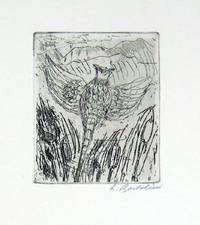
195489152Firenze: Vallecchi 1954. Brossura custodia wrappers slip-case. Ottimo Fine. Una delle 200 copie con 7 acqueforti tirate a mano dai rami originali numerate e firmate a matita cm 126x232"; 74x6; 95x7; 13x92; 124x7; 53x9;" 115x94. cm 35x25. pp. 50 incisioni. Ottimo Fine. Prima edizione di 800 200 es. mumerati. Prima edizione di 800 200 es. mumerati. Vallecchi, unknown