98 727 résultats
Chicago, American Medical Association, 1926. 8vo. Offprint in the original printed wrappers. Previous owner's name to top right corner of front wrapper. A very fine and clean copy. 19 pp.
Indbundet i 85 samt. hldrbd., her og der med brugsspor samt 1 papbd. Et bind med de første blade beskadiget og manglende forperm. Enkelte kobbere synes at mangle. Ialt mangler 5 bind af rækken (= Nyt Bibliothek..bd. 22,27,31,37 og 38).
1972104510Leipzig, Engelmann u. Geest & Portig, 1849-1972. M. Taf. u. zahlr. Abb. Versch. geb. Einige späte Jgg. in Heften. M. Rsign. Einige Rücken fehlen. Einbde. mit Lagerspuren. Meist gestempelt.
1970891DGWien. ca. 1970. Farbige Zeichnungen auf Pergaminpapier. Unten mit Bleistift signiert. verschiedene Bildformate wie: 16 x 19 oder 23 x 21 cm. Alle Blatt in Passe-Partout: 50 x 40 cm.
16127568CBWittenberg, Kempf, 1612. 7 (von 8) Bl., 510 S. (7) Bl. (Index). Mit 29 ganzseitigen Kupfertafeln im Text. Pergamentband der Zeit mit ausgerissenen Schliessbändern.
1835604644Leipzig, Dyk, 1774-1835. M. 1 Taf. 2 Arten von uniformen Ppbdn. d. Zt., Reg. in 2 versch. Ppbdn. d. Zt. u. 1 Hldrbd. Teilw. St. a. Tit. Stellenw. braunfl. Bd. 23 hint. Einbd.-Decke beschäd. Bd. 28 einige S. wasserrandig. Bd. 31 hint. Einbd. berieben. Einige Bde. bestoßen. Fehlt: Reg. zu Bd. 19-24 u. 27.
in-8, pp. (22), 328, (14), leg. coeva p. perg. Stupendo frontispizio fig. e 44 tavole f. testo. Seconda edizione di una delle più importanti opere di chirurgia del 17.mo secolo, con descrizioni e figure di ogni tipo d'intervento, compresa l'operazione oculistica e dentistica. Il frontesp. e le 44 splendide tavole offrono l'illustrazione di una quantità di apparecchiature-strumenti-bendaggi, ecc., del tempo. L'autore era medico ad Ulm, ove venne edita nel 1645 la prima edizione. Esemplare bellissimo.. Parkinson 2238..
1913108613Paris, 1888-1913. M. mehr. Abb. u. Taf. In 27 einheitl. Hlwdbdn. m. goldgepr. Rtit. Einbde. teils beschabt u. bestoßen. Sign. a. Vorsatz St. a. Tit. bzw. Vorsatz. Taf. u. einige Seiten teils fingerfl. bzw. braunfl. Papier altersgemäß nachgedunkelt. Wenige Seiten m. min. Randläsuren.Abweichende Bde.: 12-15 andersfarb. Hlwdbde. m. goldgepr. Rtit. Rsign. St. a. Tit. Rücken teils gelöst. Einbde. beschabt u. bestoßen. Bd. 16 S. 633-641 nicht erschienen (Fehlpag.).
1904221335Leipzig, Akad. Verlagsges./Geest & Portig, 1904-85. In 37 Bibl.-Hlwdbdn. u. 5 Hldrbdn. Rest in (Interims)Brosch. bzw. OHeften. Teilw. St. a. Tit. Brosch./Hefte teils unaufgeschn., angestaubt u. einige Umschl. etwas läd., wenige Buchbl. gebrochen bzw. gelockert, einige S. od. Taf. dadurch lose. Fehlen: Bd. 2 S. 319-322; 6 die Tafeln; 9 H. 1 vom Zentralorgan; 24; 38; 49 H. 3-4; 50 H. 1; 53-55; 56 H. 1; 57-62; 63 H. 1-2; 64 H. 1; 67 H. 1-3; 72 H. 3-4; 73; 74 H. 1-2 u. 4; 109.
185263323Kjøbenhavn (Copenhagen), 1852. 8vo. Very nice, contemporary purpelish full cloth binding with gilt lettering and blindstamped line-decoration to spine. Spine faded and a bit of spotting to boards. Bent blank top corner of title-page, resulting in two minor creases. Brownspotting due to the quality of the paper and occasinal pencil-underlinings. All in all a very nice copy. Old owner's name (and date to front free end-paper. (4), 162, (2) pp. + 2 lithographic plates.
1844604643Leipzig u. Prag, Hirschfeld, 1844-79. M. mehr. lith. Taf. Versch. geb. Kanten u. Ecken z. T. bestoßen, einige Bde. stark wassergeschäd. od. m. gering. Beschäd.; 105/108 ohne Rücken. Teilw. St. a. Tit. Es fehlen: Bd. 20 Forum Nr. 2-3; 92 Inh.
Folio piccolo (mm 328x225); carte 4 non num., pagine 480 con centinaia di silografie nel testo raffiguranti le piante, carte 14 non num. di indice; frontespizio in rosso e nero con vignetta silografica con motto "Portum fortiter occupa" con l'immagine di un vascello entro cornice ornamentale e figure allegoriche, capolettera entro vignette. Mezza pelle di inizio Ottocento con piatti marezzati, titolo in oro al dorso con filetti dorati. L'autore, Castore Durante fu medico e cittadino romano (Gualdo Tadino 1529 - Viterbo 1590). Celebre opera, che, dopo la prima pubblicazione del 1585, fu ristampata in otto edizioni di grande successo, fino al 1718 in diverse lingue. La nostra edizione del 1717 è rara, sebbene presente in alcune biblioteche. L'opera riunisce più di 900 specie ordinate alfabeticamente secondo il nome volgare; il ricco apparato iconografico, di notevole fascino, probabile opera di Isabella Parasole, una delle più note artiste del tardo Rinascimento, accompagna le descrizioni dei nomi in lingua greca, latina, araba, francese, spagnola e tedesca, ed è di supporto alle descrizioni nel riconoscimento dei vegetali.<BR>Il testo è completo delle revisioni e appendici, aggiornato dell'inserimento delle descrizioni relative alle piante esotiche che dopo il 1585 entrarono a far parte dell'uso farmacologico e alimentare. Durante, intitola l'opera Herbario nuovo, intendendo soprattutto divulgare le conoscenze di materia medica tramandate dall'antichità fino al XVI secolo, basate sull'uso dei Semplici, da cui si estraggono i principi attivi dei farmaci del tempo e non solo. Bell'esemplare che presenta tracce di tarlo di varia intensità solo al margine interno senza ledere il testo, fino a pag. 150, ultima carta di indice con antico restauro, carta di rinforzo, saltuarie minime macchioline. <BR>Pritzel 2552; Nissen 569. <BR>
Un volume di facsimile di cm. 19, pp. (460) interamente stampato su carta pergamenata e con moltissime illustrazioni a colori. Sontuosa legatura in piena pelle con fregi a secco e borchie metalliche. Entro custodia originale in plexiglass. E' inoltre presente il volume di commentario di cm. 34, pp. 161 (3). Leg. in tela con sovracoperta. Ottimo stato di conservazione. Pregevole edizione impressa in 999 esemplari numerati (ns. n. 680). Il colophon del facsimile e le indicazioni tipografiche del commentario indicano anche: Roma, Editalia, 2008.
192063452Auburn & Skaneateles NY Cranston CT Providence RI & Puyallup WA: Arthur Foot Resting Company Arthur Antibody Production Theory Co-op ca. 1920-1955. Two vols. 1st - Folio. 11.5 x 14.5 in. 48 pp unpaginated. on thick acidic contemporary 1930’s paper. With 126 original silver gelatin photos sized from 2.25 x 3.25 in. up to 11 x 10 x 12 in. some mounted on boards some die-cut to shape of untreated and treated feet and 2 clipped to sales literature w/ 1 bearing manuscript information on verso as well as clippings foot impressions TLS & ALS endorsements business promotions and printed patent awards in 1932 and 1933. Contemporary black textured boards post-binder Arthur Foot Resting co. sample promotion mounted on front cover wear scuffing chipping to fore-edges of leaves some lifting occasional tears & thumbing; 2nd -- Folio. 12.5 x 14.5 in. With 126 original silver gelatin photos sized from 2.25 x 3.25 in. up to 11 x 14 in. many mounted with orthopedic medical strapping tape and others just mounted on pages after being removed from perished previous sales albums others on card stock and over 100 ephemera pieces including TLS ALS diagrams illustrations newspaper & magazine clippings promotional literature original anatomical diagrams printed patent documents Gilbert foot wrapping samples testimonials and more. Dark brown embossed covers post-binder screw-posts at gutter margin chipping edgewear some soiling & wear to covers chipping and minor tears to fore-edges of some leaves toning to leaves as usual still a G pair of exemplars w/ 4to. 55 leaves typescript/carbon/mimeograph MS laid-in. An historically fascinating and intriguing pair of medical scrapbook/photo sales albums revealing the history and development of an entrepreneurial massage/hydrotherapist’s patented podiatry treatment rescuing feet all over the Northeast marketing of orthopedic footwear along with the gradual formation of his chiropractic and quackery “Arthur Antibody Phenomenon†“Arthur Lympocytic Theory†and “Alladdenism†to cure everything from the common cold to polio following World War II. The first album focuses primarily on the “History of the Arthur Foot Treatment†details his efforts of setting up the Arthur Foot Resting Company to treat foot sufferers in and around upstate New York through a technique for applying adhesive tape in new ways and aid potential patients in avoiding “various kinds of braces supporters shoes massages etc.†and how his “Fast Strap†method “actually cured the condition of his feet.†According to the photographs and extensive original documentation supplied in the albums he began developing his treatments at the sanatarium in Hot Springs Virginia and by 1931 was offering clinics and demonstrations at such places as the Auburn City Hospital in Auburn NY as well as securing support from such companies as the Enna Jettick Shoe Co. and Dunn & McCarthy Inc. on Arthur foot straps and producing and selling patented Arthur orthopedic shoes. Arthur has included strapping exercises for the feet proper ways in which to wrap them together with photographs demonstrating how to apply the straps properly before & after foot diagrams and even a mock-up advertisement declaring “Famous Health Resorts using this treatment recommend -- John Smith Shoes Dealers Listed Here.†Of particular interest is the laid-in brass split-pin clipped sales photos & diagrams complete with display photo of shoes “designed for this work and are still selling very strongly after 15teen years as a leader in the line.†The second album with analogous dating includes demonstrations of applying the orthopedic tape straps the photo advertising sign outside of Arthur’s clinic as well as treatment progress photo series. Arthur claimed his massage/strap treatment could also be used to cure wars as well as arthritic conditions. Included within the second album are actual straps having been applied as well as pasted out example to show potential clients podiatrists and chiropractic clinics. Arthur 1893-1982 was a podiatrist holistic chiropractic medical practitioner medical device manufacturer and salesman as well as founding member of quack medicine/chiropractic holistic co-op in Washington State. He began working initially as a machinist for a Rhode Island automobile manufacturer but by 1917 had became a hydrotherapy and massage therapy specialist at the White Sulver Springs Sanatarium in Virginia served as a hydrotherapist and ambulance driver with the Ambulance Company 20 6th Sanitary Training Regiment during World War I and followin the War for the Connecticut State Asylum and the Rhode Island Hospital for Mental Diseases. By the 1920’s he was operating his own consulting and manufacturing business for his “Arthur Foot Resting Co.†between Hot Springs VA and Skaneateles NY selling his patented food appliences and treatment devices. In the early 1950’s he moved to Puyallup WA where he began pushing his medical theories and later as foot specialist and physical therapist in Vancouver WA. This cataloguer could find no other similar collections archives or even published trade literature related to the patented medical devices and practices of the Arthur Foot Resting Co. Arthur Foot Resting Company, Arthur Antibody Production Theory Co-op, hardcover
44211<p>Japan and Western Medicine. Oranda jin Geka ryoji no zu Dutch Surgery in Nagasaki. Original pen ink and watercolor drawing on light brown-toned silk with 4 vertical lines of Japanese characters in the upper left corner. Japan: late 18th or early 19th century. 483 x 363 mm. mounted as a scroll at a modern date on light grey silk backed with paper with a half-round hanging rail with braided ribbon attached at the top and a suspension bar at the foot measuring 914 x 443 mm. overall; preserved in a custom-made wooden box. A few tiny pinholes in upper corners of image but fine with the coloring fresh and bright.</p> <p> This striking image showing an amputation carried out by a Dutch surgeon in Japan was most likely painted in the late eighteenth or early nineteenth century during Japan's self-imposed period of national isolation. The hand-painted image is related but by no means identical to a Nagasaki woodblock print titled "Surgery by a Dutch Physician" one of many popular souvenir prints depicting scenes unique to Nagasaki which at the time was the sole point of contact between Japan and the outside world. See our reproduction of the print. It may be that our scroll is the original of the image; however it is also possible that both hand-painted and woodcut versions of the image were produced simultaneously.</p> <p> Western surgery came to Japan in the sixteenth and seventeenth centuries via the Portuguese who in 1543 became the first Europeans to make direct contact with Japan and the Dutch who became the only European nation allowed to trade with Japan after Japan's expulsion of the Portuguese in 1639. Surgeons attached to the Dutch East India Company established practices at the island of Dejima in Nagasaki Bay which led to the formation of several Japanese schools of surgery based on European methods. "This aspect of Western medicine known as K m -ry geka or 'Surgery of the Red-Haired' has had a profound effect on the development of surgical practice in Japan" Van Gulik p. 37. Van Gulik "Dutch surgery in Japan" in Red-Hair Medicine: Dutch-Japanese Medical Relations ed. Beukers et al. pp. 37-50. </p> <p>. unknown
44211<p>Japan and Western Medicine. Oranda jin Geka ryoji no zu Dutch Surgery in Nagasaki. Original pen ink and watercolor drawing on light brown-toned silk with 4 vertical lines of Japanese characters in the upper left corner. Japan: late 18th or early 19th century. 483 x 363 mm. mounted as a scroll at a modern date on light grey silk backed with paper with a half-round hanging rail with braided ribbon attached at the top and a suspension bar at the foot measuring 914 x 443 mm. overall; preserved in a custom-made wooden box. A few tiny pinholes in upper corners of image but fine with the coloring fresh and bright.</p> <p> This striking image showing an amputation carried out by a Dutch surgeon in Japan was most likely painted in the late eighteenth or early nineteenth century during Japan's self-imposed period of national isolation. The hand-painted image is related but by no means identical to a Nagasaki woodblock print titled "Surgery by a Dutch Physician" one of many popular souvenir prints depicting scenes unique to Nagasaki which at the time was the sole point of contact between Japan and the outside world. See our reproduction of the print. It may be that our scroll is the original of the image; however it is also possible that both hand-painted and woodcut versions of the image were produced simultaneously.</p> <p> Western surgery came to Japan in the sixteenth and seventeenth centuries via the Portuguese who in 1543 became the first Europeans to make direct contact with Japan and the Dutch who became the only European nation allowed to trade with Japan after Japan's expulsion of the Portuguese in 1639. Surgeons attached to the Dutch East India Company established practices at the island of Dejima in Nagasaki Bay which led to the formation of several Japanese schools of surgery based on European methods. "This aspect of Western medicine known as K m -ry geka or ‘Surgery of the Red-Haired' has had a profound effect on the development of surgical practice in Japan" Van Gulik p. 37. Van Gulik "Dutch surgery in Japan" in Red-Hair Medicine: Dutch-Japanese Medical Relations ed. Beukers et al. pp. 37-50. </p> <p>. unknown books
Cm. 15, pp. (32) 391 (1). Marchio tipografico al frontespizio e ritratto a piena pagina dell'autore al verso di quest'ultimo. Solida ed elegante legatura seicentesca in piena pelle, dorso a nervi con titoli e ricchi fregi in oro. Piccole mancanze alle estremità del dorso e qualche fioritura sparsa, peraltro esemplare genuino ed in ottimo stato di conservazione. Un'antica firma di possesso ms. al frontespizio. Rara edizione originale che contiene molte interessanti osservazioni in campo scientifico, botanico, medico ed alchemico. Da segnalare accenni specifici a territori d'oltremare tra cui l'India, le colonie americane, l'uso terapeutico del tabacco, del balsamo messicano, ed altri prodotti indigeni. Il quarto ed ultimo libro è dedicato interamente a soggetti alchemici e contiene "il vero ordine da far la pietra filosofale, per trasmutare li corpi metallici in Sole e Luna".
1567zy557Lugduni, apud Ioannem Frellonium Relié 1567 In-12 (11,5 x 18 cm), reliure plein parchemin, ex-libris manuscrit en première garde, paginations multiples (164 pp. + index non paginé, puis 72 pp. + index non paginé, puis 43 pp. + index non paginé), édition originale de 1567 en latin (l'édition originale française date de 1581 ; Brunet III, 576). L'auteur Laurent Joubert (1529, Valence - 1583, Lombers) est à partir de 1579 premier médecin du roi Henri III de Navarre (Henri IV de France) ; plats bosselés, cordons de fermeture cassés, par ailleurs intérieur frais, bon état. Livraison a domicile (La Poste) ou en Mondial Relay sur simple demande.
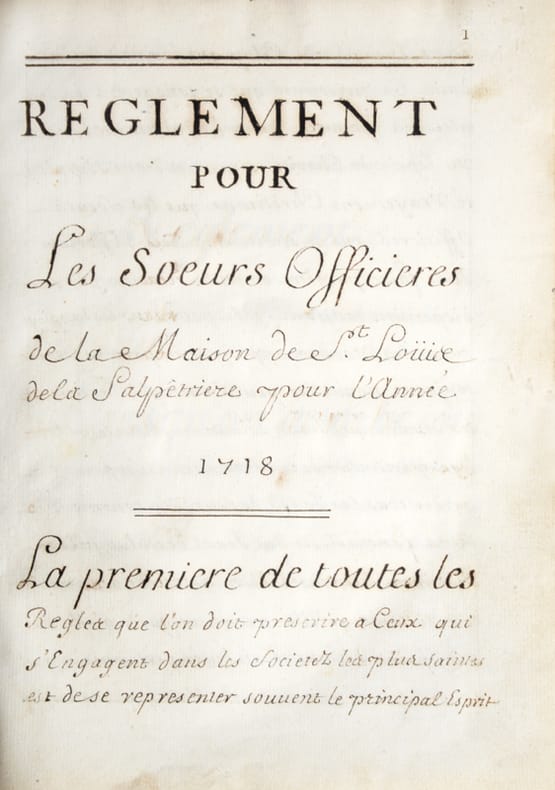
171842544(Paris), , 1718. In-4 manuscrit de 201 pp. à 18 lignes par page, veau brun, dos à nerfs, dos restauré (reliure de l'époque).
1821218292Erlangen, Palm u. Enke, 1821-52. Verschied. geb. Meist Bibl.-Ppbde. od. Bibl.-Hlwdbde. m. Rsign. Teilw. Doppelbde. Häufig St. a. Tit. od. anderer S. Einbde. bestoßen u. angeschmutzt. Rest in OBr. Häufig unaufgeschn. u. beschmutzt. Papier häufig leicht, selten stärker, braunfl. Sehr wenige Bde. wasserfl. Umschl. d. OBr. teilw. beschäd. Es fehlen: Bd. 62 H. 3 u. 4 u. Erg.-Hefte 3-5, 21, 32 u. 44-45 u. d. Registerbde.
A Cura: Jean Bolognia;; Irwin Braverman; Susan Wheeler (curatrice stampe e disegni) . Edizione: Prima edizione . Pagine: 47 Fogli . Illustrazioni: 47 tavole in cromolitografia, West, Newman &co Cromolith. Hatton Garden London . Formato: Oltre cm 38: in folio . Rilegatura: Grosso cartonato marmorizzato con dorso in pelle marrone. . Stato: Buono . Caratteristiche: L'Atlas fu costruito in 24 anni e rappresenta uno dei lavori più importanti del Diciannovesimo secolo relativo alla dermatologia, per quanto riguarda l'apparato iconografico. Splendide e grandi tavole cromolitografiche compongono l'opera, PRIVA DI TESTO se non nella descrizione attraverso il titolo delle raffigurazioni. Questa nostra opera comprende 47 tavole (MANCANZA della tavola n° 46 e della tavola n° 49). Presenti bruniture e nella prima tavola una macchia di umidità nella parte interna alta bianca, non interessante la figura. Tre tavole sono presenti ma staccate dalla rilegatura. Qualche tavola è leggermente rifilata al bordo esterno, le figure sono complete. Opera rarissima, si ricorda che dal 14 Settembre del 2015 al 16 Gennaio 2016 è stata organizzata una mostra alla YALE UNIVERSITY LIBRARY con una selezione di sole 25 tavole. Una delle caratteristiche che hanno reso famosa l'opera è la raffigurazione cruda e sincera della sofferenza nei visi dei pazienti. . Note epoca: 1884
160640326DBTreviso, Roberto Meietti, 1606. Kl.-8°. 8 n.n. Bl. 715 S. 2 weisse Blatt. Pergamentband der Zeit mit handschriftlichem Rückentitel. + Wichtig: Für unsere Kunden in der EU erfolgt der Versand alle 14 Tage verzollt ab Deutschland / Postbank-Konto in Deutschland vorhanden +, 40326D
183489788s. n. | s. l. 1834 | 21 x 17.3 cm | Une feuille sous cadre
In -4°, pp. (10), 159, (1), frontespizio in rosso e nero, legatura in cartonato coevo con titolo manoscritto al dorso. Prima e unica edizione di uno dei primi saggi italiani ed europei di psichiatria moderna; include un cospicuo resoconto sulla “medicina elettrica”, ovvero l’applicazione di fenomeni elettromagnetici alla cura del paziente: anche in questo caso il saggio è da considerarsi fra i primi mai elaborati e pubblicati sulla materia. Pietro Cornacchini, filosofo e medico senese, pubblica questo suo manuale nello stesso anno del “Treatise on Madness”, dell’inglese William Battie, considerato il trattato più importante del primo Settecento sulla cura della follia. Come testimoniato nel suo libro, in quegli anni si cominciava a sviluppare in Europa un approccio non repressivo e non reclusivo al malato e alla malattia mentale. Cornacchini è senz’altro fra i pionieri di questo tipo di studi, e il suo manuale è riconosciuto come il primo approccio fisiologico complesso dell’epoca moderna, in Italia, alla malattia mentale: si veda la “Storia della medicina in Italia”, di Salvatore De Renzi (Napoli, 1848, tomo V, pp. 759 sgg.) in cui l’autore riconosce a Cornacchini un anticipo di 14 anni sull’opera giovanile di un altro medico, Antonio Sementini, e addirittura di 35 sul lavoro che giudica il più importante del secolo, cioè “Della pazzia” di Chiarugi (1793). Il libro di Cornacchini succede solo a un altro trattatello, del ’57, cioè “Della mania, della frenesia e della rabbia” di Antonio Arrigoni, scritto che, in contrasto con il presente, trascurava la fisiologia per concentrarsi sul trattamento di queste patologie. Dopo aver distinto la malattia mentale in “tre specie” (frenesia, mania, malinconia), l’autore si addentra in spiegazioni fisiologiche: “Chi potrà negare - scrive - che la cagine [sic] immediata della Pazzia risieda [negli] organi interni, e che sia tutta materiale?” A osservazioni piuttosto dettagliate sulla circolazione sanguigna e sui fluidi corporali, si accompagnano altre considerazioni sperimentali o ipotetiche fra cui quella che la follia sarebbe connessa a una maggiore “durezza” del cervello o comunque alla consistenza di quest’organo (“Tanti autori confermano che il cervello de’ maniaci è stato ritrovato per lo più arido e friabile”). Al di là di quest’approccio, il volume si configura come un vero e proprio antesignano, in Italia, di un modo di considerare il malato di mente, anche sul piano lessicale: non a caso Cornacchini termina la sua disquisizione respingendo anche in senso terminologico “l’odioso nome di Pazzi”. Non meno intrigante e innovativo è il saggio che prosegue il volume, ovvero i due saggi “sopra la medicina elettrica”. L’argomento è a sua volta recentissimo e pionieristico, come chiarisce l’autore stesso che mette all’origine di questi studi il padovano Giovanni Francesco Pivati, il quale nel ’49 aveva pubblicato il suo “Riflessioni fisiche sopra la medicina elettrica”; l’approccio di Cornacchini alla materia è radicalmente diverso da quello di Pivati, ed è basato esclusivamente sull’applicazione di elettricità: Pivati e altri suoi seguaci erano convinti che, per una cura efficace, si dovessero applicare dei farmaci ai diversi conduttori di elettricità impiegati allora, mentre il parere di Cornacchini è che si dovesse procedere “senza intonacatura di medicamento alcuno”. In questo la posizione di Cornacchini è più aderente a quello che sarebbe stato il proseguimento degli studi a riguardo, e la sua esposizione va considerata più moderna e innovativa anche rispetto all’altra monografia pubblicata precedentemente in merito, quella del bolognese Veratti (“Osservazioni fisico mediche intorno all’elettricità”, Bologna, sempre del’49). Il discorso sull’elettricità di Cornacchini è piuttosto nutrito e addirittura sovrasta per quantità la prima parte del libro, impegnandone più di cento pagine. La prosa è limpida e avvincente: al di là della ricerca strettamente medica e delle descrizioni di casi clinici, non mancano cenni di proto-elettrotecnica (l’elettricità era ancora all’epoca un fenomeno curioso ma con scarse applicazioni pratiche). An early and rare work of psychiatry, in its first and only edition, this is one of earliest Italian and European modern book in this field. It includes a huge writing on “electric medicine”, i.e. the application of electromagnetic issues to illness care. Also this part has to be considered between the first essays ever published on the matter. Pietro Cornacchini, a physician and a philosopher from Siena, publishes this handbook in the same year of William Battie’s “Treatise on Madness”, a writing considered the most important of the early Century about madness’ care. A forerunner of non-reclusive psychiatry, Cornacchini writes the first complex physiological study on madness of modern age (see “Storia della medicina in Italia” by Salvatore De Renzi, Naples, 1848, in which the author assigns to Cornacchini 35 years of advance on the most important Italian work on madness of the Century, “Della Pazzia” by Chiarugi, 1793). Cornacchini’s book is published a year later of another handbook, “Della Mania, della Frenesia e della Rabbia”, by Antonio Arrigoni, that however ruled a non physiological approach to the matter. After giving a classification of different kinds of madness (frenesia, mania, malinconia), the author gives some original physiological explications, as like the madness connected to brain consistency. Beyond this, the volume is a pionering work on the way to consider the mental illness as a pathology to be treated with respect of the patient, starting with an appropriate use of language (at the end of the work the author rejects as obnoxious the word “Pazzi”, mad, for the mentaly ill). No less important can be considered the second part of volume, about “electric medicine”, a rising field, studied in Europe before the development of more important practical implementing of electricity. Cornacchini’s approach is different by most of contemporary works about: many researches required to add a drug to electric devices to be efficient; only later was demonstrated, as like Cornacchini assumes, that the electric application could be a treatment itself, and the pharmaceutical addition as unnecessary.
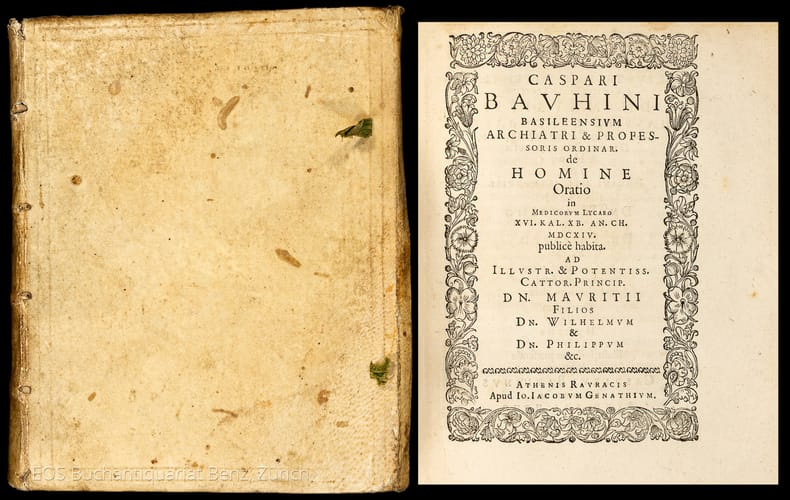
Due parti (su tre) in un tomo in 4° (mm 210x145); carte n.n. 14; 7 (su 8, manca l'ultima bianca); splendido frontespizio silografico con bordura ornamentale. Antico cartone muto rimontato. <BR>Prima edizione. Interessante e rarissimo post-incunabolo, pubblicato riunendo tre opere; manca ab origine "La volgare instauratione Elisiana de li bagne neapolitane & puteolane…" traduzione in volgare della prima opera, che editorialmente occupa i quaderni C e D dell'opera con 12 carte. Dalla antica numerazione manoscritta consecutiva delle due opere da noi possedute, posta in alto, si desume che la parte mancante non sia mai stata inserita nel volume. L'opera cita e descrive brevemente tutte le fonti termali della Campania. Fino al 1500 poche notizie si hanno sulle sorgenti, a parte qualche scritto ritrovato (vedi Pietro da Eboli, col suo De Balneis Terrae Laboris, un poemetto in versi composto tra il 1211 e il 1220, dedicato a Federico II, nel quale sono indicati 35 bagni termali della zona compresa fra Napoli, Pozzuoli e Baia). In seguito Giovanni Elisio, un medico del XV secolo, curò una nuova edizione, arrivando a descriverne ben 42. Nel 1519 il trattato di Giovanni Elisio "Succinta instauratio de Balneis" fu dato alle stampe attirando l'interesse dei governanti dell'epoca a frequentare le acque dell'isola di Ischia, in particolare di Casamicciola.<BR>Come indicato nel titolo, la seconda opera (editorialmente terza parte della raccolta) è costituita dal "Libellus Arabicus in malos medicos" di Alfonso Buonuomo tradotto in latino dallo stesso Elisio, che era medico del vescovo Francesco Piccolomini. La British Library possiede un esemplare del solo "Libellus" con uguale collazione e riferisce: "a fragment of a larger work which may have been the Succinta instauratio de balneis totius Campaniae of Elisius"; attribuisce inoltre l'edizione allo stampatore tedesco attivo a Roma Johannes Beplin. <BR>Molto ben conservato, qualche macchiolina.<BR>Lozzi, I, 1037 cita un' edizione del 1519, considerata assai rara e non in possesso della Biblioteca Nazionale di Napoli; P. Manzi, La tipografia napoletana, p. 191 <BR>