108 933 résultats
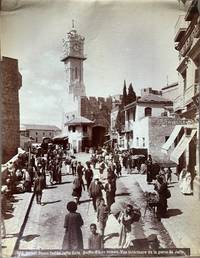
192259753Jerusalem Palestine: The American Colony Grand New Hotel 1922. Oblong 4to. 12.25 x 9.5 in. 26 leaves unnumbered. on thick gray paper stock. With 26 mounted sepia-tinted albumen photographs sized 8.5 x 11 in. nearly all w/tri-lingual captions photographer’s imprint & inventory number w/in negative at lower fore-edge minor creasing to a few fore-edges slight over-exposure to a couple images at the lower margins. Contemporary calf-backed olive/myrtle wood beveled boards binding Jerusalem “five-fold†cross carved on center of front cover minor scuffing rubbing very minor split at center glue seam front & back covers minor chipping to lower rear corner brown morocco rebacking still a VG exemplar w/ gift manuscript note “From Genevieve March 2 1922†on front pastedown presented to James Duval Phelan 1861-1930 banker philanthropist and former San Francisco Mayor and later California Senator 1914-1920. Ironically the album appears to have been presented to the rabid yellow peril anti-Japanese & Chinese politico while he traveled around the World through Japan China Hong Kong India Egypt Palestine Constantinople and Europe with Phelan’s Phoenix rising from the ashes San Francisco bookplate on front pastedown. This marvelous souvenir photo album composed of Ottoman-era albumen images captured not only recreated iconic religious scenes but also captured Jerusalemites in city streets and the Holy Land in the opening decades of the 20th Century. The album opens with the image of the “Street Scene inside Jaffa Gate†which captures Frederick Vester & Co.’s American Colony shop and photography studio in the right fore-ground of the image with bustling street and clock tower prominent in the center of the image. The American Colony produced created developed printed hand-coloured and sold thematic photographs stereoviews panoramic photos postcards custom hand-coloured glass lantern slides along with deluxe thematic souvenir albums such as this one. The series included here which incorporates a view of the room for the Last Supper and a nicely composed image of a beautifully terraced Garden of Gethsemane follows with the Stations of the Cross. The often incorporate residents in their daily lives watering donkeys pilgrims praying at Stations merchants and those wandering through the gates and winding streets of the ancient city. The photographers have captured the baroque & ornate Station Calvary the Church of the Holy Sepulchre a view of the Dome of the Rock and a teeming scene of women men and families seated and standing praying at the Wailing Wall. The American Colony emerged from the evangelical “End Times†beliefs inculcated by Horatio Spafford and Anna Larssen Spafford in 19th-Century Chicago who despite their profitable lectures the support & encouragement of Dwight Moody and at best questionable financial chicanery shipped out for the Holy Land in 1881 ahead of their creditors for $ 100000. Eventually the largely “celibate†commune controlled by “Messages from God†to Anna Spafford and through lectures and charity merged with Olof Larson’s “Doomsday†Larsonite believers along with Frederick Vester and a number of photographers began operating the American Colony store near the Jaffa gate and vastly expanding their tourist photographic operations. By 1910 they had several employees and the noted American Colony photographers such as Elijah Meyers and Lewis Larsson extended their talents across Palestine capturing not only the River Jordan but life in Bethlehem Bethany Syria Damascus and many other locations across the Ottoman Empire controlled areas. Although the American Colony projected a harmonious community bound together by simple Christian piety the sect was tightly controlled by Anna who not only restricted and monitored all correspondence by Colony members ordered shunning of those who ignored her dictates and maintained direct control over their finances. She also enforced marital celibacy until she “received a Message†that her daughter Bertha and Frederick Vester could marry in 1904. See: Tom Powers Jerusalem’s American Colony and Its’ Photographic Legacy 2009; Barbara Bair The American Colony Photography Department: Western Consumption and “Inside†Commercial Photography Jerusalem Quarterly No. 44 2010 p. 28. The American Colony, Grand New Hotel, hardcover
19312222Prague 1931-1949. Czech Avant-Garde Photography Editor: Augustin Skarda et al. . CESKOSLOVENSKA FOTOGRAFIE. Complete in 12 volumes. Prague 1931-1949 first editions of the complete set in 12 volumes; 10.75 x 8.5 inches over 800 full page photo-engraved plates; short texts all volumes in Czech some with English German and French. Early years with covers of avant-garde typographic designs by Karel Teige .Photographers include: Josef Sudek Jaroslav Krupka Jindrich Styrsky Frantisek Drtikol Alois Zych Karel Plicka Jaroslav Seifert R. Sima K. Muller J. Tutsch and many others. All 12 volumes are uniformly bound in the original publisher's boards; the 1949 volume with the original dust jacket. Overall this set is in excellent condition.<br />Publisher: Svaz Ceskoslovenskych Klubu Svaz Ceskoslovenskych Klubu hardcover books
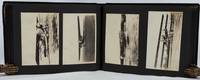
1930218616Japan. Circa1930. 79 black and white photographs 43pp 18.2 x 25.5cm bound in a black velvet covered photograph album with string ties bearing what is likely a class insignia. Three photographs are loosely inserted a few have been removed some photographs are attached using photo corners most laid down some browning fading or wear but generally the photographs are in good to very good condition. Some of the planes depicted are identifiable as early models of biplanes. A group photograph of military officers at Onohara Airstrip likely in Kyushu is dated July 1904. These biplanes were primarily operated by the Imperial Japanese Army. The album also includes two striking photographs of a plane flying over the crater of Mount Fuji as well as scenes of what appears to be the Yalu River Liaoyang and an industrial plant in Manchuria. <br> <br>Additionally there are images of a Ryan NYP-type plane with the identification number J-BACC. This particular aircraft was purchased by the Mainichi Newspaper Company in 1927 for promotional purposes inspired by Charles Lindbergh's historic transatlantic flight in the same type of plane. Also included is a photograph of a Dornier Do J Wal in Deutsche Luft Hansa livery. The final photograph features a diagram of a Zenith carburettor adding a technical dimension to this fascinating collection. <br> <br>This album not only captures the early days of aviation in Japan but also reflects the personal passion of its owner offering a unique glimpse into the intersection of personal history and technological progress during the early 20th century. . unknown
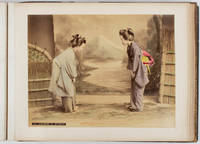
1890178093Circa1890. 24 large 23 x 29cm hand coloured silver nitrate and albumen photographs in an attractive pictorial lacquer album leather spine in compartments - rubbed at the spine gilt dentelles and inner gilt dentelles all edges gilt. Images show some colour breakdown with the colour red highlighted on some album is a little rubbed or scratched in places and some chips with loss to the edges. Faint foxing to a couple of images somewhat heavier on the first image the album measures 27.5 x 36.5cm. Large gift inscription dated '92 1892Yokohama. Endpapers marked and slightly soiled still a handsome and very interesting album containing a number of unusual photographs. Beautiful lacquered album containing a collection of 24 professionally produced hand coloured photographs of Japan in the 1870s -1880s. The identity of the photographers behind these hand-coloured prints of is uncertain but a number of the photos appear to have been taken by photographers associated with the Yokohama studio of English/Italian photographer Felice Beato 1832-1909 which operated in Yokohama from the mid-1860s to the mid-1880s. . hardcover
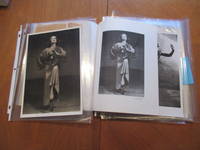
1935028502New York: E Weyhe / Lynton R. Kistler / Merle Armitage 1935. First Edition 1st Printing. Soft cover. Near Fine/Near Fine DJ. 10 1/4" Tall. #96 Of 500 Copies Numbered And Signed By The Artist Elise Armitage On The Frontispiece Lithograph. Grey Printed Wrappers Printed In Black With Plain Flaps Attached At Spine With Additional Similar Outer Grey Dj Printed In Red On Outside Panels And Printed In Black On Flaps. 24 Different Photographs. This Copy Inscribed On The Colophon To Artist And Illustrator Pasquale G. Napolitano "Inscribed For Giovanni Napolitano On The 17Th Day Of October 1935 With Luck Merle Armitage Lynton R. Kistler"; Armitage Wrote And Kisler Printed A Book On Napolitano That Same Year. On The Following Autographs Page Are Pasted In The Autographs Of Mary Wigman Paul Love Martha Graham Doris Humphrey Charles Weidman Hanya Holm Palucca Artur Michel And Hanns Hastings. Near Fine In Near Fine Dj. Laid In Loosely Are 15 Of The Original Photographs That Armitage Reproduced For The Book; These Are Well Printed On 8 X 10 PaperExcept A Smaller Photograph Of Holm Which Is Signed On The Reverse; They Show More Detail And Clarity Than The Reproduced Photographs And The Photographs By Charles Rudolph Ralph Samuels And Ben Pinchot Are Annotated With Printed Or Written Credits On The Reverse. Near Fine Book And Cover In Lightly Worn Outer Dj With Some Short Tears At Corners. <br/> <br/> E Weyhe / Lynton R. Kistler / Merle Armitage paperback
Very Good Turkish, Ottoman (1500-1928) Original six albumen print photographs. Each 12x9 cm. Fine photographs in its original feuille in very good condition. Very early, unique and historically significant six albumen prints, showing the mass executions of Turkish soldiers by the Russian army on the Caucasus Front (probably in Bayazid region) during the Russo-Turkish War of 1877-1878, in its original feuille of Gewaert - "Blaustern" Papier (L. Gewaert & Cie.) in Berlin and Vienna, with the seal of photographer "Michael Vogel; Zemen" on verso. All photos focus on the executions on death rows taken from different angles. In the Turkish village where the events took place, military barracks, mosques in the background, snowy ground in winter, Russian soldiers and captive Turkish soldiers are clearly visible. 'War of '93', named for the year 1293 in the Islamic calendar; (Russko-Turetskaya Voyna, or "Russian-Turkish War) was a conflict between the Ottoman Empire and a coalition led by the Russian Empire, and including Bulgaria, Romania, Serbia, and Montenegro. Fought in the Balkans and in the Caucasus, it originated in emerging 19th century Balkan nationalism. Additional factors included the Russian goals of recovering territorial losses endured during the Crimean War of 1853-56, re-establishing itself in the Black Sea and supporting the political movement attempting to free Balkan nations from the Ottoman Empire. The Russian-led coalition won the war, pushing the Ottomans back all the way to the gates of Constantinople, leading to the intervention of the western European great powers. As a result, Russia succeeded in claiming provinces in the Caucasus, namely Kars and Batum, and also annexed the Budjak region. The principalities of Romania, Serbia, and Montenegro, each of which had had de facto sovereignty for some years, formally proclaimed independence from the Ottoman Empire. After almost five centuries of Ottoman domination (1396-1878), an autonomous Bulgarian state emerged with the help and military intervention of Russia: the Principality of Bulgaria, covering the land between the Danube River and the Balkan Mountains (except Northern Dobruja which was given to Romania), as well as the region of Sofia, which became the new state's capital. The Congress of Berlin in 1878 also allowed Austria-Hungary to occupy Bosnia and Herzegovina and Great Britain to take over Cyprus. The initial Treaty of San Stefano, signed on 3 March 1878, is today celebrated on Liberation Day in Bulgaria, although the occasion somewhat fell out of favour during the years of Communist rule. The Russian Caucasus Corps was stationed in Georgia and Armenia, composed of approximately 50,000 men and 202 guns under the overall command of Grand Duke Michael Nikolaevich, Governor General of the Caucasus. The Russian force stood opposed by an Ottoman Army of 100,000 men led by General Ahmed Muhtar Pasha. While the Russian army was better prepared for the fighting in the region, it lagged behind technologically in certain areas such as heavy artillery and was outgunned, for example, by the superior long-range Krupp artillery that Germany had supplied to the Ottomans. The Caucasus Corps was led by a quartet of Armenian commanders: Generals Mikhail Loris-Melikov, Arshak Ter-Gukasov (Ter-Ghukasov/Ter-Ghukasyan), Ivan Lazarev and Beybut Shelkovnikov. Forces under Lieutenant-General Ter-Gukasov, stationed near Yerevan, commenced the first assault into Ottoman territory by capturing the town of Bayazid on 27 April 1877. Capitalizing on Ter-Gukasov's victory there, Russian forces advanced, taking the region of Ardahan on 17 May; Russian units also besieged the city of Kars in the final week of May, although Ottoman reinforcements lifted the siege and drove them back. Bolstered by reinforcements, in November 1877 General Lazarev launched a new attack on Kars, suppressing the southern forts leading to the city and capturing Kars itself on 18 November. On 19 February 1878, the strategic fortress to
1935105848BBParis, Forme, (1935). 4°. [22] S. u. 96 Tafeln in Heliogravure. Illustr. OKart. (Entwurf: Man Ray) mit Metallring-Heftung.
1929105257BBMünchen, Transmare-Verlag u. Kurt Wolff, 1929. 4°. 17, (3) S. u. 60 Tafeln. Gelber OLn. mit Rückentitel u. Deckelvignette (Entwurf: Emil Preetorius).
186073638Carjat | Paris s. d. [circa 1860] | 6.30 x 9.10 cm | une photographie
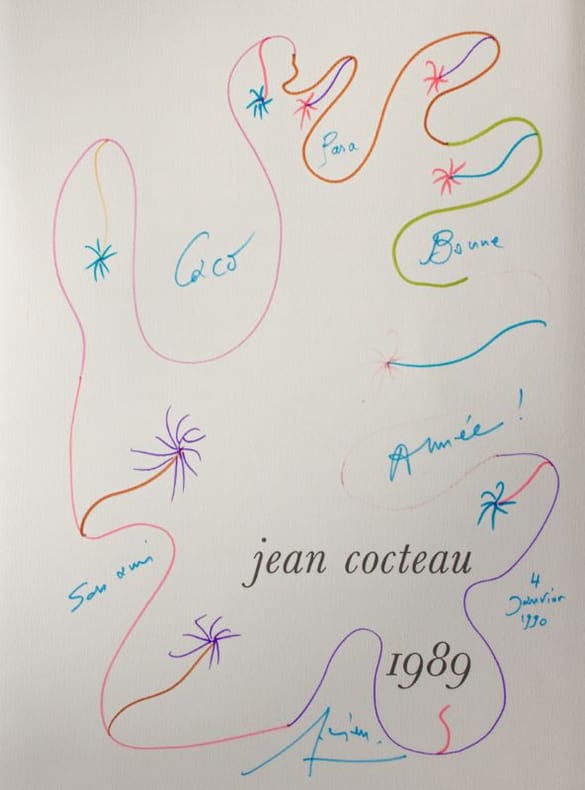
19895110Sl sn 1989 in-folio en feuilles Sl, sn [Lucien Clergue], 1989 (imp. des Presses Universitaires de France). 42 x 32,5 cm (coffret), in-folio, 4 ff. n. ch (titre, fac-similé d'un texte de Cocteau de 1956, deux dessins de Cocteau reproduits en noir à pleine page, liste des planche, justification) - 15 épreuves en noir tirées sur papier Galerie mat et montées sous carton Van Gelder et signées, en feuilles sous coffret bordeaux orné au premier plat de l'empreinte d'un dessin de Jean Cocteau (coffret par Michel Dheurle).
français Sans date (1933). In-8 de 74 pages ; broché avec spirale de l'éditeur. Coll. "Réalités" (J. Bernier, dir.), Draeger imprimeur. Préface de Paul Morand et 62 photographies pleine page en héliogravure. Quelques menus frottements à la couverture et des coins modestement émoussés. Bel exemplaire.
[4]-IV-732 pages, 8 planches, 1 carte sur 2 feuillets ; catalogues éditeurs in fine Percaline bordeaux, plats estampés à froid, titre doré au dos 1876, 1876, in-8, [4]-IV-732 pages, 8 planches, 1 carte sur 2 feuillets ; catalogues éditeurs in fine, Percaline bordeaux, plats estampés à froid, titre doré au dos, Nouvelle édition de cet important ouvrage qui fut publié pour la première fois en 1862. Cette édition contient, pour la première fois, des photographies de malades mentaux : 8 planches en photoglyptie représentant 33 types d'aliénés (maniaques, lypémaniaques, stupides, mégalomanes, fous impulsifs, déments, imbéciles et idiots et crétins). La carte finale propose une vue d'ensemble de la situation des établissements d'aliénés. Cet ouvrage trouve son origine dans le cours de psychiatrie qu'Henri Dagonet(1823-1902) avait créé à la faculté de médecine de Strasbourg. Suivant l'exemple de Pinel et d'Esquirol, il avait adopté une classification des maladies mentales basée sur l'observation clinique et sur la symptomatologie tout en considérant qu'une classification parfaite est impossible. Nommé médecin-chef de l'asile de Sainte-Anne à Paris (1867), il le réforma et y ouvrit des cours pour le personnel infirmier. Il s'agit d'un des tous premiers ouvrages de psychiatrie illustrés par la photographie. Relié en fin de volume : Bulletins mensuel de la Librairie J.-B. Baillière et Fils, de mai 1876. Cachet ex-libris de la bibliothèque du Dr Carrière de Lyon. Dos légèrement insolé, coiffe supérieure arasée. Photoglypties aux contrastes bien conservés
[4]-IV-732 pages, 8 planches, 1 carte sur 2 feuillets ; catalogues éditeurs in fine Percaline bordeaux, plats estampés à froid, titre doré au dos 1876, 1876, in-8, [4]-IV-732 pages, 8 planches, 1 carte sur 2 feuillets ; catalogues éditeurs in fine, Percaline bordeaux, plats estampés à froid, titre doré au dos, Nouvelle édition de cet important ouvrage qui fut publié pour la première fois en 1862. Cette édition contient, pour la première fois, des photographies de malades mentaux : 8 planches en photoglyptie représentant 33 types d'aliénés (maniaques, lypémaniaques, stupides, mégalomanes, fous impulsifs, déments, imbéciles et idiots et crétins). La carte finale propose une vue d'ensemble de la situation des établissements d'aliénés. Cet ouvrage trouve son origine dans le cours de psychiatrie qu'Henri Dagonet(1823-1902) avait créé à la faculté de médecine de Strasbourg. Suivant l'exemple de Pinel et d'Esquirol, il avait adopté une classification des maladies mentales basée sur l'observation clinique et sur la symptomatologie tout en considérant qu'une classification parfaite était impossible. Nommé médecin-chef de l'asile de Sainte-Anne à Paris (1867), il le réforma et y ouvrit des cours pour le personnel infirmier. Il s'agit d'un des tous premiers ouvrages de psychiatrie illustrés par la photographie. Relié en fin de volume : Bulletins mensuels de la Librairie J.-B. Baillière et Fils, de mars 1877. Ex-libris gravé de Ferdinand Brunetière à la page de faux-titre. Dos légèrement insolé, coiffe supérieure arasée, papier gratté au faux-titre, néanmoins photoglypties aux contrastes bien conservés
Due volumi in cofanetto di cartone con DVD, ottobre 2016. Copia numerata n. 0001 di 7500 copie. Multilingue: Inglese, francese e tedesco. 2 volumi rilegati con copertina rigida. Prima edizione. Spedizioni tracciabili con raccomandata entro 24 ore dall'ordine. First edition. Hardback cover with unclipped dust jacket in fine conditions, no inscriptions or markings inside. Worldwide delivery.
185884082Pierre Petit | Paris 1858 | 6 x 10.40 cm | une feuille
22786Paris, Gallimard, nrf, 12 juin 1929. Grand et fort in-4 (33 x 27 cm), broché, non coupé, couverture blanche rempliée et imprimée, 304 pp. Etui.
Elephant Folio - over 15" - 23" tall "This book is dedicated to Richard Avedon, Ara Gallant and Giorgio di Sant'Angelo". Volume cartonato, legatura editoriale in tela nera, titoli in bianco al dorso e al piatto anteriore, custodia editoriale, 136 pagine profusamente illustrate in nero e colori con immagini applicate. Esemplare in ottime condizioni. Testo in inglese - english text - box edition. SPEDIZIONE IN 24 ORE DALLA CONFERMA DELL'ORDINE.
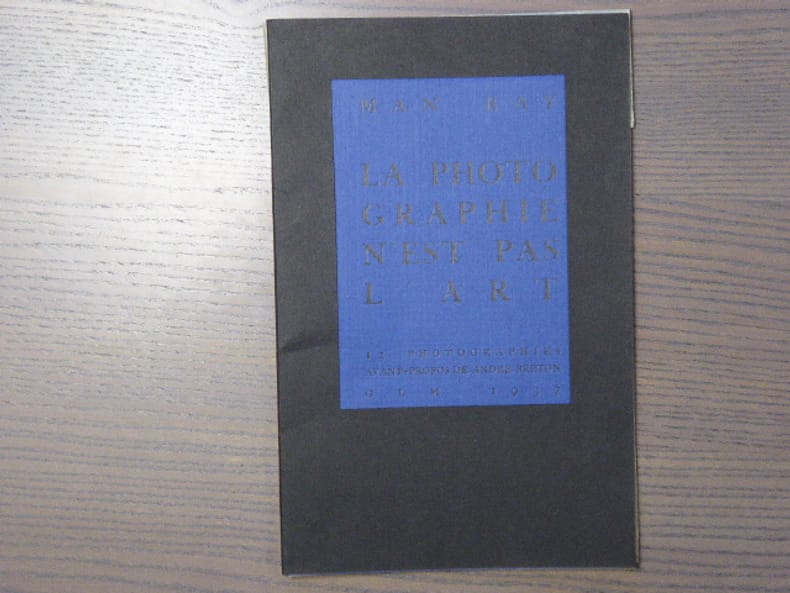
15504GLM Paris 1937 In-8 ( 255 X 165 mm ) en feuilles sous couverture imprimée et chemise ajourée. 12 photographies légendées de MAN RAY reproduites sur papier couché ivoire. Avant-propos d'André BRETON, intitulé "Convulsionnaires", en forme de poème. EDITION ORIGINALE. Bleu de la couverture légèrement nuancé au niveau de la fenêtre, très bel exemplaire, très pur, CONDITION RARE.Les photographies de MAN RAY sont considérées par PARR comme "des ready-made duchampiens". ( PARR - BADGER, tome I pages 108-109 ).
<p>40 cm, cartella editoriale in tela con leggere tracce d'uso, dorso in tela recente, titolo e illustrazione al piatto, legato da nastrino. All'interno 106 carte sciolte: il frontespizio illustrato, l'occhietto, 2 carte con testo in tedesco, indice delle tavole e 100 tavole numerate con fotografie in bianco e nero di opere architettoniche e d'arredamento di Muller, con didascalia alla base di ogni tavola. Una tavola con piccola abrasione al taglio inferiore, ex libris privato al risguardo</p>
195399089(Paris, rue Alphand), 1953-1962, , 39 tirages argentiques noir & blanc [17 x 23 cm], Album à spirale industriel ["Nez cassés" inscrit au feutre sur le plat supérieur], photographies sous pochettes plastifiées, Album de portraits photographiques de dix-sept patients avant et après rhinoplastie, soit douze femmes et cinq hommes. Les noms et les dates clichés sont inscrits au revers des tirages. Chaque personnage est représenté, sur deux ou quatre clichés, de profil, de face ou de trois-quart : les patients posent sur fond noir, les cadrages sont resserrés sur les visages et les cous; leurs regards fixent un point à côté de l'objectif. Un cliché unique montre un jeune homme après opération, tenant en main le moulage de son visage avant l'intervention. Ces photographies sont l'oeuvre de Charles Claoué (1897-1957), pionnier de la chirurgie réparatrice et esthétique en France. Fils d'un éminent oto-rhino-laryngologiste de Bordeaux, Claoué étudia à Bordeaux puis à Paris. Au lendemain de la Première Guerre mondiale, il oeuvra à la reconstruction faciale des gueules cassées. En 1930, il fonda avec Louis Dartigues la Société scientifique française de chirurgie réparatrice, plastique et esthétique. En 1950, il établit sa clinique parisienne rue Alphand. Il fut tantôt célébré en tant que chirurgien habile, véritable objet d'engouement dans la société parisienne, tantôt décrié pour son soutien aux "guérisseurs" : il fut interdit d'exercer la médecine durant trois ans en 1945, puis un an en 1952. Outre les photographies de ses patients, il réalisait des moulages en plâtre des visages avant l'opération. Couverture rigide
54 fotografie in bianco e nero a piena pagina di Giulia Pirelli e Carlo Orsi. Presentazione di Dino Buzzati. Indice dei luoghi (Torre Galfa, via Melchiorre Gioia, milanesi al lavoro, cortile in via Scaldasole, via dei Fabbri, Fiera di Senigallia, l'antiquario di via Madonnina, bocciofila San Gottardo, via Selinunte, sciopero, treno della Sicilia, ecc.) Grafica di Giancarlo Iliprandi. Stampa di Fantoni Artegrafica di Venezia. Folio (cm 40x30). pp. 18 + tavole. . Ottimo (Fine). . Prima edizione (First edition). . Il volume ''rivela decisamente l'influenza degli Swinging 60, enfatizzando il carattere dinamico e intraprendente del centro economico e più cosmopolita d'Italia. Il libro è vibrante ed energico, e se stile ed estetica tendono a vincere sulla sostanza, è tutta colpa di quegli anni formidabili che furono gli Swinging Sessanta'' [Parr, M. e Badger, G., The Photobook: a History Vol.I, p.224].
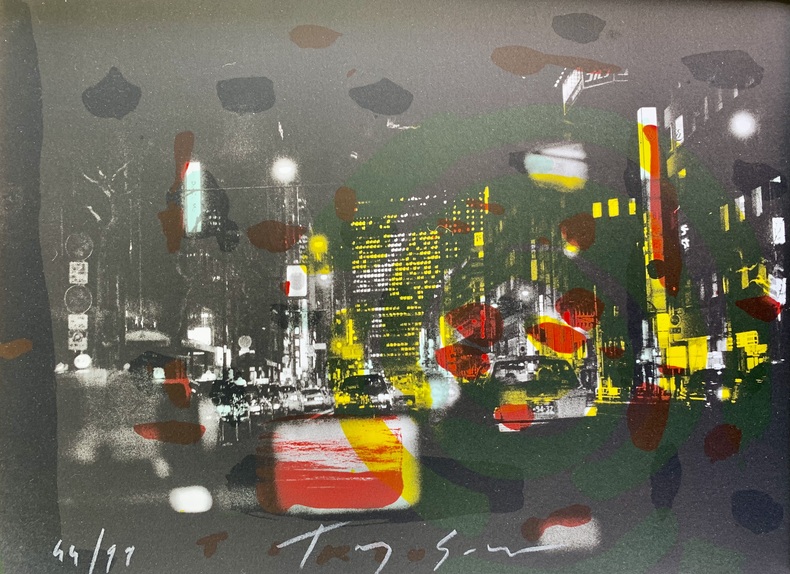
awd-1In-4 en feuilles, emboitage en toile jaune illustré de l’éditeur (14 pp.). Textes illustrés par 4 photogravures et lithographies de Tony Soulié, toutes signées. Tirage justifié à 99 ex.
19651046731965 Tokyo, Yuyudo, 1965, 259x185mm, 204p., broché, couverture rempliée photographique, bande annonce avec titre et nom de l'auteur, étui en carton blanc titré.Conception graphique de Nobuyoshi Kikuchi.Photographies de Watanabé avec les textes du poète et critique de musique contemporaine Kuniharu Akiyama.Bel exemplaire, édition originale. (104673)
190074021Port Townsend WA and others: N.p. ca. 1900. Original quarto album of full morocco measuring 9 1/2 x 6 1/2 inches. There are 24 think leaves mounted on stubs with each leaf bearing four windows for photographs measuring 3 7/8 x 2 7/8 inches. Most of the leaves in the rear bear no photographs but in the front there are 64 inserted silver gelatin photographs. Of these 36 bear images of people places and activities in the Puget Sound/Port Townsend area The remainder are quotidian shots of England. A chief concern in this album is mining and likely they brought in some British miners which would explain the shots of England. No surnames are given so it is all a bit of a mystery but the pictures speak for themselves. Finding a mining album of the Northwest is a rather rare occasion.The photographs of interest are; Log Cabin; Ranch House with two women and an infant in front; the nanny appears to be a Native American; Ore Coming out of a Tunnel; Harry Smith Cabin with two gents relaxing on the front porch; Cook House a mess tent with many miners taking their meal; Bunk homes for the workers; Blacksmith shop and Ore Dump with two men pushing a cart of trailings down the hill; Swamp grass three foot high; Dumping ore from car; Road Gang at Dinner; Railroad Station near mountains; Road Makers to the Mine a posed group shot of 20 men; Sunset near Port Townsend; Mates at the Boiler Makers; A river near our mine faded. The rest are uncaptioned but we can see the same camp and people in the winter snow; 2 shots of a sailing vessel trying to come up the Columbia ; and seven photographs of Native Americans unposed. One of them seems to be wearing a mask or bag over his head. A fascinating album of a rough and tumble time in the Pacific Northwest. N.p. unknown
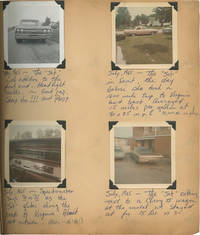
1967154897Peru Indiana: N.p. 1967. Vintage stringbound vernacular photograph album documenting the vehicular obsessions of one Greg Wildrick of Peru Indiana who would ultimately kill four people in a motor vehicle accident and later die himself in the same manner while speeding. Approximately 150 black-and-white photographs and 50 color photographs with manuscript ink annotations captioning most of the images. <br /> <br /> Manuscript ink annotations on the front board provide the album's title: "#1 / Our new cars etc. / Family Too." Additional annotations on the inside rear board note: "The bullshit contained in this so called albumn sic belongs to Greg E. Wildrick / 4 Holiday Drive / Peru Indiana is where I live if you don't know me. Call 472-2550 / If you don't call me forget it!!! / Book Finished March 5 1967 at 4:45 A.M."<br /> <br /> The photographs in the album span roughly 1955 to 1966 compiled by Greg at the age of 19. In addition to many images of the family's muscle cars and trucks the album also contains quite a few shots of bicycles go-karts quarter midgets and speedboats often with family members posing happily nearby. Several images also capture vehicles in use.<br /> <br /> Patently obsessed with cars and speed from a young age Wildrick would go on to work as a used car salesman in nearby Kokomo Indiana throughout the 1960s and 1970s. Wildrick's fanaticism also evidently extended to his leisure hours as the Kokomo Tribune notes Wildrick's involvement in multiple speeding violations during the same period. <br /> <br /> One of the album's more striking photographs taken on December 19 1965 is a blurry color Polaroid of the speedometer of a 1966 Oldsmobile 442 going 110 miles per hour down US Highway 31. This same stretch of 31 would see Wildrick gravely injured and four others dead in a grisly two-car accident five years later in January of 1971. Sadly this would not be Wildrick's last serious accident as a similar collision on US Highway 35 would precipitate his own demise in 1986 at the age of 39.<br /> <br /> A fascinating and thorough album capturing a young man's coming-of-age in a car-centric family and more broadly allowing a personal glimpse into the golden age of the automobile in postwar America. <br /> <br /> 12.75 x 12.25 inches. Photographs ranging from Near Fine to Very Good plus with approximately 18 photographs lightly scuffed cracked toned and edgeworn. Album Very Good plus with light edgewear and scuffing on the boards. N.p. unknown