109 104 résultats
19040009174ABERDEEN WASHINGTON WA. Good. 1904. On offer are three 3 original field books most probably written in 1904 and detailing the rebuilding of the city of Aberdeen Washington after a raging fire destroyed the town. On October 16 1903 a raging fire destroyed 140 buildings in the center of Aberdeen Washington. A city constructed primarily of wood including sidewalks Aberdeen had little chance of stopping the fire once it began to spread. Obviously the city needed to rebuild its streets after the fire. Two people one by the name of Weatherwax and the other by the name of Benn seem to have been hired to do the task. Weatherwax is most probably J.M. Weatherwax or George Weatherwax two men who owned a large lumber company in Aberdeen and Benn is most probably Samuel Benn. The three books are labelled P-138 book 44 P-214 book 105 and P-215 book 106. Each book contains an index at the beginning which lays out what streets in the city are written about. For example book P-215 deals with information on old planks new elevations storm sewers street levels and more on the 20 different street including Michigan Ave Jefferson St. Washington St. and more. The books are excellent artifacts of city construction from the early 20th century containing dozens of pages of detailed schematics drawings charts and figures for the city of Aberdeen in the wake of its destruction. There are approximately 450 handwritten pages over the three books. The books each measure 7 ¼ by 4 ¼ inches. All three show sustained use and strong wear. For the most part the structural integrity is still there however the last book P-215 shows the most wear with parts of the book disconnected from the binding. Two of the books shows evidence of taping to the spine and boards. These books are a fascinating look at the intricacies and details of rebuilding a city after its destruction and an intimate part at the history of Aberdeen Washington a place that Kurt Cobain would eventually call home. Background: On October 16 1903 a fire destroys 140 buildings in the center of Aberdeen. Fed by wood-frame structures wooden sidewalks and sawdust fill the fire rages unchecked until some 20 acres have burned. The fire will spur the city leaders to enact a more stringent fire code. On the morning of October 16 1903 a resident of the Arctic Hotel began making breakfast in his room. An accidental fire started and the room was quickly engulfed in flames killing the lone occupant. Within minutes the three-story frame structure was ablaze and the fire spread to adjoining buildings including the fire station and jail.; Manuscript; 8vo - over 7¾" - 9¾" tall; KEYWORDS: HISTORY OF ABERDEEN WASHINGTON FIELD BOOKS TURN OF THE 20TH CENTURY 1903 ABERDEEN FIRE MILL TOWNS J.M. WEATHERWAX GEORGE WEATHERWAX SAMUEL BENN FIELD BOOKS TOWN REBUILDING FIELD BOOKS SURVEY NOTEBOOKS HAND DRAWN AMERICANA HANDWRITTEN MANUSCRIPT DOCUMENT LETTER AUTOGRAPH WRITER HAND WRITTEN DOCUMENTS SIGNED LETTERS MANUSCRIPTS HISTORICAL HOLOGRAPH KEEPSAKE WRITERS AUTOGRAPHS PERSONAL MEMOIR MEMORIAL ARCHIVE DIARY DIARIES JOURNAL LOG ANTIQUITÉ CONTRAT VÉLIN DOCUMENT MANUSCRIT PAPIER ANTIKE BRIEF PERGAMENT DOKUMENT MANUSKRIPT PAPIER OGGETTO DANTIQUARIATO ATTO VELINA DOCUMENTO MANUSCRITTO CARTA ANTIGÜEDAD HECHO VITELA DOCUMENTO MANUSCRITO PAPEL . hardcover
19140001838COLUMBUS NEW MEXICO THEN FRANCE AND GERMANY. Good. 1914. On offer is a sensational historical manuscript journal and diary handwritten by John C. Queman of Kutztown Pennsylvania a US Army soldier who served first in the 13th Cavalry on the Mexican border in Columbus New Mexico from Dec. 30 1914 to Sept. 23 1916 and later during World War I in France and Germany as a truck driver for Truck Co. #14 Sept. 23 1916- Oct. 8 1917 Truck co. #7 Oct. 8 1917 - March 11 1918 and AEF Truck Co. 2nd Division supply trains Mar. 1 1918 - Mar. 10 1920. This is a truly unique memorial to one man's service to his country in a number of important areas. Half of the 59 pages written in the massive folio journal retells his service during the Mexican Border War wherein Queman writes very detailed riveting first hand account of Pancho Villa's raid on the town of Columbus New Mexico on March 9th 1916 where he was stationed and then he writes all about the pursuit of Pancho Villa into Mexico. We learn that he learns how to ride a horse and take care of it though it dies later on. Here are some snippets: Dec. 30 1914: enlists in US. Army at Ft. Slocum City NY. Fitted in uniform and shoes three sizes too large. Jan. 13 1915: leaves New York on ship "Amarillo" to New Orleans for border 13th cavalry band. Jan. 18: on train to El Paso then to Columbus New Mexico. Jan. 22: sent to hospital as sick with tonsillitis. Jan. 24: "cowboy raised hell in town shooting Sheriff Halsey shot back and the cowboy got hurt left arm and leg army hospital enough taken." Feb. 3 back on duty. Feb. 4: learns to ride & care for horse and equipment. Complains of blisters. Describes country as hot-sunshine every day-sand blowing in his face. Doesn't get along with Chief Musician Mr. Luedthe as he is grouch and he can't play well enough to suit him. Oct. meets nice girl Kate Powers visiting her uncle here. Jan. 1 1916: Happy New Year. Took Kate to costume dance and had a dandy time. Got arrested at 1 a.m. not guilty of shooting and released. Jan. 5: took Kate to dance at Benevolent Order of Bees Club. "Mexican girl thought I was Elmer & tried to stick a knife in me. No luck- Kate got the knife as a souvenir." Jan 25: mounted rehearsal in a.m. guard mount. Feb. 16: "Capt. Davis left for Greece diplomatic position band. Played farewell concert at Golden State Ltd. Dorothy Stayt on same train concert in camp." Feb. 22: "Sheriff killed during fight with cattle thieves big funeral band played spoiled cattleman's convention as the town loved the man and mourned him." Feb. 24: ".arrived in Columbus in time to play for Schaeffer's K Troop funeral he was a German who killed himself in quarters. Had a good troop record and a good soldier. No reasons shown unless Kaiser needed him and he couldn't leave." Feb. 28-29: "my horse got killed this p.m. Bob's Robins horse kicked him in the head and he died instantly. Vet called it concussion of the brain." Mar. 1: "Windy. Cremated my horse today rehearsal no concert." Mar. 8: "Villa scare seems to be a joke everybody laughs but Red Cheener and he thinks it is a fact and says it can happen." Mar. 9: "at 4:00 a.m. we got a call to rise rather loud as it was a shot followed by a general firing all around town and camp shots and cries of Viva Villa Viva Mexico and bullets rattling on our roof dressing in the dark and trying to get on a gun and belt took a few minutes and the dirty yellow bellies were all over camp and town. Then it was a case of keep your head and shut your mouth shoot anybody who yelled Viva or spoke Mex. It was a regular hell for a while nearly a hand to hand fight. It did not take long to drive them out of camp but they put up a fight in town and set fire to the grocery store and warehouse of Lemmon and Romney. Then the commercial hotel dragging out Mr. Richie the proprietor and killing him in front of his wife and also killed two guests of the hotel. Four men made their escape also guests. Two men cooks in the restaurant made their escape by playing Mex. and sneaking away. Three other citizens were killed on the streets trying to find safety. The Mex. made it easier for the troopers by yelling and calling in the streets in the firelight and offered good targets. They were finally driven out of town and made a stand in a dry irrigation ditch on the west side of town. Major Tompkins came thru them with a 45 in his hand firing as he went and joined the troops. Finally the Mex retreated to a rocky rise of ground west of camp and made a short stand as daylight was breaking retreating towards the line they passed the home of Mr. Moore as he came out to look he was stabbed and shot his wife tried to make her escape was shot thru the hip and was in a serious condition when found as their home was about 2 mi. from camp. Capt Stedge had a detachment at the border three miles away but was unable to come in but Benson and men under his command rode into them as they retreated and made every shot count. Lt. Benson received a wound in the arm otherwise no casualties there. In camp eight men were killed in town 8 civilians. There were 150 soldiers in camp the balance were scattered along the border on patrol. There were about 150 Mex. men killed and eight wounded. Six died of wounds. Six healthy prisoners. All to be hanged for murder after they are tried by law. Sgt. John Nevergelt & Cpl. Paul Simon were two killed bandmen. Major Tompkins led a pursuit but was force to return as he had not enough men. Villa was wounded" March 10: "Everybody tired but ready for more. Cleaning up oh what a job. Dead shicks all over town and camp. Dead horse and equipment everywhere. I am doing guard over the prisoners. One died while I was on." Mar. 11: "Everything quiet 1 more dead prisoner. We play a concert today. Colonel Slocum says the men need it music both charms and soothes the savage beast not after what we have seen. Funeral of our fallen comrades light." Mar. 12: "Sgt. Dobbs body held for identification sent to his folks today. One Mex. wounded sent to Ft. Bliss hospital with gangrene. After no reinforcements still burning bodies of dead Mex." Mar. 13: "Field art. arrived last night. Infantry this a.m. 8 oclock. Camp is a busy place." Mar. 14: "Cav. and Inf. reinforcement still arriving in looks like a chase for old Pancho." Mar. 15: "20th. Inf. 13th Cav. and eliven damn cliff. I guess I missed something 11th Cav. 5th Cav. 4th F.A. Mountain Battery 6th F.A. enter Mexico. I am on guard." Mar. 16: "Troops 32 mil. south of international line. Trail of raiders easy to follow as their horses and men are dropping by the way." Mar. 17: "packing and shipping Capt. Geo. Williams property" March 18: "Col. Slocum's property." Mar. 19: "Troops going good 70 mi. south. 1st squadron arrives from Big Bend. Glad to be here sorry to be late. Col. Rivers said shame an awful shame too bad gave them a likin good." Mar. 20: "troops 100 miles south. Busy storing 1st Squadron property. Troops at Colonia Dulban Mexico. Rumours of hardships." Mar. 21: "Radio apparatus arrived wireless messages can be sent to pacific fleet." Mar. 26: "report troops are gaining on raiders." Mar. 28: "Col. Dodd has engagement with Guerrero with Mexicans." Apr. 1: "rumors of close chase south." 2: "Major Tompkin's has engagement at Parrall losing two men and himself wounded. Report that Villa is dead of wounds." The continues with detailed reports of the troop's movements the raids the officers involved men lost etc. all with Queman's insightful and keen eyed observations. He describes the landscape the weather his aches and pains he drives an army truck transporting anything and everything for the troops and then repairs his own truck when it breaks down. He is a super diarist! Jan. 28 1917: ".roads are choked in places with Mexicans & Chinks refugees who have found out the Americans are leaving the country and they won't stay there either. On burros oxen & ponies. The greatest thing was a burro with a double hamper one on each side and a child in each basket." June 22 1917 he writes about being arrested in Arizona for a shooting along the railroad. "Still under arrest as no one will squeal who done the shooting. Then released July 3rd. Queman left for overseas duty by way of San Antonio on Oct. 1 1917 he writes about his inoculations and transfer to Co. #7 then train to Chicmaugua Georgia. Drills cold weather hell. He writes: Dec. 2 1917 "Sherman when he said 'war is hell' told the truth but this is worse." Dec. 22. 1917: "After more than two months of hell we are off 3:45 a.m. and as squad leader of #1." Dec. 26: arrives in camp Merritt NJ and makes trip to Kutztown to say goodbye to relatives. His account of his service as a truck driver in France and Germany during WWI travels with the service are no less interesting as his Mexican adventures and he also manages to inform the reader of many interesting facts in history he picks up along the way: He arrived in Manchester England aboard the HMS Aurania. He drove a truck in France transporting officers artillery hay wood rations liquor you name it. Places he "made runs to" include Recourt Vitry St. Francois Souilly Ducey Montaigny Chateau Thierry sector Montreuil aux Lyons Taule Suisse Luxemborg Germany and more. He saw action everywhere and wrote specifics; all about the horror of the war the battles how many were wounded and killed the Kaiser the Germans the Allies. On Aug. 10 1917 he lands in the hospital with appendicitis then is furloughed to the regular army reserve on March 10 1920. He left for Kutztown PA with an old buddy Fred Hamilton of NC and on June 12 1920 became a married person and is discharged from the army. Signed on the last page by "John Clifford Queman." After the war he went on to work for Packard Motor Company Schlenker Motor Kutztown Foundry and then farming. Adding even more depth to this fascinating narrative are a number of ephemeral pieces including: 25 vintage real photo postcards he collected and stored in his journal of Columbus NM France his comrades etc.; an April 7 1917 issue of the San Antonio newspaper with the headline "United States at war with Germany - prepares forces for long struggle." Includes his pay record book occupation: chauffeur . Condition wise the journal is in very good clean condition. The pages are clean and tight to binding. Measures 8 3/4" x 14 1/8". Covers have spots of wear - peeled surface spots on back. Overall G. ; Manuscript; Folio - over 12" - 15" tall; KEYWORDS: HISTORY OF JOHN CLIFFORD QUEMAN KUTZTOWN PENNSYLVANIA 13TH CAVALRY MEXICAN BORDER WAR PANCHO VILLA FRANCE GERMANY WORLD WAR I WWI WW1 MEXICO NEW MEXICO ARIZONA PERSONAL ACCOUNTS EYE WITNESS ACCOUNTS AMERICANA HANDWRITTEN MANUSCRIPT AUTOGRAPHED AUTHORS AMERICANA MANUSCRIPT DOCUMENT LETTER AUTOGRAPH KEEPSAKE WRITER HAND WRITTEN DOCUMENTS SIGNED LETTERS MANUSCRIPTS HISTORICAL HOLOGRAPH WRITERS AUTOGRAPHS PERSONAL MEMOIR MEMORIAL PERSONAL HISTORY ARCHIVE DIARY DIARIES antiquité contrat vélin document manuscrit papier Antike Brief Pergament Dokument Manuskript Papier oggetto d'antiquariato atto velina documento manoscritto carta antigüedad hecho vitela documento manuscrito Papel . unknown
19420001624BRAZIL AMAZON JUNGLE SOUTH AMERICA. Good. 1942. On offer is a sensational unique original relic of the US Army Air Corp's efforts in the Amazon region of Brazil compiled and maintained Lieutenant R.W. Palmer as identified on the spine of book which is embossed with United States Army logo and reads: Amazon Diary Lt. R.W. Palmer. This massive 10" x 12 1/4" x 2" scrapbook has 105 pages on thick construction like paper and makes for a personal photographic diary of his tour of duty in the Amazon. Photos depict everyday life of the airman and his comrades locals natives people in villages buildings aircraft etc. etc. The photographs range from 5" x 7" and 8" x 10" all black and white save for one color photograph which is dated 1945. Most of the photos appear original but some are real photo postcards. For the most part the photos are tucked into corners some loose but the vast majority present and in good shape. Included are two 2 U.S. ARMY AIR CORP shoulder patches. Overall G.; 4to - over 9¾" - 12" tall; KEYWORDS: HISTORY OF UNITED STATES AIR FORCE USAF WORLD WAR II WW2 WWII U.S. ARMY AIR CORP AMAZON AMAZON RIVER AMAZON JUNGLE BRAZIL LT. R.W. PALMER SOUTH AMERICA SCRAPBOOK PHOTO DIARY PHOTO JOURNAL OFFICER'S DIARY HANDWRITTEN MANUSCRIPT AMERICANA DOCUMENT LETTER AUTOGRAPH DIARY JOURNAL LOG KEEPSAKE WRITER HAND WRITTEN DOCUMENTS SIGNED LETTERS MANUSCRIPTS HISTORICAL HOLOGRAPH WRITERS DIARIES JOURNALS LOGS AUTOGRAPHS PERSONAL MEMOIR MEMORIAL PERSONAL HISTORY antiquité contrat vélin document manuscrit papier Antike Brief Pergament Dokument Manuskript Papier oggetto d'antiquariato atto velina documento manoscritto carta antigüedad hecho vitela documento manuscrito . unknown
19440009026PACIFIC THEATER GUAM ENIWETOK PEARL HARBOR. Good. 1944. On offer is a log book and journal from the ship LCIL 322 an amphibious assault ships of the Second World War. The book is signed on the front cover R. L. WYANT short for Ensign Raymond L. Wyant the Engineering Officer of the ship and a member of the U.S. Coast Guard. The first dozen pages are mostly blank with two very small entries one on gem polishing read in Popular Mechanics and another about the reference book Islands of the Pacific by G.P. Putnam. The first page of dedicated writing is an comprehensive list of all the stops that the LCIL 322 made during the last part of Wyants tenure with the ship. The list begins in October 1944 with the ship in dry dock and repair in Jacksonville. The repairs are for damages sustained during the ships landings during D-Day and the month after. The ship is at various ports in the Southeast and then in San Diego until April 26 then it departs for the South Pacific cycling through Eniwetok Guam Saigon and other cities in the Pacific during and after the ending of the War and ending with the ship in Pearl Harbor on December 12 1945. The log entries begin the next page dated on Sunday May 20 1945 a month after the surrender of Nazi Germany and less than three months before the surrender of Japan. As the diary opens up the ship is in Eniwetok and his last entry is on January 11th 1946 while in the port of San Diego. Wyant is an excellent writer often poetic and descriptive of his life and surroundings. May 20th Took LC Vehicle Personal our mail boat into Eniwetok. Spent afternoon at Jr. officers club. Had 3 beers; spent rest of time diving for shells. Stayed in water 3 hrs. Found 4 diff. sea urchins.Head is sunburned but not too much. Eniwetok is only about ¾ mile long 400 wide. Bare of vegetation altho once had a few coconut trees.; May 30th Left at 1500 for Saipan duties unknown.Saw Agana the capital city. The natives lived in palm thatched shacks. Now all is changed as the concrete structures have been ruined by shell fire and new dwellings for the natives built all the same plan 1 x 12 walls thatched roof different colored paint and not in rows. All kinds of native trees flame trees bread fruit papayas and plants of red and green and orange and red hued leaves similar to those in Golden Gate hot house. Also some small pools with water lilies. The gardeners were 3 old natives who spoke Spanish and a little English. One told me the Japs were not bad bosses but the pay was poor.; June 6th. The canon canyon was full of Jap caves all of which had been given flame thrower treatment. Collected a bunch of Jap teeth. The weather was fine. Cool in shade hot in sun with a breeze on the hill tops. Found a little corrugated shack on a hill top hidden by trees. Had obviously been Jap occupied. Found fresh garbage and a knapsack with a freshly cut bread fruit in it. On one entry he even writes the whole thing fully in rhyme: 23 May. Youve heard of the cars & APAs / & youve read of Cruisers too / And youve heard of the fast PTs / and some of the things they do. / But brother if youre a minute to spare / and feel in the mood for a cry / then sit right down & my tale Ill share / of the terrible LCI. The rest of the poem is quite humorous and displays a keen sense of humour and irony on the part of Wyant. Wyant continues to make observations and record his days faithfully. He doesnt write every day but most of his entries are consecutive and refer to where he has been since the last entry. On August 9 near the end of the war Wyant writes Yesterday the radio claimed we had an Atomic Bomb - 10 lbs of which would have the same effect as 2000 B-29s. Furthermore this bomb would make the area uninhabitable for 70 years. Could kill everyone in Japan in 2 days. I believe this to be largely propaganda. Certainly hope so. That same day the U.S. dropped the Bomb on Hiroshima and then three days later on Nagasaki. As the war ends the ship heads back to Guam assigned to Commander Service Division 102 for inter-island ferry service and Wyant writes much more about his free time especially as he goes fishing and discovers new fish and species. December 14th Well Im sitting topside looking at Oahu. We are leaving slowing waiting for the rest of our group. I am facing Oahu and Honolulu is right in front of me. Diamond Head a bare harsh looking hill is on the right then comes Honolulu. Then Pearl Harbor. Honolulu is on the sea and ranges back up into the foothills. There are fairly high mountains in back of Honolulu. These mountains are jagged and irregular in outline very queer. To the left of Pearl the mountains gently decrease in height and roughness and form a flat saddle of 4 or 5 miles length after which more rough irregular mountains arise over to my left. The last entries are written on in San Pedro Harbor in Los Angeles. Had the duty today.How murky fog is over the harbor. Quite an uproar at midnight as all the ships in the harbor are blowing their fog horns whistles bells sirens etc. and some are firing red white and green pyrotechnics. The fog horns of about 25 freighters 3 or 4 battleships 20 or so destroyers and a hundred landing craft all going at once is a sound which must be heard to be appreciated. The book also contains a few drawings mostly small sketches of fish and flowers seen in the Pacific and a larger drawings of the profile of section of Saipan thru center looking north and a very detailed drawing of the Palau Islands There is also a satirical clipping out of the U.S. Coast Guard Magazine from September 1945 that contain comical guides to the customs of Americans for the Japanese when they invade the U.S. There is also a telegram from Wyant to the engineer of LCIL 89. This is also comical in nature a request for aid on objects known as eggs a quantity of yellow irregularly shaped objects labeled dehydrated carrots and fog oil. On the second to last page of writing A Map and Bus Guide to Honolulu is stapled into the book in a way as it can be easily opened up. Finally a Domain of the Golden Dragon award is included with Raymond Wyants name and the date May 12 1945 typed on it. The Domain of the Golden Dragon is an unofficial United States Navy award and is given to crew members of ships which cross the International Date Line. It proclaims Wyant to be a Ruler of the 180th Meridian. A picture of the LCIL 322 is also included though this was probably not put in the book by Wyant himself. There are a total of 33 pages of writing out of a total 144 page book and the diary is in a large ledger style journal which measures 8 1/4 x 14. There are many words per page and over 13000 words in the diary itself. Background - The Coast Guard-manned USS LCIL-322 was built by the Brown Shipbuilding Corporation at Houston Texas and was placed in commission on February 15 1943 under the command of LT Grant C. Kidston USCG. After shakedown exercises at Galveston the 322 proceeded to Norfolk Virginia for amphibious training at Solomons Island Maryland . November 3 1943 she was assigned to LCIL Flotilla 10 engaging in extensive beaching operations in Southern England during the next seven months in preparation for the invasion of Normandy. On June 5 1944 she departed Salcombe England for France unloading troops on Utah Beach on the morning of June 6 1944 and making subsequent trips across the channel until July 12 1944. She was decommissioned on March 26 1946. The LCIL-322 earned four battle stars for her service in World War II. All LCIL s of Flotilla 10 were retroactively awarded the Coast Guard Unit Commendation for their service in the invasion of Normandy.; Manuscript; Folio - over 12" - 15" tall; KEYWORDS: HISTORY OF RAYMOND L. WYANT LCIL 322 LCIL 89 LANDING CRAFT INFANTRY AMPHIBIOUS ASSAULT SHIP ENGINEERING OFFICE U.S COAST GUARD U.S. NAVAL SUPPORT SHIPS THAT LANDED ON D-DAY SOUTH PACIFIC ENIWETOK PALAU ISLANDS GUAM SAIGON PEARL HARBOR PACIFIC THEATER AGANA SAN DIEGO HARBOR SAN PEDRO TOUR OF DUTY ENGINEERS IN WW2 SECOND WORLD WAR DROPPING OF THE ATOMIC BOMB SURRENDER OF JAPAN HUMOR IN WW2 DOMAIN OF THE GOLDEN DRAGON INTERNATIONAL DATE LINE BATTLE STARS COAST GUARD UNIT COMMENDATION AMERICANA HANDWRITTEN MANUSCRIPT DOCUMENT LETTER AUTOGRAPH WRITER HAND WRITTEN DOCUMENTS SIGNED LETTERS MANUSCRIPTS HISTORICAL HOLOGRAPH WRITERS AUTOGRAPHS PERSONAL MEMOIR MEMORIAL ANTIQUITÉ CONTRAT VÉLIN DOCUMENT MANUSCRIT PAPIER ANTIKE BRIEF PERGAMENT DOKUMENT MANUSKRIPT PAPIER OGGETTO DANTIQUARIATO ATTO VELINA DOCUMENTO MANOSCRITTO CARTA ANTIGÜEDAD HECHO VITELA DOCUMENTO MANUSCRITO PAPEL . unknown
19400009061CAIRO EGYPT JERUSALEM BRITISH MANDATED PALESTINE. Good. 1940. On offer is a very unique and one-of-a-kind diary belonging to an O.S.S. agent and British Army Scripture Reader as well as a member of the Soldiers & Airmen's Christian Association serving in the Middle East during the beginning of World War II. The author of the diary last name Clair is obviously a deeply religious and spiritual Christian man and the diary tell of his exploits in both Egypt and the Holy Land in attempting to get the British Army to build a venue for the troops to relax when off duty and attend to their spiritual needs. The diary details comprehensive lists of everyone he has had meetings with including high ranking Generals and church members Bishops etc. as well as observations of the civilian social life in Egypt. The diary entries begin on April 5 1940. We arrived at Alexandria @ 8 AM. The Rev. Horden came on board and called up us at the A.C.G.'s Air Combat Group ___. This was most courteous of him.We praise the Lord for all His Merries and especially for putting putting His Seal on the Testimony by Saving 13 Souls on board the we know of. Surely merry and goodness have followed us all our days. His entries for everyday are quite long and filled with his stories of meeting with all sorts of people advocating the necessity of places of spiritual and religious respite for the soldiers and militarymen stationed in the Middle East. Throughout the diary Clair calls upon dozens upon dozens of people to spread his message. Each person or organization is underlined in the diary so they are very easy to find. Sometimes he meets with so many people in one day that he numbers them. Called on A.C.G. and discussed our movements. He promised to get us a permanent pass for Palestine.He will also try and procure rail passes on reduced fares. He told me that if at any time a Chaplain was found to be hindering or opposing the work I must let him know at once and he would put a stop to it. In May Claire moves on to British Mandated Palestine where he continues to preach the gospel and teach bible classes to soldiers as well as advocating for more spiritual services for the men in uniform. On June 10th Claire records that Italy declares war against Britain and France: Over the wireless we heard that Italy had declared war on England and France. Once war is declared by Italy he buys a truck and travels to the front line at places like Mersa Matruh Jerusalem Tiberias Haifa Abbassia Cairo etc. and details the Army units he visited. Clair returns to Cairo at the end of June. June 21 1940. I had a long talk with Mj. Oates in wh. I discussed the various aspects of our work and we had prayer about it. I asked his opinion about Vernon being asked to look after the ___ at Mersa under himself as Reader as I did not think we should have any new workers.I said that as he was a Saved man the Lord cld. Teach him especially as he would be in a new atmosphere. Mj. Oates agreed. In July Clair spends a week on bed rest with Bronchial Catarrh wh. had affect the left lung. These entries are very short and just concern his health as he was not meeting with anyone during this time. By mid-July the entries are back to their normal length and description and Clair is again fully engaged in preaching the gospel teaching the bible and advocating for a great spiritual presence in the British Army and Air Force. July is quite a busy month for Clair and some days he calls up 8 or 9 different people. In August he travels back to the Holy Land going to Jerusalem for a number of days to help set up a location for a permanent post for the British Army Scripture Readers. He returns to Jerusalem as well as Tel Aviv in December. The book also includes a number of lists of professed Christians Addresses of Christians at Sarafand RAF ministers tools and equipment in his car items in his personal canteen and colors of Army unit. The book is roughly 380 pages in the length with writing in at least 325. The months of January and February have fairly inconsistent writing and the entries consist of the lists previously mentioned. The entries are consist after April 5th through the month of August is has a number of days missing. The book is in good shape. The cover title has Charles Letts POPULAR DIARY for 1940. No. 281 and Charles Letts & Co. written on the front. Clair has also written briefly on the cover: O.S.S. Clair. Army Scripture Reader S.A.C.A. Egypt. Background: The Soldiers and Airmens Scripture Readers Association commenced informally in 1818 amongst troops in the Woolwich Garrison. It expanded to such an extent that in 1838 concerned Christian Officers formed the Soldiers' Friends Society and The Army Scripture Readers; the then Chaplain General placed it on a more formal footing by issuing a Charter in 1854. In 1887 The Soldiers Christian AssociationS.A.C.A. was formed becoming The Soldiers and Airmens Christian Association when the Royal Air force was formed. In 1938 the Army Scripture Readers and SACA amalgamated and in 1950 the name The Soldier's and Airmens Scripture Readers Association was adopted. Usually known by the acronym SASRA.; Manuscript; 4to - over 9¾" - 12" tall; KEYWORDS: HISTORY OF BRITISH ARMY SCRIPTURE READER SOLDIERS AND AIRMENS CHRISTIAN ASSOCIATION SASRA CHRISTIANITY IN THE BRITISH ARMY WORLD WAR 2 PASTORS SPIRITUAL LIVES OF TROOPS IN WW2 CHRISTIANITY IN MODERN WARFARE CAIRO EGYPT MERSA MATRUH JERUSALEM TIBERIAS HAIFA ABBASSIA BRITISH MANDATED PALESTINE PRE-ISRAEL MIDDLE EAST THE HOLY LAND IN WWII MIDDLE EAST THEATRE OF WORLD WAR II ITALYS DECLARATION OF WAR ON FRANCE AND BRITAIN BRITANNICA HANDWRITTEN MANUSCRIPT DOCUMENT LETTER AUTOGRAPH WRITER HAND WRITTEN DOCUMENTS SIGNED LETTERS MANUSCRIPTS HISTORICAL HOLOGRAPH WRITERS AUTOGRAPHS PERSONAL MEMOIR MEMORIAL ANTIQUITÉ CONTRAT VÉLIN DOCUMENT MANUSCRIT PAPIER ANTIKE BRIEF PERGAMENT DOKUMENT MANUSKRIPT PAPIER OGGETTO DANTIQUARIATO ATTO VELINA DOCUMENTO MANUSCRITTO CARTA ANTIGÜEDAD HECHO VITELA DOCUMENTO MANUSCRITO PAPEL . unknown
19290002602FLORIDA WASHINGTON D.C. Good. 1929. On offer is a sensational original manuscript diary and journal of Judge and noted Conservationist Robert White Williams. He was Chief Counsel of the Fish and Wildlife Service United States Department of the Interior and former Solicitor of the Department of Agriculture until his death in 1962. The diary was written in 1929 - 1936 and is filled with diary entries notes on bird and animal life family genealogy and reminiscing about his career in the government. Most of his life he lived in Florida and Washington D.C but there is lots of travel included in this diary. William's inspects wildlife refuges and spots birds and other animals in the southern part of the United States. This book makes for an unusual and unique manuscript relic being equal parts history ecology genealogy and politics plus personal entries regarding his wife's Tuberculosis and other travel related commentary that make for great depth. Williams was born in East Carrol Parish Louisiana on December 5 1877 the son of Robert Willoughby Williams and Virginia Sutton. Robert White Williams is from an old southern family landed gentry of sorts his father Robert Willoughby Williams was a cotton planter in Louisiana and there married Miss Virginia Sutton the daughter of a prominent planter. His father than joined the Confederate Army and served under General Edmund Kirby-Smoth until the close of the war and became on to be a prominent lawyer in Florida. His grandfather was General Robert W. Williams of Tennessee a well known plantation owner with many contacts in the Confederacy. Here are some snippets: Tallahassee Trip January 1929 December 281928 I left Washington with Elizabeth for home reach there at 8:30 pm on the 29th at Jacksonville Virginia and Mr. Hillison meeting in the stateroom and we had lunch in the restaurant leaving for Tallahassee on the bus at 206. I relinquish the Solicitorship of the US Dept. of Agriculture 3 pages in length Early in June 1929 Secretary Hyde said he had been told by former secretary Jardine that I was going to resign as Solicitor very shortly as I Tired of the work and wished to - in something else. This to use suspended like a suggestion that the secretary wished to put some personal or political friend in my place and I Countered it. Return To Washington - 1931 Procrastination - Thou Art the thief of time Truly! Here it is Oct 4 1931! I left Tallhasse Fla July 5 1931 for Washington and only now about to record this unhappy record our more of the heart rending moments of my life. Nora went to In August 1920 leaving the children and me a the house in Tallahassee contented and happy as time wore on the we began to unite with her doctor Colby advised her not to try to live in Florida as the climate is to damp and altitude too low! A change of climate seemed the best immediately and I began to wonder where I would go while pondering this problem from time to time still adverse to leaving my old home I received a telegram from Mr. Ridington Chief go the Biological Dept. of Agriculture Washington D.C. asking whether I would oblige a transfer to Washington to take Mr. Denmead opposite page vacancy I worried that I preferred to remain in Florida! In July Guy Winthrop and I in his automobile went to Cedar Key and Boca Grande Fla and visited a number of the Bird Reservations in that state. It was a fine trip with Guy and we finished the job in one week. As soon as I returned I began to pack for the move to Washington it was a months job and hot and dry spell I had two Jackson's doing the creating and I packed every box. The largish 10.5 x 6 inch journal contains 300 pages is well filled but even includes a copy of a letter he wrote the text for President Roosevelt there are some letters from other judges the original obituary of his grandfather newspaper articles many that include content regarding Williams with additional commentary and annotations lots of loose ephemera including a map or plot of his land in Florida. ; Manuscript; 12mo - over 6¾" - 7¾" tall; KEYWORDS: HISTORY OF; CONSERVATIONIST ROBERT WHITE WILLIAMS CHIEF COUNSEL OF THE FISH AND WILDLIFE SERVICE UNITED STATES DEPARTMENT OF THE INTERIOR DEPARTMENT OF AGRICULTURE FLORIDA WASHINGTON D.C EARLY ENVIRONMENTALIST BIRDING BIRDER DEPRESSION ERA LOUISIANA EAST CARROL PARISH CONFEDERACY AMERICANA HANDWRITTEN MANUSCRIPT DOCUMENT LETTER AUTOGRAPH WRITER HAND WRITTEN DOCUMENTS SIGNED LETTERS MANUSCRIPTS DIARY DIARIES JOURNALS PERSONAL HISTORY SOCIAL HISTORY HISTORICAL HOLOGRAPH WRITERS AUTOGRAPHS PERSONAL MEMOIR MEMORIAL ANTIQUITÉ CONTRAT VÉLIN DOCUMENT MANUSCRIT PAPIER ANTIKE BRIEF PERGAMENT DOKUMENT MANUSKRIPT PAPIER OGGETTO D'ANTIQUARIATO ATTO VELINA DOCUMENTO MANOSCRITTO CARTA ANTIGÜEDAD HECHO VITELA DOCUMENTO MANUSCRITO PAPEL . unknown
19430008132FRESNO CALIFORNIA. Good. 1943. On offer is a very rare combat diary from World War II. The leather-bound Five Year diary measures 5.5 inches by 4 inches and contains 365 pages. It is approximately 40% complete. The cover is in good condition and all pages are intact. The handwriting is clear and legible. A valuable addition to the diary are the many items tucked in between pages - photographs newspaper clippings memos etc. The diary belonged to Gilbert R. Arguelles. Arguelles was a S/Sgt in the US Army Air Force. Born in December 1922 he was 20 years old when he began this diary. His home was Fresno CA. Arguelles passed away in March 2016 at the age of 93. Arguelles was posted to the 301st Bombardment Group H. The 301st Bombardment Group H was a highly decorated heavy bombardment group flying B-17 Flying Fortresses that served primarily in North Africa and Italy. It operated as part of Eighth Twelfth and Fifteenth Air Forces. Although many of his entries indicate that Arguelles was part of ground crew the announcement of his honourable discharge notes that he served as an aerial gunner on a B-17 Flying Fortress. When he was discharged following WWII he was 22 years old and had earned a Presidential Unit Citation with Oak Leaf Cluster the American Defense ribbon and the ETO ribbon European-African-Middle Eastern Campaign Medal with 7 battle stars. Arguelles shipped out aboard the troop ship SS Uruguay on Aug 5th 1942. His diary begins January 1943 and continues through 1943 1944 and parts of 1945. In November of 1943 the 301st was moved to North Africa and this is where Arguelles' first entries pick up: "Spent this New Years day 36 kilometers kilo=5/8 mile 0 outside of Oran North Africa."Jan 1 1943. He spent time in Casablanca as evidenced by simple one-word entries. On June 9th he is promoted to Corporal. ". Red letter day. Made Corporal today. $19.0 a month more - Boy!! ." June 9 1943. Most entries note missions carried out and the results: "Early mission to Italy. It was a 7 1/2 hour mission with 500's. 60's plane number 60 67th mission; 419's 100th mission today - whew! . " June 28 1943. "Left St. Donat this morn. Got into Tunisia about 4 P.M. Passed fields of former battles and towns shot up. Got to Tunisia at 11:45 P.M. Went to sleep by truck at 1:30 A.M. Took about 20 hrs of driving". Aug 8 1943 "Early mission to N of Rome Italy. #60 came back with many holes. Eng #2 shot to pieces. Lost 2 planes - 93 and 07. 07 was shot down - first ship lost with crew over target. No mail" Aug 11 1943. On Dec 10th 1943 he was moved to Italy where the 301st was relocated. From there his diary records missions north into Germany and east into the Balkans. One entry recounts a particularly hazardous mission which earned his unit a Distinguished Unit Citation: "Disastrous mission today. 310 and 391 were shot down. 125's radioman shot in the head plane shot up. 65's tail gunner had brains blown out. 14 Fortresses still missing. Target - Regensburg Ger ." Feb 25 1944. It was a one of the raid of "Big Week" a sequence of raids by the United States Air Forces from 20 to 25 February 1944 as part of the European strategic bombing campaign against Nazi Germany. The planners intended to lure the Luftwaffe into a decisive battle by attacking the German aircraft industry. Most other entries for 1944 detail missions flown and results including lost planes and dead crew members. These include bombing raids on the Ploesti oil fields - Operation Tidal Wave. There are few entries in 1945 and the last one sees him heading to Chicago for a medical appointment on May 19th 1945. The diary contains photographs of Leonora whom he married and many newspaper clipping and stories. One news clipping recounts the survival of Sgt James Raley of Kansas who plummeted 19000 feet after his bomber was destroyed - and lived! Another clipping dated Sept 25 1944 and filed from Italy quotes 21 year old S/Sgt Arguelles as saying: "I was about to enter the Fresno State College but entered the army instead. Now there's a girl a nurse cadet . She's 18. I wonder what mother will say." This is a simply outstanding war record of a young airman in WWII. His unit was a highly decorated unit that still serves today as a Reserve Air Force Unit. It is a goldmine of information for a military historian. It paints a picture of both a constant operational tempo and the day-to-day experiences of a young American at war. A reader will see both the war unfolding on his pages and the very human experiences he went through.; Manuscript; 24mo - over 5" - 5¾" tall; KEYWORDS: HISTORY OF GILBERT R. ARGUELLES; UNITED STATES USSTAF SECOND WORLD WAR WW2 1940s US ARMY AIR FORCE; 301ST BOMBARDMENT GROUP H; B-17 FLYING FORTRESS; EIGHTH AIR FORCE; TWELFTH AIR FORCE; FIFTEENTH AIR FORCE; BOMBING RAID ON REGENSBURG; PLOESTI OIL FIELDS; SS URUGUAY; FRESNO CALIFORNIA WW2 VETERANS FROM FRESNO CA; NORTH AFRICAN CAMPAIGN; BIG WEEK OPERATION ARGUMENT OPERATION TIDAL WAVE BOMBING RAIDS ON PLOESTI OIL FIELDS AMERICAN AIR OPERATIONS IN ITALY IN THE WW2 AMERICAN BOMBERS IN THE SECOND WORLD WAR AMERICANA HANDWRITTEN MANUSCRIPT DOCUMENT LETTER AUTOGRAPH WRITER HAND WRITTEN DOCUMENTS SIGNED LETTERS MANUSCRIPTS DIARY DIARIES JOURNALS PERSONAL HISTORY SOCIAL HISTORY HISTORICAL HOLOGRAPH WRITERS AUTOGRAPHS PERSONAL MEMOIR MEMORIAL ANTIQUITÉ CONTRAT VÉLIN DOCUMENT MANUSCRIT PAPIER ANTIKE BRIEF PERGAMENT DOKUMENT MANUSKRIPT PAPIER OGGETTO D'ANTIQUARIATO ATTO VELINA DOCUMENTO MANOSCRITTO CARTA ANTIGÜEDAD HECHO VITELA DOCUMENTO MANUSCRITO PAPEL . hardcover
19450009118DIJON FRANCE FR. Very Good. 1945. On offer is the 1945 Come-Back Diary of the 602 Anti-Aircraft Artillery Gun Battalion detailing the few months of the battalions involvement in World War II. The document is an incredibly unique and interesting piece of World War II memorabilia. As well each and every newsletter in the collection was written or compiled by Sidney Bernstein one of the most famous music promoters of the 1960s and the man who booked the Beatles among many other in their first tour of America and helped jump start the British Invasion in the mid-1960s. The Come-Back Diary contains within it all the volumes of the 602nd AAA Gun Battalion daily newsletter published between April 1945 and October 1945. Bernstein and the 602 AAA Gun Battalion are stationed in Dijon France for the entirety of the newsletters production The first issue of the first volume April 11 1945 has the headline Your 3 Minutes Gazette Goes To Press!! and feature short paragraphs under the titles Feature Story Music Dept. Your Daily Comic Strip Gossip Column Editorial War News and Tonites Movie. Other sections featured throughout the seven month run include Afterthoughts Religious Services Notes from a G.I.s notebook Letter of the Day Sports Personalities Predictions Sinatra what is the strange phenomena called Frank Sinatra and many many more. As the issues progress the newsletter takes on a more conversational tone dealing less with the events coming up than with the general feelings and daily life in Dijon in the waning months of the War as well as including more personal thoughts from Bernstein himself. For example: Vol. 2 No. 13 June 26 1945. Brother is hot.He cusses and cusses and cusses - The Sun-baked tents - the dirty sons of the Rising Sun - the Sun itself.but then he remembers - an intensely cold winter night on guard in Germany - reports on the hot loop Nazi paratroopers dropping all around - his fingers almost froze to his M1 that long long night and how he prayed that hed see the sun once more.The guys stops cursing.peels off his OD shirt and strips to the waist leaves his tent for a slug of water.smiles at the sun.and goes to work on the Tuesday edition. In total the newspaper is filled with items and tidbits from back home in the U.S. entertainment and lifestyle information for the serviceman of the Six-Oh-Second. Bernstein is a very competent and very enjoyable writer throughout and does an exceptional job of conveying emotion wit and the experience of daily life as a soldier in the Dijon. Days of heightened emotion such as FDRs death Hitlers death VE day VJ day the opening of Bernsteins GI Nite Club and many others in the last year of the war are especially interesting. Bernstein is an incredibly adept and interesting writer and these days show off his talent especially well. The newsletters continue until September 24 1945. There is one later newsletter included in the collection from October 13th. This is on the first page of the compilation and does an excellent job of setting the scene of the post WW2 landscape as well as Bernsteins feelings of writing the newsletter during the war. It is one of the most interesting newsletters in the collection account for roughly 85 pages. Each page seemed to be set and printed by Sidney Bernstein himself. The pages are in good shape showing occasional rips and tears but very little other than that. Some pages have smudging of the ink but nothing to affect the legibility of the content. The cover is a simple brown paper. It seems the front cover used to say 602 AAA COMEBACK DIARY with a drawing of what looks to be the Statue of Liberty however the drawing and letters have faded almost completely and are very difficult to make out. There is no spine and the book is bound by thread. This would make an absolutely amazing document of World War II history as it presents a nuanced and comprehensive picture of the life of servicemen in Dijon as the War came to end. As well this would be great for anyone interested in the incredible life of Sid Bernstein before he helped change the world of music forever. Sample Text: April 12 - EDITORIAL - The President of the United States of America our Commander in Chief passed away last night. The strange thing about death is that life still goes on men are painting others guarding prisoners rations billets motor pool the Colonel on his daily inspection to the Major continues with his daily conferences more men liberated from the hell that is Germany the whole works the whole world continues with their jobs for that is the way he wanted it. He is a casualty of war just like Otto Kiefers brother and Leo Olszowas brother who died while serving their country.; THE GI NITE CLUB - It opens tonite at 7 PM.Will be open every nite from to-nite on until 11:30 PM.The place was planned as a club for every enlisted man whos got some time and very little money to spend.It belongs to every man with six chevrons or less.The GI Club is being opened in a hurry because of the urgent need for one.The fellows of the 214th AAA and those of the 602 AAA who make up the small operating staff of your GI Nite-Club have had a rugged time.You cant appreciate success unless you have a hard time achieving it.Its better this way.The returns on a few nights sales of beer will allow us to buy wine.sparkling Burgundy - Cognac - and Champagne.; August 6 - The latest news on the closing of GI Joes is that there is none. In this case No news is Good news - the popular and much needed eatery is still functioning as of old. The news of its closing upset more people and stomachs than any local news item in weeks.DIJON has a growing reputation as the all GI town - perhaps the powers that be have recognized this fact - and are trying to keep Dijon as the town - that is first last and always - of - for - and by YOU - Mr. JOE G. I.your garcon Sidney.; August 15 - Yes its all over - All over the world - Lady peach has resumed her reign. We her subjects bow humbly at her throne.The world has again become Gods kingdom - And we his children lift our hearts and voices in prayer - for this is not just a day of rejoicing.it is a day - that puts an end to all that is bad - a day whose prayers hopes and accomplishments will mark the beginning of a bigger better world.Wood-blocks and printers ink.bold black type and huge head-lines.blaring trumpets and empty cognac bottles. lip-sticked cheeks and eager lips.horns and boat whistles.an extra hour in bed.being called by your first name and calling the Lieutenant by his.a smile from the frozen face Madame and a happy Bonjour from the unknown jolie Madamoselle.Peace Its Wonderful - La Guerre est Finie. Background: Sidney Bernstein August 12 1918 August 21 2013 was an American music producer and promoter. Bernstein changed the American music scene in the 1960s by bringing The Beatles The Rolling Stones Herman's Hermits The Moody Blues and The Kinks to America. He was the first impresario to organize rock concerts at sports stadiums. Bernstein was born in New York City in 1918 and was adopted by a Russian Jewish family. He studied journalism at Columbia University before working in a ballroom and joining the US Army in 1943. During World War II he was stationed in Britain and also served in France with the 602nd Anti-Aircraft Artillery Gun Battalion of the United States Army. besides his military duties as part of the 602nd Triple A Gun Battalion he published a newspaper filled with items from back home entertainment and lifestyle information for the serviceman called The Comeback Diary. Bernstein helped jumpstart the British Invasion as the first concert promoter to bring The Beatles over to the United States from Britain. OVERALL: VG; Manuscript; Folio - over 12" - 15" tall; KEYWORDS: HISTORY OF SIDNEY BERNSTEIN 602 ANTI-AIRCRAFT ARTILLERY GUN BATTALION 602nd AAA GUN BN SIX-OH-SECOND COME-BACK DIARY LAST MONTHS OF WW2 LIFE OF A WORLD WAR TWO GI SOLDIERS NEWSLETTER COMPANY GAZETTE VE DAY VJ DAY DIARY DIARIES JOURNAL PERSONAL HISTORY FIRST PERSON ACCOUNT FRANCE AFTER THE LI . unknown
19190008223BOSTON MASSACHUSETTS MASS. Fair. 1919. On offer is a terrific little diary of a man who rose to become among other things in charge of a U.S. program arming allies throughout the world and supervised the disbursement of $6 billion in foreign economic and military aid for the United States. Organized on an academic year basis this diary measures 4.0 inches by 2.5 inches. It contains 122 pages and is about 70% complete. The cover is in fair condition. The spine has been broken but all but a few pages are secured. The handwriting is small and cramped but can be made out. Thomas Dudley Cabot was born in 1897 to a wealthy American family in Boston MA. His father had established Cabot Corporation in 1882 which today is a global mufti-billion dollar corporation. He took some courses at Boston Tech now known as Massachusetts Institute of Technology and Curtiss Flying School becoming a World War I flight instructor in the U.S. Army Signal Corps before graduating cum laude from Harvard University with a degree in Engineering in 1919. In 1919 after graduating he joined his fathers firm and three years later became CEO - a position he would hold for the next 38 years. In the 1950's he joined the State Department in Harry Truman's administration as Director of Office of International Security Affairs. As noted above under his direction some 6 billion dollars in foreign and military aid was disbursed. In 1960 he was President of a shell company owned by the CIA which established 'Radio Swan' on Swan Island that began broadcasting in May 1960 during preparation for and during the abortive Bay of Pigs Invasion of Cuba. The station was removed from the islands in the late 1960s and its main transmitter was transferred for use in the Vietnam War. He was also a longtime director of United Fruit Company and became its president in 1948. The United Fruit Company today Chiquita Brands International flourished in the early and mid-20th century and it came to control vast territories and transportation networks in Latin America and the West Indies. Its enormous power came to symbolize the worst of American neocolonialism. His brother was a U.S. Ambassador under the Eisenhower and Kennedy administrations and another relative was Henry Cabot Lodge II Lodge was a Republican United States Senator from Massachusetts and also a United States ambassador. Lodge also served with him on the Board of the United Fruit Company. This diary was written in his last year at Harvard. Many of its entries revolve around his studies and his very active social life in Boston: "Be at Billings at 7:45 with skates. Carnival on Jamaica Pond. Moonlight skate with Kitty." Jan 15 1919; "A.M. studied. Canoe trip with Jack Auburndale and return 1-7:45. EC Class 56 & 58" Apr 6 1919; "To Weston at 11:00. Then to Lexington to see horse. Then to Bradlers. Lunch at Bradlers at 1:00. Hill Horse Show. Weston for supper." May 30 1919; "Slight westerly breeze . EYC race to Marblehead with Ed Cabot in . Light S wind. EYC race. Came 4 th . studied in library all evening." Aug 5th 1919 What these entries show is that he was definitely a member of the wealthy upper class of early 20th century America and came from a privileged background. And he lived life accordingly. A social historian would find this first-hand background information not only fascinating but also revealing. Cabot was at the nexus of a great deal of American power and commerce and played an instrumental role in many of the decisions that impacted so many people.; Manuscript; 48mo - over 3" - 4" tall; KEYWORDS: HISTORY OF; 20TH CENTURY; 1910s; PROGRESSIVE ERA; THOMAS DUDLEY CABOT; CABOT CORPORATION; MASSACHUSETTS; MASSACHUSETTS INSTITUTE OF TECHNOLOGY; HARRY S. TRUMAN; RADIO SWAN; BAY OF PIGS; UNITED FRUIT COMPANY; CHIQUITA BRANDS INTERNATIONAL; HENRY CABOT LODGE II; HARVARD UNIVERSITY; HARVARD UNIVERSITY ALUMNI; EYC; EASTERN YACHT CLUB; AMERICAN UPPER CLASS IN EARLY 20TH CENTURY; STUDENT LIFE IN 1910S HARVARD; YOUNG PEOPLE IN EARLY 20TH CENTURY AMERICA; YOUNG AMERICANS IN THE EARLY 20TH CENTURY; PROMINENT BOSTONIANS; SOCIAL LIFE OF HARVARD STUDENTS; AMERICANA HANDWRITTEN MANUSCRIPT DOCUMENT LETTER AUTOGRAPH WRITER HAND WRITTEN DOCUMENTS SIGNED LETTERS MANUSCRIPTS DIARY DIARIES JOURNALS PERSONAL HISTORY SOCIAL HISTORY HISTORICAL HOLOGRAPH WRITERS AUTOGRAPHS PERSONAL MEMOIR MEMORIAL ANTIQUITÉ CONTRAT VÉLIN DOCUMENT MANUSCRIT PAPIER ANTIKE BRIEF PERGAMENT DOKUMENT MANUSKRIPT PAPIER OGGETTO D'ANTIQUARIATO ATTO VELINA DOCUMENTO MANOSCRITTO CARTA ANTIGÜEDAD HECHO VITELA DOCUMENTO MANUSCRITO PAPEL . unknown
18870007024Good. 1887. On offer is a superb original ship-board journal kept by a British Royal Navy sailor in the late 19th Century. It is a handwritten volume about 180 completely filled pages. The unidentified author is left England on board HMS Thalia a Royal Navy warship. While the author of this journal is unknown from context it is clear that he is not an officer. He works on the ships electrical systems. He notes at one point that his last visit to Malta had been seventeen years earlier. This would suggest that he may be a Petty Officer. Petty officers were seamen who had been "rated" to fill a particular specialist trade on board ship. He writes about daily tasks notes the ship's position and the daily happenings on board. Working in Commanders cabin placing an extra electric light complete it during the afternoon and during the process a fire broke out on the mess deck in one of the circuits owing to a quantity of water getting into the wires the fire bell rung but the flames were soon put out. . We have heard the sad intelligence tonight that HMS Wasp is lost with all hands in Chinese waters. We sincerely hope the news is not correct. Oct 14 1887 HMS Wasp departed Singapore on Sept 10th 1887 and was never heard from again. She was lost with all hands. In Gibraltar they were tied up for a number of days. On Oct 17th he notes that Thalia sailed for England. He does not mention the ship he is transferred to but an entry much later identifies her as HMS Edinburgh an iron-clad battleship. He describes daily tasks a trip on shore to visit the fortress the comings and goings of other RN ships and some critical observations of foreign ships that came in: An Italian man of war came alongside this forenoon and is coaling. . As she passed she looked very dirty . Nov 4 1887 They sailed from Gibraltar to Malta arriving Dec 2nd: Malta was in sight early this morning and at 4 o'clock the Watch was busy getting the upper portions of the ship in apple pie order and at 6 o'clock all hands were turned out and breakfast was had by 6:45 when all hands had to clean in a White working rig and then had to go to stations for going into harbour. . Dec 2 1887 We were off the Rock of Gibraltar early this morning and we steamed in to with a mile of the back of it and I went torpedo Whitehead practice. We have got ten runs when we sighted the Fleet and we had to stop and then steamed to meet them. We got into position about one o'clock and together we steamed into harbour the Flag ship going alongside the New Mole and the other 5 ships Colossus Thunderer Phaeton and us Edinburgh anchoring in the bay . May 23 1888 The Whitehead torpedo was the first self-propelled or "locomotive" torpedo ever developed. EDITOR'S NOTES: Three ships in the Royal Navy have carried the name Thalia. The third of these was a Juno-class wooden screw corvette. The second in this 2-ship class she was designed to carry troops. HMS Thalia was the last ship to be built at Woolwich Royal Dockyard. She was laid down in 1866 and launched 14th July 1869 and completed for the Royal Navy in May 1870. Following this cruise in 1890 she was loaned to the War Department as a powder hulk stationed at Portsmouth. In 1915 she was converted to a base ship. In 1920 she was sold to a Scottish foundry for breaking up. HMS Edinburgh was commissioned at Portsmouth in July 1887 for the 1887 Golden Jubilee Fleet Review and was then posted to the Mediterranean where she was commanded by Commander later Admiral Sir Percy Scott until 1890. Her posting to the Mediterranean ended in 1894. She was then briefly guardship at Hull and was then guardship at Queensferry until 1897 when she went into reserve. In 1908 she was converted for use as a target ship and finally in 1910 she went to the breakers. This journal is a goldmine for a naval historian. It is jam packed with details of ship-board tasks and the comings and goings of ships of the largest fleet in the world at that time. The author had obviously been trained on the most advanced weaponry the navy had at the time torpedos. It is an excellent cross-reference resource. It also describes the ships that were taking the place the great wooden ships of the line as iron-clad the battle cruisers and dreadnoughts that would dominate the naval battles of WWI. The covers are missing but the diary is preserved in an original clothed envelope. The first and last page is in poor condition and several pages are loose. The handwriting is in ink in a copperplate hand and is legible.; Manuscript; 32mo - over 4" - 5" tall; KEYWORDS: HISTORY OF HMS THALIA; HMS EDINBURGH; THE ROYAL NAVY; GIBRALTAR; MALTA LOCOMOTIVE WHITEHEAD TORPEDO NAUTICAL NAVAL MARINERS BRITISH NAVY BRITANNIA MARINE BRITISH WARSHIPS FORRESTER OBRIAN HANDWRITTEN MANUSCRIPT DOCUMENT LETTER AUTOGRAPH WRITER HAND WRITTEN DOCUMENTS SIGNED LETTERS MANUSCRIPTS DIARY DIARIES JOURNALS PERSONAL HISTORY SOCIAL HISTORY HISTORICAL HOLOGRAPH WRITERS AUTOGRAPHS PERSONAL MEMOIR MEMORIAL ANTIQUITÉ CONTRAT VÉLIN DOCUMENT MANUSCRIT PAPIER ANTIKE BRIEF PERGAMENT DOKUMENT MANUSKRIPT PAPIER OGGETTO D'ANTIQUARIATO ATTO VELINA DOCUMENTO MANOSCRITTO CARTA ANTIGÜEDAD HECHO VITELA DOCUMENTO MANUSCRITO PAPEL . hardcover
19400009110BRIDPORT DORSET SOUTHWEST ENGLAND UK. Good. 1940. On offer is an exceptional document of World War 2 history. This is a diary and log book of a teacher at a school in Dorset in Southwest England. Beginning in July 1940 the book details what the author endures while the terror and destruction of the German Blitzkrieg and attempts to continue on with life and with the teaching of the children at the St. Marys Primary School in the town of Bridport. The diary recounts the letters sent and received the concerned parents who visited their children the outings to doctor dentists and more for the students all alongside entries that speak of emergency preparations Air Raids and people killed and wounded in the Blitzkrieg. The war keeps the authors life in significant disarray and the entries reflect the many ways in which the children and their parents coped with War. The book is also filled with reports of the actions of the children eg. lying hitting each other the meting out of punishments etc. The Blitz ends on May 11 1941. The author writes the next day of the the Return of Evacuees along with a count of the official and unofficial evacuees from towns such as Portsmouth Westham Bristol Sussex Cornwall and Essex. The following days consist of efforts and logistics to get the returning evacuees back into school. As the school year ends and the summer begins the diary focuses on the authors normal logistics letters sent and received people visited children coming and going meetings of teachers etc. The diary is in good condition. The cover reads London County Council Name and School but none are filled out with any information. Cover is in good condition showing a bit of creasing in the front and back and a small bit of tearing on the spine. The pages are in good condition showing little discoloration or wear. About 20 pages in the middle are slightly or fully detached and show evidence of burn holes in a few spots in the middle of the page possibly from a cigarette or fire ember. The handwriting is clear and legible throughout in a combination of blue and black ink. The ink is faded at points but this does not affect the legibility of the words. Overall: G. Sample Text: July 19th. Air Raid warmup 2:45 - 3:30pm. Sheltered in ground floor corridor - Nursery class in corner of nursery. Worked on emergency time-table.; Aug 13th: Air Raid 12.0 - 12.50pm; 1.45 - 2.25; 3.30 - 5.30pm ; Aug 23rd. Visit from Mr. Kay to discuss return of teachers to London. It was decided that Miss Darnell should report in London on September 30th and that Miss Burditt and Miss Sentles should report in London on Sept. 9th 1940. W. Watson to be assistant in charge at the Wesleyan after Sept 30th.; October 24th. Mr. and Mrs. Osmond on day trip to see children- chdrn. allowed to leave school for short time. Phone to Dorchester re: Half Term.; Mr. Evans visited. re Fred Dobson - who has been dishonest. is accused of begging in streets - and confesses to stealing. Has been suspected before - but this is second time proven. Has been punished in school.; January 28 1941. Mrs. Berry called - wishes for two girl evacuees. Officer is willing to make arrangements re: evacuations lists completed.; Mon. March 3rd. One day closure also local schools. No communal Dinners.; May 23rd. Commonwealth Day celebrations open day. Collection for War Weapons Week. Visit of His Worship the Mayor of Bridport accompanied by Mr. Andrew Spiller. Distribution of National Savings Stamps 1/- each to children. Letter to The Mayor acknowledging gift and sending process 12/6 for War Weapons Week. Miss Haustrom visited with news of Ron. Kent who is expected to entered Bridport on Saturday.; Manuscript; 8vo - over 7¾" - 9¾" tall; KEYWORDS: HISTORY OF DORSET ENGLAND ENGLISH CHANNEL COAST UNITED KINGDOM THE BLITZ SOUTHWEST ENGLAND DURING WORLD WAR 2 BRIDPORT GERMAN BLITZKRIEG ST. MARY'S CE PRIMARY SCHOOL EFFECT OF WWII ON CHILDREN LONDON COUNTY COUNCIL DIARY AIR RAIDS IN BRITAIN EVACUEES DURING THE BLITZ BRITANNICA HANDWRITTEN MANUSCRIPT DOCUMENT LETTER AUTOGRAPH WRITER HAND WRITTEN DOCUMENTS SIGNED LETTERS MANUSCRIPTS HISTORICAL HOLOGRAPH WRITERS AUTOGRAPHS DIARY JOURNAL DIARIES PERSONAL MEMOIR MEMORIAL ANTIQUITÉ CONTRAT VÉLIN DOCUMENT MANUSCRIT PAPIER ANTIKE BRIEF PERGAMENT DOKUMENT MANUSKRIPT PAPIER OGGETTO D'ANTIQUARIATO ATTO VELINA DOCUMENTO MANUSCRITTO CARTA ANTIGÜEDAD HECHO VITELA DOCUMENTO MANUSCRITO PAPEL . unknown
18840002232SUSQUEHANNA RIVER MILLERSBERG NEW YORK PENNSYLVANI. Good. 1884. On offer is a super original late 19th Century manuscript technical journal ledger and log book relating to the manufacture and design of Ferry Boats a critical maritime business and industry and a comprehensive record of ships built from the 1880s through to the early 1920s. While we have been unable to identify the author or the company that created this significant and historic record we have no doubt that local historians and researchers will have little difficulty revealing the source. The large 14 x 9 inch folio book is comprised of data regarding the size costs finances and structures of these noted ships. Portraits of the hulls breakdowns of the styles are all part of this detailed 200 page book. The data is both general and specific. Long lists of angle iron strakes reverse bars plates flanges garboard belts stringers butt straps gunwales are all meticulously noted detailed and listed. Some of the pages are cost estimates for inquiries made and other pages the majority deal with actual work orders. The specifics include work for different ferry boat clients: West Shore Ferry Boats Ferry Boat #9 N.B. F.F. East River Ferry Company Hoboken Land and Improvement Co. pontoons for Landing Bridge Fisheries Great Lakes Transit Co. of Chicago and we noted an estimate for a potential South American client. There are also a number of pages detailing employee names and hours worked etc. The book proper shows general signs of ageing but overall is G. ; Manuscript; Folio - over 12" - 15" tall; KEYWORDS: HISTORY OF WEST SHORE FERRY BOATS L301 NAUTICAL NAVAL SHIPS SHIPBUILDING BOATS BOATBUILDING MARINE MARINERS SAILING OCEAN GOING VESSELS COMMERCE BY SEA BOAT CONSTRUCTION WEST SHORE OF THE SUSQUEHANNA RIVER MILLERSBERG NEW YORK CENTRAL SYSTEM RAILROAD FERRY HUDSON RIVER PONTOONS STEAM LIGHTERS INNER COASTAL WATERS TRANSPORTATION AMERICANAHANDWRITTEN MANUSCRIPT AUTOGRAPHED AUTHORS DOCUMENT LETTER AUTOGRAPH KEEPSAKE WRITER HAND WRITTEN DOCUMENTS SIGNED LETTERS MANUSCRIPTS HISTORICAL HOLOGRAPH WRITERS AUTOGRAPHS PERSONAL MEMOIR MEMORIAL PERSONAL HISTORY ARCHIVE DIARY DIARIES JOURNAL LOG PRIMARY SOURCE FIRST HAND ACCOUNT SOCIAL HISTORY PERSONAL STORIES LIVING HISTORY ANTIQUITÉ CONTRAT VÉLIN DOCUMENT MANUSCRIT PAPIER ANTIKE BRIEF PERGAMENT DOKUMENT MANUSKRIPT PAPIER OGGETTO D'ANTIQUARIATO ATTO VELINA DOCUMENTO MANOSCRITTO CARTA ANTIGÜEDAD HECHO VITELA DOCUMENTO MANUSCRITO PAPELBIOGRAPHY BIOGRAPHICAL AUTOBIOGRAPHICAL AUTOBIOGRAPHY PERSONAL NARRATIVES . unknown
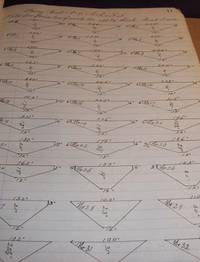
18780002584ASEA. Good. 1878. On offer is an original exceptional manuscript ship's book one part ledger and some parts account of the ill-fated and tragic brig "Harriet G." The Harriet G is an unfortunate ship: by misfortune it runs aground and this in turn lays the ground work for various tragic events to save her. In addition she suffers major damage in 1879 in a Hurricane and then a yellow fever outbreak off the coast of South America here is an excerpt from that trip: "At 5 pm anchored off the castle of San Carlos. Got under way next morning and that night anchored of Maracailo and found all the vessels in harbor with yellow fever on board. All lost more or less and some of their captains and mates. We took it aboard us on the 8th day after our arrival. One man coming down at 10 am the next morning I took it and by the middle of the week everyone fore and aft had it excepting the Captain and steward and two of the men died. Furthermore a tug boat sent to pull the brig off the bar and was lost in high gales along with 7 men. After this happened a ship named appropriately enough the "Rescue" was sent from New York to release the "Harriet G" from her fate but a problem occurs and the main mast of the "Harriet G" is broken off in the process. The book also contains the interesting and detailed list of the cargo receipts and deliveries made by the brig in its lifetime. The book is kept by W.H. Avery "Master of the Brig" from 1878 to 1879. The book contains numerous cargo lists carried by the "Harriet G" to and from South America from New York. It is also interspersed with accounts by Avery of the ship and its travels as well as the fair amount of tragedy that seems to befall the brig over the course of two years. Over the course of two years the "Harriet G" makes trip from New York to Puerto Cabello Maracaibo Curacao and Coro all located in Venezuela. It also travels briefly to Basseterre in St. Kitts. The first section is entitled "Cargo To Rec'pt and Delivery and Private Memorandum Book of the Brig 'Harriet G' Kept W. H. Avery." This section is roughly 50 pages in length and contains detailed notes on all cargo items that entered and left the "Harriet G" in its duties to and from the port of Puerto Cabello in Venezuela. It also includes a number of pages of detailed mathematics calculating the position of the ship at sea it's longitude and latitude time at sea "mean time in Greenwich Eng." "mean time aboard ship" and other nautical calculations. According to Avery the "Harriet G.left New York on her first voyage to Puerto Cabello Venezuela on January 124 1878. Arrived in New York on March 26 1878. Five months and two days for the round trip." Each page has notes at the top that correspond to the figures below. One page is titled "Friday after 11 a.m. Puerto Cabello Deliveries" and contains the figures for what items were delivered where: "P x C Barrels Flour - 35" "VC x Co 1/2 Barrels Sugar - 11" "J.A. 1/2 Barrels Sugar - 16" "G x I Bags Rise - 7." Other items delivered in Puerto Cabello include codfish candles lard cordage corn crackers oil and green pears goat skins leather cases of nails kegs of oil and reams of paper. The most popular items delivered are flour sugar coffee and rice The letters next to each item seem to correspond to whom the item was delivered to. After the pages of deliveries to Puerto Cabello there are many pages of "Recp'ts for New York." These pages involve a good deal of math on the part of W.H. Avery combining and calculating in total of each item was dropped off at port. The next section Avery titles "Old accounts ended by 'Harriet G' running ashore on Paraguana on May 8 1878. New accounts opened at Curacoa on her arrival there July 6 1878." "On the night of May 8th1878 on or about 20 minutes past 9 o'clock the 'Harriet G' struck the black of Paraguana on the eastern coast of Cora and 3.5 miles north of the little harbor of Ardecora.The Captain decide to precede to Maracaibo and precede if possible to tow boat there which he did but on passage here the boat encountered a gale of wind in the Saco De Maracaibo - filled and sunk by which disaster 7 people lost their lives. The next attempt was made by the steamer the "Pico " and Maracado but failed and the ship was about to be abandoned when a telegram from New York was received announcing the departure of the steamer " Rescue" for our salvation on Monday June 24th. She arrived and is now waiting for a smooth sea to begin her work." As the "Rescue" attempts to tug the "Harriet G" to harbor a problem occurs and the main mast of the "Harriet G" is broken of in the process. A letter written by Avery to "Msers F Gogousas & Sons" located near the end of the book does an describes this affair in more detail. The letter begins "It is my painful duty to inform you that the 'Harriet G' lays on the beach. How she came there I can best explain when I see you but is enough to say now error of compass of judgment or both." A few days later W.H. Avery writes that he has applied for a discharge from the "Harriet G. then laying in Curacao." "Reason trouble with the mate while he was intoxicated." Avery seems to stay though as the next pages are filled with a cargo list for the voyage of the "Harriet G" to St. Kitts and Maracaibo. Throughout the logbook tragedy seems to follow the "Harriet G". In later voyages Avery notes that the ship suffers heavy damage in a hurricane in 1879 as well as an outbreak of yellow fever in South America. In Maracaibo on August 14 1879 Avery writes "Got under way next morning and that night anchored of Maracaibo and found all the vessels in harbor with yellow fever on board. All lost more or less and some of their captains and mates. We took it aboard us on the 8th day after our arrival. One man coming down at 10 am the next morning I took it and by the middle of the week everyone fore and aft had it excepting the Captain and steward and two of the men died." For this trip Avery is paid $1700 by Messrs Wade and Abbot and A.J. Cock Esq. Much of the last third of the book is taken up detailed breakdowns of cash receipts given and taken by Avery on the voyages on the Brig. There are also pages concerned with "Materials used in repairing Brig Harriet G while in Curacao" and "Labor employed on board the Brig Harriet G during her stay in the port of Curacao." Copies of letters written over the course of the voyage are also written down most notably the copy of the letter sent to the owners of the "Harriet G" after it had run ashore. ; Manuscript; 12mo - over 6¾" - 7¾" tall; KEYWORDS: HISTORY OF W.H. AVERY BRIG HARRIET G 1878 1879 19TH CENTURY CARGO RECEIPT DELIVERY NEW YORK MARACAIBO CURACAO PUERTO CABELLO CORO PARAGUANA VENEZUELA BASSETERRE ST. KITTS SOUTH AMERICA CARIBBEAN DISASTER TRAGIC NAUTICAL NAVIGATIONAL MATHEMATICS SUNKEN SHIP RESCUE TUG BOAT SCARLET FEVER GOGOUSAS AND SONS MARITIME COMMERCE ILL FATED SHIPS HANDWRITTEN MANUSCRIPT DOCUMENT LETTER AUTOGRAPH WRITER HAND WRITTEN DOCUMENTS SIGNED LETTERS MANUSCRIPTS HISTORICAL HOLOGRAPH WRITERS AUTOGRAPHS PERSONAL MEMOIR MEMORIAL AMERICANA ANTIQUITÉ CONTRAT VÉLIN DOCUMENT MANUSCRIT PAPIER ANTIKE BRIEF PERGAMENT DOKUMENT MANUSKRIPT PAPIER OGGETTO D'ANTIQUARIATO ATTO VELINA DOCUMENTO MANOSCRITTO CARTA ANTIGÜEDAD HECHO VITELA DOCUMENTO MANUSCRITO PAPEL . hardcover
19150009144MEDICINE BOW NATIONAL FOREST WYOMING WY. Very Good. 1915. On offer is an interesting diary written in the early 20th century by William F. Will a young forest ranger working in the Medicine Bow National Forest of Wyoming. The diary kept a log of his daily activities from April 1 1915 to January 31 1916. There is an entry for every day during this time period. Wills duties were many and varied and he often logged the hours spent on each task in the diary. The young ranger spent a good deal of time throughout the course of the year working on several maps showing boundaries domestic grazing allotments telephone lines several types of fire maps and others. Finished drawing protractors on fire location map and wrote memo on some. Started to make a map showing location of stool-boxes and caches etc. After reporting for duty on May 24 at Laramie a great deal of his time was spent in the repair and installation of telephone lines. Especially in the summer months Will often joined other Park Service employees to fight forest fires often for several days at a time. He also monitored campsites to make sure fire prevention techniques were being followed by the residents or campers. He was called upon to search for a missing woman and on one occasion he even searched for a lost horse. In the fall he helped build a bunk house at Brooklyn Lake and got ready for winter by moving the horses to a ranch and making mouse proof storerooms. The firefights make for very interesting reads. For example: July 17 1915. Rode Woolfs range with him and Herder. Showed him the allotment lines and the closed area around Brooklyn Lake. Started out on telephone work but lookout man reported Turpin Lake Sawmill on fire at 1:30. Duther called up and said to wait until he talked over long distance. He called up and said to get Chase and go to the fire.arrived at fire at 6pm then rode to Turpin Saw mill found four of Bueolys men there. Men started to arrive at fire had 9 men on fire that night. Fire suppression - 11 Hrs. Munroe the camp watchman stated the fire started from the sawdust pile and he tried to stop it from burning the mill but found it impossible to check the timber fire. The grazing of domestic livestock was permitted in the park in certain areas. This practice continues today and is still the subject of some controversy. It was one of the ranger's duties to make sure that the boundaries for grazing were adhered to. There were times when the local ranchers and the Park Service employees did not get along August 18. Rode over to So ____ Fork hunted up the herder. I told him the sheep had been in my pasture and he had to keep them out. Then rode the range between Brooklyn Lake and Coney Ridge and found a little pocket that Woolf had just run through.Started to storm hail and ran so started back to Brooklyn Lake.; June 8. Repaired telephone line Rayfork to Ropers ranch got wire all spliced but not tied in called on Roper to see about moving telephone camp in there. He informed me that his place was closed to all Forest Service men and we could not stop there and he wanted all Forest Service equipment at his place including telephone taken from there. Census records of 1910 show a William F Will living with his parents in Laramie WY. The Census shows his year of birth as 1897 making him 18 years old when he joined the Park Service. The diary measures about 3 1/2" x 6 1/2". It was issued by the US Department of Agriculture. The front page reads: United States Department of Agriculture Forest Service. Notice. This book is Government property. The finder is requested to mail it to The Forester Washington D.C. or to deliver it to any officer of the Forest Service. There are over over 150 handwritten pages. The covers and spine are in good condition both aesthetically and structurally. The pages within are without any age-toning or significant rips or tears. The paper is a grid-lined yellow paper. The handwriting is easy to read and legible throughout in black ink and without significant fading or smudging. OVERALL: VG.; Manuscript; 16mo - over 5¾" - 6¾" tall; KEYWORDS: HISTORY OF MEDICINE BOW NATIONAL FOREST BROOKLYN LAKE CONEY RIDGE CARBON COUNTY LARAMIE WYOMING UNITED STATES FOREST SERVICE U.S. FOREST RANGER WILLIAM F. WILL WORLD WAR 1 ERA AMERICA FIGHT FOREST FIRES U.S. FEDERAL LANDS PARKS SERVICE AMERICANA HANDWRITTEN MANUSCRIPT DOCUMENT LETTER AUTOGRAPH WRITER HAND WRITTEN DOCUMENTS SIGNED LETTERS MANUSCRIPTS HISTORICAL HOLOGRAPH KEEPSAKE WRITERS AUTOGRAPHS PERSONAL MEMOIR MEMORIAL ARCHIVE DIARY DIARIES JOURNAL LOG ANTIQUITÉ CONTRAT VÉLIN DOCUMENT MANUSCRIT PAPIER ANTIKE BRIEF PERGAMENT DOKUMENT MANUSKRIPT PAPIER OGGETTO DANTIQUARIATO ATTO VELINA DOCUMENTO MANUSCRITTO CARTA ANTIGÜEDAD HECHO VITELA DOCUMENTO MANUSCRITO PAPEL . unknown
19090008177MISSOURI ; ILLINOIS; TENNESSEE. Good. 1909. On offer is a collection of 8 diaries the earliest is of 1909 7 diaries are for the period from 1916 to 1921 and the last one is of 1949. Diaries of 1909 1921 and 1949 have 60 pages each diaries for 1916 through 1919 are 91 pages each diary of 1920 is 365 pages and the record book is 152 pages. All diaries are in good condition and 100% complete except the record book which is 90% complete. The author of 7 of these diaries was William Robert King Jr. of St. Louis MO. He was the son of William Robert King a Presbyterian minister and founder of Henry Kendall College now the University of Tulsa. King Sr. was married and he and his wife had one child - a son also named William Robert King. A reference in the second diary notes King Sr.'s birthday which coincides with other records. A second reference Sept 1 1919 records his 24th birthday indicating he was born in 1895. This accords with his and his family's history. William Robert King Jr. was a graduate of Monmouth College and post-graduate in chemistry from the University of Illinois. He worked at the university for a while as an instructor of chemistry then as a chemical engineer and was connected with the National Carbide and Chemical Company in Cleveland. The first diary in the collection is written in 1909. It does not appear to have been written by King Jr. The age and experiences of the writer do not match up. The unknown author appears to be teaching in a high school as well as working as a minister: ". Second election for high school . Disqualified election and serious mistake in the counting ." Feb 19 1909. He probably writes about elections of school students for a trip to Washington as guests of Post-Dispatch a major St. Louis newspaper to see inauguration of President Taft that were held in February of that year. "Preached this morning on John 1:46 ." Feb 28 1909. A great many entries referred to him studying but the specifics are not mentioned: ". Studying in A.M. Teachers meeting at College" May 31 1909. This could in fact belong to King's father Rev. William Rober King Sr. For part of his career King served as superintendent of the American Sunday School Union's southwestern office in St. Louis Missouri. The second diary definitely belongs to King Jr. as he has entered his name in the ID page. Written in 1916 he is attending high school in St. Louis. His entries are filled with references to classes assignments and family: "Assigned to make up Physics and French exams in March. English Class: 9 - 10' French Class: 10 - 11' Economics Class: 12 - 1" Feb 5 1916; "History lecture. Took French make-up exam - complete failure suppose it means I quit school as I cannot get credit on anything unless I have French . " Mar 31 1916. In fact he does graduate and attends in Monmouth College in Monmouth Ill. He was involved with his church and often participated in activities there: ". Taught class communion services. Led C.E. consecration services subject: consecration of time Ps 90: 1-17 Illustrated lecture on Philippines ." Apr 2 1916. He mentions a number of landmark buildings in St. Louis including the New Central Theatre and the Jefferson Hotel. He also references the 1916 presidential elections: ". race of Wilson and Hughes doubtful ." Nov 6 1916; " . Election Wilson vs Hughes at 2 A.M. looks like Hughes Republicans carried Ill" Nov 7 1916; "Election still doubtful looks like Wilson" Nov 8 1916 ". election still doubtful . claiming fraud" Nov 9 1916; "Wilson seems elected Hurrah! ." Nov 10 1916. Amongst the many people he references is a girl referred to only as "M". The third diary 1917 continues with his college life. "M" is still very much a part of it. "M" in fact is 'Marjorie' Marjorie Scott who becomes frequently referred to in later years. Eventually they become engaged and married. WWI is indirectly referenced as well: ". company organized in college to drill every night . " Apr 11 1917; ". Situation getting critical quickly . college presidents considering disbanding schools and giving whole time to military training" Apr 14 1917. Throughout the year he keeps track of his classes and comments on assignments and marks. He is in frequent communication with his father and mother. The fourth diary in 1918 sees him still at Monmouth College. He references the sensational Dawson trial in which John Wesley Knight a 35-year-old black man was sentenced to 19 years in Joliet penitentiary for the slaying of William E. Dawson; his wife Charity and their daughter 13-year-old Georgia: "Dawson trial most of A.M. State vs John Knight ." Jan 29 1918; "Down at trial in A.M. ." Jan 31 1918; ". Dawson trial went to jury ." Feb 1 1918; ". jury convicted Knight - 19 years ." Feb 2 1918. Extensive contemporary research suggests that the Dawson murder was the work of a German serial killer named Paul Mueller who travelled the country by rail killing perhaps as many as 100 Americans before returning to Europe where he may have continued his spree. For those killings the authors contend that four innocent people were executed seven were killed by lynch mobs and four - including John Knight-served prison sentences. In August he notes a very special date: ". Red Letter Day. M promised to be my wife" Aug 28 1918. The fifth diary 1919 sees him continue his education at Monmouth. He also becomes a member of Tau Delta Phi and mentions their activities frequently. He notes president Wilson's visit to St. Louis: "President Wilson in city today speaking tour for League of Nations ." Sept 5 1919. The sixth diary 1920 sees him continuing his education at the University of Illinois at Champaign. Most of his entries revolve around university classes activities with friends and family and his relationship with Marjorie. In December he takes a major step: "Marjorie and I married by Dad at 10 A.M in church ." Dec 28 1920. The seventh 1921 continues with his university education and his married life with Marjory. He is working at least part time and Marjory is working full-time: "M is teaching class often girls for Mrs. Camp this summer ." July 10 1921; ". notice of appointment as graduate associate in chemistry from Board of Trustees ." Aug 8 1921; He finishes the year working as an associate at the university in the field of Chemistry. The eighth diary 1949 is part of the collection but was not authored by William Robert King. Records suggest that King died in 1939 at the age of 44. It might have been authored by William Robert King Sr. who after retirement and until his death in 1951 lived on his farm Church Hill near Kingsport. There are references to Kingsport TN where both King Sr. & King Jr. are buried: "Good day in old Kingsport " Dec 18 1949. A number of references are agricultural: "Repairing barn." Feb 2 1949; "Sell pigs." Apr 15 1949. There is a fascinating brief reference to international affairs in January: "Pan Asian Conference Chiang Kai Shek decided to give up presidency of China. President Truman " Jan 28 1949. There is a reference to Washington College in Tennessee where William R. King Sr. received his degree in divinity in 1890: "Board Meeting Washington College 12:15 " Feb 28 1949. The author ends the year on a somewhat dispirited note: "This has been an eventful year. . Dirty politics financial greed infidelity of men and women & break up of homes aftermath of war ." Dec 31 1949. The last volume is a loose-leaf binder compiled by William Robert King. It is really a collection of lists and data that matter to him. Although undated the 'Christmas Card' lists begin in 1923 and continue annually until 1941. As noted above King passed away in 1939 and it appears that most likely his wife Marjorie maintained this particular list for another two years. She later remarried. Other lists include names and birth dates of many other family members lists of possessions particularly coins and silver plate courses studies in university along with marks and more. It is interesting that his son William Robert King III was educated as an architect at the University of Illinois served in WWII and was present during the D-Day invasion and then later became a Presbyterian minister and missionary. Overall this is a superb collection of daily notes covering an extensive period of time in early 20th century America. For a genealogist it is a veritable goldmine. The last volume alone recounts dozens and dozens of names many associated with Monmouth College. It gives a very clear picture of university education during WWI.; Manuscript; KEYWORDS: HISTORY OF; 20TH CENTURY; PROGRESSIVE ERA; 1900s; 1910s; 1940s; WW1; UNITED STATES; ST. LOUIS; MISSOURI; ILLINOIS; KINGSPORT TN; TENNESSEE; HAWKINGS COUNTY; AMERICAN EDUCATION OF THE EARLY 20TH CENTURY; PRESBYTERIAN CHURCH; PRESBYTERIAN MINISTERS IN AMERICA; WILLIAM ROBERT KING JR.; WILLIAM ROBERT KING SR.; MONMOUTH COLLEGE; UNIVERSITY OF ILLINOIS; TAU DELTA PHI ; DAWSON TRIAL 1918; JOHN WESLEY KNIGHT; SERIAL KILLER PAUL MUELLER; CHIANG KAI SHEK; WOODROW WILSON LEAGUE OF NATIONS; D-DAY; MONMOUTH COLLEGE ALUMNI; EDUCATION IN EARLY 20TH CENTURY AMERICA; COLLEGE LIFE IN 1910s AMERICA; MURDER TRIALS IN EARLY 20TH CENTURY AMERICA; WOODROW WILSON VISITS ST. LOUIS; AMERICANA HANDWRITTEN MANUSCRIPT DOCUMENT LETTER AUTOGRAPH WRITER HAND WRITTEN DOCUMENTS SIGNED LETTERS MANUSCRIPTS DIARY DIARIES JOURNALS PERSONAL HISTORY SOCIAL HISTORY HISTORICAL HOLOGRAPH WRITERS AUTOGRAPHS PERSONAL MEMOIR MEMORIAL ANTIQUITÉ CONTRAT VÉLIN DOCUMENT MANUSCRIT PAPIER ANTIKE BRIEF PERGAMENT DOKUMENT MANUSKRIPT PAPIER OGGETTO D'ANTIQUARIATO ATTO VELINA DOCUMENTO MANOSCRITTO CARTA ANTIGÜEDAD HECHO VITELA DOCUMENTO MANUSCRITO PAPEL . unknown
19430008174MS TOSARI NORTH ATLANTIC. Good. 1943. On offer is a rare original U.S. Navy log book from WWII. Measuring 8 inches by 5 inches this hardcover volume has 188 pages an is 70% complete. The cover and binding are in good condition and all pages are intact. The handwriting is clear and legible. The book is the Log Book of the U.S. Navy Armed Guard a little-known branch of the United States armed forces in WWII. The USNAG was the service branch of the United States Navy that was responsible for defending U.S. and Allied merchant ships from attack by enemy aircraft submarines and surface ships during World War II. A total of 144970 enlisted men and officers served in the U.S. Navy Armed Guard during World War II. They sailed on 6236 merchant ships including Allied vessels of which more than 700 ships were sunk and many more were damaged. Armed Guard casualties numbered at least 1810 killed or missing in action and many more wounded. The typical Armed Guard complement for a merchant ship was 24 gunners and one officer generally an ensign lieutenant junior grade or lieutenant plus as many as three communication personnel for a total of 28 men. Ships carrying troops had larger Armed Guard detachments to man the increased numbers of guns installed on such vessels. In the early days of the war however many ships went out with less than the armament desired and with smaller Armed Guard crews. This Log Book was kept by the Armed Guard unit on the freighter MS Tosari. Tosari was built in 1919 and operated primarily between the Netherlands and the Dutch East Indies now Indonesia. She was owned and operated by the Dutch shipping company Rotterdamsche Lloyd. During the war many Dutch ships were placed under the control of the US army they were used to carry troops and participated in convoys. The Dutch Ministry of Shipping were very helpful to the War Department during the period the vessels were utilized for troop service many Dutch crew members continued working on the ships. In the period when the log book was maintained Tosari participated in several convoys between Alexandria and Malta Bombay and Aruba and New York and Guantanamo. The Log Book was maintained by Lt jg William Waddell USNR. He maintains it every day he is in command until he is relieved. The Log begins July 15th with him reporting aboard with his AG crew to relieve the existing commander. The Log details ship movements disciplinary matters crew management issues and gunnery practice. "1740 Sailed from Artificial Island Philadelphia with general cargo" Aug 23 1943; "2217 Dropped anchor at Lynhaven Roads Norfolk one hour after departure of 8-knot convoy for Key West. Impossible to depart immediately to overtake convoy because of necessary engine repairs . " Aug 24 1943; "0854 Test fire 4"/50 aft gun . " Apr 1 1943; "1730 Ship sighted bearing 330 o Range approximately 16000 yds deep on horizon. Ship manoeuvres and bears in 230 o and range approx 15000 yds Men called to battle stations " May 21 1944; "1000 Lt JG Frank Curran USNR reports to ship as relieving officer ." Nov 18 1944. The book also contains a 2-page report of a disciplinary hearing - a Captains Mast - stapled to the last page. This is an excellent example of a detailed daily war log. For a naval historian it provides detailed information on this ship's movements locations and assigned crew. The crew lists contain full names and USN service numbers making them very easy to track. For a writer this is excellent source material to develop a real understanding of the working of such a ship and her Guard crew which can add the sense of realism captured so well by writers such as Montserrat and O'Brian.; Manuscript; 8vo - over 7¾" - 9¾" tall; KEYWORDS: HISTORY OF: 20TH CENTURY 1940s; WW2; SECOND WORLD WAR; MS TOSARI; U.S. NAVY ARMED GUARD; UNITED STATES NAVY; MERCHANT MARINE; KPM; DUTCH EAST INDIES; NICOLAS MONTSERRAT; KNOT CONVOYS; NAVAL HISTORY; CAPTAIN'S MAST; LOG BOOKS; BATTLE OF THE ATLANTIC; CARIBBEAN CONVOYS; GN CONVOYS; GUANTANAMO TO NEW YORK CONVOYS IN 1943; TRINIDAD TO ARUBA TO GUANTANAMO CONVOYS; BOMBAY TO PERSIAN GULF CONVOYS; TAG CONVOYS; BP CONVOYS; ALLIED WAR EFFORT; DUTCH CONTRIBUTION IN WW2; DUTCH MERCHANT SHIPS IN WW2; WILLIAM WADELL; MARITIME HISTORY; DUTCH VESSELS; ROTTERDAMSCHE LLOYD; AMERICANA HANDWRITTEN MANUSCRIPT DOCUMENT LETTER AUTOGRAPH WRITER HAND WRITTEN DOCUMENTS SIGNED LETTERS MANUSCRIPTS DIARY DIARIES JOURNALS PERSONAL HISTORY SOCIAL HISTORY HISTORICAL HOLOGRAPH WRITERS AUTOGRAPHS PERSONAL MEMOIR MEMORIAL ANTIQUITÉ CONTRAT VÉLIN DOCUMENT MANUSCRIT PAPIER ANTIKE BRIEF PERGAMENT DOKUMENT MANUSKRIPT PAPIER OGGETTO D'ANTIQUARIATO ATTO VELINA DOCUMENTO MANOSCRITTO CARTA ANTIGÜEDAD HECHO VITELA DOCUMENTO MANUSCRITO PAPEL . hardcover
19080001530CINCINNATI OHIO OH. Good. 1908. On offer is an interesting very detailed archive of 18 original manuscript diaries handwritten by Cincinnati Ohio Reverend Charles G. Reade a man who is consumed by his visits with the poor the grieving the orphaned and needy. Educated prolific and meticulous he rarely misses a day right up until the end of his life. The 18 volumes are dated between 1908 and 1940 with 1915-1918 conspicuously absent and perhaps due to chaplain service in the military. Very detailed there are accounts of visits to the homes of those who've died from influenza and scarlet fever every visit records names and addresses and every restaurant visited. There are also travels recorded including Toronto and Detroit. The Reverend also records weather for every day but most importantly we learn of this pious dedicated man's every good deed every sermon and collector's and historians of the Cincinnati area is a detailed picture of Depression era and pre-World War II Ohio. It is apparent right from the early years that this man is unbelievably tireless in his devotion to the church and community. After the first years there is scarcely a day that passes in which he does not record going out into the community to lead sermons and teachings attend or preside at funerals marriages births and baptisms. When he writes "in office" or "at desk" one almost gets the feeling that there's a lot of guilt in it. Here are some snippets: January 31 1910: "Read Morning Prayer at 9. Taught 4th & 5th grades. Gave help to __ __. He has a job. Unpacked 100p. books & 100 hymnals belonging to city Mission Society. After lunch had funeral of Mrs Clara Hall at Central & 7th & Wesleyan Cemetery. She was probably murdered. Called on Kountz a patient from City Hospital at 3563 Colerain Ave. Paralyzed. Has wife &2 children." Excerpt from Tuesday October 22 1929: "President Hoover's visit to city. At desk in a.m. Wrote several letters. had burial services for Augeust Miller aged 53 died Sunday oct 20. Had been in Longview Hospital a long time." Finally on December 23 1940 Reverend Reade wrote his last entry: "Went to Dr Stewart Hagan's in taxi with Mrs Schreiber. Mr Henry G Mather took me -- taxi $15. Mr & Mrs Gentry & Robert called on us. They are going to Atlanta Ga. Gave $1 to colored clergyman. Talked to Lewis at Marietta O." Then on December 24 1940 Christmas Eve there is a single entry noting Eternal Rest and signed by his son Lewis Reade. Each book is a standard dated yearbook and were in different formats by years; the smallest format is about 3.5 by 6 inches and the largest is about 4.25 by 7 inches. Overall G. BIOGRAPHICAL NOTES: One learns from one annual: "Rev. Chas. G. Reade" he was born September 18 1865 and he "took charge" of St. Stephen's Episcopal Church in Cincinnati in 1921. His family originated from the UK he was married to a woman named Nora who returned to England in her last years and had at least two younger brothers who were also reverends in England. He lived to the ripe old age of 75 and kept his journals faithfully right up to the day he passed away. EDITOR'S NOTE: We have an earlier group of four diaries of Reade's time in Dayton listed seperately Seller Id# 0001304.; 16mo - over 5¾" - 6¾" tall; KEYWORDS: CINCINNATI OHIO EPISCOPAL CHURCH LEWIS READE CHRISTIANITY CHRISTIAN OUTREACH COMMUNITY SERVICE SOCIAL STUDIES DEPRESSION ERA MIDWEST PRE WORLD WAR II WORLD WAR 2 WWII WW2 RELIGION ECCLESIASTICAL ECUMENICAL EPISCOPALIAN WORLD WAR I WWI BAPTIST EPHEMERA HANDWRITTEN MANUSCRIPT DOCUMENT LETTER AUTOGRAPH DIARY JOURNAL LOG KEEPSAKE WRITER HAND WRITTEN DOCUMENTS SIGNED LETTERS MANUSCRIPTS HISTORICAL HOLOGRAPH WRITERS DIARIES JOURNALS LOGS AUTOGRAPHS PERSONAL MEMOIR MEMORIAL PERSONAL HISTORY TRAVEL antiquité contrat vélin document manuscrit papier Antike Brief Pergament Dokument Manuskript Papier oggetto d'antiquariato atto velina documento manoscritto carta antigüedad hecho vitela documento manuscrito Papel . unknown
18730002196ABOARD THE HMS ARGUS. Good. 1873. On offer is an original significant 1873 through 1879 manuscript diary and scrapbook memoir of one 'Blue Jacket's' service in the Royal Navy. Handwritten by Thomas Pilcher Pritchard's 1851-1932 who retrospectively begins detailing his early naval career under Earl De Gray and Ripon in 1867 Lord Hardinge in 1869 the cutter Raglan in 1872 until March 1873 when Pritchard joins the HMS Argus. Pritchard's 120 page narrative together with pasted in photograph newspaper cuttings tipped in over manuscript and colour prints of flags describes an enviable career for those salty 'tars' that seek to see the world: Madeira St. Vincent Cape Coast West Africa he transfers from the Argus to HMS Dromedary for a spell and then back Lagos Ascension Bermuda Halifax Nova Scotia Barbados Demerara South American ports Newport and Providence Rhode Island and back to the West Indies including Barbados and Jamaica Havana Nassau Tobago and Bermuda the St. Lawrence River and Quebec in Canada finally returning to Portsmouth in 1877. Jack Aubrey and Horatio Hornblower's crews have nothing over Pritchard! The journal continues to 1879 when he is on half pay and working in dockyards. Great descriptions abound on the places visited shipboard crew and local shore life HMS Argus' involvement in a number of conflicts. Here are some snippets: "13 June 1873: 'joined the boats of H.M. ships Barracoutta Druid Sea Gull Decoy and others and went ashore up the river and anchored off the town of Elmina close to the houses and in sight of some thousands of natives who were all armed and waiting for us to begin. At 12 at noon the first shot was fired and we kept up continually firing shells and rockets for about and hour by this time the town was in flames and the cries of the women and children mixed with that of pigs goats sheep dogs &c was almost defening in the midst of this confusion we landed and drove every one who had stopped out of the town shot some made several prisoners and came on board in the evening tired out the heat in the day was something awfull. The Town burnt for about a week over two hundred bodies were buried in a large hole and there must have been several hundred wounded. Loss to the English one marine of H.M.S. Barracoutta.' There is an extended nine page description of engagements and casualties in the Third Anglo-Ashanti War: 29 April 1876 'Saturday arrived at Barbados . Landed the troops there has been an insurrection here the rebels have burnt and destroyed a lot of property mostly sugar plantations and killing the cattle several lives lost and lots of prisoners' 'Saturday May 6th 1876. HMS Argus arrived at the island of Tobago . there is a row on here the same as Barbadoes the rebels threatening the town of Scarborough. Sunday May 6th took on board the Governor and others and steamed full speed to another part of the islands arrived in the full noon rig of the day blew working rig white capcovers. Monday our boats brought off several prisoners one woman charged with murder . Tuesday 9th took on board nine prisoners taken on shore and landed twenty armed men eight blue jackets and the gunners mate and ten marines and a sergeant in charge of our first lieutenant and left them on shore .' Pritchard does a yeoman job as a diarist adding much depth describing his social life his strong religious convictions church going at Wesleyan chapels and of no surprise as a naval rating he frequently 'got drunk' as he openly noted had fights and mayhaps the odd time he wakes up in a cell. He took himself in hand by joining temperance organisations in 'Bermuda . Dec19th 1874 . joined Providence Lodge No.3 of the Independent Order of Good Templars Bermuda'. Other lodges were joined at other ports of call and back in England. He meets many ladies with special mention of Miss Constance Miles of Halifax Nova Scotia with whom he develops a close relationship and corresponds regularly. The pages proper have some marking and light soiling text block loosened and detached from covers and some frayed on the right hand margins. The 8 x 6 inch cloth-backed board is worn. Overall Fair. BIO NOTES: Thomas Pilcher Pritchard was born in Swanage Dorset in 1851 the son of a seaman and sailmaker Charles Pilcher Pritchard b.1823 and wife Hannah the portrait photo from the journal is I believe of his father Charles. His early life was spent in the navy the most significant years of which 1873-1877 are covered in the journal. Upon his return from active service Pritchard in 1880 married Alice Crossman Rogers b.1857 in Portsea the daughter of William Fuller Rogers a butcher and Jane Crossman. They settled in Portsmouth and had 8 children 6 of whom survived into adulthood their details are recorded in the rear of the journal. Thomas died in Portsmouth in 1932 at the age of 81 and his wife Alice in 1937 at the age of 79. HISTORICAL NOTES: HMS Argus was a wooden-hulled paddle sloop launched in 1849 and broken up in 1881. She took part in engagements on the Pekin and Taku forts 1858 - 1860 and was a transport during the Abyssinian Expedition in 1866. She played an important role throughout the Third Anglo-Ashanti War 1873-1874 as witnessed by Pritchard.; Manuscript; 8vo - over 7¾" - 9¾" tall; KEYWORDS: HISTORY OF THOMAS PILCHER PRITCHARD HMS ARGUS BLUE JACKET INFANTRY RN BRITISH ROYAL NAVY NAVAL NAVAL ENGAGEMENTS ENGLAND BRITAIN MARINER SEAMAN TARS NAUTICAL MARINE HMS DROMEDARY THIRD ANGLO-ASHANTI WAR PEKIN TAKU TRAVEL SAILORS HANDWRITTEN MANUSCRIPT AUTOGRAPHED AUTHORS DOCUMENT LETTER AUTOGRAPH KEEPSAKE WRITER HAND WRITTEN DOCUMENTS SIGNED LETTERS MANUSCRIPTS HISTORICAL HOLOGRAPH WRITERS AUTOGRAPHS PERSONAL MEMOIR MEMORIAL PERSONAL HISTORY ARCHIVE DIARY DIARIES JOURNAL LOG PRIMARY SOURCE FIRST HAND ACCOUNT SOCIAL HISTORY PERSONAL STORIES LIVING HISTORY ANTIQUITÉ CONTRAT VÉLIN DOCUMENT MANUSCRIT PAPIER ANTIKE BRIEF PERGAMENT DOKUMENT MANUSKRIPT PAPIER OGGETTO D'ANTIQUARIATO ATTO VELINA DOCUMENTO MANOSCRITTO CARTA ANTIGÜEDAD HECHO VITELA DOCUMENTO MANUSCRITO PAPELBIOGRAPHY BIOGRAPHICAL AUTOBIOGRAPHICAL AUTOBIOGRAPHY PERSONAL NARRATIVES . hardcover
19380001827UTAH USA PRE WAR EUROPE. Good. 1938. On offer is a sensational pair 2 of manuscript diaries handwritten by Paul Jones 25 November 1880 - 4 September 1941 who was at one time the controversial Episcopal Bishop of Utah 1916-1918. The two diaries relate to Bishop Jones' 1938 trip to pre World War II Europe wherein the activist-Bishop made copious notes of his political meetings that ran the gamut of high profile politicians at the time and provide a sensational take from Jones' perspective on the threatening conflict. Traveling throughout Europe Jones details his thoughts and opinions and observations country by country in an old black 3 ring binder 6" x 8" containing 119 pages dated 1938: about Nazis brown shirts the third Reich Hitler Mein Kampf national socialism in Germany ship travel pacifism peace leaders the Salvation Army religion politics Chamberlain England the Labor Party Ghandi India the league of nations fascism political refugees like the Jews fleeing Germany the Holy Land lectures by notable people attended by Jones Marxism Russia dictators etc. The second book 4 x 7 inches 90 pages is dated September 1st 1938 through to June 28th 1941 and details his travels meetings contacts associations finances etc. in America after his return from Europe. The two books make for an unparalleled look into the life and thoughts of this famous and to some infamous pacifist and religious leader. BIO NOTES: one online source provides: Paul Jones 25 November 1880 - 4 September 1941 was the Episcopal Bishop of Utah 1916-1918 after the death of his predecessor Franklin Spencer Spalding a socialist and a prominent pacifist. He was forced to resign his see in April 1918 because of his outspoken opposition to World War I. Although in 1929 he was chosen as temporary bishop of Southern Ohio while the next incumbent was being selected he never again held a permanent diocese. In 1933 presiding bishop James DeWolf Perry restored Jones's seat but not his vote in the House of Bishops. Paul Jones was born in Pennsylvania in 1880. He attended Yale University and the Episcopal Divinity School in Cambridge Massachusetts. He was ordained and served a mission church in Logan Utah. In 1914 he was made Bishop of the Missionary District of Utah. He was an outspoken pacifist and when World War I began in 1914 he spoke against it. As the war progressed and when the United States entered the war in 1917 many Americans were vehement in holding that pursuing the war was a moral duty and opposition to the war was immoral. In the spring of 1918 yielding to pressure Bishop Jones resigned as Bishop of Utah. He continued to speak out within the Church as an advocate of peace and the Christian renunciation of war until his death on 4 September 1941. 2. History of St. John's Episcopal Church Logan Utah: Jones spent the rest of his life advocating for black civil rights social reform and economic justice. He served as a chaplain at Antioch College and was instrumental in founding the Fellowship of Reconciliation and the Episcopal Peace Fellowship. Just prior to his death he helped resettle Jews displaced by the Nazis and advocated a more understanding US relationship with Japan. ; Manuscript; 12mo - over 6¾" - 7¾" tall; KEYWORDS: HISTORY OF BISHOP PAUL JONES PACIFIST PACIFISM TRAVEL EPISCOPAL BISHOP OF UTAH EPISCOPAL DIVINITY SCHOOL JAMES DEWOLF PERRY CAMBRIDGE MASSACHUSETTS SOCIALIST LOGAN UTAH BISHOP OF THE MISSIONARY DISTRICT OF UTAH ST. JOHN'S EPISCOPAL CHURCH TRAVEL AMERICANA HANDWRITTEN MANUSCRIPT DOCUMENT LETTER AUTOGRAPH DIARY JOURNAL LOG KEEPSAKE WRITER HAND WRITTEN DOCUMENTS SIGNED LETTERS MANUSCRIPTS HISTORICAL HOLOGRAPH WRITERS DIARIES JOURNALS LOGS AUTOGRAPHS PERSONAL MEMOIR MEMORIAL PERSONAL HISTORY AMERICANA ANTIQUITÉ CONTRAT VÉLIN DOCUMENT MANUSCRIT PAPIER ANTIKE BRIEF PERGAMENT DOKUMENT MANUSKRIPT PAPIER OGGETTO D'ANTIQUARIATO ATTO VELINA DOCUMENTO MANOSCRITTO CARTA ANTIGÜEDAD HECHO VITELA DOCUMENTO MANUSCRITO PAPEL . unknown
19480002042OCCUPIED JAPAN TOKYO. Good. 1948. On offer is a super original 1948 - 1949 manuscript diary handwritten by an unidentified WAC Women's Army Corps while she was stationed in Occupied Japan. The book proper is from 1945 has an ownership name stamped in gilt: James E. Barlow perhaps a father or brother It appears she was a lieutenant in the Civil Intelligence Service but was not happy with her job as a pool typist. She had been promised a different position and tried several times to be transferred but that proved to be very difficult. Eventually she worked in the Motion Picture Division. The writer begins her service with travel on Oct 15 1948 on the North Coast Limited to Seattle. After several days of rail travel and a stay in Seattle the author left for Tokyo on Oct 26 aboard the General M. M. Patrick. She proves to be an excellent diarist making detailed descriptions of the people she met her surroundings and intimate thoughts of post War Japan and the effort to rebuild its society. She has many unique insights into the effort given she was an officer in the typing pool but hobnobbing with high society. This is true throughout the journal. Her ocean voyage was not pleasant she was seasick and described the terrible storm they encountered and the pitching of the ship which at times was dangerous. Here are some snippets: Oct 20 the talk of the train was a drunk who seemed almost crazy "alcoholic psycho" an ex-army nurse & bride said - & she once worked in Norwich Conn Hospital with the insane. I ignored him so he told me I was horrible - He'd asked "Lemme talk to you wouldn't you like to haf me talk to you". The dining room steward threatened to put him off the train & would have done it he was so loud and incoherent & a pest - but he took reprimands so politely and apologetically & no one of the passengers would complain that they didn't do it. Even the Lt Col who had been his drinking buddy tried & tried to shush him. Oct 28 When I tried to go down the hall to bathe later the man across the hall from me sat on the bed nearly naked beer bottles around. I got Kathy to watch me in - luckily cause he tried to get friendly. Later knocked on my door and telephoned too. Glad he checked out very early. Nov 4 R.K. in our stateroom is the overbearing type of N Yawk - - - - with a greatly exaggerated opinion of herself. And she has a sweater with Hubba-Hubba above and below each breast and across the back. Nov 11 I didn't meet Helen Gibson's Major Kelly. The last I saw of the "leech" from Boston she was snuggled up pressed against one of the army officers on our ship and twisting a button on his chest & rolling her "bedroom" eyes at him as Lana calls them - oh yes she had on her sexy shoes of course. I wonder where she'll wind up and how." The author is involved with a man named Bob who was also in the army and stationed in Japan. They seem to be social with fairly high ranking officers and Japanese private citizens of some standing often visiting their homes. They shop quite a bit in the Japanese markets comparing prices to those in the PX. They seemed to be interested in purchasing items for their value rather than souvenirs. She wrote about the army and much of what she had to say was not very complimentary - the red tape inefficiency bad verdict in an army trial pay reduction etc. On one occasion she saw General MacArthur: Nov 18 "On my way back I saw a crowd gathered to watch MacArthur leave the Dai Ielia Bldg - it was another half hour before he came out but it was fun. All over quickly and away he went in a big black limousine - a few MPs clicking heels and Jap guards keeping crowd back and Jap street sweepers getting leaves and dirt swept up in time. As a man beside me said the "ceremony" is very important here and is less than any other country would do in similar circumstances. Yet it was "God descending from heaven and riding off in his chariot"" The author made every effort to explore Japan whenever she had the chance. For some reason she wanted very badly to pat Hirohito's white horse and she finally managed to do so. She often mentions the damage from the bombing and her descriptions are filled with the Japanese culture and customs she observed. Her detailed entries are sometimes so long it is difficult to transcribe one here. This is an abbreviated entry of her comments on the handling of Japanese sewage. A bit gross and not what you'd find in a travel guide: Dec 10 "Sometime I'll have to get on the subject of honey buckets - they're just unavoidable in Japan - wooden and luckily covered they are carted in most anything but usually a low flat affair drawn by a horse or bullock - maybe 10 or 15 to a cart. The man walks along outside - he "cheats" if he rides as it's against the law.there's always a stream of them along the main thoroughfare. At the ends of small side streets are frequently a cluster of honey buckets probably set out as we would set out our garbage to be collected.of course we have modern plumbing such as it is but probably most of Japan doesn't and this is the sewage system except when men and children use the sidewalk or open sewers.often there's not much odor but sometimes the stench is horrible.and the farmer carries a bucket plus a long pole with a dipper on the end of it and he ladles out the contents in his garden.we saw a woman with a honey bucket taking out the contents by hand and scattering it in a garden - we think and hope it was earth she was dealing with that way." The author wrote about her voyage to Japan and the first few months after her arrival. After that the entries become more sporadic with long gaps between entries. She seemed to write when she had the urge after a special sight seeing trip event social gathering or when she just wanted to vent or put her opinion on a subject down on paper. All of it is very interesting and the author presents an insightful and personal look at post-war Japan and the army occupation. There are about 123 handwritten pages altogether. The book measures 7" x 4" and is overall VG. ; Manuscript; 16mo - over 5¾" - 6¾" tall; KEYWORDS: HISTORY OF OCCUPIED JAPAN WAC CIVIL INTELLIGENCE SERVICE MOTION PICTURE DIVISION WWII WW2 WAR IN THE PACIFIC GENERAL MACARTHUR WOMEN'S ARMY CORPS POST WORLD WAR II EFFORT TO REBUILD JAPAN PACIFIC THEATRE WOMEN IN WAR WOMEN'S STUDIES GENDER STUDIES JAMES E. BARLOW POLAND SPRING MAINE HANDWRITTEN MANUSCRIPT AUTOGRAPHED AUTHORS MANUSCRIPT DOCUMENT LETTER AUTOGRAPH KEEPSAKE WRITER HAND WRITTEN DOCUMENTS SIGNED LETTERS MANUSCRIPTS HISTORICAL HOLOGRAPH WRITERS AUTOGRAPHS PERSONAL MEMOIR MEMORIAL PERSONAL HISTORY ARCHIVE DIARY DIARIES antiquité contrat vélin document manuscrit papier Antike Brief Pergament Dokument Manuskript Papier oggetto d'antiquariato atto velina documento manoscritto carta antigüedad hecho vitela documento manuscrito Papel . unknown
19400001862GREECE HELLAS. Good. 1940. On offer is an interesting original 1940 - 1941 manuscript relic of Greece and World War II being a handwritten and signed day-book relating to health services provided to volunteers of E.O.N. the Greek National Youth Organisation much like the Nazi's Hitler Youth formed by the Greek politician general and eventually dictator Ioannis Metaxas. The importance and reverence due their founder Ioannis Metaxas is marked in a highlighted nearly full page memorial entry marked by a black banner in the upper left corner on a page dated January 29th 1941 the day of the dictator's death. Casual translation notes details of volunteers Doctors and daily notations of duties. Here is a translation of a typical day entry: Tuesday 17 December 1940 About midday the volunteer patient-carriers were notified to gather at the organization at about 12:30 pm. We arrived there at the above hour and were informed that we will leave at 18:00 and arrive at 21:00. As a result the volunteers dispersed and came back at 21:00. At about 23:30 we left the organization and transferred to the Larissis station under the leadership of Lieutenant Zabrami Immanuel 30 in number of patient-carriers. There we were informed that the train will arrive at the station at about 2:30 night. After the command of sir Governor due the late of the hour most of the volunteers went to their homes and others returned to the organization and stayed there till 2:30 at which time the injured were offloaded from the train the injured were about 300 in number. Due to the severe cold that was there and also of the late of the hour the volunteers were the only ones who were being used for that purpose they showed great energeticness and created great admiration from the soldiers and officers. The transportation of the injured ended at about 5:00 in the morning. The names of the volunteers that participated are as follows: 1 Sabramis Immanuel lieutenant 2 Sapountzonglu George Team leader 3 Geogiadis Eleutherios team leader 4 Psimaris Pantelis Delta. team leader 5 Sambanis Evaggelos 6 Mparous Nick volunteer 7 Georgiadis George 8 Nikolopoulos Nikitas 9 Koumpatis Xaralampos 10 Ladis Konstantinos 11 Ligouriotis Panagiotis 12 Famprikaris Paul 13 Mpelesis Anastasios 14 Tsilimparis Nicolaos 15 Berikokos Dimitrios 16 Xaraktidis Alexandrou 17 Metaxas Nicolas 18 Mixalopoulos Dimitrios 19 Asimakopoulos Panagiotis 20 Pianeas Panagiotis 21 Giannaros Panagiotis 22 Liapopoulos Theodoros 23 Palafoutas John 24 Mpalafas Periklis 25 Dimas Stamatios. Observations: From the above volunteers the following 4 volunteers were distinguished for their excellent work: 1 Nikolopoulos Nikitas volunteer; 2 Tsilimparis Nicolaos; 3 Mixalopoulos Dimitrios and 4 Berikokos Dimitrios. The 11.5" x 7.85" 36 page book has some general ageing rubbing cardstock covers somewhat dirty but otherwise G.; Manuscript; 4to - over 9¾" - 12" tall; KEYWORDS: HISTORY OF GREEK FASCISM METAXISM DELTA TAU EPSILON 4TH OF AUGUST REGIME IOANNIS METAXAS GREEK GREECE WORLD WAR II WWII WW2 HITLER GERMANY NAZIS E.O.N. GREEK NATIONAL YOUTH ORGANISATION EON HELLAS WORLD WAR TWO HELLENIC AEGEAN STUDIES MEDITERRANEAN MODERN GREEK HISTORY WAR IN EUROPE HANDWRITTEN MANUSCRIPT AUTOGRAPHED AUTHORS AMERICANA MANUSCRIPT DOCUMENT LETTER AUTOGRAPH KEEPSAKE WRITER HAND WRITTEN DOCUMENTS SIGNED LETTERS MANUSCRIPTS HISTORICAL HOLOGRAPH WRITERS AUTOGRAPHS PERSONAL MEMOIR MEMORIAL PERSONAL HISTORY ARCHIVE DIARY DIARIES antiquité contrat vélin document manuscrit papier Antike Brief Pergament Dokument Manuskript Papier oggetto d'antiquariato atto velina documento manoscritto carta antigüedad hecho vitela documento manuscrito Papel . unknown
19420002012BURMA. Fair. 1942. On offer is a super original 1942 typewritten manuscript relic of the Burma Campaign waged between British and Indian forces against Japanese and Thai forces being a fascinating account of a group of Allied soldiers in making the dangerous trek out of Burma to Assam. This eyewitness account includes part of a statement from the commanding officer of the unit against one soldier for the purposes of a court martial original photos of the areas they passed through and members of the unit and a diary account of the month-long trek along with handwritten additions regarding the state of personnel who dropped out along the way a number did die from various illnesses etc. Many of the people mentioned in the account are on the website that specifically lists personnel of the Indian Army Ordnance Corps. Included are four photocopies that came with the original. Condition: The original is very foxed and tatty round the edges but the photos are still in place and good condition and the text is easy to read. The staples are rusting and it is coming apart slightly so it's best to keep it as is and read the photocopies.; Folio - over 12" - 15" tall; KEYWORDS: HISTORY OF BURMA ASSAM INDIAN ARMY ORDNANCE CORPS IAOC MILITARIA WWII WW2 WORLD WAR II BURMA CAMPAIGN THAI ARMY BEF BRITISH EXPEDITIONARY FORCES GREAT BRITAIN WAR AGAINST JAPAN SOUTH EAST ASIA HANDWRITTEN MANUSCRIPT DOCUMENT LETTER AUTOGRAPH DIARY JOURNAL LOG KEEPSAKE WRITER HAND WRITTEN DOCUMENTS SIGNED LETTERS MANUSCRIPTS PHOTO ALBUM PHOTOGRAPHIC ALBUM HISTORICAL HOLOGRAPH WRITERS HANDSCHRIFT HANDGESCHRIEBEN MANUSKRIPT DIARIES JOURNALS LOGS AUTOGRAPHS PERSONAL MEMOIR MEMORIAL PERSONAL HISTORY antiquité contrat vélin document manuscrit papier Antike Brief Pergament Dokument Manuskript Papier oggetto d'antiquariato atto velina documento manoscritto carta antigüedad hecho vitela documento manuscrito Papel . unknown
18910002219ASEA ABOARD THE STERLING. Good. 1891. On offer is a superb though flawed original manuscript 1891 - 1892 travel diary detailing day to day life workings and aboard a 3 masted schooner sailing to the 'far side of the world' from New York City to Hong Kong and back. Inscribed in a later hand: 'Uncle Fred Hartford's Diary on Board The Sterling Capt. Geo. Goodwin 1891 - 1892 Voyage from New York to Hong Kong by Sailing Ship 196 days'. 'The Sterling' commanded by Captain George Goodwin and this extended trip to the Far East and back are told over approximately 181 intact pages numbered page 3 - 184 with several loose pages a small number of fragments a 'supplement' notebook two letters of correspondence a photo of the ship and a twentieth century envelope bearing pertinent data and provenance written by family it appears on the outside. Genealogical notes on the envelope name Uncle Fred Hartford as a relative to the Captain inasmuch each man married cousins we think! who were sisters of the grandmother to the note writer!! Flaws fuzzy familial connection and all do not change the fact that the narrative is packed with details of life under sail as the author gives a day to day account starting with the position or location weather and any and all interesting observations or occurrences. It would seem he has some knowledge of the sea and ship board life describing the sailor's handling of the backstays and other easy references to nautical nomenclature. But he also seems to delight in some new enjoyments like sitting up high in the mizzenmast. Maiden voyage or not Fred does a super job delivering a true picture of life aboard as he strives to bring the experience to life for the folks back home. They encounter some rather bad weather; discuss trading coconuts with natives in an almost hilarious scene to the natives at least to going on a 'pick nick' in Hong Kong the narrative is unique: Uncle Fred holds the benighted position of a working 'Guest' of the Captain. He spends much time working through a cigar on deck with George discussing the folks back home to who he is actually addressing as if one long huge letter. As to his duties he appears to act as ship's purser being in charge of the 'slops chest' and having some part in negotiating with the natives. Anyone familiar with the Master and Commander series will see a like situation between Captain Aubrey and his particular friend Dr. Maturin. The paper is somewhat brittle being the reason there was some fragmentation but we cannot account for the loss of the fist three pages. The vast majority of the piece is overall G. ; Manuscript; 8vo - over 7¾" - 9¾" tall; KEYWORDS: HISTORY OF FRED HARTFORD FREDERICK HARTFORD CAPTAIN GEORGE GOODWIN THE STERLING THREE MASTED SCHOONER NEW YORK CITY TO HONG KONG HALLET FAMILY NAUTICAL NAVAL SAILING SAILING SHIPS TRAVEL BY SAIL MASTER AND COMMANDER PATRICK O'BRIEN HORNBLOWER AGE OF SAIL MARINE MARITIME LIFE ABOARD SHIP OCEAN TRAVEL 19TH CENTURY VICTORIAN TRAVEL CHINA CHINA SEA AMERICANAHANDWRITTEN MANUSCRIPT AUTOGRAPHED AUTHORS DOCUMENT LETTER AUTOGRAPH KEEPSAKE WRITER HAND WRITTEN DOCUMENTS SIGNED LETTERS MANUSCRIPTS HISTORICAL HOLOGRAPH WRITERS AUTOGRAPHS PERSONAL MEMOIR MEMORIAL PERSONAL HISTORY ARCHIVE DIARY DIARIES JOURNAL LOG PRIMARY SOURCE FIRST HAND ACCOUNT SOCIAL HISTORY PERSONAL STORIES LIVING HISTORY ANTIQUITÉ CONTRAT VÉLIN DOCUMENT MANUSCRIT PAPIER ANTIKE BRIEF PERGAMENT DOKUMENT MANUSKRIPT PAPIER OGGETTO D'ANTIQUARIATO ATTO VELINA DOCUMENTO MANOSCRITTO CARTA ANTIGÜEDAD HECHO VITELA DOCUMENTO MANUSCRITO PAPELBIOGRAPHY BIOGRAPHICAL AUTOBIOGRAPHICAL AUTOBIOGRAPHY PERSONAL NARRATIVES . unknown
18790002013ASEA ABOARD THE HMS TRIUMPH HMS TURQUOISE. Very Good. 1879. On offer is a super original manuscript relic of naval life and adventure for a young British midshipman and future Admiral named Albert Sumner Lafone during his service and first voyage on H.M.S. Triumph Flag Ship of the Pacific Squadron in the years 1879 - 1880. Titled 'Extracts from letters written by to his mother while on his first voyage' the elegant 9 x 7 inch black limp leather covers gilt panelling and marbled endpapers. The 104 pages are fair copies in a secretarial hand or perhaps a scrivener of the intimate descriptive letters to his mother of the future Admiral Lafone while under the command of the Arctic explorer Captain Albert Markham likely written soon afterwards by a friend or family member from the originals which are unaccounted for. Albert proves to be a gifted writer making for keen eyed observation and intelligence. He provides significant accounts of the 'stirring events' of the Battle of Iquique between the navies of Bolivia Peru and Chile sent from HMS Turquoise illustrated with a 'rough' chart ending in the ruse by which the Independencia's Captain 'endeavoured to ram the Covadonga. The threatened blow was skilfully avoided by a sudden rush ahead and the great ironclad ran right up on to the reef the surf breaking over her. the Captain set her on fire and the crew escaped in boats'. There follows a vivid account of the sinking of the Esmerelda 'each crew firing their guns as the water touched it. They went down shouting "Viva el Chile"'. There are visits to Acapulco and an Admiralty commissioned scientific survey and research voyage to the Galapagos Islands which was written up in the Royal Geographic Society Monthly Record in 1880 with its 'lava rocks' and San Francisco the Lafone finds himself moored at Esquimault in British Columbia where the ship is refitted and he devotes himself to observation of local culture: 'About 2 miles from the ship there is an indian village; the people are half civilised'. This doesn't prevent games of football with locals vividly described rowing races visits by trainee Japanese officers and a fund raising drive for a ball and provision of a social club despite criticism of 'the society about here' as 'regular republicans'. Overall VG.; 8vo - over 7¾" - 9¾" tall; KEYWORDS: HISTORY OF ALBERT SUMNER LAFONE ROYAL NAVY HMS TRIUMPH BATTLE OF IQUIQUE BRITISH NAVAL HISTORY MIDSHIPMEN JOURNALS SOUTH AMERICA CHILE BOLIVIA PERU ARCTIC EXPLORATION CAPTAIN ALBERT MARKHAM HMS TURQUOISE GALAPAGOS ISLANDS ROYAL GEOGRAPHIC SOCIETY RESEARCH VOYAGE NAUTICAL MARINE MARINERS SAILING AGE OF SAIL MAN OF WAR LINE OF BATTLE SHIPS BATTLESHIPS VOYAGE OF DISCOVERY SAILORS HANDWRITTEN MANUSCRIPT DOCUMENT LETTER AUTOGRAPH DIARY JOURNAL LOG KEEPSAKE WRITER HAND WRITTEN DOCUMENTS SIGNED LETTERS MANUSCRIPTS PHOTO ALBUM PHOTOGRAPHIC ALBUM HISTORICAL HOLOGRAPH WRITERS HANDSCHRIFT HANDGESCHRIEBEN MANUSKRIPT DIARIES JOURNALS LOGS AUTOGRAPHS PERSONAL MEMOIR MEMORIAL PERSONAL HISTORY antiquité contrat vélin document manuscrit papier Antike Brief Pergament Dokument Manuskript Papier oggetto d'antiquariato atto velina documento manoscritto carta antigüedad hecho vitela documento manuscrito Papel . hardcover
19410002070MT BERRY ROME GEORGIA. Very Good. 1941. On offer is a very interesting original manuscript diary handwritten by the noted author Albert Shaw who did the Review of Reviews and many other works in the late 1800s and early 1900s. Of the 35 pages of entries including his noteworthy trip to visit American educator and the founder of Berry College in Rome Georgia Martha Berry at her school in Mt Berry Georgia in 1941 there are a number of pages of literary and scholarly commentary. It says in part: Dated June 1941 Trip to Mt. Berry - Cincinnati. "Left Winter Park 5:28 PM in Jacksonville for Rome Georgia to spend day at Berry Schools. Sent Carbon Copy by express today to AS Jr which I will probably call Ohio as I remember will try on this trip to revisualize old scenes and note changes. Arrived Rome 10 AM met by Tracy Byers and Inez Henry guest rooms in log cluster of buildings very beautiful At lunch Mrs Wright widow of Judge Wright of Rome Judge W was trustee and adviser Mrs W is Martha Berry's sister motored about by Tracy Byers many improvements since last visit summer school now on commencement was about May 25 Boys all at work harvesting finest in US built up grad way as easy to create well as to let things Now have beef herd too on with more than 100 brood cows slaughter for school New dairy plant for Jerseys brick and red brick tile roofs most picturesque boys made bricks and built one building after and then over a period of seven years Cooper and Cooper of Atlanta architects nothing haphazard Today and tomorrow cattle and dairy experts are coming from state and govt to inspect herds and plant note educational feature of construction work Asked to have catalogue and up to date reports sent to me Virginia took 3 small kodachrome films about 150 feet altogether. Visited Martha Berry at 5:30 PM in Berry Mansion ill with bronchitis and heart trouble will improve we think with further rest guest room in look houses quite perfect Miss Watkins is from Arkansas highly trained and very original in designing rug patterns carvings " BIO NOTES: WIKIPEDIA: Albert Shaw July 23 1857 - June 25 1947 was a prominent American journalist and academic of the early 20th century. Born in Shandon Ohio to the family of Dr. Griffin M. Shaw Albert Shaw moved to Iowa in the spring of 1875 where he attended Iowa College now Grinnell College specializing in constitutional history and economic science and graduated in 1879. While a student Shaw also worked as a journalist at the Grinnell Herald. In 1881 he entered Johns Hopkins University as a graduate student. Shaw was elected professor of international law and political institutions at Cornell University but resigned the post in 1891 to accept Stead's invitation to establish an American edition of the Review of Reviews. Shaw served as editor-in-chief of this publication until it ceased publication in 1937 ten years before his death at the age of ninety. Shaw married Elizabeth Leonard Bacon of Reading Pennsylvania on September 5 1893. Overall VG.; Manuscript; 24mo - over 5" - 5¾" tall; KEYWORDS: HISTORY OF ALBERT SHAW MARTHA MCCHESNEY BERRY MT BERRY ROME GEORGIA REVIEW OF REVIEWS LITERATURE AUTHORS LITERARY CRITICS IOWA COLLEGE GRINNELL COLLEGE CORNELL UNIVERSITY AMERICANA HANDWRITTEN MANUSCRIPT AUTOGRAPHED AUTHORS AMERICANA MANUSCRIPT DOCUMENT LETTER AUTOGRAPH KEEPSAKE WRITER HAND WRITTEN DOCUMENTS SIGNED LETTERS MANUSCRIPTS HISTORICAL HOLOGRAPH WRITERS AUTOGRAPHS PERSONAL MEMOIR MEMORIAL PERSONAL HISTORY ARCHIVE DIARY DIARIES ANTIQUITÉ CONTRAT VÉLIN DOCUMENT MANUSCRIT PAPIER ANTIKE BRIEF PERGAMENT DOKUMENT MANUSKRIPT PAPIER OGGETTO D'ANTIQUARIATO ATTO VELINA DOCUMENTO MANOSCRITTO CARTA ANTIGÜEDAD HECHO VITELA DOCUMENTO MANUSCRITO PAPEL . unknown