CHAMBRAY (GEORGES, MARQUIS DE. 1783-1848).Livre Rare Book
30 333 résultats
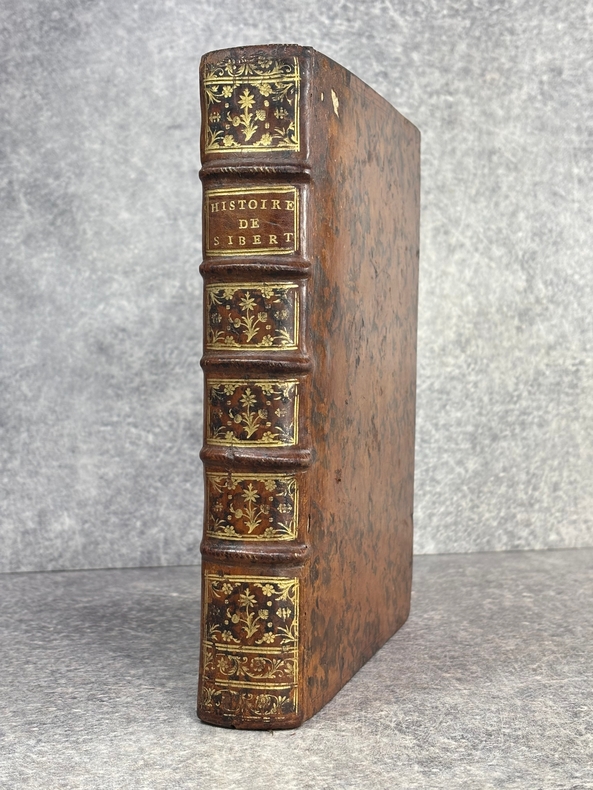
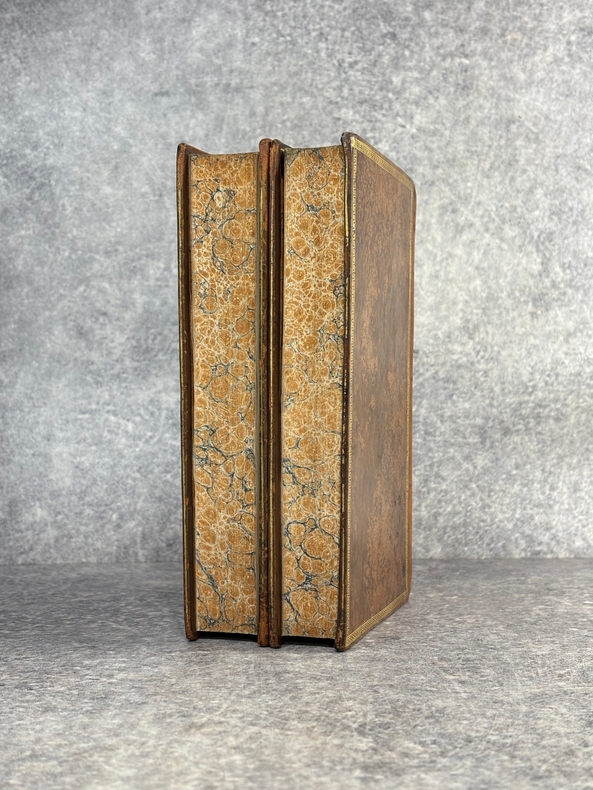
1823898A PARIS. CHEZ PILLET AINE, IMPRIMEUR-LIBRAIRE, ET CHEZ ANSELIN ET POCHARD, LIBRAIRES. 1823. 2 VOLUMES IN-8 (13,5 X 21 X 6,5 CENTIMETRES ENVIRON) DE (4) + II + 444 ET (4) + 460 PAGES, RELIURE D’EPOQUE PLEIN VEAU RACINE, DOS LISSE ORNE DE FLEURONS DORES, GRECQUE DOREE ENCADRANT LES PLATS, FILET DORE SUR COUPES, TITRE DORE SUR ETIQUETTE MAROQUIN ROUGE, TRANCHES MARBREES. ILLUSTRE D’UN FRONTISPICE GRAVE PAR COUCHE FILS D’APRES BAGETTI (PASSAGE DU NIEMEN), SOUS SERPENTE, ET DE 4 TABLEAUX DEPLIANTS. L’ATLAS PAR BRUSSEL DE BRULART, RELIE A LA SUITE DU SECOND VOLUME SE COMPOSE DE 5 CARTES DEPLIANTES GRAVEES PAR CHAMOUÏN ET TARDIEU : UNE CARTE GENERALE DU THEATRE DE LA GUERRE FINEMENT REHAUSSEE A L’AQUARELLE, UNE CARTE DU NORD DE LA LITUANIE, CELLE DU MIDI DE CETTE MEME PROVINCE, UNE DES GOUVERNEMENTS DE MOSCOU ET DE SMOLENSK, ET UN PLAN DE LA BATAILLE DE LA MOSKOWA (EGALEMENT APPELEE BATAILLE DE BORODINO). EDITION ORIGINALE RARE. L'UNE DES MEILLEURES RELATIONS DE LA CAMPAGNE DE RUSSIE, REDIGE PAR L'UN DE SES PRINCIPAUX ACTEURS. CAPITAINE D'ARTILLERIE, AIDE DE CAMP DE MURAT, LE MARQUIS DE CHAMBRAY FUT FAIT PRISONNIER PAR LES RUSSES PENDANT LA RETRAITE DE RUSSIE EN 1812 ET MAINTENU EN CAPTIVITE EN UKRAINE OU IL RECUEILLIT LES MATERIAUX POUR LA REDACTION DE CET OUVRAGE REPUTE ET L’UN DES MIEUX DOCUMENTES SUR CETTE CELEBRE CAMPAGNE. BEL EXEMPLAIRE.
20796Tapuscrit in-folio (297 mm), nombreuses et quelquefois importantes annotations, suppressions, ajouts manuscrits, de 338 ff. recto, reliés en un volume, demi-maroquin vert foncé, titre doré au dos ; nombreuses photographies imprimées ou clichés originaux et autres documents (statistiques, courbes, etc.).
220093À Amsterdam, Aux Dépens de la Compagnie, 1724 2 vol. in-4, [16]-448 pp. et [16]-552 pp., veau brun, dos ornés à nerfs, tranches mouchetées de rouge (reliure de l'époque). Mouillures claires marginales, brunissures notamment sur les planches. Ex-libris Roger Magadoux.
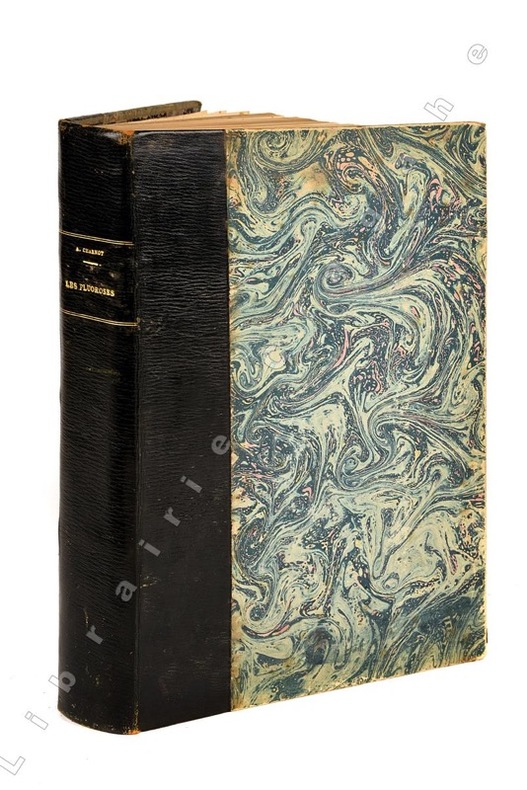
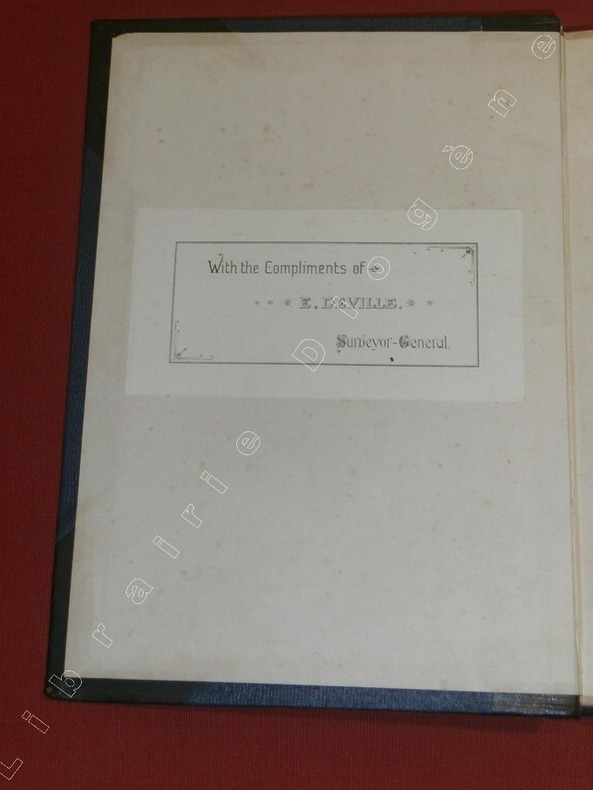
83400Ottawa, Lithographed at the Survey Office, 1889, 1 volume in-4 de 265x185 mm environ, 324 pages, demi reliure à coins en cuir noir, dos à 5 nerfs portant titres dorés, orné de filets dorés qui soulignent les nerfs, contient des figures dans le texte et 5 planches hors texte, 1 carte d'envoi de l'auteur. Légères rousseurs sur les pages de garde, petite trace blanche sur le dernier plat, sinon bon état. Un des 50 exemplaires de cette première édition, publiée au sein des Services d'arpentage (Canada), à l'usage des employés de l'équipe. Hommage de l'auteur sous forme de carte. (Nous laissons une enveloppe jointe contenant quelques photographies anciennes sans rapport avec l'ouvrage).
1921569PARIS. EDITIONS DE LA BANDEROLE. 1921-1924. 3 VOLUMES IN-8 (21,5 X 26,5 X 11,5 CENTIMETRES ENVIRON) DE (4) + 86 + (3), (6) + 123 + (6) ET (4) + 278 + (3) PAGES, RELIURE D’EPOQUE PLEIN MAROQUIN VERT SAPIN, DOS A CINQ NERFS SOULIGNES DE FILETS VERT D’EAU, AVEC NOM DE L’ILLUSTRATEUR ET MONOGRAMME P. M. DORES EN QUEUE, TITRE DORE SUR ETIQUETTE VEAU ROUGE, TETE DOREE, PLATS ENCADRES D’UN FILET VERT D’EAU ET MOSAIQUE D’UN FILET DE BOX ROUGE, CONTREPLATS ET GARDES DOUBLES DE DAIM VERT D’EAU, COUVERTURES ILLUSTREES D'UNE VIGNETTE ET DOS CONSERVES. CONTIENT :- LA BOULE DE GUI. ILLUSTRE DE 47 COMPOSITIONS D’ANDRE DUNOYER DE SEGONZAC (1884-1974), 42 DESSINS REPRODUITS DANS LE TEXTE ET 5 POINTES SECHES ORIGINALES HORS TEXTE, DONT LE FRONTISPICE. EDITION ORIGINALE ET PREMIER TIRAGE LIMITE A 600 EXEMPLAIRES NUMEROTES, UN DES 519 SUR PAPIER LAFUMA TEINTE, CELUI-CI PORTANT LE NUMERO 557.- LE CABARET DE LA BELLE FEMME. ILLUSTRE DE 58 COMPOSITIONS D’ANDRE DUNOYER DE SEGONZAC (1884-1974), 50 DESSINS REPRODUITS DANS LE TEXTE ET 8 POINTES SECHES ORIGINALES HORS TEXTE, DONT LE FRONTISPICE. EDITION ORIGINALE ET PREMIER TIRAGE LIMITE A 640 EXEMPLAIRES NUMEROTES, UN DES 520 SUR VERGE DE RIVES, CELUI-CI PORTANT LE NUMERO 402.- LES CROIX DE BOIS. ILLUSTRE DE 63 COMPOSITIONS D’ANDRE DUNOYER DE SEGONZAC (1884-1974), 40 DESSINS REPRODUITS DANS LE TEXTE ET 23 GRAVURES DONT 10 POINTES SECHES ORIGINALES HORS TEXTE, Y COMPRIS LE FRONTISPICE. NOUVELLE EDITION COMPORTANT EN EDITION ORIGINALE DEUX CHAPITRES CENSURES DANS L’EDITION PRECEDENTE : L’ENNEMI DES VIEUX ET PERMISSIONNAIRES. PREMIERE EDITION ILLUSTREE ET PREMIER TIRAGE LIMITE A 600 EXEMPLAIRES NUMEROTES, UN DES 519 SUR PAPIER LAFUMA TEINTE, CELUI-CI PORTANT LE NUMERO 533.TRES BEL ENSEMBLE.
49296Bordeaux.Paris.1865.E.O.2 vols.in-4 demi-reliés.180 et 461 p.150 planches ( 2 planches en double.) Carte.Bel exemplaire avec qques piqùres.Demi-chagrin rouge avec caractères dorés.
19012851PARIS. LA GIBERNE. 1901. GRAND ET FORT IN-4 (28,5 X 34 X 6 CENTIMETRES ENVIRON) DE XII + 379 PAGES RELIURE D’EPOQUE 1/2 VEAU VERT, DOS A 4 NERFS SOULIGNES DE FILETS A FROID ET DE FLEURONS DORES, TITRE DORES, COUVERTURE CONSERVEE. LES 60 PLANCHES HORS TEXTE SONT SOUS SERPENTE LEGENDEE (SAUF CELLES DES PAGES 209 ET 216). EDITION ORIGINALE. TIRAGE LIMITE A 650 EXEMPLAIRES NUMEROTES, UN DES 600 SUR VELIN GLACE, CELUI-CI PORTANT LE NUMERO 4. OUVRAGE RARE ET RECHERCHE. LE DOS A VIRE AU MARRON, COMME LA PLUPART DES RELIURES VERTES. LE NOM DU SOUSCRIPTEUR ANCIENNEMENT DECOUPE, PETITS DEFAUTS EXTERIEURS SANS AUCUNE GRAVITE, SINON BEL EXEMPLAIRE.
17722941A PARIS. DE L’IMPRIMERIE ROYALE. 1772. IN-4 (20,5 X 26 X 4,5 CENTIMETRES ENVIRON) DE (6) + XVI + 514 + (2) + CVII ET (1) PAGES, RELIURE D'EPOQUE PLEIN VEAU MARBRE, DOS A CINQ NERFS ORNE DE CAISSONS A FLEURONS DORES, TITRE DORE SUR ETIQUETTE MAROQUIN HAVANE, FILETS DORES SUR COUPES, TRANCHES ROUGES. BELLE ILLUSTRATION GRAVEE SUR CUIVRE COMPOSEE D’UN BEAU FRONTISPICE PAR EISEN, GRAVE PAR DE GHENDT; D’UN FLEURON SUR LE TITRE PAR DE SEVE, GRAVE PAR PATAS; D’UN PORTRAIT DU COMTE DE PROVENCE, GRAVE PAR VOYSARD, D’APRES MICHEL VANLOO; DE 4 JOLIES VIGNETTES PAR EISEN, GRAVEES PAR DELAUNAY, MASSARD ET DE LONGUEIL; DE 2 FIGURES PAR EISEN, GRAVEES PAR BAQUOY ET DE 3 CULS-DE-LAMPE PAR LES-MEMES, EN PREMIER TIRAGE (COHEN. 427-428). EDITION ORIGINALE, PUBLIEE AUX FRAIS DES ORDRES DE SAINT-LAZARE ET DE NOTRE-DAME DU MONT-CARMEL (SAFFROY. I. 4491). FONDE AU XII° SIECLE EN TERRE-SAINTE, L’ORDRE DE SAINT-LAZARE SE CONSACRAIT A L’ACCEUIL ET A LA DEFENSE DES LEPREUX. BIENTOT INSTALLE EN FRANCE, IL Y FUT ENTIEREMENT RAPATRIE AU XIII° SIECLE. EN 1608 IL FUT FUSIONNE PAR HENRI IV AVEC L’ORDRE DE NOTRE DAME DU MONT-CARMEL, NOUVELLEMENT CREE ET QUI AVAIT VOCATION A LUTTER CONTRE L’HERESIE PROTESTANTE. AU XVIII° SIECLE, LES GRANDS MAITRES EN FURENT TOUS DES PRINCES DU SANG. RARE. BEL EXEMPLAIRE.
17572658A AMSTERDAM. CHEZ CHATELAIN IMPRIM. LIB. 1757. IN-12 (9,7 X 16,2 X 2,7 CENTIMETRES ENVIRON) DE (8) + XXXVIII + 244 ET XXIV PAGES, RELIURE D'EPOQUE PLEIN VEAU MARBRE, DOS A CINQ NERFS ORNE DE CAISSONS A FLEURONS DORES, TITRE DORE SUR ETIQUETTE MAROQUIN HAVANE, TRANCHES ROUGES. EDITION ORIGINALE RARE. (BARBIER. III. 760). PETITES TRACES D'USURE EXTERIEURE SANS GRAVITE, SINON BON EXEMPLAIRE.
18373808PARIS. H. FOURNIER AINE, EDITEUR. LONDRES. SAUNDERS & OTLEY. 1837-1838. 6 TOMES EN 3 VOLUMES IN-8 (13,5 X 21,5 X 16 CENTIMETRES ENVIRON) DE (4) + VIII + 495, (4) + 504, (4) + 520, (4) + II + 448 + (1), (4) + 544 + (1) ET (4) + 814 PAGES, RELIURE D'EPOQUE 1/2 VEAU FAUVE, DOS A QUATRE NERS ORNE D'UN JOLI DECOR DE FLEURONS DORES, TITRE DORE SUR ETIQUETTE MAROQUIN NOIR, TRANCHES MARBREES. SANS LA CARTE DES OPERATIONS EN VIRGINIE EN 1781, QUI MANQUE SOUVENT ET NE SEMBLE PAS AVOIR ETE RELIEE D’ORIGINE DANS CET EXEMPLAIRE. EDITION ORIGINALE TRES RARE. BON EXEMPLAIRE, DANS UNE RELIURE STRICTEMENT CONTEMPORAINE. .
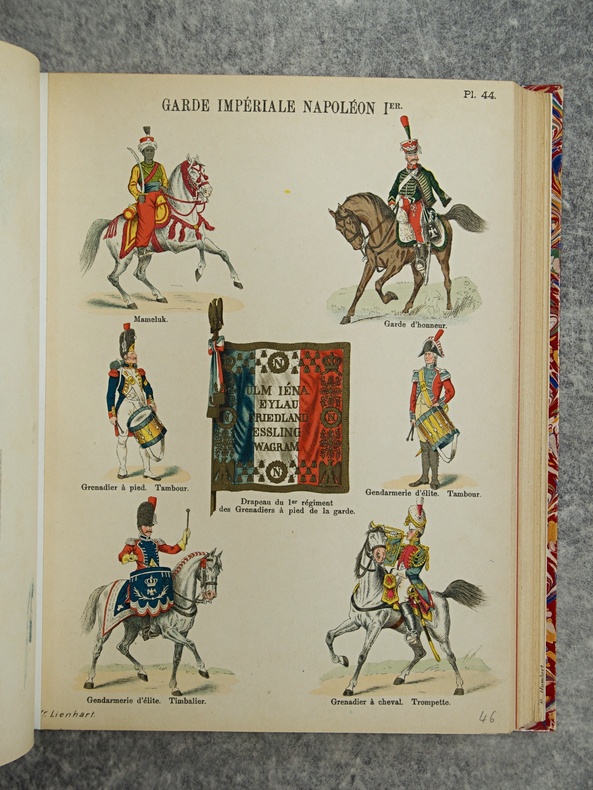
18973425LEIPZIG. M. RUHL. 1897-1906. 5 TOMES EN 6 VOLUMES IN-4 (21 X 26 X 23,5 CENTIMETRES ENVIRON), 3 VOLUMES DE TEXTE DE (4) + 145 + (2), (6) + 187 + (1), (6) + 242, VI + 481 ET VI + 634 ET (1) PAGES, ET 3 VOLUMES DE PLANCHES MONTEES SUR ONGLET, RELIURE MODERNE 1/2 CHAGRIN ROUGE, DOS A CINQ NERFS, TITRE DORE, (FAVRE-PETIT-MERMET, RELIEUR). ILLUSTRE DE 395 PLANCHES HORS TEXTE EN COULEURS, TIREES EN CHROMOLITHOGRAPHIE, DONNANT SOUS FORME DE TABLEAUX SYNOPTIQUES LES DIFFERENTS UNIFORMES DE L’ARMEE FRANCAISE DE 1690 A 1890. (COLAS. 1868). A NOTER QUE DEUX PLANCHES SONT NUMEROTEES BIS DANS LE TOME 1 : LES PLANCHES 20 ET 46. CURIEUSEMENT, CET OUVRAGE A ETE RELIE D'ORIGINE SANS LES PAGES 1 A 8 DANS LE VOLUME DE TEXTE DU TOME 1, PAGES QUE NOUS JOIGNONS ICI EN PHOTOCOPIE, SINON TRES BEL EXEMPLAIRE.
214785Paris, Louis Tirpenne, s.d. (1855) in-folio, un feuillet de notice historique, avec plan ; et 5 planches lithographiées sur fond teinté, en feuilles sous couverture crème imprimée, ébarbée. Couverture un peu défraichie.
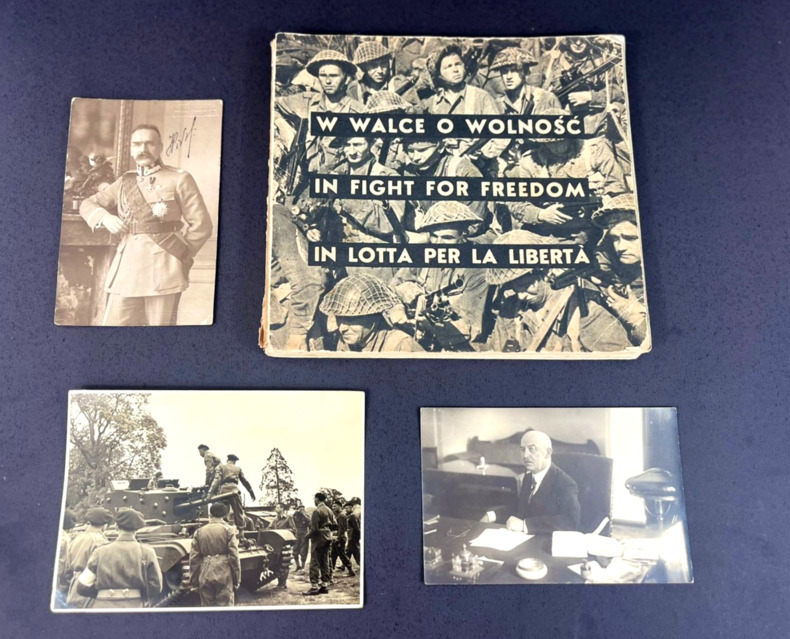
1945517This is a set which belonged to Janusz Gluchowski, a high-ranking Polish military officer at the time of the WW2. The set contains three original B&W pictures. First one: undated postcard showing Marshal Jozef Pilsudski, signed by himself in black ink, 8.5 x 13.5 cm, with two embossed mentions above and below. Second picture: undated postcard showing Poland President Gabriel Narutowicz, with a written mention on the back. Third picture: 11 x 15.5 cm photograph. General Tadeusz Bór-Komorowski inspecting a British Cromwell tank, accompanied by Polish officers of the 3rd Armored Regiment (3 puk pancerny). The image was captured during an official ceremony in the city of Kelso, Scotland, in the immediate post-war period, on June 15, 1945. The scene shows the General in an observation position, climbing onto the tank while surrounded by Polish soldiers. The tank corresponds to a British model widely used by Polish forces in exile during the Western European campaign. On the reverse, the following handwritten inscriptions appear: VI 1945, Kelso. N. Wódz gen. Bór-Komorowski dokonuje inspekcji 3 p. panc. N. Wódz w towarzystwie bryg. puku na czogu." / June 15, 1945, Kelso The book is an illustrated three-languages (Polish, English and Italian) set commemorating the struggles of the Polish II Corps. Edited by Wyda Rererat [Referat] Kultury i Prasy Kresowej Dywizji Piechoty in Rome, 1945. Oblong book of 21 x 19 cm, unpaginated (144 pp.). Cover detached. Endpapers and first page show Janusz Gluchowski's stamp. In publisher's photographically illustrated wrappers. Each page contains a photographic image or a photomontage accompanied with a short text in three languages. Front cover shows some wear and tear, the binding is a bit loose - we would advise having this book bound. The Polish II Corps was a major tactical and operational unit recruited from Polish deportees in the Soviet Gulags in 1943. First they fought in the Middle East, and in 1944 February they were transferred to Italy and as independent part of the British Army to fight in the Italian campaign, in the battles of Monte Cassino and Ancona and also the Battle of Bologna during the final offensive in Italy in 1945. The book goes through the story of Poland and the later established Polish II Corps, starting with the German and Soviet occupation in 1939. It shows the deportation of Poles to forced labour to the Gulag and, after the Polish-Russian Military Agreement in 1941, the establishment of the Polish Army on Soviet soil, also their military training and their fights in various battles. Janusz Julian Gluchowski was a Major General in the Polish Army during the Second Polish Republic. He was born on August 6, 1888, in Bukowa. He fought in the Polish Legions in World War I, the Polish-Ukrainian War, the Polish-Soviet War, and the invasion of Poland by Nazi Germany, Slovakia, and the Soviet Union in 1939, which culminated in the start of World War II. In his adolescence, he attended high school in Czstochowa. In 1905, he became a member of the Combat Organization of the Polish Socialist Party and was wounded in the hand during an attack near Czstochowa. To avoid arrest by the Russian authorities, he left for Belgium, where he studied at the University of Liège. He returned to divided Poland around 1910 and settled in Austrian Galicia. In 1912 he graduated from the Officers' School of the Riflemen's Association in Stroza, near Krakow. In the early hours of August 1914, he commanded a platoon in Oleandria and was Wadysaw Belina-Pramowski's representative during the legendary attack of the so-called Seven Lancers of Belina (Uaska siódemka). On August 6th, together with the First Cadre Company, he left Krakow and marched to Miechów. In October 1914 he was promoted to Lieutenant (Poruchik) and, in November 1916, to Rittmeister (Cavalry Master). Until 1917 he served in the First Uhlan Regiment of the Polish Legions. After the Oath Crisis (Kryzys przysigowy) he was interned first in Fort Beniaminów and later in Werl. Released in October 1918, he went to Lublin, where, in early November, he formed the Third Ulan Regiment (later renamed the Seventh Ulan Regiment of Lublin). Along with his unit, he fought in the Polish-Soviet War. On May 29, 1920, he was promoted to Polkovnik. He was transferred in July 1920 to Eastern Galicia, taking command of the First Cavalry Brigade, fighting against the Soviets in Galicia and Volhynia. After the war, he remained in this position until 1925, when he was transferred to the Fourth Cavalry Brigade. Promoted to Brigadier General on March 16, 1927. Appointed commander of the Center for Higher Military Studies on June 4, 1930, and three years later, after the death of General Stanislaw Tessaro, he was appointed commander of Military District X in Przemyl. In October 1935, he became Deputy Minister of Military Affairs. In the early days of the 1939 invasion of Poland, Gluchowski ordered General Walerian Czuma to prepare the defense of Warsaw. In mid-September 1939, he fled to Romania. After his escape, he managed to travel to the Middle East and, in January 1941, received orders to go to London. In October 1941, he was appointed Commander of the Training Brigade stationed in Scotland. On September 23, 1943, he was appointed commander of all Polish Army units stationed in Great Britain, except the First Independent Parachute Brigade, which remained under the authority of the Commander-in-Chief. He was promoted to Major General on June 1, 1945. He decided not to return to Soviet-occupied Poland and remained in Great Britain. He frequently criticized the Soviet regime and the Soviet occupation authorities in postwar Poland. Furthermore, he was one of the founders and president of the Jozef Pilsudski Institute in London. He was, therefore, an active member of the Polish community in Great Britain. He was president and honorary member of several Polish veterans' organizations. He died on June 11, 1964, in London, England.
218204Lieux divers, 1809-1811 in-8 et in-4,
1839252PARIS. J. CORREARD, EDITEUR D’OUVRAGES MILITAIRES. 1839. IN-8 BROCHE (15 X 22,5 X 0,5 CENTIMETRES ENVIRON) DE (4) + 60 PAGES, COUVERTURE ORANGE IMPRIMEE EN NOIR. ACCOMPAGNE DE SON ATLAS (34 X 25 X 1 CENTIMETRES), RELIURE A BRADEL DE L’EDITEUR, CARTONNAGE ORANGE, TITRE IMPRIME EN NOIR, DE (4) PAGES ET 10 PLANCHES, DONT UNE EN COULEURS. EDITION ORIGINALE ET UNIQUE, RARISSIME AVEC SON ATLAS (INCONNUE DE TULARD). QUELQUES DEFAUTS EXTERIEURS, SINON BON EXEMPLAIRE.
235011À Paris, chez Antoine Boudet, 1744 11 vol. in-12, basane brune, dos à nerfs orné, tranches rouges (rel. de l'époque). Qqs épid. sur les plats.
1540003398Gaetano, in Venetia In-12 (15,5 x 11 cm), 1 bl., titre avec encadrement, 2 ff., 4 ff., 1 bl., 87 ff. numérotés, 1 bl., reliure demi-vélin crème, titre manuscrit au dos (reliure ancienne).
15928-0-539Leiden, Platin, 1592. kl 8°(18x13cm), Titelvignette, mit Kupfern und Faltplan, 8 Bll., 320 S., 480 S., 31 Bll., Pergamenteinband d. Zt. mit spanischen Kanten
194489941Washington DC: United States War Department Army Services Forces Headquarters 1944. Many apparent first printings. Olive Green Two-hole Remington Rand large binder Style BA Binding Kansas Capacity 3 inch Open Back 6 inch Thong Centers U.S. Patent No. 5. Good. The name of previous owner R.H. Wurtz on front cover. Size of binder is 6.5 inches by 9.5 inches. Illustrations photos and diagrams. Tabular data. RARE ordnance parts and equipment compilation. Contains ORD 9 SNL A-4 Rifle Automatic Cal.30 Browning M1918A2 Illustrations 34 pages; followed by ORD 8 SNL A-4 Addendum for Rifle; Automatic Cal.30 Browning M1918 M1918A1 and M1918A2 12 p ORD 8 SNL A-4 2p; ORD 7 SNL A-4 Spare Parts 12p; ORD 7 SNL A-4 3p; SNL A-5 71p;SNL A-5 Change 2 2p; ORD 8 SNL A-5 21p; ORD 8 SNL A-5 2p; ORD 7 SNL A-5 20p; ORD 9 SNL A-6 66p; ORD 9 SNL A-6 23p; ORD 8 SNL A-6 3p; ORD 7 SNL A-6 24p' S. N. L No. A-7 63p; S. N. L No. A-7 Addendum 5p; Change 2 3p; ORD 9 SNL A-32 28p Changes No.1 2p; Addendum SNL A-32 12p; Changes No.5 2p; ORD & SNL A-32 11p; SNL A-37 127 p; ORD 8 SNL A-37 35p; ORD 7 SNL A-37 27p; Changes No. 1 2p 2 copies; ORD 9 SNL A-39 82p; Changes No. 1 2p; Addendum 22p; Changes No. 2 2p; ORD 7 SNL A-39 21p; ORD 9 SNL B3 34p; ORD 8 SNL B3 14p; ORD 8 SNL B3 Changes No. 2 3p; ORD 7 SNL B3 19p; Changes No.1 2p; SNL B-6 12p; ORD 8 SNL B-6 12p; ORD 7 SNL B-6 12p; ORD 9 SNL B-7 23p; ORD 9 SNL B-8 16p; ORD 9 SNL B-16 12p; SNL B-21; ORD 9 SNL B-21 17p; ORD 7 SNL B-21 Changes No.1 2p; ORD 9 SNL B-28 22p; Changes No. 1 2p; ORD 8 SNL B-28 11p; Changes No. 1 2p; ORD 7 SNL B-28 15p; SNL J-2 135-183p; SNL F-210 42p: ORD 7 SNL F-210 14p; ORD 8 SNL Changes No.2 2p; ORD 11 SNL T-2 18p and ORD 11 SNL T-6 2. The Army Service Forces was one of the three autonomous components of the United States Army during World War II the others being the Army Air Forces and Army Ground Forces created on 9 March 1942. By dividing the Army into three large commands the Chief of Staff General George C. Marshall drastically reduced the number of officers and agencies reporting directly to him. The Army Service Forces brought together elements of five different components of the Army: elements of the War Department General Staff WDGS especially its G-4 division responsible for logistics; the Office of the Under Secretary of War; the eight administrative bureaus; the nine corps areas which became service commands; and the six supply arms and services which became known as the technical services. The Army Service Forces was initially known as the United States Army Services of Supply but the name was changed on 12 March 1943 as it was felt that the term "supply" did not accurately describe the broad range of its activities. The Army Service Forces was abolished on 11 June 1946 and most of its functions were taken over by the War Department General Staff. For most of its existence the Army Service Forces was commanded by General Brehon B. Somervell with Lieutenant General Wilhelm D. Styer as his chief of staff. After Styer left for the Pacific he was succeeded by Major General LeRoy Lutes on 18 April 1945. Brigadier General Lucius D. Clay was the Deputy Chief of Staff for Requirements and Resources and as such he was responsible for the development of the Army Supply Program the operation of the Lend-Lease program and liaison with the War Production Board concerning the allocation of raw materials. Although he had his own logistics staff in the G-4 division of the War Department General Staff it was to Somervell and Styer that Marshall turned to for advice on logistical matters and it was Somervell who attended the important wartime conferences. Six supply arms and services became part of the new organization: the Corps of Engineers Signal Corps Ordnance Department Quartermaster Corps Chemical Warfare Service and the Medical Department. They were designated "supply services" in April 1942 and "technical services" in April 1943. A seventh technical service the Transportation Corps was created in July 1942. The technical services developed military equipment manufactured or purchased it stored it in depots maintained and repaired it and issued it to the troops. Each had its own budget and together they accounted for half of the Army's appropriations. The service commands were the field agencies of the ASF. There were initially nine of these each responsible for a different geographical region. In August 1942 the Military District of Washington also assumed the status of a service command. The Northwest Service Command was created in September 1942. It was responsible for the construction and maintenance of the Alaska Highway the operation of the railway between Skagway Alaska and Whitehorse and the Canol Project. Army installations in the continental United States that were placed directly under the service commands included recruiting stations induction and reception centers repair shops enemy alien and prisoner of war camps medical and dental laboratories Reserve Officers' Training Corps units dispensaries finance offices disciplinary barracks and named general hospitals except for the Walter Reed General Hospital. United States War Department, Army Services Forces, Headquarters unknown
191964551Bordeaux France: V. Cambette 1919. Presumed first edition/first printing. Wraps. Good. No dust jacket as issued. Cover has some wear scuffing and soiling. 16 pages. Page 46 is signed by Brant E. Wilcox Captain 327th Infantry Personnel Adjutant and Henry E. Hackney Captain 327th Infantry Adjutant Not in Dornbusch! Likely to have had only a limited number printed. This roster of officers compiled from records of the Personnel Office 327th Infantry was published to further cement the bonds of fellowship and friendship between the officers of this regiment to honor the memory of those to made the Supreme Sacrifice and to provide those officers who were deprived of the privilege of serving overseas with some idea of the regiment's engagements with the enemy. The Regiment was organized at Camp Gordon on 2 Sept. 1917. The Regiment participated in the St. Mihiel Offence and the Meuse-Argonne Offensive and claime the longest contiuous time that any regiment of the American Expeditionary Forces participated in any offensive. V. Cambette paperback
186351386Mobile: S. H. Goetzel 1863. First edition 16mo 3 parts in 1; pp. 2 ii 220; 104; 47 1; 97-108 Bugle Signals; xiv index 2 ads; 38 engraved plates 8 folding; original paper-covered boards rebacked in blue cloth sometime in the 20th century; boards worn text occasionally dampstained and foxed without the front free endpaper and hinges with old archival paper repair; but in all a good sound and compelling copy of a poorly made book. Parrish & Willingham 5116. <br/><br/> S. H. Goetzel hardcover books
186351386Mobile: S. H. Goetzel 1863. First edition 16mo 3 parts in 1; pp. 2 ii 220; 104; 47 1; 97-108 Bugle Signals; xiv index 2 ads; 38 engraved plates 8 folding; original paper-covered boards rebacked in blue cloth sometime in the 20th century; boards worn text occasionally dampstained and foxed without the front free endpaper and hinges with old archival paper repair; but in all a good sound and compelling copy of a poorly made book. Parrish & Willingham 5116. S. H. Goetzel unknown
AQ28162s.i.: s.n. s.d. c. 1875 Manuscript on paper. 98 leaves. Paper watermarked 1875. Contemporary red half-morocco red buckram boards ruled and lettered in gilt. Rubbed and marked. Marbled endpapers hinges exposed typed bookseller's description pasted to verso of FFEP first leaf detached. A Victorian manuscript copy in at least two unidentified hands of the general military order for several British Regiments during the campaign in Scotland 1745-46 including according to a later manuscript note to verso of FFEP those of Lieutenant Archibald Campbell of the 3rd Regiment of Dragoons who was aide-de-camp to General Bland and served under 'Butcher' Cumberland at the Battle of Culloden. Campbell's military order books have seemingly never been published; the originals are preserved at the National Army Museum NAM 1968-07-228. . Oblong 8vo. [s.n.], [s.d., c. 1875] hardcover
AQ11379s.i. Portugal: s.n. 1815 In two volumes. 47pp 3 the remainder blank; 12 blank leaves with alphabetized tabs 35ff 41ff the remainder blank with some newspaper clippings relating to WW1 tipped in at end. A printed broadside 'Instructions to Cashiers of Military Chests' is pasted to the FEP of each volume. Contemporary reverse calf with attractive black morocco gilt lettering-pieces to upper board of each volume marbled endpapers. Rubbed and marked with some loss to calf at edges and bumping to corners. A fascinating pair of early nineteenth-century manuscripts albeit sparsely filled consisting of the details of substantial payments made on behalf of the British Army in Portugal and corresponding transfers between military chests and pay offices in Almeida and Lisbon during the tumultuous months of 1815 which saw Napoleon's return from exile in Elba the Hundred days rule and the final defeat of his French army at the Battle of Waterloo. The day book records money received and paid out and in some cases the circumstances such as receipts and instructions from various pay offices and military figures including 'Mr Commissary General Murray' and 'Ac Comm'y Gn. St Remy' - with the vast majority of the payments made to Portuguese individuals - whilst the ledger the corresponding folios of which are referenced to each payment in the day book in red ink contains double-entry debit and credit accounts. As the printed instructions notes the day book therefore includes 'every Circumstance relating to the Military Chest which may be in the least Degree important at the Time or which the Day of its Occurrence' whilst the ledger 'consists of a General Cash Account and of as many other separate Accounts as there are Species of Coin Bullion or Paper Money to be accounted for'. . Folio. [s.n., 1815] unknown
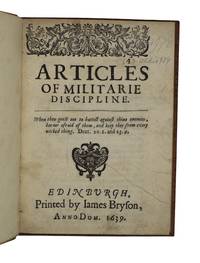
1639AQ22724Edinburgh: Printed by James Bryson 1639. 16pp. Modern blind-ruled tree-calf contrasting black morocco lettering-piece T.E.G. Marbled endpapers trimmed occasionally affecting pagination and signature. Recently dispersed from the Cottlesloe Military Library 'probably the most extensive private collection of early printed books focused on military matters' with the bookplate of Thomas Francis Fremantle 3rd Lord Cottesloe 1862-1965 to FEP. The sole edition of the articles of conduct for the army of 16000 men raised by the Covenanters and commanded by Alexander Leslie first Earl of Leven c. 1580-1661 at the outset of the First Bishops' Wars. The articles besides the expected regulations regarding behaviour towards superior officers and prohibitions concerning desertion reflect the religious reformation championed by the Covenanter authorities. The ecclesiastical social order of the army was structured to mirror the hierarchy of the Church. A 'Kirke Session' applied to each regiment in order to censure 'profainers of the sabbath swearers and drunkards especially such as shall be found drinking in time of prayers of divine service'. Infantrymen were expected to remain celibate whilst in service prostitutes were forbidden in camp and those found to have committed rape were to be executed. ESTC S100228 STC 21904.5. First edition. Quarto. Printed by James Bryson unknown