Annan, Thomas [photog]Biblio.com
108 944 résultats
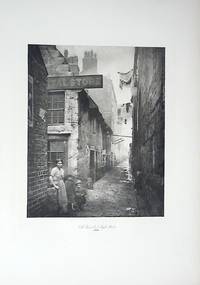
1900annn03aGlasgow: T & R Annan & Sons. VG : in very good condition. Some light scratching to cover. Front inner hinge cracked. 1900. Limited Edition 100. Navy blue hardback cloth cover. 390mm x 290mm 15" x 11". 53pp. 50 plates. Annan printed this album in three editions in 1871 1877 and 1900 respectively according to Fisher. The 1871 process was calotype 1877 carbon and 1900 a gravure process. The City Improvement Trust was the body which was charged with the task of cleaning up the squalid living conditions that existed in the city in the second half of the nineteenth century. Learning from visits to Paris to see the work of Baron Haussmann the trustees were very successful in adapting the traditional tenement house style to rehouse many thousands of people. This edition was limited to 100 copies. . T & R Annan & Sons hardcover
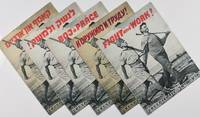
194247882Jerusalem: Printed by Azriel Press for Keren Ha-Yesod 1942. First edition. Softcover. g to near fine. Large quarto. 11 3/4 x 9". Unpaginated. 14 pages each. B/w photo-illustrated wrappers with photomontage and red and black lettering on the covers. These scarce promotional pieces of ephemera published by the Karen Ha-Yesod fundraising organization were issued to coincide with the photographic exhibition "To Arms and to Work the Face of the People and the Land". Here we have 5 copies of the same publication one in Hebrew one in English one in Czech one in Yiddish and one in Russian. They promotes both the military training of Jewish soldiers and the agricultural/settlement efforts in building toward a Jewish state in Mandatory Palestine.<br /> <br /> Profusely illustrated throughout with 82 b/w photographic reproductions showing these activities often with visual parallels drawn between the military and land cultivation via the layout and framing of the images especially the front cover. Images throughout also include depictions of other activities including education recreation construction industry manufacturing and Jewish religious activities. The back cover shows a regiment of marching Jewish soldiers lead by a British commanding officer with a text quote from Chaim Weizmann. The publication was edited by Israeli historian and then head of Keren ha-Yesod Nathan Michael Gelber 1891-1966 and features photographs by leading Israeli photographer Zoltan Zvi Kluger 1896-1977.<br /> <br /> Text in Hebrew English Czech Russian and Yiddish.<br /> <br /> The Russian and Yiddish language editions are moderately age-toned throughout with tiny chipping at the upper margin of both covers of the Yiddish copy. Russian edition with light pen markings on the front cover. English edition with minor rubbing to extremities and a few light stains to the covers. Hebrew edition with light rubbing and rippling along edges. Front cover with a tear at the bottom resulting in slight loss of text. Rippling continued throughout the pages along the top section. Copies in good to near fine condition overall. All copies protected in modern mylar. Quite scarce. Yiddish title: ק×מף ×ון ×רבייט<br /> Hebrew title: ×œ× ×©×§ ולמשק! ×רץ ישר×ל ×‘×‘× ×™× ×”<br /> Exhibition: ×œ× ×©×§ ולמשק ×¤× ×™ ×¢× ×•×רץ - תערוכה ××ž× ×•×ª×™×ª של קרן היסוד<br /> Alternate Translate: To Arms and to Work!<br /> <br /> Keren ha-Yesod was established at the World Zionist Conference held in London in 1920 to provide the Zionist movement with resources needed for the Jewish people to return to the Land of Israel. It came in response to the Balfour Declaration of 1917 which confirmed support from the British government for the establishment in Palestine of a "national home" for the Jewish people. Keren ha-Yesod immediately established fundraising organizations around the world. Early leaders included Chaim Weizmann Albert Einstein and Ze'ev Jabotinsky. During World War II and in its aftermath Keren ha-Yesod established emergency campaigns sometimes in partnership with other organizations. Funds were also used to help the Allied war effort and after the liberation of the concentration camps to smuggle massive numbers of survivors into the Land of Israel in defiance of British immigration restrictions. Many of Keren ha-Yesod's leaders perished in the Holocaust; the organization had to recover quickly in face of the staggering needs during those fateful years. <br /> <br /> There are also known Greek Hungarian Polish and French language versions of this publication. The various versions all are extremely similar in terms of content with only the slightest variation in terms of text placement. Printed by Azriel Press for Keren Ha-Yesod unknown
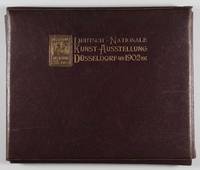
190252612Düsseldorf: Verlag der Dt. Nat. Kunstausstellung 1902. First edition. Loose leaf. Very good to fine condition. Oblong Quarto. 35 original silver gelatin prints. Original brown leather portfolio with gilt emblem and gilt lettering on gilt-framed cover. Red silk inside front cover and portfolio flaps. The bottom flap gilt-stamped Otto Renard Paul Adam Buchbinderei Düsseldorf.<br /> <br /> Album of thirty-five original photographs 9 3/4 x 11 1/4" by court photographer Otto Renard that document National Art exhibtion of 1902 by room. The photographs include a exterior panorama view of the newly built Art Palace its courtyard an interior view of the dome the large gallery the large hall and various galleries with work of artist groups and art organizations e.g. Kunstgenossenschaft Berlin Secession Berlin Dresden Düsseldorf 6 Munich Luitpold Group Munich Secession Munich Art Association Rhineland and Westfalia Art Alliance "Hagen" from Vienna 2 Art Collective Vienna Secession Vienna recreation room Secession Vienna the Van der Velde room the art historian gallery 5 old Japanese art. The exhibition includes paintings furniture sculpture and statuettes and a variety of interiors. The Art Palace was built for the 1902 Industry and Craft Exhibition for the Rhineland Westfalia and neighboring districts. <br /> <br /> The building of the Kunstpalast was in large part due to the efforts of Fritz Roeber director of the Düsseldorf Art Academy the painter Georg Oeder and the art historian Paul Clement in the late 1800s who were able to convince Heinrich Lueg director of the association for commerce that the time for another great art and commerce exhibition had come. The goal was the establishment of a new permanent venture for art exhibitions that was to become the center of the arts in the Rhinelands and Westfalia. Lueg took the lead and started the planing for the Kunstpalast already in 1898. The goal was to exhibit the development of the past 20 years in a formidable gallery and the 1900 Paris World exhibition was the model for the undertaking. Despite the fact that some of the planned buildings were not ready by the opening of the two exhibitions it opened on May 1st and closed on October 20th 1902 the exhibitions became a huge success. Two OCLC entries.<br /> <br /> Text in German. Portfolio with light wear one inch closed tear at top right of portfolio cover. Some light worm damage in silk of inside front cover and right flap. Few plates with minor damage at edges and lightly age-toned in margins. Images fine. Otto Renard 1855-1943 was known for his documentation of art exhibitions among them the 1902 art and commerce exhibition in 1902. The distinction "Hof Fotograf Court photographer" he earned while working at the court of Zar Nikolaus II. Renard returned to Germany after the turn of the century to open photo-studios in Düsseldorf and Aachen. He became wealthy due to his invention of a photo-paper moved to Berlin and then to Darmstadt. Verlag der Dt. Nat. Kunstausstellung unknown
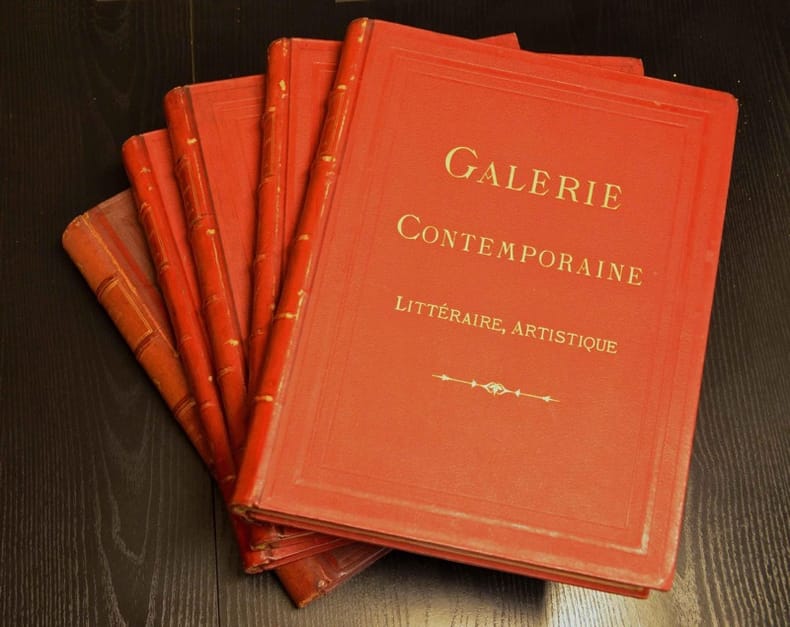
1562Ludovic Baschet, 1876-1877-1878., 5 volumes de La Galerie Contemporaine, littéraire, artistique reliée en demi-chagrin rouge orné de fleurons; légère différence de fers pour le tome 5. Quelques rousseurs éparses sans gravité, reliure en bon état.
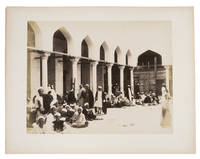
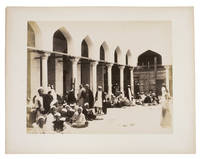
1888ABC_47975Cairo 1888. 34 albumen prints ca. 22 x 27 cm mounted on cream cardstock ca. 28 x 35.5 cm. Remarkable collection of 34 stunning photographic prints of Egypt all numbered titled and signed in the negative by photographer Jean Pascal Sébah 1872-1947 who owned the leading studio for Orientalist photography. He was even named the official photographer of the Sultan of Turkey together with his business partner Polycarpe Joailllier 1848-1904. The majority of the images in the present collection show streets and buildings from lesser known Egyptian cities and scenes of daily life. Larger collections of Sébah's work are relatively rare on the market.Sébah continued the business of his father Pascal Sébah 1823-1886 one of the first photographers working in Egypt. Pascal rose to prominence because of his well-organized compositions careful lighting and quality of his prints. The majority of his photographs are of tourist destinations and locals. Jean Pascal inherited his father's good eye but was more interested in depicting lesser known locations. His photos of people also appear more spontaneous. The present collection includes photographs of El-Souroughieh street and the Khalig canal in Cairo the Virgin Mary's tree in Matariya a local with a buffalo a group of seated men in a mosque a sugarcane market locals working on a sugarcane field a group of boys fishing and the hustle and bustle along the Nile.With a small purple ownership stamp of an anchor in mirror image and the letters "S A" near the top edge of one of the photographs of the Nile. The cardstock is very slightly foxed and yellowed and has somewhat warped from past temperature fluctuations. The prints have somewhat yellowed around the edges but are otherwise in good condition.l Cf. Saretzky The history of photography online. unknown
1888ABC_47975Cairo 1888. 34 albumen prints ca. 22 x 27 cm mounted on cream cardstock ca. 28 x 35.5 cm. Remarkable collection of 34 stunning photographic prints of Egypt all numbered titled and signed in the negative by photographer Jean Pascal Sébah 1872-1947 who owned the leading studio for Orientalist photography. He was even named the official photographer of the Sultan of Turkey together with his business partner Polycarpe Joailllier 1848-1904. The majority of the images in the present collection show streets and buildings from lesser known Egyptian cities and scenes of daily life. Larger collections of Sébah's work are relatively rare on the market.Sébah continued the business of his father Pascal Sébah 1823-1886 one of the first photographers working in Egypt. Pascal rose to prominence because of his well-organized compositions careful lighting and quality of his prints. The majority of his photographs are of tourist destinations and locals. Jean Pascal inherited his father's good eye but was more interested in depicting lesser known locations. His photos of people also appear more spontaneous. The present collection includes photographs of El-Souroughieh street and the Khalig canal in Cairo the Virgin Mary's tree in Matariya a local with a buffalo a group of seated men in a mosque a sugarcane market locals working on a sugarcane field a group of boys fishing and the hustle and bustle along the Nile.With a small purple ownership stamp of an anchor in mirror image and the letters "S A" near the top edge of one of the photographs of the Nile. The cardstock is very slightly foxed and yellowed and has somewhat warped from past temperature fluctuations. The prints have somewhat yellowed around the edges but are otherwise in good condition.l Cf. Saretzky The history of photography online. unknown
1870ABC_501171870. Oblong album ca. 31.5 x 35.5 cm. Near-contemporary half red velvet spine rubbed/faded beige and multi-colour floral cloth sides decorated with brown woven ribbon trims the velvet and cloth cover greenish-blue pebble-grained cloth boards blue marbled endpapers the pastedowns covered with red silk. With 125 black-and-white photographic prints mounted on cardboard accompanied by numerous handwritten annotations in French on the album pages. 45 ll. A substantial and historically important late 19th-century photograph album comprising 125 photos documenting British India and Ceylon present-day Sri Lanka. Of the total 100 photographs depict India and 25 Ceylon. The album offers a wide-ranging visual survey of architecture urban life religious monuments landscapes botanical subjects and scenes of daily activity during the high colonial period. 21 photographs within the album are identified to named photographers or studios. 7 prints bear the imprint of Charles Thomas Scowen 1852-1948 of Scowen & Co. Kandy and Colombo with a further 3 issued from Scowen negatives by the Colombo Apothecaries Company after that firm acquired Scowens stock in the early 1890s. Scowen was one of the most accomplished photographers active in 19th-century Ceylon establishing his studio in Kandy by 1876 and later opening in Colombo. His work produced primarily for the tourist and commercial market is distinguished by technical refinement clarity of detail and strong compositional qualities and is today represented in major institutional collections including the Getty Museum and the Metropolitan Museum of Art. The album also contains 1 identified photograph by Bourne & Shepherd the pre-eminent photographic firm of 19th-century India renowned for its architectural and landscape views and for its official role at imperial events such as the Delhi Durbar. 2 photographs are attributed to Lala Deen Dayal 1844-1905 the most celebrated Indian photographer of his generation court photographer to the Nizam of Hyderabad and recipient of a Royal Warrant from Queen Victoria his work is widely regarded for both artistic merit and documentary importance. Further identified material includes one photograph by the Bombay studio of Edward Taurines 5 architectural views attributed to Charles Lickfold 1846-1909 in Ahmedabad one view of the Ellora caves attributed to John Johnston and one Ceylon photograph by the German Alfred William Amandus Plâté 1859-1931.The Indian and Pakistani section includes extensive architectural and topographical views from Lahore Amritsar Peshawar Jaipur Amber Ahmedabad Baroda Vadodara Aurangabad since 2023 Chhatrapati Sambhajinagar Ellora Caves Bijapur Hyderabad Golconda Pondicherry now Puducherry Trichinopoly now Tiruchirappalli and Madurai. Among the Lahore subjects are views of the Wazir Khan Mosque the Badshahi Mosque the Shalimar Gardens and the tomb of Jahangir Amritsar is represented by the Golden Temple Jaipur and Amber by palace complexes zenana quarters gateways and lakeside views Ahmedabad by the Jami Masjid Sidi Saiyyed Mosque Rani Sipri Mosque and Jain temples; while the Deccan is illustrated through monuments at Aurangabad Daulatabad Fort Bijapurs Gol Gumbaz and Ibrahim Rauza and Hyderabad and Golconda fortifications.The Ceylon section presents Colombo harbour and jetty views Kandy and its lake Peradeniya Botanical Gardens Nuwara Eliya tea cultivation scenes indigenous fishing craft and a number of carefully composed botanical studies including breadfruit talipot palms bamboo ferns and ficus. The album ends with a panoramic view of Aden Yemen then an important British coaling station and strategic port at the entrance to the Red Sea.The binding shows some wear with the fabric around the boards and on the pastedowns slightly loosened. Some of the unidentified photographs display mild sepia tonal fading consistent with age. The final unidentified photograph in the India section exhibits some surface loss the album shows some foxing browning and occasional staining to the card mounts not affecting the photographs. Otherwise in good condition.l Cf. Edwards "Photography in colonial India" Emire and Art: British India 2017 pp. 110-143; Paranavitana"Image in Photographic Print in the Context of Nineteenth and Early Twentieth Century Sri Lanka." 2009; Shinde "Photography in India" Studii si cercetari de istoria artei Seria Arta plastica 10.54 2020 pp. 107-118. hardcover
23435P., N.R.F., coll. Métamorphoses, 1937, in-8, broché, chemise étui de box bleu, plats toilés, titre au dos à froid (Devauchelle), 176 p. Edition originale illustrée de photographies hors-texte de Cartier-Bresson, Dora Maar, Man Ray, Brassaï, Rogi-André. 1/35 ex. num. sur vélin pur fil, tirage de tête après 9 japon. Bel exemplaire, bien complet du feuillet d’errata qui est tiré sur papier fort. Bel habillage de l’Atelier Devauchelle.
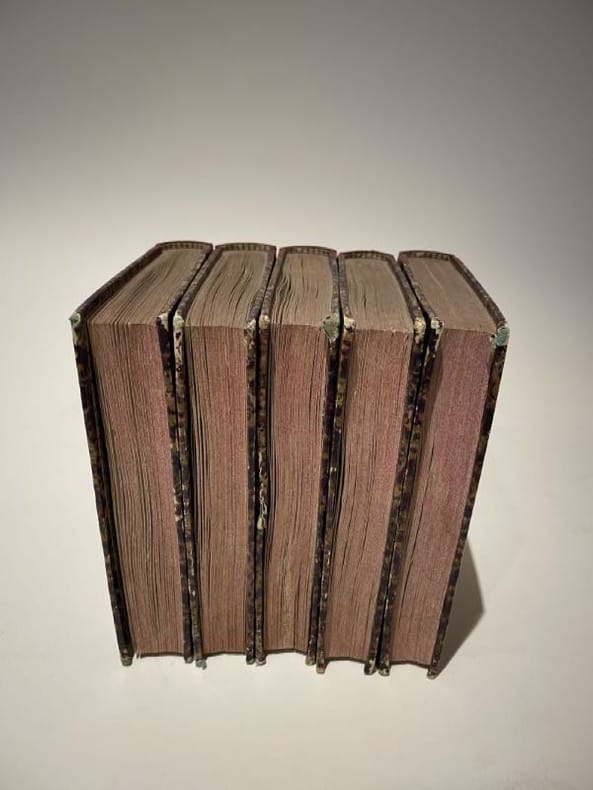
186094535Paris Imp. Napoléon Chaix et Cie 1860-1862 5 vol. reliés 124 livraisons reliées en 5 vol. in-16, demi-chagrin rouge, dos à nerfs, tranches mouchetées.Collection quasi-complète de cette publication illustrée de portraits photographiques au format carte de visite.De parution hebdomadaire, ces 124 livraisons sont toutes présentées sur le même modèle, avec une notice biographique de 4 pages rédigée par le publiciste Zacharias Dollingen et un portrait en pied réalisé dans l'atelier du photographe Eugène Disdéri (1819-1889), tiré sur papier albuminé et contrecollé sur papier fort. Ce procédé de tirage a été inventé en 1850 par Blanquart-Evrard. Il va supplanter le portrait en daguerréotype, surtout à partir de 1854, quand Disdéri dépose un brevet permettant la réalisation de huit clichés identiques sur la même plaque de verre, et donc un tirage huit fois moins cher.Quinze ans avant la célèbre "Galerie contemporaine", ce recueil offre un choix hétéroclite de personnalités, avec des portraits des membres de la famille impériale (dont Disdéri est devenu photographe officiel) : l'empereur et l'impératrice, la princesse Mathilde et même le prince héritier âgé de 5 ans ! Au rang des chefs d'État, on rencontre Abraham Lincoln, Lord Palmerston (d'après peinture), le comte de Cavour et Guillaume III des Pays-Bas. Puis de nombreuses figures de l'aristocratie et de la politique, comme Adolphe Crémieux, le comte de Morny, Émile de Girardin, le vicomte de la Guéronnière, Adolphe Thiers, le duc de Bassano, Guizot, etc. Des personnalités du monde des affaires (Ferdinand de Lesseps, James de Rothschild), de l'armée (maréchal Canrobert, amiral Hamelin, maréchal Mac-Mahon, prince Mikhaïl Gortchakov) et de l'Eglise (cardinal Antonelli, abbé Moigno), voisinent avec quelques peintres et écrivains, comme Rosa Bonheur, Cham, Ingres, Henry Monnier, Horace Vernet, ou Paul d'Ivoi, Alphonse Karr et Arsène Houssaye. Mais c'est le monde des spectacles qui est le mieux représenté, avec Giuseppe Verdi, Pauline Viardot, et une foule de comédiens des deux sexes aujourd'hui complètement oubliés...Le ton léger et humoristique des notices n'y trompe pas, cette Galerie des contemporains n'a d'autre vocation que publicitaire. Disdéri utilise les personnalités à la mode pour populariser son activité de photographe auprès de la bourgeoisie. Le temps d'une petite séance de pose, ces portraits en pied de vedettes déclinent les différents accessoires mis à la disposition des familles dans l'atelier du boulevard des Italiens, qui deviendra le plus grand studio de photographie de la capitale. Nous ignorons comment étaient diffusées ces livraisons hebdomadaires, mais leur réunion est des plus rares. Nous n'avons localisé qu'un seul exemplaire plus complet que le nôtre, celui de la BNF qui contient 128 livraisons et une page de titre générale. En très bonne condition.
186094535Paris Imp. Napoléon Chaix et Cie 1860-1862 5 vol. reliés 124 livraisons reliées en 5 vol. in-16, demi-chagrin rouge, dos à nerfs, tranches mouchetées.Collection quasi-complète de cette publication illustrée de portraits photographiques au format carte de visite.De parution hebdomadaire, ces 124 livraisons sont toutes présentées sur le même modèle, avec une notice biographique de 4 pages rédigée par le publiciste Zacharias Dollingen et un portrait en pied réalisé dans l'atelier du photographe Eugène Disdéri (1819-1889), tiré sur papier albuminé et contrecollé sur papier fort. Ce procédé de tirage a été inventé en 1850 par Blanquart-Evrard. Il va supplanter le portrait en daguerréotype, surtout à partir de 1854, quand Disdéri dépose un brevet permettant la réalisation de huit clichés identiques sur la même plaque de verre, et donc un tirage huit fois moins cher.Quinze ans avant la célèbre "Galerie contemporaine", ce recueil offre un choix hétéroclite de personnalités, avec des portraits des membres de la famille impériale (dont Disdéri est devenu photographe officiel) : l'empereur et l'impératrice, la princesse Mathilde et même le prince héritier âgé de 5 ans ! Au rang des chefs d'État, on rencontre Abraham Lincoln, Lord Palmerston (d'après peinture), le comte de Cavour et Guillaume III des Pays-Bas. Puis de nombreuses figures de l'aristocratie et de la politique, comme Adolphe Crémieux, le comte de Morny, Émile de Girardin, le vicomte de la Guéronnière, Adolphe Thiers, le duc de Bassano, Guizot, etc. Des personnalités du monde des affaires (Ferdinand de Lesseps, James de Rothschild), de l'armée (maréchal Canrobert, amiral Hamelin, maréchal Mac-Mahon, prince Mikhaïl Gortchakov) et de l'Eglise (cardinal Antonelli, abbé Moigno), voisinent avec quelques peintres et écrivains, comme Rosa Bonheur, Cham, Ingres, Henry Monnier, Horace Vernet, ou Paul d'Ivoi, Alphonse Karr et Arsène Houssaye. Mais c'est le monde des spectacles qui est le mieux représenté, avec Giuseppe Verdi, Pauline Viardot, et une foule de comédiens des deux sexes aujourd'hui complètement oubliés...Le ton léger et humoristique des notices n'y trompe pas, cette Galerie des contemporains n'a d'autre vocation que publicitaire. Disdéri utilise les personnalités à la mode pour populariser son activité de photographe auprès de la bourgeoisie. Le temps d'une petite séance de pose, ces portraits en pied de vedettes déclinent les différents accessoires mis à la disposition des familles dans l'atelier du boulevard des Italiens, qui deviendra le plus grand studio de photographie de la capitale. Nous ignorons comment étaient diffusées ces livraisons hebdomadaires, mais leur réunion est des plus rares. Nous n'avons localisé qu'un seul exemplaire plus complet que le nôtre, celui de la BNF qui contient 128 livraisons et une page de titre générale. En très bonne condition.
1375476Paris: 2004 Portofolio in folio (43 x 31 cm) de douze PHOTOGRAPHIES ORIGINALES éditées à VINGT EXEMPLAIRES signés et numérotés, estampillées au sceau de l'atelier, plus deux exemplaires "épreuves d'artistes", réalisé à l'occasion de l'exposition du même nom présenté au Musée royal de l'Afrique centrale de Tervuren (Belgique) en avril 2004. Exemplaire n° 11/20.
189087793Eugène Pirou | Paris s.d. (ca 1890) | 10.70 x 15.50 cm | une feuille
198135392Par l'auteur | s. l. 1981-1982 | 22 x 22 cm | une planche photographique
000501Photographic Image. Very Good. No Binding. 40 x 30 CM possibly 1910's or earlier photographic portrait of the last Ottoman chief rabbi Hakham bashi who was one of the most eminent rabbis in the Middle East. Chaim Haim Nahum Effendi 1872-1960 was a Jewish scholar jurist and linguist of the early 1900s. He was born in 1872 in Izmir. He was sent by his parents to a yeshiva in Tiberias after which he studied at a French lycée for his secondary education and obtained a degree in Islamic law in Istanbul. Thereafter he attended a rabbinical academy in Paris from which he received his semicha. At the same time he studied linguistics history and philosophy at the Sorbonne's school of oriental languages. Upon his return to Istanbul Nahum occupied various teaching positions including at the Turkish military academy. While there he became acquainted with many of the leaders of the Young Turk movement who gained power in 1908. In 1909 Nahum succeeded Moses Levi as Hakham Bashi or chief rabbi of the Ottoman Empire. During the peace negotiations following Turkish War of Independence that followed World War I Nahum was a member of the Turkish delegation that signed the Lausanne Treaty. For his services to the Turkish government he was given the title of efendi. In 1923 he received an invitation from Moise Cattaoui Pasha head of the Jewish community of Cairo to become chief rabbi of Egypt. He was appointed a Senator of Egypt's Legislative Assembly and was a founding member of the Royal Academy of the Arabic Language. Among his many scholarly works was a translation into French of all Ottoman firmans or edicts sent to the governors and rulers of Egypt by the Sublime Porte from the Turkish conquest of Egypt in 1517 until the late 1800s. From Egypt Rabbi Nahum was also active in international affairs establishing contacts between Jews throughout the world. Early in his rabbinical career he visited Ethiopia and convinced that the "Falashas " were Jews arranged to have a few brought to Egypt and educated there. He was also eager to foster future Jewish leadership and sent young men to study at the Sephardic Rabbinical Seminary located on the island of Rhodes which at that time belonged to Italy. Several of these former students are still pursuing active schorlary work to this day. Wikipedia and Dr. Victor Sanua. 0. unknown
2530P. Gauthier-Villars, 1869. Plaquette in-8 (23,5/15,5), 12 pages. Broché couverture imprimée.
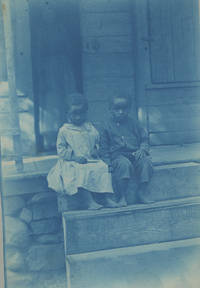
1880List1314Northern California 1880. 4to one album in burgundy cloth the other oblong brown pebbled cloth. Seventy-one sepia-toned and cyanotype photographs most measuring 6 ½ x 4 ½ inches. Near fine with some light wear to albums photographs very good or better with very good contrast some showing a hint of fading. A very early pair of vernacular photograph albums centering on the experiences of a wealthy family in San Francisco Monterey and the surrounding areas in the late 1880s. The bulk of the images show the family and their unidentified circle in domestic scenes with the vernacular architecture and landscapes of the Bay Area on full display. Other images show landmarks including Golden Gate Park the Francis Scott Key monument various views of the first Hotel del Monte in Monterey which would burn in 1887 dating the photographs to the period prior to the fire. The album also includes photographs of African American families. <br /> <br /> The image quality is generally quite strong and the photographer was either a professional assembling the album which includes many portraits of family and presumed friends for themselves or the work of a highly skilled amateur. The Initials on the front pastedown are “M.J.R.†though this could be a later owner. The albums were from the estate of the muralist Clara Fargo Thomas who was a resident of New York and could possibly have been from one of her family members though we are unable to glean much detail from the contents. The few annotations offer little clues one just reading “5/11/89 - Golden Gate Park†and another identifying a house as 509 Webster St. in San Francisco though the typical Victorian architecture and sloped street of the house suggest it could have just been a photograph of San Francisco’s unique architecture. <br /> <br /> The photographs of the people give insight into the lives of the new wealthy class of San Francisco residents of the late 19th century with others interestingly showing rural scenes and people. The photographer also had an eye for the flora of the region which is displayed throughout. It is unclear what the relationship of the African-American subjects was to the photographer and why they appear in the album. Overall a compelling group of images and the earliest example of vernacular photograph albums of California images we can find in the trade. unknown
1958D3695San Francisco and Honolulu 1958-1962. Fine. A Collection of 7 Typed Signed Letters from Ansel Adams to Nick Dean presented in three custom boxes as follows: Group of 5 Typed Letters Signed by Ansel Adams in custom box. Hawaii and California 1958. Five typed letters all of them signed by Ansel Adams with his handwritten corrections and asides. And too charming not to mention: Where letters have punch-holes for a 3-ring binder Adams doodles faces around the holes. Most are one page with text on both sides two are one page with text on the recto only. Dated 4 February 1958 to 7 July 1958 some are typed on Memos from Honolulu others on Adams' personal stationery imprinted with his San Francisco address. Adams covers the gamut -- from the personal to the professional from the highly technical to the more philosophical. He remarks on his readings Dylan Thomas and also writes "I am terribly worried about photography and my/our place in it. The MMA business under Steichen is a very depressing and destructive situation" but he also talks excitedly about film different types of cameras and darkroom chemistry and techniques. Includes an interesting list compiled by Adams for Dean of his nominations for an upcoming photography exhibition -- it offers 28 photographers 18 of which have little checkmarks in red ink next to them. Marginalia reveals the checkmarks to mean "AA choice -- Shhh!" Adams' passion for photography as well as the landscape are revealed again and again throughout. One aside: "All Washington is trembling with abject fear! I sent off a telegram in the form of a blast to the Secretaries of the Interior and Commerce and to the Director of the NPS on the Tenaya Lake desecration. The battle is joined! I could not take any more of it. Tell Rosy to get the locals ready for a big fight!" / Typed Letter Signed by Ansel Adams. San Francisco 1961. Three pages typed on the rectos only the first on Adams' personal stationery imprinted with his name San Francisco address and phone number and the last two on plain white paper. Signed by Adams with a few handwritten asides and corrections. A dense wonderful letter addressed "Dear Nick and Zabette." Adams talks about the construction of his house in Carmel "road entrance about 1500 feet down the road from Edward Weston's place." and his rough year "I have been low in imagination and only medium in health" but the tone is overwhelmingly introspective philosophical serious and kind. Adams discusses the state of Modern Photography and Art at length what he feels his early influences and "breaks" were and how to make a living at creative photography while staying enthusiastic and true to oneself. Compelling and touching. In fine condition housed in a lavish custom box cloth backed in green morocco with gilt-stamped lettering on spine. / Typed letter signed by Ansel Adams. California 1962. Two full pages typed letter signed "Ansel" with his handwritten corrections and asides dated March 17 1962. On Adams' personal stationery imprinted with his name address 24th Avenue San Francisco and phone number. Addressed "Dear Nick" Adams congratulates him on an upcoming exhibit discusses a Polaroid book cameras Type 49 Type 55 P/N the completion of his house in Carmel health and injuries or lack thereof a De Cordova exhibit and Nick's critique of it and then goes on to examine the state of photography "commercial photography is getting worse." and other photographers including Minor "Jerry" and Don Worth. Perhaps best of all Adams' thoughts on Art are interspersed throughout including but certainly not limited to "I am beginning to think that the trouble with Art is when it becomes Art!" A wonderful letter revealing both the personal and professional sides of a renowned American photographer. In fine condition housed in a blue cloth chemise with gilt-stamped leather spine label. / Overall a spectacular collection -- all letters are in fine condition housed in 3 lavish custom boxes one for each year 1958 1961 1962. For further details please send us an inquiry. <br/><br/> hardcover books
1958D3695San Francisco and Honolulu 1958-1962. Fine. A Collection of 7 Typed Signed Letters from Ansel Adams to Nick Dean presented in three custom boxes as follows: Group of 5 Typed Letters Signed by Ansel Adams in custom box. Hawaii and California 1958. Five typed letters all of them signed by Ansel Adams with his handwritten corrections and asides. And too charming not to mention: Where letters have punch-holes for a 3-ring binder Adams doodles faces around the holes. Most are one page with text on both sides two are one page with text on the recto only. Dated 4 February 1958 to 7 July 1958 some are typed on Memos from Honolulu others on Adams' personal stationery imprinted with his San Francisco address. Adams covers the gamut -- from the personal to the professional from the highly technical to the more philosophical. He remarks on his readings Dylan Thomas and also writes "I am terribly worried about photography and my/our place in it. The MMA business under Steichen is a very depressing and destructive situation" but he also talks excitedly about film different types of cameras and darkroom chemistry and techniques. Includes an interesting list compiled by Adams for Dean of his nominations for an upcoming photography exhibition -- it offers 28 photographers 18 of which have little checkmarks in red ink next to them. Marginalia reveals the checkmarks to mean "AA choice -- Shhh!" Adams' passion for photography as well as the landscape are revealed again and again throughout. One aside: "All Washington is trembling with abject fear! I sent off a telegram in the form of a blast to the Secretaries of the Interior and Commerce and to the Director of the NPS on the Tenaya Lake desecration. The battle is joined! I could not take any more of it. Tell Rosy to get the locals ready for a big fight!" / Typed Letter Signed by Ansel Adams. San Francisco 1961. Three pages typed on the rectos only the first on Adams' personal stationery imprinted with his name San Francisco address and phone number and the last two on plain white paper. Signed by Adams with a few handwritten asides and corrections. A dense wonderful letter addressed "Dear Nick and Zabette." Adams talks about the construction of his house in Carmel "road entrance about 1500 feet down the road from Edward Weston's place." and his rough year "I have been low in imagination and only medium in health" but the tone is overwhelmingly introspective philosophical serious and kind. Adams discusses the state of Modern Photography and Art at length what he feels his early influences and "breaks" were and how to make a living at creative photography while staying enthusiastic and true to oneself. Compelling and touching. In fine condition housed in a lavish custom box cloth backed in green morocco with gilt-stamped lettering on spine. / Typed letter signed by Ansel Adams. California 1962. Two full pages typed letter signed "Ansel" with his handwritten corrections and asides dated March 17 1962. On Adams' personal stationery imprinted with his name address 24th Avenue San Francisco and phone number. Addressed "Dear Nick" Adams congratulates him on an upcoming exhibit discusses a Polaroid book cameras Type 49 Type 55 P/N the completion of his house in Carmel health and injuries or lack thereof a De Cordova exhibit and Nick's critique of it and then goes on to examine the state of photography "commercial photography is getting worse." and other photographers including Minor "Jerry" and Don Worth. Perhaps best of all Adams' thoughts on Art are interspersed throughout including but certainly not limited to "I am beginning to think that the trouble with Art is when it becomes Art!" A wonderful letter revealing both the personal and professional sides of a renowned American photographer. In fine condition housed in a blue cloth chemise with gilt-stamped leather spine label. / Overall a spectacular collection -- all letters are in fine condition housed in 3 lavish custom boxes one for each year 1958 1961 1962. For further details please send us an inquiry. <br/><br/> hardcover
1910180618004Racine WI: W.D. Harney Photogravure Publisher 1910. Hardcover. Very Good. Edition de luxe single-volume probable first edition issued around the time of a nine-volume wrappered issue also "de luxe" according to the publisher with the slightly different title Art Work of Seattle and Western Washington but with the same photos. 77 leaves of photogravures with tissue guards plus leaves of text printed on rectos only with illustration on title page and photo on first page of text. Full leather with four raised spine bands ruled and lettered in gilt. About Very Good with leather rubbed along edges chipped at foot exposed tips with small corner tear to bottom front corner hinges a little taxed by heavy pages but holding a few tissue-guards torn and creased. An oversize volume featuring many beautiful Pacific Northwest photographs by Asahel Curtis brother of Edward Curtis. OCLC currently notes ten institutional copies of the two editions of this work stating this particular edition de luxe has "108 photogravures-- 83 credited to Asahel Curtis 4 credited to Walter Averett 1 each credited to Brent Gifford Grant Humes and A.H. Barnes and 10 uncredited. The photogravures are printed in various hues from sepia to grey and many have tints of blue and grey." Scarce in this format. W.D. Harney, Photogravure Publisher hardcover books
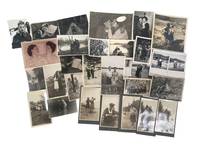
1930213351930. LGBTQ Lesbian Archive of 29 photographs ca. 1930s-1960s documents intimate companionship romantic affection and gender nonconformity among women in mid-twentieth-century America during decades marked by censorship employment discrimination and criminalization of homosexual conduct. The images preserve visual evidence of lesbian self-fashioning and relational life prior to organized lesbian liberation supporting research into private queer domesticity coded public affection and gender presentation within pre-Stonewall communities. The archive includes formal studio portraits candid outdoor scenes and staged domestic interiors capturing women embracing reclining together holding hands and gazing into one another's eyes. Particularly striking images include two women reclining in grass leaning in for a kiss; a couple embracing on a city sidewalk in confident public display; and a snow-covered ceremony scene in which one woman wears a tailored suit while the other appears in a white gown evoking marriage ritual symbolism.<br /> <br /> Archive of 29 black-and-white silver gelatin photographs. Circa 1930s-1960s. Sizes range from approximately 2.5 x 4 inches to 4 x 6 inches. Several images feature women in suits and ties juxtaposed with partners in dresses visually articulating butch-femme dynamics or broader gender fluidity. One 1940s photograph inscribed en verso reads "We'll dance at your wedding!" underscoring ceremonial and relational themes. Photographs vary between posed and candid compositions.<br /> <br /> Produced in an era when lesbian relationships were largely relegated to coded privacy the archive offers concentrated visual documentation of emotional intimacy and gender variance prior to second-wave feminism and gay liberation. Minor handling wear present; images remain crisp and well defined. Overall very good condition. A cohesive mid-century lesbian photographic record emphasizing affection partnership and gender presentation. unknown
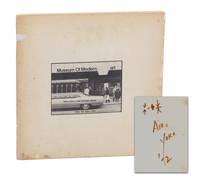
140944934New York: Yoko Ono 1971. First edition. First edition. Signed by Yoko Ono on colophon in brown marker with symbols inscribed Aiu Yoko '72." Unpaginated. Bound in publisher's wraps. Page 5 stamped "Copyright 1972 by Yoko Ono." Good with chip to front wrap archival tissue repair to that chip and along fore edge of front wrap; wraps toned with age and lightly stained dampstain running along bottom edge margin. Four names filled-in by former owner under "Fly Record" with purple marker. <p>A self-published catalogue for a nonexistent exhibition of the Japanese-born conceptual artist's work at the prestigious Museum of Modern Art. Consists of a series of b/w photographs identifying different flies spotted around New York formatted as postcards all of which are present.Arrows point out the alleged location of the miniscule insects in scenes of New York life. Photo of John Lennon by Ono included. Rare especially signed. Yoko Ono unknown
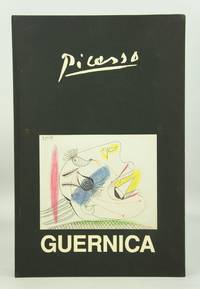
073928New York: Harry N. Abrams Inc. Publishers 1990. Facsimile Mounted Prints in Clamshell Case. Near Fine. Very Large Folio: . Pablo Picasso. This edition which reunites for the first time the preliminary studies on paper that Picasso made for Guernica was printed on April 18 1990 by Akademische Druck-u Verlagsanstalt in Graz Austria. Forty-two color reproductions of select art from Pablo Picasso's work mounted in thirty-one carton mats all present. Housed in a large clamshell case in black with white lettering and color illustration of another facsimile of Picasso's works on paper affixed. Title is from enclosed booklet cover which contains forty-five numbered detailed studies of each piece of art along with the story of the Genesis of Guernica with artistic analysis. Booklet contains many smaller reproductive images of Picasso's works as well. Booklet is 20 pp. Artwork included is mounted as two-pieces per mount and as one piece per mount. Mounts with art measure 23.75" tall x almost 15.75" wide respectively as does the accompanying booklet. Large clamshell case measures 24.75" tall x 16.25" wide x 3" thick. <br><br>CONDITION: All mounted plates are fine. Facsimile art is vivid and striking. Laid in text booklet and clamshell case are VG. Booklet shows moderate wrinkling and some leaves have split along the side of the spine fold at the foot about a third of the way up yet does not badly compromise the booklet's integrity. Case shows indentation along the front spine indicating a heavy book had once been placed on top. Light fading and some soiling on case with a 1/2 inch chip at the head of the back of the clamshell box. Even so this collection is stunning and the art pieces are magnificent. At over 18 lbs. due to this item's size and weight an additional shipping charge will apply and will be delivered with signature required. Full refund if not satisfied. <br><br>EXCERPTS FROM THE BOOKLET: "Few names are as evocative as that of Guernica. The ruthless bombardment of this small Basque town a regional capital and ancient pilgrimage site became one of the blackest and bloodiest spots in the history of the twentieth century. Today it no longer represents only the massacre of a civilian population and a point of no return in the rise of Fascism: Picasso's painting gave to the name of Guernica the scope of a universal symbol that expresses the barbarism of modern warfare. After its militant exhibitions in 1937 Paris and 1939 New York its long exile and its final arrival in Madrid this 'living legend' is displayed behind bulletproof glass in the Cason del Buen Retiro of the Prado Museum. .<br><br>Picasso executed forty-five sketches between May 1 and June 4 1937 some of which stand on their own as complete drawings. They included six compositional studies four studies of the horse one of the bull one of the horse and bull alone ten of heads of the horse and bull ten studies of female heads six of the woman with a dead child one of the horse and the woman with the child three heads of dead warriors a study of a man with raised arms and two studies of hands. He used a variety of mediums: pencil india ink gouache and oils; and supports: white blue and brown paper plywood and canvas.<br><br>These studies are not only extraordinary drawings in their own right but they also show the different states of mind through with Picasso passed as he was working on the painting. They are like a seismograph of his thoughts and feelings and so they permit us to understand what he really wanted to paint in Guernica. <br><br>A study of these sketches reveals the progress of the artist at work - his hesitations his searching the choices he made. They show the slow formation of the images the maturation of the initial idea the successive contributions the departures; in short Picasso's way of working and as such they constitute the laboratory of Guernica. Harry N. Abrams, Inc., Publishers unknown
192516469Scranton PA ca. 1925. 675 gelatin silver photographs measuring 3.25” x 4” approx. depicting lace samples against a black background item numbers pinned to lace. Some curling else generally fine. Plus 140 lace sample cyanotypes measuring 4.75” x 3” approx. Generally very good. Plus 31 additional images in black-and-white: eight 15” x 12” approx. others various smaller sizes. With: faux-leather album measuring 13” x 11” approx. and titled “THE SCRANTON LACE COMPANY / Corner Glenn Street and Meylert Avenue” on paper label to front cover. Interior marked “curtains/table coverings book no. 3.” Contains 273 images of various sizes cyanotype and gelatin silver mounted on black paper some captioned with names of product lines. Plus: two invoices for yarn and other textiles. Joints and edges worn several pages detached. Contents generally fine. <br/><br/>A sizable archive of over 1150 images from the Scranton Lace Company a major manufacturer that operated from 1890 to 2002 consisting of samples used in home decor — primarily window treatments and table linens -— likely photographed for internal purposes. Composed mainly of product sample photographs including images of intricate lace patterns against a dark background and with inventory numbers pinned to the sample. Several enlargements of full table cloths and settings also included with those mounted in the album cut — with striking effect — to create the illusion of a three-dimensional perspective. More than 200 of the images are cyanotypes which are notoriously fugitive to light and are here uncommonly well-preserved. The company was a leading producer of decorative lace throughout the 1900s. Notably the invoices and marginalia indicate at least some of these styles were made from Rayon which had only debuted commercially in the U.S. in 1924. Also noteworthy firm designer Hugh Rodham likely responsible for many of the patterns pictured here is the grandfather of Hillary Clinton. The bulk of the company’s extant archives are held by two regional museums: Pennsylvania Anthracite Heritage and The Waverly Community House. A comprehensive representation of period lace styles ranging from traditional to contemporary and art-deco patterns all rendered in exquisite detail. We will note for purely self-serving reasons that two small lots of about 50 photos — both of a similar nature and from the same company — made more than $1000 each at the 2015 Swann vernacular photo auction. hardcover books
193019955Leicester UK: Cascelloid ca. 1930s. Very good . Oblong 4to. album. Blue leather-covered boards. Contains 29 color photographs all 9" by 6.5" approx. mounted on rectos one each of light-gray cardboard leaves. About very good plus overall. Moderate rubbing and edgewear to boards. Several pages display mild soiling and offsetting from photos. Prints just a bit yellowed but remain sharp vivid and clean. <br/><br/>Beautifully-produced trade catalogue from the Cascelloid "Palitoy" company displaying a wide range of baby dolls and other toys. Several uncomfortable designs of black children with pitch-dark skin date this catalogue at roughly the 1930s when the Cascelloid company was dubbed the "House of Constant Progress" by the industry press for its material innovations with the plastics Bexoid and Plastex. One page features a celluoid model by the noted designer Mary Lucie Attwell a doll named "Diddums." The catalogue also displays the company's offerings of animal dolls die-cast trucks pool toys golf and ping-pong sets rattles pinwheels and more. Needless to say color photography was not the norm at this time and this catalogue comprises a beautiful set of vivid and sharp photographic prints. A truly exceptional example unlike anything we've seen: simultaneously surreal and nostalgic. [Cascelloid] hardcover books
186129188Cape Town: Saul Solomon 1861. Quarto. xii 180 pp. plus photographically illustrated titlepage and sixteen mounted albumen photographs. Modern three-quarter calf and marbled boards spine gilt with leather label. Light scattered foxing occasional faint offsetting from images. Photographs generally clean. Very good.<br/> <br/>With some of the earliest photographic images from South Africa with a striking portrait of a Basuto Chief.<br/> <br/>An early photographically illustrated book and the first such book printed on the African continent. The volume was made to commemorate the visit of Alfred Duke of Saxe-Coburg and Gotha one of Queen Victoria's sons. The book was designed to showcase the colony which had hitherto been viewed in a less than positive light by the general British public. Prince Alfred was well-received by the colonists in South Africa and the volume contains many positive facts about the colony's usefulness to the British Empire. The book includes seventeen images by photographer Joseph Kirkman who was active in South Africa from 1859 to 1870. Some of the images in this volume are photographs of drawings or other artwork but others do capture live scenes along the Prince's route including a grand portrait of the African chief Moshesh and his advisors. The chief is pictured seated in the center of the image dressed in a top hat and suit holding a cane. The man seated next to him glowers at the camera and is draped in an animal pelt and holds a spear. Four men all in Western dress stand arrayed behind them. The images taken from life during the Prince's progress are as follows: Untitled image on the titlepage showing several men next to a rail car full of large rocks. In 1860 Kirkman and Frederick York were employed by the Government and the Harbour Board to photograph the tilting of the first truck of stone off the Breakwater by Prince Alfred. This is presumably an image from that scene. Graham's Town from the West The Reception of the Prince by a Burgher Escort near Queenstown The Prince's Interview with the Tambookies Moshesh and His Counsellors The Prince and His First Wildebeeste The Prince's Travelling Equipage A rare and interesting work and notable for being the first photographically illustrated book produced in Africa.<br/> <br/>Not in The Truthful Lens. Saul Solomon unknown books