48 402 résultats
19160002177BUDAPEST HUNGARY EASTERN EUROPE. Good. 1916. On offer is a fascinating significant 1916 manuscript relic of World War I being the personal diary of Louis Goeth Dreyfus Jr. 1889-1973 an American diplomat in Budapest during the time of World War I when the city was central to and at one of the most critical junctures of history. While the book is not inscribed or signed we note the author's identity is revealed on September 22nd: "Rainy morning. Didn't go to office until 11 A.M. Mr. Coffin shows me a telegram from the Dep't saying Mr. Dreyfus be spared for a month to take charge at Sofia during Consul General Murphy's absence for illness. Mr. Coffin again showed his selfish instincts by so far as possible injuring my chances of going. He replied that he cannot spare Dreyfus until Oct. tenth." The 285 page book has handwritten entries dated from January 1st through October 11th 1916 at the peak of the first World War and as the denouement of the Austro Hungarian empire was approaching our author from his singularly unique perspective noted and described his daily life especially at the consulate detailing the status of the wartime situation in Austria-Hungary with it's neighbors close and far his meeting and dining with other Consuls learning to speak Hungarian playing tennis and billiards and looking at pretty women. Only 27 and well into the beginnings of a rich and successful career his entries show a savvy observer in Dreyfus from a unique perspective notes the status of the war progress or stalemates and many tart observations on Kitchener Sir Edward Grey and others. He is sometimes critical of William Coffin the Consul General. He travels to Vienna and various places in Hungary occasionally with Coffin but often with Donald M. Ingram the Vice Consul and usually his constant companion. Dreyfus contemplated leaving the diplomatic corps but was appointed Consul Class VIII on 16 July 1916. Here is a snippet from beginning which exemplifies this young man's well written narrative: "For several years back mother has been urging me keep a diary to record the interesting events of every day. I must now admit that such an outline of my activities in Peru and especially at Quibdo in the Jungle of Colombia and at Berlin where I was in charge of the Consulate General at the outbreak of the European war would in later years afford very pleasant reading. It is true that there are many occurrences in my work which are of such a nature that for political reasons it is necessary to leave them unrecorded. For example the Ancona matter has at last been adjusted by the satisfactory reply of the Government at Vienna published on December 31st. The excitement and uncertainty to which we have been subjected the instructions of the Government in the matter and many other details could not be entered in my diary unless it were best kept in the office safe." The 6½ x 4¼ inch diary ends October 11th when Dreyfus leaves for Sofia Bulgaria. The black cloth 'Naplo Agenda' diary with Hungarian language monthly names pencil still attached is overall VG. BIO NOTES: Louis Goeth Dreyfus Jr.was born in Santa Barbara California on 23 November 1889. U.S. Consul in Budapest 1914; U.S. Vice Consul in Budapest 1916; Paris 1919; Palermo 1920-21; Dresden1925; U.S. Consul General in Copenhagen 1932; U.S. Minister to Iran 1939-44; Afghanistan 1940-42; Iceland 1944-46; Sweden 1946-47; U.S. Ambassador to Afghanistan 1949-51. Episcopalian. He was author of Market for cotton yarns in Germany 1925 and Buenavista beautiful residential park Santa Barbara California 1930. He made a bequest to Yale University to fund fellowships for Yale graduate and undergraduate students who are children and grandchildren of U.S. Foreign Service Officers.; Manuscript; 16mo - over 5¾" - 6¾" tall; KEYWORDS: HISTORY OF LOUIS GOETH DREYFUS JR. AMERICAN DIPLOMAT BUDAPEST HUNGARIAN HUNGARY ANCONA AUSTRO-HUNGARIAN EMPIRE AUSTRIA-HUNGARY BUDA-PESTH BUDAPESTH YALE UNIVERSITY YALIE YALE ALUMNUS U.S. FOREIGN SERVICE WORLD WAR I WW1 WWI THE WAR TO END ALL WARS CENTRAL EUROPE ACTIVE SERVICE AMERICANA HANDWRITTEN MANUSCRIPT AUTOGRAPHED AUTHORS DOCUMENT LETTER AUTOGRAPH KEEPSAKE WRITER HAND WRITTEN DOCUMENTS SIGNED LETTERS MANUSCRIPTS HISTORICAL HOLOGRAPH WRITERS AUTOGRAPHS PERSONAL MEMOIR MEMORIAL PERSONAL HISTORY ARCHIVE DIARY DIARIES JOURNAL LOG PRIMARY SOURCE FIRST HAND ACCOUNT SOCIAL HISTORY PERSONAL STORIES LIVING HISTORY ANTIQUITÉ CONTRAT VÉLIN DOCUMENT MANUSCRIT PAPIER ANTIKE BRIEF PERGAMENT DOKUMENT MANUSKRIPT PAPIER OGGETTO D'ANTIQUARIATO ATTO VELINA DOCUMENTO MANOSCRITTO CARTA ANTIGÜEDAD HECHO VITELA DOCUMENTO MANUSCRITO PAPELBIOGRAPHY BIOGRAPHICAL AUTOBIOGRAPHICAL AUTOBIOGRAPHY PERSONAL NARRATIVES . hardcover
17800002304France. Good. 1780. Leather Spine. On offer is a superb original late 18th Century French language manuscript mathematics book with approximately 100 pages of handwritten questions theories responses and other complex mathematical and geometric forms and equations being what appears to be an advanced student of the subject's personal workbook. An ownership inscription of 'P. Reynaud' and his same signature after most entries all in a very fine precise and sometimes teeny hand writing illustrated throughout by graphs and geometric forms. We surmise the book was being prepared for final submission to their professor though not done given the title page was stopped with only the three letters: "GEO " The book proper a quality book with marbleized boards and leather spine cap has about 200 pages of which half were used and very well filled. While undated we believe the book is undoubtedly late 18th Century given the paper ink and binding all appropriate to that era. The 10 x 8 inch book has a small puncture to the leather on the rear cover but is overall G.; Manuscript; 8vo - over 7¾" - 9¾" tall; KEYWORDS: HISTORY OF P. REYNAUD GEOMETRICAL GEOMETRY PHYSICS MATHEMATICS ALGEBRA NUMBERS SCIENCE 18TH CENTURY HANDSCHRIFTEN GEOMETRISCHEN FORMEN ERLÄUTERUNGEN FORMES GÉOMÉTRIQUES ET EXPLICATIONS CALCULUS STATISTICS SCIENTIFIC NOTATIONS MATHEMATICAL EQUATIONS CYPHERING TRIGONOMETRY ARITHMETIC CIPHERING CYPHERING MATHEMATICAL COMPLEX MATHEMATICS COMPLEX EQUATIONS SCIENTIFIC NOTATIONS HANDWRITTEN MANUSCRIPT AUTOGRAPHED AUTHORS AUTOGRAPH HAND WRITTEN MANUSCRIPTS HISTORICAL HOLOGRAPH WRITERS AUTOGRAPHS ANTIQUITÉ CONTRAT VÉLIN DOCUMENT MANUSCRIT PAPIER ANTIKE BRIEF PERGAMENT DOKUMENT MANUSKRIPT PAPIER OGGETTO D'ANTIQUARIATO ATTO VELINA DOCUMENTO MANOSCRITTO CARTA ANTIGÜEDAD HECHO VITELA DOCUMENTO MANUSCRITO PAPELBIOGRAPHY BIOGRAPHICAL AUTOBIOGRAPHICAL AUTOBIOGRAPHY PERSONAL NARRATIVES . hardcover
18930002122CROTON-ON-HUDSON WESTCHESTER COUNTY NEW YORK. Good. 1893. On offer is a super original manuscript relic of late 19th Century secret societies and fraternal organizations being an 1893 - 1895 IMPROVED ORDER OF RED MEN TRIBES Minutes Book. The book proper published specifically for the Club has printed forms for the IMPROVED ORDER OF RED MEN TRIBES. Pages on the left side of the open ledger have a Printed Heading with space for filling in information by hand. The page heading reads: "HUNTING GROUNDS OF" "WIGWAM OF" "TRIBE NO" "IMP. O.R.M." "SLEEP" and "MOON G.S.D.4" then below the heading information is printed information for the TRIBE to record Minutes Activities Events the INITIATION OF NEW MEMBERS etc. Includes such titles as: "Keeper of Wampum" "Application of Paleface" "Record of Previous Council Fire read" "Twig box was opened by" "New Business" "Council Fire was then Quenched" etc. Almost all pages are filled in with various handwritten minutes and notes about the REDMEN meetings including dates 1893-1895 place Croton-on-Hudson New York events New Member Induction Bill needing Payment Committee Reports Problem members General Problems Plans Political Stands etc. Pinned-on to one of the pages is a 2 page handwritten letter on "Improved Order of Red Men Wigwam of Kitchawau Tribe No. 237" letterhead. We cannot help but note that this book and the Society it represents predates the Washington Redskins baseball team controversy declaring the team name racist yet this fraternal organization clearly honors Native Americans and stands as an homage to their tribal attributes. Please read the Wiki article after the description. The ledger is also a treasure trove of genealogical and social history of the Westchester County area with many many names of members and their activities. The book has a leather spine and corners leather edged with gilt paper title label on front cover 8.5" x 13.5" pages printed on watermarked paper "Kenilworth" approximately 200-300 unnumbered pages. The front cover is split at its spine fold and is almost disbound. Internally a couple signatures including the first are shaky; one page is loose and is pinned-on to another page otherwise the pages are quite nice - tight bright and clean with writing that is clear and fully legible. HISTORICAL NOTES: Wiki: The Improved Order of Red Men traces its origin to certain secret patriotic societies founded before the American Revolution. They were established to promote Liberty and to defy the tyranny of the English Crown. Among the early groups were: The Sons of Liberty the Sons of St. Tammany and later the Society of Red Men. Their rituals and regalia are modeled after those used by Native Americans. The organization claimed a membership of about half a million in 1935 but has declined to less than 38000. Notable members: Theodore Roosevelt Warren G. Harding and Franklin D. Roosevelt. ; Manuscript; Folio - over 12" - 15" tall; KEYWORDS: HISTORY OF RED MEN FRATERNITY IMPROVED ORDER OF THE RED MEN KITCHAWAU TRIBE CROTON-ON-HUDSON WESTCHESTER COUNTY NEW YORK WASHINGTON REDSKINS SECRET PATRIOTIC SOCIETIES AMERICAN REVOLUTION THE SONS OF LIBERTY THE SONS OF ST. TAMMANY THE SOCIETY OF RED MEN DEGREE OF POCAHONTAS KNIGHTS OF PYTHIAS FRATERNAL ORGANIZATIONS SOCIETIES BROTHERHOODS SECRET SOCIETIES MOUND CITY LODGE PYTHIAN CASTLES PYTHIAN SISTERS DRAMATIC ORDER KNIGHTS OF KHORASSAN THE NOMADS OF AVRUDAKA PYTHIAN SUNSHINE GIRLS AND THE JUNIOR ORDER ORDER OF THE EASTERN STAR HALF CENTURY MATRONS CLUB PRINCE HALL AFFILIATION SISTERHOODS RELIGION AOKMC THE ANCIENT ORDER OF KNIGHTS OF THE MYSTIC CHAIN MASONS MASONIC FREEMASONS CHIVALRY ARCANE OCCULT AMERICANA HANDWRITTEN MANUSCRIPT AUTOGRAPHED AUTHORS DOCUMENT LETTER AUTOGRAPH KEEPSAKE WRITER HAND WRITTEN DOCUMENTS SIGNED LETTERS MANUSCRIPTS HISTORICAL HOLOGRAPH WRITERS AUTOGRAPHS PERSONAL MEMOIR MEMORIAL PERSONAL HISTORY ARCHIVE DIARY DIARIES JOURNAL LOG PRIMARY SOURCE FIRST HAND ACCOUNT SOCIAL HISTORY PERSONAL STORIES LIVING HISTORY ANTIQUITÉ CONTRAT VÉLIN DOCUMENT MANUSCRIT PAPIER ANTIKE BRIEF PERGAMENT DOKUMENT MANUSKRIPT PAPIER OGGETTO D'ANTIQUARIATO ATTO VELINA DOCUMENTO MANOSCRITTO CARTA ANTIGÜEDAD HECHO VITELA DOCUMENTO MANUSCRITO PAPEL . hardcover
19360008193HAIFA ISRAEL. Good. 1936. On offer is a notebook and diary In Hebrew authored by Ruth Aschner a daughter of German refugees who came to Israel in mid-1930s. The notebook measures 81' x 62' contains 138 pages and is 90% complete. The pages are slightly yellowed and there are some scribbles on the cover and some pages but otherwise the condition is good and the handwriting is very legible. On the 41st page there is text: "General notebook of Ruth Aschner Carmel Mountain Ben-Zion Neighborhood Aschner House" followed by a record dated 1937 with rules of a ball game rules. Though cursory search did not reveal much information it is clear from the context that the family came to Mandatory Palestine in mid-1930s at the time Ruth was writing her diary she was between 11 -14 years old her father worked at "Migdal" most likely Migdal insurance company - Ruth writes about his trips to Jerusalem on business and in one of the entries writes that someone broke into his car and stole his work documents "acts" "everything collected during the months of work in MIgdal". The first 80 pages are school notes including conjugation tables reading and grammar rules with explanations in German writing practice in Hebrew riddles and jokes lists of books a list of about 140 pictures from Degel cigarette packs Kedem tobacco company a list of students with their birthdays and more. The most interesting part is 46 pages titled "Private Diary belonging to Ruth Aschner from September 1940 to the end of May 1941". The entries vary in length there are usually 3 to 5 entries on each page but there are some that take more than one page. It could be a typical description of everyday life of a school girl but almost every entry includes details reflecting the most tragic and turbulent time in the 20th century history. She writes about Italian bombings of Haifa SS Patria disaster Yugoslavia Coup d'Etat death of Greek Prime Minister Metaxas. The very first entry starts with description of a bombing: "In the afternoon the Rozens came to visit us suddenly there was an attack the siren did not work all the bombs fell into the sea. Then we went to a dressmaker that is making a dress and a school skirt for me. Yehudit Ben-Zion and her family moved to another apartment not close." Sept. 6 1940. Italian bombings of Mandatory Palestine during WW2 were targeting ports and refineries in Palestine primarily Haifa and Tel-Aviv. Haifa was hit many times since June 1940 the bombings continued until June 1941 and so does her diary - along with describing bombings sirens hiding in shelter she writes about weather school trips scout activities music lessons entertainment: "In the afternoon I have a music lesson. In the morning Yehudit came here . For dinner I made salad - tomatoes with salt onion oil and vinegar. At 2.30 p.m. there was an attack again we ran to the bomb shelter the bombs fell near the "refinery" the siren was late as usually. At 7.10 there was an attack I was at Dalia's .The news are not clear. ". Sept. 8 1940; "In the morning at 8.45 the siren sounded - we ran to the shelter I was still in pajamas.I helped mother later I will go to the shoemaker.there have been 5 attacks already and in all of them tanks were burning. Together with those that I mentioned there were 8. At 2.10 the siren sounded again and we ran to the shelter . did not hear anything.then I was in the middle of dishwashing. Then there was another attack at 2.30 we did not hear anything ran to the shelter then after all-clear signal we went up. In the evening I will go to the dressmaker to try clothes on. Two letters came today one from England one from America. At 5 in the evening there was another attack and we ran to the shelter again. It makes you crazy - 4 times during the day.terrible. . Dad Harry and Paula will go to the cinema to see "Verdi" in the evening ." Sept.9 1940. On that day there were no casualties in Haifa but 147 people were killed in Tel-Aviv about which she writes 3 days later: "On 9.9 there was a bombing in Tel-Aviv about 120 people were killed 100 of them Jewish. Jews were destroyed and injured at their homes. Enemy airplanes were flying low after the event the siren sounded." In November another tragic event happens this time in Haifa: "Several days ago there arrived a ship with refugees from Germany and occupied countries she has been in the port for a week already and the English do not allow them to get off . There are some people we know like Epstein and other.". In November three ships with over 3600 Jewish refugees arrived in Haifa but the British refused their entry and the passengers were transferred to another ship SS Patria. Yishuv leaders organized a general strike but it had little effect: "19.11 40: today there is a strike at 12:00 until midnight because they do not want to allow people to get off from the ship ." On November 25 overloaded SS Patria sank because of the explosion: "25.11. Disaster happened.The ship Patria sank. Do not know why it happened. They say that it exploded but it is only rumours. People did not drown but 30 were injured and transported to Hadassah. The others are sitting in the port without clothes so we organized into groups and stations and collected clothes and blankets for the refugees." Unfortunately she was wrong - over two hundred and seventy people drowned 172 were injured. As it became known many years later the explosion was organized by Haganah members as an attempt to prevent the ship from leaving the port but they miscalculated the size of explosion. She also writes about political news from Europe there is a part titled "politics" in some of her entries - usually it is a newspaper clipping accompanied by her comments: "I think that instead of writing what I think is right it would be better to take pieces from newspaper in newspapers they know politics better than I do". The clippings include an article about death of Greek Prime-minister Ioannis Metaxas a headline about certificates issued to Jewish refugees and an article about Belgrade Coup D'Etat of March 27 1941 that replaced pro-Nazi government with young King Peter II opposing to Nazi Germany: "Big revolution in Yugoslavia. Regent Paul left the young King Peter 17.5 years old came to power against Hitler and the old Prime-minister was arrested because he wanted to support Hitler Peter is a "terribly" nice boy he immediately became loved I like him very much. 17 year old boy and the king very very unusual." Apr. 3 1941. She writes about events important for the Jewish community in Palestine like a few lines about Henrietta Szold birthday and about the death of Dov Hoz Labor Zionist leader in a car accident. Her diary is a great evidence of what life for Jewish refugees was like in pre-state Israel. She mentions many movies and performances they saw: "I went with the parents now to "Matate" - "Lights in darkness" and will come back in the evening." "Matate" was a satirical theatre established in 1928. There are several detailed descriptions of her trips with Tzofim Jewish scouts to Tiberias Hurshat Ha'arbaim Kibbutz Yagur and Druz village Isfiya as well as of small family trips to Jerusalem. She writes about her friends and family birthdays and even gives the recipe of a chocolate fish she made for her father. This is an excellent document of life in Mandatory Palestine during the first years of the Second World War. It contains references to many historical events as seen by a young girl and provides valuable information for local historians and genealogists including names of local residents Aschner family and friends students and teachers from Ruth's school and Tzofim movement many with their birthdays. It also contains information about cultural events in the city and school program and activities.; Manuscript; 8vo - over 7¾" - 9¾" tall; KEYWORDS: HISTORY OF; 1940s; 20TH CENTURY; WW2 SECOND WORLD WAR; ITALIAN BOMBINGS OF HAIFA; HAIFA REFINERY BOMBINGS; LIFE OF JEWISH IMMIGRANTS IN PRE-STATE ISRAEL; MANDATORY PALESTINE; ISRAEL; PRE-STATE ISRAEL; JEWISH REFUGEES IN MANDATORY PALESTINE; REFUGEES FROM NAZI GERMANY; HEBREW SCHOOLS IN MANDATORY PALESTINE; "MATATE" SATIRICAL THEATRE; READING PATTERNS OF JEWISH YOUTHS IN PRE-STATE ISRAEL; PATRIA DISASTER; HURSHAT HA'ARBAIM; BEN-ZION NEIGHBORHOOD HAIFA; SCHOOL TRIPS IN MANDATORY PALESTINE; ISFIYA; MOUNT CARMEL; YAGUR; YUGOSLAV COUP D'ETAT KING PETER II OF YUGOSLAVIA; IOANNIS METAXAS; HAR CARMEL WATER TOWER; CARMEL MOUNTAIN; TZOFIM; HEBREW SCOUTS MOVEMENT; JEWISH YOUTH MOVEMENT; MIGDAL COMPANY; DOV HOZ; JEWISH YOUTH IN MANDATORY PALESTINE; IMMIGRATION TO PRE-STATE ISRAEL; FIFTH ALIYAH; FIFTH WAVE OF IMMIGRATION TO ISRAEL; YISHUV; HANDWRITTEN MANUSCRIPT DOCUMENT LETTER AUTOGRAPH WRITER HAND WRITTEN DOCUMENTS SIGNED LETTERS MANUSCRIPTS DIARY DIARIES JOURNALS PERSONAL HISTORY SOCIAL HISTORY HISTORICAL HOLOGRAPH WRITERS AUTOGRAPHS PERSONAL MEMOIR MEMORIAL ANTIQUITÉ CONTRAT VÉLIN DOCUMENT MANUSCRIT PAPIER ANTIKE BRIEF PERGAMENT DOKUMENT MANUSKRIPT PAPIER OGGETTO D'ANTIQUARIATO ATTO VELINA DOCUMENTO MANOSCRITTO CARTA ANTIGÜEDAD HECHO VITELA DOCUMENTO MANUSCRITO PAPEL . hardcover
19430008175ENGLAND - MEDITERRANEAN. Fair. 1943. On offer is a most unique and rare collection of notebooks detailing the adventures of an RAF squadron in WWII. The collection consists of 6 notebooks containing a total of about 300 pages. It is 100% complete. The notebooks measure 8 inches by 5 inches. They are flip-top design and several of them have damage to the spines. Many pages are loose but all are present. The handwriting is legible. The author of the journals is unknown. Entitled The Fortunes And Misfortunes Of No. 284 Squadron the volumes follow the squadron from shortly after it was stood up in May 1943 until it was stood down in Sept 1945 and then the demobilization process ending in May 194 when he was discharged. 284 Squadron was an Air Search & Rescue squadron formed at Gravesend on 7 May 1943 from various detachments of other ASR squadrons. 284 was then transferred to the Mediterranean. Leaving in June it arrived at Hal Far in Malta in July and immediately began operations with its Walrus amphibious planes. In August. the aircraft moved to Sicily. In September the squadron relocated to Southern Italy although it continued to operate around Sicily until November. It also covered the seas around Sardinia Tunisia and the southern coast of France. Vickers Warwicks a much larger plane were added to the squadron in March 1944 The following September the Walruses were transferred to No 293 Squadron but 284 received Hurricanes in their place. The squadron disbanded in Corsica on 21 September 1945. The squadron reformed on 15 October 1956 at Nicosia in Cyprus. The squadron was disbanded in 1959 when it was re-numbered No 103 Squadron. He keeps a daily record of what is happening in the squadron noting weather administrative and personal details and actions against the enemy. ". this afternoon just before tea time Jerry was out. The guns blazed away and he cleared off dropping nothing. " Dec 2 1943; "A horrible day until just before tea time when it cleared up. We had given up all hope of the Hudsons arriving but they lobbed in just after tea and we take off tomorrow at approx. Nine. ." Mar 13 1944. The Lockheed Hudson was an American-built light bomber and coastal reconnaissance aircraft built for the Royal Air Force. ". Received another batch of mail including a marvellous letter from my darling. . Saw a Beau crash on landing The Bristol Beaufighter was a heavily armed night fighter and anti-shipping strike aircraft . just before tea and without any warning all the guns blazed away including a destroyer in the harbour. A Jerry was now in the clouds. The din was terrific and there was no time to reach our so we stayed indoors and watched guns on all sides blazing away. It was all over in a few minutes and Jerry made off without dropping anything." Nov 25 1943. His last entry is May 18 1946: "Great day. Through the demob machine and finished by 12 o'clock . Across to Waterloo and caught the 6 pm to home. Arrived home at 10:15 pm when the person I love but was waiting at the station for me. My wife." May 18 1946. For a historian this is a fabulous collection. It follows not only the career of an RAF pilot but also his squadron through the most intense years of the war. It is rich in details. A military historian would find this an excellent corroboration of the movement of other units. It paints a picture of both a constant operational tempo and the day-to-day experiences of this young Englishman at war. A reader will see both the war unfolding on his pages and the very human experiences he went through.; Manuscript; 8vo - over 7¾" - 9¾" tall; KEYWORDS: HISTORY OF 20TH CENTURY; 1940S; WW2; SECOND WORLD WAR; 284 SQUADRON; RAF; AIR SEARCH AND RESCUE; WALRUS AMPHIBIOUS PLANE; VICKERS WARWICK; BRISTOL BEAUFIGHTER; HURRICANE; MILITARY HISTORY; BRITISH AIR FORCE IN THE WW2; AMPHIBIOUS PLANES IN THE WW2; MILITARY UNITS AND FORMATIONS ESTABLISHED IN 1943; ROYAL AIR FORCE AIRCRAFT SQUADRONS; MEDITERRANEAN THEATER OF WAR; ITALIAN CAMPAIGN WW2; BRITISH AIRCRAFT DURING WW2; AVIATION HISTORY; TWIN-ENGINED AIRCRAFTS IN THE WW2; SINGLE-ENGINED AIRCRAFT IN THE WW2; BRITAIN IN THE WW2; MALTA AND RAF; AIR-SEA RESCUE SERVICE IN THE SECOND WORLD WAR; HANDWRITTEN MANUSCRIPT DOCUMENT LETTER AUTOGRAPH WRITER HAND WRITTEN DOCUMENTS SIGNED LETTERS MANUSCRIPTS DIARY DIARIES JOURNALS PERSONAL HISTORY SOCIAL HISTORY HISTORICAL HOLOGRAPH WRITERS AUTOGRAPHS PERSONAL MEMOIR MEMORIAL ANTIQUITÉ CONTRAT VÉLIN DOCUMENT MANUSCRIT PAPIER ANTIKE BRIEF PERGAMENT DOKUMENT MANUSKRIPT PAPIER OGGETTO D'ANTIQUARIATO ATTO VELINA DOCUMENTO MANOSCRITTO CARTA ANTIGÜEDAD HECHO VITELA DOCUMENTO MANUSCRITO PAPEL . unknown
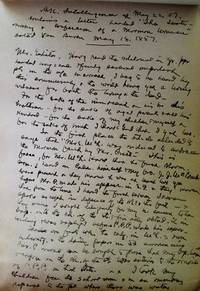
18850002436FORT SMITH FAYETTEVILLE ARKANSAS UTAH. Fair. 1885. On offer is a significant original manuscript journal circa 1880 - 1890s through 1900s compiled and created by 'Wm. A. Falconer Fort Smith and Fayetteville Ark.' Research concludes this is the work of Judge William A. Falconer who was born in Charleston Arkansas in 1869. There he received his early education then studied law at the University of Arkansas in Fayetteville then practiced law in Fort Smith Arkansas beginning in 1895. In 1902 he became a Sebastian County Judge. The book which appears to be a near lifelong effort deals with a notorious crime whose roots were in Arkansas only to turn to infamy sometime later in Utah being the Mountain Meadows Massacre the worst mass shooting in US history and the Mormons who led the innocents to a heinous mass execution of early pioneers including women and children. Mr. Falconer without the aid of modern media over 120 years ago spent his efforts on compiling nearly everything written about the massacre and attempted to create a definitive journal on the subject. Sixty pages carefully written and while undated a later passage refers to a book published in 1902 and undoubtedly the overall work begun several years prior. Much of the amalgam of material is taken from Mormon records some from Smithsonian however it is evident the Judge was committed in accumulating all available resources to make for a thoroughly documented perhaps definitive and comprehensive view of the Mountain Meadows Massacre. Some of sources used: The Mountain Meadows Massacre: Who Were Guilty of the Crime by Elder Chas. W Penrose Salt Lake City 1884; History of the Mountain Meadows Massacre Published by Pacific Art Co of San Francisco; The Story of the Mormons from Origin to 1901 by Wm Alexander Linn Macmillan Co 1902; Bancroff's History of Utah 1890; Biography of Parley Pratt by his son 1874; Mormon Endowment Ceremony; Senate Documents and Records of Superintendent of Internal Affairs mostly letters dated circa 1857; telegrams circa 1857; miscellaneous letters some from Parley Pratt; excerpts from letter sent by Eleanor J. McComb / previously E J McLean sealed to Parley Pratt as his 12th plural wife dated May 18 1857 to Editor of ' Intelligencer ' of Van Buren Arkansas etc. HISTORICAL NOTE: Ms. McComb after converting to Mormonism her marriage to Hector McLean failed and she went back to her maiden name of McComb and later became sealed as one of Parley Pratt's plural wives. Her estranged husband Hector McLean killed Parley Pratt. She wished to correct the Van Buren Community and the world: "She embraced Mormon faith by her own free will after hearing Parley Pratt's sermons. She refers to Mormon elders as being a 'fountain of light and intelligence from which you might drink and the stream flowed clean and pure.' Here are some snippets: ". then went to Fort Gibson near Van Buren Ark. There he had Pratt arrested but seemed to be no law under which he could be held. As soon as Pratt was released he left on horseback. McClean followed him on horseback for 8 miles and shot him. Mormon policy was to hold every Arkansan accountable for Pratt's death." "Young gave me a message the Indians must be kept from the Emigrants but not to spare horse flesh. When I handed message to Haight he said "Too late! Too late!" On my way to Salt Lake City the Indians told me they were going to kill the emigrants before I got back." "Decoy plan was put into effect. A white flag brought in by Lee. He promised emigrants protection if they would lay down.forced to comply. Arms wounded and children placed in two wagons behind came women in single file then the men unarmed starving and wounded. Lee arched between 2 wagons. Suddenly he used his gun and killed a woman. It was a signal to Indians and painted Mormons behind the bushes. Men women children were shot down like sheep. Sick who were too ill to leave were driven up to scene of slaughter and butchered and stripped." "A young mother saw her husband fall dead. she fell dead over her husband's flesh. A man deliberately picked up the little babe and pinned it to the body of the father and laughed to see it's death struggles." "There were 127 corpses in all every body was naked." "The Indians say the Mormons cheated them in the division of spoils." "The Mormons say the Indians were the murderers. yet they speak with no sympathy." "I got 16 children. between the ages of 3-1/2 and 9 years." The front cover of the 5¾ x 8¼ inch tablet style book is worn and detached as well as the first page. First page has some tears a few small pieces missing and lies detached. All other pages are bound together and un-torn save some chipping to the edges. Overall G-. ; Manuscript; 8vo - over 7¾" - 9¾" tall; KEYWORDS: HISTORY OF JUDGE WILLIAM A FALCONER FORT SMITH FAYETTEVILLE ARKANSAS MORMON MOUNTAIN MEADOWS MASSACRE SEBASTIAN COUNTY BAKER-FANCHER PARTY UTAH MORMONS MORMONISM MORMON PARANOIA BETRAYL GENOCIDE XENOPHOBIA SALT LAKE CITY MANIFEST DESTINY CEDAR CITY JOHN D. LEE HAUN'S MILL JOSEPH SMITH MORMON PERSECUTION NAUVOO PARLEY P. PRATT LATTER DAY SAINTS BRIGHAM YOUNG LDS AMERICANA HANDWRITTEN MANUSCRIPT AUTOGRAPHED AUTHORS DOCUMENT LETTER AUTOGRAPH KEEPSAKE WRITER HAND WRITTEN DOCUMENTS SIGNED LETTERS MANUSCRIPTS HISTORICAL HOLOGRAPH WRITERS AUTOGRAPHS PERSONAL MEMOIR MEMORIAL PERSONAL HISTORY ARCHIVE DIARY DIARIES JOURNAL LOG PRIMARY SOURCE FIRST HAND ACCOUNT SOCIAL HISTORY PERSONAL STORIES LIVING HISTORY ANTIQUITÉ CONTRAT VÉLIN DOCUMENT MANUSCRIT PAPIER ANTIKE BRIEF PERGAMENT DOKUMENT MANUSKRIPT PAPIER OGGETTO D'ANTIQUARIATO ATTO VELINA DOCUMENTO MANOSCRITTO CARTA ANTIGÜEDAD HECHO VITELA DOCUMENTO MANUSCRITO PAPELBIOGRAPHY BIOGRAPHICAL AUTOBIOGRAPHICAL AUTOBIOGRAPHY PERSONAL NARRATIVES . unknown
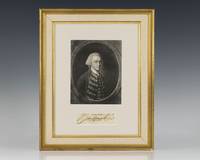
39072Signature of John Hancock. Signed "Your most hum Sevt John Hancock Presid." on an off-white 3.5 inch by 1 inch slip clipped from a letter. Matted and framed with a portrait of Hancock. The entire piece measures 10.75 inches by 13.25 inches. In excellent condition with a few creases signature and some mild toning. Rare and desirable. John Hancock was an American merchant statesman and prominent Patriot of the American Revolution. He served as president of the Second Continental Congress and was the first and third Governor of the Commonwealth of Massachusetts. He is remembered for his large and stylish signature on the United States Declaration of Independence so much so that the term "John Hancock" has become in the United States a synonym for a signature. Before the American Revolution Hancock was one of the wealthiest men in the Thirteen Colonies having inherited a profitable mercantile business from his uncle. Hancock began his political career in Boston as a protege of Samuel Adams an influential local politician though the two men later became estranged. As tensions between colonists and Great Britain increased in the 1760s Hancock used his wealth to support the colonial cause. He became very popular in Massachusetts especially after British officials seized his sloop Liberty in 1768 and charged him with smuggling. Although the charges against Hancock were eventually dropped he has often been described as a smuggler in historical accounts but the accuracy of this characterization has been questioned. Hancock was one of Boston's leaders during the crisis that led to the outbreak of the American Revolutionary War in 1775. He served more than two years in the Continental Congress in Philadelphia and as president of Congress was the first to sign the Declaration of Independence. Hancock returned to Massachusetts and was elected governor of the Commonwealth serving in that role for most of his remaining years. He used his influence to ensure that Massachusetts ratified the United States Constitution in 1788. unknown books
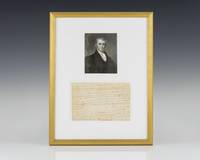
1829120801829. Autograph Document Signed by John Marshall as Supreme Court Justice. The document is regarding a real estate transaction and is written in its entirety in Marshall's hand. It reads "I have agreed with Mr. George Johnson to cancel the contract I have made with him for the sale and purchase of the tract of land in the manor of lands which I sold to him. The money I have received to be given up by him and all claim to back rents given up by me. I will give him a lease for the land for his life with the same covenants as in the old lease as mentioned below. Paying one hundred dollars per annum on the first day of January in each year to commence or the first day of January 1829 and to pay the taxes on the said land. J. Marshall Aug. 22 1829. If the old lease should not contain a covenant for the preservation of timber and against the sale of it I shall insist on such a covenant I shall stipulate against." In very good condition with scattered toning. A well presented piece with a photograph of John Marshall and particularly interesting as many of Marshall's most unmistakable cases as both attorney and Justice concerned land and land debate. Matted and framed. John Marshall was the longest-serving Chief Justice and the fourth longest-serving justice in U.S. Supreme Court history. He dominated the Court for over three decades and played a integral role in the development of the American legal system. Most notably he reinforced the principle that federal courts are obligated to exercise judicial review by disregarding purported laws if they violate the constitution and cemented the position of the American judiciary as an independent and influential branch of government. unknown books
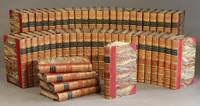
183560164London: William Pickering 1835. 52 of 53 volumes lacking 53rd volume; small 8vo 23 engraved portrait frontispieces one for each author excepting William Falconer as issued; Pickering device on title pages mixed editions but uniformly bound in half red polished calf over marbled boards by Webb & Hunt Liverpool gilt-decorated spines in 6 compartments black leather labels in 1 volume designation numbers in another; lightly rubbed; very good and sound. Ownership signature of H. J. Bell in each volume. Keynes p. 48. William Pickering unknown
18750002215BUENOS AYRES AIRES SOUTH AMERICA 1875. On offer here is a fascinating original journal of Hugh Guion Macdonell who was British Charge d'Affaires to the Argentine Republic in the 1870s. The journal while not very long contains significant handwritten personal accounts; the yellow fever plague of 1871 and a notorious major diplomatic incident the 1873 Virginius Affair between the Spanish British and Americans during the 10 years war. In fact the rear cover is a title page from a U.S Dept of State publication regarding the Affair. In all there are a total of 15 pages of narrative and letter copies and six pages of press clippings for the most part regarding the 1871 yellow fever outbreak in the Argentine. Macdonell begins recounting his career: how in 1850 he was quartered at Williamstown Cape of Good Hope in charge of a draft of discharged men when he sustained a wound trying to rescue another man. In 1861 he was sent to Herzegovina and Bosnia to make a report; in 1869 he was appointed secretary of legation in Buenos Ayres also travelling to Uruguay "where civil war was devastating the country". "English vessels were arbitrarily seized and British property destroyed - there being no telegraph with Britain I had to act on my own responsibility.having been appealed to by British residents and the contending parties to mediate". This was apparently only partially successful though he did obtain compensation for destroyed property and the release of vessels. He then states: "In 1871 a most devastating yellow fever epidemic broke out" which is then detailed in five pages of letters from Macdonell printed in a contemporary newspaper. There then follow eleven pages of handwritten copies of letters to and from Macdonell. Here are some snippets: "B. Ayres Aug 1 1871 - Sir we feel it incumbent upon us after the sad ordeal through which this city has passed to express to you our high appreciation of your noble and determined conduct during the late visitation of yellow fever. In that distressing period when the mortality rose to such a height that the piles of coffins encumbered the graveyards waiting their turn for interment; when panic had seized every individual when friend deserted friend relative relatives - all who could fled the deserted city of the dead. Through all this like a good soldier you remained firm at your post". He writes that in November 1871 he obtained from the government of Montevideo payment of a debt contracted between that government and the British in 1834. The settlement of this claim apparently led to the breaking of all relations between the Montevideo government and the British government. In 1873 he was then involved in events leading up to the Virginius affair a diplomatic dispute that occurred from October 1873 to February 1875 between the United States Great Britain and Spain then in control of Cuba during the ten years war. In 1873 a British Yacht the Deerhound was seized by the Spanish who accused it of carrying insurgents - Macdonell was central from the British side in the diplomatic settlement. Similarly in late 1873 the Virginius an American ship carrying Cuban insurrectionists was seized by the Spanish and the Spanish began executing those on board as pirates. This is touched upon and Macdonnel seems to have had some involvment in the settlement. There are copies of letters from Lord Granville Lord Hammond and Earl Derby to Macdonell regarding this series of incidents. The 8 x 5.5 inch journal with blue paper covers marked 'Personal HGMacdonell' is overall G. BIO NOTES: from one online source: Rt. Hon. Sir Hugh Guion Macdonell; M #510393 b. 1832 d. 25 January 1904; Rt. Hon. Sir Hugh Guion Macdonell was born in 1832. He was the son of Lt.-Col. Hugh Macdonell and Anne Hughes. He married Anne Lamb daughter of Edward Lamb in July 1870. He died on 25 January 1904 without issue. He was educated at Royal Military College Sandhurst Berkshire England. He gained the rank of 2nd Lieutenant between 1848 and 1853 in the service of the Rifle Brigade. He was with the Diplomatic Service in 1853. He held the office of Ambassador to Brazil in 1885.1 He held the office of Ambassador to Denmark in 1888. He was invested as a Knight Grand Cross Order of St. Michael and St. George G.C.M.G. in 1899. He was invested as a Privy Counsellor P.C. in 1902. . Good. 8vo - over 7¾" - 9¾" tall. Manuscript. unknown
18680008179New England. Good. 1868. On offer is an absolutely outstanding collection of diaries from one family that span 33 years. These diaries paint a warm and intimate look at the life of a very fine woman and here family. In addition there are 2 account books that cover a 12 year period. The dates sizes completion and general condition of the volumes are as follows: Diary 1868 measures 6'x3' has 60 pages is 100% complete and in good condition; Diary 1869 measures 4.75 x 3.0 has 60 pages is 100% complete and in fair condition covers are missing; Diary 1870 measures 4.75 x 3.0 has 60 pages is 100% complete and in good condition; Diary 1882 measures 5.0' x 3.0' has 365 pages is 100% complete and in good condition except a tear in the front cover; Diary 1892 measures 4.75' x 3.0' has 91 pages 100% complete and in good condition; Diary 1902 - 4.0' x 2.5' 365 pages 20% complete and in good condition except worn and damaged cover in one corner; Diary 1884 - 4.0' x 3.0' 60 pages 90% complete and n good condition; Diary 1888 - 6.0' x 3.0' 60 pages 20% complete in good condition; Diary 1876 - 4.75' x 3.0' 60 pages 50% complete in very good condition; Accounts book 1899 - 1905 - 5.0' x 3.0' 60 pages 90% complete in good condition; Accounts book 1911-1916 is 5.0' x 3.0' 88 pages 90% complete in good condition. The first six diaries belong to Caroline Lucinda Tappan Carr. She was born in 1819 in Bradford NH and passed away in 1898 at the age of 79. Her father was Weare Tappan a noted Merrimack County resident a lawyer and anti-slavery lecturer whose house served a home for fugitive slaves. She was the second of 7 children and was quite close to her siblings throughout her life. Her elder brother was Mason Weare Tappan 1817-1886 a New Hampshire state representative a U.S. Congressman from 1855 to 1861 a colonel during the American Civil War and the New Hampshire Attorney General. She was married to Daniel Carr from Newbury Massachusetts. These diaries were written when she was 49 50 51 63 65 and 82. Over these 33 years the reader gets a remarkable picture of this woman's life and the environment in which she lived. Caroline Carr is a literate and educated woman. She enjoys reading and participating in literary events such as attending plays. This is reflected in her diaries as they are well-written and expressive. Life in post civil war New England is not easy. Her diaries record the deaths of many friends and family members and her entries reflect the pain those caused her. She remained very very close to her daughter Kate and son Frank and their spouses after they were married. She was active in her community and took part in many activities. Among the various groups she was associated with were the Masonic Order most likely through her husband and the Temperance Movement. The following excerpts are taken from entries over a number of years: 'Splendid morning! - Abby Morse and Frank to dinner - Sue Sanborn came at night everyone had a good time played backgammon Bob went out to join the Good Templars" Jan 7 1868; "Squally Lorrie went to Manchester to see Mary. Staid with Pa nearly all day talked of dead mother. Oh how we missed her! Big sleigh ride from Willsboro - Evening we danced at the Hall. James Presly called to bid us goodbye" Feb 6 1868; "Snowstorm. Went out to Helen's. Kate went out to help trim the Hall for the Ball. Evening - made for the lodge. Kate went to rehearsal. I made regalia for G.T. Staid down with Pa all night". Feb 17 1868; "Rain. Tired enough of it! Cannot help having the Blues! Have lost sight entirely of my 'Castles in Spirit" ." Mar 20 1868; "Rain. Glad to be in my chamber all day with Kate - read aloud!! "Currents and Counter Currents in Medical Science" by O.W. Holmes Kate and Dr C played chess July 24 1868. Dr. C is Dr. Charles Augustus Carlton whom her daughter Kate would later marrying. The year ended with a melancholy sigh and a hopeful note: "Last day of the year! So many sad days to remember. Some dear friends gone that we mourn for daily. But some good friends that we have found that I trust will always remain . " Dec 31 1868; "121/2 o'clock Kate and I have watched the old year out and the new one in. Wished each other a Happy New Year. Reach one chapter Matt 6 and went to bed" Jan 1 1869; "Splendid day! Such a sunshine! Frank came over after me with Dr. & Kate. So glad to see them! Evening - went up to the party with Mr. & Mrs. Fowler for a short time." Feb 12 1869. She might refer to a prominent New Hampshire lawyer Asa Fowler and his wife. "Snow in big drifts yet. So terrible staying in the house. Great time with hair combs - fun enough with Kate evening played chess" Apr 14 1869; "Never saw such beautiful weather. All went to ride. Dr. And Mrs. Thurston called - but I felt sad - had a good cry after they were gone" Jan 21 1870; "High winds. I did not sleep well last night. I had a long cry over my letter from Kate and Dr. I cannot bear the idea of his going away". Mar 2 1870; "Went out to Helen's to help dear Charlie pack up his things. It was sad because I tried not to cry but my heart ached so!" Apr 30 1870. 'Charlie' could refer to her young brother. "Beautiful day. Mrs. Donnelly washing. I am so tired trotting round! No end to the care. Not much time to read or sew. - all housework - I hate it!" Oct 24 1870; "Beautiful morning All ready to start for home with Kate and Baby. Arrived at the dear old home about 5 o'clock. Found Grandpa Nellie and Mason with his span of greys at the depot ready to take us up. Everything seems so pleasant and everybody so glad to see us. Baby has been so happy" Apr 12 1882; "Kate and darling Frankie came today. Oh how happy I am to see them". July 28 1882. Frankie was her grandson and only grandchild. He grew up to become a doctor like his father. "Very cold. The Dr. took us all up to Boston to the Theatre - "Domby & Son" a play based on the Charles Dickens novel Dombey & Son" to celebrate his 51 st birthday. We had a good time all together. I wish we could have many more". Feb 27 1892. Her last diary reflects her age 83. ". I enjoy reading. My eyes trouble me. I wish I could read all the time as I go out so little very slippery and many are breaking their bones. I am afraid I will be laid up for life" Jan 11 1902. "Am quite alone this morning and feel like writing what is in my mind. What is my greatest desire that Helen her daughter in law will be ever kind to George Blaisdell Blaisdell is most likely Helen's sister's husband If his health fails and he cannot support his family let him go down to the home farm and live for I know that would have been his Grandfather's wish. I think what money I have will pay my board and bills as according to the course of nature I cannot be here but a short time longer ." June 12 1902. These 5 diaries are a remarkable record of this woman's life. They are very well-written. The next diary in the collection belonged to her daughter-in-law Helen Frances Carr for the year 1884. Her diary is a record of the daily events in her life. She spends her days cleaning sewing and cooking. She certainly visits around with family and close friends. As one would expect in many entries she references the same family members and friends that her mother-in-law Caroline mentions in her diaries: "Another rainy day knitting and sewing Mrs Ropes called went out for walk ." Feb 12 1884; "Celebrating all day with firecrackers . Georgie came up and spent the day. In evening fireworks down in the little square with lots of people to see them. A good time. Rained in the night." July 4 1884; "A cool beautiful day. George gone to church. Mother rode up to the Howlett place with father to see the cattle. Uncle and I took a drive in town. Called at our house. Also Aunt Mary's" July 20 1884; "Frank commenced work in the store. I suppose he dreads it but I am glad he gets the chance to earn a little" Aug 4 1884. The next diary in the collection is Frank Carr's journal of 1888. Considering that he gave both his wife Helen and his mother Caroline their diaries as gifts over the years his diary is rather sparse. The entries are exclusively business entries - records of stock taken sales made and accounts: "Note against Frank M Tappan for $36.75 Check 71882 payable to Daniel Carr ." Jan 29 1888; "Christmas trade over and I finished up my work at the store for Will tonight. Had a large and very successful Christmas sale" Dec 28 1888. In addition he has a very detailed list of cash expenses. The last diary in the collection belongs to John Harriman Collins. It records events in his life during 1876. John Harriman Collins was the father of Helen Frances Collins the wife of Frank Tappan Carr. Collins was born in Warner NH in 1815 and passed away in 1900 at the age of 85.He was 61 when he kept this diary. Collins is a farmer and his days are filled with the hard work involved in running his farm: "Cold and windy I went to Bradford to cary pig to F.M Tappan's. Weight of pig 223 1/2 lbs at 10 cts per lb $22.35 by order from Gillinghan the butcher" Jan 4 1876; "Weather pleasant I went the village to carry EP refers to his wife Esther P to the School Examination. Come home and mended my Buffalow Buffalow refers to the buffalo coat a heavy winter garment made from the hide of a bison and split some wood" Feb 18 1876; "Rain and pleasant thawing very fast water rising I boiled sap in the forenoon a man came along going to North Sutton wanted me to carry him across the deep water water up to the bottom of the waggon water up to the barn still rising" Apr 15 1876. In the back of his diary he keeps a ledger recording cash transactions and expenditures. The remaining 2 volumes are account books. Spanning 17 years they detail hundreds and hundreds of dollars of income and expenses - from taxes $21.53 for 1902 to groceries $7.61. He also records the account balances for many people the stare presumably did business with. He invested his money and there are numerous entries for purchases of share certificates. Taken as a whole these diaries offer a fascinating glimpse into the life of a family and through them their community. They are very well-written and convey real warmth and feeling. Collins diary gives a very detailed description of the many daily tasks involved in operating a farm at this time. The entire collection is a treasure trove for a historian. It is an excellent resource for a genealogist as so many people are referenced by their full names. As the diaries cover over 30 years many relationships can be charted. With diaries from several family members the relationship connections are woven throughout. It is valuable for examining the role of women in the latter part of the 19th century as it follows the life and experiences of the women who wrote them and the women they knew. The financial data gives an excellent picture of the cost of items over a 17 year period. This is an excellent collection.; Manuscript; 32mo - over 4" - 5" tall; KEYWORDS: HISTORY OF; 19TH CENTURY; 20TH CENTURY; UNITED STATES; NEW ENGLAND; NEW HAMPSHIRE; MERRIMACK COUNTY; CAROLINE TAPPAN CARR; FRANK TAPPAN CARR JOHN HARRIMAN COLLINS; HELEN FRANCES CARR BRADFORD NH; HOPKINTON NH; MERRIMACK COUNTY GENEALOGY; SOCIAL LIFE IN THE LATE 19TH CENTURY; AMERICAN WOMEN IN THE MID- AND LATE 19TH CENTURY; NEW ENGLAND 19TH CENTURY LAWYERS; NEW ENGLAND FAMILIES IN THE 19TH CENTURY; FARMERS IN 19TH CENTURY NEW ENGLAND; FARMING OPERATIONS IN 1880S; ROLE OF WOMEN IN THE LATE 19TH CENTURY; AMERICANA HANDWRITTEN MANUSCRIPT DOCUMENT LETTER AUTOGRAPH WRITER HAND WRITTEN DOCUMENTS SIGNED LETTERS MANUSCRIPTS DIARY DIARIES JOURNALS PERSONAL HISTORY SOCIAL HISTORY HISTORICAL HOLOGRAPH WRITERS AUTOGRAPHS PERSONAL MEMOIR MEMORIAL ANTIQUITÉ CONTRAT VÉLIN DOCUMENT MANUSCRIT PAPIER ANTIKE BRIEF PERGAMENT DOKUMENT MANUSKRIPT PAPIER OGGETTO D'ANTIQUARIATO ATTO VELINA DOCUMENTO MANOSCRITTO CARTA ANTIGÜEDAD HECHO VITELA DOCUMENTO MANUSCRITO PAPEL . unknown
1936NNN1351bGREECE HELLAS 1936. On offer is the unique original 1936 Greek manuscript diary handwritten by a young man we believe named Falagitis an EON member we believe who provides his personal history of the times immediately prior to the notorious '4th of August' Revolution. Over 48 pages of Greek cursive densely written the coverless 6 x 7.5 inch journal- we provide a partial casual translation of the start - begins simply enough: "18 June Sunday even though we are supposed to go the church with the young people I did not go as I was sleepy after the church finished its ceremony then I woke up at the afternoon. At the afternoon Athena came and after we sat for a while we went for a walk towards the station. However we decided it was too early for a walk thus we decided to go to aunt Maria and around evening we left went to the station came home ate and made cheesebread me Teta and Athena then we went again to the aunt. Then we went to the uncle Nigopon to join our walk in the beginning we were alone then he came and with his company we went to the bakery story where he treated us. After we sat enough among many people who sat in all the centrers around the city we left for home with Teta while the uncle left with Athina." In a tight cursive hand the writer details life at the time. Some passages appear more quickly written; certainly a detailed translation is required. Collectors and historians will appreciate this document as a unique relic of a critical political event in pre-World War II Greece. Later than Hitler's manipulations in the early 1930s the August 4th Revolution was a parallel political movement of the Greek Nationalistic Right and not dissimilar than Hitler or Mussolini in Italy. But as with most clones this government's issue was weaker and lasted only 4 years. We believe this diary is evidential to the importance the Regime put indoctrinating the youth of the culture to the nationalistic debate. From an online source we learn with regard to: "The role of youth: the EON brought together youths of all economic and social strata into one single body. Boys' education emphasized discipline and physical training while girls were taught to become supportive wives and caring mothers to breed a stronger healthier new generation. The EON published a fortnight magazine called Neolaia Greek for "Youth" which had much influence both in schools and in higher education. One online source provides background: The 4th of August Regime commonly known as the Metaxas Regime which was an authoritarian regime under the leadership of General Ioannis Metaxas that ruled Greece from 1936 to 1941. There is some debate over how the regime relates to other authoritarian regimes of the era: those of Franco's Spain Italian Fascism and German Nazism. Richard Clogg argues that while the regime had "superficial trappings of Fascism" and Metaxas "did not disguise his admiration for Nazism and Fascism" it is "more correctly categorised as paternalist-authoritarian rather than fascist". Overall G. Unbound. Good. 8vo - over 7¾" - 9¾" tall. Paperback
19140001169HMS AGINCOURT THE NORTH SEA. Very Good. 1914. On offer is a superb relic of World War I and British naval history being a manuscript diary kept by the Commander of the Royal Navy's famed dreadnought the 'HMS Agincourt' at the beginning of WWI during her assignment as part of the British Grand Fleet in the North Sea engaging the German Kaiserliche Marine's High Seas Fleet. This diary begins July 29th with a call to mobilize and then there is the immediate outbreak of the war in August 1914 through to December 1914 very neatly written in ink with one photograph some sketches cruising orders and newspaper cuttings. This important historical first hand account was handwritten by George Napier Tomlin RN Rear Admiral 1875 - 1947 gives first hand content and detailed insight into the workings of the British Grand Fleet and documents the confusion that existed in the immediate days after the war broke out on August 5th 1914. Tomlin's original assignment as he notes on the 30th is aboard the HMS Majestic. Tomlin writes regarding the appointment as one: 'which I look upon as an insult. If there is to be a fight I want to be in a fighting ship & not in one recovered from a scrap heap'. Excitingly his assignment changes and he is one of the first aboard a newly 'commandeered' Turkish ship renamed Agincourt. Collectors and historians of the First World War will also delight knowing that diaries unlike letters were not censored. The British had concentrated their Fleet at Scapa Flow in the Orkney Islands and 'HMS Agincourt' was sailing back and forth to the Bight of Heligoland to engage the Kaiser's Fleet. Much can be learned about life aboard a British warship as the journal is replete with details about navigational positions fleet details officers' names and positions courts martial administered etc. Much anxiety existed about German submarines and mines and Tomlin's drawings elaborate on mines in the North Sea as well as the British Fortification with wire nets of the Harbour of Buncrana Ireland. Frequent reference is made to the C in C Commander in Charge Jellicoe who had his headquarters on the 'HMS Iron Duke'. The diary also shows the concerns about Zeppelins and mentions their appearance. Visits aboard the 'HMS Agincourt' by 1st Lord Winston Churchill were recorded on September 17 while the ship was anchored at Loch Ewe in Scotland. Finally Tomlin mentions the sinking of various British and German ships among them the German U-18 and the German Battle Cruiser 'SMS Scharnhorst' by British Ships off the Falkland Islands where the famous German Admiral Graf Spee met his fate. Political Background: In 1904 in response to the build-up of the German Kaiserliche Marine's High Seas Fleet it was decided that a northern base was needed to control the entrances to the North Sea. Originally Rosyth was considered for the base and then Invergordon at Cromarty Firth but construction in both places was delayed leaving them largely unfortified by the time of the First World War. Scapa Flow was used many times for exercises in the years leading up to the war. When the time came for the fleet to move to a northern station Scapa Flow was chosen for the main base of the British Grand Fleet even though it was also unfortified. John Rushworth Jellicoe admiral of the Grand Fleet was constantly nervous about potential submarine or destroyer attacks on Scapa Flow and the base was reinforced with minefields artillery and concrete barriers starting in 1914. These fears were borne out when German U-boats twice attacked British ships in Scapa Flow though the attacks themselves did no damage. The first by U-18 took place in November 1914; but the sub was rammed by a trawler searching for submarines while it was trying to enter Scapa Flow causing the submarine to flee and then sink. 12mo 100 pages. VG.; Manuscript; 16mo - over 5¾" - 6¾" tall; DREADNOUGHT JUTLAND ROYAL NAVY ADMIRALTY TOMLIN HMS AGINCOURT KAISER HELIGOLAND ORKNEY NORTH SEA NAVAL MARINE BATTLESHIPS WWI WW I WORLD WAR I HANDWRITTEN MANUSCRIPT DOCUMENT LETTER AUTOGRAPH KEEPSAKE WRITER HAND WRITTEN DOCUMENTS SIGNED LETTERS MANUSCRIPTS HISTORICAL HOLOGRAPH WRITERS AUTOGRAPHS PERSONAL MEMOIR MEMORIAL PERSONAL HISTORY ARCHIVE DIARY DIARIES antiquité contrat vélin document manuscrit papier Antike Brief Pergament Dokument Manuskript Papier oggetto d'antiquariato atto velina documento manoscritto carta antigüedad hecho vitela documento manuscrito Papel . unknown
19390002166OFLAG VII - A MURNAU BAVARIA MURNAU AM STAFFELSE 1939. On offer is a significant original World War II manuscript relic handwritten by the fascinating heroic Gregory Meisler a Jewish Polish Army officer noted in the book 'Four Lives of Gregory Meisler: Jew Warrior and Polish Patriot' who was born in Lodz Poland in 1900 died in 1953 but in the interim he served with distinction in the Polish army through 1939 was captured by Germans and put in an 'Oflag' a German prisoner of war camp in Murnau Stalag VII Oflag VII-A Murnau located in Bavaria in Murnau am Staffelsee where he spent the entire war. The small 1942 pocket calendar from 1942 is in German with Latin and Ancient Roman Months names. Mr. Meisler wrote in Polish and it appears from casual translation that he worked as a Cantin or shop manager noting financial and cash transaction among his personal entries special events like Jewish feasts and their dates - Yom Kippur Hanukah Purim and Pesach. One entry notes about 400 hundred captives chosen to be Police guards. Some problems with getting staff for the Cantin. Tells about a packet he got from someone and about relations with another Polish officer. At the back are important addresses; the Red-Cross office in France Artur Szyk who was his friend and more. The 12 x 7 cm. cloth softcover has some damage but is complete no missing pages. With bent edges but overall G. Good. 48mo - over 3" - 4" tall. Polish Language. hardcover
17390009149Very Good. 1739. On offer is a fascinating document of the Europes Scientific Revolution a long and detailed notebook on Physics written entirely in Latin and dated 1739. Simply titled Physica the book is many hundreds of pages in length. It contains undoubtedly an extraordinary and immense amount of knowledge pertaining to the study of Physics and much much more in the first half of the 18th century. This includes lengthy sections on: mathematics; geometry; atmospheric and meteorological elements; navigation and sailing science; the discoveries of Newton including his Three Laws of Motion and Law of Universal Gravitation; Energy motion speed and acceleration; early theories of thermodynamics; the physics of light reflection and refraction; fluid dynamics; human anatomy; cosmography the science that deals with the general features of the universe including the earth including various signs and attributes of the Zodiac and constellations and features of earth sea and air; the theories discoveries and systems of Copernicus and Descartes and Galileo; animal taxonomy; and many numerous other sections. Contained within these pages are an incredible amount of information that comprise an almost comprehensive portrait of science in at the time. This is truly a remarkable work surmising an incredible amount of scientific knowledge in the 18th century. The book is approximately 800 pages long with every single page written in fully front and back. At the end of the book there are 12 intaglio prints of various geometric and astronomical charts and diagrams some have titles such as Systema Copernicanum and Systema Tychonicum but most have just numbers denoting various figures and illustrations. The books binding is vellum and the covers and spine are in fair shape showing a some discoloration and a good deal of tearing. Despite being 800 pages long and almost 300 years old the structure of the book is still very good and all pages are well connected to the spine. The pages within show some signs of age-toning but really only in the beginning and end. Almost all the pages are free of rips and tears. The handwriting is in Latin and written in black ink throughout. The writing can occasionally be cramped and hard to make out but once the writers particular style is realized the words become much easier to read. The name found in the book is J. Ponthault and I was unable to find anything about the writer. For those interested in the Scientific Revolution of the 17th and 18th century or just general history of science this notebook is a remarkable document. OVERALL: VG; Manuscript; 8vo - over 7¾" - 9¾" tall; KEYWORDS: HISTORY OF PHYSICS SCIENTIFIC REVOLUTION ISAAC NEWTON NICOLAUS COPERNICUS GALILEO GALILEI RENE DESCARTES SCIENTIFIC METHOD EMPIRICISM SCIENCE AND REASON THREE LAWS OF MOTION UNIVERSAL GRAVITATION CALORIC THEORY BIOLOGY AND MEDICINE COMPENDIUM OF SCIENTIFIC KNOWLEDGE 18TH CENTURY SCIENCE POST-RENAISSANCE EUROPE TOMES OF KNOWLEDGE LATIN IN THE SCIENTIFIC REVOLUTION EUROPEANA HANDWRITTEN MANUSCRIPT DOCUMENT LETTER AUTOGRAPH WRITER HAND WRITTEN DOCUMENTS SIGNED LETTERS MANUSCRIPTS HISTORICAL HOLOGRAPH KEEPSAKE WRITERS AUTOGRAPHS PERSONAL MEMOIR MEMORIAL ARCHIVE DIARY DIARIES JOURNAL LOG ANTIQUITÉ CONTRAT VÉLIN DOCUMENT MANUSCRIT PAPIER ANTIKE BRIEF PERGAMENT DOKUMENT MANUSKRIPT PAPIER OGGETTO DANTIQUARIATO ATTO VELINA DOCUMENTO MANUSCRITTO CARTA ANTIGÜEDAD HECHO VITELA DOCUMENTO MANUSCRITO PAPEL . hardcover
19010001469USS HARTFORD BARBADOS BRITISH VIRGIN ISLANDS BVI. Good. 1901. On offer is a super rare original manuscript maritime diary kept by several men who deserted from the U. S. S. Hartford January 26 1901 while on liberty when the ship docked at Barbados British West Indies. James Connelly from New York City and Forrest L Evans Laconia New Hampshire identified in the free end papers leave their the ship and through prior arrangement they meet up with a few more sailors from the ship and meet others by surprise. In total we learn that 15 men are named as deserters from the Hartford. While there a number of different hands writing the majority of the writings are by Connelly and Evans we believe. Beginning the first week of January when the men are transferred from the U. S. S. Buffalo to the Hartford. It was on the Buffalo that the desertion was originally conceived but it was on the Hartford where it was carried out. The narrative of desertion is only hinted at first: On January 20 Evans sells his sea boots and other gear he won't be needing. Upon landfall in Barbados Evans and Connelly are paid off and they go on liberty. They buy civilian clothes and sleep on the beach. Their only further contact with the ship was when they were nearly scooped up by four policemen and a party of officers from the Hartford. They are hidden by blacks who have taken them in but they start starving because their new friends are too poor to sustain them. We start off with Connelly and Evans than more men are dropped into the narrative with no indication of how they arrived. Researchers historians and collectors of naval and maritime history will recognize the uniqueness of a manuscript retelling in the hand of the actual deserters. Here are snippets: "Tues. Jan. 1 1901 It's hot today. Did a little washing and made a lot of clothes slops. Wednesday 2 Left Trinidad tonight at six o'clock. Did some washing. Today Campbell was sent from cooking to ships waiter. Thursday 3 Had bag inspection then signed for accounts. Had a balance of $66.30 due me. Found my . Arrived at Lagueria at 6.30 Fri. Jan. 4 1901 Got up at 5.30. Lashed our bags and hammocks together and at 4.30 were transferred to U.S.S. Hartford. Saturday 5 Turned out at 5.30. Took on stores from The Buffalo and scrubbed wash clothes. Sunday 6 Had general muster and scrubbed wash clothes and then scrubbed down spar deck Monday 7 Scrubbed hammock this evening and washed clothes scrubbed deck. Had bag inspected and put down for small stores. Tuesday 8 Left Laguire Venezuela at about four o'clock and made six knots all night. Had to stand two sea watches 8 -12 4 - 8. Wednesday 9 Had the four to 8 watch this morning and we were all sent to the doctor and examined this afternoon. Thursday 10 Worked tonight about two hours from ten to twelve trying to anchor. Arrived at Port of Spain Trinidad about 9.30 p.m. Was half tired to death. Friday 11 Got up at 7.00 was detailed as side cleaner and worked all the fore noon and most of the after noon. Got woman tatooed on my right arm. Saturday 12 Got up 5.00 and scrubbed sides. Had some tatooing done on my right arm a bird and a heart and dagger. Forest L. Evans describes himself and his body art Sunday 13 Got up and got inspected & went to church. Had liberty today and went all over port of Spain Trinidad and got back at five o'clock. Had inspection today. Monday 14 Got up at five and did my work. Sat around with Davis In the head almost all the afternoon. Tuesday 15 Got up and did my work then Arthur and I went up in the head and I shook dice for a cent a shake and then he and I and two others played poker Wednesday 16 Got up at 6.00 and did my work worked almost all the forenoon. And shook dice all the afternoon. Thursday 17 Left Trinidad today at one o'clock for three day sail drill then Ho for Barbadoes and liberty. Friday 18 Got up and cleaned my gun and hustled all the forenoon making sail and this afternoon tieing knots and hitches. Saturday 19 Got up and cleaned my 6 pounder and scrubbed sides. Took the wheel the forenoon. Sunday 20 Had inspection then had target practice and anchored at 7.00 p.m. Sold my green boots for $1.50. Monday 21 Turned out at 5.30 and scrubbed my wash clothes. Laid off Trinidad for target practice with small calibre & five inch guns. Scrubbed clothes tonight. Tuesday 22 Scrubbed clothes this morning and had target practice with our own guns. Our six pounder did good work. Started to steam for Barbadoes this afternoon. Wednesday 23 Got up at 4 and stood watch til 8 and scrubbed decks and then took things pretty easy the rest of the day. Signed for $71 today. Thursday 24 Arrived at Barbadoes this morning and anchored at 7.30. Friday 25 Drew pay this after. Got three pounds & five shillings equal to $15.60. Saturday 26 Went on Liberty at one o'clock. Connelly and I bought citizen's clothes. He and I slept on the S. J. Smith of Nova Scotia. Connelly and Evans desert from the Hartford Sunday 27 Got up at 6.00 landward and he and I struck out into the country. Slept in an open field that night. We walked about 10 miles today. Monday 28 Got up and started out. Went to the other side of the island. Found a fine place and stayed there the rest of the day and slept there all night on the cliffs. Tuesday 29 Got up this morning at sunrise and Ward was covered with poison . We moved to the sea shore and slept by the sea tonight. Wednesday 30 Got up this morning at sunrise and eat some bread and bananas and drank a little wine. Took train to Bridgetown. Starboard watch on liberty but couldn't find Ward or Connelly but had to start out for the country lest we are arrested. Thursday 31 Found a good place on the sea shore and stayed there all day. Slept in a open field last night. Tonight we sleep in a little hut. Friday Feb. 1 Got up about 4.00 o'clock and went down to the sea shore. Slept and went in swimming this afternoon and then slept in the same hut that we did last night. Saturday 2 hot Got up this morning and had a little to eat. Today is like a Sunday here. They have church and the Queen buried. Had about fifty coons around us all day and a couple around us at night. Sunday 3 Hot Got up early this morning and took a long walk up the sea shore then back and had our dinner sat around the rest of the day and slept in the hut. Monday 4 hot Got up early and washed our faces and shaved each other then we went over to Mrs. Brown's shanty and she gave us dinner and supper and we slept in the hut. Tuesday 5 hot We got up early and washed and then had good breakfast and a fine dinner and an excellent supper. All this was given us by Mrs. Dorothea Ann Brown a colored woman who has done everything for us. Wednesday 6 We got up rather late this morning and had coffee at Mrs. Brown's. This afternoon a team load of officers off the ship and three policemen were searching around here for us. Mrs. Brown hid us away and we slept with her. Thursday 7 We got up and had breakfast with Mrs. Brown. Did some washing sat around and ate dinner and supper and slept there. Played with the dice in the evening and had little smoke. Wrote two letters today. Friday 8 Got up and washed some clothes. Sat around and read and shot dice and slept. And at night we slept in the security with Mrs. Brown. Saturday 9 Got up at sunrise. Sat around the house this afternoon we went in swimming and stayed in 2 hours hours and a half and I got all sunburned. Sunday 10 We got up early this morning. Went in bathing and then sat around and slept & read all day. Monday 11 Got up and washed and went in bathing and eat and sleep all day. Ward went up and visited a house and brought back some toast. Tuesday 12 Got up and had our coffee. Had dinner and then went to Bridgetown to the Sailor's Rest. Had supper and slept there. Met Herschfield. Wednesday 13 Got up and saw Connelly and got some Chinese ink for tatooing and put on one piece today. Slept in Sailor's Rest tonight and so did Connelly. Thursday 14 Got up and sat around. Put a dagger on a fellow and the Topeka men had a liberty and we borrowed of them for feeds drink and money. Friday 15 We get a little off from the Topeka men liberty party and I did some tatooing and slept at the Rest. Saturday 16 Got up and washed had a feed and sat around all the forenoon and some tatooing and stopped at the Sailor's Rest again tonight. Forest L. Evans was skilled at drawing and while in the Navy took up tatooing. Above is a colored drawing he sketched out in the journal of a tatoo he was proposing to a client Sunday 17 Sat around the Rest all day. Did some tatooing and sleep there again to night. Monday 18 Got up and Connelly and I went down to the docks and found a schooner and tried to ship as A. B. Able Bodied Seamen but there was no chance today. Tuesday 19 Got up at 6.30 and had a feed. Went down to docks but there was no chance. Hershfield & I and Connelly got our supper on the Mercedes of Nova Scotia. Wednesday 20 Sat around all day trying to get something to eat but we did not succeed very well. These are hungry times here Back doors are no good. Thursday 21 Got up and went to see the American Consul the whole of us. Got put out of the Sailor's home and Hirschfield Connelly and I slept in a little house with a fellow named Sefield Wilson. Friday 22 Got up and shaved and stood here part of the day then we went into the city and took a walk around the wharf but there was nothing doing. Saturday 23 Got up and sat around all the forenoon then afternoon we went to see the Governor of this island. Sunday Feb. 24 Sat around all day and read and tried to rest. Had my ear pierced. Dark and gloomy. Monday 25 Got up and went over to Mrs.Wiley's And Jim was making baskets today. Tuesday 26 Went into town and there was nothing doing there. Jim made baskets today. Very miserable. Wednesday 27 Got invited over to Mrs. Sykes house and had dinner. Then went to a party given for our benefit over to Mrs. Wells ice cream bananas cakes bread & coffee. Thursday 28 Got up. We did a little coloring today and went over to Mrs. Will's house. And Herschfield and Lefield went fishing tonight Friday Mar. 1 Got up and I went to town. Left Jim and Joe sleeping they would not stir so I went alone but I could not do nothing so I came back home. Saturday Mar. 2 1901 Jim and I went to town today but there was nothing doing there and I could do nothing. Not discouraged. Sunday 3 Got up and dressed and Jim and I went to town. Mrs. Sykes took us to the Seven Day Advent with her. Monday 4 Got up early this morning. Went to town but there was nothing doing. Came home and sat around for the rest of the day. Waiting still waiting. Tuesday 6 Got up late this morning. Made two baskets and sold them. Went into town. Nothing doing came back and staid around the house all day. Expect to get a ship by Sat. While there's life there is hope. Thursday 7 Got up early this morning made two baskets and me and Evans went to town. Came back and laid around the rest of the day. Friday Mar 8 1901 Arose early and staid around the house all day Saturday 9 Went to town early this morning but there was nothing doing and laid around all day. There are more sh-ts than ships here. Sunday 10 Arose early this morning and laid around the house all day. Monday 11 Rose early this morning. Evans went to town but it was useless. Came back and staid around the house all day. Tuesday 12 Got up early this morning went to town. Same old story. Nothing doing. Came back and laid around the house all day. Wednesday 13 Went to town this morning. Nothing doing came back laid around the house all day. Thursday Mar. 14 1901 Got up early this morning. Went to town had a lunch of pea soup and bread for breakfast. Bought some cloth came back and staid around the house for the rest of the day. Friday 15 Went to town this morning had some peasoup and bread. Came back and staid home the rest of the day. Damn this island and its coons. Saturday 16 Rose early this morning made two baskets went to town nothing doing. Sun. Mar. 17 1901 Staid around the house all day Monday 18 Rose early and went to town. Made two baskets today. Nothing doing. Tuesday 19 Went to town this morning had some bread and pea soup. Nothing doing. Wed. Mar 20 1901 Got up early this morning and staid around the house all day. Thursday 21 Arose this morning and left Mrs. Wilson's house and came to town and staid at the naval Home on Bay St. Friday 22 Got up and dressed. Dewey and Evans and Griffin went in swimming and Evans and Dewey went to town and got a little money got back about 5 P. M. Sat. Mar. 23 1901 We arose this morning at 7 A. M. had a breakfast of oatmeal and bread and coffee went to town and back and hung around the house all day. Sunday 24 Got up and my head was as big as a barrel. Dewey got fired out and I got my foot full of sea eggs. Monday 25 Arose early and went to town. Saw the Consul. Expect to be signed on Saturday. Evans Griffith and I got 2 and 6 2 shillings and 6 pence off the Consul. Mar 26 1901 Went to town this morning. Hung around the Italian Consul til noon But could not see him came back home. F-ck it all. Wednesday 27 Got up and dressed me and Griff went to see the Consul but he was not in so we came back home. Thursday 28 Got up at 7 A. M. Had breakfast and Evans went to see the Consul. But there was nothing doing. This is a f-cked up asshole of the world. Fri. Mar. 29 1901 Got up early this morning staid around the house all day. Life in this f-cked up Hoorhouse of an Island is a farce. Saturday 30 Got up and dressed did the same as yesterday and took a little walk in the evening. Sunday 31 Arose early this morning and this afternoon and took a walk in the country and got back about 6 o'clock. The case looks serious at present. Mon. April 1 1901 Rose early this morning had breakfast and then went to see the Consul. Nothing doing as usual. Tuesday 2 Tuesday dawning and no sign of ever getting away from this cannibal Island. Went to town came back took a walk in the evening turned in about 9 P. M. Wednesday 3 Went to see the Consul today and tried to shit but couldn't. The case is hopeless. Thurs. April 4 1901 God knows whether we will get out of this prison dead or alive. Went to see the Consul today. He promised to see the Captain for us. Left the Naval Home today. Mrs. Armstrong moved. We are in doubt where to sleep tonight. Slept on the beach tonight. Friday 5 This is Good Friday. All the stores are closed. It is like Sunday. Had some coffee and bread this morning on board the Bark Carpassioan St. Johns N.B. Went out for a swim and a row in Tom Berry's boat. This is a long miserable day. Saturday 6 Slept in the Naval Home last night on the floor. Went to see the Italian Consul again today. Nothing doing. Hung around the beach all day. Tried to sell the razor but could not. Hung around the beach the rest of the day. Sun. April 7 1901 Slept in the naval Home on the floor last night. Got up about 6 o'clock A. M. Took a walk to the dock and I went aboard the Ghithay to see a fellow but he was on the Olinda from Liverpool Eng. And he was ashore. Monday 8 Slept in the same place. Got up at 6 and I killed ten fleas out of my shirt. Today is a bank holiday for the . Laid around the beach all day. Took a boat and rowed out to the Olinda and I seen Albert Joyce and went aboard the Whaling bark Bertha from New Bedford Mass. Tuesday 9 Slept in the same place last night. Got up early and went to see the Consul. He said he would try to get us shipped Jupitor bound for New York some time this week. Came back and hung around the beach all day. Wed. April 10 1901 I slept in Mr. Cheeks boat shop last night and he gave me some tea this morning when we got up. Had some coffee also off the woman across the street named Mrs. Carew. Seen the Consul this morning and got 7 pence came back and laid around the beach all day. "Still living Thursday 11 Me Dudley and Evans slept in the same place last night. Had some coffee off young Cutting and some coffee off Mrs. Charles. Lanigan and Liverpool started to fight but got chased. Got a six pence off a woman named Mrs. Holden and had some pea soup and bread and laid around the beach all day. Friday 12 Arose at 6 A. M. Had some coffee of Mrs. Charles and Mrs. Carew and some tea of another woman then went to see the Consul and Dudley got a six pence and a shilling off another fellow off the Hartford who was in the hospital with consumption. Dudley got a letter from home. In the afternoon we took a walk to town and heard the Jupiter was going out next Tuesday. Sat. April 13 1901 "Golden Hours" Got up about 6 A. M. Had a saltwater wash. Came down to see the Ital. Consul. Came back to the Sailor's Rest and Dudley got his money off Mr. Weeks about 6 shillings and then went to town and bought some clothes. Had some tea and bread and came back and laid around the beach all day. Sunday 14 Got up about 6 A.M. this morning had a salt water bath had some tea and bread. Hung out the Boat house half the day and down the beach the rest of the day. Had some bread and tea and sweet spuds off Mrs. Phelps. Monday 15 Got up at 6 A. M. The Jupiter went out yesterday. I guess we are doomed to stay here. Took a walk as far as the Consul and went into the ice house an hour or so came back and laid around the beach all day. Tuesday 16 Rose this morning at 6 A. M. Had our tea and breakfast. Went to see the Consul but there was nothing doing. Dudley got a letter and a ticket to home on the Fontableau which sails Saturday. We and Dudley took a walk to the dock and came back and hung around the beach then . Wednesday 17 Got up about 5.30 A. M. Had a wash and I took a walk down to the Josie of Weymouth N. S. but the Captain in but he was no good. Went aboard the Olive Thurlow of New York and saw the Captain But was told to be at the Consul in the morning at 10 o'clock. Thursday 18 Arose about 5.30 A.M. and had a wash and I took a walk as far as the dock. Slowly starving to death. Haven't had a square meal in 3 months. The curse of Christ is on us and this island. Went to see the Consul this morning and got a shilling. Hope to ship as ordinary seaman tomorrow aboard the barkentine Olive Thurlow bound to New York. Fri. April 19 1901 Rose about 5.30 had a wash. We had a shave yesterday off Ross. Had our coffee off Mammy. Went to see the Consul and got a ship at last. Shipped as ord. Seaman this morning on the Olive Thurlow bound for Trinidad then to New York. Sat 20 Turned out about 5 A.M. Had coffee and bread then up anchor and under way about 8.30 A. M. For Trinidad for a load. Fair wind today going about 10 knots. Worked pretty hard today. Took trick at wheel on 4 to 8 dog watch. Sunday 21 Stood 8 hours sea watch last night. Passed Tobago and sighted Trinidad at about 12. Stood 4 hours sea watch last night. Had 2 hours trick at the wheel. Out 8 hours tonight. Mon. April 22 1901 Stood 8 hours sea watch last night had 8 to10 trick at the wheel. Expect to make port tonight. Passed Tobago and anchored in Port of Spain Trinadad at 10 P. M. Went to sleep at about 11 o'clock. Tuesday 23 Turned out at 6. Got some gear up out of the hold scrubbed the deck. Left port of Spain and anchored at La Paria tonight at about 9 o'clock. Wednesday 24 Worked hard all day cleaning out the hold. Thurs. April 25 1901 Worked hard as well today. Damn near worked ourselves to death cleaning out the hold. We are going to load with pitch from the Pitch Lakes. Friday 26 Turned out at 6 and commenced to load today. Worked hard all day and took nearly 70 tons of pitch aboard. Saturday 27 Turned out at 6. Worked ourselves to death nearly took about 60 more tons aboard. Worked like a bloody horse trying to do it. Sun. April 28 1901 Today is a day of rest. We lay down in our bunks in the forecastle most all day. I wrote two letters home and mended my pants. Monday 29 Turned out at six and went to work at the winch and worked hard all day loaded about a hundred tons of pitch today. Was tired tonight. Tuesday 30 Turned out at six. Worked all day at the winch and loaded about 90 tons of pitch. Was more than tired tonight. Wed. May 1 1901 Turned out at the usual hour and pulled on the mankiller all day. Loaded over 100 tons. Was near dead tonight. Thursday 2 Got up at six worked hard this forenoon and all the afternoon at the winch. Loaded about ninety tons today. Closer dead tonight. Friday 3 Got up at the usual time. Worked the winch all day took in one hundred and three tons today. Was tired enough tonight. Sat. May 4 1901 Got up this morning at six. Had 65 tons in at noon and at night we took in a hundred and twelve tons altogether. Played cards this evening. Sunday 5 Slept until about 7.00 this morning and laid in my bunk most of the day and went to sleep early. Monday 6 Got up at 6.00 and worked on the winch til about 10 this morning. Then loafed until 12.00 and then worked the winch until about 8.00. We have sprung a leak and had to run ship's pump twice today. Tues. May 7 1901 Worked at the winch all day today. The Capt. Went to Port of Spain today to clear on the departure at that port. Wednesday 8 Worked on the winch again today and at the pump our cargo is almost completed and we will be ready for sea soon. Thursday 9 Got up and worked at the winch all the forenoon. Finished loading about 5 P.M. today. Fri. May 10 1901 Turned out at the usual hour and worked about the deck all day. Everything is ready to sail tomorrow. And we are ready to go to sea. Saturday 11 We are up at four o'clock this morning got anchor up and made sail not much sail and we are steering due west. Are bound for New York at east & noreast. Sunday 12 We are now fairly underway for home. We have splendid wind and if it holds out we will be in New York in 10 days from now. Had only 4 hours in last night. Mon. May 13 1901 Had 4 hour trick at the wheel this morning. Out 8 hours tonight. Had a severe squall tonight but it didn't last long. Tuesday 14 Worked tarring down the rigging today and the fore foretop and to gallant rigging and the main and main top and mizzen and mizzen top. Wednesday 15 Sighted Santa Cruz this morning. Finished tarring down the rigging today and scraped and greased the mizzen mast. Thurs. May 16 1901 Passed St Thomas this morning and sighted Puerto Rico. Also passed St. Kitts. Worked laying down all the forenoon. Friday 17 Worked like hell all day scrubbing paint work. The boom to broke this afternoon and raised major for a while. Saturday 18 We have a little breeze today after being calm for two days. Had 8 hours out last night. Have finished almost all of the scrubbing paint workand all that remains is to paint and scrape. Sun. May 19 1901 Bright and pleasant. Washed the quarter deck about five o'clock and took the wheel at six. Good breeze this morning. 8 hours out tonight. We live on hash here every night for supper hash hash hash. Mon. 20 Had 3 hours trick this morning and four hours this afternoon making about ten knots if it holds out we will be in New York Saturday. 8 hours in tonight. Tuesday 21 Had 4 hours at the wheel this morning making about 10 knots 8 hours out tonight. Painted all day. Sighted and passed a barkentine and a steamer. We are making great time. Hash. Had a scrape today. Wednesday May 22 1901 Had a three hour trick at the wheel this morning. 8 hours in tonight. Steady breeze making about 8 knots. Painted about all day today and we have hash twice today. 4 hours at the wheel this afternoon. Thursday 23 Hash for supper. Had 4 hours trick at the wheel this morning. 8 hours out tonight. Friday 24 Had 3 1/2 hour trick this morning. Making about 7 knots. 8 hours in tonight Expect to reach New York next Thursday. Had 3 1/2 hour trick this afternoon. Saturday May 25 1901 Hash for supper. Had 4 hours at the wheel this morning. 8 hours out tonight. Making about 2 knots. Sunday 26 Only 500 miles to New York. Hash for supper. Had 2 hour trick at the wheel last night and 2 hour trick this morning. Steady breeze 5 knots. Had a wash this morning. First wash in four days. 16 days out today. 8 hours in tonight. Monday 27 Only 400 miles to New York. Blowing a gale of 30 miles an hour. 8 hours out tonight. Tues. May 28 1901 Hash for supper. Had a son of a bitch of a night last night. 8 hours out and raining all night long. About 250 miles to New York. 8 hours out tonight. Makinging about 4 knots. 19 days out today. Had a wash today. First wash since Sunday. Thursday 30 8 hours in tonight. Another miserable night last night. Hoisted up the mainsail. Very heavy about a ton. Two and a half run did it. Nearly pulled my arms apart. 8 hours in tonight. About 70 miles to New York. Expect to reach New York in the morning early. Had 4 hour trick at the wheel this morning. Raining all day. About 30 miles from New York about noon. Very light wind. About 2 miles an hour. 8 hours out tonight. Saturday June 1 Came to anchor about 8 p.m. off Statan Island. Our misery is nearly over. We will be clear of this slave ship Monday. Sunday 2 We got a little rest on Sunday. Had a good feed today. First in 5 months. Mon. June 3 1901 Embellishment top and bottom of this entry Waiting all day for the tow into the dock tomorrow . We will then be clear of this son of a hoar of a ship. Hash for supper. Tuesday 4 Still in this workhouse. Worked all day. Tug Gracie came and towed us up to Jersey City where we made fast to the dock and were free once more. Wednesday 5 Went to New York and waited around the comissioners all the forenoon waiting to get paid off. Goy paid off and got our discharge. Stayed at Aremill's Hotel. Thurs. June 6 1901 Got up at 7.30. Jim had got up and gone leaving me. Went down to South St. and met Bert and we took the Jay Line boat ay five o'clock this afternoon for Providence R. I. Friday 7 Arrived in Providence this am. At 8 took 9.07 train for Boston. Arrived at eastern Depot at 10 and took one o'clock train from Union Depot for Laconia arrived at four. Stayed at Dick's tonight. Saturday 8 Staid around Dick's all day and saw some of the boys. Bill Young lent me some clothes. Dick went up and told Mother I had come and he and I walked up to the Weirs tonight and I met Mother & all the rest. Sun. June 9 1901 I staid in the house all day and Everett came up and I was pleased to see him. We had a talk and I went to bed and smoked just as I used to do." The binding is in rough shape but overall G. ; Manuscript; 32mo - over 4" - 5" tall; KEYWORDS: U. S. NAVY U. S. S. HARTFORD U. S. S. WABASH U. S. S. BUFFALO BARBADOS TRINIDAD LACONIA NEW HAMPSHIRE JAMES CONNELLY FORREST L EVANS USN NAVAL MARINE MARITIME DESERTION DESERTERS MUTINY MUTINOUS PIRACY MARINES MARINE NAVAL HISTORY HANDWRITTEN MANUSCRIPT DOCUMENT LETTER AUTOGRAPH DIARY JOURNAL LOG KEEPSAKE WRITER HAND WRITTEN DOCUMENTS SIGNED LETTERS MANUSCRIPTS HISTORICAL HOLOGRAPH WRITERS DIARIES JOURNALS LOGS AUTOGRAPHS PERSONAL MEMOIR MEMORIAL PERSONAL HISTORY AMERICANA Archive Lot antiquité contrat vélin document manuscrit papier Antike Brief Pergament Dokument Manuskript Papier oggetto d'antiquariato atto velina documento manoscritto carta antigüedad hecho vitela documento manuscrito Papel . hardcover
18880002114BARQUE 'AUGUSTA' TO DEMERARA GUYANA GUIANA. Good. 1888. On offer is a fascinating and significant manuscript relic of Christian outreach being the handwritten diary of for the most part Mr. Rymer an Anglican missionary on his way to British Guiana today Guiana or Guyana to found with a ten other missionaries six men four women and one youngster the first English Mission at St. Cuthbert's formerly Pakuri. Travelling from Bristol to Demerara dated November 26th 1888 through to January 1st 1889 the writer begins the account explaining her authorship: "The following pages up to December 30th contains tracts from Mr. Rymer's Diary kept on board the "Augusta" He being the only one who felt able to write for the first three weeks all suffering more or less from sea-sickness so that he kindly gave me permission to copy out anything I thought would interest my friends as soon as I felt able to do so. I must ask friends to kindly excuse bad writing and any errors they may discover as it was written on the deck of the "Augusta" and sometimes with very great difficultly. Also that friend will kindly read it as soon as possible and pass it on to others mentioned at the back of this book." The work was done by Mrs. Elizabeth Sparrow as stated and then wrote the final three pages of her own entries. Uniquely this is a journal of many parts; on the one hand a travel diary detailing life on board a cross Atlantic ship that reads much like William Golding's To The Ends of the Earth with this chosen few Anglican missionaries who would establish the still running mission in 1889 a mere three months after arrival. Like a novel the voyage begins near unanimous sea sickness and then a critical officer of the crew the pilot dying at sea only days out. The wonderful mundanities of shipboard life are also detailed from the co-ed accommodation aboard a small ship to the daily devotional readings which showed brilliant forethought for including Sir Everard Ferdinand Im Thurn's then recent work "Among the Indians of Guiana; Being sketches chiefly Anthropologic from the Interior of British Guiana" 1883. The book is near full with 62 pages black cloth boards overall G. Here are some snippets: "Berke up first soon after I went out on deck and enquired after the pilot the Capt had given him a dose of Castor oil and before turning in last night I took him another dose from the Capt in a little coffee he still complained of pain in his stomach this morning on enquiring he had been suffering all night a few minutes the old boatsman followed me and wished me to come and look at the pilot. He said his hands were very cold. I went into the berth at once and the old boatsman and carpenter spoke to him but got no answer. They lifted him up and we at once thought he was dead. We watched him a little his forehead was warm but his eyes and his hands deadly cold. I ran to the Capt and told him that the old pilot was dead he came and laid him out and ordered the flag to fly at half-mast. It was so sudden and sad! Bro. Gordon spoke to him the night before about his soul and gathered he was not prepared for death. A pilot boat came in the afternoon and took the dead body of the old pilot off." ". sea very calm and all the passengers on deck much improved the wind round again to S.W. Distance traversed 60 miles. The large ship in sight all day and two Barques one a long distance in sight all day. All going in the same direction as ourselves. Later in the morning a second book was commenced entitled 'Among the Indians of Guiana' which Mr. Wilson had brought. very interesting to all as we are now Demerarians." "Captain up all night the morning shewed a further change in the colour of the sea from a dark green to a lighter and then very light green. Bottom found this morning with fine sand next time fine sand and shells and at last mud Domerara mud again at 10-25 the report was raised of land sighted at ¼ to 12 chimney stacks and trees soon after one and another saw it after dinner all the party went to the top of the "Forecastle" at the bow and with the naked eye got a sight of the land to which we are bound then the sight. Ship came into sight of the land and all felt very grateful and glad to know we were so near our desired haven. A time of much to all the sailors too crowding to see the land as much as ourselves so we thank God and take courage. After breakfast we had a profitable time over part of the 18th Psalm. And at 1-=25 met for our little meeting for the breaking of bread and had a precious season together around the cabin table as we remembered the Lord. Though somewhat affected by the odour of the place. It is by no means an attractive or salubrious place and is now very close though the skylight is wide open at 3-30 reached the sight-ship ascertained from there that there was a possibility of our getting in by that tide which rejoiced us all. Took Black pilot and his assistant on board to conduct us to the mouth of the river we then went down stairs to make ourselves presentable for landing and put up a few things to bring away with us for the night. This done we had a cup of tea and then quietly waited for the Harbour Master to come on board to see that all were in health before landing." " It was a lovely sight to us such a number of Coullerd people some Coalblack the dress of the women being very striking most of them wearing instead of bonnets or hats a white cloth round their heads shewing up their black faces to perfection." 31 December 1888. "At 6 o'clock a gentle knock at the bedroom door a little Chinese girl with a tray of tea and nice buttered toast. At 10-30 assembled for breakfast which consisted of salt fish and plantains roast & boiled. Spiced cold beef steak pie with boiled rice and Bok yams. All very nice. and introducing us to our black Brethren and sisters who were coming and going all day." Mrs. Huntly welcomed us at the Mission House had tea ready which we so enjoyed it was such a after the tea we had been drinking on board ship for 5 weeks. After tea we were shown by Mrs. Huntly our bedrooms all were provided with very comfortable sleeping compartments in the Mission House we have a splendid large airy room bed wide enough for four people clean and free from all living creatures except one mosquite which must have hid away inside the netting but it only buzzed about having mercy on me the first night. Tea being over and feeling refreshed we went into the Meeting Room which adjoins the Mission House it was very late and we were tired but felt the people would be disappointed if we did not let them have a look at us as they had heard of our arrival. Mr. Rymer Mr. Sparrow and Mr. Mitchell each took part for a short time. It was a lovely sight to us such a numbed of Collared people some Coalblack the dress of the women being very striking most of them wearing instead of bonnets or hats a white cloth around their heads shewing up their black faces to perfection. The Meeting room is a large airy room and was well fitted with people. The meeting over oh such a welcome waiting in crowds to shake hands and tell us how pleased they were to see us and how they had prayed for us that we might arrive in time for their night-watch service it was truly an affecting time we were very glad to get home and after partaking of a beautiful sweet orange we retired for the night full of praise and gratitude to our Heavenly Father for thus far fulfilling our desire in allowing us to see Demerara may our coming be for His glory.; Manuscript; 8vo - over 7¾" - 9¾" tall; KEYWORDS: HISTORY OF REVEREND RYMER ELIZABETH SPARROW ARAWAK LUCAYAN TAINO DEMERARA ESSEQUIBO BERBICE SIR WALTER RALEIGH GEORGETOWN STABROEK SUGARCANE BAUXITE PAKURI ST. CUTHBERT AMERINDIAN MAHAICA RIVER DEMERARA-MAHAICA REGION JOSEPH FERGUSON KAFOTAY LOKONO-ARAWAK PLATONIA ANGLICAN MISSIONARIES SOUTH AMERICA CENTRAL AMERICA LATIN AMERICA BARQUE AUGUSTA CHRISTIAN OUTREACH ENGLISH MISSIONARIES HANDWRITTEN MANUSCRIPT AUTOGRAPHED AUTHORS DOCUMENT LETTER AUTOGRAPH KEEPSAKE WRITER HAND WRITTEN DOCUMENTS SIGNED LETTERS MANUSCRIPTS HISTORICAL HOLOGRAPH WRITERS AUTOGRAPHS PERSONAL MEMOIR MEMORIAL PERSONAL HISTORY ARCHIVE DIARY DIARIES JOURNAL LOG PRIMARY SOURCE FIRST HAND ACCOUNT SOCIAL HISTORY PERSONAL STORIES LIVING HISTORY ANTIQUITÉ CONTRAT VÉLIN DOCUMENT MANUSCRIT PAPIER ANTIKE BRIEF PERGAMENT DOKUMENT MANUSKRIPT PAPIER OGGETTO D'ANTIQUARIATO ATTO VELINA DOCUMENTO MANOSCRITTO CARTA ANTIGÜEDAD HECHO VITELA DOCUMENTO MANUSCRITO PAPEL . hardcover
19360002069ZEPPELIN LZ 129. Good. 1936. On offer is an original very unique most unusual 1936 and 1937 manuscript travel diary of two 2 separate trips handwritten by an American woman named Mrs. Brown. Beginning with a trip aboard Zeppelin LZ 129 in itself a rarity being a handwritten account of a flight on the short lived Zeppelin air service where Hindenburg Passenger Mrs. Brown recorded details of her 2 day trip from the USA to Europe and then she describes in her unique style of openness and bluntness points of interest historical facts or racist jabs while on a fantastic tour with her husband. The Browns do not make the usual stops and they travel off the beaten path many times; in the first trip going from New York to Berlin by Zeppelin to Holland to Parimaribo Surinam in South America and Trinidad. The second trip is December 7 1937 to Japan to Zamboanga in the Philippines to Tin Can Island off Nigeria. A brilliant diarist in many ways she uses a stream of consciousness writing style sometimes making observations from politics social and sadly many racist as sadly Mrs. Brown all too frequently uses the racist idiom of the day mentioning 'darkies' and repeated use of the 'N' word. That said she really is a very interesting diarist and proves it over the 158 or so pages. Here is a snippet: 'Crossing the line on the Frontier from the ras and Heil Hitler Auf Wiedersehn to the celebration of the Princess engagement everything wide open every kind of instrument and dress eels and fish for sale along the streets they eat them standing everywhere the smell of herring all over town and not a seat at any table .they march and sing the Dutch might be good fishermen but their singing sounds like a flat bottomed boat in a storm.' 'The darkies in the crew from the Dutch possessions are the same happy lot grab a broom sweep as far as they can reach whistling a tune the broom lands someplace but a Dutchman's middle name should be scrub.' 'Went to a cock fight and saw the crowd go mad.' 'Zamboanga Went to the prison where prisoners are sent with good behaviour some have their families with them the most interesting around here is the sea gypsies in their out riggers.' 'Fat Jews in bathing suits just like Atlantic City.' Overall G.; Manuscript; 24mo - over 5" - 5¾" tall; KEYWORDS: HISTORY OF HINDENBURG ZEPPELIN PRE WORLD WAR II WWII WORLD WAR 2 HOLOCAUST ZEPPELIN LZ 129 PARIMARIBO SURINAM ZAMBOANGA TRAVEL OFF BEAT TRAVEL RACISM GENDER STUDIES WOMEN'S STUDIES AMERICANS ABROAD HANDWRITTEN MANUSCRIPT AUTOGRAPHED AUTHORS AMERICANA MANUSCRIPT DOCUMENT LETTER AUTOGRAPH KEEPSAKE WRITER HAND WRITTEN DOCUMENTS SIGNED LETTERS MANUSCRIPTS HISTORICAL HOLOGRAPH WRITERS AUTOGRAPHS PERSONAL MEMOIR MEMORIAL PERSONAL HISTORY ARCHIVE DIARY DIARIES ANTIQUITÉ CONTRAT VÉLIN DOCUMENT MANUSCRIT PAPIER ANTIKE BRIEF PERGAMENT DOKUMENT MANUSKRIPT PAPIER OGGETTO D'ANTIQUARIATO ATTO VELINA DOCUMENTO MANOSCRITTO CARTA ANTIGÜEDAD HECHO VITELA DOCUMENTO MANUSCRITO PAPEL . unknown
19140008167BRITAIN. Good. 1914. On offer is a simply outstanding first hand record of life on the front lines of WWI. All units in the British Army were required after 1907 to keep a Unit war diary. This is not a personal record but rather a unit record of information such as orders movements location activities casualties etc which can be used later for training purposes and as a starting point for a review of tactics - successful and otherwise. It also serves to to create a detailed historical record of each Unit for archival purposes. British Army Units have kept these from 1907 right up to the present day. The physical format is standardized. Inside a heavy card stock cover the loose leaf pages are secured with a metal clip. The faded letters of his name Unit RAMC and 6 Div can be read. Each page has a duplicate page that records a carbon copy. When turned in the original 'top' page of each page goes in the case of the British Army to the National Archives. The carbon copy usually stays with the Unit and goes into the Unit's archives. This War Diary was kept by Major Nathaniel John Rutherford a Major with the Royal Army Medical Corps attached to 6 Division British Army. Apparently instead of turning it in he retained it. It measures approximately 14 inches by 8 1/2 inches and its layout is landscape. There are approximately 260 pages - 200 detailing Unit activities and 60 blank. The Diary is in surprisingly good condition considering it was hauled through some of the most ferocious battles in WWI. It covers the time period from October 2nd 1914 when the Division took up positions at Serches France until March 7 1916 when Major Rutherford was transferred out. The Division was mobilized in Cork Ireland August 4th 1914 and within 11 days was embarked to England. After three weeks training they arrived in France. Almost immediately they were moved to the front and in the Battle of Aisne suffered 1482 casualties. Day by day line by line in some 3000 lines of detailed entries Rutherford records what is happening: "Arrived ADMS 3 rd Corps to arrange for encampment of medical officers" Oct 4 1914; " Sick and wounded evacuated to base" Oct 4 1914. Between Oct 13th and 19th the Division fought in the First Battle of Ypres suffering 4696 casualties. In his notes Rutherford records no new cases of Scarlet fever Oct 15th 1914. On the 6th of June 1915 the Division was back at Ypres where they suffered 10 938 casualties including victims of gas attacks. Rutherford refers directly to this: "Visited Fld Amb. 2 nd Army has reported through 6 Div that complete motor ambulance outfit arrives ABBEVILLE this evening. Informed Hd qtrs I want convoy at L' EBE FME and will distribute from there. Small party of chemical experts arrive at 18 Fld Amb tomorrow and will be attached to Infantry Bas for information of men in use of respirators ." June 6 1915. In the 'Remarks' column he records day by day the casualties: "Aug 12 1915 Casualties: Officers 7 4 wounded; OR Other Ranks 149 116 wounded Aug 13 1915 Casualties: Officers 5 2 wounded OR - 89 wounded 35 Aug 14 1915 Casualties: Officers 4 OR 124 wounded 69 Aug 21 1915 Casualties: Officers 1 wounded OR 66 64 sick 3365 Broughton 2/London Rgt TYPHOID FEVER". In the 17 months that Major Rutherford serves on the Western Front he is continually visiting frontline trenches field aid stations and field ambulance units. He is routinely under fire. As can be seen from the Aug 21 entry above in addition to the horrible wounds caused by combat he has to deal with outbreaks of very serious diseases. Untold hours of his time is taken with dealing with the logistics of a medical unit in the field - continual supply of dressing medicines water and chemicals to deal with the deadly gas attacks. His last entry is Mar 7th 1916: ". asked XIV Corp to request if army to delay my departure a few days 2/Army replies that I must proceed quickly". The War Diary does not record where he was transferred but informal research suggests it was to the Greek theatre of war. Nathanel John Crawford Rutherford 1874-1960 was a grandfather of Mike Rutherford a founding member and bass guitarist of Genesis band. He served as a doctor at the RAMS for over three decades and published two books about his war experiences - Soldiering With A Stethoscope an account about of work in a field hospital during Boer War and the First World War and Memories of an Army Surgeon. This is a rare and very valuable find. It is an unfiltered first-hand account of fighting at the front day in and day out for 17 months. Clear and very concisely written within its terse phrases one can hear the fighting and the dying in the 'war to end all wars.; Manuscript; Folio - over 12" - 15" tall; KEYWORDS: HISTORY OF 20TH CENTURY 1910s; WW1; FIRST WORLD WAR; GREAT WAR; EUROPEAN WAR; 1914-1918; BRITISH ARMY IN THE WW1; UNIT WAR DIARY; RAMC; ROYAL ARMY MEDICAL CORPS; 6TH DIVISION OF THE BRITISH ARMY; NATHANIEL JOHN RUTHERFORD RUTHERFORD N. J. C. NATHANIEL JOHN CRAWFORD 1874; BATTLE OF AISNE; GREAT WAR CASUALTIES; MEDICAL CORPS AT THE GREAT WAR; FIRST BATTLE OF YPRES; BATTLE OF YPRES; GAS ATTACKS IN THE WW1; FIELD AMBULANCE UNITS; MILITARY PHYSICIANS; MILITARY MEDICINE; MEDICAL SERVICES IN THE WW!; BATTLEFIELD MEDICINE; BRITISH MILITARY HISTORY; MIKE RUTHERFORD; GENESIS MUSICAL GROUP; HANDWRITTEN MANUSCRIPT DOCUMENT LETTER AUTOGRAPH WRITER HAND WRITTEN DOCUMENTS SIGNED LETTERS MANUSCRIPTS DIARY DIARIES JOURNALS PERSONAL HISTORY SOCIAL HISTORY HISTORICAL HOLOGRAPH WRITERS AUTOGRAPHS PERSONAL MEMOIR MEMORIAL ANTIQUITÉ CONTRAT VÉLIN DOCUMENT MANUSCRIT PAPIER ANTIKE BRIEF PERGAMENT DOKUMENT MANUSKRIPT PAPIER OGGETTO D'ANTIQUARIATO ATTO VELINA DOCUMENTO MANOSCRITTO CARTA ANTIGÜEDAD HECHO VITELA DOCUMENTO MANUSCRITO PAPEL . unknown
19410001666NORTH AFRICA LIBYA EGYPT ISRAEL MIDDLE EAST TOBRUK. Very Good. 1941. On offer is a sensational original December 30th 1940 - December 31st 1941 manuscript diary handwritten by a Sowerby Bridge England native Private Harry Wilson Winn ID No. 7627412 R.A.O.C . Royal Army Ordnance Corps that served with the famed 7th Division 'Desert Rats'. This extraordinary first-hand account by a dedicated and keen observer is jammed packed with historic entries describing life and service in North Africa and the Middle East from Haifa to Cairo to Tobruk Libya. From the mundane sometimes difficult sometimes fun filled life of a private in the Army to the unique other worldly matters of eating camel steaks to the intense descriptions of bombing raids enemy attacks deprivations and tragic loss are all encapsulated in this diary. He tells of the difficulties of living in a foreign environment suffering heat sores requiring a week in the hospital to the normality of going to the canteen for coffee and breakfast. He also mentions friends as they move or return or are convalescent he notes the native peoples and the other 'boys' like the New Zealanders and Aussies. He keeps up on the global picture of the War noting German movements politics Russia and American involvement and so much more. Truly one of the most packed diaries we have seen in a compact 6 x 3¾ inch book. Historians and researchers of the North African campaigns will be hard-pressed to find a more detailed observant and charming writer. He can be oh so droll: "News reports Abyssinian trouble is finished. Ahem!" or punching the air in glee: "Orders say battle dress will not be worn until Dec 12th. Oh Yeah!" Each day is fully written in intense tight legible scrawl. Here are some snippets: "Lovely day. Air raid 7 am heavy bombs dropped on gun positions shook our billet"; "lovely day. Big cd gun opened out in reply to Gerry 7 am Gerry planes flew over to try locate his position"; "arrived in Tobruk from Alexandria - enemy raids overhead"; "artillery fire quiet but air raids as usual. Getting used to diving under bales of blankets in our tent. Posted on orders that I am now Class I Storeman. Slept in an air raid shelter outside of main office"; "work as usual. Sandstorm blowing all night. Very hot. 'stand to' still in force. Plenty of artillery. More dive bombing harbour lines. Saw bombs leaving plane". "27 planes brought down during last two days. More RAF planes arriving out here. RAF sunk German supply ships of coast of Tripoli. Heard that Yugoslavia will be compelled to give in." "Heavy air-raids dive-bombing and artillery fire. German attack repulsed and some tanks taken." He also keeps the book's month at a glance section with highlights and milestones: French ship "Andindo" sunk in harbour; HMS Terror sunk by enemy action off Libyan coast; ship carrying Italian POW's hit a mine killing many including Aussie guards; Tobruk is surrounded. And on and on and on until he writes on the last day of the year; "here ends my diary for 1941 - what has 1942 in store for me" Of further interest and really fascinating is the use of the diary memorandum pages to list events and milestones. For example he lists 36 different towns and places he saw in the year. Morse code semaphore illustrations Hebrew and Armenian alphabets in different hands parade routine schedule letter senders monetary exchange canteen prices kit layout list and diagram cash payouts hand copy of dropped propaganda leaflet addresses interesting facts military clock number of air raids number of alerts etc. etc. Providing even more depth to the week-at-a-glance diary are a small number newspaper clippings tipped or tucked in. The book is overall VG.; Manuscript; 16mo - over 5¾" - 6¾" tall; KEYWORDS: HISTORY OF DESERT RATS AFRIKA KORPS HARRY WILSON WINN 7TH DIVISION ROYAL ARMY ORDNANCE CORPS R.A.O.C . RAOC TOBRUK MIDDLE EAST CAMPAIGNS NORTH AFRICA CAIRO ROMMEL EGYPT LIBYA SOWERBY BRIDGE TEL EL KEBER ALEXANDRIA TEL EL-KEBIR EL-TAL EL-KEBIR ENGLAND BRITISH EXPEDITIONARY FORCES BEF MEDITERRAENEAN SERVICE BRITISH SERVICEMEN BRITISH ARMY THE 7TH ARMOURED DIVISION WORLD WAR II WWII WW2 WORLD WAR TWO DESERT FOX WÜSTENFUCHS 7TH PANZER DIVISION AFRIKAKORPS GESPENSTER-DIVISION THE GHOST DIVISION 5TH LIGHT DIVISION 21.PANZER-DIVISION 15.PANZER-DIVISION DEUTSCHES AFRIKAKORPS OPERATION COMPASS OPERATION COMPASS AGEDABIA BENGHAZI CYRENAICA AUSTRALIAN 9TH DIVISION LIEUTENANT GENERAL LESLIE MORSHEAD HANDWRITTEN MANUSCRIPT DOCUMENT LETTER AUTOGRAPH KEEPSAKE WRITER HAND WRITTEN DOCUMENTS SIGNED LETTERS MANUSCRIPTS HISTORICAL HOLOGRAPH WRITERS AUTOGRAPHS PERSONAL MEMOIR MEMORIAL PERSONAL HISTORY ARCHIVE DIARY DIARIES ANTIQUITÉ CONTRAT VÉLIN MANUSCRIT PAPIER ANTIKE BRIEF PERGAMENT DOKUMENT antiquité contrat vélin document manuscrit papier Antike Brief Pergament Dokument Manuskript Papier oggetto d'antiquariato atto velina documento manoscritto carta antigüedad hecho vitela documento manuscrito papel. . unknown
19550008112Germany - England. Good. 1955. On offer is a terrific significant journal written by two German high school students who visited an English camp during the bleak years following WWII. The journal measures 9 1/2 inches by 6 1/2 inches. It is composed of 88 pages fastened together with a leatherette lace between cardboard covers. The cover has a very lovely ink sketch of London Bridge. It is in very good condition as are all 88 pages. The layout is 'landscape' and each page is typed. The spelling grammar and language construction are excellent. In 1955 Werner Avenhaus and his friend Helmut Matthias are high school students at Ulrich-von-Hutten-Highschool in Berlin Lichtenrade. Avenhaus lives in the Soviet Sector but is able to cross into the American Sector to go to school as the Berlin Wall was still six years in the future. In August 1955 Avenhaus and his friend Helmut are selected to take part in an international summer camp experience in Britain. Life was not easy: "I myself live in the Soviet Zone and I have to pass controls at the frontier every day when I go to school. My father has fallen during the last war and so my mother has to earn our living. So you can imagine that there was not much hope for me to see a foreign country. You can imagine my joy when Helmut Matthias a fellow pupil of mine and myself were chosen for a 15 visit to England. Almost immediately I tried the passports and visas. This was very difficult for me for I had to conceal my plan from the authorities in Eastern Germany which would never have permitted me to visit a country of the western hemisphere." He travelled by himself and met his teacher a few days later in Hannover. Matthias living in the American Zone had no such problems. What follows are pages of excellent description of their journey and experiences. Their initial destination was London where they stayed overnight. The next day was given over to sightseeing: "The first important building we saw was Westminster Abbey the huge cathedral where all the kings and queens of England were crowned since 1066 . A black marble in the floor of the nave marked the last resting place of the Unknown Warrior . Behind the cathedral we saw the Houses of Parliament . And the famous bell called Big Ben . After a while we reached the next interesting building: Buckingham Palace is the London residence of the Queen." Later that day they meet several students from Italy and Australia. They all board buses and drive north to the small town of Cuffley where they move into a wooded fully-equipped campground for two weeks. With Matthias taking over some of the note-taking they describe the camp and those they met there: ". It was an international Course for Senior Pupils from Western European Schools and Englicsh Grammar Schools on Literature and the Arts in Western Europe. It was the first time that senior pupils from schools in Austria France Germany Italy and Spain had joined their contemporaries in England to study each other's language literature and arts." They describe their own group their tent quarters and how their days unfolded. Mornings were given over to lectures and studies in a foreign language discussion and seminars on literature and art followed by afternoons for sports and bus tours of the surrounding area. The journal is simply chock full of details. There was a lot of activity packed into those 15 days. The journal has a number of black-and-white photographs pasted into various pages. Also of interest are two letters. An undated one written by Wolfgang Sutor and addressed simply to 'Dear Friends' expresses thanks for a pair of shoes and a winter coat: ". I was very glad indeed to get a very good winter-coat. I was extremely delighted about it because I did not possess any and it is winter now." The second letter is written by a girl named Waltraud Ernst. Dated January 10 1953 it too is addressed simply to 'Dear Friends.' In it she expresses thanks for a package of red wool she received so her mother could knit her a sweater. She describes her life in the letter noting that she is 20 attends school and works part-time as a cashier. She observes: ". In Germany everybody is glad to have work. It's very difficult to get a place for the young people who have finished school." She tells how her father 65 yrs old a concert musician before the war lost his leg in the fighting. Her mother is 58 and very ill. She makes a very poignant comment . You can see the traces of the last war in her face. She expresses the hope that someday she can become a teacher. At the end of the journal Werner and Helmut express their gratitude for the opportunity to take part in the camp: ". We had also enormous profit by learning other nations' idea wishes and customs to see what it means to help each other on the human basis and to see that we are all part of a great human family that has one foundation . We are sure that this is the best way to make friends in the world." It is signed by both boys. We learned in a 2021 email from Avenhaus that he began studying at the Free University in West Berlin in 1956. He had a room in West Berlin but returned home on weekends to help out in his familys large fruit and vegetable garden. Avenhause explained that two weeks before the Berlin Wall was erected a neighbour warned him that something would happen to individuals who travelled into West Berlin. His family took immediate action: his 80-year-old grandmother and 46-year-old mother went by train to West Berlin without any belongings and Avenhauss 20-year-old sister Erika followed shortly after on a different train. They all met in Werners room in West Berlin and then were flown to Hannover and travelled to Dortmund where they had family. Avenhaus became a high school teacher in the town of Bochum teaching English French and Latin. He married his wife Eva in 1963 and had two children Thomas and Sabine. Werner Avenhaus and Helmut Matthiass journal offers an excellent look at an effort to forge international friendships against the backdrop of the Cold War. ; Manuscript; 8vo - over 7¾" - 9¾" tall; KEYWORDS: WERNER AVENHAUS HELMUT MATTHIAS WOLFGANG SUTOR WALTRAUD ERNST BRITAIN HERTFORDSHIRE EAST OF ENGLAND HERTFORDSHIRE COUNTY SCHOOL CAMP CUFFLEY CAMP BERLIN WALL WEST BERLIN EUROPEAN UNION UP TO THE BORDER GERMAN YOUTH IN 1950S LICHTENRADE GERMANY BERLIN BOROUGH COLD WAR 1950S BERLIN BEFORE THE WALL POST SECOND WORLD WAR GERMANY INTERNATIONAL SUMMER CAMPS IN 1950S BRITAIN GERMAN SCHOOL STUDENTS IN 1950S LIFE IN POSTWAR GERMANY POSTWAR GERMANS' TRAVEL HANDWRITTEN MANUSCRIPT DOCUMENT LETTER AUTOGRAPH WRITER HAND WRITTEN DOCUMENTS SIGNED LETTERS MANUSCRIPTS DIARY DIARIES JOURNALS PERSONAL HISTORY SOCIAL HISTORY HISTORICAL HOLOGRAPH WRITERS AUTOGRAPHS PERSONAL MEMOIR MEMORIAL ANTIQUITÉ CONTRAT VÉLIN DOCUMENT MANUSCRIT PAPIER ANTIKE BRIEF PERGAMENT DOKUMENT MANUSKRIPT PAPIER OGGETTO D'ANTIQUARIATO ATTO VELINA DOCUMENTO MANOSCRITTO CARTA ANTIGÜEDAD HECHO VITELA DOCUMENTO MANUSCRITO PAPEL . hardcover
1955000924SUSSEX ENGLAND ROMANIA ISRAEL. Good in Good dust jacket. 1955. On offer is a remarkable original handwritten personal diary workbook and artist sketch book of Arnold Daghani. The green leather book is written in long hand English and contains original literary works; poems short stories musings and references to his works plus much much more with most of them dated 1955 through 1958. At the end a story titled "Noodles and Buttons in Cakes of Soap" it says this story was in 1946 awarded the one and only prize for stories then under the title of the "Yellow Bridge". On the two first pages there is an ink self portrait of a young Daghani and another in the abstract style. Born into a Jewish family in Suceava Romania then part of the Austro-Hungarian Empire Daghani and his wife were imprisoned in and escaped from an Ukrainian labour-camp in the 1950s left Romania to live in Israel France Switzerland and finally England settling in Hove in 1977. Many of Daghani's works document his experiences in the slave-labour camp of Mikhailowka 1942-3 and in the ghetto of Bershad. His works from the 1960s and 1970s relate to broader themes of contemporary life including music literature religion politics and the circus as well as the difficulties of being an artist. Daghani has become well known in his native Romania and major collections of his works are to be found in the National Gallery Romania and the Museum of Modern Art Bucharest and at Sussex University as part of the Centre for German-Jewish Studies. He has been collected widely in England and abroad. A large 4to measuring approx. 29 x 22 x 4 cm. 402 pp 55 blank. The clasp lock is broken no key. Some rubbing on the leather covers otherwise G.; English; 4to - over 9¾" - 12" tall; ART ARTISTS ROMANIA HUNGARY HOLOCAUST SURVIVOR PRISONER AUTOGRAPH JEWISH HEBREW YIDDISH JUDAICA AUTHOR WRITER HOLOGRAPH SIGNED POETRY POET Hand Written Personal Memoir Handwritten hand written autograph autographs signed letters document documents manuscript manuscripts writers writer author holograph Travel personal Americanaantiquité contrat vélin document manuscrit papier Antike Brief Pergament Dokument Manuskript Papier oggetto d'antiquariato atto velina documento manoscritto carta antigüedad hecho vitela documento manuscrito Papel . hardcover
1789116728New York: John Fenno July 29 1789. Rare original printing of the Gazette of the United States issued during the presidency of George Washington on July 29 1789. Folio one page folded this issue includes a the following articles many continued from previous issues: Sketch of the Political State of America Original Specimens of Eloquence Foreign and Domestic Miscellaneous Articles and Sketches of Proceedings of Congress approved by G. Washington President of the United States. In near fine condition. First issued on April 15 1789 the Gazette of the United States was an early American partisan biweekly publication friendly to the administration of George Washington and to the policies and members of the emerging Federalist Party. The Gazette played a notable role in the development of political parties and early partisanship. It also played a leading role in inspiring the creation of its rival paper the National Gazette which was founded at the urging of anti-Federalist leaders Thomas Jefferson and James Madison as a vehicle for their party's own political self-promotion and polemics. John Fenno unknown
1789116518New York: John Fenno Wednesday August 19 1789. Rare original printing of the Gazette of the United States issued during the presidency of George Washington on August 19 1789. Folio one page folded this issue includes a the following articles many continued from previous issues: Extract of a Letter on Weights The Bow By Express From Paris and Sketches of the Proceedings of Congress in the House of the Representatives of the United States an Act for the Establishment of Lighthouses Beacons Buoys and Public Piers approved by George Washington as President of the United States and the obituary of George Washington Knox. In very good condition with a closed tear to the rear panel and ownership signature. First issued on April 15 1789 the Gazette of the United States was an early American partisan biweekly publication friendly to the administration of George Washington and to the policies and members of the emerging Federalist Party. The Gazette played a notable role in the development of political parties and early partisanship. It also played a leading role in inspiring the creation of its rival paper the National Gazette which was founded at the urging of anti-Federalist leaders Thomas Jefferson and James Madison as a vehicle for their party's own political self-promotion and polemics John Fenno unknown
1789116728New York: John Fenno July 29 1789. Rare original printing of the Gazette of the United States issued during the presidency of George Washington on July 29 1789. Folio one page folded this issue includes a the following articles many continued from previous issues: Sketch of the Political State of America Original Specimens of Eloquence Foreign and Domestic Miscellaneous Articles and Sketches of Proceedings of Congress approved by G. Washington President of the United States. In near fine condition. First issued on April 15 1789 the Gazette of the United States was an early American partisan biweekly publication friendly to the administration of George Washington and to the policies and members of the emerging Federalist Party. The Gazette played a notable role in the development of political parties and early partisanship. It also played a leading role in inspiring the creation of its rival paper the National Gazette which was founded at the urging of anti-Federalist leaders Thomas Jefferson and James Madison as a vehicle for their party's own political self-promotion and polemics. John Fenno unknown books