ANONYMEBiblio.com
48 390 résultats
182560225Italie Italy 1825. Fine. Italie Italy circa. 1825 22.50 x 18 cm une feuille sous marie-louise Original gummed print. This print depicting the Bay of Naples overlooking the bluish silhouette of Vesuvius was later added to a set of Italian landscapes in an amicorum album among engravings lithographs drawings and washings. Executed in the first quarter of the 19th century these prints summarize the stages of the ""Grand Tour"" of Italy the obligatory journey of the post-Napoleonic nobility who came to Italy to make an artistic and bucolic pilgrimage to the great achievements of the Renaissance City views and charming Lombard and Piedmont mountain lakes. The European aristocracy was therefore fond of these prints of good graphic quality enhanced with brilliant colors which brought together the high places of architecture and the Italian countryside. unknown
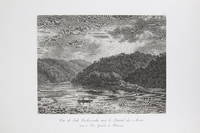
182283218Paris: Chez Arthus Bertrand 1822. Fine. Chez Arthus Bertrand Paris 1822 52 x 36.40 cm une feuille Fine original plate engraved by Carl Schleich in copperplate engraving in folio format. It comes from the atlas of the French first edition of this travel account to Brazil first published in 1820-1821 under the title Reise nach Brasilien in den Jahren 1815 bis 1817 and illustrating the account of the first voyage to Brazil by Maximilian Prince of Wied-Neuwied. Some marginal worming and tiny marginal tears. Chez Arthus Bertrand unknown
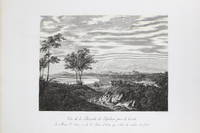
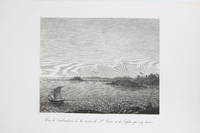
182283217Paris: Chez Arthus Bertrand 1822. Fine. Chez Arthus Bertrand Paris 1822 52 x 36.40 cm une feuille Fine original plate of a landscape overlooking the city of Porto Seguro where Pedro Alvares Cabral and the Portuguese expedition he commanded landed on April 22 1500. Engraved by G. Schleich as a copperplate engraving in folio format. It comes from the atlas of the French first edition of this travel account to Brazil first published in 1820-1821 under the title Reise nach Brasilien in den Jahren 1815 bis 1817 and illustrating the account of the first voyage to Brazil by Maximilian Prince of Wied-Neuwied. Some marginal worming and minimal marginal tears. Chez Arthus Bertrand unknown
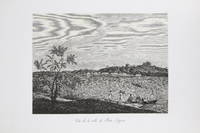
182283222Paris: Chez Arthus Bertrand 1822. Fine. Chez Arthus Bertrand Paris 1822 52 x 36.40 cm une feuille Fine original plate of a landscape of Ilheus by Ludwig Friedrich Schnell in copperplate engraving in folio format. It comes from the atlas of the French first edition of this travel account to Brazil first published in 1820-1821 under the title Reise nach Brasilien in den Jahren 1815 bis 1817 and illustrating the account of the first voyage to Brazil by Maximilian Prince of Wied-Neuwied. Some marginal worming and minute marginal tears. Chez Arthus Bertrand unknown
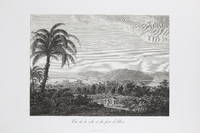
182283223Paris: Chez Arthus Bertrand 1822. Fine. Chez Arthus Bertrand Paris 1822 52 x 36.40 cm une feuille Fine original plate of a Brazilian landscape after Christian Haldenwang by Johann Jacob Wagner in copperplate engraving in folio format. It comes from the atlas of the French first edition of this travel account to Brazil first published in 1820-1821 under the title Reise nach Brasilien in den Jahren 1815 bis 1817 and illustrating the account of the first voyage to Brazil by Maximilian Prince of Wied-Neuwied. Some marginal worming. Chez Arthus Bertrand unknown
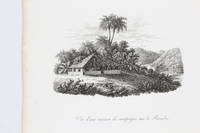
182283221Paris: Chez Arthus Bertrand 1822. Fine. Chez Arthus Bertrand Paris 1822 52 x 36.40 cm une feuille Beautiful original plate of a Rio Grande landscape by Christian Haldenwang in copperplate engraving in folio format. It comes from the atlas of the French first edition of this travel account to Brazil first published in 1820-1821 under the title Reise nach Brasilien in den Jahren 1815 bis 1817 and illustrating the account of the first journey to Brazil by Maximilian Prince of Wied-Neuwied. Some marginal worming and minimal marginal tears. Chez Arthus Bertrand unknown
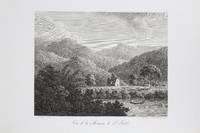
182283220Paris: Chez Arthus Bertrand 1822. Fine. Chez Arthus Bertrand Paris 1822 52 x 36.40 cm une feuille Beautiful original plate of a Rio Santa Cruz landscape in copperplate engraving in folio format. It comes from the atlas of the French first edition of this travel account to Brazil first published in 1820-1821 under the title Reise nach Brasilien in den Jahren 1815 bis 1817 and illustrating the account of the first journey to Brazil by Maximilian Prince of Wied-Neuwied. Some marginal worming and minimal marginal tears. Chez Arthus Bertrand unknown
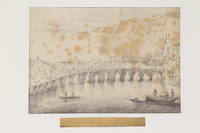
1825602071825. Fine. circa. 1825 23 x 16.40 cm une feuille sous marie-louise Original pencil drawing numerous stings. This print depicting the Bay of Naples overlooking the bluish silhouette of Vesuvius was later added to a set of Italian landscapes in an amicorum album among engravings lithographs drawings and washings. Executed in the first quarter of the 19th century these prints summarize the stages of the ""Grand Tour"" of Italy the obligatory journey of the post-Napoleonic nobility who came to Italy to make an artistic and bucolic pilgrimage to the great achievements of the Renaissance City views and charming Lombard and Piedmont mountain lakes. The European aristocracy was therefore fond of these prints of good graphic quality enhanced with brilliant colors which brought together the high places of architecture and the Italian countryside. unknown
182283233Paris: Chez Arthus Bertrand 1822. Fine. Chez Arthus Bertrand Paris 1822 52 x 36.40 cm une feuille Fine original plate with two large copperplate vignettes in folio format. It is from the atlas of the French first edition of this travel account to Brazil first published in 1820-1821 under the title Reise nach Brasilien in den Jahren 1815 bis 1817 and illustrating the account of the first voyage to Brazil by Maximilian Prince of Wied-Neuwied. Some marginal worming. Chez Arthus Bertrand unknown
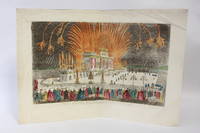
176562178Paris: Chez Mondhare 1734-1799 1765. Fine. Chez Mondhare 1734-1799 Paris circa 1765 32 x 46 cm une feuille Original engraving. Optical view enhanced in watercolor depicting a view of the fireworks display at Green Park London in celebration of peace in 1763 Optical views also called views perspectives or ""mondo nuovo"" are engravings very much in vogue between the end of the 18th and early 19th centuries. They were intended to be observed through a set of several mirrors or by means of a Zygrascope an instrument consisting of a mirror and a lens. Optical views can be considered as the precursors of three-dimensional images and stereoscopes which enjoyed great success from the 19th century onwards. Optical views seem to appear in the 1740s and were salon entertainments. The process was developed first in Paris then London and finally in Germany and sought to represent - in an idealized manner - the most famous panoramas and landscapes of East and West. Proof with very fresh colors one fold mark and minor soiling. Chez Mondhare (1734-1799) unknown
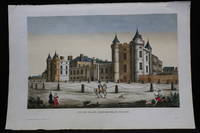
179045608Paris: Chez Hocquart 1790. Fine. Chez Hocquart Paris circa 1790 30.50 x 48.50 cm une feuille Original engraving. Optical view heightened in watercolor depicting a view of Holyrood Palace in Scotland. Optical views also called vues perspectives or ""mondo nuovo"" are engravings that were very fashionable between the late 18th and early 19th centuries. They were intended to be observed through a set of several mirrors or by means of a Zograscope an instrument consisting of a mirror and a lens. Optical views can be considered as the precursors of three-dimensional images and stereoscopes which enjoyed great success from the 19th century onwards. Optical views seem to appear in the 1740s and were salon entertainments. The process was first developed in Paris then London and finally in Germany and aimed to represent - in an idealized manner - the most famous panoramas and landscapes of East and West. A fine impression with very fresh colors. Chez Hocquart unknown
179045626Paris: Chez Basset 1790. Fine. Chez Basset Paris circa 1790 30.50 x 48.50 cm une feuille Original engraving. Optical view heightened in watercolor depicting a view of St Denis taken from the bridge. Optical views also called views perspectives or ""mondo nuovo"" are engravings very much in vogue between the late 18th and early 19th centuries. They were intended to be viewed through a set of multiple mirrors or by means of a Zograscope an instrument consisting of a mirror and a lens. Optical views can be considered precursors to three-dimensional images and stereoscopes which enjoyed great success from the 19th century onwards. Optical views seem to appear in the 1740s and were salon entertainments. The process was first developed in Paris then London and finally in Germany and focused on representing - in an idealized manner - the most famous panoramas and landscapes of East and West. A very slight foxing in the upper part of the plate otherwise a fine proof with very fresh colors. Chez Basset unknown
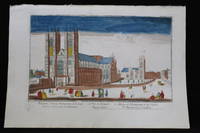
179045613Paris: Chez Lachaussée 1790. Fine. Chez Lachaussée Paris circa 1790 30.50 x 48.50 cm une feuille Original engraving. Optical view heightened in watercolors representing a view of Westminster Abbey and Saint Margaret's Church in London. Optical views also called views perspectives or ""mondo nuovo"" are engravings that were very fashionable between the late 18th and early 19th centuries. They were intended to be observed through a set of several mirrors or by means of a Zograscope an instrument consisting of a mirror and a lens. Optical views can be considered as the forerunners of three-dimensional images and stereoscopes which enjoyed great success from the 19th century onwards. Optical views seem to appear in the 1740s and were parlor entertainments. The process developed first in Paris then London and finally in Germany and focused on representing - in an idealized manner - the most famous panoramas and landscapes of East and West. Some minor foxing otherwise a fine impression with very fresh colors. Chez Lachaussée unknown
179045796Paris: Chez Basset 1790. Fine. Chez Basset Paris circa 1790 30.50 x 48.50 cm une feuille Original engraving. Optical view heightened in watercolor depicting a view of the bridge of Vienna. Optical views also called views perspectives or ""mondo nuovo"" are engravings that were very fashionable between the end of the 18th and beginning of the 19th century. They were intended to be observed through a set of multiple mirrors or by means of a Zygrascope an instrument consisting of a mirror and a lens. Optical views can be considered as the precursors of three-dimensional images and stereoscopes which enjoyed great success from the 19th century onwards. Optical views seem to appear in the 1740s and were drawing room entertainments. The process was first developed in Paris then London and finally in Germany and focused on representing - in an idealized manner - the most famous panoramas and landscapes of East and West. Fine impression with very fresh colors. Chez Basset unknown
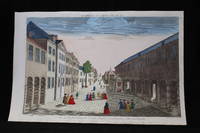
179045793Paris: Chez Jacques Chereau 1790. Fine. Chez Jacques Chereau Paris circa 1790 30.50 x 48.50 cm une feuille Original engraving. Optical view heightened in watercolor depicting a view of the hot springs fountain and the square of Aix-la-Chapelle. Optical views also called views perspectives or ""mondo nuovo"" are engravings that were very fashionable between the late 18th and early 19th centuries. They were intended to be observed through a system of multiple mirrors or by means of a Zograscope an instrument consisting of a mirror and a lens. Optical views can be considered the precursors of three-dimensional images and stereoscopes which enjoyed great success from the 19th century onward. Optical views appear to have emerged in the 1740s and were drawing room entertainments. The process developed first in Paris then London and finally in Germany and aimed to represent - in an idealized manner - the most famous panoramas and landscapes of East and West. A fine impression with very fresh colors. Chez Jacques Chereau unknown
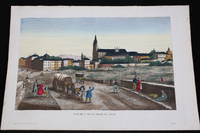
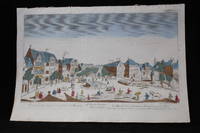
179045795Paris: Chez Daumont et Lachaussée 1790. Fine. Chez Daumont et Lachaussée Paris circa 1790 30.50 x 48.50 cm une feuille Original engraving. Optical view heightened in watercolor depicting a view of the horse market in Frankfurt am Main. Optical views also called views perspectives or ""mondo nuovo"" are engravings that were very fashionable between the end of the 18th and beginning of the 19th century. They were intended to be observed through a set of multiple mirrors or by means of a Zygrascope an instrument consisting of a mirror and a lens. Optical views can be considered as the precursors of three-dimensional images and stereoscopes which enjoyed great success from the 19th century onwards. Optical views seem to appear in the 1740s and were drawing room entertainments. The process was first developed in Paris then London and finally in Germany and focused on representing - in an idealized manner - the most famous panoramas and landscapes of East and West. Some minor dampstaining otherwise a fine impression with very fresh colors. Chez Daumont et Lachaussée unknown
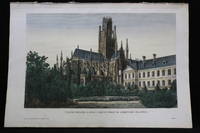
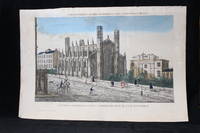
179045610Paris: Chez Basset 1790. Fine. Chez Basset Paris circa 1790 30.50 x 48.50 cm une feuille Original engraving. Optical view heightened in watercolor depicting a view of St. Ouen church in Rouen taken from the botanical garden. Optical views also called vues perspectives or ""mondo nuovo"" are engravings that were very fashionable between the late 18th and early 19th centuries. They were intended to be observed through a set of several mirrors or by means of a Zograscope an instrument consisting of a mirror and a lens. Optical views can be considered as the precursors of three-dimensional images and stereoscopes which enjoyed great success from the 19th century onwards. Optical views seem to appear in the 1740s and were salon entertainments. The process was first developed in Paris then London and finally in Germany and aimed to represent - in an idealized manner - the most famous panoramas and landscapes of East and West. Some minimal foxing otherwise a fine impression with very fresh colors. Chez Basset unknown
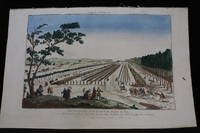
179045612Paris: Chez J. Chereau 1790. Fine. Chez J. Chereau Paris circa 1790 30.50 x 48.50 cm une feuille Original engraving. Optical view heightened in watercolors representing a perspective view of the review of the royal household. Optical views also called views perspectives or ""mondo nuovo"" are engravings that were very fashionable between the late 18th and early 19th centuries. They were intended to be observed through a set of several mirrors or by means of a Zograscope an instrument consisting of a mirror and a lens. Optical views can be considered as the forerunners of three-dimensional images and stereoscopes which enjoyed great success from the 19th century onwards. Optical views seem to appear in the 1740s and were parlor entertainments. The process developed first in Paris then London and finally in Germany and focused on representing - in an idealized manner - the most famous panoramas and landscapes of East and West. Fine impression with very fresh colors. Chez J. Chereau unknown
179045784Paris: Chez Basset 1790. Fine. Chez Basset Paris circa 1790 30.50 x 48.50 cm une feuille Original engraving. Hand-colored aquatint optical view depicting a view of St Paul's chapel taken from York Place in Edinburgh. Optical views also called vues perspectives or ""mondo nuovo"" are engravings that were very fashionable between the late 18th and early 19th centuries. They were intended to be viewed through a set of mirrors or by means of a Zograscope an instrument consisting of a mirror and a lens. Optical views can be considered the precursors of three-dimensional images and stereoscopes which enjoyed great success from the 19th century onwards. Optical views appear to have emerged in the 1740s and were parlour entertainments. The process was first developed in Paris then London and finally in Germany and sought to represent - in an idealized manner - the most famous panoramas and landscapes of East and West. Some very light dampstaining otherwise a fine impression with very fresh colors. Chez Basset unknown
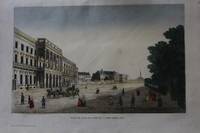
179045772Paris: Chez Basset 1790. Fine. Chez Basset Paris circa 1790 30.50 x 48.50 cm une feuille Original engraving. Optical view heightened in watercolor depicting a view of the Royal Palace of Brussels. Optical views also called vues perspectives or ""mondo nuovo"" are engravings that were very fashionable between the late 18th and early 19th centuries. They were intended to be viewed through a set of mirrors or by means of a Zograscope an instrument consisting of a mirror and a lens. Optical views can be considered the precursors of three-dimensional images and stereoscopes which enjoyed great success from the 19th century onwards. Optical views appear to have emerged in the 1740s and were salon entertainments. The process was first developed in Paris then London and finally in Germany and focused on representing - in an idealized manner - the most famous panoramas and landscapes of East and West. Fine impression with very fresh colors. Chez Basset unknown
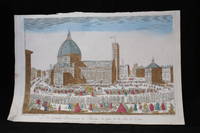
179045788Paris: Chez Daumont Basset et Lachaussée 1790. Fine. Chez Daumont Basset et Lachaussée Paris circa 1790 30.50 x 48.50 cm une feuille Original engraving. Optical view heightened in watercolor depicting a view of the procession of Florence on the feast day of Corpus Christi. Optical views also called views perspectives or ""mondo nuovo"" are engravings that were very fashionable between the late 18th and early 19th centuries. They were intended to be observed through a system of multiple mirrors or by means of a Zograscope an instrument consisting of a mirror and a lens. Optical views can be considered the precursors of three-dimensional images and stereoscopes which enjoyed great success from the 19th century onward. Optical views appear to have emerged in the 1740s and were drawing room entertainments. The process developed first in Paris then London and finally in Germany and aimed to represent - in an idealized manner - the most famous panoramas and landscapes of East and West. Small tears of no consequence to lower margin otherwise a fine impression with very fresh colors. Chez Daumont, Basset et Lachaussée unknown
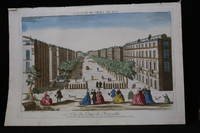
179045615Paris: Chez Lachaussée 1790. Fine. Chez Lachaussée Paris circa 1790 30.50 x 48.50 cm une feuille Original engraving. Optical view heightened in watercolor depicting a view of the court of Marseille. Optical views also called views perspectives or ""mondo nuovo"" are engravings that were very fashionable between the late 18th and early 19th centuries. They were intended to be observed through a set of several mirrors or by means of a Zygrascope an instrument consisting of a mirror and a lens. Optical views can be considered the precursors of three-dimensional images and stereoscopes which enjoyed great success from the 19th century onwards. Optical views seem to appear in the 1740s and were salon entertainments. The process was developed first in Paris then London and finally in Germany and focused on representing - in an idealized manner - the most famous panoramas and landscapes of East and West. A tiny tear with lack to lower left corner otherwise fine impression with very fresh colors. Chez Lachaussée unknown
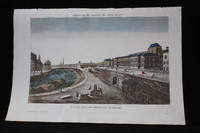
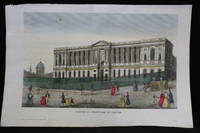
179045602Paris: Chez Basset 1790. Fine. Chez Basset Paris circa 1790 30.50 x 48.50 cm une feuille Original engraving. Optical view heightened in watercolour depicting a view of the Louvre colonnade. Optical views also called views perspectives or ""mondo nuovo"" are engravings very fashionable between the end of the 18th and the beginning of the 19th century. They were intended to be observed through a set of several mirrors or by means of a Zegrascope an instrument consisting of a mirror and a lens. Optical views can be considered as the precursors of three-dimensional images and stereoscopes which enjoyed great success from the 19th century onwards. Optical views seem to appear in the 1740s and were salon entertainments. The process was first developed in Paris then London and finally in Germany and was dedicated to representing - in an idealized manner - the most famous panoramas and landscapes of East and West. A very slight foxing at the top of the plate otherwise fine impression with very fresh colours. Chez Basset unknown
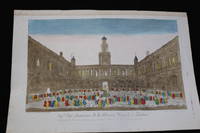
179045618Paris: Chez Lachaussée 1790. Fine. Chez Lachaussée Paris circa 1790 30.50 x 48.50 cm une feuille Original engraving. Vue d'optique heightened in watercolour depicting an interior view of the Royal Exchange in London. Vues d'optique also called vues perspectives or ""mondo nuovo"" are engravings that were highly fashionable between the late 18th and early 19th centuries. They were intended to be viewed through a set of mirrors or by means of a Zograscope an instrument consisting of a mirror and a lens. Vues d'optique can be considered the precursors to three-dimensional images and stereoscopes which enjoyed great success from the 19th century onwards. Vues d'optique appear to have emerged in the 1740s and were drawing-room entertainments. The process was first developed in Paris then London and finally in Germany and sought to represent - in an idealized manner - the most famous panoramas and landscapes of the Orient and Occident. Fine impression with very fresh colours. Chez Lachaussée unknown
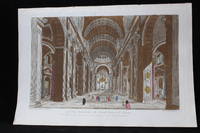
179045775Paris: Chez Daumont Basset et Lachaussée 1790. Fine. Chez Daumont Basset et Lachaussée Paris circa 1790 30.50 x 48.50 cm une feuille Original engraving. Optical view heightened in watercolour depicting an interior view of St. Peter's Basilica in Rome. Optical views also called vues perspectives or ""mondo nuovo"" are engravings that were very fashionable between the late 18th and early 19th centuries. They were intended to be observed through a set of mirrors or by means of a Zograscope an instrument consisting of a mirror and a lens. Optical views can be considered the precursors of three-dimensional images and stereoscopes which enjoyed great success from the 19th century onwards. Optical views seem to appear in the 1740s and were parlour entertainments. The process was first developed in Paris then London and finally in Germany and aimed to represent - in an idealized manner - the most famous panoramas and landscapes of East and West. A fine impression with very fresh colours. Chez Daumont, Basset et Lachaussée unknown