Biblio.com
48 390 résultats
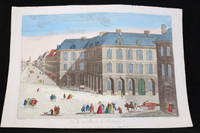
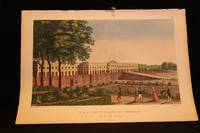
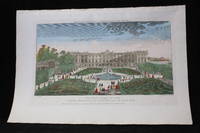
179045798Paris: Chez Jacques Chereau 1790. Fine. Chez Jacques Chereau Paris circa 1790 30.50 x 48.50 cm une feuille Original engraving. Optical view enhanced with watercolor depicting a view of the ambassadors' hotel in Vienna taken from the garden side. Optical views also called views perspectives or ""mondo nuovo"" are engravings very much in vogue between the end of the 18th and the beginning of the 19th century. They were intended to be observed through a set of several mirrors or by means of a Zograscope an instrument consisting of a mirror and a lens. Optical views can be considered as the precursors of three-dimensional images and stereoscopes which enjoyed great success from the 19th century onwards. Optical views seem to appear in the 1740s and are salon entertainments. The process was first developed in Paris then London and finally in Germany and was devoted to representing - in an idealized manner - the most famous panoramas and landscapes of East and West. Fine impression with very fresh colors. Chez Jacques Chereau unknown
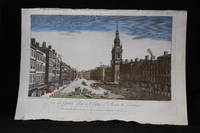
179045785Paris: Chez Daumont Basset et Lachaussée 1790. Fine. Chez Daumont Basset et Lachaussée Paris circa 1790 30.50 x 48.50 cm une feuille Original engraving. Hand-colored aquatint optical view depicting a view of the high street and St Mary's church in London. Optical views also called vues perspectives or ""mondo nuovo"" are engravings that were very fashionable between the late 18th and early 19th centuries. They were intended to be viewed through a set of mirrors or by means of a Zograscope an instrument consisting of a mirror and a lens. Optical views can be considered the precursors of three-dimensional images and stereoscopes which enjoyed great success from the 19th century onwards. Optical views appear to have emerged in the 1740s and were parlour entertainments. The process was first developed in Paris then London and finally in Germany and sought to represent - in an idealized manner - the most famous panoramas and landscapes of East and West. Lack to lower margin not touching the image otherwise a fine impression with very fresh colors. Chez Daumont, Basset et Lachaussée unknown
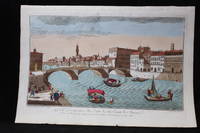
179045774Paris: Chez Basset 1790. Fine. Chez Basset Paris circa 1790 30.50 x 48.50 cm une feuille Original engraving. Optical view heightened in watercolor depicting a view of the Trinity Bridge in Florence. Optical views also called vues perspectives or ""mondo nuovo"" are engravings that were very fashionable between the late 18th and early 19th centuries. They were intended to be viewed through a set of mirrors or by means of a Zograscope an instrument consisting of a mirror and a lens. Optical views can be considered the precursors of three-dimensional images and stereoscopes which enjoyed great success from the 19th century onwards. Optical views appear to have emerged in the 1740s and were salon entertainments. The process was first developed in Paris then London and finally in Germany and focused on representing - in an idealized manner - the most famous panoramas and landscapes of East and West. Fine impression with very fresh colors. Chez Basset unknown
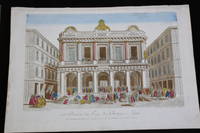
179045623Paris: Chez J. Chereau 1790. Fine. Chez J. Chereau Paris circa 1790 30.50 x 48.50 cm une feuille Original engraving. Hand-colored optical view in watercolor depicting a view of the Dunkirk Exchange. Optical views also called views perspectives or ""mondo nuovo"" are engravings that were very fashionable between the late 18th and early 19th centuries. They were intended to be observed through a set of several mirrors or by means of a Zograscope an instrument consisting of a mirror and a lens. Optical views can be considered as the predecessors of three-dimensional images and stereoscopes which enjoyed great success from the 19th century onwards. Optical views seem to appear in the 1740s and were salon entertainments. The process was first developed in Paris then London and finally in Germany and focused on representing - in an idealized manner - the most famous panoramas and landscapes of East and West. Fine impression with very fresh colors. Chez J. Chereau unknown
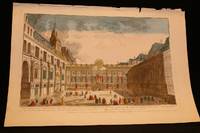
179045621Paris: Chez Basset 1790. Fine. Chez Basset Paris circa 1790 30.50 x 48.50 cm une feuille Original engraving. Vue d'optique heightened in watercolour depicting a view of the Lord Mayor's residence in London. Vues d'optique also called vues perspectives or ""mondo nuovo"" are engravings that were highly fashionable between the late 18th and early 19th centuries. They were intended to be viewed through a set of mirrors or by means of a Zograscope an instrument consisting of a mirror and a lens. Vues d'optique can be considered the precursors to three-dimensional images and stereoscopes which enjoyed great success from the 19th century onwards. Vues d'optique appear to have emerged in the 1740s and were drawing-room entertainments. The process was first developed in Paris then London and finally in Germany and sought to represent - in an idealized manner - the most famous panoramas and landscapes of the Orient and Occident. Fine impression with very fresh colours. Chez Basset unknown
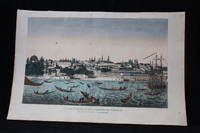
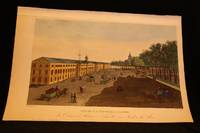
179045800Paris: Chez Basset 1790. Fine. Chez Basset Paris circa 1790 30.50 x 48.50 cm une feuille Original engraving. Optical view enhanced with watercolor depicting a view of the square and barracks of Top-Hané at the entrance to the port of Constantinople. Optical views also called views perspectives or ""mondo nuovo"" are engravings very much in vogue between the end of the 18th and the beginning of the 19th century. They were intended to be observed through a set of several mirrors or by means of a Zograscope an instrument consisting of a mirror and a lens. Optical views can be considered as the precursors of three-dimensional images and stereoscopes which enjoyed great success from the 19th century onwards. Optical views seem to appear in the 1740s and are salon entertainments. The process was first developed in Paris then London and finally in Germany and was devoted to representing - in an idealized manner - the most famous panoramas and landscapes of East and West. Minimal traces of dust otherwise a fine impression with very fresh colors. Chez Basset unknown
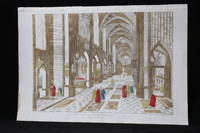
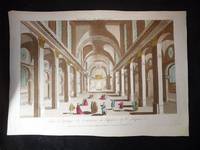
179045782Paris: Chez Daumont Basset et Lachaussée 1790. Fine. Chez Daumont Basset et Lachaussée Paris circa 1790 30.50 x 48.50 cm une feuille Original engraving. Optical view heightened in watercolor depicting an interior view of Dorth Cathedral. Optical views also called views perspectives or ""mondo nuovo"" are engravings that were very popular between the late 18th and early 19th centuries. They were intended to be observed through a set of multiple mirrors or by means of a Zograscope an instrument consisting of a mirror and a lens. Optical views can be considered as the forerunners of three-dimensional images and stereoscopes which enjoyed great success from the 19th century onwards. Optical views seem to appear in the 1740s and were parlor entertainments. The process was first developed in Paris then London and finally in Germany and aimed to represent - in an idealized manner - the most famous panoramas and landscapes of East and West. Fine impression with very fresh colors. Chez Daumont, Basset et Lachaussée unknown
179045624Paris: Chez J. Chereau 1790. Fine. Chez J. Chereau Paris circa 1790 30.50 x 48.50 cm une feuille Original engraving. Hand-colored optical view in watercolor depicting a view of the Exchange or Trading Lodge in Lyon. Optical views also called views perspectives or ""mondo nuovo"" are engravings that were very fashionable between the late 18th and early 19th centuries. They were intended to be observed through a set of several mirrors or by means of a Zograscope an instrument consisting of a mirror and a lens. Optical views can be considered as the predecessors of three-dimensional images and stereoscopes which enjoyed great success from the 19th century onwards. Optical views seem to appear in the 1740s and were salon entertainments. The process was first developed in Paris then London and finally in Germany and focused on representing - in an idealized manner - the most famous panoramas and landscapes of East and West. Fine impression with very fresh colors. Chez J. Chereau unknown
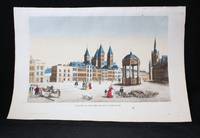
179045768Paris: Chez Basset 1790. Fine. Chez Basset Paris circa 1790 30.50 x 48.50 cm une feuille Original engraving. Optical view heightened in watercolours depicting a view of the grand square of Tournai. Optical views also called vues perspectives or ""mondo nuovo"" are engravings very much in vogue between the late 18th and early 19th centuries. They were intended to be observed through a set of several mirrors or by means of a Zograscope an instrument consisting of a mirror and a lens. Optical views can be considered as the precursors of three-dimensional images and stereoscopes which enjoyed great success from the 19th century onwards. Optical views appear to have emerged in the 1740s and were salon entertainments. The process was first developed in Paris then London and finally in Germany and was dedicated to representing - in an idealized manner - the most famous panoramas and landscapes of East and West. Fine impression with very fresh colours. Chez Basset unknown
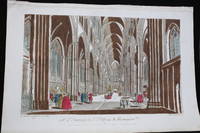
179045616Paris: Chez Lachaussée 1790. Fine. Chez Lachaussée Paris circa 1790 30.50 x 48.50 cm une feuille Original engraving. Optical view heightened in watercolor depicting a view of the interior of Westminster Abbey. Optical views also called views perspectives or ""mondo nuovo"" are engravings that were very fashionable between the late 18th and early 19th centuries. They were intended to be observed through a set of several mirrors or by means of a Zygrascope an instrument consisting of a mirror and a lens. Optical views can be considered the precursors of three-dimensional images and stereoscopes which enjoyed great success from the 19th century onwards. Optical views seem to appear in the 1740s and were salon entertainments. The process was developed first in Paris then London and finally in Germany and focused on representing - in an idealized manner - the most famous panoramas and landscapes of East and West. Fine impression with very fresh colors. Chez Lachaussée unknown
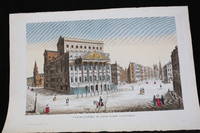
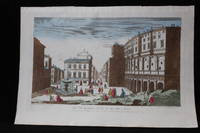
179045777Paris: Chez Daumont Basset et Lachaussée 1790. Fine. Chez Daumont Basset et Lachaussée Paris circa 1790 30.50 x 48.50 cm une feuille Original engraving. Optical view heightened in watercolour depicting a view of the Theatre of Marcellus in Rome. Optical views also called vues perspectives or ""mondo nuovo"" are engravings that were very fashionable between the late 18th and early 19th centuries. They were intended to be observed through a set of mirrors or by means of a Zograscope an instrument consisting of a mirror and a lens. Optical views can be considered the precursors of three-dimensional images and stereoscopes which enjoyed great success from the 19th century onwards. Optical views seem to appear in the 1740s and were parlour entertainments. The process was first developed in Paris then London and finally in Germany and aimed to represent - in an idealized manner - the most famous panoramas and landscapes of East and West. A fine impression with very fresh colours. Chez Daumont, Basset et Lachaussée unknown
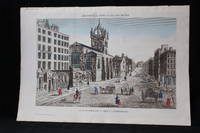
179045783Paris: Chez Basset 1790. Fine. Chez Basset Paris circa 1790 30.50 x 48.50 cm une feuille Original engraving. Optical view heightened in watercolor depicting a view of St Giles Church in Edinburgh. Optical views also called views perspectives or ""mondo nuovo"" are engravings that were very popular between the late 18th and early 19th centuries. They were intended to be observed through a set of multiple mirrors or by means of a Zograscope an instrument consisting of a mirror and a lens. Optical views can be considered as the forerunners of three-dimensional images and stereoscopes which enjoyed great success from the 19th century onwards. Optical views seem to appear in the 1740s and were parlor entertainments. The process was first developed in Paris then London and finally in Germany and aimed to represent - in an idealized manner - the most famous panoramas and landscapes of East and West. Fine impression with very fresh colors. Chez Basset unknown
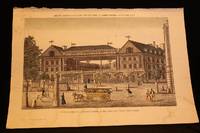
180046139Paris: Chez Basset 1800. Fine. Chez Basset Paris circa 1800 30.50 x 48.50 cm une feuille Original engraving. Optical view heightened in watercolour depicting a view of the Chinese baths taken from the Boulevard des Capucines. Optical views also called views perspectives or ""mondo nuovo"" are engravings very much in vogue between the late 18th and early 19th centuries. They were intended to be observed through a set of several mirrors or by means of a Zograscope an instrument consisting of a mirror and a lens. Optical views can be considered the precursors of three-dimensional images and stereoscopes which enjoyed great success from the 19th century onwards. Optical views seem to appear in the 1740s and were drawing-room entertainments. The process was first developed in Paris then London and finally in Germany and was devoted to representing - in an idealized manner - the most famous panoramas and landscapes of East and West. Some scattered worming and three dampstains at the bottom of the plate. Chez Basset unknown
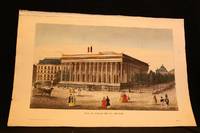
180046144Paris: Chez Basset 1800. Fine. Chez Basset Paris circa 1800 30.50 x 48.50 cm une feuille Original engraving. Optical view heightened in watercolor depicting a view of the Palace of the Stock Exchange. Optical views also called vues perspectives or ""mondo nuovo"" are engravings that were very popular between the late 18th and early 19th centuries. They were intended to be viewed through a series of mirrors or by means of a Zygrascope an instrument consisting of a mirror and a lens. Optical views can be considered the forerunners of three-dimensional images and stereoscopes which enjoyed great success from the 19th century onwards. Optical views appear to have emerged in the 1740s and were parlor entertainments. The process was first developed in Paris then London and finally in Germany and focused on representingin an idealized mannerthe most famous panoramas and landscapes of East and West. One tear without loss to left margin. A handsome plate with fresh colors. Chez Basset unknown
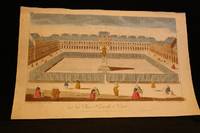
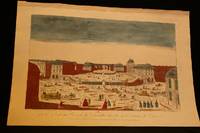
179046141Paris: Chez Lachaussée 1790. Fine. Chez Lachaussée Paris circa 1790 30.50 x 48.50 cm une feuille Original engraving. Optical view heightened in watercolor depicting a view of the Place Royale in Paris. Optical views also called vues perspectives or ""mondo nuovo"" are engravings that were very fashionable between the late 18th and early 19th centuries. They were intended to be observed through a set of several mirrors or by means of a Zograscope an instrument consisting of a mirror and a lens. Optical views can be considered the precursors of three-dimensional images and stereoscopes which enjoyed great success from the 19th century onwards. Optical views appear to have emerged in the 1740s and were salon entertainments. The process was first developed in Paris then London and finally in Germany and aimed to represent - in an idealized manner - the most famous panoramas and landscapes of the Orient and Occident. Fine impression with very fresh colors. Chez Lachaussée unknown
180046155Paris: Chez Basset 1800. Fine. Chez Basset Paris circa 1800 30.50 x 48.50 cm une feuille Original engraving. Optical view heightened in watercolor depicting a view of the New Gallery of the Cabinet of Natural History at the Jardin du Roi. Optical views also called views perspectives or ""mondo nuovo"" are engravings that were very fashionable between the late 18th and early 19th centuries. They were intended to be observed through a system of multiple mirrors or by means of a Zygrascope an instrument consisting of a mirror and a lens. Optical views can be considered as the precursors of three-dimensional images and stereoscopes which enjoyed great success from the 19th century onwards. Optical views seem to have appeared in the 1740s and were salon entertainments. The process was first developed in Paris then London and finally in Germany and sought to represent - in an idealized manner - the most famous panoramas and landscapes of East and West. Fine plate with fresh colors. Chez Basset unknown
180046148Paris: Chez Basset 1800. Fine. Chez Basset Paris circa 1800 30.50 x 48.50 cm une feuille Original engraving. Optical view heightened in watercolor depicting a view of the royal château of Compiègne. Optical views also called vues perspectives or ""mondo nuovo"" are engravings that were very popular between the late 18th and early 19th centuries. They were intended to be viewed through a series of mirrors or by means of a Zygrascope an instrument consisting of a mirror and a lens. Optical views can be considered the forerunners of three-dimensional images and stereoscopes which enjoyed great success from the 19th century onwards. Optical views appear to have emerged in the 1740s and were parlor entertainments. The process was first developed in Paris then London and finally in Germany and focused on representingin an idealized mannerthe most famous panoramas and landscapes of East and West. A handsome plate with fresh colors. Chez Basset unknown
180046151Paris: Chez Basset 1800. Fine. Chez Basset Paris circa 1800 30.50 x 48.50 cm une feuille Original engraving. Optical view enhanced with watercolor depicting a view of the Royal Military School taken from Avenue Vaugirard. Optical views also called views perspectives or ""mondo nuovo"" are engravings that were very fashionable between the late 18th and early 19th centuries. They were intended to be observed through a set of multiple mirrors or by means of a Zograscope an instrument consisting of a mirror and a lens. Optical views can be considered the precursors of three-dimensional images and stereoscopes which enjoyed great success from the 19th century onwards. Optical views appear to have emerged in the 1740s and were drawing room entertainments. The process was first developed in Paris then London and finally in Germany and focused on representing - in an idealized manner - the most famous panoramas and landscapes of the Orient and Occident. Handsome plate with fresh colors. Chez Basset unknown
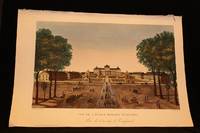
179046159Paris: Chez Daumont 1790. Fine. Chez Daumont Paris circa 1790 30.50 x 48.50 cm une feuille Original engraving. Optical view heightened in watercolors depicting a view representing the Royal Château of Versailles from the Paris avenue side. Optical views also called views perspectives or ""mondo nuovo"" are engravings that were very fashionable between the late 18th and early 19th centuries. They were intended to be observed through a set of several mirrors or by means of a Zograscope an instrument consisting of a mirror and a lens. Optical views can be considered as the precursors of three-dimensional images and stereoscopes which enjoyed great success from the 19th century onwards. Optical views appear to have emerged in the 1740s and were salon entertainments. The process was first developed in Paris then London and finally in Germany and aimed to represent - in an idealized manner - the most famous panoramas and landscapes of East and West. A paper strip in the upper margin reinforces the plate. Fine impression with very fresh colors. Chez Daumont unknown
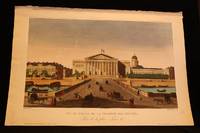
179046140Paris: Chez Basset 1790. Fine. Chez Basset Paris circa 1790 30.50 x 48.50 cm une feuille Original engraving. Optical view heightened in watercolor depicting a view of the Palace of the Chamber of Deputies. Optical views also called vues perspectives or ""mondo nuovo"" are engravings that were very fashionable between the late 18th and early 19th centuries. They were intended to be observed through a set of several mirrors or by means of a Zograscope an instrument consisting of a mirror and a lens. Optical views can be considered the precursors of three-dimensional images and stereoscopes which enjoyed great success from the 19th century onwards. Optical views appear to have emerged in the 1740s and were salon entertainments. The process was first developed in Paris then London and finally in Germany and aimed to represent - in an idealized manner - the most famous panoramas and landscapes of the Orient and Occident. Two strips of pasted paper on the left and at the top reinforce the plate. Fine impression with very fresh colors. Chez Basset unknown
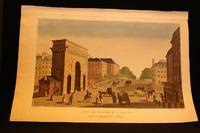
180046154Paris: Chez Basset 1800. Fine. Chez Basset Paris circa 1800 30.50 x 48.50 cm une feuille Original engraving. Optical view enhanced with watercolor depicting a view of the Porte Saint Martin taken from the Boulevard Saint Denis. Optical views also called views perspectives or ""mondo nuovo"" are engravings that were very fashionable between the late 18th and early 19th centuries. They were intended to be observed through a set of multiple mirrors or by means of a Zograscope an instrument consisting of a mirror and a lens. Optical views can be considered the precursors of three-dimensional images and stereoscopes which enjoyed great success from the 19th century onwards. Optical views appear to have emerged in the 1740s and were drawing room entertainments. The process was first developed in Paris then London and finally in Germany and focused on representing - in an idealized manner - the most famous panoramas and landscapes of the Orient and Occident. Handsome plate with fresh colors. Chez Basset unknown
179040696Paris: Chez Chéreau 1790. Fine. Chez Chéreau Paris circa 1790 46 x 33.50 cm une feuille Original engraving. Optical view heightened in watercolors depicting an interior view of Saint Sulpice church. Optical views also called views perspectives or ""mondo nuovo"" are engravings that were very fashionable between the end of the 18th and early 19th centuries. They were intended to be viewed through a set of multiple mirrors or by means of a Zograscope an instrument consisting of a mirror and a lens. Optical views can be considered as precursors to three-dimensional images and stereoscopes which enjoyed great success from the 19th century onwards. Optical views appear to have emerged in the 1740s and were salon entertainments. The process was first developed in Paris then London and finally in Germany and focused on representing - in an idealized manner - the most famous panoramas and landscapes of East and West. Fine impression with very fresh colors. Chez Chéreau unknown
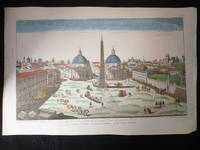
179040687Paris: Chez Daumont et Lachaussée 1790. Fine. Chez Daumont et Lachaussée Paris circa 1790 46 x 33.50 cm une feuille Original engraving. Optical view heightened in watercolor depicting a view of the great Piazza del Popolo in Rome. Optical views also called views perspectives or ""mondo nuovo"" are engravings that were very fashionable between the late 18th and early 19th centuries. They were intended to be viewed through a set of several mirrors or by means of a Zograscope an instrument consisting of a mirror and a lens. Optical views can be considered as the precursors of three-dimensional images and stereoscopes which enjoyed great success from the 19th century onwards. Optical views seem to appear in the 1740s and were parlor entertainments. The process was first developed in Paris then London and finally in Germany and sought to represent - in an idealized manner - the most famous panoramas and landscapes of East and West. Fine impression with very fresh colors. Chez Daumont et Lachaussée unknown
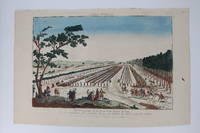
179079269Paris: Chez Daumont et Lachaussée 1790. Fine. Chez Daumont et Lachaussée Paris circa 1790 46 x 33.50 cm une feuille Original engraving. Optical view heightened in watercolour depicting a view of the review of the King's Household ""infantry which takes place every year in the plain of Sablons one league from Paris"". Optical views also called views perspectives or ""mondo nuovo"" are engravings very much in fashion between the end of the 18th and the beginning of the 19th century. They were intended to be observed through a set of several mirrors or by means of a Zograscope an instrument consisting of a mirror and a lens. Optical views can be considered as the precursors of three-dimensional images and stereoscopes which enjoyed great success from the 19th century onwards. Optical views seem to appear in the 1740s and were salon entertainments. The process was first developed in Paris then London and finally in Germany and sought to represent - in an idealized manner - the most famous panoramas and landscapes of East and West. A small trace of angular fold. Fine impression with very fresh colours. Chez Daumont et Lachaussée unknown
179046161Paris: Chez Basset 1790. Fine. Chez Basset Paris circa 1790 30.50 x 48.50 cm une feuille Original engraving. Optical view heightened in watercolors depicting a view representing the gallery erected in the Place de Grève on the occasion of the birth of Monseigneur le Dauphin. Optical views also called views perspectives or ""mondo nuovo"" are engravings that were very fashionable between the late 18th and early 19th centuries. They were intended to be observed through a set of several mirrors or by means of a Zograscope an instrument consisting of a mirror and a lens. Optical views can be considered as the precursors of three-dimensional images and stereoscopes which enjoyed great success from the 19th century onwards. Optical views appear to have emerged in the 1740s and were salon entertainments. The process was first developed in Paris then London and finally in Germany and aimed to represent - in an idealized manner - the most famous panoramas and landscapes of East and West. Fine impression with very fresh colors. Chez Basset unknown